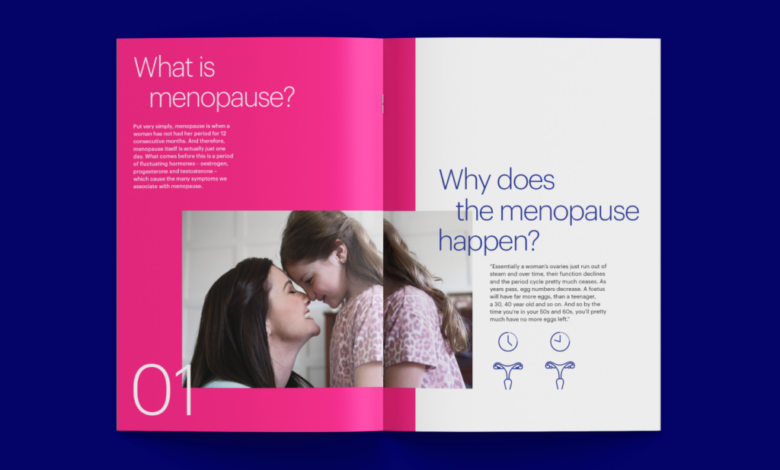
Menopause call for submissions opens a vital platform for sharing perspectives, experiences, and research on this significant life stage. We’re seeking diverse voices and insights to enrich our understanding of menopause and its impact. Whether you’re a researcher, a personal narrative writer, or an artist, we welcome your contributions.
This call encourages submissions on a broad range of topics related to menopause, from scientific research to personal accounts. We’re looking for high-quality, well-researched submissions, as well as deeply personal narratives that reflect the complexities of this experience. We’ve Artikeld specific categories and criteria for submissions, ensuring a fair and rigorous evaluation process.
Understanding the Call for Submissions
A “call for submissions” in the context of menopause is a formal invitation to individuals or groups to contribute original work related to this significant life stage. This might involve research papers, personal narratives, artistic expressions, or other forms of creative endeavors. The aim is to gather diverse perspectives and insights to foster a deeper understanding of menopause and its impact.This call typically seeks to address a specific area of interest within menopause, encouraging submissions that advance knowledge, promote empathy, or challenge existing narratives.
It often aims to increase public awareness, facilitate research, or stimulate dialogue around this important life transition.
Goals and Objectives of a Call for Submissions, Menopause call for submissions
The primary goals of a call for submissions on menopause often include advancing research, gathering diverse perspectives, and fostering a greater understanding of the experience. These goals are often supported by objectives like increasing public awareness, promoting inclusivity, and challenging societal biases related to menopause. They also aim to stimulate dialogue and collaboration among researchers, healthcare professionals, and individuals navigating this life stage.
Types of Submissions
A call for submissions related to menopause might welcome a variety of contributions. This could include academic research papers that explore the biological and social aspects of menopause. It might also encompass personal narratives, offering intimate accounts of the experience, or creative works like artwork, poetry, or music that provide alternative ways to express and understand this experience.
The diversity of formats allows for different voices and perspectives to be heard and considered.
Potential Themes and Topics
A call for submissions on menopause could explore numerous themes and topics. These could range from the physical and psychological impacts of menopause to the social and cultural contexts surrounding it. Topics might include the effectiveness of various treatment options, the impact of menopause on women’s health and well-being, or the role of societal expectations and cultural norms in shaping the experience.
Further, submissions might explore the intersections of menopause with other aspects of a woman’s life, such as career, relationships, or personal growth.
The menopause call for submissions is open! Are you an expert in women’s health? If you’re looking to contribute to the conversation about individualized diets best for people with diabetes, you might find some interesting connections to the broader menopause discussion. For example, understanding how diet impacts hormone regulation during menopause could provide a unique perspective for the submissions.
Check out this helpful resource on individualized diets best for people with diabetes for further insights, and consider submitting your work! It’s an exciting opportunity to share your expertise.
Submission Categories and Criteria
| Category | Description | Length/Format | Criteria |
|---|---|---|---|
| Research Paper | Original research on menopause. This could involve a quantitative or qualitative study, or a literature review. | 10-20 pages | Methodological rigor, significant contribution to the existing body of knowledge, clear presentation, and adherence to relevant ethical guidelines. |
| Personal Narrative | Personal experience with menopause. | 500-1000 words | Authenticity, emotional impact, clarity of expression, and sensitivity to the reader. |
| Artwork | Visual representation of menopause. This could include paintings, sculptures, photographs, or digital art. | N/A | Originality, artistic merit, and connection to the theme of menopause. |
Target Audience and Scope
This call for submissions aims to capture diverse perspectives and experiences related to menopause. Understanding the unique needs and challenges faced by women during this life stage is crucial for developing effective interventions and support systems. The goal is to gather a wide range of submissions to foster a deeper understanding of menopause across various contexts.
Primary Audience
The primary audience for this call is women experiencing menopause, healthcare professionals specializing in women’s health, researchers focusing on aging and women’s health, and members of the general public interested in learning more about menopause. The call also encourages submissions from individuals who have personal stories or insights to share, recognizing the richness of lived experience.
Demographic Focus
This call specifically targets submissions from women of diverse ethnicities, socioeconomic backgrounds, and geographic locations. Submissions that explore the intersectionality of menopause with other factors like race, ethnicity, and socioeconomic status are highly encouraged. The call acknowledges that menopause experiences vary greatly based on these factors. The call also aims to address the unique needs and challenges of women in rural communities and those from underrepresented groups.
Geographic Inclusivity
This call for submissions welcomes contributions from all geographic locations. While the call’s reach extends globally, we understand that access to resources and support systems may differ significantly. This call seeks to address the global disparities in menopause care and research by encouraging submissions from various regions, highlighting the need for tailored interventions and education on a global scale.
Impact on Menopause Research and Awareness
This call for submissions aims to contribute significantly to the field of menopause research and awareness. By encouraging the sharing of diverse experiences and perspectives, the call seeks to challenge existing biases and assumptions about menopause, leading to a more nuanced understanding of the complex processes involved. This will ultimately lead to improved healthcare and support systems for women experiencing menopause.
Comparison with Past Calls
This call for submissions differs from past calls in its explicit focus on inclusivity and intersectionality. Previous calls may have lacked the emphasis on the diverse experiences of women across different backgrounds, particularly regarding socioeconomic status, ethnicity, and location. This call recognizes the importance of diverse voices and perspectives, creating a more comprehensive understanding of menopause. Past calls often lacked a clear geographical focus or didn’t consider the potential disparities in resources and access to care.
This call addresses those limitations to ensure the submissions encompass a broader range of experiences and promote equitable access to information.
Structured Overview of the Call
- Target Audience: Women experiencing menopause, healthcare professionals, researchers, and the public interested in learning about menopause.
- Demographic Focus: Diverse ethnicities, socioeconomic backgrounds, and geographic locations.
- Geographic Inclusivity: Global scope, recognizing variations in access to resources and support systems.
- Potential Impact: Contribute to a more nuanced understanding of menopause, challenge existing biases, and improve healthcare and support systems for women.
- Comparison to Past Calls: Focus on inclusivity, intersectionality, and geographic diversity, going beyond previous calls’ limitations.
Submission Guidelines and Requirements
Crafting a compelling submission for our call is key to ensuring your work reaches the right audience. This section provides a clear roadmap, outlining essential formatting, length requirements, submission methods, and timelines. Understanding these guidelines will streamline your submission process and maximize your chances of success.
Formatting Requirements
To ensure consistency and readability, submissions must adhere to specific formatting guidelines. This uniformity allows reviewers to focus on the content rather than wrestling with complex layouts. Adherence to established styles like APA or MLA is recommended. Specific font types (e.g., Times New Roman, 12pt), margins (e.g., 1-inch), and line spacing (e.g., double-spaced) should be strictly followed.
Length Requirements
The length of your submission plays a crucial role in maintaining focus and providing sufficient detail. For example, essays might have a word count range (e.g., 500-1000 words) or page limit. These guidelines ensure balanced contributions and prevent submissions that are too concise or overly lengthy.
Submission Method
We’ve created a dedicated online portal for submission. This portal offers a secure and efficient way to upload your materials. You can find the submission portal by visiting [link to submission portal]. This centralized platform ensures all submissions are processed uniformly and efficiently.
Timeline
The submission period is from [Start Date] to [End Date]. This timeframe allows sufficient time for all interested individuals to prepare and submit their entries. The review process will commence immediately after the submission deadline. Notification of acceptance or rejection will be communicated by [Date]. These deadlines are crucial for ensuring a smooth and timely review process.
Submission Tools
No specific software is required for submission. Standard document creation tools (like Microsoft Word or Google Docs) are acceptable. However, the submitted file format should be compatible with standard document viewers.
Summary of Submission Guidelines
| Requirement | Description | Example |
|---|---|---|
| Formatting | Adhere to a standardized style guide (e.g., APA, MLA). Specify font type, size, margins, and line spacing. | Times New Roman, 12pt, 1-inch margins, double-spaced |
| Length | Submissions should meet specific word count or page limits, depending on the submission type. | 500-1000 words for essays, 2 pages for case studies |
| Submission Method | Utilize the dedicated online portal for submissions. | [link to submission portal] |
| Software | Standard document creation tools are sufficient. | Microsoft Word, Google Docs |
| Timeline | Submission period: [Start Date] to [End Date]. Review period: Immediately after submission deadline. Notification: [Date]. | Example dates for submission and review periods. |
Evaluating and Reviewing Submissions
Bringing together insightful perspectives on menopause requires a rigorous selection process. This crucial step ensures the quality and relevance of the submitted works, ultimately enriching the overall experience for our readers. A transparent and fair evaluation process is essential to maintain the integrity of the call for submissions.
Selection Criteria for Evaluating Submissions
The selection process prioritizes submissions that align with the call’s scope and target audience. Key criteria include the clarity and depth of the topic, the evidence-based approach, and the originality of the perspective. Submissions that offer unique insights, address critical gaps in existing knowledge, and provide actionable strategies for navigating menopause are highly valued. We also assess the writing quality, including clarity, conciseness, and adherence to the submission guidelines.
The presentation of the material, including the structure and formatting, also contributes to the evaluation.
Review Process and Judging Quality
The review process involves multiple stages to ensure a thorough evaluation of each submission. A team of expert reviewers, with diverse backgrounds and experiences, assesses the submitted manuscripts. Their detailed feedback and recommendations are carefully considered by the selection committee. This iterative approach ensures that the final selection reflects the highest standards of quality and relevance. Peer review is an integral part of this process, allowing for critical evaluation by experts in the field.
I’m so excited about the menopause call for submissions! It’s great to see such a focus on this important topic. While exploring related research, I stumbled upon some fascinating insights into treating diabetes with insulin beta, which could potentially offer new avenues for understanding hormonal imbalances. treating diabetes with insulin beta is a really interesting read, and I’m hoping to see similar groundbreaking discoveries emerge from the submissions for this menopause call.
Looking forward to the insights!
The process is designed to minimize bias by utilizing blind reviews, where the reviewers do not know the identity of the author.
Role of Reviewers and Qualifications
Reviewers play a vital role in the selection process. Their qualifications are crucial for ensuring the quality and objectivity of the evaluations. Reviewers are expected to have a deep understanding of menopause-related issues, including physical, psychological, and societal aspects. Expert knowledge in relevant fields, such as healthcare, psychology, or social sciences, is highly valued. Furthermore, experience in academic publishing or peer review processes is an asset.
Reviewers are expected to adhere to strict confidentiality guidelines throughout the process.
Potential Conflicts of Interest
Potential conflicts of interest are carefully addressed to maintain the integrity of the selection process. Reviewers are asked to disclose any potential conflicts, such as personal relationships with authors or affiliations with competing organizations. These disclosures are reviewed by the selection committee, and any potential conflicts are managed to avoid bias. The committee takes all necessary precautions to ensure that every submission receives a fair and impartial assessment.
Feedback Process for Authors
Authors receive constructive feedback on their submissions, outlining areas for improvement. This feedback is designed to support authors in enhancing their work and preparing it for publication. The feedback process is designed to be supportive and constructive, providing specific suggestions for revision. This constructive critique is essential for authors to refine their submissions and ensure they meet the highest standards.
Detailed feedback includes suggestions for strengthening arguments, clarifying concepts, and improving the overall presentation of the manuscript.
Submission and Review Process Flowchart
(A detailed flowchart, if possible, should be included here. If not possible, a verbal description of the submission and review process steps should be provided in the text. For example, “The process begins with the author submitting their manuscript. The submission is then assigned to a team of reviewers who assess it based on the established criteria…etc.”)
Promoting the Call for Submissions
A successful call for submissions hinges on effective promotion. Reaching a broad audience of potential contributors is crucial to garnering high-quality submissions. This section Artikels a comprehensive marketing strategy, targeting various channels and crafting engaging promotional materials.
Marketing Strategy
A multi-faceted approach is vital for maximizing visibility and attracting qualified submissions. This involves strategic engagement across multiple platforms, including social media, email lists, and academic publications.
Promotional Channels
Reaching potential contributors requires a diverse approach. This section details the key channels for disseminating the call for submissions.
I’m so excited about the menopause call for submissions – it’s such a vital topic, and I’m hoping to see some truly groundbreaking research. Recently, a new movie about cystic fibrosis, new movie about cystic fibrosis ignites debate , has sparked a lot of discussion, highlighting the importance of accurate and sensitive portrayals in media. This reminds me of the need for nuanced and thoughtful submissions for the menopause call for submissions, showcasing the diverse experiences of women going through this life stage.
- Social Media Platforms: Leveraging platforms like Twitter, Facebook, and LinkedIn is essential for reaching a wide audience. Targeted advertising can further refine outreach to specific demographics interested in menopause research.
- Email Lists: Utilizing pre-existing email lists of researchers, healthcare professionals, and relevant organizations is a cost-effective method. Segmenting these lists based on interest areas enhances the impact of the email communication.
- Academic Journals: Submitting the call for submissions to relevant academic journals will expose it to a specialized audience. This will bring in researchers and experts in the field, increasing the chances of attracting top-quality submissions.
- Research Networks and Associations: Reaching out to research networks and associations related to menopause, aging, or women’s health can amplify the reach of the call. This will create a network effect, making the call more visible to relevant experts.
Promotional Materials
Creating visually appealing and informative materials is crucial for attracting attention. These materials should clearly convey the purpose and scope of the call.
- Posters and Flyers: Visually engaging posters and flyers, distributed in relevant academic settings, conference halls, and research institutions, can effectively disseminate the call. The design should incorporate key information, such as submission deadlines, and the call’s focus area.
- Social Media Posts: Engaging social media posts, with captivating visuals and concise descriptions, will capture attention on platforms like Twitter and LinkedIn. These posts should clearly state the submission guidelines and encourage participation.
- Website Banner: A dedicated banner on the relevant website can prominently feature the call, directing visitors to the submission page. The banner should clearly state the topic and deadline.
Key Messaging
Conveying the importance of the call is crucial for encouraging participation. This section Artikels the key messaging points.
- Significance of the Topic: Highlighting the significance of the topic will motivate potential contributors. Emphasize the impact of the research on advancing knowledge and improving healthcare practices related to menopause.
- Impact of Contributions: Showcase the potential impact of submissions. Explain how the contributions will address critical gaps in the existing research and advance the field of menopause studies.
- Submission Process Clarity: Ensure that the submission guidelines and process are clear and concise. Avoid ambiguity to reduce potential barriers to participation.
Best Practices for Promotion
Maximizing the impact of the call requires adherence to best practices for promotional activities.
- Targeted Outreach: Identify specific audiences for targeted outreach. This will ensure that promotional efforts are directed towards those most likely to contribute valuable submissions.
- Consistent Branding: Maintaining a consistent brand image and message across all promotional channels will reinforce the call’s identity and create a cohesive impression.
- Monitoring and Evaluation: Track the effectiveness of promotional activities. Monitor metrics like website traffic, social media engagement, and email responses to assess the success of the campaign.
Social Media Campaign
A well-structured social media campaign can effectively promote the call. This campaign should engage potential contributors and increase awareness.
- Hashtag Campaign: Develop a unique hashtag for the call, encouraging contributors to use it in their posts. This will centralize discussions and increase visibility.
- Interactive Content: Utilize interactive content, such as polls and quizzes, to engage the audience and increase interaction.
- Collaboration with Influencers: Partner with relevant experts or influencers in the field to promote the call to their followers.
Potential Challenges and Solutions: Menopause Call For Submissions
Launching a call for submissions is exciting, but it’s crucial to anticipate potential obstacles and plan solutions. Understanding the potential pitfalls can help you attract high-quality submissions and ensure a successful outcome. This section explores common challenges and strategies to overcome them, providing examples to illustrate both successful and unsuccessful experiences.Successfully navigating a call for submissions hinges on anticipating and proactively addressing potential problems.
This proactive approach ensures a smooth process, attracts meaningful contributions, and maintains a high standard of quality throughout the entire submission period.
Challenges in Receiving Submissions
Predicting the number of submissions can be tricky. A well-crafted call for submissions, paired with effective promotion, can encourage participation. However, insufficient promotion, unclear guidelines, or a perceived lack of relevance can lead to a lack of submissions. Conversely, an overwhelming number of submissions can overwhelm the review process. It’s crucial to strike a balance.
Strategies for Overcoming Challenges
- Clear and Concise Guidelines: Precise guidelines reduce ambiguity and ensure that potential contributors understand the expectations. A comprehensive overview of the submission requirements, including formatting, length, and topic scope, should be clearly Artikeld.
- Effective Promotion: Utilizing diverse channels for promotion – academic journals, professional networks, social media, and relevant websites – will maximize exposure to potential contributors. Targeted outreach to specific communities can significantly enhance participation.
- Flexible Submission Deadlines: Allowing a reasonable timeframe for submissions allows individuals more time to prepare high-quality work, preventing potential stress. Flexibility can also attract participants from various time zones and backgrounds.
- Incentivizing Participation: Offering incentives, such as publication opportunities, recognition, or small grants, can motivate potential contributors. These incentives should be aligned with the values and priorities of the intended audience.
Examples of Successful and Unsuccessful Calls
A successful call for submissions may feature clear guidelines, extensive promotion, and a generous submission period, leading to a healthy volume of relevant submissions. An unsuccessful call, conversely, might have suffered from vague guidelines, limited promotion, or a short deadline. Analyzing successful calls reveals commonalities in their strategies and content, highlighting the crucial aspects that drive participation. Studying unsuccessful calls allows for identification of areas for improvement in future calls.
Maintaining Quality of Submissions
Ensuring the quality of received submissions is paramount. Establishing clear criteria for evaluation and maintaining consistency in the review process are essential to uphold the integrity and standards of the project. Employing multiple reviewers to assess submissions and implementing a structured feedback process will improve the overall quality.
Addressing Diversity and Inclusion in Submissions
Diversity and inclusion are crucial in ensuring a representative range of voices and perspectives. Strategies to promote diversity include promoting the call to diverse communities, offering support for individuals from underrepresented groups, and ensuring the evaluation process is free of bias. Creating a welcoming environment for submissions from various backgrounds will enhance the richness and depth of the project.
- Targeted outreach: Promoting the call to specific communities or networks that represent underrepresented groups is crucial. This includes partnering with organizations dedicated to supporting diverse voices.
- Mentorship programs: Providing mentorship to individuals from underrepresented groups can help them develop and submit high-quality work. This will facilitate a more inclusive environment.
- Blind review processes: Removing identifying information from submissions during the initial review phase can help mitigate potential bias.
Wrap-Up
In conclusion, the menopause call for submissions aims to foster a vibrant and inclusive discussion about menopause. We invite you to explore the diverse perspectives and research presented, and we encourage you to contribute your own unique story. We believe that through shared experiences and rigorous research, we can better understand and support those navigating this important life transition.