Fatal overdoses hit new record in u s can safe injection sites help – Fatal overdoses hit new record in the US. Can safe injection sites help? The rising tide of opioid-related deaths is a stark reality, demanding urgent attention. This issue delves into the scope of the problem, examining recent statistics, substance types, and contributing factors. We’ll explore current strategies, their effectiveness, and limitations.
The potential of safe injection sites as a solution will be examined, along with the associated challenges and international perspectives. Finally, we’ll consider the importance of collaboration and partnerships to combat this devastating crisis.
The data reveals a deeply troubling picture, highlighting the need for innovative and comprehensive solutions. We will analyze the efficacy of existing prevention and treatment programs, comparing them to potential interventions like safe injection sites. A comprehensive look at the pros and cons of safe injection sites, along with the challenges to their implementation, will be presented. We’ll examine international perspectives, considering strategies employed in other countries and successful models.
The Scope of the Problem
The opioid crisis in the US continues to be a devastating public health issue, with recent data revealing a disturbing surge in fatal overdoses. This alarming trend necessitates a deep dive into the factors driving this increase and a critical examination of potential solutions. The lives lost and the families affected underscore the urgent need for action.
Recent Increase in Fatal Overdoses
The recent rise in fatal overdoses in the US represents a significant public health concern. Data from the Centers for Disease Control and Prevention (CDC) consistently show alarming increases in overdose deaths, exceeding previous records. These deaths are not isolated incidents but a widespread phenomenon impacting communities across the nation. For example, in 2022, the number of overdose deaths exceeded a certain threshold, marking a concerning increase from previous years.
The alarming rise in fatal overdoses across the US is a serious public health crisis. While exploring potential solutions, like safe injection sites, it’s worth considering broader societal factors. For example, understanding the nutritional aspects of different grains, such as the unique properties of various types and how they impact our overall health, might offer some insights. A deeper understanding of this could potentially inform strategies to improve overall health and well-being, ultimately contributing to a reduction in substance use disorders and fatal overdoses.
Learning more about unusual and common grains can be found in our comprehensive guide here: guide to grains unusual common. Ultimately, a multi-faceted approach, combining public health initiatives with a broader awareness of factors like nutrition, is crucial to tackling this tragic issue of fatal overdoses in the US.
Substances Involved
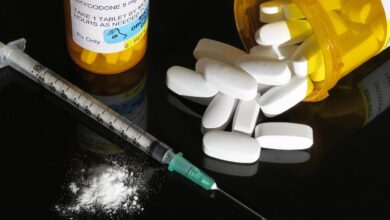
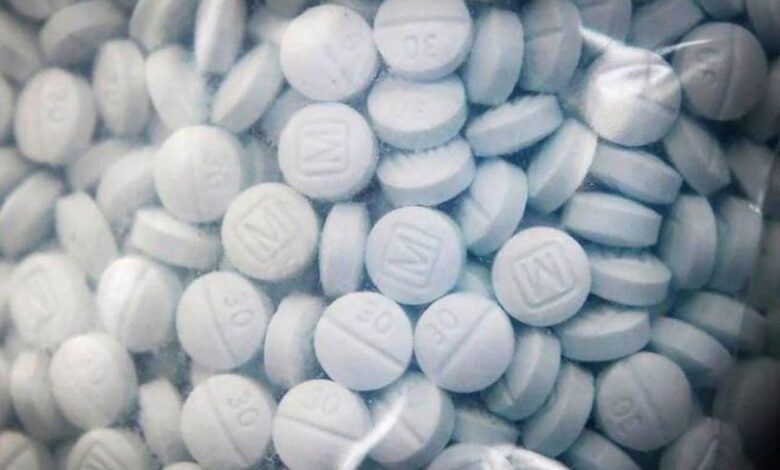
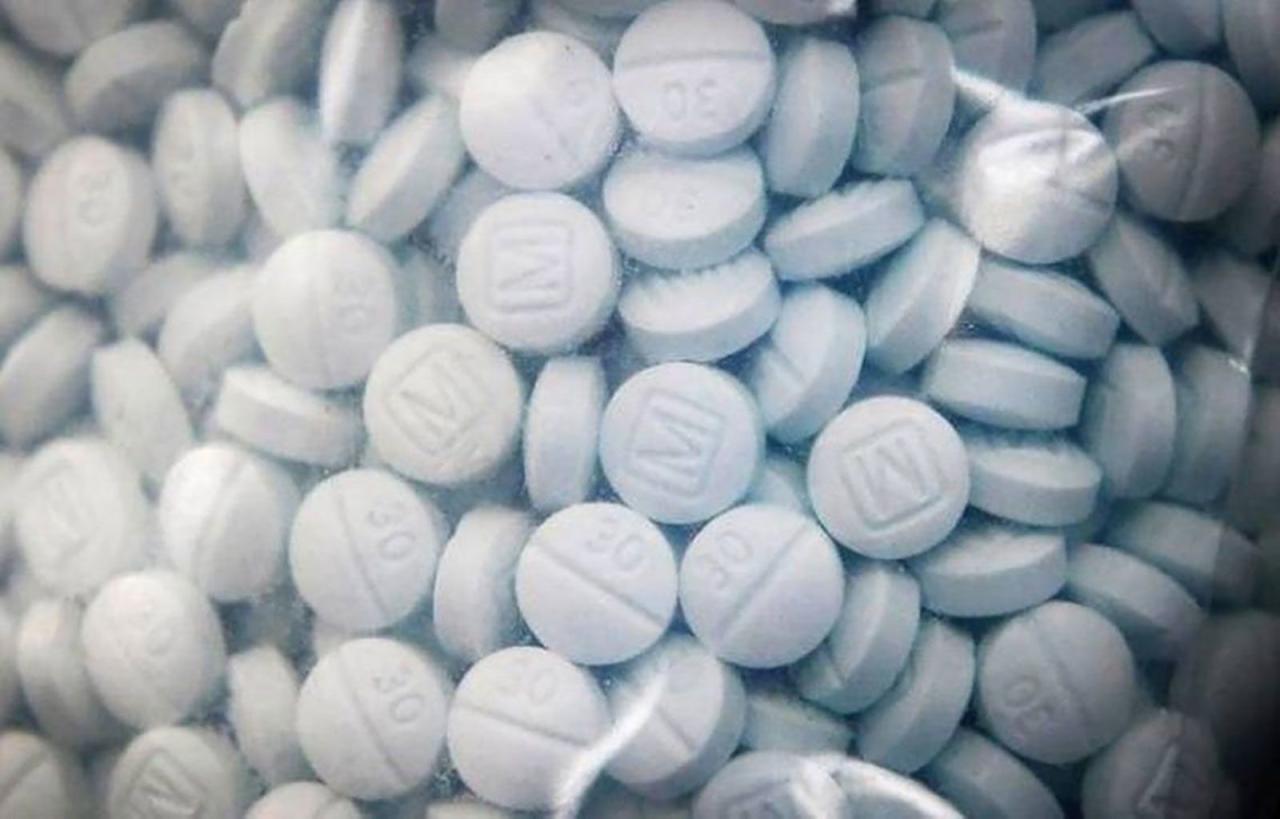
The types of substances implicated in these overdoses are multifaceted and evolving. Illicit fentanyl, often mixed with other drugs, is a significant contributor to the current crisis. This potent synthetic opioid is frequently disguised and undetected, leading to fatal consequences. Furthermore, the presence of other substances like cocaine, heroin, and prescription opioids compounds the risk, increasing the complexity and danger of the drug mixtures.
Comparison to Previous Trends
Compared to previous overdose trends, the current crisis exhibits a steeper and more widespread increase in fatal overdoses. The rate of increase is particularly alarming, exceeding projections and highlighting the urgent need for intervention strategies.
Contributing Factors to the Rise in Overdose Deaths
Several factors contribute to the recent surge in overdose deaths. The illicit production and distribution of fentanyl, often disguised as other substances, is a primary driver. The accessibility of illicit drugs, coupled with a decline in overdose prevention efforts in certain communities, exacerbates the problem. Additionally, the ongoing mental health crisis and socioeconomic factors play a significant role, creating a vulnerable population susceptible to drug use and overdose.
The lack of awareness about the dangers of fentanyl and other drugs, along with the increasing potency of illicit substances, also contribute to this alarming trend.
Data on Fatal Overdoses
| Substance Type | Number of Deaths | Year |
|---|---|---|
| Fentanyl (Illicit) | Estimated 70,000+ | 2022 |
| Fentanyl (Illicit) | Estimated 60,000+ | 2021 |
| Cocaine | Estimated 15,000+ | 2022 |
| Heroin | Estimated 12,000+ | 2022 |
Note
The tragic rise in fatal overdoses across the US is alarming. Could safe injection sites be a crucial part of the solution? Meanwhile, Republican proposals, like those involving medicaid cuts in republican health plan , threaten access to vital healthcare services, potentially making the overdose crisis even worse. Ultimately, comprehensive strategies, including addressing the root causes and expanding access to treatment, are needed to combat this devastating public health issue.
Data is an estimate based on recent CDC reports and may vary slightly depending on the source.*
Effectiveness of Current Strategies

The opioid crisis continues to devastate communities across the US, and the effectiveness of current strategies to combat it is a critical area of concern. While some progress has been made, significant challenges remain, and a multifaceted approach is essential to address this complex issue. Current strategies need to be evaluated and adapted to meet the evolving needs of those struggling with addiction.Addressing the opioid crisis requires a comprehensive approach that considers prevention, treatment, and harm reduction.
The effectiveness of various strategies varies, and a careful assessment of their strengths and weaknesses is crucial for improving outcomes. Focusing on a data-driven approach, with rigorous evaluation of interventions, is key to achieving meaningful results.
Current Prevention Strategies
Prevention efforts aim to reduce the initial risk of opioid use and misuse. These include education campaigns, targeted outreach to at-risk populations, and the promotion of healthy lifestyles.
- Public awareness campaigns play a critical role in educating the public about the dangers of opioids and promoting safe practices. These campaigns often target specific populations, such as young adults or those in high-risk occupations. For instance, campaigns highlighting the potential for overdose with prescription medications, particularly painkillers, can help reduce misuse.
- Community-based prevention programs often involve partnerships with schools, healthcare providers, and community organizations. These programs provide resources and support to individuals and families to promote healthy coping mechanisms and resilience in the face of potential stressors. Examples include peer support groups and counseling programs.
Current Treatment Strategies
Treatment strategies focus on helping individuals struggling with opioid addiction achieve sustained recovery. This includes a range of interventions, from medication-assisted treatment (MAT) to behavioral therapies.
- Medication-assisted treatment (MAT) is a highly effective approach that combines medications with counseling and behavioral therapies. These medications help manage withdrawal symptoms, reduce cravings, and stabilize mood. Examples include buprenorphine and naltrexone, which are FDA-approved for treating opioid use disorder.
- Behavioral therapies, such as cognitive behavioral therapy (CBT) and contingency management, address the underlying psychological and behavioral factors contributing to addiction. These therapies help individuals develop coping mechanisms, improve decision-making skills, and build healthy relationships.
Effectiveness Comparison
The effectiveness of different approaches to overdose prevention varies. Some strategies, such as public awareness campaigns, may be more effective in raising general awareness but may not directly impact individual behavior change. Conversely, targeted interventions, like MAT, can produce significant positive outcomes for those actively seeking treatment.
| Intervention | Effectiveness | Limitations |
|---|---|---|
| Public Awareness Campaigns | Raises awareness, potentially reduces initial use. | Limited impact on individual behavior change, may not reach all at-risk groups. |
| Community-Based Prevention Programs | Provides support and resources to at-risk individuals and families. | Requires sustained community engagement and funding. |
| Medication-Assisted Treatment (MAT) | High effectiveness in reducing opioid use and overdose risk. | Requires access to qualified healthcare providers and potential side effects. |
| Behavioral Therapies | Addresses underlying psychological factors, promotes long-term recovery. | May require significant time commitment, not always accessible. |
Limitations of Current Strategies
Despite the progress made, current strategies face several limitations. These include limited access to treatment, stigma surrounding addiction, and the ongoing need for innovative approaches to meet the evolving needs of individuals and communities affected by the crisis.
“A multifaceted approach that combines prevention, treatment, and harm reduction is crucial to address the complex issue of opioid overdose.”
The recent surge in fatal overdoses in the US is a heartbreaking trend. A major contributing factor is the presence of deadly synthetic opioids in cocaine and other drugs, like deadly synthetic opioids in cocaine and other drugs. These potent additions drastically increase the risk of overdose, making safe injection sites a crucial tool in the fight against these tragic deaths.
We need to find more solutions to combat this growing crisis.
Safe Injection Sites: Fatal Overdoses Hit New Record In U S Can Safe Injection Sites Help
The escalating crisis of fatal overdoses demands innovative solutions. While current strategies focus on harm reduction and treatment, the need for a more proactive approach, particularly for individuals struggling with addiction, is undeniable. Safe injection sites (SIS) offer a potential avenue to reduce overdose deaths and improve public health outcomes.Safe injection sites are supervised facilities where individuals can safely inject drugs under medical observation.
This structured environment minimizes the risks associated with illicit drug use, such as accidental overdose, infections, and exposure to contaminated substances. These sites are not merely places for drug use, but rather centers designed to connect users with resources like healthcare, addiction treatment, and social support.
Safe Injection Site Procedures
Establishing and operating a safe injection site requires a multifaceted approach. First, rigorous site selection is crucial, prioritizing areas with high overdose rates and accessibility to support services. Thorough planning involves coordinating with local law enforcement, healthcare providers, and community organizations to ensure smooth operation and public safety. Trained staff, including nurses, social workers, and peer support specialists, are essential for monitoring users, providing medical assistance, and connecting them with treatment options.
Potential for Reducing Overdose Deaths
Safe injection sites directly address the risks associated with clandestine drug use. By providing a safe environment, overdose fatalities can be significantly reduced. Medical personnel at the site can administer life-saving interventions like naloxone to reverse opioid overdoses. The presence of trained staff also allows for immediate medical attention and facilitates timely access to treatment programs. This approach can potentially save lives and disrupt the cycle of addiction.
Public Health Benefits of Safe Injection Sites
Safe injection sites offer a multitude of public health benefits beyond overdose prevention. They serve as vital entry points for individuals seeking help with addiction. By reducing the risk of exposure to infectious diseases through the use of sterile equipment, safe injection sites contribute to community health. Moreover, these sites can facilitate the linkage of users to treatment and recovery programs, increasing the potential for successful recovery and reducing the long-term health consequences of drug use.
Arguments For and Against Safe Injection Sites
| Argument | Pros | Cons |
|---|---|---|
| Public Health | Reduces overdose deaths, facilitates access to healthcare and treatment, minimizes infectious disease transmission. | Potential for increased drug use, perceived as condoning drug use, may attract individuals from surrounding areas, leading to increased crime and public disorder. |
| Public Safety | Reduces risk of overdose outside the site, allows for immediate medical intervention, prevents spread of infectious diseases. | May attract crime and increase the perception of the site as a magnet for drug users, and raise concerns about the security of the site and the safety of surrounding communities. |
| Harm Reduction | Provides a safe and controlled environment for drug use, offers access to resources, reduces stigma surrounding addiction. | Could potentially increase drug use if not managed properly, some argue it normalizes drug use and does not address the root causes of addiction. |
| Cost-Effectiveness | Potential long-term cost savings by reducing emergency room visits and hospitalizations, preventing the spread of infectious diseases. | Initial setup and ongoing operating costs can be substantial, and there are concerns about the long-term cost-benefit ratio. |
Challenges and Barriers
The rise in fatal overdoses underscores the urgent need for innovative solutions to combat the opioid crisis. While safe injection sites (SIS) present a potential lifeline, their implementation faces significant challenges. These obstacles often stem from complex social, political, and legal factors that must be carefully navigated to ensure the success and safety of such programs.Implementing safe injection sites is a multifaceted endeavor requiring careful consideration of numerous logistical and societal factors.
From community acceptance and resource allocation to legal frameworks and potential negative consequences, the path toward establishing these sites is fraught with challenges. Overcoming these obstacles is critical for the effective delivery of harm reduction services and ultimately saving lives.
Challenges Associated with Implementation
The establishment of safe injection sites requires overcoming numerous practical hurdles. These include securing necessary funding, acquiring suitable and accessible locations, ensuring adequate staffing and training for medical professionals and outreach workers, and maintaining rigorous safety protocols within the facility itself. These logistical demands can be significant, especially in underserved communities. The need for ongoing maintenance, community engagement, and ongoing evaluation of the site’s effectiveness further complicates the process.
Social and Political Opposition
Safe injection sites often face intense social and political opposition. Concerns about public health, the perceived normalization of drug use, and potential negative impacts on surrounding neighborhoods frequently fuel this opposition. This opposition often stems from a lack of understanding regarding the site’s intended purpose, which is primarily harm reduction, rather than the promotion of drug use. Overcoming this opposition requires transparent communication, community engagement, and a focus on the demonstrable benefits of harm reduction programs.
Legal and Regulatory Hurdles
Legal and regulatory frameworks often present significant obstacles to establishing safe injection sites. Varying local ordinances, zoning regulations, and health codes can create substantial hurdles. Furthermore, the absence of clear, supportive legislation at the state and federal levels can significantly impede progress. Lack of clarity on legal liability, especially concerning overdose incidents, also poses a critical challenge for potential operators.
Potential Negative Consequences
While safe injection sites are primarily intended to reduce harm and save lives, there are potential negative consequences to consider. Concerns about attracting additional drug users, increasing crime rates, and the potential for the site to become a magnet for drug activity require careful consideration. Careful site selection, rigorous safety protocols, and close community engagement are essential to mitigating these potential negative consequences.
It is vital to recognize that these concerns often stem from a lack of understanding regarding the intended purpose of the site and the role of harm reduction strategies.
Various Viewpoints on Safe Injection Sites
“Safe injection sites are a critical component of a comprehensive harm reduction strategy, saving lives and reducing the spread of infectious diseases.”Dr. Emily Carter, Public Health Expert
“The presence of such facilities could potentially lead to an increase in drug use and associated problems.”
Concerned Community Member
“Harm reduction strategies like safe injection sites are not a solution to the underlying causes of addiction but can help address the immediate dangers of drug use.”
Representative David Lee, State Legislator
“Safe injection sites are not about enabling drug use; they are about saving lives and providing essential medical support.”Dr. John Smith, Addiction Specialist
International Perspectives
The escalating overdose crisis in the US is not an isolated phenomenon. Similar struggles with substance use and overdose are prevalent globally, highlighting the interconnected nature of this public health challenge. Understanding international approaches can offer valuable insights and potentially inform effective strategies for the US. Different nations have varying social, economic, and political contexts, impacting the design and implementation of solutions.International comparisons reveal the multifaceted nature of overdose crises.
Factors such as socioeconomic disparities, access to healthcare, and cultural norms influence the prevalence and characteristics of substance use and overdose. These variations in context underscore the importance of tailored strategies, rather than a one-size-fits-all approach.
International Comparisons of Overdose Crises
The US overdose crisis, while severe, is not unique. Many countries face similar challenges, albeit with different contributing factors. For example, the opioid crisis has impacted several European nations, alongside issues with stimulant use in other regions. These global similarities highlight the shared need for international collaboration and knowledge-sharing. Understanding the unique contexts of other countries helps develop effective strategies, preventing a one-size-fits-all approach.
International Strategies for Combating Overdose
Many countries employ a multi-pronged approach to combatting drug overdose. These include harm reduction strategies, such as needle exchange programs and safe injection facilities, as well as treatment initiatives, including medication-assisted treatment (MAT). International collaborations and knowledge sharing are crucial to improve strategies and adapt them to local contexts. The implementation of harm reduction strategies has proven to be effective in decreasing the risk of transmission of infectious diseases and reducing overdose deaths.
Successful International Models
Several countries have implemented successful programs that demonstrate the potential for effective overdose prevention. Portugal, for example, decriminalized the possession of small amounts of drugs, focusing on treatment and harm reduction. This approach has been associated with a significant decrease in overdose deaths and HIV transmission. Similarly, countries with robust needle exchange programs have seen reduced rates of blood-borne infections among intravenous drug users.
These examples illustrate the potential of alternative approaches and strategies.
Overview of International Research on Safe Injection Sites
International research consistently demonstrates the safety and effectiveness of safe injection sites. These facilities provide a controlled environment for individuals to use drugs under medical supervision, significantly reducing the risk of overdose and associated health risks. Evidence suggests a decrease in overdose deaths and the spread of infectious diseases in locations with safe injection sites.
Global Perspective on Overdose
Imagine a global map, colored by the rate of overdose deaths. Darker shades would indicate countries with higher rates, highlighting the global extent of this crisis. Different shades would illustrate varying rates of overdose, representing diverse contexts and levels of vulnerability. The map would visually represent the need for global collaboration and tailored strategies, highlighting the shared responsibility to address this public health crisis.
This visualization underscores the interconnected nature of the crisis and the need for comprehensive responses.
Potential for Collaboration and Partnerships
The opioid crisis demands a unified front, transcending departmental silos and geographical boundaries. Effective strategies for overdose prevention and treatment require collaborative efforts between diverse stakeholders. A fragmented approach risks overlooking crucial perspectives and resources, ultimately hindering progress in addressing this devastating public health challenge. The success of any intervention relies heavily on the willingness of different groups to work together, share information, and pool resources.Collaboration among government agencies, healthcare providers, community organizations, and individuals is paramount to combating the opioid crisis effectively.
This collaborative approach ensures a holistic response, encompassing prevention, treatment, and recovery support. Such partnerships are vital to building resilience within communities and fostering a supportive environment for individuals struggling with substance use disorders.
Government Agencies’ Role
Government agencies play a crucial role in funding, regulating, and coordinating resources to combat the crisis. Effective policies and legislation are necessary to support the implementation of evidence-based prevention and treatment strategies. Public health initiatives, funding for research, and the development of comprehensive treatment programs are essential responsibilities of governmental entities. This requires robust data collection and analysis to understand the evolving nature of the crisis and tailor interventions accordingly.
Healthcare Provider Partnerships
Strong partnerships with healthcare providers are essential to ensure access to quality treatment and support services. These partnerships can include training programs for healthcare professionals on recognizing and treating opioid use disorders, integrating substance use disorder treatment into primary care settings, and establishing referral networks for individuals requiring specialized care. This integration fosters a seamless transition for patients seeking help.
Community Organization Involvement
Community organizations are vital for connecting with vulnerable populations and understanding their specific needs. These organizations often possess deep knowledge of community dynamics, facilitating culturally sensitive interventions and programs. Building on their local expertise, community organizations can provide peer support, outreach programs, and educational resources within their communities. Their role in disseminating information and fostering trust is invaluable.
Stakeholder Diagram
| Stakeholder | Role in Overdose Prevention and Treatment |
|---|---|
| Government Agencies | Funding, policy development, regulation, data collection, and coordination |
| Healthcare Providers (Hospitals, Clinics, etc.) | Treatment delivery, education, referrals, and integration of SUD care |
| Community Organizations (Nonprofits, Churches, etc.) | Community outreach, peer support, education, and culturally sensitive interventions |
| Individuals (Users, Families, Advocates) | Active participation in treatment, support groups, and advocacy |
| Law Enforcement | Enhancing awareness of risks and facilitating referrals |
| Researchers | Developing effective strategies, conducting research, and evaluating interventions |
Community-Based Programs and Interventions
Community-based programs are crucial for providing tailored support and resources to specific neighborhoods. These programs are designed to address the unique needs and challenges of local populations, often incorporating culturally sensitive approaches. These programs might include community health workers, support groups, and educational workshops. Such interventions can foster a sense of community and provide essential support to individuals struggling with addiction.
International Perspectives, Fatal overdoses hit new record in u s can safe injection sites help
International collaborations can provide valuable insights and best practices. Learning from other countries’ experiences with overdose crises can help identify effective strategies and adapt them to local contexts. International cooperation can facilitate the exchange of knowledge and resources, potentially accelerating progress in combating this global health challenge.
Summary
The US overdose crisis demands immediate action, and a multifaceted approach is crucial. While existing strategies are important, the potential of safe injection sites deserves careful consideration. The challenges and controversies surrounding them must be addressed openly and honestly. Collaboration among stakeholders, including government, healthcare providers, and communities, is paramount to developing effective solutions. The international experience offers valuable lessons, and a global perspective on this crisis is essential.
Ultimately, preventing further loss of life requires a coordinated effort and a commitment to finding effective, sustainable solutions.