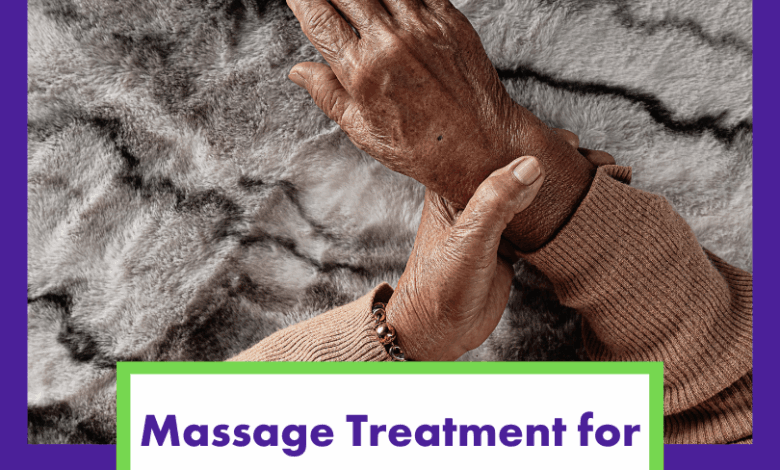
For arthritis pain try massage 2 – For arthritis pain, try massage 2: This in-depth guide explores the potential of massage therapy to alleviate arthritis symptoms. We’ll delve into various massage techniques, examining their effectiveness in targeting specific pain points and improving joint mobility. From understanding the benefits and risks to finding a qualified therapist and integrating massage into a comprehensive treatment plan, this resource provides a holistic approach to managing arthritis pain through massage.
This comprehensive guide will walk you through everything you need to know about using massage to manage arthritis pain. We’ll discuss specific massage techniques, their effectiveness, and potential risks. The information is presented in a way that empowers you to make informed decisions about incorporating massage into your arthritis treatment strategy.
Massage Techniques for Arthritis Pain
Massage therapy can be a valuable adjunctive therapy for managing arthritis pain. Gentle, targeted massage techniques can help improve circulation, reduce muscle tension, and promote relaxation, all of which contribute to pain relief and improved joint function. This approach is particularly beneficial for those experiencing stiffness and discomfort associated with arthritis.Massage techniques should be tailored to the individual’s specific needs and pain levels.
A qualified massage therapist can assess the affected areas and design a personalized treatment plan. It’s crucial to communicate any discomfort or limitations during the session. This allows the therapist to adjust pressure and techniques as needed.
Massage Techniques for Arthritis Pain Relief
Various massage techniques can be effective for managing arthritis pain. The key is to choose techniques that are gentle yet effective in relieving tension and promoting relaxation.
- Swedish massage is a popular choice for arthritis sufferers. It involves long, flowing strokes that promote relaxation and improve circulation. The gentle pressure helps to release muscle tension, reduce stiffness, and improve range of motion. It’s often a good starting point for individuals new to massage therapy or those with mild arthritis pain.
- Deep tissue massage, while potentially more intense, can be beneficial for individuals with chronic arthritis. It focuses on deeper layers of muscle tissue to address chronic muscle tension and tightness. However, it’s important to proceed with caution. Deep tissue massage should only be performed by a qualified therapist experienced in working with individuals who have arthritis. The pressure and duration of the massage should be adjusted to avoid exacerbating pain.
- Trigger point therapy targets specific knots or tight spots (trigger points) in the muscles. Applying pressure to these points can release the tension, alleviate pain, and improve range of motion. Trigger point therapy can be beneficial for individuals experiencing localized pain or stiffness.
- Myofascial release focuses on the fascia, the connective tissue that surrounds muscles and organs. This technique involves applying gentle, sustained pressure to the fascia to release tension and improve mobility. Myofascial release can be particularly helpful for individuals with widespread stiffness or restricted movement associated with arthritis.
Pressure, Duration, and Muscle Groups
The appropriate pressure, duration, and muscle groups targeted during a massage session depend on the individual’s pain tolerance and the specific areas affected by arthritis.
| Technique | Pressure | Muscles | Benefits |
|---|---|---|---|
| Swedish Massage | Light to moderate | Various muscle groups, including those around joints | Improved circulation, relaxation, reduced muscle tension |
| Deep Tissue Massage | Moderate to firm | Deep muscle layers, often those with chronic tension | Release of chronic muscle tension, improved flexibility |
| Trigger Point Therapy | Firm, localized pressure | Specific trigger points in muscles | Pain relief, reduced stiffness, improved range of motion |
| Myofascial Release | Gentle, sustained pressure | Fascial tissues surrounding muscles and joints | Improved flexibility, reduced pain in affected areas |
Body Mechanics and Posture
Proper body mechanics and posture are crucial for both the massage therapist and the recipient. A qualified massage therapist should be well-versed in techniques that maintain proper posture throughout the session. This minimizes stress on the therapist’s body and ensures the recipient experiences optimal comfort. Maintaining good posture during the session allows for a more efficient and effective massage.
Benefits and Risks of Massage for Arthritis
Massage therapy can be a valuable tool for managing arthritis pain, offering a range of potential benefits. However, it’s crucial to understand both the potential advantages and the possible risks to ensure that massage is used safely and effectively. This approach can provide significant relief and improve overall well-being for those living with arthritis.Massage can influence the body’s natural healing mechanisms, potentially reducing pain and stiffness.
By improving circulation and promoting relaxation, massage can help individuals with arthritis experience a greater sense of comfort and ease.
Potential Benefits of Massage for Arthritis
Massage therapy offers several potential benefits for individuals with arthritis. These include improved circulation, reduced inflammation, and increased flexibility. Enhanced circulation facilitates the delivery of nutrients to the affected joints, while reduced inflammation can alleviate pain and swelling. Increased flexibility allows for improved range of motion and can help prevent further stiffness.
For arthritis pain, massage therapy can be a real game-changer, and exploring different techniques is key. While dealing with a serious illness like Ewing sarcoma stage 4 ewing sarcoma stage 4 requires a different approach, massage can still play a vital role in managing pain and discomfort associated with arthritis. It’s important to find a qualified therapist and discuss any potential interactions with existing treatments.
Potential Risks of Massage for Arthritis
While massage therapy generally presents low risk, some individuals with arthritis may experience adverse effects. It’s essential to be aware of the potential risks and to communicate openly with a qualified massage therapist. Aggravating existing conditions or causing further pain are possible risks if the massage is not performed correctly or with appropriate caution.
Precautions Before Undergoing Massage Therapy for Arthritis
Certain precautions are essential before undergoing massage therapy for arthritis. Consulting with a physician is crucial to ensure that massage therapy is appropriate for an individual’s specific condition and health status. Thoroughly discussing any medications, allergies, or underlying health issues with the therapist is paramount. It’s vital to communicate any areas of pain or discomfort to the therapist, enabling them to tailor the massage to address individual needs and avoid potential harm.
Also, individuals with arthritis should be mindful of the potential for increased pain after a massage and take steps to manage any discomfort that may arise.
How Massage Can Improve Sleep Quality for Individuals with Arthritis
Massage therapy can contribute to improved sleep quality for individuals with arthritis. The relaxation and pain relief offered by massage can reduce stress and anxiety, factors that often interfere with sleep. By promoting a more relaxed state of mind and body, massage can contribute to a more restful night’s sleep, which is crucial for managing arthritis symptoms and overall well-being.
This relaxation can have a profound effect on the body’s ability to repair and rejuvenate, aiding in the management of arthritis symptoms. Furthermore, improved sleep quality is directly linked to reduced fatigue and improved mood, which are both vital components of effective arthritis management.
Massage and Specific Arthritis Types

Massage therapy offers a valuable approach to managing arthritis pain and improving quality of life. Understanding how different types of arthritis affect the body is crucial for tailoring massage techniques to specific needs. This allows for a more targeted and effective approach to alleviating discomfort and restoring function.Massage can be highly beneficial in mitigating the symptoms of various arthritic conditions by promoting relaxation, reducing inflammation, and increasing joint mobility.
By carefully considering the unique characteristics of each type of arthritis, massage therapists can adapt their techniques to address the specific needs of their clients.
Osteoarthritis Massage Considerations, For arthritis pain try massage 2
Osteoarthritis is characterized by the breakdown and eventual wearing away of cartilage in the joints. This process leads to pain, stiffness, and reduced range of motion. Massage techniques for osteoarthritis focus on alleviating these symptoms and improving joint function.
- Gentle, sustained pressure is vital for easing pain and stiffness. Deep tissue massage is often avoided, as it can exacerbate pain in the already damaged joints. The goal is to encourage blood flow and relaxation without causing further injury.
- Specific massage techniques targeting the affected joints can be extremely helpful. For example, in the knees, circular motions and effleurage (light, gliding strokes) can be employed to improve circulation and reduce inflammation. For hands, gentle stretching and manipulation of the fingers and wrists are beneficial.
- Addressing pain and inflammation are key. A massage therapist can focus on areas of tenderness, using techniques like effleurage and petrissage (kneading) to reduce inflammation and promote relaxation. Warm compresses or heat pads can be used in conjunction with massage to enhance its benefits.
Rheumatoid Arthritis Massage Considerations
Rheumatoid arthritis is an autoimmune disease that causes inflammation in the joints. This inflammation can lead to pain, swelling, and stiffness, often affecting multiple joints simultaneously. Massage therapy for rheumatoid arthritis is important for symptom management, although it’s vital to approach it with caution and consideration for the inflammation.
- Massage should focus on gentle techniques to avoid exacerbating inflammation. Deep tissue massage should be avoided, especially during periods of acute inflammation. Light, gliding strokes and effleurage are often preferred.
- Gentle stretching and range-of-motion exercises can be incorporated into the massage session to improve joint flexibility and mobility. This can be particularly beneficial for joints that have become stiff due to inflammation.
- Addressing pain and stiffness is crucial. Using gentle pressure and targeted techniques, such as effleurage and petrissage (kneading), can help alleviate pain and stiffness. It’s important to monitor the client’s response to the massage and adjust techniques accordingly.
Specific Joint Considerations
The specific joints affected by arthritis require tailored massage approaches.
| Joint | Massage Considerations |
|---|---|
| Hands | Gentle manipulation of fingers and wrists, focusing on areas of pain and stiffness. Stretching exercises to improve range of motion. |
| Knees | Circular motions and effleurage to improve circulation and reduce inflammation. Careful attention to any areas of tenderness or pain. |
| Hips | Gentle stretching and mobilization techniques to improve flexibility and reduce stiffness. Careful attention to the surrounding muscles and tissues to prevent pain. |
Symptom Management
Different types of arthritis present with varying symptoms. Massage can help address these symptoms in a variety of ways.
- Pain relief: Massage can help reduce pain by promoting relaxation and reducing muscle tension. This can be especially helpful in easing pain associated with arthritis in the joints.
- Improved mobility: Massage can help improve joint flexibility and range of motion. This can be extremely beneficial for patients who experience stiffness and limited movement due to arthritis.
- Reduced inflammation: Gentle massage techniques can help reduce inflammation in the joints by increasing blood flow. This can help alleviate pain and swelling associated with arthritis.
Finding a Qualified Massage Therapist

Choosing the right massage therapist is crucial for a positive and effective experience, especially when dealing with arthritis pain. A qualified therapist understands the specific needs of individuals with arthritis, and can tailor their techniques to minimize discomfort and maximize benefits. Properly trained therapists possess the knowledge and experience to address the unique challenges presented by various arthritis types and conditions.
Qualifications and Experience
Massage therapists specializing in arthritis care typically possess extensive training and experience. They understand the anatomy and physiology of the musculoskeletal system, and how arthritis impacts joint function. This understanding allows them to modify techniques to avoid aggravating inflamed areas. Experience working with clients who have arthritis is valuable. A therapist who has worked with similar conditions has developed a greater understanding of pain management strategies and has honed their ability to adapt to individual needs.
Finding a Qualified Therapist
Finding a massage therapist specializing in arthritis pain requires proactive research. Start by asking for recommendations from friends, family, or healthcare professionals who have experience with arthritis. Online directories and review platforms can provide valuable insights into therapists’ credentials and client experiences. Look for therapists who are members of professional massage organizations. These organizations often have standards of practice and ongoing education requirements that help ensure a higher level of expertise.
Questions to Ask a Potential Therapist
Before booking a massage session, it’s essential to ask clarifying questions to ensure the therapist is the right fit. Some questions to consider include: “What experience do you have working with clients who have arthritis?” “Do you have any specialized training or certifications related to arthritis care?” “What specific massage techniques do you use to address arthritis pain?” “Can you describe your approach to working with clients experiencing pain?” “How do you tailor your techniques to address individual needs and sensitivities?”
Criteria for Choosing a Massage Therapist
| Criteria | Description | Examples | Importance |
|---|---|---|---|
| Experience | Number of years working as a massage therapist, and specifically with clients experiencing arthritis. | 5+ years experience with arthritis patients, demonstrable case studies, participation in workshops focused on arthritis care. | Indicates a deeper understanding of arthritis-related pain and how to adapt techniques effectively. |
| Certifications | Relevant certifications demonstrating specialized training in areas like sports massage, trigger point therapy, or other modalities applicable to arthritis management. | Certified in advanced massage techniques, certified in myofascial release, or other relevant certifications from reputable organizations. | Demonstrates commitment to professional development and ensures a higher level of expertise in the specific needs of arthritis sufferers. |
| Specific Training in Arthritis Care | Evidence of participation in workshops, seminars, or continuing education courses focused on massage therapy for arthritis patients. | Attending workshops on arthritis management, working with certified arthritis specialists. | Indicates the therapist is up-to-date with the latest research and treatment approaches, allowing for more effective and targeted sessions. |
| Client Testimonials | Positive feedback from clients with similar conditions, demonstrating successful outcomes. | Client reviews highlighting positive experiences, testimonials from previous patients with arthritis. | Provides real-world insights into the therapist’s effectiveness and the positive impact of their work. |
Integrating Massage into a Comprehensive Arthritis Treatment Plan
Massage therapy can be a valuable addition to a comprehensive arthritis treatment plan, offering a non-invasive way to manage pain, improve flexibility, and enhance overall well-being. It works synergistically with other treatments, such as medication, exercise, and physical therapy, to create a more holistic approach to managing the condition.Integrating massage into an existing treatment plan requires careful consideration and open communication between the patient, their massage therapist, and other healthcare providers.
For arthritis pain, trying massage therapy can be a great option. It’s a fantastic way to relieve those aches and pains, and recent research suggests it can be very effective. Meanwhile, I was also excited to see the news about Aaron Kowalski being appointed the new CEO of JDRF, news aaron kowalski appointed new jdrf ceo.
Hopefully, this new leadership will bring innovative solutions to the fight against diabetes research. Regardless, massage therapy is still a great option for managing arthritis pain.
This collaborative approach ensures that the massage therapy complements, rather than conflicts with, the other components of the treatment strategy.
Complementary Nature of Massage Therapy
Massage therapy effectively complements other arthritis treatments by addressing different aspects of the condition. Medication helps manage inflammation and pain, while exercise strengthens muscles and improves joint mobility. Physical therapy focuses on restoring function and range of motion. Massage therapy, in contrast, can address muscle tension, improve circulation, and promote relaxation, which can further alleviate pain and enhance the effectiveness of other treatments.
It can also help with stress reduction, a significant factor in managing arthritis pain.
Communication and Collaboration
Effective communication between the massage therapist and other healthcare providers is paramount. The therapist should be informed about the patient’s specific diagnosis, medications, and any other relevant medical information. This allows the therapist to tailor the massage techniques to address the individual needs and limitations of the patient, while minimizing potential risks. Regular communication, perhaps through shared patient records or meetings, can ensure that the massage therapy is aligned with the overall treatment plan.
Role of the Massage Therapist
A qualified massage therapist plays a crucial role in managing pain and improving overall well-being for people with arthritis. By using appropriate massage techniques, they can help to reduce muscle tension, improve blood flow to affected areas, and promote relaxation. This, in turn, can lead to decreased pain perception, increased flexibility, and enhanced quality of life. The therapist’s understanding of anatomy and physiology, combined with their experience in working with individuals with arthritis, allows them to address the specific needs of each patient.
Integrating Massage into Daily Routine
Massage therapy can be seamlessly integrated into a patient’s daily routine. Short, 15-20 minute self-massage sessions, focusing on tight or painful areas, can be performed daily. This can include simple techniques like gentle stretches, kneading, and circular motions. Scheduled massage appointments with a qualified therapist can be incorporated into the weekly or bi-weekly schedule, offering a more in-depth treatment.
Regular sessions, combined with self-massage, can provide consistent support for the patient’s overall well-being. It’s important to remember that consistency is key to reaping the benefits of massage therapy.
Massage Therapy and Pain Management: For Arthritis Pain Try Massage 2
Massage therapy offers a powerful non-invasive approach to managing arthritis pain. It works by targeting the source of discomfort, improving blood flow, and promoting relaxation, ultimately reducing pain perception and improving overall well-being. This approach complements other treatments and can significantly enhance the quality of life for those living with arthritis.Massage’s influence extends beyond simple muscle relaxation. It plays a vital role in the body’s natural pain-relieving mechanisms, stimulating the release of endorphins, which have natural analgesic properties.
This, combined with reduced muscle tension and improved circulation, helps alleviate the inflammation and stiffness often associated with arthritis.
Massage’s Role in Reducing Pain Perception
Massage therapy helps reduce pain perception by addressing the physical and emotional factors contributing to discomfort. It directly targets inflamed areas, promoting blood flow and nutrient delivery to the affected tissues. This improved circulation aids in removing waste products and reducing swelling, both key contributors to arthritic pain. Furthermore, massage can stimulate the nervous system, leading to the release of endorphins, natural pain-relieving chemicals.
This dual approach, tackling both physical and emotional aspects, is crucial for managing chronic pain.
How Massage Influences the Body’s Natural Pain-Relieving Mechanisms
Massage triggers the release of endorphins, natural opioid-like substances produced by the body. These endorphins act as natural pain relievers, binding to opioid receptors in the brain and spinal cord to reduce pain signals. Additionally, massage can reduce muscle tension and stiffness, which frequently accompanies arthritic pain. By relaxing tense muscles, massage reduces pressure on sensitive joints and nerves, leading to a decrease in pain perception.
Improved circulation is another key mechanism; enhanced blood flow delivers oxygen and nutrients to tissues while removing waste products, potentially reducing inflammation and associated pain.
Pain Relief Techniques in Massage Therapy
| Technique | Description | Effectiveness | Considerations |
|---|---|---|---|
| Swedish Massage | A relaxing massage using long, flowing strokes to improve circulation and reduce muscle tension. | Generally effective for reducing muscle tension and promoting relaxation. | May not be suitable for individuals with acute pain or severe inflammation. |
| Deep Tissue Massage | A deeper massage focusing on the underlying layers of muscle tissue to release chronic tension and adhesions. | Can be highly effective for addressing chronic muscle pain and stiffness, but may be more intense and less suitable for those with acute conditions. | Requires a skilled therapist and careful attention to pain tolerance. |
| Trigger Point Therapy | Focuses on specific tender spots (trigger points) in muscles to release tension and pain. | Can be very effective in targeting localized pain and improving range of motion. | May be uncomfortable initially, so careful consideration of pain tolerance is essential. |
| Craniosacral Therapy | A gentle massage that focuses on the subtle movements of the cranium and sacrum to release tension and improve nervous system function. | Can be effective in reducing pain associated with musculoskeletal issues, but its effectiveness in arthritis is less directly established. | Requires specialized training and may not be suitable for everyone. |
Importance of Massage in Arthritis Pain Management
“Massage therapy, when incorporated into a comprehensive arthritis treatment plan, can significantly contribute to pain management strategies. It complements other therapies by addressing the physical and emotional components of pain, reducing inflammation, and promoting relaxation, thereby enhancing overall well-being and improving the quality of life for individuals living with arthritis.”
Massage and Joint Mobility
Massage therapy can be a valuable tool in managing arthritis symptoms, particularly when it comes to improving joint mobility and range of motion. By targeting the muscles surrounding affected joints, massage can help alleviate stiffness, increase flexibility, and reduce pain, ultimately enhancing overall function and preventing further damage. This approach focuses on restoring natural movement patterns and promoting a healthier, more active lifestyle.Massage techniques can effectively address the limitations imposed by arthritis by increasing blood flow to the affected area, releasing muscle tension, and improving joint lubrication.
For arthritis pain, trying massage therapy can be a real game-changer. It’s a fantastic way to relieve those nagging aches and pains, and a second opinion on massage techniques can be really helpful. Plus, just like understanding the unique challenges of raising a child, adoptive parents also face specific joys and hurdles, as detailed in this insightful article on 11 things adoptive parents understand.
Ultimately, finding the right massage approach tailored to your arthritis symptoms is key for effective pain management.
This enhanced circulation can aid in reducing inflammation and promoting healing. This, in turn, can lead to improved joint mobility and a better quality of life for those living with arthritis.
Specific Massage Techniques for Joint Flexibility
Massage techniques tailored to arthritis can significantly improve joint flexibility and range of motion. These techniques focus on specific muscles and areas surrounding the affected joints, aiming to release tension and improve circulation.
- Soft Tissue Mobilization: This technique involves gentle yet firm pressure and stretching of the soft tissues surrounding the joints. It helps to release tension in muscles and fascia, which can restrict joint movement. This is crucial for restoring the full range of motion in stiff joints.
- Joint Mobilization: This involves applying specific, controlled movements to the affected joint. The goal is to gently mobilize the joint surfaces and restore their normal movement patterns. It’s essential to work within the patient’s pain tolerance and under the guidance of a qualified therapist.
- Trigger Point Therapy: This method targets specific knots or trigger points in the muscles that can refer pain to the joints. By releasing these trigger points, pain and stiffness can be reduced, allowing for greater joint mobility. A qualified massage therapist can identify and address these trigger points effectively.
Reducing Stiffness and Improving Movement
Massage therapy can directly impact the stiffness often associated with arthritis. By improving circulation and releasing muscle tension, massage helps to reduce inflammation and promote joint lubrication. This, in turn, makes it easier for the affected joints to move through their full range of motion.
- Increased Blood Flow: Massage increases blood flow to the affected area, delivering essential nutrients and removing waste products. This improved circulation contributes to reduced inflammation and improved joint health, making the joints less stiff and more responsive to movement.
- Muscle Relaxation: Tight muscles often restrict joint movement and contribute to stiffness. Massage techniques aim to relax these muscles, releasing tension and allowing for a wider range of motion.
- Improved Joint Lubrication: Arthritis can reduce the natural lubrication within the joints, leading to friction and stiffness. Massage can help to restore this lubrication, making movement smoother and less painful.
Preventing Further Joint Damage and Improving Overall Function
Massage therapy, when incorporated into a comprehensive arthritis management plan, plays a crucial role in preventing further joint damage. By addressing stiffness and improving mobility, massage helps to protect the joints from undue stress and wear. This proactive approach supports a healthier and more functional lifestyle.
- Protecting Joints from Stress: Improved joint mobility means that joints are better able to withstand stress and strain, reducing the risk of further damage and injury.
- Promoting a Healthier Lifestyle: By easing pain and improving movement, massage allows for greater participation in daily activities, which in turn can help maintain a healthier lifestyle.
- Maintaining Overall Function: Improved mobility and reduced pain translate to an enhanced ability to perform daily tasks, fostering a greater sense of independence and well-being.
Massage and Inflammation Reduction
Massage therapy offers a promising avenue for managing arthritis pain, particularly by targeting inflammation. The gentle pressure and manipulation techniques employed during massage can influence various physiological processes, potentially reducing inflammation and improving joint function. Understanding these mechanisms and techniques is crucial for maximizing the benefits of massage for individuals with arthritis.Massage therapy’s impact on inflammation goes beyond simply alleviating pain.
By promoting blood flow and lymphatic drainage, massage can help to remove inflammatory mediators and waste products from the affected joints. This, in turn, can reduce swelling, improve joint mobility, and enhance overall well-being.
Physiological Mechanisms of Inflammation Reduction
Massage’s effectiveness in reducing inflammation stems from several physiological mechanisms. Increased blood flow, facilitated by massage, delivers more oxygen and nutrients to the affected area, while simultaneously removing metabolic waste products. This improved circulation can help to dilute inflammatory substances and speed up the healing process. Simultaneously, massage can stimulate lymphatic drainage, which is essential for removing excess fluid and cellular debris from the tissues, thereby further reducing swelling and inflammation.
Specific Massage Techniques for Inflamed Areas
Targeted massage techniques are essential for addressing inflammation in specific joints. Gentle, sustained pressure is generally preferred over aggressive techniques, particularly when dealing with inflamed areas. For instance, applying circular motions or effleurage (long, gliding strokes) can help to improve blood flow and reduce swelling. The use of specific stretches and mobilization techniques can also contribute to joint flexibility and reduce stiffness.
Improving Blood Flow and Reducing Swelling
Massage plays a vital role in improving blood flow and reducing swelling associated with arthritis. By increasing blood circulation, massage helps deliver oxygen and nutrients to the affected area, while simultaneously removing waste products. This improved circulation can help reduce swelling, improve joint function, and ultimately, alleviate pain. Deep tissue massage, combined with other techniques, can effectively address deep-seated inflammation and improve blood flow to the affected joints.
Examples of Techniques for Targeting Specific Areas
- For inflamed knees, use gentle circular motions around the kneecap and lower leg. Focus on areas with visible tenderness or swelling.
- For inflamed wrists, apply gentle gliding strokes along the wrist and forearm, focusing on the affected areas.
- For inflamed ankles, use circular motions and gentle stretches around the ankle joint and surrounding muscles.
Closing Summary
In conclusion, massage therapy can be a valuable addition to a comprehensive arthritis treatment plan. By understanding the various techniques, potential benefits and risks, and how to find a qualified practitioner, you can explore this therapeutic modality. Remember that massage is not a cure-all, but it can significantly contribute to managing pain, improving mobility, and enhancing overall well-being.
Consult with your doctor before making any significant changes to your treatment plan.
