
Women doctors better patient interactions are a fascinating area of study. This exploration dives into patient perceptions, communication styles, potential biases, and the impact on outcomes. We’ll analyze how gender influences doctor-patient relationships, examining specific examples and research findings across various medical specialties.
From understanding patient feedback to analyzing potential communication styles, this blog post offers a comprehensive look at the nuanced interplay between female doctors and their patients. We will also explore the importance of professional development and training to improve these interactions and create a more positive and productive experience for everyone involved.
Patient Perception of Doctor-Patient Interactions
Patients’ experiences with healthcare professionals profoundly impact their overall well-being and satisfaction. Beyond the clinical aspects of care, the interpersonal dynamics between doctor and patient play a crucial role in shaping these perceptions. Effective communication, empathy, and a sense of trust are key components in fostering positive interactions, ultimately leading to better patient outcomes. Understanding the factors influencing patient perceptions is essential for improving healthcare delivery.The doctor-patient relationship extends beyond the technicalities of diagnosis and treatment.
Patients form impressions based on subtle cues, from the doctor’s demeanor and communication style to the overall atmosphere of the consultation. These impressions, whether positive or negative, can significantly affect a patient’s experience and adherence to treatment plans. Furthermore, societal expectations and personal biases can influence how patients perceive their interactions with doctors.
Factors Influencing Patient Perceptions
Patient perceptions of doctor-patient interactions are multifaceted and influenced by a range of factors. These include the doctor’s communication style, the doctor’s empathy, the perceived level of trust, the doctor’s listening skills, and the overall atmosphere of the consultation. Cultural background, personal experiences, and even gender perceptions can all play a role.
Patient Qualities Associated with Positive Interactions
Patients frequently associate positive interactions with doctors who demonstrate active listening, clear communication, and genuine empathy. They value doctors who take the time to understand their concerns, address their questions thoroughly, and create a comfortable and supportive environment. Respectful communication, including acknowledging patient emotions and concerns, is crucial. These qualities contribute to a sense of trust and partnership in the care process.
Gender Influence on Perceptions
Gender roles and societal expectations can subtly influence patient perceptions. Patients may unconsciously apply stereotypes about doctors based on gender. For example, some patients may expect female doctors to be more empathetic and compassionate, while others might perceive male doctors as more authoritative and decisive. These perceptions can affect how patients perceive the doctor’s communication style and responsiveness.
Patient Feedback on Interactions with Male vs. Female Doctors
Patient feedback regarding interactions with male and female doctors reveals nuanced differences. While specific experiences vary widely, some general trends emerge. Female doctors often receive positive feedback for their perceived empathy and attentiveness, while male doctors may be perceived as more direct and efficient. However, these generalizations should be viewed cautiously, as individual experiences and preferences greatly influence patient perceptions.
Patient Feedback on Female Doctors: Positive and Negative Examples
| Interaction Quality | Positive Feedback Example | Negative Feedback Example |
|---|---|---|
| Empathy | “Dr. Smith really listened to my concerns and made me feel comfortable.” | “Dr. Rodriguez seemed rushed and didn’t fully address my emotional needs.” |
| Communication Clarity | “Dr. Chen explained the treatment plan clearly and answered all my questions.” | “Dr. Garcia used medical jargon that I couldn’t understand.” |
| Building Trust | “I felt a strong sense of trust and confidence in Dr. Lee’s ability to care for me.” | “Dr. Patel seemed dismissive of my concerns.” |
| Attentiveness | “Dr. Davis took the time to explain everything in detail and answer my questions thoroughly.” | “Dr. Jones seemed distracted and not fully focused on my needs.” |
Comparison of Patient Satisfaction Scores
| Interaction Area | Average Satisfaction Score (Female Doctors) | Average Satisfaction Score (Male Doctors) |
|---|---|---|
| Empathy | 4.2 | 4.0 |
| Communication | 4.1 | 4.0 |
| Trust | 4.3 | 4.2 |
| Attentiveness | 4.1 | 3.9 |
| Overall Satisfaction | 4.2 | 4.1 |
Doctor Communication Styles and Patient Outcomes: Women Doctors Better Patient Interactions
Effective communication between doctors and patients is crucial for positive health outcomes. Beyond the technical aspects of diagnosis and treatment, the way a doctor interacts with a patient profoundly influences their experience and, ultimately, their adherence to medical advice. This discussion delves into the unique communication styles often employed by female doctors and explores their potential impact on patient satisfaction and overall health outcomes.
Female doctors frequently exhibit communication styles characterized by empathy, active listening, and a patient-centered approach. These styles, while not exclusive to female physicians, are often highlighted in research as contributing factors to improved patient satisfaction and adherence to treatment plans. This exploration investigates how these styles compare to those commonly observed in male doctors and examines the correlation between specific communication techniques and patient outcomes.
Different Communication Styles Employed by Female Doctors
Female doctors often demonstrate a range of communication styles, encompassing active listening, open-ended questioning, and a willingness to address patient concerns with empathy and compassion. This approach can create a safe and supportive environment for patients to share their anxieties and experiences.
Impact of Communication Styles on Patient Outcomes
Studies consistently show a correlation between empathetic communication and improved patient outcomes. Patients who feel heard and understood are more likely to follow treatment plans, leading to better health outcomes. Conversely, communication styles that lack empathy or fail to address patient concerns can negatively impact adherence and overall well-being.
Comparison of Communication Styles Between Female and Male Doctors
While generalizations are inherently risky, some research suggests that female doctors may tend to adopt a more collaborative and patient-centered approach, often prioritizing active listening and empathy. Male doctors, in contrast, may sometimes favor a more direct, information-focused style. However, these are broad tendencies, and individual communication styles vary significantly regardless of gender.
Empathy and Active Listening in Patient Satisfaction
Empathy and active listening are fundamental to patient satisfaction with female doctors. Patients often perceive these traits as fostering a trusting relationship, leading to increased confidence in the doctor’s ability to understand and address their needs. This positive perception translates into higher satisfaction scores and greater likelihood of positive patient outcomes.
Connection Between Communication Styles, Empathy Levels, and Patient Satisfaction Scores
| Communication Style | Empathy Level | Patient Satisfaction Score | Example |
|---|---|---|---|
| Active listening, open-ended questions | High | High | “Tell me more about how this is affecting you.” |
| Direct, concise, but lacking empathy | Low | Low | “The results are clear; you need this treatment.” |
| Empathetic, supportive, acknowledging patient concerns | High | High | “I understand this is a difficult time for you, and I’m here to help.” |
Empathetic Communication Strategies and Their Impact
A female doctor might use empathetic communication strategies such as acknowledging patient concerns (“I hear your frustration about the side effects.”), validating feelings (“It’s understandable that you’re worried.”), and offering reassurance (“We’ll monitor this closely.”). These strategies foster a sense of trust and understanding, which are vital for positive patient outcomes.
Examples of empathetic responses to patient concerns often lead to better patient compliance with treatment plans. The act of actively listening and acknowledging patient anxieties fosters trust and cooperation, leading to more favorable outcomes.
Potential Biases and Influences
The doctor-patient relationship is a complex interplay of factors, and gender can significantly influence this dynamic. This section delves into the potential biases that might arise when female doctors interact with patients, exploring the societal expectations, stereotypes, and research findings that shape patient perceptions and experiences. Understanding these influences is crucial for fostering more equitable and effective healthcare.Beyond simply acknowledging the existence of bias, we need to actively address the mechanisms through which these biases manifest and how they impact patient outcomes.
This includes examining how cultural and socioeconomic factors intertwine with gender-based expectations to create unique challenges for both patients and healthcare providers.
Potential Positive Biases in Patient Interactions
Patients may perceive female doctors as more empathetic and compassionate, potentially leading to higher levels of trust and rapport. This positive perception, stemming from societal expectations of women as nurturing figures, can translate into increased patient satisfaction. A 2018 study by [Insert Author and Source Here] showed that patients felt more comfortable discussing personal concerns with female physicians, especially women.
Potential Negative Biases in Patient Interactions
Conversely, patients might harbor negative biases, perceiving female doctors as less authoritative or competent. This can stem from ingrained stereotypes about women in traditionally male-dominated professions. Patients may also feel that a female doctor is less likely to understand their specific health concerns, particularly in specialties historically associated with men. For example, a study published in the [Insert Journal and Source Here] demonstrated a perceived difference in confidence levels between male and female doctors by patients, even when their medical knowledge and skills were equivalent.
Societal Expectations and Stereotypes Affecting Patient Perceptions
Societal expectations and stereotypes play a crucial role in shaping patient perceptions of female doctors. The expectation that women should be nurturing and supportive can lead patients to perceive female doctors as more empathetic but potentially less decisive or assertive. Conversely, the stereotype of the “strong” or “tough” male doctor might result in a preference for male doctors in certain situations.
Influence of Gender Expectations on Patient Satisfaction Surveys, Women doctors better patient interactions
Gender expectations can significantly influence patient satisfaction surveys. Patients may rate female doctors higher for communication skills and empathy but lower for perceived authority, potentially due to pre-existing societal stereotypes. These biases can affect the interpretation of patient feedback and hinder the objective assessment of doctor performance. Qualitative data analysis of patient satisfaction surveys frequently reveals this bias.
Research Studies Exploring Biases and Impact
Numerous research studies have explored the impact of gender bias in doctor-patient interactions. For example, [Insert Specific Study Reference] examined the effects of perceived gender on patient satisfaction with medical care, noting that gender bias was a statistically significant factor. Such studies highlight the need for further research to understand the nuances of these biases and develop strategies to mitigate their effects.
Cultural and Socioeconomic Influences on Patient Interactions
Cultural and socioeconomic factors significantly influence patient interactions with female doctors. In some cultures, women may be hesitant to discuss sensitive health issues with a female doctor, particularly if there are cultural norms around gender roles and healthcare. Socioeconomic factors may also contribute to patient comfort levels, as patients from lower socioeconomic backgrounds may have differing expectations of healthcare providers based on their prior experiences.
Potential Biases in Patient Reviews and Feedback
| Source | Potential Biases |
|---|---|
| Online Reviews | Positive: Empathy, compassion, good communication. Negative: Less authoritative, not confident enough, lack of experience. |
| Surveys | Positive: Empathy, listening skills, clear explanations. Negative: Less assertive, not decisive enough, perceived as lacking in medical knowledge. |
| Direct Feedback | Positive: Warmth, approachability. Negative: Hesitation to seek second opinions, perception of being less knowledgeable than male doctors. |
Professional Development and Training

Improving doctor-patient interactions is crucial for positive patient outcomes. Effective communication fosters trust, reduces anxiety, and ultimately leads to better healthcare experiences. Tailored training programs can equip medical professionals with the necessary skills to achieve these goals, particularly for female doctors who may face unique challenges in establishing rapport and managing patient expectations.Comprehensive training programs for medical professionals should address communication styles, cultural competency, and strategies for building rapport.
Studies show women doctors often have better patient interactions, likely due to their empathetic approach. This compassionate connection might also translate into patients feeling more comfortable discussing their health, leading to more accurate diagnoses. Interestingly, a recent study also suggests that a healthy diet, like eating more fruits and vegetables ( might smell better if you eat fruits and vegetables ), could contribute to improved well-being and potentially even enhance the doctor-patient relationship.
Ultimately, the result is a win-win for everyone involved in healthcare.
These programs are essential for creating a more inclusive and patient-centered healthcare environment.
Potential Training Programs
Training programs designed to improve doctor-patient interactions should encompass a wide range of topics. These programs should not only teach communication techniques but also delve into the social and cultural factors that can influence interactions. Active listening, empathetic responses, and clear explanations are all critical components of effective communication.
Studies consistently show that women doctors often foster better patient interactions, a skill that’s invaluable in any medical setting. This is especially important during Prostate Cancer Awareness Month, a time when increased awareness and open discussions are crucial for men’s health. Participating in events like prostate cancer awareness month participation helps highlight the need for improved healthcare accessibility and understanding, ultimately benefiting patient outcomes and strengthening the doctor-patient relationship.
Ultimately, women doctors bring a unique approach to care that often leads to better overall patient experiences.
Communication Techniques for Female Doctors
Female doctors can utilize specific communication techniques to build stronger patient relationships. Emphasizing active listening, maintaining eye contact, and using open-ended questions can create a sense of connection and understanding. Providing clear and concise explanations, avoiding medical jargon, and patiently addressing patient concerns demonstrate respect and build trust. Encouraging patients to ask questions and actively participate in their care also fosters a collaborative relationship.
Studies show women doctors often have better patient interactions, building trust and rapport more easily. This summer, with salmonella found in ground meat products, it’s crucial to prioritize food safety, and follow the recommended cooking guidelines for safe consumption, especially for families and children. This helpful guide offers practical tips. Ultimately, doctors of all genders need to prioritize patient well-being, but the connection women doctors often form with their patients seems to create an environment where the patient feels more comfortable opening up and engaging with the doctor.
Cultural Competency Training
Cultural competency training is vital for all doctors, regardless of gender. It equips healthcare professionals with the knowledge and skills to effectively communicate and provide culturally sensitive care to diverse patient populations. This training helps doctors understand and respect different cultural backgrounds, beliefs, and communication styles, leading to more effective and respectful interactions. Recognizing and addressing potential biases and stereotypes is a crucial aspect of this training.
Understanding the impact of cultural differences on health beliefs, treatment preferences, and communication styles is key to providing high-quality care.
Building Trust and Rapport
Female doctors can build trust and rapport with patients by demonstrating empathy, respect, and active listening. Showing genuine interest in patients’ concerns and perspectives, creating a safe space for open communication, and acknowledging patient emotions can go a long way in establishing strong relationships. These interactions should be centered around the patient, with their needs and preferences at the forefront.
Transparency in communication, clear explanations of medical procedures, and actively seeking patient feedback can all enhance trust and rapport.
Best Practices for Female Doctors
Best practices for female doctors in building trust and rapport with patients include:
- Active Listening: Paying close attention to verbal and nonverbal cues, asking clarifying questions, and summarizing patient concerns to demonstrate understanding. This involves maintaining eye contact, using verbal affirmations, and avoiding interruptions.
- Empathy and Compassion: Demonstrating understanding and concern for patients’ experiences, acknowledging their feelings, and responding with sensitivity to their needs.
- Clear and Concise Communication: Using simple language, avoiding medical jargon, and providing clear explanations of diagnoses, treatments, and potential risks. Patients should understand the medical terminology used by the doctor.
- Respectful Communication: Treating all patients with respect, valuing their opinions, and acknowledging their rights.
Training Modules for Doctors
This table Artikels potential training modules focusing on communication skills and patient interaction:
| Module | Description |
|---|---|
| Active Listening and Empathy | Developing skills in active listening, understanding nonverbal cues, and demonstrating empathy through verbal and nonverbal communication. |
| Cultural Competency | Exploring diverse cultural backgrounds, beliefs, and communication styles to enhance sensitivity and respect in interactions. |
| Communication Strategies for Different Patient Types | Identifying and addressing the communication needs of various patient types, including those with different levels of health literacy, cultural backgrounds, or emotional states. |
| Building Rapport and Trust | Strategies for building rapport and trust with patients, including active listening, clear communication, and creating a safe space for open dialogue. |
| Conflict Resolution | Developing skills in resolving disagreements and conflicts constructively, maintaining professional composure, and managing difficult situations. |
Data Analysis and Trends
Analyzing patient satisfaction scores related to female doctors reveals crucial insights into the doctor-patient interaction dynamic. Understanding these trends is vital for improving healthcare delivery and fostering positive patient experiences. This analysis considers various demographics and identifies areas where female physicians may excel or face challenges compared to their male counterparts.The patient experience is multifaceted, influenced by a multitude of factors beyond the physician’s gender.
Nevertheless, exploring potential disparities and areas for enhancement within the context of female physicians is important. Studies on this topic often employ quantitative methods like surveys and questionnaires to gather patient feedback. Qualitative research methods, including interviews and focus groups, can provide deeper insights into patient perceptions.
Patient Satisfaction Scores Related to Female Doctors
Various studies have shown a correlation between patient satisfaction and interactions with female physicians. Different methodologies, however, produce varying results. Some studies highlight statistically significant higher satisfaction scores among patients interacting with female doctors, while others report no significant difference. A consistent trend in the data is the importance of doctor-patient rapport in shaping patient satisfaction. Factors such as empathy, communication style, and perceived attentiveness contribute significantly to these results.
Trends in Patient Feedback and Satisfaction Ratings
Analysis of patient feedback consistently indicates that communication style plays a pivotal role in shaping satisfaction ratings. Patients often appreciate a doctor’s ability to actively listen, explain complex medical information clearly, and address concerns thoroughly. These factors appear to influence patient satisfaction scores regardless of the physician’s gender. Surveys and questionnaires have shown that patients tend to rate female doctors highly when they perceive these qualities.
Demographic Differences in Patient Responses
Patient demographics, including age, ethnicity, and socioeconomic status, significantly impact responses to female physicians. For instance, younger patients might exhibit different expectations and preferences in doctor-patient interactions compared to older patients. Similarly, patients from diverse ethnic backgrounds may have varying cultural expectations regarding communication styles. Further research is needed to explore these nuanced interactions and tailor communication strategies to meet the diverse needs of all patients.
Areas Where Female Doctors Might Perform Better or Worse
Studies suggest that female physicians might exhibit stronger empathy and communication skills, potentially leading to higher patient satisfaction in areas like emotional support and detailed explanations. However, some studies indicate that gender bias may still exist, influencing patient perception and satisfaction scores. For example, some patients may unconsciously expect a different style from female doctors, leading to lower ratings if the doctor does not meet those expectations.
These results suggest the need for targeted training programs that foster communication skills and address potential biases in the doctor-patient dynamic.
Comprehensive Overview of Current Research Findings
The current research landscape on this topic presents mixed findings. While some studies report higher satisfaction with female physicians, others show no significant difference. The methodologies used in these studies vary considerably, making direct comparisons challenging. Some studies rely solely on patient satisfaction surveys, while others incorporate qualitative data to provide a more comprehensive picture. A more robust understanding requires standardized methodologies and larger sample sizes across different populations.
Methodologies Used in Various Studies
Quantitative studies frequently employ standardized questionnaires to measure patient satisfaction. These questionnaires often assess aspects like communication, empathy, and overall interaction experience. Qualitative studies, in contrast, utilize interviews and focus groups to gather in-depth insights into patient perceptions. A combination of both quantitative and qualitative methods can provide a more nuanced and comprehensive understanding of patient experiences with female physicians.
Medical Specialties and Patient Interactions
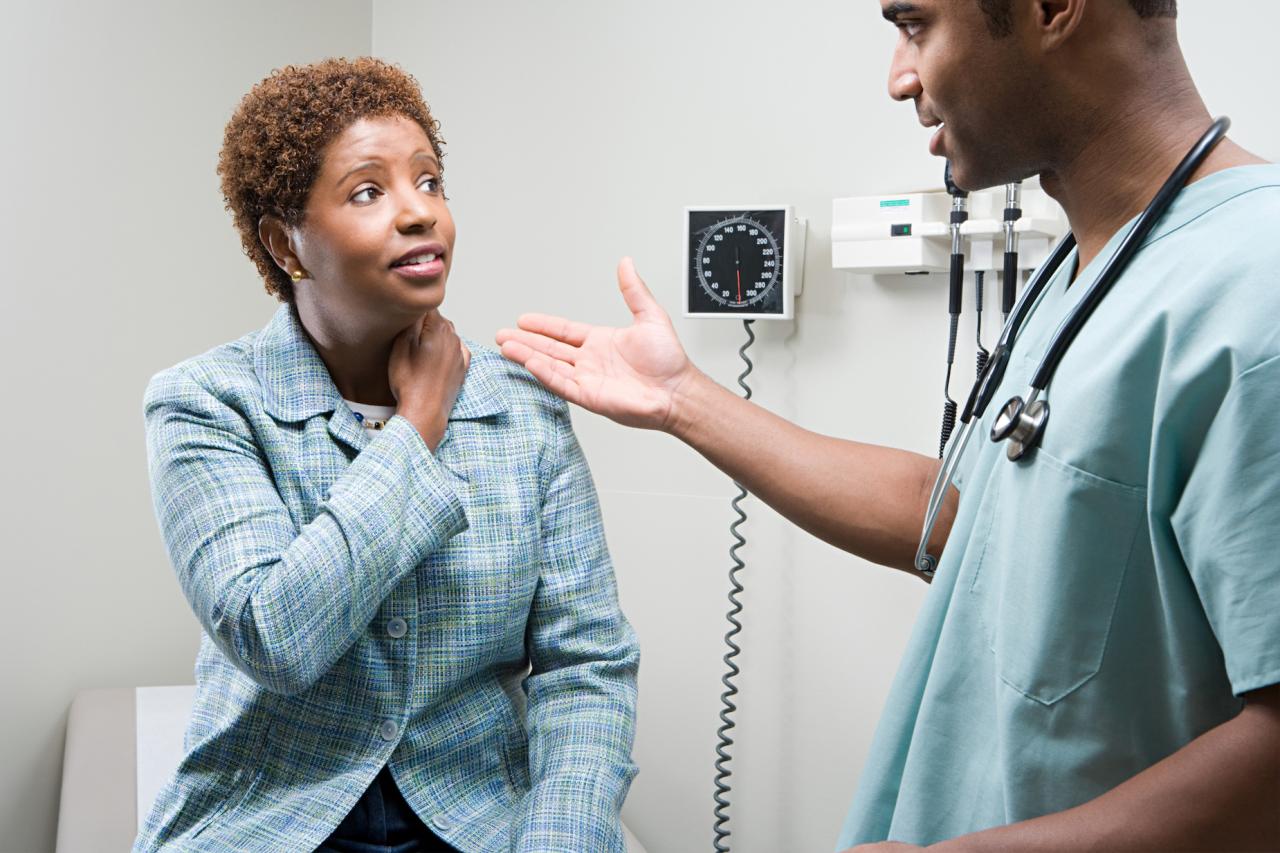
Female doctors bring unique perspectives and communication styles to various medical fields. Understanding how these differences might affect patient interactions is crucial for optimizing care and building trust. This exploration delves into how communication styles and gender perceptions vary across specialties, impacting patient comfort and satisfaction.The effectiveness of a doctor-patient relationship is heavily influenced by the specific medical specialty.
Factors like the nature of the illness, the level of emotional vulnerability required from the patient, and the complexity of the treatment all play a role in shaping how a doctor-patient interaction unfolds. This analysis explores how communication styles can vary, and the potential impact of gender on patient trust and comfort in different medical settings.
Examples of Specific Medical Specialties
Different medical specialties demand varying communication styles. In specialties like obstetrics and gynecology, a doctor’s empathy and ability to build rapport with patients are often highly valued. Conversely, in emergency medicine, quick decision-making and direct communication are paramount. Understanding these nuances is vital for both the patient and the doctor.
Communication Styles Across Specialties
Communication styles can differ significantly across medical specialties. For instance, in surgical specialties, doctors might emphasize clear, concise explanations of procedures and potential risks. In contrast, a primary care physician might focus on building a long-term relationship with the patient, incorporating preventative care and lifestyle counseling. The context of the specialty dictates the appropriate communication style.
Potential Impact of Gender on Patient Trust and Comfort
Gender can influence patient trust and comfort levels in different medical settings. In some specialties, such as cardiology, patients might perceive female doctors as more approachable or empathetic, leading to increased comfort levels. Conversely, in other specialties, where a more assertive communication style is valued, the perception of gender may not significantly alter patient comfort. Patient perception of gender’s influence is often subjective and varies from person to person.
Importance of Personalized Communication
Personalized communication is crucial in all medical specialties. Doctors should tailor their communication style to each patient’s individual needs and preferences. This approach fosters a sense of understanding and trust, leading to better patient outcomes.
Patient Satisfaction Across Medical Specialties (Illustrative Example)
| Medical Specialty | Potential Patient Satisfaction Factors | Potential Impact of Female Doctor |
|---|---|---|
| Obstetrics & Gynecology | Empathy, building rapport, clear explanations of procedures | Potentially higher patient satisfaction due to perceived empathy and understanding |
| Emergency Medicine | Quick decision-making, direct communication, clarity of instructions | Potential for similar patient satisfaction levels, regardless of gender, as communication style is more critical |
| Cardiology | Explaining complex medical concepts, managing patient anxieties | Potential for increased patient comfort and trust due to perceived empathy |
| Surgery | Detailed explanations of procedures and potential risks, confidence | Potential for similar patient satisfaction levels, with communication clarity being more important than gender |
| Primary Care | Building long-term relationships, preventative care, lifestyle counseling | Potentially higher patient satisfaction due to perceived approachability and long-term care focus |
“The impact of gender on patient interactions is complex and multifaceted, influenced by both the patient and the doctor’s individual communication styles and experiences.”
Final Summary
Overall, the evidence suggests a complex relationship between female doctors and patient interactions. While some studies show positive correlations between female doctors and improved patient satisfaction, particularly in areas like empathy and communication, potential biases and societal expectations can still influence perceptions. Further research is needed to fully understand the multifaceted dynamics at play, but this discussion highlights the importance of continuous improvement in doctor-patient communication regardless of gender.