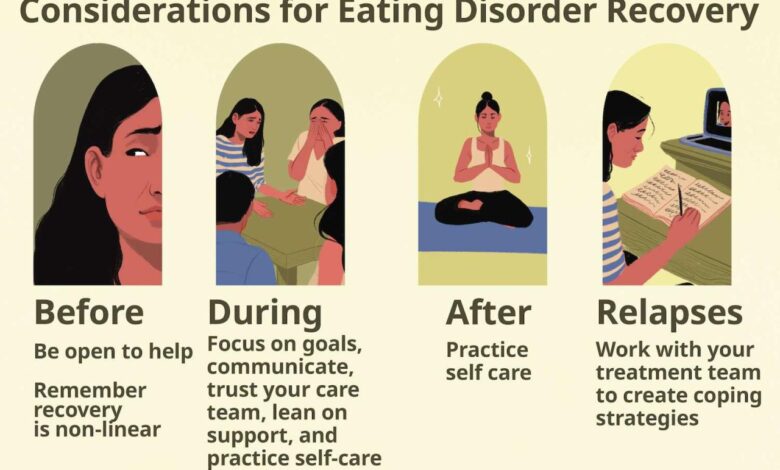
Eating disorders alternative treatment offers a diverse range of approaches beyond traditional methods. This exploration delves into various modalities, from mindfulness-based therapies and nutritional counseling to support groups and holistic recovery strategies. We’ll examine the historical context, potential benefits, and limitations of these alternative approaches, comparing their efficacy to conventional treatments. Ultimately, understanding these alternative methods can empower individuals to take a more proactive and personalized path toward recovery.
This exploration will cover the core principles behind these approaches, highlighting their potential to address the emotional, psychological, and social aspects of eating disorders. We’ll explore how mindfulness and meditation, nutritional strategies, support groups, and body image work together to create a more comprehensive recovery plan. This journey will not only offer insights into the practical application of these alternative therapies but also emphasize the importance of patient choice and autonomy in the recovery process.
Understanding Alternative Treatments
Alternative treatments for eating disorders offer a diverse range of approaches beyond traditional therapies. They often focus on holistic well-being, addressing the emotional, psychological, and social factors contributing to the disorder. These approaches acknowledge the complexity of eating disorders and recognize that a one-size-fits-all approach may not be effective for everyone. Many alternative treatments complement traditional therapies, offering patients a wider range of options to support their recovery.These alternative treatments are not intended to replace traditional medical care, but rather to augment it, providing a more comprehensive and personalized approach.
They often emphasize self-awareness, emotional regulation, and mindful eating practices, leading to lasting behavioral changes. By incorporating alternative therapies, individuals can address the underlying causes of the eating disorder and promote long-term recovery.
Various Alternative Treatment Approaches
Alternative treatments for eating disorders encompass a spectrum of modalities, each with its own historical context and theoretical underpinnings. These approaches often emphasize the interconnectedness of mind, body, and spirit, aiming to foster a holistic sense of well-being.
Mindfulness-Based Therapies
Mindfulness-based therapies, such as Mindfulness-Based Cognitive Therapy (MBCT) and Dialectical Behavior Therapy (DBT), play a crucial role in alternative treatment. These therapies equip individuals with techniques to observe their thoughts and feelings without judgment. They also teach strategies for managing emotional distress and developing healthier coping mechanisms. Mindfulness practices, like meditation and deep breathing exercises, can help individuals become more aware of their body’s signals and sensations, fostering a healthier relationship with food.
A key benefit of mindfulness-based approaches is their ability to address the emotional triggers often associated with eating disorders.
Nutritional Counseling
Nutritional counseling plays a vital role in eating disorder recovery. This approach focuses on developing a healthy relationship with food, addressing nutritional deficiencies, and promoting balanced eating habits. It helps individuals understand the importance of proper nutrition and how it impacts their overall well-being. Nutritional counselors work collaboratively with patients to develop personalized meal plans and strategies for managing food cravings.
They also educate individuals about the potential risks of restrictive eating patterns and the benefits of balanced nutrition.
Support Groups
Support groups offer a crucial avenue for individuals struggling with eating disorders. These groups provide a safe and supportive environment where individuals can share their experiences, learn from others, and build connections with those who understand their struggles. The sense of community and shared experience within support groups can be incredibly empowering and validating for individuals in recovery.
These groups often provide practical advice, encouragement, and a sense of belonging, fostering a strong support network.
Comparison with Traditional Treatments
Alternative treatments often complement traditional treatments like psychotherapy and medication. While traditional treatments primarily focus on symptom reduction and addressing the immediate issues, alternative approaches often focus on the underlying causes of the disorder and promoting long-term well-being. A comprehensive approach, integrating both traditional and alternative methods, often leads to more effective and sustained recovery.
Potential Benefits and Limitations
Alternative treatments offer a range of benefits, including fostering self-awareness, promoting emotional regulation, and developing healthier coping mechanisms. They can also enhance the effectiveness of traditional treatments. However, limitations may include the need for individual tailoring and potential variability in the effectiveness of different approaches.
Table of Alternative Treatment Approaches
| Approach | Core Principles | Target Symptoms |
|---|---|---|
| Mindfulness-Based Therapies | Developing awareness of thoughts and feelings without judgment; learning healthy coping mechanisms; fostering a balanced relationship with the body | Emotional distress, anxiety, compulsive behaviors related to food |
| Nutritional Counseling | Promoting balanced eating habits; addressing nutritional deficiencies; fostering a healthy relationship with food | Nutritional imbalances, restrictive eating patterns, disordered eating behaviors |
| Support Groups | Providing a safe and supportive environment for sharing experiences, learning from others, and building connections | Social isolation, feelings of loneliness, lack of support network |
Holistic Approaches to Recovery
Eating disorders are complex illnesses that affect not only the physical body but also the emotional, psychological, and social well-being of individuals. A holistic approach to recovery acknowledges this complexity and addresses the interconnected nature of these aspects. This approach goes beyond simply restoring a healthy weight and instead focuses on fostering overall well-being and empowering individuals to live fulfilling lives.Holistic recovery recognizes that the root causes of eating disorders often lie in underlying emotional and psychological issues.
Addressing these issues alongside physical restoration is crucial for long-term recovery and preventing relapse. By integrating lifestyle changes, alternative therapies, and traditional treatments, individuals can develop coping mechanisms and build resilience against triggers. This integrated approach allows for a more personalized and effective path to recovery.
Addressing the Emotional and Psychological Aspects
Emotional and psychological well-being are integral to holistic recovery. Individuals often develop maladaptive coping mechanisms for stress, anxiety, or trauma that manifest in disordered eating behaviors. Therapy, such as Cognitive Behavioral Therapy (CBT), Dialectical Behavior Therapy (DBT), or trauma-informed therapy, can help individuals identify and challenge these negative thought patterns and develop healthier ways to manage emotions. Support groups and mindfulness practices can also be beneficial tools in this process.
The Role of Lifestyle Changes
Lifestyle changes are vital components of holistic recovery. This includes not only nutritional adjustments but also incorporating regular exercise and mindful movement. A balanced approach to nutrition focuses on providing the body with essential nutrients without restricting or eliminating entire food groups. Regular exercise, whether it’s walking, swimming, or yoga, helps improve physical health and provides an outlet for stress relief.
The integration of these lifestyle changes, alongside appropriate professional support, strengthens the individual’s overall health and well-being.
Alternative Treatments and Holistic Recovery
Alternative treatments, such as acupuncture, herbal remedies, and nutritional counseling, can complement traditional treatments and promote a more holistic approach. These therapies can address the root causes of the disorder by addressing underlying imbalances and promoting overall well-being. For instance, acupuncture can help regulate stress hormones and improve sleep quality, contributing to emotional stability. Herbal remedies can support digestive health and nutrient absorption, promoting a more balanced diet.
This integration allows individuals to experience a more comprehensive approach to healing.
Exploring alternative treatments for eating disorders is crucial, but it’s important to remember the impact of other health conditions. Recent studies, like those highlighting the cognitive struggles associated with Long Covid, long covids impact on memory concentration cant be ignored scientists say , underscore the need for holistic care. Ultimately, the best approach to eating disorder recovery often involves a multi-faceted strategy that considers the whole person.
Integration of Alternative and Traditional Treatments
| Alternative Therapy | Traditional Treatment | Potential Benefits |
|---|---|---|
| Acupuncture | Nutritional Counseling | Regulating stress hormones, improving sleep quality, supporting overall well-being |
| Herbal remedies | Cognitive Behavioral Therapy (CBT) | Supporting digestive health, nutrient absorption, and balanced diet |
| Mindfulness practices | Dialectical Behavior Therapy (DBT) | Developing coping mechanisms, stress reduction, emotional regulation |
Patient Choice and Autonomy
Patient choice and autonomy are paramount in selecting treatment approaches. Individuals should have the opportunity to explore various options, including both traditional and alternative therapies, to find the best fit for their unique needs and preferences. Open communication with healthcare providers is crucial to ensure that treatment plans are personalized and address the individual’s specific concerns and goals.
This collaborative approach empowers individuals to take an active role in their recovery journey.
Exploring alternative treatments for eating disorders is a journey of self-discovery, and it’s important to remember that everyone’s experience is unique. While focusing on personal well-being, it’s also crucial to support important causes like prostate cancer awareness month participation, which often involves community outreach and fundraising efforts. These initiatives, like those highlighted in prostate cancer awareness month participation , can inspire us to connect with others and build a stronger support network for all kinds of health concerns.
Ultimately, alternative treatments for eating disorders should be approached with care, under the guidance of healthcare professionals, and with a focus on overall well-being.
Mindfulness and Meditation in Eating Disorders
Mindfulness and meditation practices are increasingly recognized as valuable tools in the treatment of eating disorders. These techniques offer a pathway to understanding and managing the complex interplay of thoughts, emotions, and behaviors that contribute to these conditions. They provide a framework for individuals to cultivate self-awareness, reduce stress, and develop healthier coping mechanisms.Mindfulness and meditation work by shifting the focus from judgment and reactivity to a present moment awareness.
By practicing these techniques, individuals with eating disorders can learn to observe their thoughts and feelings without getting swept away by them. This detachment allows for a more objective understanding of the triggers and patterns associated with disordered eating, which in turn facilitates more adaptive responses.
Principles of Mindfulness and Meditation
Mindfulness is the practice of paying attention to the present moment without judgment. It involves observing thoughts, feelings, sensations, and bodily experiences as they arise and pass away. Meditation is a practice that cultivates mindfulness through various techniques. Common techniques involve focusing on the breath, sounds, or bodily sensations. Both mindfulness and meditation encourage a non-reactive stance towards internal experiences, fostering a sense of calm and acceptance.
How Mindfulness and Meditation Help
Mindfulness and meditation practices can be highly beneficial in managing eating disorder symptoms. They help to reduce anxiety and stress, which are often significant factors in the development and maintenance of eating disorders. By promoting self-awareness, these techniques allow individuals to identify triggers and develop healthier coping mechanisms. This increased self-awareness can lead to improved emotional regulation and a more balanced relationship with food.
Mindfulness can help individuals with eating disorders to detach from the intense focus on body image and weight that often characterizes the disorder.
Mindfulness-Based Exercises
Mindful eating is a powerful tool for cultivating awareness around the experience of eating. It involves paying close attention to the sensations of hunger, fullness, and taste. Body scan meditations are another valuable exercise that involves bringing attention to different parts of the body, noticing any sensations without judgment. Mindful movement, such as yoga or tai chi, can integrate physical sensations with mental awareness.
Meditation Techniques
Guided meditations, often available through apps and recordings, provide a structured approach to meditation practice. These can be particularly helpful for beginners. Loving-kindness meditations, focusing on cultivating feelings of compassion and kindness towards oneself and others, can reduce feelings of self-criticism and promote a more positive self-image. Mindful breathing techniques focus on the sensation of the breath entering and leaving the body.
This simple practice can anchor the individual in the present moment and calm the mind.
Incorporating Mindfulness and Meditation into a Treatment Plan
The integration of mindfulness and meditation into an eating disorder treatment plan should be gradual and tailored to the individual’s needs. Treatment professionals can guide individuals in developing a personalized practice, which might involve daily mindfulness exercises or regular meditation sessions. This process should be supportive and non-judgmental, fostering a sense of safety and acceptance within the therapeutic relationship.
Regular check-ins with the treatment team are essential to assess progress and adjust the plan as needed.
Research Supporting Mindfulness
Numerous studies have shown the effectiveness of mindfulness-based interventions in reducing symptoms of eating disorders. These interventions often demonstrate improvements in body image distortion, anxiety levels, and emotional regulation. Studies have shown significant reductions in binge eating episodes and improved overall quality of life.
Mindfulness Exercises and Potential Benefits
| Mindfulness Exercise | Potential Benefits |
|---|---|
| Mindful Eating | Increased awareness of hunger and fullness cues, reduced emotional eating, improved relationship with food |
| Body Scan Meditation | Enhanced body awareness, reduced body dissatisfaction, increased self-compassion |
| Mindful Movement (e.g., Yoga) | Improved body image, stress reduction, increased self-acceptance |
| Guided Meditation | Improved focus, reduced anxiety, increased self-awareness |
| Loving-Kindness Meditation | Increased self-compassion, reduced self-criticism, improved emotional regulation |
| Mindful Breathing | Reduced stress response, improved focus, increased presence in the moment |
Nutritional Counseling and Dietary Strategies
Nutritional counseling plays a crucial role in the recovery process for individuals with eating disorders. It’s not just about providing a list of foods to eat; it’s about fostering a positive relationship with food, addressing underlying emotional issues, and developing healthy eating habits that support long-term recovery. This approach moves beyond simple calorie counting, acknowledging the complex interplay between physical health, emotional well-being, and disordered eating patterns.Nutritional counseling empowers individuals to understand their unique needs and develop a personalized plan for healthy eating, promoting sustainable recovery.
Exploring alternative treatments for eating disorders can be a journey of self-discovery, and often involves a holistic approach. While focusing on physical well-being is crucial, sometimes we need to look at the bigger picture, like how to manage stress and fatigue. Learning strategies for “how to win at life on little sleep” how to win at life on little sleep might surprise you with its connections to emotional regulation and overall mental health, which can play a significant role in recovery.
Ultimately, finding the right support system and tailored treatments is key for anyone navigating these challenges.
It provides a safe space to explore feelings and beliefs about food, leading to lasting changes. This process involves careful assessment, education, and support to address the root causes of the eating disorder.
The Role of Nutritional Counseling
Nutritional counseling is a cornerstone of eating disorder treatment. It involves a comprehensive assessment of an individual’s current dietary habits, nutritional status, and overall health. A registered dietitian or nutritionist, experienced in eating disorders, guides the client through the process. They help clients understand the impact of their current eating habits on their body and their overall health, providing tailored guidance and support.
This process fosters a deeper understanding of the relationship with food, helping to break free from restrictive or obsessive patterns.
Dietary Strategies Supporting Recovery
Various dietary strategies are employed to support recovery from eating disorders. These strategies aim to promote a balanced intake of essential nutrients while addressing the specific needs of the individual. These strategies emphasize gradual reintroduction of foods, mindful eating, and emotional regulation around food.
- Calorie Management: Gradually increasing calorie intake to meet individual needs is crucial. It’s not about rapid weight gain, but rather a slow, controlled increase to support healing and growth. A gradual increase ensures the body can adjust to a more balanced intake, preventing potential setbacks.
- Portion Control: Understanding and practicing appropriate portion sizes is essential for managing calorie intake. This strategy helps to establish a balanced relationship with food, avoiding feelings of deprivation or excess.
- Mindful Eating: Mindful eating techniques help individuals to pay attention to their hunger and fullness cues. This involves eating slowly, savoring each bite, and acknowledging feelings of hunger and satisfaction without judgment. This practice helps develop a healthier relationship with food and body image.
- Hydration: Adequate hydration is critical for overall health. Proper hydration plays a vital role in digestion, nutrient absorption, and cellular function.
Meal Planning Techniques
Developing personalized meal plans is a vital part of nutritional counseling. A personalized plan is crucial for meeting individual needs and preferences. It helps clients learn how to prepare nutritious meals and snacks, addressing any dietary restrictions or allergies. This approach promotes independence and self-efficacy in managing nutrition.
- Creating a Food Log: Tracking food intake helps clients become more aware of their eating habits and identify patterns. This awareness can be a valuable tool for making informed choices and adjusting the meal plan accordingly.
- Planning Meals Around Preferences: Incorporating foods the client enjoys, while maintaining nutritional balance, is a crucial aspect of meal planning. This ensures adherence to the plan and fosters a more positive relationship with food.
- Addressing Specific Needs: Meal plans must be adjusted to accommodate any allergies, intolerances, or other special dietary needs. This approach ensures the plan is safe and effective for the individual.
Addressing Nutritional Deficiencies and Healthy Eating Habits
Nutritional deficiencies are common in individuals with eating disorders. These deficiencies can lead to various health problems. Nutritional counseling helps identify and address these deficiencies through dietary modifications and, if necessary, supplementation.
- Nutrient-Rich Foods: Incorporating nutrient-rich foods, like fruits, vegetables, whole grains, and lean proteins, into the meal plan is crucial for optimal nutrition. These foods provide essential vitamins, minerals, and fiber.
- Meal Frequency: Eating regular meals and snacks throughout the day helps to stabilize blood sugar levels, promoting energy and reducing cravings. This approach prevents energy crashes and promotes a more stable mood.
Creating a Personalized Meal Plan
Creating a personalized meal plan is a collaborative process between the client and the nutritionist. This involves a thorough assessment of individual needs and preferences, and a phased approach to gradual changes in dietary habits.
Dietary Strategies and Their Impact
| Dietary Strategy | Impact on Eating Disorder Recovery |
|---|---|
| Calorie Management | Supports weight restoration and stabilization, prevents potential setbacks. |
| Portion Control | Reduces feelings of deprivation or excess, promotes balanced eating. |
| Mindful Eating | Enhances awareness of hunger and fullness cues, promotes a healthier relationship with food. |
| Hydration | Supports overall health, digestion, and nutrient absorption. |
Support Groups and Peer-to-Peer Support

Finding solace and understanding within a supportive community is crucial for anyone navigating the complexities of an eating disorder. Support groups offer a safe space for individuals to share experiences, learn coping strategies, and build a network of encouragement. They provide a vital layer of support beyond individual therapy, fostering a sense of belonging and shared understanding.Support groups, both in-person and online, play a pivotal role in the recovery journey.
They provide a space to connect with others who truly comprehend the unique challenges faced by individuals struggling with eating disorders. This shared experience fosters a powerful sense of empathy and validation.
Importance of Support Groups
Support groups offer a sense of belonging and validation that can be profoundly impactful. Individuals facing eating disorders often feel isolated and ashamed, leading to a lack of understanding from those around them. Support groups counter this isolation by creating a space where individuals can feel accepted, understood, and encouraged. This sense of community fosters hope and resilience, empowering participants to take active steps towards recovery.
Different Types of Support Groups
In-person support groups provide a tangible connection and the opportunity for direct interaction with peers. This face-to-face interaction allows for immediate feedback and a sense of community that can be very beneficial. Online support groups, accessible through forums or dedicated platforms, offer flexibility and anonymity for individuals who may find it difficult to attend in-person meetings. They offer a broader reach and the option to connect with people across geographical boundaries.
Encouragement and Understanding in Support Groups
Support groups often provide a unique opportunity for participants to witness the resilience of others. Sharing personal stories and experiences fosters empathy and encourages a sense of shared understanding. This mutual understanding creates a space where encouragement and support are readily available. Participants gain confidence from hearing about others’ journeys and successes, realizing they are not alone in their struggles.
The collective experience can inspire hope and motivate individuals to continue their recovery.
Benefits of Peer-to-Peer Support
Peer-to-peer support in eating disorder recovery offers unique advantages. Individuals can relate to the experiences and struggles of their peers, providing a deeper level of understanding and empathy. This creates a space where individuals can learn from each other’s successes and challenges, and share practical coping strategies. Peer-to-peer support builds trust and a sense of camaraderie that individual therapy might not always offer.
Resources for Finding Support Groups
Finding the right support group is a crucial part of the recovery process. These resources can help in locating suitable groups.
- Local Mental Health Organizations: Many mental health organizations offer support groups for eating disorders. Contact your local mental health agencies or hospitals to inquire about available groups.
- Online Support Forums: Numerous online platforms dedicated to eating disorders offer support groups and forums. These can be found through a simple online search.
- Eating Disorder Specialists: Therapists and doctors specializing in eating disorders often have lists of support groups they recommend. Seek guidance from your treatment team.
- Support Groups Directory: Online directories can be helpful for finding support groups based on location or specific needs.
Building a Sense of Community
Support groups foster a sense of community by creating a safe space for individuals to share their experiences and learn from each other. This shared understanding and support network can significantly impact the recovery journey. This sense of belonging and shared experience fosters hope and resilience, helping individuals feel less isolated and more empowered to navigate their recovery.
Body Image and Self-Esteem
Body image and self-esteem play a crucial role in the development and maintenance of eating disorders. Negative self-perceptions and low self-worth can fuel disordered eating patterns, making recovery more challenging. Addressing these issues is therefore a critical component of any comprehensive treatment plan. Individuals struggling with eating disorders often grapple with distorted views of their bodies, leading to intense anxiety and emotional distress.
This distorted perception is often coupled with a profound lack of self-worth, making it difficult to view oneself positively.Understanding the connection between body image, self-esteem, and eating disorders is fundamental to effective treatment. Negative body image frequently stems from societal pressures and internalized cultural ideals. This distorted perception can lead to a cycle of negative self-talk, restrictive eating behaviors, and a relentless pursuit of an unrealistic body shape and size.
This cycle contributes to a low sense of self-worth and reinforces the harmful behaviors.
The Connection Between Body Image and Eating Disorders
A strong correlation exists between a negative body image and eating disorders. Individuals with eating disorders often perceive their bodies in a drastically different way than others do. This distorted perception can be incredibly harmful, impacting self-esteem and overall well-being. Negative body image is often a significant contributor to the development and maintenance of eating disorders, making it a critical target for intervention.
This distorted perception is frequently fueled by societal pressures and media portrayals of idealized beauty standards.
Methods for Challenging Negative Body Image and Promoting Self-Esteem
Challenging negative body image and fostering self-esteem requires a multi-faceted approach. It involves actively reframing negative thoughts, developing self-compassion, and focusing on internal values rather than external appearances. This is an ongoing process that requires consistent effort and support.
- Cognitive restructuring techniques help individuals identify and challenge negative thoughts and beliefs about their bodies. This involves questioning the validity and accuracy of these thoughts, replacing them with more realistic and positive ones.
- Mindfulness and meditation practices promote self-awareness and acceptance of one’s body. These practices can help individuals to detach from negative self-judgments and cultivate a more balanced perspective.
- Exposure therapy can help individuals gradually confront feared situations related to body image, such as looking at themselves in the mirror or being in social settings. This process can help desensitize individuals to these triggers and build resilience.
The Role of Therapy in Addressing Negative Self-Talk
Therapy plays a crucial role in helping individuals address negative self-talk. A therapist can guide individuals in identifying the root causes of their negative self-perception and develop coping strategies to manage these thoughts. This includes exploring past experiences and patterns of thought that contribute to negative self-talk. Through therapeutic interventions, individuals can learn to recognize, challenge, and ultimately replace negative self-talk with more positive and constructive internal dialogue.
Examples of Techniques for Improving Body Image
Various techniques can aid in improving body image. Focusing on body neutrality, rather than striving for an unattainable ideal, is a crucial step. Celebrating one’s unique attributes and appreciating the body’s functions is essential.
- Body positivity affirmations can help to cultivate a more positive self-image. Regularly repeating these affirmations can help shift negative thoughts and build self-esteem.
- Creating a body appreciation journal allows individuals to reflect on their body’s strengths and positive qualities. This helps them to focus on the beauty and functionality of their body, rather than perceived flaws.
- Engaging in activities that promote body positivity and self-acceptance, such as participating in body-positive communities or taking part in fitness activities without judgment, are effective ways to improve body image.
The Importance of Self-Compassion in Recovery
Self-compassion is essential in the recovery process. It involves treating oneself with kindness and understanding, especially during difficult times. This is crucial for building resilience and fostering a sense of self-worth. Self-compassion helps individuals to navigate setbacks and challenges without self-criticism or judgment. It allows them to accept imperfections and focus on personal growth.
Methods for Improving Body Image and Self-Esteem
| Method | Description |
|---|---|
| Cognitive Restructuring | Identifying and challenging negative thoughts about the body. |
| Mindfulness and Meditation | Promoting self-awareness and acceptance of the body. |
| Exposure Therapy | Gradually confronting feared situations related to body image. |
| Body Positivity Affirmations | Cultivating a positive self-image through repeated affirmations. |
| Body Appreciation Journal | Reflecting on the body’s strengths and positive qualities. |
| Body-Positive Activities | Engaging in activities that promote self-acceptance. |
Alternative Therapies and Integrative Approaches
Embarking on a journey toward recovery from an eating disorder necessitates a holistic approach that considers the mind, body, and spirit. While traditional treatments like therapy and medical monitoring play a crucial role, integrating alternative therapies can provide additional support and avenues for healing. These complementary practices can address underlying emotional and physical imbalances, fostering a more comprehensive and personalized recovery plan.Alternative therapies often work synergistically with traditional methods, not as replacements, by addressing the root causes of the disorder through various modalities.
This holistic approach aims to empower individuals to take an active role in their healing process, building resilience and self-compassion.
Identifying Alternative Therapies
Alternative therapies used in conjunction with traditional treatment for eating disorders include various modalities like acupuncture, yoga, art therapy, and mindfulness-based practices. These approaches are increasingly recognized for their potential to support the emotional and physical well-being of individuals navigating recovery.
Examples of Complementary Applications
Acupuncture, for instance, can help regulate the body’s energy flow, potentially easing physical symptoms like digestive discomfort or anxiety often associated with eating disorders. Yoga fosters body awareness, promotes relaxation, and enhances self-esteem, all of which can contribute to a healthier relationship with food and body image. Art therapy offers a non-verbal outlet for expressing emotions and exploring the underlying psychological issues contributing to the disorder.
Mindfulness practices help cultivate present-moment awareness, reducing obsessive thoughts about food and body image.
Benefits of Integrative Approaches
Integrating these therapies into a comprehensive treatment plan can offer numerous benefits. They can enhance the effectiveness of traditional treatments by addressing emotional and psychological factors that often contribute to the disorder’s development and maintenance. This holistic approach fosters a more comprehensive healing process, leading to improved coping mechanisms, reduced stress, and increased self-awareness. The multifaceted nature of these approaches empowers individuals to regain a sense of control and agency over their well-being.
Efficacy Comparison, Eating disorders alternative treatment
While rigorous scientific studies on the efficacy of alternative therapies in eating disorder recovery are ongoing, preliminary findings and anecdotal evidence suggest a positive correlation between these practices and improved outcomes. However, it’s essential to recognize that alternative therapies are not a substitute for evidence-based traditional treatments. Their efficacy is often evaluated in conjunction with the effectiveness of the combined approach.
Potential Risks and Safety Concerns
Before incorporating any alternative therapy, it’s crucial to consult with a qualified healthcare professional, especially one familiar with eating disorders. Some therapies may have potential side effects or contraindications for certain individuals. It’s important to carefully weigh the potential benefits against the potential risks and to ensure the practitioner is qualified and experienced.
Comparison Table of Alternative and Traditional Therapies
| Therapy Type | Description | Traditional Treatment Comparison | Potential Benefits | Potential Risks |
|---|---|---|---|---|
| Acupuncture | Traditional Chinese medicine technique involving inserting thin needles into specific points on the body. | Can address physical symptoms like digestive issues and anxiety, potentially complementing medical care. | May reduce pain, promote relaxation, and improve energy flow. | Potential for bruising, infection, or discomfort at the needle insertion site. Not suitable for all individuals. |
| Yoga | Physical and mental practice involving postures, breathing techniques, and meditation. | Can improve body awareness, enhance self-esteem, and reduce stress, supporting psychological aspects of recovery. | Increases flexibility, strength, and balance. Promotes mindfulness and relaxation. | Potential for injuries if not practiced correctly. May not be suitable for individuals with certain physical conditions. |
| Art Therapy | Using creative expression, such as drawing, painting, or sculpting, to explore emotions and experiences. | Provides a non-verbal avenue to address psychological issues, complementing talk therapy. | Offers a safe space for emotional processing, fostering self-expression and insight. | May not be suitable for individuals who are uncomfortable with expressing themselves creatively. |
| Mindfulness-Based Practices | Techniques focusing on present-moment awareness, like meditation and mindful eating. | Enhances coping mechanisms for managing stress and cravings, complementing behavioral therapy. | Reduces anxiety, improves focus, and promotes self-regulation. | Potential for discomfort or restlessness during initial practice. |
Case Studies and Examples: Eating Disorders Alternative Treatment
Navigating the complexities of eating disorders often requires a multifaceted approach, recognizing that one-size-fits-all solutions rarely work. Alternative treatments, with their focus on holistic well-being, offer a personalized path to recovery. These approaches often prove highly effective when integrated into a comprehensive treatment plan, addressing the emotional, physical, and psychological dimensions of the disorder.Successful recovery stories frequently highlight the transformative power of integrating alternative therapies.
These approaches are not replacements for conventional medical care but rather complementary additions that support the healing process. By addressing the root causes of the eating disorder and promoting overall well-being, alternative methods can empower individuals to build a stronger foundation for lasting recovery.
Illustrative Case Studies
“Sarah, a 22-year-old struggling with anorexia nervosa, initially resisted traditional therapy. She found the structured approach impersonal and felt unheard. Her therapist, however, incorporated mindfulness practices and nutritional counseling, focusing on mindful eating and cultivating a healthier relationship with food. The process involved gradual adjustments to her diet and emotional support, with mindfulness exercises helping Sarah acknowledge and manage her anxieties. Over time, Sarah started to experience a shift in her perspective, recognizing the importance of nourishing her body and mind. After several months, she noticed a positive change in her self-image, which fueled her motivation for continued recovery. The combination of alternative therapies enabled Sarah to gain a more holistic understanding of her condition, fostering long-term healing and improved self-esteem.”
“Mark, a 30-year-old with bulimia nervosa, found traditional therapy ineffective. He felt alienated from conventional treatments and lacked a sense of connection. By integrating alternative therapies like acupuncture and yoga, he discovered a more personalized approach. The combination of these methods provided a sense of control and empowerment, enabling him to address the underlying emotional issues driving his bulimic behaviors. The body-awareness exercises helped Mark to recognize his emotional cues and develop healthier coping mechanisms. Over time, Mark began to develop a more positive self-image, leading to a significant reduction in his binge-purge cycles. This demonstrated how alternative methods, when tailored to individual needs, can effectively support recovery.”
Integrating Alternative Therapies into Treatment Plans
A successful integration of alternative therapies requires a collaborative effort between the individual, their therapist, and other healthcare professionals. This process necessitates a careful assessment of the individual’s specific needs and preferences, allowing for the selection of therapies that resonate with their personality and goals.
- Assessment of Needs: The therapist must meticulously evaluate the individual’s current situation, encompassing their physical and mental health, emotional state, and existing support systems. This initial assessment forms the basis for the selection of appropriate alternative therapies.
- Gradual Integration: Introducing alternative therapies should be a gradual process, ensuring the individual is comfortable and actively participating in the treatment plan. Sudden shifts can be overwhelming and potentially counterproductive.
- Monitoring Progress: Regular evaluation and adjustments to the treatment plan are crucial. This enables the healthcare team to track the individual’s progress, identify any emerging challenges, and make necessary modifications to ensure optimal outcomes.
Importance of Individualized Treatment Plans
Eating disorders are complex and individualistic conditions, requiring personalized treatment strategies. A tailored plan acknowledges the unique challenges and strengths of each person, addressing the specific needs and preferences of the individual.
Last Point
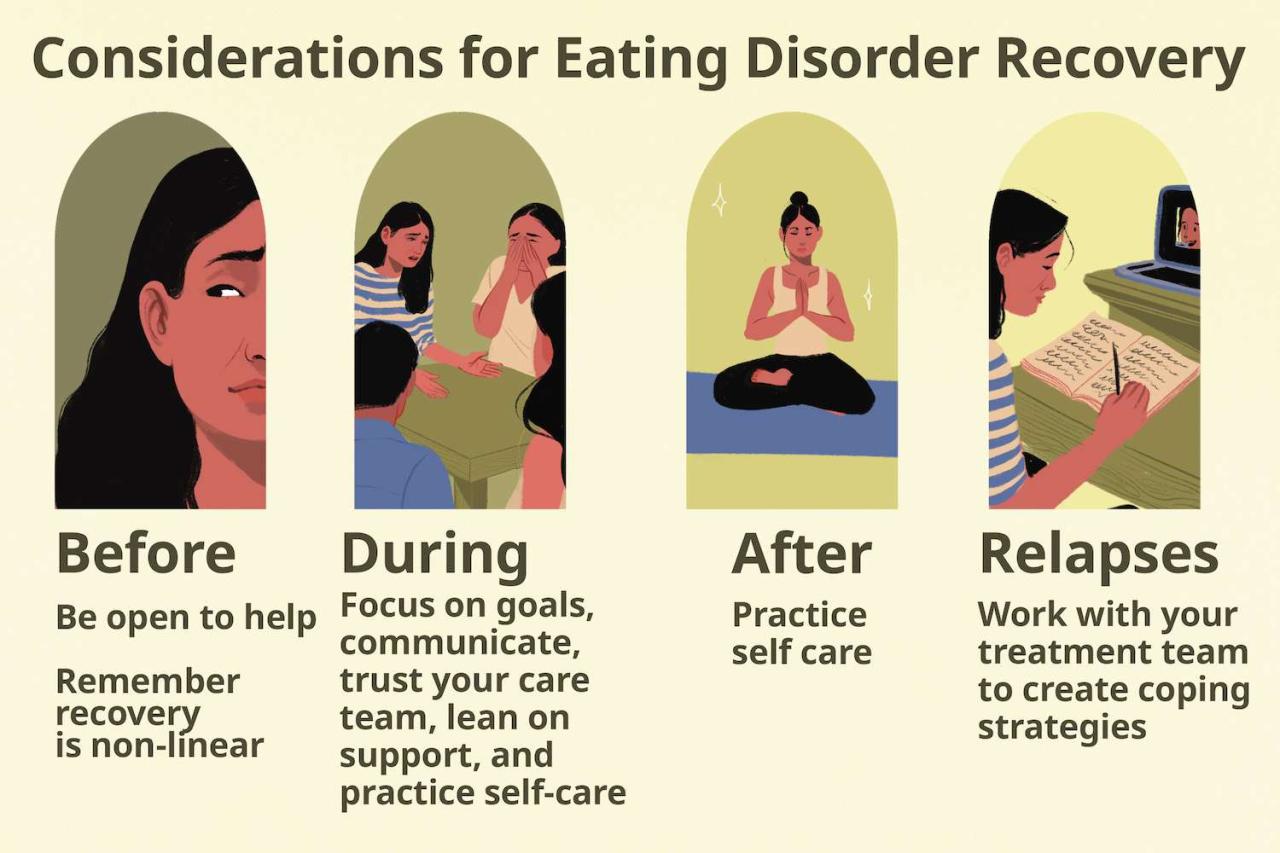
In conclusion, eating disorders alternative treatment provides a spectrum of options for those seeking a more holistic and personalized approach to recovery. We’ve explored the diverse methods available, from mindfulness and nutrition to support groups and body image strategies, all of which can be integrated into a comprehensive treatment plan. Ultimately, choosing the right combination of approaches, with the guidance of a healthcare professional, is key to a successful and sustainable recovery.
Remember, recovery is a journey, and personalized strategies are essential for achieving long-term well-being.