When do babies stand? This exploration delves into the fascinating world of infant motor development, examining the factors influencing a baby’s journey to independent standing. From understanding the fundamental milestones to recognizing potential issues, this guide offers a comprehensive overview of the process, providing insights into typical development timelines and potential variations.
We’ll unpack the intricate interplay of genetics, nutrition, environmental influences, and cultural factors that shape this critical developmental phase. This detailed look at standing development in babies will equip you with the knowledge to support your little one’s progress and address any concerns that may arise.
Defining “Standing” in Babies
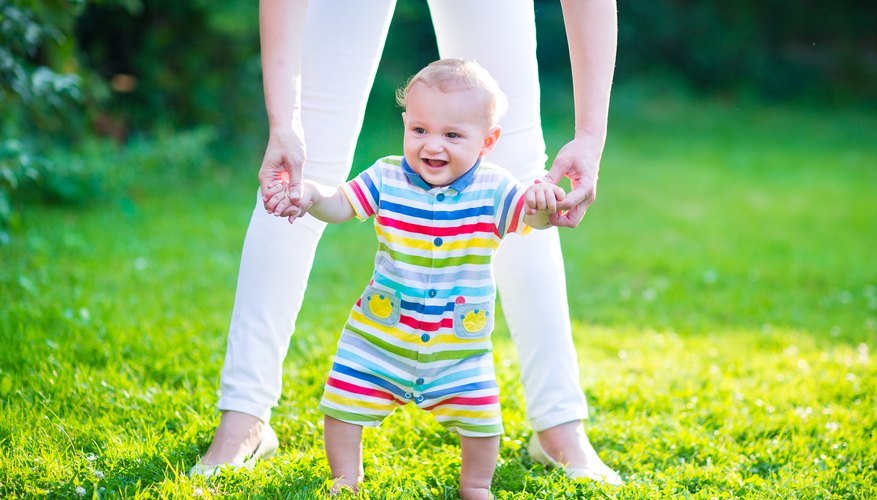
Understanding how babies develop the ability to stand is crucial for parents and caregivers. It’s a significant milestone in their motor development, reflecting their growing strength, balance, and coordination. This stage involves a complex interplay of physical abilities and environmental factors. This exploration will delve into the specific characteristics of standing in infants, outlining the developmental stages, and emphasizing the importance of balance and coordination in this process.Defining “standing” in infants requires careful consideration, as it’s distinct from other forms of support.
True standing involves maintaining upright posture with weight primarily distributed on the feet, while maintaining balance without external support. This differs from simply being held upright or supported by another person or object. A baby might appear to be standing while holding onto furniture, but this is a form of assisted support, not true independent standing.
Ever wondered when babies start standing? It’s a fascinating developmental milestone, but it’s important to remember that every child is different. Just like there’s a right time for a baby to stand, there’s a wrong time to give your pet human medicine, which is a terrible idea. Check out this post to learn why people using pet prescription medication terrible idea.
Ultimately, knowing when babies typically stand can help parents track their child’s development and seek professional advice if needed.
Stages of Motor Development Leading to Independent Standing
The progression towards independent standing is a gradual process involving various milestones. Babies typically start by developing the ability to sit unsupported, a crucial step for weight-bearing. Next, they often exhibit the ability to pull themselves up on furniture, which strengthens their leg muscles and prepares them for future balance and coordination activities. The ability to stand while holding onto furniture is an important precursor to independent standing.
This phase builds confidence and strengthens the muscles needed for balance and control.
Role of Balance and Coordination in Standing
Balance and coordination are integral to the development of standing. Balance is the ability to maintain equilibrium and stay upright, while coordination is the ability to control the movement of different body parts simultaneously. As babies practice standing, they are constantly adjusting their posture and center of gravity to maintain equilibrium. Their coordination develops as they learn to move their legs, arms, and torso in a coordinated manner to maintain stability.
This intricate interplay of balance and coordination allows babies to progress from assisted standing to independent standing. For example, a baby who can maintain balance while holding onto furniture is demonstrating increasing coordination and balance.
Typical Age Ranges for Standing Milestones
The following table provides a general guideline for typical age ranges for different standing milestones. These are just estimates and individual variations are expected. The environment and the child’s individual pace of development play a significant role.
| Milestone | Typical Age Range (Months) | Support Needed |
|---|---|---|
| Pull to stand | 8-12 | Holding onto furniture |
| Cruising (walking while holding onto furniture) | 9-15 | Holding onto furniture |
| Standing with assistance | 10-14 | Assistance from a caregiver |
| Independent standing (brief periods) | 11-15 | No support |
| Independent standing (sustained periods) | 12-18 | No support |
Factors Influencing Standing Development
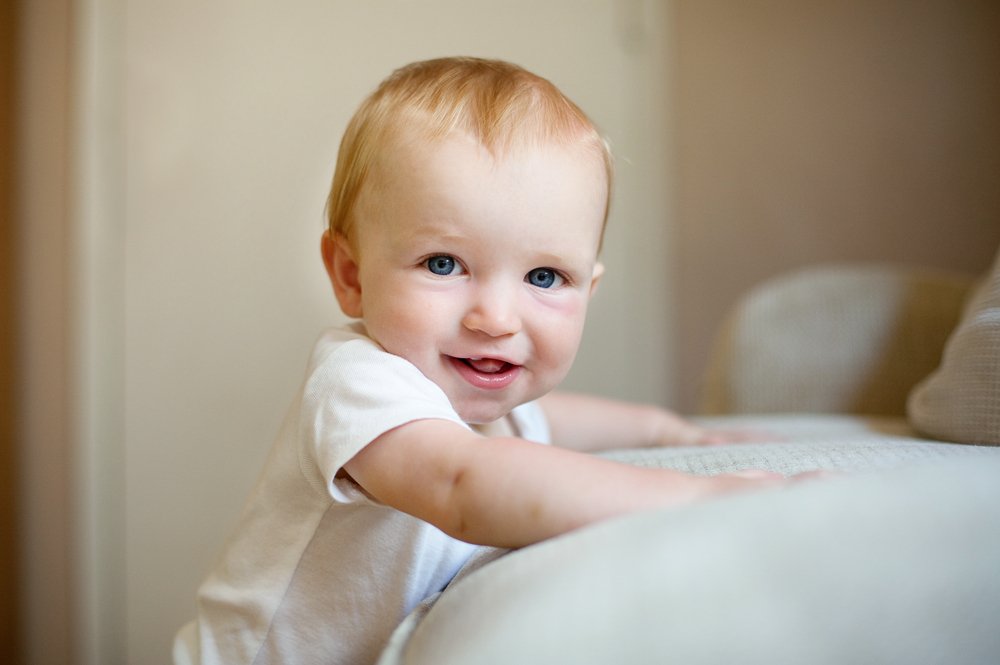
Standing, a significant milestone in infant development, isn’t solely determined by a single factor. A complex interplay of genetic predisposition, nutritional support, and environmental stimulation shapes the timing and proficiency of this achievement. Understanding these influences helps parents and caregivers provide the best possible environment for their child’s growth and development.The journey to standing is a testament to the intricate coordination between a baby’s growing body and their developing nervous system.
This intricate dance is not a linear progression, but rather a nuanced process influenced by a multitude of factors, including those we’ll explore now.
Genetic Predisposition
Genetic factors play a substantial role in determining the timeframe for achieving standing. Some babies are naturally predisposed to develop motor skills earlier than others. This inherent predisposition influences muscle strength, bone density, and the overall rate of neurological development. For example, children with a family history of early walkers often display similar tendencies. However, it’s crucial to remember that genetic predisposition doesn’t dictate the absolute outcome; environmental factors can significantly impact the developmental timeline.
Nutritional Support
Adequate nutrition is fundamental for supporting muscle growth and bone density development, which are critical for standing. A balanced diet rich in calcium, vitamin D, and protein is essential. Calcium is vital for strong bones, while vitamin D aids in calcium absorption. Protein is essential for building and repairing tissues, including muscles. A lack of essential nutrients can hinder the development of muscle strength and bone density, delaying the ability to stand.
For instance, a diet deficient in calcium can lead to weaker bones, making it more challenging for a child to support their weight while standing.
Physical Stimulation and Activities
The type and frequency of physical stimulation and activities can significantly impact a baby’s ability to stand. Encouraging tummy time, reaching for objects, and playing in a stimulating environment promote muscle strength, balance, and coordination. These activities provide the necessary practice for the intricate movements required for standing. For instance, regular playtime involving crawling, pulling up, and pushing on furniture encourages the development of essential motor skills.
On the other hand, a lack of opportunities for physical stimulation can delay the development of standing abilities.
Variations in Standing Development
There’s a wide range of variation in the age at which babies stand. This variability is a normal part of development. Factors like individual differences in muscle strength, neurological development, and overall health contribute to this variation. Furthermore, cultural practices and access to opportunities for movement can influence the timing of milestones. For example, a child raised in a culture where movement is encouraged from a young age may develop standing skills earlier than a child from a culture with less emphasis on early mobility.
Environmental Factors Affecting Standing
| Environmental Factor | Potential Effect on Standing |
|---|---|
| Cultural Practices | Cultures that encourage early movement and physical activity often see earlier development of standing. |
| Parental Encouragement | Positive reinforcement and encouragement from parents can motivate a child to practice standing and contribute to their development. |
| Access to Opportunities for Movement | Opportunities for movement, such as play spaces with stimulating objects, can accelerate the development of standing abilities. |
| Access to Healthcare | Regular check-ups and interventions for potential developmental delays can significantly influence standing development. |
Environmental Influences on Standing
The journey to standing for a baby is a remarkable feat, influenced by a complex interplay of factors. While a baby’s inherent developmental timeline plays a crucial role, the environment significantly impacts their progress. Encouraging and supportive surroundings can accelerate the process, while unsafe or restrictive conditions can hinder it. This section explores how the environment fosters or impedes a baby’s standing development.Parental support and encouragement are pivotal in a baby’s journey to standing.
Positive reinforcement, such as praising efforts and providing gentle guidance, fosters a sense of confidence and motivates the baby to continue practicing. A loving and encouraging atmosphere allows the child to experiment and explore their capabilities without fear of judgment. This fosters a positive association with movement and encourages repetition.
Parental Support and Encouragement
Parental support goes beyond simple encouragement. It involves creating opportunities for practice and providing appropriate guidance. This includes physically assisting the baby to stand, offering support at the waist or under the arms, and strategically positioning objects or toys to encourage movement. Parents should focus on encouraging the baby’s attempts, rather than solely achieving the standing posture.
Play Activities Promoting Standing Skills
Play activities are essential for promoting the development of standing skills. Interactive games that encourage movement and balance, like standing while playing peek-a-boo or using toys that require a shifting stance, provide opportunities for practicing the necessary muscle coordination. Games involving pulling themselves up to a standing position or pushing themselves off a surface to stand, while supervised and supported, can contribute significantly.
Simple activities like holding toys just out of reach to encourage a baby to stand and reach can also help.
Play Areas and Toys for Standing Development
Access to appropriate play areas and toys significantly affects standing development. Spacious, safe areas with soft surfaces allow for ample room for movement and exploration. Toys that encourage reaching, pulling, and pushing can stimulate a baby’s desire to stand and move. For example, a toy on a low shelf that requires the baby to stand to reach will encourage exploration and practice.
Tiny humans taking their first steps is always a heartwarming sight, but when exactly do babies start standing? While the exact timing varies, it’s generally around 9 to 12 months. Interestingly, this milestone often correlates with the recent New York City victory in the battle over mandatory salt warning labels on food items, new york wins battle over salt warning labels.
This could potentially have an indirect impact on baby food, and perhaps even indirectly influence the development of those tiny tot’s muscles needed to stand up straight. Ultimately, each child’s journey is unique, but most babies reach this exciting stage within the first year.
Toys that can be manipulated or pulled from a standing position provide interactive challenges.
Safe Environments for Standing Development
Safe environments are paramount for encouraging standing development. Potential risks such as tripping hazards, unstable surfaces, and sharp objects should be removed from the play area. Supervision is crucial to prevent injuries and ensure the baby’s safety while practicing standing. Using soft mats, padded surfaces, and child-safe furniture can make a huge difference in creating a secure environment for the baby to practice standing.
Supportive Environments for Babies
| Type of Environment | Description | Safety Considerations |
|---|---|---|
| Spacious Playroom | A large, open area with soft flooring, minimizing tripping hazards. | Ensure no loose cords, sharp edges, or heavy objects. |
| Play Area with Low Furniture | A space with low shelves or tables that encourage reaching and standing. | Secure the furniture and keep small objects out of reach. |
| Sensory Play Area | An environment with textured surfaces, colorful objects, and interactive toys that promote exploration. | Ensure all materials are safe and non-toxic. |
| Outdoor Play Area | A secure outdoor space with soft ground and supervised activities. | Watch for potential hazards like uneven surfaces, loose objects, and extreme weather conditions. |
Variations in Standing Development
Standing, a significant milestone in infant development, isn’t a uniform experience. While there’s a general trajectory, individual variations exist. These differences, while often within a healthy range, can be influenced by a multitude of factors, both internal and external. Understanding these variations helps parents and caregivers appreciate the individuality of each child’s developmental journey.
Typical Variations in Age
The typical range for babies to start standing is quite broad, often spanning several months. Many babies begin experimenting with standing around 8-12 months of age, though some may start earlier or later. This variability is a normal part of development. It’s crucial to remember that a child who stands at 10 months is not necessarily developing faster or slower than one who stands at 14 months.
The key is whether development is progressing within the typical range.
Potential Reasons for Differences
Several factors contribute to the differences in standing development among infants. Muscle strength, body composition, and overall motor skill development all play a role. A child with greater muscle tone and strength may stand earlier than a child with less. Also, individual body proportions can influence the timing. For instance, a child with longer legs might start standing earlier than one with shorter legs.
The level of encouragement and interaction from caregivers, as well as the child’s own motivation to explore, can also affect the timing. The baby’s general health and nutritional status also play a significant role.
Cultural and Socioeconomic Influences
Cultural norms and socioeconomic backgrounds can also subtly influence standing development. In some cultures, there may be a greater emphasis on encouraging early movement and exploration. This could potentially lead to babies standing earlier in those cultures. Conversely, cultural differences in childcare practices or access to resources can also influence the development. For example, access to stimulating environments or parental involvement in physical activities could impact a child’s development.
Impact of Medical Conditions and Developmental Delays
Medical conditions, such as neuromuscular disorders or certain genetic conditions, can significantly affect the development of standing. Similarly, developmental delays in motor skills can also impact the timing of standing milestones. For instance, children with cerebral palsy often exhibit different patterns of motor development, which may include delayed standing. Early intervention and appropriate therapies can often help children with these conditions reach their milestones.
Factors Impacting Standing Milestones
| Category | Factors | Examples |
|---|---|---|
| Medical | Neuromuscular disorders, genetic conditions, prematurity, nutritional deficiencies, infections | Cerebral palsy, Down syndrome, muscular dystrophy, inadequate nutrition |
| Environmental | Access to stimulating environments, parental encouragement, cultural norms regarding child development, access to healthcare and therapies | Access to play areas with opportunities for movement, parental involvement in physical activities, cultural encouragement for early exploration |
| Cultural | Child-rearing practices, emphasis on early physical development, parental expectations and involvement | Differences in swaddling practices, cultural beliefs about infant movement, parental expectations regarding developmental milestones |
| Individual Characteristics | Muscle strength, body composition, body proportions, motivation, temperament | Differences in muscle tone, body fat percentage, leg length, the baby’s curiosity and desire to explore, temperament and personality |
Promoting Healthy Standing Development
Nurturing a baby’s ability to stand is a journey filled with joy and anticipation. It’s a testament to the remarkable developmental process, highlighting the intricate interplay of physical and environmental factors. Understanding how to support this milestone ensures a healthy and fulfilling experience for both parent and child.Encouraging healthy standing development in babies involves more than just passively watching.
Active engagement, appropriate stimulation, and a mindful approach to nutrition play crucial roles in fostering this important developmental skill. It’s about providing the right environment and resources to empower the baby’s natural abilities.
Strategies for Supporting Standing Development
Supporting a baby’s development of standing skills requires a multi-faceted approach. It encompasses providing opportunities for practice, ensuring adequate nutrition, and creating a supportive environment. A well-rounded approach that considers these elements significantly contributes to a positive outcome.
Exercises and Activities to Encourage Standing
A variety of activities can be incorporated into a baby’s routine to encourage standing. These activities should be enjoyable and tailored to the baby’s individual needs and abilities. The key is to make learning fun and engaging.
- Standing with Support: Holding onto furniture or toys can provide the necessary support for a baby to practice balancing and lifting their body weight. This helps build strength and confidence in their ability to stand. Early practice with support can transition into independent standing as the baby gains more strength.
- Sensory Exploration: Introducing different textures and surfaces through play can stimulate the baby’s senses and encourage movement. This could include placing soft, textured mats or blankets on the floor for exploration.
- Tummy Time: Regular tummy time strengthens core muscles, essential for maintaining balance and posture while standing. It also promotes overall body awareness.
- Crawling and Creeping: These activities build strength in the legs, arms, and core. The practice of moving around and exploring strengthens the muscles that will be used in standing and walking.
Nutrition and Hydration
Adequate nutrition and hydration are essential for healthy muscle development and bone growth. These factors contribute significantly to the overall well-being of the baby and are vital for proper standing development. Providing a balanced diet with appropriate amounts of calcium and protein can greatly support this process.
It’s fascinating how quickly babies develop! While some might be surprised at the milestones, like when babies start standing, it’s a pretty common progression. The journey to standing, often happening between 9 and 15 months, is directly impacted by various factors. Interestingly, some research suggests that certain blood pressure drugs can unexpectedly influence diabetes treatment outcomes, as detailed in this study on blood pressure drug help diabetes treatment.
Ultimately, though, the exact timing of a baby’s first steps, and their subsequent exploration of the world, remains a beautiful and individual experience.
- Balanced Diet: A diet rich in fruits, vegetables, whole grains, and lean proteins provides the essential nutrients for healthy growth and development. Protein is critical for muscle building, while calcium is vital for bone health.
- Hydration: Ensuring adequate hydration is crucial for all bodily functions. Water plays a vital role in transporting nutrients and maintaining overall health, especially during periods of growth and development.
Creating a Supportive Environment
A supportive environment plays a significant role in a baby’s standing development. It encourages exploration and experimentation while fostering a sense of security and trust. Providing a safe and stimulating space is key to promoting their natural abilities.
- Safe Space: Create a safe play area free of hazards, ensuring the environment is conducive to movement and exploration.
- Stimulating Activities: Engage the baby with activities that encourage movement, such as placing toys slightly out of reach, prompting them to reach and stand to grasp them. These activities foster curiosity and exploration.
- Positive Reinforcement: Praise and encouragement are important tools for motivating the baby. Celebrating small milestones and successes boosts confidence and reinforces the positive associations with standing.
Identifying and Addressing Potential Delays
Identifying and addressing potential developmental delays is crucial in supporting a baby’s overall well-being. Prompt intervention can often help correct any discrepancies in development. Consulting a pediatrician or other healthcare professional can help determine if there is a need for further evaluation or intervention.
- Professional Consultation: If concerns arise about a baby’s standing development, it’s crucial to consult a pediatrician or other healthcare professional. They can provide expert guidance and assessment to determine if there is a potential delay and recommend appropriate interventions.
- Early Intervention: Early intervention programs can be beneficial in addressing any identified developmental delays. These programs offer tailored support and resources to promote healthy development.
Sample Activities for Standing Development, When do babies stand
| Activity Type | Description | Benefits |
|---|---|---|
| Standing with Support | Using furniture or toys for support while standing | Builds balance and strength, encourages confidence |
| Crawling/Creeping | Encouraging crawling and creeping movements | Strengthens leg, arm, and core muscles |
| Tummy Time | Regular tummy time sessions | Strengthens core muscles, improves posture |
| Sensory Exploration | Introducing different textures and surfaces | Stimulates senses, encourages movement |
Recognizing Potential Issues
Watching your baby develop is a joy, and a crucial part of that is observing their milestones. Understanding typical developmental trajectories is essential, but recognizing potential deviations is equally important. Early identification of any issues can lead to prompt intervention and support, maximizing a child’s potential.A baby’s ability to stand, like other developmental milestones, follows a spectrum of typical progression.
While some variations are normal, significant delays or unusual patterns can signal underlying concerns. Parents are often the first to notice these subtle cues, and a proactive approach, involving open communication with healthcare professionals, is key to providing the best possible support for their child.
Signs of Potential Medical Concerns
Identifying potential medical reasons for delays in standing is crucial for timely intervention. Certain medical conditions can impact muscle strength, bone development, or neurological function, affecting a baby’s ability to stand. A variety of factors, including genetic predispositions, infections, and other medical issues, can affect a baby’s development.
- Persistent pain or discomfort during attempts to stand, which might indicate joint problems or muscle issues.
- Unusually stiff or floppy muscles, affecting their ability to maintain balance.
- Presence of visible deformities or abnormalities in their limbs, spine, or joints.
- Difficulty with other motor skills, like crawling, rolling, or sitting, alongside the standing delay.
- Changes in reflexes or muscle tone that are atypical for their age.
Signs of Potential Developmental Delays
Developmental delays can affect various aspects of a baby’s development, including their ability to stand. These delays may stem from a variety of environmental or neurological factors. Early intervention can be crucial for addressing these delays and supporting the child’s overall development.
- Absence of any attempts to stand or pull themselves up by furniture or other objects by the age of 12 months.
- Lack of interest in activities that promote standing, such as playing with toys that require a standing position.
- Inability to maintain balance or posture when standing, even with support.
- Frequent falls or uncoordinated movements when standing or attempting to stand.
- A lack of progress in standing skills compared to their peers of a similar age.
Importance of Consulting a Pediatrician
A pediatrician plays a critical role in assessing a baby’s development and identifying any potential concerns. Regular check-ups are essential for tracking progress and addressing any issues promptly. It is vital to maintain open communication with your pediatrician.Prompt consultation with a pediatrician is essential if you notice any concerning signs or delays in your baby’s standing development. They can conduct a comprehensive assessment, rule out any underlying medical conditions, and recommend appropriate interventions.
Types of Therapies for Developmental Delays
A variety of therapies can be beneficial for infants with developmental delays. These therapies aim to address specific needs and promote optimal development.
- Physical therapy helps improve muscle strength, coordination, and balance.
- Occupational therapy focuses on developing fine motor skills and sensory processing.
- Speech therapy addresses communication and language development.
Consultations with Specialists
Consulting with various specialists can provide additional support and expertise in managing developmental concerns. This collaborative approach is essential for comprehensive care.
- Developmental pediatricians specialize in assessing and treating developmental delays.
- Neurologists evaluate neurological conditions that might affect motor skills.
- Physical therapists provide specialized exercises and interventions for improving motor skills.
Potential Signs of Concern
This table provides examples of potential signs of concern related to a baby’s standing ability, categorized by potential issue.
| Potential Issue | Signs of Concern |
|---|---|
| Medical Conditions | Persistent pain, visible deformities, difficulty with other motor skills, changes in reflexes |
| Developmental Delays | Absence of standing attempts, lack of interest in standing-related activities, inability to maintain balance, frequent falls |
| Sensory Processing Issues | Avoiding standing-related activities due to sensory sensitivities, unusual reactions to touch or movement during attempts to stand |
Epilogue: When Do Babies Stand
In conclusion, the journey of a baby learning to stand is a remarkable process influenced by a complex interplay of factors. Understanding the typical milestones, potential variations, and environmental influences empowers parents to provide a supportive environment that fosters healthy development. Remember, every child is unique, and celebrating their individual progress is key. By recognizing potential issues early and seeking professional guidance when needed, parents can confidently navigate this developmental stage.