Best protective face mask: Choosing the right mask is crucial for safety and well-being. This guide dives deep into the world of face masks, exploring various types, materials, and features to help you find the best mask for your needs. We’ll cover everything from defining “best” to understanding safety standards, ensuring you’re fully informed.
We’ll examine different mask types, analyzing their filtration efficiency, breathability, and comfort. Understanding the material composition is key, as it directly impacts performance. Furthermore, we’ll discuss proper fit, the importance of safety certifications, and how to maintain your mask’s effectiveness over time. This comprehensive guide will empower you to make an informed decision about which mask best protects you.
Defining “Best”
Defining the “best” protective face mask is a complex task, as it involves balancing various factors and individual needs. Simply put, the ideal mask offers maximum protection with minimal discomfort and practicality. The “best” mask is subjective, but a structured approach to evaluation can help determine a suitable choice for specific situations.
Criteria for Evaluating Protective Face Masks
Determining the “best” face mask requires a multi-faceted approach. A comprehensive evaluation considers several critical criteria, including filtration efficiency, breathability, comfort, and durability. These elements, when weighed appropriately, provide a more objective measure of effectiveness.
- Filtration Efficiency: This measures the mask’s ability to block airborne particles. High filtration efficiency is crucial for preventing the spread of infectious diseases. This is typically expressed as a percentage, representing the proportion of particles effectively blocked.
- Breathability: A mask that restricts breathing can be uncomfortable and reduce compliance. The breathability of a mask is essential for long-term use in various settings. A mask that allows for adequate airflow while maintaining filtration is a desirable attribute.
- Comfort and Fit: The mask’s fit and comfort significantly impact its usability. A mask that fits snugly without causing discomfort is preferable, especially for extended wear. Proper fit minimizes gaps and leakage, maximizing filtration efficiency.
- Durability: The longevity of a mask is essential, considering the potential for frequent washing and reuse. A durable mask will withstand repeated use and cleaning, minimizing the need for frequent replacements.
- Material and Construction: The materials used in a mask influence its filtration, breathability, and durability. Understanding the mask’s material composition provides insight into its overall performance.
Weighting Criteria for Mask Selection, Best protective face mask
To arrive at a comprehensive evaluation, assigning weights to each criterion is necessary. Different individuals and situations may prioritize certain criteria differently. For instance, a healthcare worker might prioritize filtration efficiency more heavily than comfort, whereas a general public member might prioritize comfort and ease of use. A scoring system can reflect these varying priorities.
| Criteria | Weighting (Example) |
|---|---|
| Filtration Efficiency | 40% |
| Breathability | 30% |
| Comfort and Fit | 20% |
| Durability | 10% |
Scoring System for Mask Evaluation
A scoring system quantifies the performance of different mask types based on the defined criteria. Each criterion is assigned a score from 1 to 10, with 10 representing the highest level of performance. The overall score is calculated by multiplying each criterion’s score by its corresponding weight and summing the results.
Example: A mask scoring 9 for filtration efficiency (weighted at 40%), 7 for breathability (weighted at 30%), 8 for comfort (weighted at 20%), and 6 for durability (weighted at 10%), would receive an overall score of (9
- 0.4) + (7
- 0.3) + (8
- 0.2) + (6
- 0.1) = 3.6 + 2.1 + 1.6 + 0.6 = 7.9.
Types of Protective Face Masks
Choosing the right face mask is crucial for personal safety and the prevention of airborne illnesses. Different types of masks offer varying levels of protection, and understanding their characteristics is key to making informed decisions. This section explores the diverse landscape of protective face masks, highlighting their effectiveness and suitability for different situations.Understanding the different types of face masks and their respective strengths and weaknesses is essential for selecting the appropriate mask for a given situation.
Finding the best protective face mask can be tricky, but it’s crucial for overall health. Thinking about gifts for someone with multiple sclerosis? Checking out the multiple sclerosis ms gift guide might spark some ideas, like masks with enhanced filtration for respiratory support. Ultimately, choosing the right face mask involves considering factors like comfort and fit, ensuring you’re protecting yourself and others effectively.
This knowledge empowers individuals to make informed decisions about their personal safety and the prevention of airborne illnesses.
Different Face Mask Types
Various types of face masks are available, each designed with different materials and filtration capabilities. Understanding these distinctions is critical for selecting the most appropriate mask for specific needs.
Finding the best protective face mask can be tricky, but it’s crucial, especially during these times. Thinking outside the box, though, imagine a future where enhanced vision, like that offered by a bionic vision a telescope eye implant, bionic vision a telescope eye implant , might replace the need for some forms of face protection. While that’s still a ways off, a good mask remains a practical and important part of our current reality.
- N95 Respirators: These masks are designed for high filtration efficiency, typically exceeding 95% filtration of airborne particles. N95 respirators are often preferred in healthcare settings and by individuals in high-risk situations, due to their superior filtration. They are crucial for preventing the spread of infectious diseases and offer significant protection against harmful particles. The tight seal of N95 respirators is key to their effectiveness.
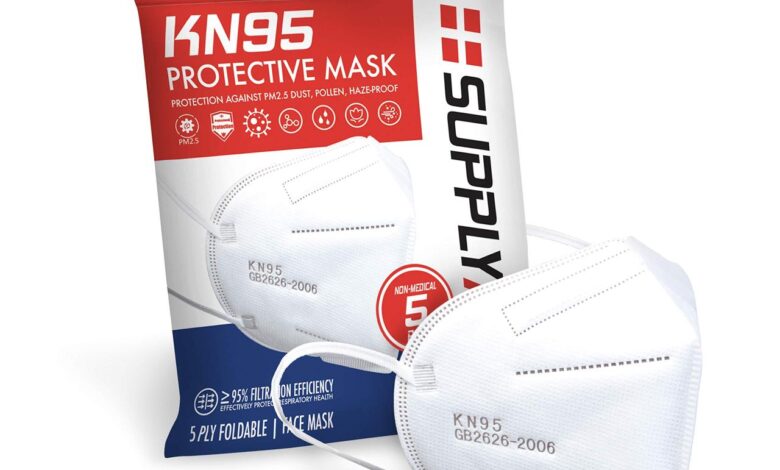
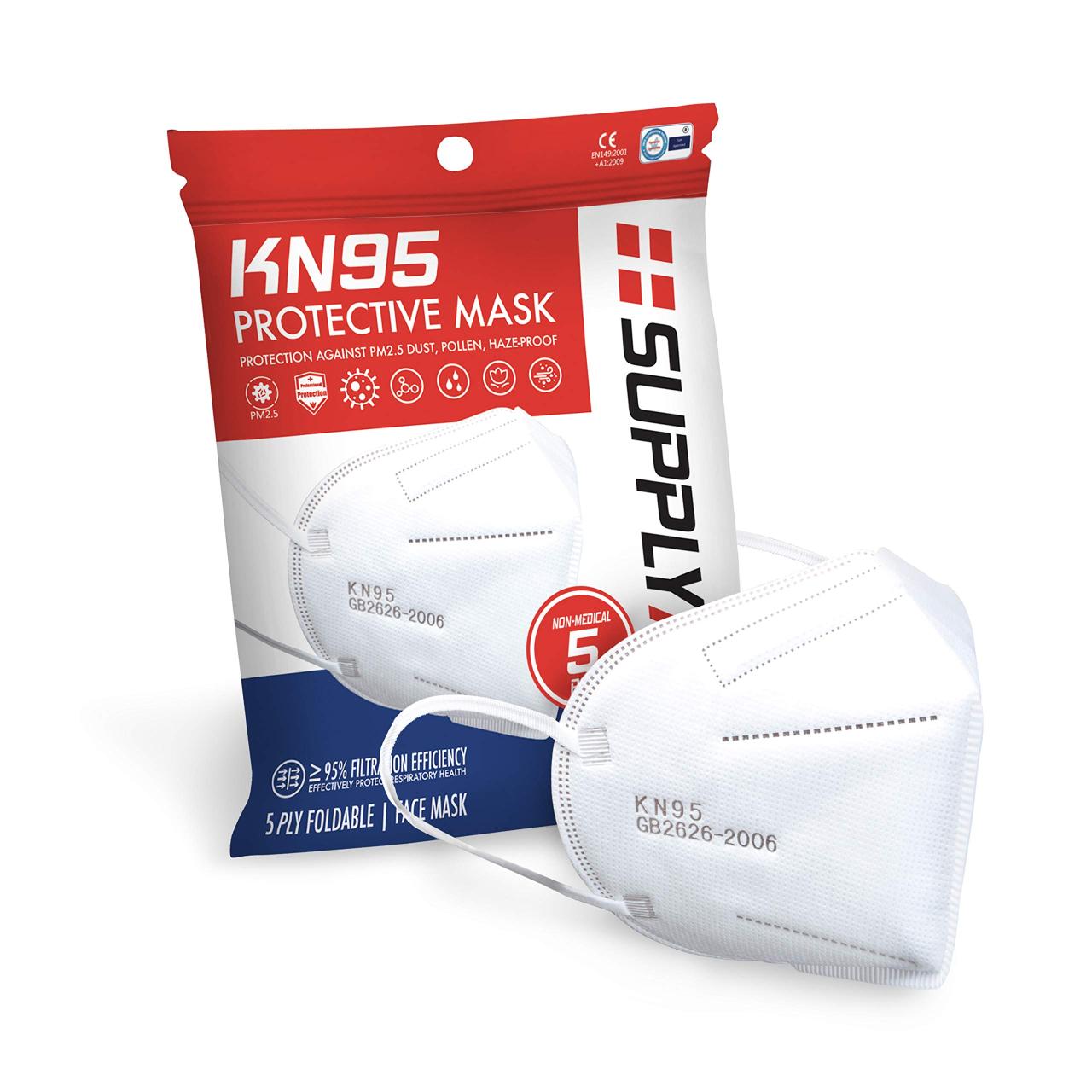
- KN95 Respirators: Similar to N95 respirators, KN95 respirators also provide high filtration efficiency. The filtration efficiency of KN95 masks often meets or exceeds that of N95 masks. The crucial difference lies in the manufacturing standards and certification processes. This means KN95 masks might vary in quality and performance compared to N95 respirators.
- Surgical Masks: Surgical masks offer a moderate level of protection, primarily blocking large droplets and particles. These masks are commonly used in healthcare settings to prevent the transmission of pathogens. Surgical masks are not as effective in filtering out smaller airborne particles as N95 or KN95 masks.
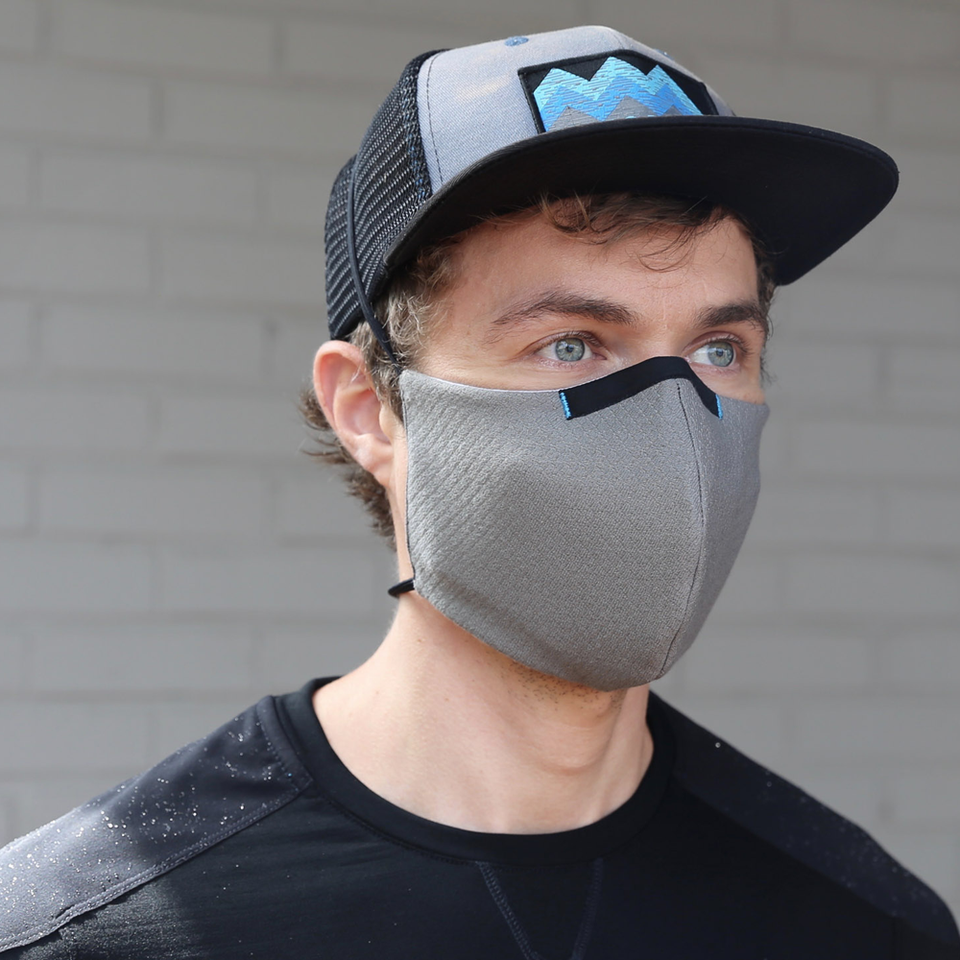
- Cloth Masks: Cloth masks provide the least protection against airborne particles. These masks are often made from breathable fabrics like cotton or linen. Their primary function is to prevent the wearer from spreading respiratory droplets to others, rather than to filter out airborne particles completely. Cloth masks are generally suitable for everyday use in public places, but not for situations requiring high levels of protection.
Comparison of Mask Characteristics
The effectiveness of a face mask depends on its ability to filter out airborne particles. This table provides a concise overview of the key characteristics of different mask types.
| Mask Type | Materials | Filtration Efficiency (%) | Breathability | Suitability |
|---|---|---|---|---|
| N95 Respirator | Non-woven polypropylene, meltblown polypropylene | 95% or higher | Moderate | Healthcare settings, high-risk situations, dust control |
| KN95 Respirator | Non-woven polypropylene, meltblown polypropylene | 95% or higher | Moderate | Industrial settings, personal protection |
| Surgical Mask | Spunbond polypropylene, meltblown polypropylene, non-woven | 60-80% | Good | Healthcare settings, general public use in situations with potential exposure to droplets |
| Cloth Mask | Cotton, linen, or other fabrics | Low (variable) | High | Everyday use in public places |
Mask Features and Applications
The specific features of each mask type determine its suitability for various applications.
- N95 and KN95 respirators are designed for high filtration efficiency and tight seals. This makes them ideal for protecting against airborne particles, such as dust, fumes, and pathogens. They are particularly beneficial in environments where fine particles pose a health risk. These respirators are often required in healthcare settings during outbreaks, or for individuals working with potentially harmful substances.
- Surgical masks offer a balance between filtration and breathability. Their design and material make them suitable for situations where protection against larger droplets is needed, like in medical procedures and in public settings during periods of high risk.
- Cloth masks are readily available and relatively inexpensive. Their breathability makes them suitable for everyday use in public places, where the primary goal is to prevent the spread of respiratory droplets.
Material Composition
Choosing the right face mask material is crucial for its effectiveness. Different materials offer varying degrees of filtration, breathability, and comfort. Understanding the properties of these materials allows us to make informed decisions about which mask is best suited for our needs. A well-constructed mask, with the right material composition, can significantly reduce the risk of airborne transmission of pathogens.
Material Properties and Filtration Efficiency
The performance of a face mask is heavily influenced by the materials used in its construction. Polypropylene, meltblown fabric, and cotton are common choices, each with distinct characteristics. Understanding these characteristics is key to understanding how well a mask filters particles and how comfortable it is to wear.
Polypropylene
Polypropylene is a synthetic polymer known for its lightweight nature and excellent strength. It’s often used as a base layer in face masks, providing a framework for other filtration materials. Polypropylene’s properties make it a cost-effective and readily available material. Its durability and relative ease of production make it a popular choice for mass-produced masks.
Meltblown Fabric
Meltblown fabric stands out as a crucial component for filtration efficiency. The process creates a highly porous structure with a large surface area, effectively trapping airborne particles. This material is instrumental in achieving high filtration rates, particularly for smaller particles. Meltblown fabric’s ability to trap tiny particles makes it essential for masks aiming to provide superior protection.
Cotton
Cotton, a natural fiber, is commonly used in face masks for its softness and breathability. However, its filtration efficiency is lower compared to synthetic materials like polypropylene and meltblown fabric. While comfortable, cotton’s breathability may not be ideal for situations requiring high filtration.
Filtration Efficiency Comparison
The filtration efficiency of a face mask is directly related to the material’s ability to trap particles of varying sizes. Different materials exhibit different levels of efficiency. The filtration efficiency of a mask depends on the material’s ability to block different sizes of particles.
Particle Size and Filtration Efficiency
| Material | Particle Size (µm) | Filtration Efficiency (%) |
|---|---|---|
| Polypropylene | 0.3-10 | 60-80 |
| Meltblown | 0.1-10 | 90-99 |
| Cotton | 0.3-10 | 20-50 |
The table above provides a general comparison of filtration efficiency across various materials. These values are estimates and can vary depending on the specific manufacturing process and the mask’s design. The filtration efficiency of a material is determined by the effectiveness of the fibers in the material to trap particles of different sizes. Different particle sizes present different challenges to the filtration process, affecting the overall efficiency.
For example, masks designed for healthcare settings often incorporate multiple layers of different materials to optimize filtration across a wider range of particle sizes.
Fit and Functionality
A well-fitting face mask is crucial for effective protection. A mask that doesn’t properly seal around the face allows potentially contaminated air to bypass the filtration material, significantly reducing its effectiveness. Understanding the interplay of mask design, fit, and seal is essential for maximizing protection.Proper mask fit minimizes the risk of airborne contaminants entering the wearer’s respiratory system.
This crucial element of mask effectiveness often gets overlooked, yet it’s a key factor in personal safety. Different mask designs offer varying levels of fit and seal, directly impacting their protective capabilities.
Importance of Proper Fit for Maximizing Protection
A well-fitting mask creates a barrier between the wearer and the surrounding environment. This barrier, in turn, prevents contaminated air from reaching the respiratory system. A loose-fitting mask, on the other hand, allows leakage, rendering the filtration ineffective. The proper fit, therefore, is essential for maximizing the mask’s protective capabilities. This is a critical factor to consider when selecting a face mask for any use, whether in a medical setting or for everyday protection.
Impact of Mask Designs on Fit and Seal
Different mask designs influence the fit and seal in various ways. The shape, material, and features of the mask significantly affect its ability to create a tight seal around the face. For instance, masks with adjustable straps, a snug fit, and a contoured shape generally offer better sealing than those without.
Importance of Seal and Pressure Points
A crucial aspect of mask fit is the seal. A proper seal prevents air leakage around the edges of the mask, ensuring that the filtration material intercepts and filters potentially contaminated particles. Pressure points are areas where the mask presses against the face. These points can cause discomfort if not properly managed. Understanding how to adjust the mask to minimize pressure points enhances comfort and ensures a secure fit.
Adjusting the Fit
Adjusting the mask’s fit is vital for optimal protection. Straps should be snug but not too tight, ensuring a comfortable yet secure fit. The mask should fit snugly against the face, covering the nose and mouth completely, without creating excessive pressure. Proper adjustment minimizes leakage and maximizes protection. A good rule of thumb is to check for any gaps around the edges of the mask.
Examples of Mask Designs Optimizing Fit and Seal
Several mask designs excel at optimizing fit and seal. N95 respirators, with their tight-fitting design and often contoured shapes, are recognized for their superior seal. These respirators are often equipped with features like nose bridges and headbands to ensure a precise and secure fit, preventing leakage. Surgical masks, while not offering the same level of protection as N95s, are designed with features that improve fit and seal, like ear loops and adjustable straps.
These masks are also frequently designed to have a snug fit and a good seal. The precise design of the mask is often correlated with its ability to form a secure barrier around the mouth and nose. Masks with adjustable straps and a flexible structure can be shaped to fit a wider range of facial structures.
Protection Against Specific Particles
Choosing the right face mask depends heavily on the types of particles it’s designed to filter. Understanding the nature of these particles and how masks perform against them is crucial for selecting the most appropriate protection. This section dives deep into the specifics of particle types, sizes, and filtration efficiency.Different particles pose varying threats, and masks are designed with varying degrees of success to block them.
The effectiveness of a mask depends not only on its material but also on its fit and construction. A poorly fitting mask, even with a highly efficient material, may offer little protection.
Finding the best protective face mask can be tricky, but prioritizing health is key. While I’m on the topic of healthy choices, I’ve been curious about how much sugar and fat is packed into Wendy’s new breakfast menu. Checking out this article on how unhealthy is wendy’s new breakfast menu might help me decide if I want to order breakfast there.
Ultimately, the best protective face mask is one that fits well and provides a comfortable barrier against germs, and I’m back on track to find that perfect one!
Particle Types and Sizes
Particle filtration is a core function of many face masks. Understanding the types and sizes of particles that masks are designed to filter is essential to choosing the right mask for the task. Different particles have different effects on health.
- Aerosols: These are tiny liquid or solid particles suspended in the air. They can be of biological or chemical origin. Examples include dust particles, pollen, and viruses like influenza or COVID-19. Aerosol particles range significantly in size, affecting the mask’s ability to filter them.
- Dust: Dust particles are solid particles in the air, often originating from soil, construction, or other sources. Dust particles are a wide range of sizes, from coarse to fine. Their size and composition directly affect the effectiveness of filtration.
- Pollen: Pollen grains are microscopic plant particles that can cause allergic reactions. These particles are relatively large compared to some other particles, and filtration effectiveness is largely dependent on the mask’s design and material.
Filtration Efficiency
Filtration efficiency varies significantly based on the particle type and size. A mask’s ability to block particles depends on the material’s pore size and the particle’s size in relation to the pore size. The smaller the particle, the more challenging it is to filter.
- Particle Size: A mask’s ability to filter particles depends heavily on the particle size. Smaller particles are harder to block. Masks designed for very fine particles often utilize materials with extremely small pore sizes.
- Material Composition: The material used in the mask significantly impacts filtration efficiency. Materials like N95 respirators, often containing meltblown polypropylene, are designed for very fine particles.
Mask Performance Against Different Particle Types
Mask performance against different particle types varies significantly. A mask may be highly effective against larger particles but less effective against smaller ones.
| Particle Type | Typical Size Range (µm) | Mask Performance (General Observation) |
|---|---|---|
| Dust | 1-100 µm | Generally good filtration for larger particles |
| Pollen | 10-100 µm | Moderately effective filtration |
| Aerosols (e.g., Viruses) | 0.01-1 µm | Requires specialized masks with very small pore sizes (e.g., N95) |
“Masks with higher filtration efficiency ratings, like N95 respirators, are designed to block a higher percentage of smaller particles. However, proper fit is essential for maximizing protection.”
Safety Standards and Certifications: Best Protective Face Mask
Choosing a protective face mask involves more than just material and fit. Critical to its effectiveness is adherence to safety standards. These standards ensure that the mask meets specific criteria for protection, quality, and performance. Understanding these standards helps consumers make informed decisions and ensures they are receiving a mask that meets established safety guidelines.Safety standards and certifications act as a crucial quality assurance mechanism for face masks.
They provide a benchmark against which mask manufacturers can be evaluated, ensuring consumers receive products that meet minimum performance requirements. This is particularly important in the context of public health and safety, as masks are used to mitigate the spread of infectious diseases.
Various Safety Standards and Certifications
Different organizations establish and enforce various safety standards for face masks. These standards cover different aspects of mask performance, including filtration efficiency, material properties, and manufacturing processes. The standards vary based on the intended use and the type of particles the mask is designed to filter.
Organizations Establishing and Enforcing Standards
Several organizations play a key role in establishing and enforcing safety standards for face masks. These include governmental bodies like the FDA (Food and Drug Administration) and international organizations like the ISO (International Organization for Standardization). These organizations create and update standards to adapt to evolving scientific knowledge and advancements in mask technology. For example, the FDA may issue specific standards for medical-grade masks used in healthcare settings, while the ISO might establish broader standards applicable to various types of masks for general public use.
Impact of Standards on Mask Quality and Effectiveness
Adherence to safety standards directly impacts the quality and effectiveness of a face mask. Masks that meet specific standards demonstrate a higher level of filtration efficiency and protection against various airborne particles. This translates to a better level of protection for the wearer, and for those around them, reducing the risk of transmission of infectious diseases. Standards also often cover aspects such as material durability and comfort, ensuring a better user experience.
For instance, a mask that doesn’t meet the required filtration efficiency will offer less protection against airborne particles, making it less effective.
Table of Certifications and Criteria
| Certification | Organization | Key Criteria Covered |
|---|---|---|
| N95 Respirator | NIOSH (National Institute for Occupational Safety and Health) | High filtration efficiency (95% or greater) against non-oil-based particles; fit testing required for proper seal; material specifications; manufacturing standards. |
| KN95 Respirator | Various (varies by country) | High filtration efficiency (95% or greater) against non-oil-based particles; fit testing may or may not be required; may have less stringent manufacturing standards compared to N95. |
| ASTM F2100 | ASTM International | Covers a wide range of face masks, including those for general use; criteria for filtration efficiency, particle penetration, and material properties; not as stringent as N95 or KN95 standards. |
| CE Marking | European Union | Indicates compliance with EU safety standards; covers material composition, performance characteristics, and user safety aspects. Not specific to filtration but overall safety. |
Durability and Maintenance
Maintaining the effectiveness of your face mask is crucial for optimal protection. Proper care ensures a longer lifespan and continued filtration, especially as the world navigates evolving health concerns. This section details how to prolong the life of your masks and maintain their protective capabilities.Understanding the different types of masks and their specific needs is essential to effective maintenance.
This includes knowledge of the materials, their expected lifespan, and the impact of repeated use on their filtration efficiency. A well-maintained mask is a more effective mask.
Maintaining Different Mask Types
Proper maintenance varies depending on the mask type. Fabric masks, for example, require different care than N95 respirators. This section provides guidelines for each type.
- Fabric Masks: Regular washing is key to maintaining fabric mask effectiveness. Machine washing in cold water with a gentle cycle is generally recommended. Avoid using fabric softeners, as these can potentially reduce the mask’s absorbency. Air drying is preferred, but a low-heat setting in a dryer is acceptable if necessary. Avoid bleach or harsh chemicals.
These treatments can damage the fabric’s structure, compromising its ability to filter particles.
- N95 Respirators: N95 respirators should not be machine washed. These masks are designed for repeated use, but their effectiveness is dependent on proper cleaning. Thoroughly wipe the exterior with a damp cloth and mild soap. Do not submerge them in water. A dry environment is ideal to preserve the mask’s integrity.
Repeated use and cleaning can lead to a reduction in filtration efficiency. Consult the manufacturer’s instructions for specific recommendations. Follow the manufacturer’s guidelines on replacement intervals.
- Surgical Masks: Surgical masks should be discarded after a single use. These masks are designed for a single use, and repeated use diminishes their filtration efficiency. Their use is intended for a single use. Disposable surgical masks are not meant for repeated use.
Lifespan of Various Mask Types
The lifespan of a mask depends on several factors, including the material, usage frequency, and proper maintenance. Factors that determine lifespan include material quality, frequency of use, and how well the mask is cleaned and stored.
- Fabric Masks: Fabric masks can last several months if properly cared for, depending on daily use. Regular washing and proper drying will prolong the lifespan. Frequent use may reduce the mask’s lifespan, potentially affecting its filtering capability.
- N95 Respirators: N95 respirators, if properly stored and maintained, can last for several months, potentially extending up to a year under ideal conditions. Repeated use and cleaning reduce the mask’s effectiveness and potentially shorten its lifespan.
- Surgical Masks: Surgical masks are designed for single use, and reusing them compromises their effectiveness and safety. Their lifespan is effectively one use, after which they should be discarded.
Effects of Repeated Use on Filtration Efficiency
Repeated use significantly impacts the filtration efficiency of all mask types. The mask’s ability to filter out particles degrades over time, leading to decreased protection. Proper maintenance is key to maximizing the mask’s protection.
- Fabric Masks: Fabric masks, with repeated washing, may lose some of their filtering ability. The fabric’s fibers can become compressed or stretched, potentially impacting its filtering capacity. Regular cleaning and replacement may be needed.
- N95 Respirators: Repeated use and cleaning of N95 respirators will likely reduce their filtration efficiency. The mask’s filter material may become damaged or clogged over time. Regular inspections for damage and replacement are essential to maintain filtration efficiency.
- Surgical Masks: Surgical masks, designed for single use, are not meant to be reused. Reusing them dramatically reduces their filtration efficiency, making them ineffective for protection.
Cleaning and Disinfecting Different Mask Types
Proper cleaning and disinfection procedures are crucial to maintaining a mask’s effectiveness and preventing the spread of germs.
| Mask Type | Cleaning Method | Disinfection Method |
|---|---|---|
| Fabric Masks | Machine wash in cold water with a gentle cycle, air dry | Sanitize with a mild bleach solution (1/4 cup bleach per gallon of water), air dry |
| N95 Respirators | Wipe exterior with a damp cloth and mild soap, air dry completely | Avoid disinfection. If necessary, consult the manufacturer’s guidelines |
| Surgical Masks | Discard after single use | Discard after single use |
User Experience and Comfort
Choosing the right face mask is not just about protection; it’s also about comfort. A mask that’s too hot, too heavy, or too restrictive can quickly become a nuisance, leading to reduced compliance and potentially impacting overall health outcomes. This section delves into the crucial factors affecting user comfort and how mask design influences the overall experience.Understanding user comfort is essential for ensuring mask adherence and effectiveness.
A comfortable mask promotes continued use, enabling better protection and ultimately contributing to public health goals. This is particularly important in situations requiring prolonged wear, such as healthcare settings or during everyday activities.
Factors Affecting User Comfort
User comfort with a face mask is a complex issue influenced by multiple factors. Breathability, weight, and fit are key considerations. A mask that allows for easy breathing reduces the likelihood of discomfort and promotes prolonged use. The weight of the mask also plays a crucial role; a heavy mask can lead to neck strain and discomfort, especially during extended use.
Proper fit, ensuring the mask seals tightly against the face without causing pressure points, is equally important for a comfortable user experience.
Mask Design and User Experience
The design of a face mask significantly impacts the user experience. For example, a mask with a well-designed nose wire can provide a more secure and comfortable fit, preventing slippage and reducing pressure points. The material composition, as previously discussed, also plays a vital role. A breathable fabric allows for better air circulation, while a less breathable material can lead to overheating and discomfort.
Proper layering, for example, with an inner layer of soft fabric, can enhance the breathability and softness of the mask.
Comparison of User Experiences Across Mask Types
Different mask types offer varying user experiences. Disposable masks, often made of non-woven materials, may provide a faster and easier method of use, but the breathability might be lower. Cloth masks, particularly those with multiple layers and breathable fabrics, can offer a more comfortable fit and better breathability but might not offer the same level of filtration as disposable or N95 masks.
The user experience with N95 masks, while often perceived as less comfortable due to their tight fit, often receives positive feedback for protection and the high filtration rates. The choice of material and design elements will ultimately determine the breathability and comfort.
User Feedback and Comfort Ratings
The following table summarizes user feedback and comfort ratings for various face mask types. These ratings are based on self-reported user experiences and should be considered indicative. It is important to note that individual comfort levels vary widely.
| Mask Type | Breathability | Weight | Fit | Overall Comfort Rating (1-5, 5 being highest) |
|---|---|---|---|---|
| Disposable | Moderate | Light | Moderate | 3 |
| Cloth (Multiple Layers) | High | Light | Good | 4 |
| N95 | Low | Medium | Excellent | 3 |
Visual Representation of Mask Types
Understanding the various types of face masks is crucial for selecting the most suitable protection. Different mask designs offer varying levels of filtration and comfort, making visual identification and comprehension of their unique characteristics essential. This section will categorize and illustrate different mask types, highlighting their key features.
Mask Categories
Different face masks cater to diverse needs and situations. This categorization helps in recognizing the specific attributes and uses of each mask type.
| Category | Mask Type | Description |
|---|---|---|
| Disposable Masks | Surgical Masks | These masks, often made of meltblown polypropylene, offer a basic barrier against larger droplets and particles. Their design typically includes a pleated structure to increase surface area for filtration. Often used in healthcare settings and public spaces. |
| N95 Respirators | N95 respirators provide a higher level of filtration, designed to block a significant portion of airborne particles, including smaller ones. They typically feature a snug fit, which is crucial for optimal protection. Commonly used in industrial settings, healthcare, and during outbreaks. | |
| Cloth Masks | Fabric Masks | These masks are typically made of various fabrics like cotton, linen, or blends. They offer a basic level of protection against larger droplets and particles. Fabric masks are often comfortable but their filtration efficiency varies greatly depending on the material and construction. |
| Project-Made Cloth Masks | These are homemade or community-made masks constructed from various materials. The quality and protection of these masks can vary widely depending on the chosen material, construction techniques, and care taken in their creation. | |
| Specialized Masks | Valved Masks | These masks have one-way valves, which can improve wearer comfort by reducing exhaled breath buildup. However, the valves also reduce the wearer’s protection, and their efficacy in reducing the spread of airborne particles is questionable. |
| Powered Air-Purifying Respirators (PAPRs) | PAPRs are more complex and powerful devices. They provide a high level of filtration and are typically used in industrial settings, hazardous environments, and by healthcare professionals needing higher levels of protection. |
Mask Styles
Understanding the various mask styles can enhance your comprehension of their design and intended use.
- Standard pleated masks, commonly found in surgical masks, feature a pleated design that increases the surface area of the filtering material. This enhances filtration efficiency compared to a flat sheet of material.
- N95 respirators, often found in respirators, typically feature a snug fit, and a more complex design, which allows for a tight seal against the face. This creates a better barrier against airborne particles.
- Fabric masks, made from a variety of materials, can be pleated or have other design features, but are generally less tightly fitted than surgical masks or N95 respirators.
- Valved masks, a type of respirator, feature a valve that allows exhaled air to escape. This can be more comfortable for the wearer but reduces the mask’s ability to protect others.
Key Features of Each Mask Type
The characteristics of each mask type significantly influence their protective capabilities.
- Surgical masks offer a basic level of protection against larger droplets and particles. Their pleated design increases filtration surface area.
- N95 respirators offer superior filtration against airborne particles, especially smaller ones. Their snug fit is crucial for optimal protection.
- Cloth masks provide a basic barrier, but their filtration efficiency varies greatly based on material and construction.
Closing Summary
In conclusion, choosing the best protective face mask involves a multifaceted approach. Considering factors like filtration, fit, material, and safety standards is crucial. Understanding the different types of masks, their unique characteristics, and how to properly care for them is essential for optimal protection. Ultimately, the “best” mask is the one that fits your specific needs and priorities.
This guide has provided the tools to help you find your perfect fit.