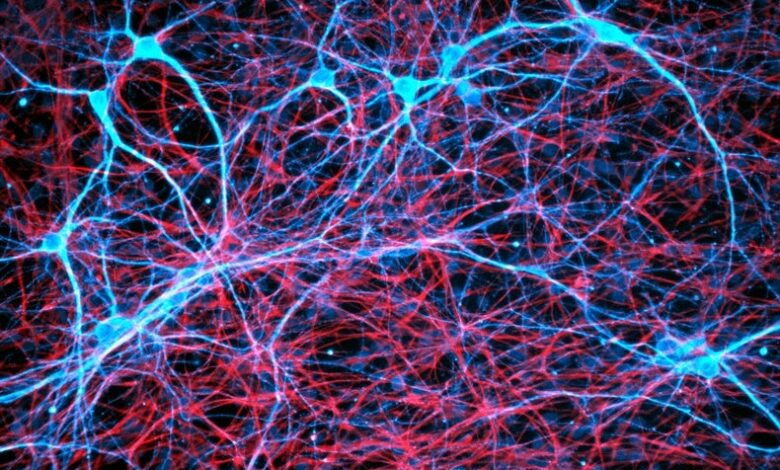
How does the brain make memories scientists are developing some clues – How does the brain make memories? Scientists are developing some clues, offering fascinating insights into the complex mechanisms behind our ability to learn and recall. This journey explores the biological pathways, experimental methods, and environmental factors that shape memory formation, from the neural firings in the hippocampus to the impact of stress and sleep. We’ll delve into case studies, examine emerging models, and visualize the intricate processes involved, culminating in a deeper understanding of this remarkable cognitive function.
The intricate dance of neurons, the interplay of brain regions, and the influence of external factors all contribute to the creation and retrieval of memories. From the initial encoding of information to its long-term storage and eventual retrieval, this process is a fascinating interplay of biology and experience. We’ll also discuss the powerful tools scientists use to investigate these processes, like fMRI and EEG, highlighting both their strengths and weaknesses in unraveling the mysteries of memory.
Biological Mechanisms of Memory Formation
The intricate process of memory formation, allowing us to learn, adapt, and recall past experiences, is a fascinating area of neuroscience. From the simple act of remembering a phone number to complex memories of personal events, the brain employs a sophisticated network of biological mechanisms. Understanding these mechanisms is crucial for addressing memory-related disorders and enhancing cognitive function.The brain’s remarkable ability to encode, store, and retrieve information relies on intricate neural pathways and molecular interactions.
These pathways are not static but dynamically adjust based on experience, a phenomenon known as synaptic plasticity. This adaptability is fundamental to learning and memory.
Neural Pathways in Memory Formation
The formation of memories involves a complex interplay of neural pathways. Information initially enters the sensory systems, then travels to various brain regions for processing and storage. Specific pathways are dedicated to different types of memories, highlighting the specialization within the brain’s intricate network. Different types of memories are encoded and consolidated in different brain regions.
Brain Regions Involved in Memory
Different brain regions play critical roles in the various stages of memory formation. The hippocampus, often highlighted as a central hub for memory, is crucial for consolidating new memories. The amygdala plays a vital role in emotional memories, associating emotional significance with experiences. The cortex, encompassing vast areas of the brain, is involved in encoding and storing complex memories, with different cortical areas specialized for specific types of information.
Molecular Mechanisms of Synaptic Plasticity
Synaptic plasticity, the ability of synapses to strengthen or weaken over time, is fundamental to memory formation. Long-term potentiation (LTP) is a key process in this plasticity, where the strengthening of synapses leads to enhanced signal transmission between neurons. This strengthening is driven by changes in the structure and function of the synapse, including an increase in the number of receptors and an increase in the efficiency of neurotransmitter release.
The molecular mechanisms of LTP involve the activation of specific receptors, leading to intracellular signaling cascades and ultimately the structural changes in the synapse.
“LTP is considered a crucial cellular mechanism underlying learning and memory.”
Types of Memory
Memory can be categorized into different types based on duration and function. This table highlights the distinctions:
| Type of Memory | Duration | Function | Example |
|---|---|---|---|
| Short-Term Memory | Seconds to minutes | Holding information temporarily | Remembering a phone number until it is dialed |
| Long-Term Memory | Days to a lifetime | Storing information for extended periods | Remembering your childhood home address |
| Procedural Memory | Potentially lifelong | Storing motor skills and habits | Riding a bicycle |
Stages of Memory Formation
Memory formation involves distinct stages, each with its specific functions:
- Encoding: The initial processing of information, transforming sensory input into a neural representation.
- Consolidation: The strengthening and stabilization of newly encoded memories, moving them from temporary storage to long-term storage.
- Retrieval: The process of accessing and recalling stored memories when needed.
Methods for Studying Memory
Unraveling the intricate mechanisms of memory formation requires a toolbox of experimental techniques. From observing animal behavior to employing sophisticated brain imaging in humans, scientists have developed diverse methods to probe the mysteries of memory. This exploration will delve into the various approaches, highlighting their strengths, weaknesses, and contributions to our understanding of this fascinating cognitive process.Exploring memory involves examining how the brain encodes, stores, and retrieves information.
Different methods allow researchers to study different aspects of this complex process, from the neural pathways involved to the behavioral consequences. Understanding the strengths and weaknesses of each technique is crucial for interpreting the results and drawing meaningful conclusions.
Animal Models in Memory Research
Animal models, particularly rodents, are invaluable tools in memory research. Their simpler nervous systems and readily available genetic tools allow for targeted manipulations and observations that would be ethically challenging or practically impossible in humans. Lesion studies, where specific brain areas are surgically removed or deactivated, are frequently used to determine the role of particular regions in memory.
Observing changes in learning and memory tasks, such as the Morris water maze, provides insights into the impact of these manipulations. The behavioral flexibility and learning capabilities of animals are crucial to understanding the principles governing memory.
Human Neuroimaging Techniques
Human neuroimaging techniques provide insights into brain activity associated with memory processes. Functional Magnetic Resonance Imaging (fMRI) measures brain activity by detecting changes in blood flow. This technique allows researchers to identify brain regions activated during memory tasks. However, fMRI has limitations, such as its relatively poor temporal resolution, making it challenging to pinpoint the precise timing of neural events.
Electroencephalography (EEG) measures electrical activity in the brain using electrodes placed on the scalp. EEG offers high temporal resolution, allowing for the study of rapid brain activity associated with memory encoding and retrieval. However, EEG’s spatial resolution is limited, making it difficult to pinpoint the exact location of neural activity. Positron Emission Tomography (PET) provides images of brain activity by detecting radioactive tracers.
PET is useful for studying metabolic activity in different brain regions.
Lesion Studies
Lesion studies involve intentionally damaging specific brain areas to observe the resulting effects on memory. This approach is invaluable for understanding the crucial roles of particular brain regions. For example, damage to the hippocampus, a structure deeply implicated in memory formation, often leads to significant memory impairments. However, it’s crucial to acknowledge that these studies may not fully reflect the complex interplay of brain regions involved in memory.
Ethical concerns surrounding human lesion studies are significant.
Procedures for Assessing Memory in Humans
Various procedures are employed to assess different aspects of human memory function. Cognitive tasks like the digit span test measure short-term memory capacity. The Rey Auditory Verbal Learning Test assesses verbal learning and memory. Recognition memory tasks, such as the paired-associate learning paradigm, evaluate the ability to identify previously encountered stimuli. The California Verbal Learning Test assesses verbal learning and memory in more complex scenarios.
Each task provides specific information about different memory processes.
Scientists are uncovering fascinating insights into how our brains form memories, revealing some intriguing clues. This complexity is mirrored in the real world, where support groups like group making it easier for people with breast cancer to coordinate care are proving invaluable in navigating the complexities of cancer treatment. Understanding the intricate workings of memory is crucial, just as these support groups offer vital assistance to those facing challenging health journeys.
Ethical Considerations in Memory Research
| Ethical Concern | Description |
|---|---|
| Informed Consent | Participants must be fully informed about the study’s purpose, procedures, and potential risks. Their voluntary agreement to participate is essential. |
| Confidentiality | Protecting the privacy of participants is paramount. Data must be handled securely, and anonymity must be maintained. |
| Minimizing Harm | Researchers must take steps to minimize any potential physical or psychological harm to participants. |
| Debriefing | Participants should receive a thorough explanation of the study’s findings and their implications. |
| Animal Welfare | In animal studies, researchers must adhere to strict ethical guidelines to ensure the well-being of the animals. Minimizing pain and distress is crucial. |
These ethical considerations are vital in ensuring that research conducted on human and animal subjects is morally sound and that their rights are protected.
Impact of Environmental Factors
The formation and consolidation of memories are not solely determined by the brain’s internal mechanisms. Environmental factors play a crucial role in shaping memory, influencing its strength, durability, and even the very structures involved. Stress, sleep, and nutrition, for example, are not merely external influences but active participants in the intricate processes of memory formation. Learning environments and the type of experiences encountered significantly impact how memories are encoded and stored.
Understanding these environmental influences is essential to optimizing memory function and potentially mitigating memory impairment.Environmental factors significantly impact the biological mechanisms underlying memory. These factors act on the brain’s neural pathways and chemical processes, either bolstering or hindering the formation and consolidation of memories. A supportive and stimulating environment can strengthen memory pathways, while adverse environments can lead to memory impairment.
Effects of Stress on Memory
Chronic stress can have detrimental effects on memory. Elevated levels of stress hormones, like cortisol, can disrupt the normal functioning of the hippocampus, a brain region crucial for memory formation and consolidation. This disruption can impair the encoding and retrieval of new information, and can lead to long-term memory problems. Acute stress, while less debilitating in the short-term, can also impair memory by shifting cognitive resources towards coping with the immediate threat.
Studies in animal models, using various stress-inducing procedures, have shown these effects consistently. For example, exposure to chronic stress can result in smaller hippocampal volumes, a finding further corroborated by human studies.
Effects of Sleep on Memory
Sleep plays a critical role in memory consolidation. During sleep, the brain actively processes and strengthens memories formed during the day. Different stages of sleep, particularly slow-wave sleep, are associated with specific memory consolidation processes. Lack of sufficient sleep can impair memory formation and retrieval, as the brain’s opportunity to consolidate memories is diminished. For example, individuals who experience sleep deprivation often find it more challenging to recall learned material.
Effects of Nutrition on Memory
Nutrition directly affects the brain’s health and function, and consequently, memory. A diet rich in essential nutrients, including omega-3 fatty acids, antioxidants, and vitamins, can support healthy brain function and enhance memory. Conversely, a diet lacking in essential nutrients can impair cognitive function and memory. Studies on animal models have shown that specific dietary interventions, such as supplementing with omega-3 fatty acids, can improve memory performance.
Scientists are uncovering fascinating insights into how our brains form memories. It’s truly amazing how our minds work, and while we’re still piecing together the puzzle, there are some intriguing developments. Speaking of mind-bending, the recent news about a baseball legend finding new purpose after a pro football player’s death in this heartwarming story is a testament to the complex ways our memories and emotions intertwine.
This, in turn, adds a new layer of complexity to the scientific quest of understanding how our brains store and retrieve memories.
Influence of Learning Environments and Experiences
Learning environments and experiences significantly influence memory formation. A stimulating and supportive learning environment, with opportunities for active engagement and meaningful learning, can enhance memory function. Conversely, a monotonous or stressful learning environment can impair memory. For example, students learning in a noisy or chaotic classroom might have difficulty concentrating and forming lasting memories.
Comparison of Learning Types
Different types of learning engage various cognitive processes, potentially impacting memory differently. Rote learning, which relies on repetition, might result in weaker, less durable memories compared to meaningful learning, which connects new information to existing knowledge. Experiential learning, which involves active participation and application of knowledge, tends to produce stronger and more readily accessible memories.
Measuring Environmental Effects in Animal Models, How does the brain make memories scientists are developing some clues
Researchers use various procedures to measure the impact of environmental factors on memory in animal models. These procedures often involve manipulating the animals’ environments, such as exposing them to stressful stimuli or restricting their sleep. Behavioral tasks, such as spatial learning and memory tests, are used to assess the animals’ cognitive performance. For instance, the Morris water maze is a common technique used to assess spatial memory in rodents.
The maze’s design, along with the procedures for training and testing, allow researchers to quantify and analyze the impact of environmental factors on the animals’ learning and memory capabilities.
Emerging Insights and Models: How Does The Brain Make Memories Scientists Are Developing Some Clues
Unraveling the intricate dance of memory formation requires a deeper understanding of the biological mechanisms at play. Recent research delves into the specifics of how genes and proteins influence memory processes, offering crucial insights into the complexities of memory storage and retrieval. Computational models are increasingly valuable tools, enabling researchers to simulate memory formation and retrieval, providing insights into the neural pathways involved.
This exploration of emerging models and insights promises to unlock further understanding of the human mind.The field of memory research is constantly evolving, with new discoveries challenging existing paradigms and prompting the development of more sophisticated models. Understanding the roles of specific genes and proteins, refining memory storage and retrieval theories, and employing computational simulations are crucial aspects of this ongoing investigation.
Recent Findings on Genes and Proteins in Memory Formation
Studies have identified a growing number of genes and proteins directly implicated in the formation and consolidation of memories. For instance, specific genes involved in synaptic plasticity, the fundamental process underlying learning and memory, have been linked to memory performance. Researchers are exploring how variations in these genes might contribute to individual differences in memory abilities. These discoveries offer valuable insights into the molecular underpinnings of memory, highlighting the intricate interplay between genetic predisposition and environmental factors in shaping memory traces.
Scientists are uncovering fascinating insights into how our brains forge memories, piecing together the complex processes involved. While the intricacies of memory formation are still being unravelled, researchers are developing some intriguing clues. Interestingly, the question of whether a grain-free diet is actually healthy for long-term brain function is a fascinating parallel, with some studies suggesting potential links between dietary choices and cognitive performance.
For more on the debate surrounding grain-free diets, check out this article: is a grain free diet healthy. Ultimately, understanding brain function and the impact of our choices on it is a continuous process of exploration.
Current Theories and Models of Memory Storage and Retrieval
Several models attempt to explain how memories are encoded, stored, and retrieved. One prominent model posits that memories are distributed across neural networks, with different aspects of a memory represented in different brain regions. Another model emphasizes the role of synaptic plasticity, suggesting that the strength of connections between neurons changes during learning, effectively storing the memory trace.
These theories, while offering valuable frameworks, still need further refinement to fully account for the complexity of memory processes.
Computational Models of Memory Processes
Computational models are proving invaluable in simulating memory processes. Researchers utilize these models to explore how neural networks interact and change during learning. By creating simplified representations of the brain, these models can predict the behavior of neural circuits in response to stimuli, helping to elucidate the mechanisms of memory storage and retrieval. For instance, researchers can simulate how different types of stimuli affect the strength of connections between neurons, mirroring real-world learning experiences.
Summary of Memory Theories
| Theory | Description | Strengths | Weaknesses |
|---|---|---|---|
| Distributed Memory | Memories are not localized in specific brain regions but are distributed across a network of neurons. | Explains the robustness of memory and its ability to withstand damage to specific brain areas. | Doesn’t specify the precise mechanisms of information integration within the network. |
| Synaptic Plasticity | Memories are encoded by changes in the strength of connections between neurons (synapses). | Provides a plausible mechanism for encoding and storing memories. | Doesn’t fully account for the complexity of memory processes, such as working memory and episodic memory. |
Methods for Modeling and Understanding Neural Mechanisms of Memory
Researchers utilize a range of methods to model and understand the neural mechanisms of memory. Electrophysiological recordings, such as EEG and fMRI, provide insights into brain activity during memory tasks. Furthermore, computational modeling and simulations allow researchers to test and refine their understanding of the neural circuits involved. Lesion studies in animals, where specific brain regions are damaged, can help determine the contributions of different brain areas to specific memory processes.
These combined approaches offer a multifaceted perspective on the neural basis of memory.
Illustrative Examples

Delving into the intricate world of memory, we encounter fascinating cases that reveal the brain’s remarkable capacity, and its vulnerabilities. From the devastating effects of brain injury to the powerful influence of emotion, memory’s plasticity is evident in the variety of ways it can be shaped and impacted. This section presents concrete examples that highlight the biological underpinnings and environmental factors influencing memory formation and recall.Understanding how memories are formed, stored, and retrieved is crucial to appreciating the complex interplay between our biology and our experiences.
These examples illuminate the dynamic nature of memory, showing how it can be strengthened, weakened, or altered by various factors.
Case Study: H.M. and the Impact of Brain Injury on Memory
H.M., a famous case study in neuroscience, underwent a surgical procedure to treat severe epilepsy. The surgery involved removing portions of his hippocampus and surrounding areas. Following the operation, H.M. exhibited profound anterograde amnesia, meaning he could not form new long-term memories. While he retained memories from his life before the surgery, he struggled to encode new information, constantly experiencing the world as if it were unfolding for the first time.
This case vividly demonstrates the critical role of the hippocampus in the formation of new declarative memories, highlighting the brain’s intricate neural pathways involved in memory encoding. His inability to create new memories profoundly affected his life, showcasing the profound impact brain damage can have on daily functioning.
Emotional Impact on Memory: The Flashbulb Memory Phenomenon
The power of emotions on memory is undeniable. The flashbulb memory phenomenon describes a vivid, detailed, and seemingly permanent memory of a significant, surprising, or emotionally charged event. Consider a person recalling the moment they heard about the 9/11 attacks. The intensity of the emotional experience, coupled with the public significance of the event, often leads to a seemingly precise and enduring memory.
These memories, while often considered highly accurate, are not immune to distortions or inaccuracies over time. Emotional intensity plays a significant role in shaping how information is encoded and later retrieved, highlighting the interaction between emotion and memory formation.
Memory Improvement Through Practice and Training
Memory is not a static entity; it can be enhanced through practice and targeted training. Just as physical skills improve with repetition, memory abilities can be sharpened through consistent effort. Learning a new language, mastering a musical instrument, or engaging in regular cognitive training exercises can all contribute to strengthening memory function. These activities engage specific neural pathways, promote synaptic plasticity, and enhance the brain’s capacity to encode, store, and retrieve information.
This illustrates the potential for cognitive enhancement and highlights the importance of mental exercise in maintaining memory health throughout life.
Example of a Memory-Enhancing Technique: The Method of Loci
The method of loci, also known as the memory palace technique, is a mnemonic device that uses spatial visualization to aid in memorization. Essentially, it involves associating items to be memorized with specific locations in a familiar environment, such as one’s home or a route. By mentally “placing” each item in a distinct location, individuals can create a mental journey that allows them to recall the items in a sequence.
This technique leverages the brain’s natural ability to navigate and remember spatial information, transforming abstract or complex information into memorable, visual cues.
Manifestations of Memory Loss in Different Individuals
Memory loss can manifest in diverse ways across individuals. Some individuals may experience difficulties with short-term memory, struggling to recall recent events or conversations. Others may have problems with long-term memory, losing track of past experiences or important personal details. Age-related cognitive decline is another prominent manifestation, with certain aspects of memory typically showing gradual deterioration with advancing years.
Furthermore, specific neurological conditions, such as Alzheimer’s disease or dementia, can cause significant memory impairments, affecting various aspects of daily life. The severity and type of memory loss vary significantly depending on the underlying cause and individual characteristics.
Visual Representations
Understanding the intricate dance of memory formation requires a visual language. From the initial encoding of information to its eventual retrieval, the brain’s pathways are complex. Visual representations offer a simplified yet powerful way to grasp these processes. They highlight key stages and interactions, allowing us to better understand the biological mechanisms at play.
Memory Pathway Diagram
This diagram illustrates a simplified memory pathway, highlighting the key stages involved in converting sensory input into lasting memories. Sensory information initially enters through the sensory receptors, and is then processed in the sensory cortices. Crucially, the interplay between various brain regions is vital. This is reflected in the diagram’s depiction of the interconnectedness between these areas.
Note: This is a simplified representation. Actual pathways are far more complex, involving numerous interconnected neurons and synapses.
Stages of Memory Formation
Visualizing the stages of memory formation helps us understand how fleeting sensory impressions become long-term memories. This flowchart shows the progression, emphasizing the transition from sensory input to short-term memory and eventually to long-term storage. Note: The exact duration and nature of each stage can vary based on the type of memory and individual factors.
Brain Region Interplay During Encoding
Memory encoding isn’t confined to a single region; rather, it’s a collaborative effort. This diagram showcases the interplay between different brain regions during the encoding process. The hippocampus plays a crucial role in consolidating information, while the prefrontal cortex is vital for executive functions like attention and working memory. The interaction of these areas is critical for the formation of long-term memories.
Note: This is a simplified model. Many other brain regions contribute to the process, highlighting the complexity of memory encoding.
Stress on Memory
Stress significantly impacts memory formation. This diagram illustrates how stress hormones, such as cortisol, can interfere with the normal functioning of the hippocampus, a critical area for memory consolidation. The result is impaired memory encoding and retrieval. Note: Chronic stress can have lasting detrimental effects on memory.
Computational Model for Memory Retrieval
Memory retrieval can be modeled computationally. This visualization depicts a simplified computational model. Information is encoded and stored as patterns of activation within a network of interconnected nodes. During retrieval, a cue activates a specific pattern, triggering a cascade of activity, eventually leading to the reconstruction of the memory. Note: This model provides a basic framework. The complexities of human memory retrieval are still under active research.
Ultimate Conclusion
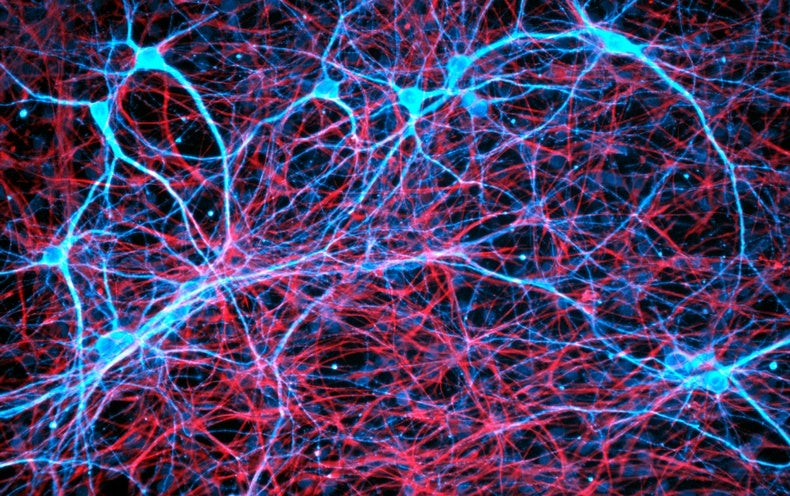
In conclusion, the journey into the world of memory formation reveals a complex interplay of biological mechanisms, environmental influences, and emerging research methodologies. We’ve seen how different brain regions, from the hippocampus to the cortex, work together, and how experiences shape the very fabric of our memories. As research continues, our understanding of memory will undoubtedly deepen, offering potential avenues for improving memory function and addressing memory-related disorders.
The quest to understand memory continues, and the clues uncovered so far offer a captivating glimpse into the inner workings of the human mind.
