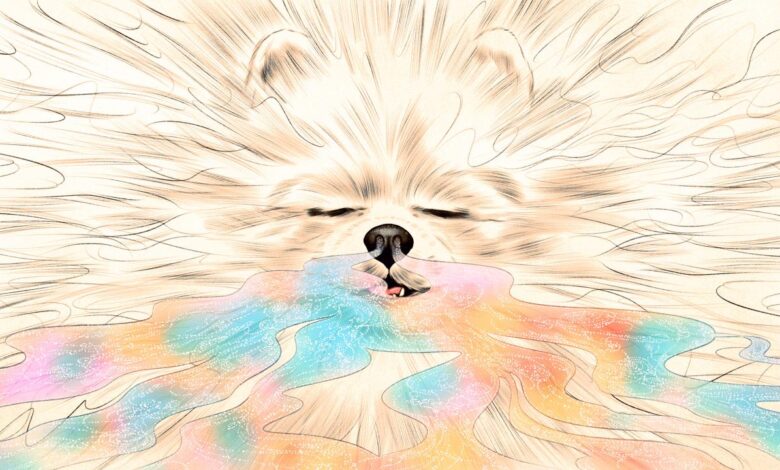
Dogs can smell when were stressed out – Dogs can smell when we’re stressed out, a fascinating ability rooted in their incredibly sensitive noses. Their olfactory system is far superior to ours, allowing them to detect a complex array of chemical signals that humans often can’t perceive. These signals, often imperceptible to us, reveal a wealth of information about our emotional state, including stress. We’ll explore how dogs perceive stress, the human indicators they detect, and the ways this fascinating connection shapes human-dog interactions.
This detailed look into the science behind canine stress detection will reveal how dogs, with their exceptional noses, can act as early warning systems for human stress. From physical indicators to behavioral cues, and the role of hormones, we’ll examine the complex interplay between human and canine stress responses. We’ll also delve into real-world examples and ethical considerations surrounding this unique connection.
Understanding Canine Perception
Dogs, our loyal companions, experience the world in a profoundly different way than we do. Their senses, particularly their sense of smell, are far more acute and play a critical role in their understanding of their environment and the people around them. This heightened perception is key to understanding how dogs detect and react to stress in humans.The world as a dog perceives it is primarily olfactory.
Their vision and hearing, while important, are secondary to their incredible sense of smell. This profound reliance on smell shapes their behavior, communication, and interactions with the world around them. Their understanding of the world is a complex interplay of scent signals.
Canine Olfactory System
Dogs possess a highly developed olfactory system, vastly superior to that of humans. Their noses contain significantly more olfactory receptor neurons, enabling them to detect an extraordinary range of scents. This superior sensitivity allows dogs to discern subtle differences in chemical compounds that might be undetectable to human noses. The turbinates in their nasal passages act as filters, concentrating airborne particles for optimal scent analysis.
This unique anatomical structure, combined with a significantly larger olfactory bulb in the brain, allows for an unparalleled ability to analyze and interpret olfactory information.
My dog, Winston, seems to know exactly when I’m stressed. He can practically sniff out my anxiety! It got me thinking about holiday gatherings and how important it is to check in with people about their vaccination status before inviting them over, like in this helpful guide. Maybe it’s not just humans who pick up on subtle cues; perhaps dogs are masters of stress detection, too! They’re truly amazing creatures, aren’t they?
Chemical Signals and Stress
Dogs can detect a wide array of chemical signals, including those released by humans when experiencing stress. These signals, often imperceptible to us, are readily detected by dogs. Stress hormones, such as cortisol and adrenaline, leave traces in sweat, breath, and even body odor. Dogs can also detect subtle changes in the emotional state of their human companions.
These emotional markers include subtle shifts in posture, tone of voice, and even facial expressions. The dog’s sensitivity to these cues allows them to respond appropriately to our emotional needs. Examples include the dog exhibiting anxious behavior (whining, restlessness) when sensing a stressed owner, or conversely, a dog exhibiting calming behavior when an owner is stressed.
Examples of Scent Detection, Dogs can smell when were stressed out
Dogs react differently to various scents, exhibiting diverse behaviors based on the detected chemical signatures. A familiar human scent evokes a response of affection and recognition. A perceived threat, such as an unfamiliar dog, elicits a cautious or defensive reaction. The scent of a stressful situation, like a loud argument or a tense atmosphere, can trigger anxiety or fear in the dog.
These reactions are not arbitrary; they are direct responses to the chemical signals associated with these experiences.
Comparing Human and Canine Senses of Smell
| Characteristic | Human | Dog |
|---|---|---|
| Number of Olfactory Receptors | 5 million | 220 million (or more) |
| Sensitivity to Scents | Relatively low | Extremely high |
| Detection of Stress Signals | Limited or non-existent | Highly sensitive |
| Interpretation of Scents | Limited | Sophisticated and complex |
Stress Indicators in Humans
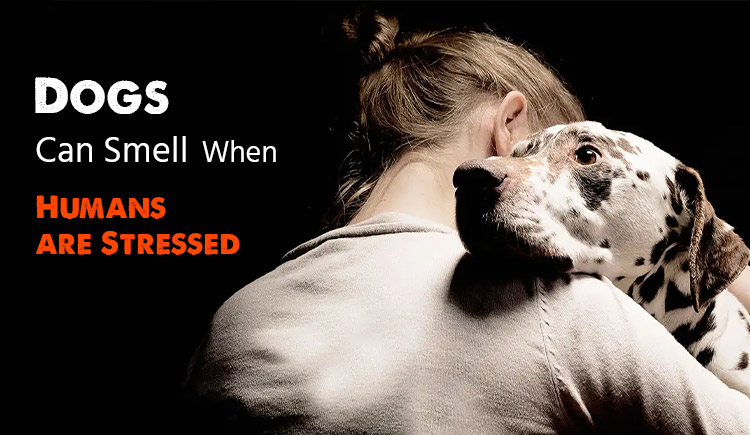
Understanding how humans react to stress is crucial for appreciating the sensitivity of dogs to our emotional states. Stress, a common experience, manifests in a variety of ways, both physically and behaviorally. Recognizing these indicators is vital for self-care and for fostering stronger relationships with our canine companions.Recognizing stress in humans involves acknowledging a range of physical and behavioral changes.
These signals, often subtle, can be misinterpreted or ignored. However, recognizing these indicators allows for proactive measures to mitigate stress and improve overall well-being. It’s crucial to note that individual responses to stress vary, and not every symptom listed below will be present in every individual.
Dogs are amazing; they can sniff out when we’re stressed, which makes me wonder, if there’s a scientifically proven best time of day to be sick, like the optimal time to feel your worst. I’ve been pondering this recently, especially after reading about the best time of day to be sick. what is the best time of day to be sick It’s a fascinating thought, but maybe our furry friends have the better solution: just be happy, and let them sniff you out for stress! They’re always so good at knowing.
Common Physical Indicators of Stress
Physical indicators of stress are often subtle and can be easily overlooked. They stem from the body’s physiological response to perceived threats or challenges.
- Muscle tension: This manifests as tightness in the neck, shoulders, or back, leading to aches and pains. Chronic muscle tension can contribute to headaches and other musculoskeletal issues.
- Changes in sleep patterns: Insomnia, difficulty falling asleep, or frequent awakenings can be indicative of stress. Conversely, excessive sleepiness can also be a symptom.
- Gastrointestinal issues: Stress can trigger digestive problems like nausea, stomach cramps, diarrhea, or constipation. This is a common physical manifestation of stress due to the body’s physiological response.
- Elevated heart rate and blood pressure: The body’s fight-or-flight response increases heart rate and blood pressure in response to perceived threats. Prolonged periods of elevated heart rate and blood pressure can have significant health implications.
- Headaches: Tension headaches, migraines, or other types of headaches are common stress-related symptoms. These often result from muscle tension and the release of stress hormones.
Common Behavioral Indicators of Stress
Behavioral indicators of stress often involve changes in typical patterns of behavior. These changes can be subtle or more pronounced.
- Irritability and mood swings: Increased irritability, impatience, and mood swings are common behavioral responses to stress. This can manifest as short tempers or unpredictable emotional reactions.
- Changes in appetite: Stress can affect appetite, leading to either overeating or loss of appetite. These changes can disrupt overall health and well-being.
- Social withdrawal: Individuals experiencing stress may withdraw from social interactions, seeking isolation as a coping mechanism. This can be a subtle or overt response to stress.
- Increased use of substances: Stress can sometimes lead to an increased reliance on substances such as alcohol or drugs as coping mechanisms. This is a serious issue and requires intervention.
- Difficulties concentrating: Stress can interfere with cognitive functions, making it difficult to concentrate, focus, and make decisions. This can significantly impact daily activities and responsibilities.
Physiological Changes During Stress
Stress triggers a cascade of physiological changes within the body. The body’s “fight-or-flight” response is activated, leading to hormonal fluctuations and other physiological adaptations.
The primary hormonal changes during stress involve the release of cortisol and adrenaline. These hormones prepare the body for action by increasing heart rate, blood pressure, and blood sugar levels.
These changes are temporary adaptations to a perceived threat. However, chronic stress can lead to prolonged and potentially harmful effects on the body.
Common Human Stressors
Various factors can contribute to stress in human life, categorized into social, environmental, and emotional factors.
- Social Stressors: These include interpersonal conflicts, relationship problems, social isolation, and pressures to conform to social norms. These social stressors can lead to a range of emotional and physical health problems.
- Environmental Stressors: These involve factors such as pollution, noise, natural disasters, and climate change. These factors can directly impact mental and physical well-being.
- Emotional Stressors: These include grief, anxiety, fear, and trauma. These factors can have long-lasting effects on mental and physical health.
Stress and Chemical Cues for Dogs
Stress in humans releases volatile organic compounds (VOCs) and other chemical cues detectable by dogs. These cues are part of a complex interplay of physiological changes, hormonal responses, and bodily secretions.
| Stress Indicator | Potential Chemical Signature |
|---|---|
| Muscle tension | Increased levels of certain volatile organic compounds (VOCs) in sweat and breath. |
| Elevated heart rate | Changes in the concentration of certain metabolites in breath and sweat. |
| Changes in appetite | Alterations in gut microbiota and resulting volatile organic compounds (VOCs) in breath. |
| Social withdrawal | Changes in body odor and hormonal cues. |
| Anxiety | Increased levels of certain VOCs and pheromones. |
Stress Signals in Dogs
Dogs, our loyal companions, often mirror our emotional states, and understanding their stress responses is crucial for building a strong bond and ensuring their well-being. Just as humans exhibit different signs of stress, so too do dogs, offering us a window into their inner world. Recognizing these cues allows us to intervene and provide support, ultimately leading to a happier and healthier canine companion.Stress in dogs manifests in a variety of ways, impacting their physical and behavioral expressions.
By learning to interpret these signals, we can better understand when our furry friends are feeling overwhelmed and provide the necessary support.
Body Language Indicators of Stress
Dogs communicate a lot through their body language. Recognizing subtle changes in posture, facial expressions, and overall demeanor can provide early warning signs of stress. A dog experiencing stress may exhibit flattened ears, a tucked tail, or a lowered head posture. These subtle shifts can indicate discomfort or anxiety. Additionally, dilated pupils, or a stiff, rigid body posture, can be warning signs.
These cues, while often subtle, are crucial for attentive dog owners to observe.
Vocalizations and Behavioral Changes
Beyond body language, dogs also express stress through vocalizations and changes in behavior. Whining, whimpering, or barking excessively can signal distress. Changes in appetite, increased panting, or even aggression can be signs of stress. A dog experiencing stress might also exhibit compulsive behaviors, such as excessive licking or chewing. These behaviors can range from subtle changes to more overt expressions, depending on the individual dog and the severity of the stressor.
Physiological Impact on Scent Profile
Stress can profoundly impact a dog’s physiology, influencing their scent profile. Cortisol, the stress hormone, affects various bodily functions, including hormone levels and scent production. Elevated cortisol levels can alter the chemical composition of a dog’s urine and saliva, potentially making it more difficult to detect or interpret their scent profile. For example, a dog under stress may have a more pronounced or altered scent in their urine compared to a relaxed dog.
This altered scent profile, though not always readily apparent to humans, is a significant aspect of canine communication.
Correlation Between Human Stress and Dog Behavior
There’s a strong correlation between stress levels in humans and changes in dog behavior. If a human is experiencing stress, their energy, tone of voice, and overall demeanor can impact their dog. A stressed human might inadvertently exhibit behaviors that trigger stress in their dog, such as a sudden change in routine or a heightened emotional response. This reciprocal relationship highlights the importance of self-care for both human and canine well-being.
Stress and Changes in Urine and Saliva
Changes in a dog’s urine or saliva can be subtle indicators of stress. While not always easily discernible to humans, these changes can be detected through advanced scientific methods. Elevated cortisol levels in the dog can manifest in altered urinary or salivary composition. However, it is important to remember that these changes are often subtle and require careful observation and potentially professional evaluation.
Table of Dog Behaviors Indicative of Stress and Human Stress Correlation
| Dog Behavior | Possible Human Stress Correlation |
|---|---|
| Flattened ears | Possible indication of the human experiencing stress or anxiety |
| Tucked tail | Potentially linked to the human’s emotional state or changes in routine |
| Whining or whimpering | Increased likelihood of the human being stressed or experiencing anxiety |
| Excessive panting | Stress in the human could lead to heightened physical and emotional responses in the dog |
| Changes in appetite | Stress in the human might alter the dog’s routine and food intake |
| Increased aggression | A human’s stressed state might increase their dog’s emotional reactivity. |
Stress and Human-Dog Interaction
Dogs possess an uncanny ability to sense subtle shifts in human emotions, often picking up on stress signals we may not even consciously recognize. This heightened sensitivity can be a powerful tool in strengthening the human-animal bond and potentially even in providing early indicators of stress in humans. Harnessing this ability opens up exciting possibilities for improving human-dog interactions and potentially even human well-being.Understanding how dogs perceive and react to stress in humans can revolutionize how we interact with them.
By recognizing the nuanced signals dogs exhibit, we can better understand and respond to our own stress levels, fostering a more empathetic and supportive relationship. This mutual understanding extends beyond simple comfort and companionship; it can also offer a new avenue for detecting and addressing stress in various settings.
Utilizing Canine Stress Detection in Human-Dog Interaction
Dogs are remarkably adept at detecting subtle changes in human behavior and body language that often accompany stress. Their heightened senses allow them to pick up on cues such as changes in posture, tone of voice, and even subtle shifts in scent. This sensitivity makes them invaluable partners in recognizing and addressing human stress. Positive reinforcement training can help refine this natural ability, allowing dogs to become highly sensitive indicators of stress in their human companions.
Examples of Dog Responses to Human Stress
Dogs may exhibit various behavioral changes when their human companions are stressed. These include increased panting, whining, restlessness, or a reluctance to engage in usual activities. For example, a dog that is normally eager to play might become withdrawn and avoid physical contact if their owner is feeling stressed. Conversely, a dog that is typically calm might exhibit excessive barking or agitation in response to their owner’s anxiety.
Recognizing these shifts in behavior can be a crucial step in addressing stress in ourselves and others.
Comparing and Contrasting Human and Canine Stress Responses
While humans and dogs experience stress, their responses manifest differently. Humans often internalize stress, leading to emotional withdrawal or physical symptoms like headaches. Dogs, on the other hand, frequently express stress through observable behaviors. These behavioral cues, such as panting, whining, or avoiding interaction, provide clear indicators of their emotional state. This difference in expression highlights the potential for dogs to serve as early warning systems for human stress.
Training Dogs to Detect Human Stress Levels
The potential for training dogs to detect human stress levels is promising. This involves meticulous training using positive reinforcement techniques. Dogs are taught to associate specific human stress signals with a reward, such as a treat or praise. This conditioning allows the dog to accurately identify and respond to stress indicators, acting as a sort of “stress detector.” Examples of this training are being developed in specialized contexts, such as working with individuals with anxiety disorders.
Potential Applications of Dog Stress Detection
| Human Setting | Potential Application |
|---|---|
| Healthcare | Early detection of stress in patients, potentially aiding in preventative care and early intervention for mental health issues. |
| Education | Identifying stress in students, offering support, and promoting a more supportive learning environment. |
| Workplace | Recognizing stress in employees, potentially leading to more effective stress management programs and a healthier work environment. |
| Home | Monitoring stress levels of family members, offering emotional support and fostering a more supportive atmosphere. |
These applications showcase the wide range of possibilities for leveraging dogs’ innate abilities to detect stress. The table above provides a snapshot of potential applications in different settings, highlighting the transformative potential of this emerging field.
Scientific Studies and Research
Unraveling the intricate communication between humans and dogs often involves scientific exploration. Studies on canine perception of human stress are crucial for understanding the depth of this connection and its implications for animal welfare and human-animal interactions. These investigations offer valuable insights into the subtle cues and signals dogs might be picking up on.Existing research explores the biological and behavioral mechanisms involved in dogs’ stress detection abilities.
The methodologies employed in these studies vary, reflecting the diverse facets of canine perception and the complexities of human emotional states. Understanding these methods, along with the limitations encountered, helps us appreciate the nuances of the research landscape and identify areas needing further investigation.
Research Methodologies
Studies on dogs’ ability to detect human stress often employ behavioral observation, physiological measurements, and controlled experimental settings. Researchers meticulously observe canine responses to different stimuli, ranging from human vocalizations to physiological indicators of stress. These observations form the basis for analyzing how dogs react to specific cues. Controlled environments help isolate variables and establish cause-and-effect relationships.
The methodologies aim to minimize extraneous factors that could influence the dogs’ responses.
Limitations of Current Research
Despite the progress made, current research faces several limitations. Standardization of stress induction protocols in humans is a significant challenge. Subjective measures of human stress can vary, making it difficult to establish consistent benchmarks for dog response. The complexity of canine perception also presents difficulties in pinpointing specific cues dogs use to detect human stress. Furthermore, the ethical implications of inducing stress in humans to study dog responses must be carefully considered.
Future research needs to address these issues and improve the accuracy and reliability of the studies.
Areas Requiring Further Investigation
The identification of specific physiological responses in dogs associated with detecting human stress is a crucial area for further investigation. Researchers need to explore the neural pathways involved in canine stress detection. Understanding the neurochemical changes in dogs exposed to stressed humans can provide valuable insights. Longitudinal studies tracking the development of these skills in dogs, especially puppies, could reveal crucial developmental milestones.
Developing more nuanced and sensitive measurement tools for both human and canine stress responses is another key priority.
Ongoing Research and Future Directions
Ongoing research focuses on developing more refined methods to assess canine perception. Researchers are exploring the use of machine learning algorithms to analyze subtle behavioral changes in dogs exposed to stressed humans. Future research should also include comparative studies, comparing dogs’ ability to detect human stress to their ability to detect stress in other animals. Investigating the long-term effects of frequent exposure to stressed humans on dogs’ well-being is also a crucial area of interest.
Key Research Findings, Methodologies, and Conclusions
| Research Finding | Methodology | Conclusion |
|---|---|---|
| Dogs exhibited increased vigilance and altered vocalizations when exposed to stressed humans. | Behavioral observation of dogs in controlled settings where humans were exposed to stressful stimuli. | Dogs can detect subtle changes in human behavior associated with stress. |
| Dogs showed physiological changes, such as increased heart rate, when near stressed humans. | Physiological measurements (e.g., heart rate, cortisol levels) in both dogs and humans. | Canine physiological responses correlate with human stress levels. |
| Specific vocalizations in dogs were linked to different types of human stress. | Audio recordings of human and dog vocalizations during stressful and non-stressful interactions. | Dogs may use vocalizations to communicate their awareness of human stress. |
Illustrative Examples
Dogs possess an uncanny ability to sense subtle shifts in human emotional states, often reacting to stress before we even recognize it ourselves. This sensitivity stems from their highly developed sensory systems and their profound connection with their human companions. Understanding these reactions can lead to improved communication and a stronger bond between humans and their canine companions.
A Scenario of Stress Detection
A young woman, Sarah, is preparing for a major presentation at work. She’s experiencing mounting anxiety, visible in her fidgeting, rapid breathing, and clenched jaw. Her dog, a golden retriever named Max, notices these subtle cues. He begins to exhibit a range of stress-related behaviors: he whimpers softly, avoids eye contact, and curls up in a corner, away from Sarah.
Max’s body language and vocalizations clearly indicate that he perceives Sarah’s stress, even before she consciously acknowledges it herself.
A Case Study of Trained Stress Detection
A specific example involves service dogs trained to detect stress in individuals experiencing anxiety. These dogs, carefully selected and trained, are adept at recognizing stress signals like increased heart rate, changes in breathing patterns, and altered skin conductivity. The dogs are trained to respond in a specific manner to such stress cues, perhaps by nudging their handler or exhibiting a certain posture, prompting the handler to take coping mechanisms.
This type of training highlights the dogs’ exceptional sensitivity to human stress indicators.
Observing and Interpreting Dog Reactions
Dogs exhibit a wide array of behavioral cues that can signal a change in human emotional state. These can include changes in body posture, vocalizations, facial expressions, and overall energy levels. For instance, a dog might become unusually quiet or withdrawn when its human is stressed. Alternatively, a dog might exhibit increased alertness or agitation, exhibiting panting, whining, or tail-wagging changes.
It’s important to consider the dog’s usual behavior and to look for patterns in their reactions. For example, a dog that usually greets visitors with enthusiasm might become withdrawn and hide when their human is experiencing a stressful interaction.
Interpreting Dog Behavior as Warnings or Indicators
A dog’s behavior can serve as a warning or indicator of a change in human emotional state. For example, a sudden increase in barking or growling could indicate a heightened level of anxiety or stress in the human. Conversely, a dog might exhibit decreased activity and seek comfort when its human is feeling distressed. The dog’s response is a clear signal that they perceive a shift in the human’s emotional state.
Dogs are amazing at picking up on subtle cues, like when we’re stressed. It’s fascinating how their sense of smell is so finely tuned. Maybe this sensitivity to stress is why some dogs react differently when teenagers use e-cigs, like how 1 in 4 teens use e cigs, the most popular flavor is mint 1 in 4 teens use e cigs the most popular flavor is mint.
Their heightened senses could potentially detect changes in our body chemistry associated with stress, making them wonderful stress detectors, much like a four-legged therapist.
Observing and interpreting these cues allows for a deeper understanding of the human-animal bond.
Visual Representation of Stress Response
| Body Language Cue | Description | Interpretation |
|---|---|---|
| Tail tucked low | The tail is held low and close to the body. | Possible fear, anxiety, or discomfort. |
| Lip licking or panting | Excessive licking of lips or rapid panting. | Stress, anxiety, or agitation. |
| Avoiding eye contact | The dog avoids looking directly at the human. | Possible fear, anxiety, or discomfort. |
| Cowering or seeking shelter | The dog curls up or seeks a safe space. | Significantly distressed or overwhelmed. |
| Changes in vocalizations (whining, whimpering) | Subtle changes in vocalizations. | Potential anxiety, stress, or discomfort. |
This table presents a visual representation of a dog’s reactions to stress, emphasizing body language and subtle cues. Each cue, when observed in context with other behaviors and the human’s emotional state, can provide valuable insight into the dog’s perception of stress.
Ethical Considerations: Dogs Can Smell When Were Stressed Out
The burgeoning field of canine stress detection raises crucial ethical questions regarding animal welfare and responsible application. While the potential benefits for human well-being are promising, careful consideration must be given to the impact on both the dogs and the individuals they interact with. Ethical considerations must guide the development and implementation of these programs to ensure a harmonious and beneficial outcome for all parties involved.
Potential Animal Welfare Concerns
The training process for stress detection dogs requires careful attention to avoid causing undue stress or anxiety in the animals. Overtraining or inappropriate methods can have long-term negative impacts on a dog’s mental and physical health. For example, excessively rigorous training schedules or the use of aversive techniques can lead to behavioral problems and emotional distress in the canine subjects.
Furthermore, the continuous demands of detection work, if not managed properly, can result in burnout and chronic stress in the dogs. Ethical training protocols prioritize positive reinforcement, building a strong bond between the handler and the dog, and ensuring the dog’s well-being throughout the process.
Responsible Training Practices
Responsible training practices for stress detection dogs are paramount. These methods should prioritize the dog’s comfort and safety. Positive reinforcement techniques, such as rewarding desired behaviors, are essential for effective training. These methods avoid aversive techniques, which can negatively impact the dog’s emotional well-being and lead to anxiety. Adequate rest periods and opportunities for play are crucial for maintaining the dog’s physical and mental health.
Training should also incorporate regular assessments of the dog’s emotional state to ensure the dog is not overstressed or experiencing anxiety.
Minimizing Stress on Humans and Dogs
Minimizing stress for both humans and dogs is crucial. For humans, providing a supportive environment and stress-reducing techniques can aid in coping with anxiety and stress. For dogs, ensuring their basic needs are met and providing a secure, predictable environment is essential. Recognizing and responding to stress signals in both humans and dogs is a critical aspect of this process.
Ethical Considerations and Potential Solutions
| Ethical Consideration | Potential Solution |
|---|---|
| Potential for overtraining and stress in dogs | Implement regular breaks, positive reinforcement, and stress management techniques for dogs. Limit training duration and frequency. |
| Maintaining a safe and supportive environment for both dogs and humans | Create a calming environment for both parties during training and detection. Provide clear communication and boundaries to avoid confusion. |
| Ensuring the dog’s physical and mental well-being | Provide regular veterinary care, adequate nutrition, and opportunities for play and exercise. Monitor the dog’s behavior for signs of stress and adjust training accordingly. |
| Potential for misinterpretations of canine signals | Rigorous training protocols and cross-validation of signals. Regular evaluations of the training program by qualified experts. |
| Confidentiality and responsible use of information | Establish clear guidelines for handling sensitive information. Prioritize informed consent from participants. Protect the privacy of both humans and dogs. |
Concluding Remarks
In conclusion, dogs’ remarkable ability to detect human stress underscores the deep bond we share with these amazing animals. Their heightened sense of smell allows them to perceive subtle chemical cues that signal our emotional state, potentially offering a powerful tool for recognizing and addressing stress. Understanding these cues can lead to improved human-dog interactions and a deeper appreciation for the extraordinary abilities of our canine companions.
Further research and responsible use are vital to harness this capability for positive outcomes.