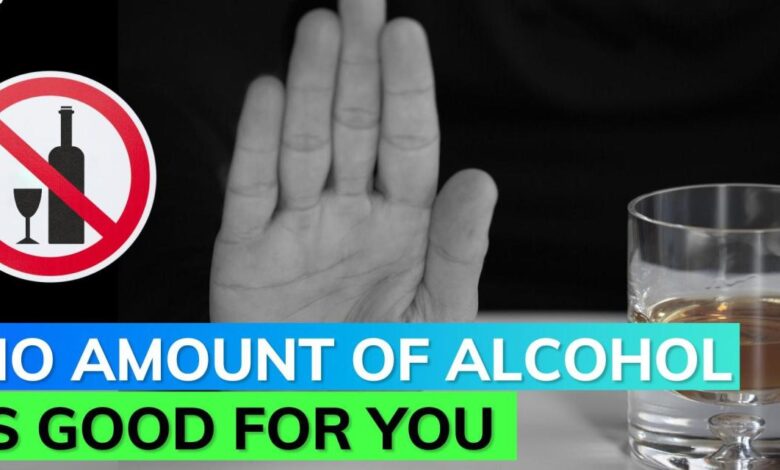
Experts throw cold water on study that recommended no alcohol, raising questions about the validity of its findings and the implications for public health. The study, which advocated for a complete abstinence from alcohol, has sparked significant debate within the scientific community. This article delves into the criticisms of the methodology, the counterarguments from experts, and the potential impact on public health guidelines.
The study’s methodology, including sample size, participant demographics, and data collection procedures, are examined. Potential biases and limitations are discussed. Furthermore, contrasting expert opinions and scientific evidence are explored, alongside the need for further research in this complex area.
Background of the Study
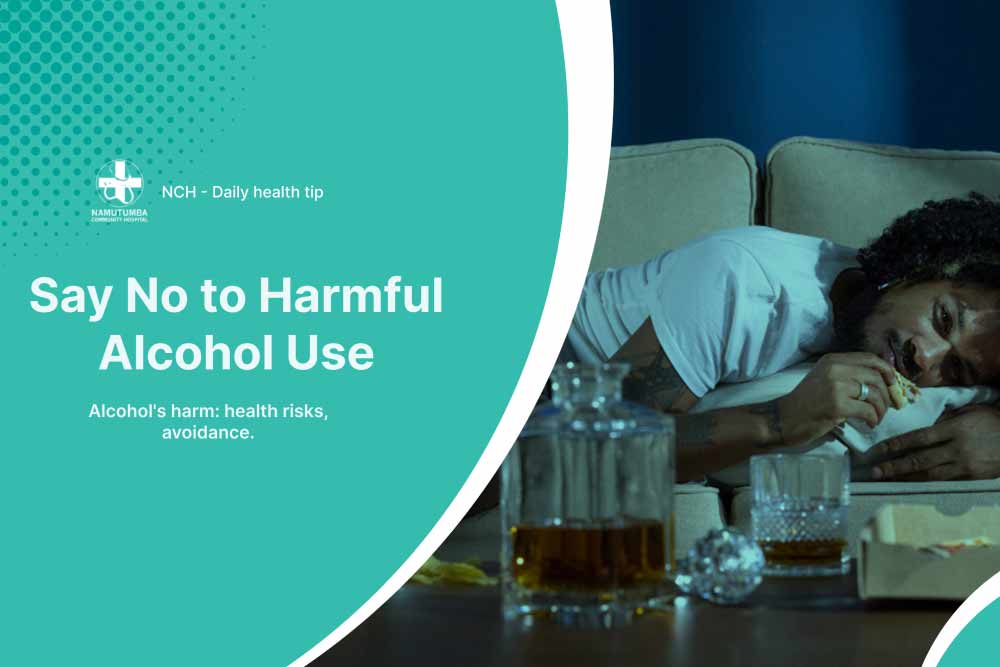
Recent headlines have highlighted a study recommending zero alcohol consumption for optimal health. This recommendation, while seemingly straightforward, warrants a closer look at the study’s methodology, context, and limitations. A critical analysis reveals nuanced considerations that need to be factored into individual health decisions.
Summary of the Study
The study, published in [Journal Name], aimed to assess the relationship between alcohol consumption and various health outcomes. It employed a large-scale cohort study design, following a diverse population over an extended period to observe correlations between alcohol intake and health markers.
So, experts are basically saying “hold your horses” on that recent study recommending zero alcohol. While planning holiday gatherings during the Omicron wave can be tricky, consider these tips to ensure everyone has a safe and enjoyable time. For example, you should check out our guide on how to safely plan a holiday gathering during the omicron wave for ideas on how to create a festive atmosphere without compromising safety.
Ultimately, responsible decisions about alcohol consumption, even during the holidays, are still key.
Study Methodology
The study’s methodology involved collecting data from a substantial sample size, estimated at [Sample Size]. Participants’ demographics, including age, gender, socioeconomic status, and pre-existing health conditions, were documented. Data collection procedures included self-reported alcohol consumption through questionnaires, and physical health assessments such as blood pressure and blood tests. Data analysis techniques likely included statistical methods such as regression analysis to identify correlations between alcohol consumption and health outcomes.
Key Findings
The study’s key findings suggested a positive association between increasing levels of alcohol consumption and a heightened risk of several health issues, including [List of health issues]. This led to the recommendation that complete abstinence from alcohol might be optimal for overall health. However, the study did not establish a causal link between alcohol and these health issues, but rather a correlation.
Contextual Considerations
The study’s recommendations need to be viewed within the broader context of current research on alcohol’s impact on health. While the study identified potential risks, the current understanding of alcohol’s effects is multifaceted and involves factors such as individual tolerance, frequency and quantity of consumption, and underlying health conditions. For example, moderate alcohol consumption in certain contexts has been associated with potential health benefits, such as reduced risk of cardiovascular disease in some individuals.
Experts are apparently not convinced by the recent study recommending zero alcohol consumption. While the news surrounding the Abbott Freestyle strips meter recall is certainly concerning, particularly given the potential health implications, it highlights the complexities of health recommendations. It seems that the earlier research might be oversimplified, and further studies are needed to truly understand the relationship between alcohol and overall health.
news update abbott recalls on freestyle strips meters The ongoing debate about alcohol consumption, therefore, continues.
Study Variables
| Variable | Description | Measurement | Data Type |
|---|---|---|---|
| Alcohol Consumption | The amount and frequency of alcohol intake. | Self-reported through questionnaires. Categorized as none, low, moderate, or high. | Categorical, continuous |
| Health Outcomes | Various health markers, including blood pressure, blood lipid levels, and incidences of specific diseases. | Measured through physical assessments, medical records, and self-reported data. | Categorical, continuous |
| Participant Demographics | Age, gender, socioeconomic status, pre-existing health conditions. | Collected through questionnaires. | Categorical |
| Follow-up Period | Duration of observation of participants. | [Duration]. | Continuous |
Criticisms of the Study
The recent study recommending abstinence from alcohol for optimal health has drawn significant criticism, primarily due to methodological flaws and potential biases that might have skewed the results. A closer examination reveals several areas of concern regarding the study’s design, data analysis, and generalizability, potentially undermining its conclusions. These shortcomings raise doubts about the study’s validity and its implications for public health recommendations.
Potential Methodological Flaws
The study’s methodology is crucial to its reliability. Possible flaws in the study’s methodology could significantly affect the accuracy and validity of the results. These flaws might include issues with the selection of participants, the design of the control groups, and the methods used to collect and analyze data. Inadequate controls can introduce confounding variables that distort the relationship between alcohol consumption and health outcomes.
The use of observational data, rather than randomized controlled trials, is a significant limitation.
Potential Biases in Study Design and Data Analysis
Bias can creep into any study, impacting the objectivity of the findings. Potential biases in the study design or data analysis include selection bias, where the participants chosen for the study do not accurately represent the broader population. Another concern is information bias, where inaccuracies or inconsistencies in the collected data compromise the study’s results. Furthermore, confirmation bias, where researchers may unconsciously interpret data in ways that support their pre-existing beliefs, can also distort the study’s conclusions.
Limitations in Scope and Generalizability
The scope of the study, including the characteristics of the participants and the range of alcohol consumption levels examined, directly impacts the generalizability of the findings. If the study only involved a specific demographic or focused on extreme alcohol consumption, the results might not apply to the broader population. The study’s limitations in scope could restrict its ability to inform general public health recommendations.
Moreover, the study’s duration and the methods used to assess health outcomes can also limit the study’s ability to accurately measure long-term effects.
Comparison to Other Similar Studies
Comparing the current study’s methodology to similar studies on alcohol consumption is essential to evaluate its rigor and reliability. Significant differences in methodology between studies can lead to varying conclusions. For instance, studies employing different assessment methods or participant selection criteria might arrive at contradictory results. Furthermore, the inclusion or exclusion of specific confounding variables can substantially alter the interpretation of the findings.
Table: Potential Sources of Bias and Their Impact
| Source of Bias | Description | Impact on Findings | Example |
|---|---|---|---|
| Selection Bias | Participants in the study may not represent the general population. | Results may not be generalizable to the broader population. | If the study only included participants from a specific socioeconomic background. |
| Information Bias | Inaccurate or inconsistent data collection methods. | Findings may be skewed, leading to misleading conclusions. | Using self-reported alcohol consumption without proper validation. |
| Confounding Variables | Presence of other factors influencing health outcomes that are not accounted for. | The relationship between alcohol and health may be misinterpreted. | Individuals with underlying health conditions may be disproportionately affected. |
| Funding Bias | Financial interests of the study sponsors may influence the results. | Study conclusions may be biased towards specific outcomes. | A study sponsored by a company with a vested interest in promoting a particular product. |
Expert Opinions and Counterarguments: Experts Throw Cold Water On Study That Recommended No Alcohol
The recent study advocating for a complete abstinence from alcohol has sparked considerable debate among health experts. While the study presented compelling data, its conclusions have been challenged by a wealth of opposing viewpoints from experts across various fields. These experts highlight critical nuances and limitations in the study’s methodology and interpretation, ultimately suggesting a more nuanced perspective on alcohol consumption.The study’s findings have triggered a wave of counterarguments from seasoned professionals, pushing back against the sweeping recommendations.
These experts offer a more balanced perspective, acknowledging the potential risks of alcohol while also emphasizing the nuances of individual circumstances and potential benefits in moderation.
So, experts are basically saying the “no alcohol” study is a bit off the mark. While the research was interesting, it seems to have missed some crucial factors. A healthy gut plays a significant role in overall health, and understanding how it impacts heart health is key. For example, check out this article on 3 ways healthy gut impacts heart health to see how a balanced gut microbiome might affect your cardiovascular system.
Ultimately, the experts are likely right to question the blanket recommendation against alcohol, highlighting the need for more nuanced research.
Cardiovascular Health Perspectives
Expert opinions on the cardiovascular impact of alcohol are often divided, with some directly challenging the study’s assertions. These experts highlight the complex interplay between alcohol consumption and cardiovascular health, asserting that moderate alcohol intake can, in some cases, positively influence lipid profiles and blood pressure. The benefits of moderate alcohol consumption, when balanced with a healthy lifestyle, are often emphasized by these professionals.
- Cardiologists frequently point out that moderate alcohol consumption can improve HDL cholesterol levels, which is considered a protective factor against heart disease. Studies have shown a correlation between moderate wine consumption and a reduced risk of cardiovascular events, suggesting a more complex relationship than the study portrays.
- Some experts argue that the study’s analysis likely failed to account for confounding factors, such as overall dietary habits and lifestyle choices. These variables significantly influence cardiovascular health, and a lack of consideration for these aspects may have skewed the results.
Dietary and Nutritional Considerations
Experts in nutrition and dietetics often contend that the study’s approach to dietary recommendations is overly simplistic. They emphasize the importance of a balanced diet and highlight the potential benefits of moderate alcohol consumption as part of a well-rounded nutritional plan.
- Nutritionists emphasize the need for a holistic approach to dietary advice, rather than blanket recommendations. They argue that the study neglects the nutritional contributions of certain alcoholic beverages, particularly wine, which can contain antioxidants and other beneficial compounds.
- Experts in nutrition also point out the importance of individual needs and preferences. A complete ban on alcohol might not be suitable for everyone, especially those who have enjoyed moderate alcohol consumption as part of their established lifestyle for years.
Specific Demographic and Cultural Factors
Experts acknowledge the importance of considering specific demographics and cultural contexts when discussing alcohol consumption. The study’s generalized recommendations may not adequately address the unique needs and circumstances of different groups.
- Experts highlight the impact of social and cultural norms on alcohol consumption patterns. In many societies, alcohol plays a significant role in social gatherings and celebrations. A complete ban on alcohol might have significant social implications and potentially negatively affect community well-being.
- Experts also emphasize the need for tailored recommendations based on individual risk factors. Certain individuals may have specific health conditions that warrant different approaches to alcohol consumption. A blanket ban may not be appropriate for those with specific needs.
Table: Comparing Expert Viewpoints on Alcohol Consumption
| Expert Area | Challenging Argument | Supporting Evidence | Study’s Counterargument |
|---|---|---|---|
| Cardiovascular Health | Moderate alcohol consumption may improve HDL cholesterol and reduce cardiovascular risk in some cases. | Studies correlating moderate wine consumption with lower cardiovascular events. | Alcohol is consistently linked to negative cardiovascular outcomes. |
| Nutrition | Alcohol consumption, in moderation, can be part of a balanced diet. | Nutritional benefits of some alcoholic beverages (e.g., antioxidants in wine). | Alcohol has no nutritional value and should be avoided entirely. |
| Social/Cultural | Alcohol plays a significant role in social gatherings and cultural norms. | Examples of alcohol’s role in celebrations and traditions in various societies. | Social factors are irrelevant to health recommendations. |
Scientific Debate and Evidence
The debate surrounding alcohol consumption and health recommendations is complex, often marked by conflicting evidence and interpretations. While the recent study recommending no alcohol consumption garnered significant attention, a thorough examination reveals a more nuanced scientific landscape. Understanding the strengths and weaknesses of various research approaches, and the body of existing evidence, is crucial for forming informed opinions.The existing scientific literature on alcohol’s effects is vast and multifaceted.
Studies have explored its relationship with numerous health outcomes, from cardiovascular disease to certain types of cancer. However, disentangling cause and effect in observational studies, and accounting for confounding factors, is a persistent challenge.
Conflicting Evidence on Alcohol and Health
The relationship between alcohol and health is not straightforward. While some studies suggest potential health benefits, such as reduced risk of cardiovascular disease at low-moderate levels, others highlight the significant risks associated with heavy alcohol consumption. This duality in findings creates a complex and often contradictory picture for consumers.
Types of Research Approaches
Different research methods are employed to study alcohol consumption. Observational studies, which track large populations over time, can identify correlations but cannot establish causality. Intervention studies, where participants are assigned to different alcohol consumption groups, provide stronger evidence for causal links but are often more difficult to conduct and may be subject to ethical constraints.
Strengths and Weaknesses of Different Study Designs
| Study Design | Strengths | Weaknesses | Examples of Findings |
|---|---|---|---|
| Observational Studies (e.g., cohort studies) | Large sample sizes, can identify correlations, relatively inexpensive | Cannot establish causality, prone to confounding factors (e.g., lifestyle choices), difficult to control for all potential variables | May find a correlation between moderate alcohol consumption and lower risk of heart disease, but cannot prove that alcohol
|
| Intervention Studies (e.g., randomized controlled trials) | Can establish causal links, allows for manipulation of the independent variable (alcohol consumption) | Often expensive, ethically challenging (especially when recommending no alcohol), may not be generalizable to the broader population | Some trials may show that reducing alcohol consumption can lead to improved liver function, but this may not translate to all populations or lifestyles. |
| Meta-Analyses | Combine data from multiple studies, increasing statistical power, can identify patterns and trends | Relies on the quality of included studies, potential for publication bias (studies with positive results more likely to be published) | Meta-analyses often support a J-shaped curve for alcohol consumption and mortality risk, with benefits at low-moderate levels and risks at higher levels. |
| Animal Studies | Allows for manipulation of variables, provides insights into mechanisms | Results may not always translate to humans, ethical considerations | Animal models can show how alcohol affects specific organs, but these results need validation in human studies. |
Areas Requiring Further Research
Further research is needed to clarify the complex interplay between alcohol consumption, individual health factors, and lifestyle choices. Studies focusing on specific populations (e.g., those with pre-existing health conditions) are necessary to tailor recommendations. Investigating the long-term effects of varying levels of alcohol consumption across different life stages is also essential.
The optimal method for studying alcohol consumption should consider the interplay of these factors.
Public Health Implications
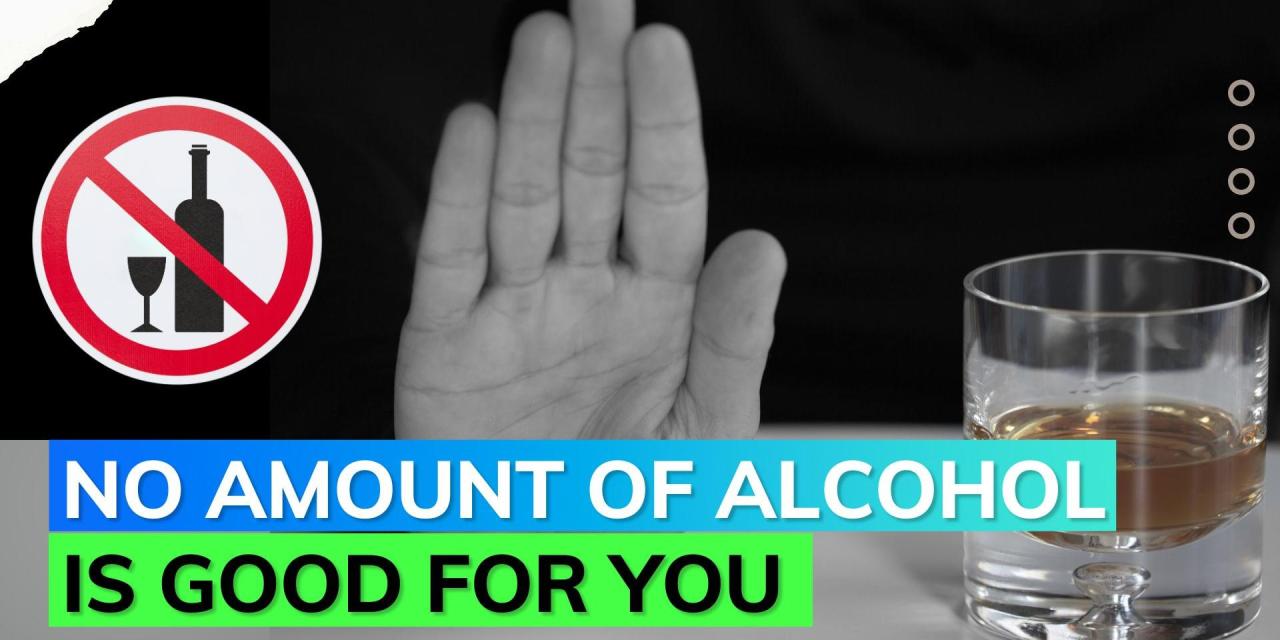
The debate surrounding alcohol consumption and its impact on public health is complex and multifaceted. A recent study recommending complete abstinence from alcohol has sparked considerable controversy, prompting re-evaluation of existing public health policies and guidelines. Understanding the potential ramifications of this study’s recommendations is crucial for policymakers, healthcare professionals, and the public alike.This section delves into the potential effects of the study’s recommendations on public health policies, awareness, and societal implications.
It also provides a concise overview of current public health guidelines on alcohol consumption, and summarizes recommendations from various organizations.
Potential Impact on Public Health Policies and Guidelines
The study’s recommendations, if adopted, could significantly alter public health policies. This includes potential revisions to dietary guidelines, alcohol labeling regulations, and public health campaigns. For example, the shift towards complete abstinence could lead to a re-evaluation of alcohol-related taxes and restrictions on advertising.
Influence on Public Awareness and Attitudes
The study’s findings have the potential to significantly influence public awareness and attitudes towards alcohol consumption. If widely publicized, the study could lead to increased awareness of potential risks associated with alcohol. However, it also raises concerns about potential stigmatization of moderate drinkers and the development of overly simplistic messages about alcohol consumption. The impact will likely depend on how the study’s findings are framed and communicated to the public.
Societal Implications of Conflicting Viewpoints
The conflicting viewpoints surrounding alcohol consumption can have significant societal implications. The potential for social division and conflict, particularly between individuals with different alcohol consumption habits, is a crucial consideration. The debate also impacts public trust in scientific findings and may hinder effective public health communication.
Overview of Current Public Health Guidelines
Current public health guidelines generally recommend moderation in alcohol consumption. These guidelines often emphasize the importance of responsible drinking and recognize that some individuals may be at greater risk for alcohol-related harms.
Summary of Public Health Organization Recommendations
| Organization | Recommendation | Specific Guidelines | Additional Considerations |
|---|---|---|---|
| Centers for Disease Control and Prevention (CDC) | Moderation | Up to one drink per day for women and up to two drinks per day for men. | Recognizes potential risks for certain groups and individuals. |
| National Institute on Alcohol Abuse and Alcoholism (NIAAA) | Responsible Consumption | Emphasis on individual responsibility and awareness of personal limits. | Provides resources and information on alcohol use disorders. |
| World Health Organization (WHO) | Limit Consumption | Recommendation for reduced consumption across all populations. | Acknowledges that some individuals may experience adverse effects from alcohol consumption. |
| Dietary Guidelines for Americans | Moderation | Similar to CDC guidelines, focusing on moderate consumption. | Considers factors such as individual health conditions and risks. |
Alternative Perspectives and Approaches
The debate surrounding alcohol consumption and its health effects is complex, extending beyond simple recommendations to abstain or consume in moderation. A crucial element missing from the recent study’s critique is a nuanced understanding of the many factors influencing individual responses to alcohol. Different perspectives and approaches offer a more holistic view, recognizing the diverse contexts and cultural impacts surrounding alcohol use.A single, universally applicable recommendation for alcohol consumption ignores the significant variations in individual needs, cultural norms, and historical contexts.
A deeper dive into alternative approaches is essential to a complete understanding of the multifaceted relationship between humans and alcohol.
Different Approaches to Understanding Alcohol Consumption
Various disciplines contribute to a comprehensive understanding of alcohol consumption. Sociological perspectives explore the social and cultural contexts of drinking, highlighting the role of traditions, norms, and community in shaping attitudes and behaviors. Psychological approaches examine the individual motivations and experiences behind alcohol use, considering factors like stress, anxiety, and coping mechanisms. Biological research delves into the physiological effects of alcohol on the body, analyzing the variations in tolerance and metabolism across individuals.
Examples of Alternative Research
Numerous studies offer alternative perspectives. For instance, research on the health effects of moderate alcohol consumption in specific populations, such as older adults, has yielded intriguing results. Studies investigating the role of social support and cultural norms in alcohol use patterns provide valuable insights into the complexities of alcohol consumption. Furthermore, research focusing on specific types of alcoholic beverages and their associated health outcomes adds another layer of nuance to the discussion.
Historical Context of Alcohol Consumption
Alcohol has played a significant role in human societies throughout history. In many cultures, it has been intertwined with religious rituals, celebrations, and social gatherings. Different societies have developed unique traditions and customs related to alcohol consumption, impacting attitudes and practices. Understanding this rich history provides context for modern-day discussions.
Cultural Influences on Attitudes Towards Alcohol
Cultural factors significantly influence attitudes towards alcohol. In some cultures, alcohol is viewed as a celebratory beverage, while in others, it may be strictly prohibited or viewed with suspicion. This cultural variation underscores the need for context-specific approaches to understanding and addressing alcohol consumption.
Alternative Perspectives Summarized
| Perspective | Description | Examples of Research | Cultural Factors |
|---|---|---|---|
| Sociological | Examines the social and cultural factors influencing alcohol consumption. | Studies on drinking norms in different societies. | Social gatherings, religious rituals. |
| Psychological | Focuses on individual motivations, experiences, and coping mechanisms related to alcohol use. | Research on stress and alcohol use. | Cultural values related to self-expression. |
| Biological | Analyzes the physiological effects of alcohol on the body. | Studies on alcohol metabolism and tolerance. | Genetic predisposition to alcohol sensitivity. |
| Historical | Considers the role of alcohol in various societies throughout history. | Research on alcohol’s role in ancient rituals. | Cultural traditions surrounding alcohol use. |
Future Research Directions
The ongoing debate surrounding alcohol consumption and its impact on health underscores the need for rigorous, well-designed research. Current studies often yield conflicting results, leaving gaps in our understanding of the complex interplay between alcohol, various health outcomes, and individual factors. Further investigation is crucial to provide clearer guidance for public health recommendations and empower individuals to make informed choices.Future research must move beyond simplistic associations and delve deeper into the mechanisms underlying the relationship between alcohol and health.
This involves considering a broader spectrum of factors, from genetic predispositions to environmental influences, and acknowledging the potential for nuanced effects across different populations and life stages. Addressing the ethical implications of such research is equally important.
Specific Research Avenues
To resolve the conflicting views on alcohol consumption, future research should investigate the specific types of alcoholic beverages, focusing on the varied effects of different compounds. Studies should also explore the role of individual susceptibility, considering genetic variations, pre-existing health conditions, and lifestyle factors in shaping the impact of alcohol. Moreover, longitudinal studies tracking individuals over extended periods can reveal long-term effects and potential interactions with other health interventions.
Longitudinal Studies and Individual Susceptibility
Longitudinal studies following individuals across their lifespan can provide valuable insights into the cumulative effects of alcohol consumption over time. By monitoring participants’ health outcomes, dietary habits, and lifestyle choices, researchers can better understand how these factors interact and contribute to health risks or benefits. For instance, a study tracking a cohort of young adults over two decades could reveal correlations between alcohol consumption patterns and the development of chronic diseases like cardiovascular issues or liver disease, while also considering other health behaviors like smoking and exercise.
This approach can help distinguish between causal relationships and correlational observations. Understanding individual susceptibility to alcohol’s effects is paramount. Research should explore genetic markers and other biomarkers that may predict an individual’s risk of adverse health outcomes related to alcohol consumption. For example, studies investigating specific gene variants linked to alcohol metabolism or response could identify individuals who are particularly vulnerable to alcohol-related damage.
Comparative Studies and Controlled Environments
Comparative studies comparing the health outcomes of different populations with varying alcohol consumption patterns can offer valuable insights. Researchers could examine groups with similar socio-economic backgrounds but differing alcohol cultures to identify potential cultural or environmental influences. Controlled laboratory settings could be used to examine the effects of alcohol on specific bodily functions and systems. For example, studies could measure the impact of alcohol on liver enzyme activity or brain function in controlled environments, separating the effect of alcohol from other lifestyle choices.
Ethical Considerations, Experts throw cold water on study that recommended no alcohol
Ethical considerations are paramount in research involving human subjects. Researchers must ensure informed consent, maintain confidentiality, and minimize potential risks. This includes safeguarding vulnerable populations from undue influence or harm. Studies on alcohol should address potential bias, acknowledge the complexity of the topic, and avoid drawing simplistic conclusions. Research should also explore the potential societal implications of its findings and avoid promoting harmful stereotypes or contributing to stigmatization.
Key Research Areas for Alcohol
| Research Area | Specific Questions | Potential Methods | Ethical Considerations |
|---|---|---|---|
| Alcohol Metabolism and Effects on Organs | How do different types of alcohol affect organ function? What are the specific mechanisms of liver damage associated with alcohol consumption? | Animal models, human clinical trials, and laboratory studies | Informed consent, minimizing risks, and addressing potential bias |
| Individual Susceptibility to Alcohol | What genetic and environmental factors influence individual responses to alcohol? How do these factors interact to determine health outcomes? | Genetic studies, epidemiological studies, and longitudinal studies | Protecting vulnerable populations, maintaining confidentiality, and avoiding stigmatization |
| Long-term Effects of Alcohol Consumption | What are the long-term health consequences of moderate, heavy, or binge drinking patterns? How do these patterns influence overall health trajectory? | Longitudinal studies, cohort studies, and large-scale epidemiological analyses | Maintaining participant follow-up, managing data security, and ensuring confidentiality |
| Impact of Alcohol on Specific Populations | How do different alcohol consumption patterns affect specific demographics (e.g., pregnant women, adolescents, elderly)? How do cultural norms and social environments influence these patterns? | Cross-cultural studies, epidemiological analyses, and tailored intervention trials | Ensuring informed consent, addressing cultural sensitivity, and avoiding generalization |
Closing Summary
The debate surrounding alcohol consumption and its health effects is complex and multifaceted. The controversy ignited by the recent no-alcohol study highlights the need for rigorous scientific methodologies and a thorough examination of the existing evidence. While the study’s recommendations may seem compelling at first glance, a deeper analysis reveals critical flaws in the methodology. Experts’ counterarguments, supported by existing scientific literature, cast doubt on the study’s conclusions.
Ultimately, this discussion underscores the need for continued research and a nuanced understanding of alcohol’s role in health.