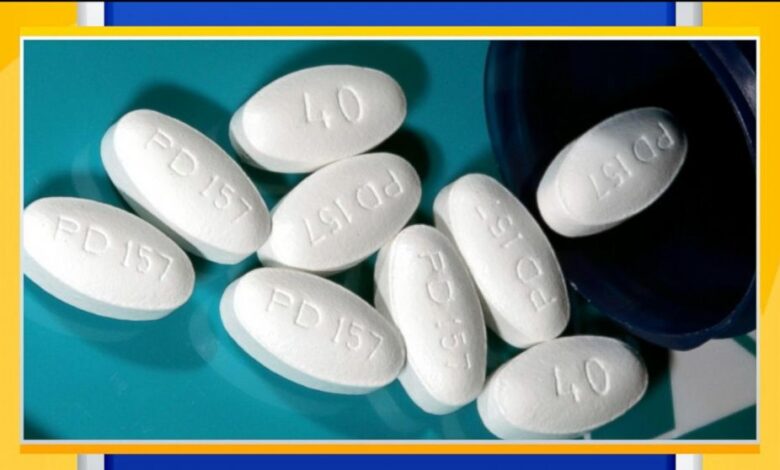
High cholesterol treatment advances are revolutionizing how we approach this prevalent health concern. This in-depth exploration delves into the latest breakthroughs in medication, lifestyle interventions, and emerging therapies, providing a comprehensive understanding of the evolving landscape of high cholesterol management.
From the basics of understanding different cholesterol types and the standard treatments, we’ll journey through recent advancements in medication, including PCSK9 inhibitors and new statins. We’ll also explore the powerful role of lifestyle modifications, highlighting the importance of diet and exercise. This comprehensive guide covers everything from personalized medicine to emerging therapies like gene therapy, offering a future-focused perspective on high cholesterol management.
Overview of High Cholesterol
High cholesterol is a prevalent health concern that significantly increases the risk of cardiovascular diseases. Understanding its causes, risks, and effective treatments is crucial for proactive health management. Early detection and intervention are key to preventing serious health complications.High cholesterol, characterized by elevated levels of lipids (fats) in the blood, can lead to the buildup of plaque in the arteries.
This plaque buildup, known as atherosclerosis, narrows the arteries, reducing blood flow to vital organs and increasing the risk of heart attack and stroke.
Causes of High Cholesterol
A variety of factors contribute to high cholesterol. Genetics plays a significant role, with some individuals inheriting a predisposition to elevated cholesterol levels. Unhealthy lifestyle choices, such as a diet high in saturated and trans fats, lack of physical activity, and smoking, can also significantly impact cholesterol levels. Other factors, such as age, certain medical conditions (e.g., diabetes), and some medications, can also contribute.
Types of Cholesterol
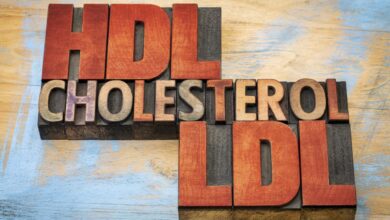
Understanding the different types of cholesterol is essential for effective management. Low-density lipoprotein (LDL) cholesterol, often referred to as “bad” cholesterol, contributes to plaque buildup in the arteries. High-density lipoprotein (HDL) cholesterol, or “good” cholesterol, helps remove excess cholesterol from the arteries. Triglycerides are another type of fat in the blood that, when elevated, can increase the risk of heart disease.
A healthy balance between these types is crucial.
Health Risks of High Cholesterol
High cholesterol significantly increases the risk of various cardiovascular diseases. Atherosclerosis, the buildup of plaque in the arteries, can lead to heart attacks and strokes. Narrowed arteries can restrict blood flow to the heart, causing chest pain (angina), and to the brain, potentially leading to cognitive impairment. Peripheral artery disease, a condition affecting blood vessels in the limbs, is another potential consequence.
These risks highlight the importance of early detection and management.
Standard Treatments for High Cholesterol, High cholesterol treatment advances
Effective treatment for high cholesterol often involves a combination of lifestyle modifications and, in some cases, medication. Lifestyle changes are typically the first line of defense. These include adopting a heart-healthy diet low in saturated and trans fats, increasing physical activity, and quitting smoking. Medication may be necessary if lifestyle changes alone are insufficient to achieve target cholesterol levels.
Cholesterol-Lowering Medications
Several medications are available to lower cholesterol levels. Their effectiveness and potential side effects vary.
| Medication | Effectiveness | Potential Side Effects |
|---|---|---|
| Statins | Generally very effective in lowering LDL cholesterol. | Muscle pain (myalgia), liver damage, and in rare cases, cognitive impairment. |
| Bile Acid Sequestrants | Effective in lowering LDL cholesterol. | Constipation, bloating, and interactions with other medications. |
| Cholesterol Absorption Inhibitors | Effective in lowering LDL cholesterol. | Generally well-tolerated, but potential for digestive issues. |
| Nicotinic Acid | Effective in lowering triglycerides and raising HDL cholesterol. | Flushing, liver damage, and potential interactions with other medications. |
Note: This table provides a general overview. Specific effectiveness and side effects can vary based on individual factors and the specific medication. Consult with a healthcare professional for personalized recommendations.
Recent Advancements in Treatment
High cholesterol, a prevalent health concern, is now addressed with a wider range of effective treatments. Recent breakthroughs have significantly improved treatment options, leading to better management and reduced risks associated with this condition. This evolution has been fueled by intensive research and clinical trials, leading to more personalized and targeted therapies.The landscape of high cholesterol treatment has shifted dramatically with the advent of innovative medications and a deeper understanding of the disease’s complexities.
This evolution prioritizes patient-specific needs, maximizing the effectiveness of treatment while minimizing potential side effects. This detailed look explores the latest advancements, comparing their effectiveness to traditional approaches and highlighting the role of personalized medicine in tailoring therapies.
PCSK9 Inhibitors: A New Era in Cholesterol Management
PCSK9 inhibitors represent a significant advancement in cholesterol-lowering medications. These drugs effectively target PCSK9, a protein that normally removes LDL cholesterol receptors from the liver. By inhibiting PCSK9, these medications increase the number of LDL receptors, leading to a substantial reduction in LDL cholesterol levels. This translates to a significant reduction in cardiovascular risk, particularly for individuals with severe hypercholesterolemia or those who do not respond adequately to statins.
Recent breakthroughs in high cholesterol treatment are really exciting. It’s fascinating how much progress is being made, and it’s all thanks to a lot of dedicated research. Finding the right face wash for oily skin can be a real challenge, but I’ve found some excellent recommendations on face wash for oily skin that are worth checking out.
Hopefully, these advancements will lead to even better outcomes for those struggling with high cholesterol in the future.
New Statins: Expanding Treatment Options
New statins continue to be developed with improved efficacy and safety profiles. These newer generations often exhibit lower side effects compared to older statins, allowing for broader patient applicability. Studies suggest some new statins may also be more effective in lowering specific types of LDL cholesterol, leading to more targeted treatment strategies.
Emerging Research and Clinical Trials
Ongoing clinical trials are exploring innovative therapies and combinations of existing medications. Researchers are investigating the potential of novel drugs and approaches, such as therapies targeting different cholesterol pathways, or utilizing gene therapies to influence cholesterol metabolism. These trials often focus on specific patient populations, aiming to personalize treatment based on genetic predisposition, lifestyle factors, and other individual characteristics.
Real-life examples include the increasing use of genetic testing to identify individuals at higher risk, enabling earlier intervention and more tailored treatment plans.
Personalized Medicine in High Cholesterol Treatment
Personalized medicine plays a critical role in tailoring high cholesterol treatments to individual needs. This approach considers genetic factors, lifestyle choices, and other medical conditions. By tailoring treatments to individual responses, personalized medicine maximizes effectiveness while minimizing potential side effects. For instance, genetic testing can identify individuals with a predisposition to certain types of high cholesterol, allowing for early and precise intervention.
Comparison of Treatment Options
| Treatment Option | Key Features | Benefits | Considerations |
|---|---|---|---|
| Statins | Lower LDL cholesterol, widely available, generally well-tolerated. | Cost-effective, proven safety record, significant cholesterol reduction. | Potential side effects, may not be sufficient for some individuals. |
| PCSK9 Inhibitors | Highly effective LDL cholesterol reduction, particularly for those with severe hypercholesterolemia or statin intolerance. | Significant risk reduction for cardiovascular events, often prescribed in addition to statins. | Higher cost, potential for injection-related reactions, requires regular monitoring. |
| Emerging Therapies | Target different cholesterol pathways, may offer superior efficacy and safety profiles. | Potential for personalized treatment, reduced side effects, potentially more targeted LDL cholesterol reduction. | Still under investigation, limited long-term data available. |
Lifestyle Interventions

High cholesterol is a significant health concern, but effective management often involves more than just medication. Lifestyle modifications, particularly dietary changes and regular exercise, play a crucial role in controlling cholesterol levels and overall well-being. These interventions can significantly reduce the risk of cardiovascular disease and improve quality of life.Lifestyle modifications are often the first line of defense in managing high cholesterol.
They are not just about lowering cholesterol; they’re about improving overall health and reducing the risk of various chronic diseases. By adopting healthy habits, individuals can actively participate in their health journey and potentially minimize the need for or reduce the dosage of medications.
Recent advancements in high cholesterol treatment are truly impressive. They’re offering more personalized approaches, minimizing side effects, and significantly improving patient outcomes. Considering how important proactive health management is, it’s crucial to remember that supporting someone living with psoriasis, for example, requires a similar level of understanding and compassion. Help someone living with psoriasis by offering encouragement and a listening ear, just as we should be supportive of those navigating high cholesterol treatment.
This holistic approach to well-being is key to successful long-term health strategies.
Dietary Changes for Cholesterol Management
Dietary choices have a profound impact on cholesterol levels. A balanced diet low in saturated and trans fats, along with increased consumption of fiber-rich foods, can effectively lower LDL (“bad”) cholesterol and raise HDL (“good”) cholesterol. Choosing the right foods can be a powerful tool in managing cholesterol.
- Reducing Saturated and Trans Fats: Saturated fats, found primarily in animal products like red meat, full-fat dairy, and processed foods, raise LDL cholesterol. Trans fats, often found in processed foods and some commercially baked goods, are particularly harmful to cholesterol levels. Limiting intake of these fats is crucial for maintaining healthy cholesterol.
- Increasing Soluble Fiber Intake: Soluble fiber, found in foods like oats, barley, fruits, and vegetables, binds to cholesterol in the digestive tract, preventing its absorption into the bloodstream. This effectively lowers LDL cholesterol levels. A diet rich in soluble fiber can make a substantial difference.
- Prioritizing Healthy Fats: Unsaturated fats, such as monounsaturated and polyunsaturated fats, found in avocados, nuts, seeds, and olive oil, can help maintain healthy cholesterol levels. These fats can improve HDL cholesterol levels and reduce LDL cholesterol levels. Incorporating these healthy fats into the diet is crucial.
Importance of Regular Physical Activity
Regular physical activity is essential for maintaining healthy cholesterol levels. Exercise helps raise HDL cholesterol and lower LDL cholesterol, contributing to a healthier cardiovascular system. The type and intensity of exercise can influence the impact on cholesterol.
- Aerobic Exercise: Activities like brisk walking, jogging, swimming, and cycling improve cardiovascular health, which directly impacts cholesterol levels. Consistent aerobic exercise can lead to noticeable improvements.
- Strength Training: Strength training exercises, including weightlifting or bodyweight exercises, can also contribute to improved cholesterol levels. Building muscle mass can enhance metabolism and aid in cholesterol management.
- Frequency and Duration: The frequency and duration of exercise are crucial for achieving positive results. Aiming for at least 150 minutes of moderate-intensity or 75 minutes of vigorous-intensity aerobic activity per week is generally recommended. Consult a healthcare professional for personalized recommendations.
Sample Healthy Diet Plan for High Cholesterol
This sample diet plan provides a framework for managing high cholesterol. Adjust portions and specific foods based on individual needs and preferences. Consult a registered dietitian or healthcare professional for personalized dietary recommendations.
- Breakfast (Example): Oatmeal with berries, nuts, and a small amount of low-fat milk or yogurt. This breakfast provides complex carbohydrates, fiber, and healthy fats.
- Lunch (Example): Grilled chicken salad with mixed greens, vegetables, and a light vinaigrette dressing. This provides lean protein, fiber, and healthy fats.
- Dinner (Example): Baked salmon with roasted vegetables and quinoa. This provides healthy protein, fiber, and essential nutrients.
- Snacks (Examples): Fruits (apples, bananas, oranges), vegetables (carrots, celery), a handful of almonds or walnuts. These provide healthy fats, fiber, and vitamins.
Impact of Dietary Choices on Cholesterol Levels
The following table illustrates the impact of different dietary choices on cholesterol levels.
| Dietary Choice | Impact on Cholesterol |
|---|---|
| Saturated and Trans Fats (High Intake) | Increased LDL (“bad”) cholesterol |
| Soluble Fiber (High Intake) | Lowered LDL (“bad”) cholesterol |
| Unsaturated Fats (Adequate Intake) | Improved HDL (“good”) cholesterol and potentially lowered LDL |
| Processed Foods (High Intake) | Increased LDL and potential for trans fats |
| Fruits and Vegetables (High Intake) | Increased fiber and potential for improved cholesterol |
Emerging Therapies and Technologies: High Cholesterol Treatment Advances
The quest for more effective and less invasive high cholesterol treatments continues to drive innovation. Emerging therapies, including gene therapy and other experimental techniques, hold promise for revolutionizing the management of this prevalent condition. These approaches aim to address the root causes of high cholesterol, potentially offering more durable and personalized solutions compared to current standard treatments.Novel approaches to high cholesterol treatment, such as gene therapy and experimental techniques, are being explored to address the underlying causes of the condition.
These strategies may lead to more personalized and effective therapies, potentially minimizing the side effects and long-term complications associated with current treatments. This section will delve into the specifics of these emerging approaches, highlighting potential benefits, risks, and challenges.
Gene Therapy Approaches
Gene therapy, a rapidly evolving field, aims to modify or replace genes responsible for cholesterol production or metabolism. By introducing or silencing specific genes, researchers hope to regulate cholesterol levels more precisely. One promising approach involves using viral vectors to deliver therapeutic genes directly to cells involved in cholesterol synthesis. These vectors can potentially correct genetic defects or enhance the expression of beneficial genes, leading to long-term reductions in cholesterol levels.
Experimental Techniques: Beyond Gene Therapy
Beyond gene therapy, several other experimental techniques are under investigation. These include therapies targeting specific enzymes involved in cholesterol metabolism, or utilizing nanoparticles to deliver drugs more efficiently to the liver. Furthermore, researchers are exploring therapies that stimulate the body’s natural mechanisms for cholesterol clearance. This involves understanding and manipulating cellular pathways that facilitate cholesterol removal from the body.
Some studies explore the use of small interfering RNA (siRNA) to silence genes involved in cholesterol synthesis.
Potential Benefits and Risks of Emerging Therapies
Gene therapy and other experimental techniques hold the potential to offer significant benefits over current treatments. They could provide long-lasting effects, potentially reducing the need for lifelong medication. Furthermore, personalized approaches could target specific genetic predispositions and individual metabolic pathways, maximizing treatment efficacy and minimizing side effects. However, significant risks remain. These include potential immune responses to the introduced genes or vectors, insertional mutagenesis (the unintended insertion of the therapeutic gene into another gene), and the risk of off-target effects.
Challenges and Limitations in Clinical Implementation
Implementing these new therapies in clinical practice faces considerable challenges. Safety and efficacy must be rigorously tested across diverse patient populations. The high cost of developing and producing these therapies is a significant barrier. Regulatory hurdles for approval and widespread access to these therapies also pose challenges. Furthermore, the long-term effects of these treatments require extensive monitoring and research.
Ethical Considerations of Novel Treatment Options
| Ethical Consideration | Specific Concerns |
|---|---|
| Informed Consent | Patients need thorough information about the risks and benefits of experimental therapies before making decisions. |
| Equity of Access | Ensuring equitable access to these potentially expensive treatments is crucial. |
| Long-Term Safety | Long-term effects and potential side effects must be carefully monitored and studied. |
| Germline Editing | Gene therapies that affect germline cells (sperm or eggs) raise ethical concerns about altering the human gene pool. |
| Potential for misuse | The potential for misuse of these technologies warrants careful consideration. |
Patient Management and Education
High cholesterol, while often manageable, requires proactive patient involvement. Effective treatment hinges on understanding the condition, actively participating in lifestyle changes, and adhering to prescribed medications. Empowering patients with knowledge and support is crucial for long-term health outcomes.
Strategies for Educating Patients
Patient education should be tailored to individual needs and comprehension levels. Clear, concise explanations of high cholesterol, its causes, and potential complications are essential. Visual aids, such as diagrams and charts, can significantly enhance understanding. Interactive sessions, including group discussions and Q&A sessions, can foster a sense of community and shared responsibility among patients. It is also important to address concerns and answer questions directly and honestly.
Providing written materials, such as brochures and pamphlets, ensures that patients can access information at their convenience.
Recent advancements in high cholesterol treatment are really exciting. Researchers are constantly finding new ways to manage this common condition, and a new drug shows promise treating heart failure, potentially paving the way for improved outcomes for those with high cholesterol. This promising development further strengthens the ongoing efforts to refine high cholesterol treatment strategies and improve patient well-being.
drug shows promise treating heart failure
Importance of Patient Engagement and Adherence
Patient engagement is critical for successful treatment. Active participation in managing high cholesterol involves understanding the importance of lifestyle modifications and medication adherence. Patients who are actively involved in their care are more likely to achieve and maintain healthy cholesterol levels. Encouraging open communication between patients and healthcare providers fosters a collaborative approach, allowing for adjustments to the treatment plan as needed.
Understanding the potential benefits and risks of treatment options is also critical for engagement.
Practical Tips for Managing High Cholesterol and Lifestyle Changes
Implementing lifestyle changes is crucial for managing high cholesterol. Dietary modifications, such as reducing saturated and trans fats, increasing soluble fiber intake, and incorporating regular exercise, are fundamental steps. Patients should focus on making gradual changes, such as swapping processed foods for whole grains, incorporating more fruits and vegetables, and gradually increasing physical activity. Support from family and friends can greatly assist patients in adopting healthier habits.
Tracking progress and celebrating milestones, both large and small, is essential for maintaining motivation.
Examples of Patient Support Resources and Educational Materials
Numerous resources can aid patients in managing high cholesterol. Websites and apps dedicated to cholesterol management offer valuable information and tools for tracking progress. Local health departments and community centers often provide educational programs and support groups. Professional organizations, such as the American Heart Association, offer reliable resources and guidelines. Many healthcare providers also offer personalized resources, including tailored education and support systems.
Comparison of Patient Education Approaches
| Approach | Description | Strengths | Limitations |
|---|---|---|---|
| Individualized counseling | One-on-one sessions with a healthcare professional | Addresses specific needs and concerns, builds trust | Can be expensive and time-consuming |
| Group workshops | Interactive sessions with multiple patients | Cost-effective, fosters a sense of community | May not address highly individualized needs |
| Online resources | Educational materials and support forums | Accessible, convenient, and available 24/7 | Requires self-motivation and critical evaluation of information |
Impact on Public Health
Advances in high cholesterol treatment are profoundly impacting public health, offering hope for a healthier future. These advancements, encompassing improved medications, lifestyle interventions, and diagnostic tools, are poised to significantly reduce the global burden of cardiovascular disease, a leading cause of death worldwide. Understanding the economic and societal implications of these advancements is crucial for maximizing their positive impact.High cholesterol, if left untreated, can lead to serious health problems, including heart disease and stroke.
Early detection and effective treatment are critical to preventing these complications. The improved treatments and increased awareness surrounding high cholesterol are expected to lead to a substantial reduction in cardiovascular-related morbidity and mortality.
Global Burden of High Cholesterol
High cholesterol affects a significant portion of the global population. The World Health Organization (WHO) estimates that millions are affected worldwide, with prevalence varying across different regions and populations. This global burden underscores the importance of accessible and effective treatment strategies. The economic burden of high cholesterol is substantial, encompassing healthcare costs associated with treatment, complications, and lost productivity.
Economic Implications of Treatment Advances
The economic implications of these advancements are multifaceted. While initial costs of new treatments may be higher, the long-term economic benefits are substantial. Reduced healthcare costs associated with treating cardiovascular disease complications, fewer hospitalizations, and decreased lost productivity due to illness are key factors. This translates to a positive return on investment for healthcare systems and individuals.
Impact on Reducing Cardiovascular Disease Rates
The advancements in high cholesterol treatment directly impact the reduction of cardiovascular disease rates. Improved medications, lifestyle interventions, and earlier diagnoses are expected to lead to a decrease in cardiovascular events like heart attacks and strokes. For instance, statins have been instrumental in reducing cardiovascular mortality rates in many countries, and new treatments are constantly being developed to further enhance these effects.
Projected Impact on Cardiovascular Disease Rates
| Demographic Group | Projected Reduction in CVD Rates (Percentage) | Explanation |
|---|---|---|
| Adults aged 45-64 | 15-20% | This age group is typically at higher risk of CVD due to factors like aging and lifestyle choices. Improved treatments and early detection strategies will likely yield significant results. |
| Individuals with a family history of CVD | 10-15% | Early interventions and personalized treatment plans for those with a genetic predisposition will likely contribute to a notable reduction in CVD risks. |
| Individuals from low-income communities | 12-18% | Improved access to affordable treatments and increased awareness programs will help close the gap in CVD outcomes. |
| Diabetic patients | 18-25% | Diabetes is a significant risk factor for CVD. Advancements in high cholesterol management, alongside diabetes management, will have a substantial impact. |
The projected impact varies depending on the specific demographics and access to healthcare. These figures are estimates based on current data and trends, and real-world results may differ.
Summary of the Global Burden
The global burden of high cholesterol translates to significant human suffering and a substantial economic burden. Millions are affected worldwide, and cardiovascular disease remains a leading cause of death in many regions. Early and effective interventions are vital to mitigating this burden. Understanding the demographics and risk factors associated with high cholesterol is crucial for tailoring effective interventions and strategies.
Outcome Summary
In conclusion, the advancements in high cholesterol treatment offer a beacon of hope for better health outcomes. While the traditional approaches remain crucial, the innovative therapies and personalized strategies are paving the way for more effective and tailored solutions. Understanding these developments is key for individuals seeking to proactively manage their cholesterol and reduce their risk of cardiovascular disease.
The future of high cholesterol treatment is bright, promising more effective and personalized solutions for a healthier tomorrow.