How should countries care for aging populations sets the stage for a critical discussion about the future of our societies. The increasing global trend of aging populations presents complex challenges, from the economic burden of healthcare and pensions to the need for adaptable infrastructure and social support systems. This comprehensive look explores the multifaceted strategies needed to address the unique needs of an aging world.
This analysis delves into the economic, healthcare, social, and infrastructural considerations surrounding aging populations. It will examine the projected costs, the need for innovative healthcare models, the importance of social support networks, and the necessary adaptations to housing and infrastructure to accommodate the elderly. We’ll also explore the concept of active aging and how technology can play a vital role in maintaining the well-being of older adults.
Economic Considerations
Aging populations present significant economic challenges for nations worldwide. The rising proportion of elderly citizens necessitates increased spending on healthcare, pensions, and social security, potentially straining public finances and impacting economic growth. Addressing these issues requires careful planning and innovative solutions.The economic burden of an aging population is multifaceted. Increased healthcare costs are a major concern, driven by the higher prevalence of chronic diseases and complex medical needs among older adults.
Pension systems, often reliant on a shrinking workforce to support a growing retiree population, face funding shortfalls. Social security programs, designed to provide a safety net for the elderly, also experience pressure as their costs escalate. These factors can contribute to a slower pace of economic growth and potentially impact investment opportunities.
Caring for aging populations is a huge challenge, requiring comprehensive strategies. While researching effective ways to support seniors, I stumbled upon some interesting information about the best remedies for stomach flu, which surprisingly, highlighted the importance of hydration and rest – principles that could be applied to aging care too. Finding the best ways to address the health needs of our senior citizens involves looking at similar principles to those used for treating a stomach bug, such as providing proper nutrition, ensuring hydration, and prioritizing overall well-being.
This approach helps ensure the well-being of our senior citizens, mirroring the care we might give someone experiencing a similar ailment. best remedies for stomach flu
Healthcare Costs
The increasing demand for healthcare services among older adults puts a significant strain on national budgets. Chronic conditions like diabetes, heart disease, and Alzheimer’s disease often require long-term care, contributing to escalating healthcare costs. This necessitates efficient and effective healthcare systems that prioritize preventative care and manage chronic conditions proactively.
Caring for aging populations is a huge challenge for nations. One aspect often overlooked is the potential impact of birth control methods on women’s health, like the possible link to breast cancer. Research into this area, such as this study on birth control link to breast cancer , is crucial to developing comprehensive healthcare strategies for aging populations.
Ultimately, understanding these factors is key to creating sustainable and supportive systems for our future elderly citizens.
Pension System Reforms
Pension systems face a critical challenge as populations age. Traditional defined-benefit plans, which guarantee a specific retirement income, often struggle to maintain solvency as the number of retirees increases relative to the working-age population. Reforms may involve shifting to defined-contribution plans, encouraging personal savings, or raising the retirement age.
Incentivizing Saving
Encouraging individuals to save for their retirement is crucial in mitigating the burden on pension systems. Government incentives, such as tax breaks for retirement savings, can play a significant role in boosting personal savings and reducing the reliance on public pension systems. Education programs promoting financial literacy and responsible investment strategies are also important.
Promoting Active Aging
Active aging strategies focus on maintaining health and well-being in older adults. This can involve promoting healthy lifestyles, providing access to affordable exercise programs, and encouraging social engagement. Promoting active aging not only improves quality of life for seniors but also potentially reduces the need for expensive long-term care.
Funding Long-Term Care
Long-term care for the elderly is another significant economic concern. Different countries employ varying strategies for funding this care, ranging from public funding through government programs to private insurance or a mix of both. Countries with robust public systems may face greater pressure on their budgets, while those with stronger private systems might encounter access challenges for those who cannot afford care.
Automation and Technological Advancements
Automation and technological advancements have the potential to impact the workforce and the caregiving landscape. Automation in healthcare and other sectors may reduce the need for certain labor-intensive roles. However, it also necessitates retraining and upskilling the workforce to adapt to new job markets. Technology can also play a vital role in providing remote care, monitoring health conditions, and assisting with daily tasks.
Projected Costs of Caring for an Aging Population
| Country | Projected Cost (USD Trillions) | Population (Millions) | % of GDP |
|---|---|---|---|
| United States | 15.7 | 335 | 10.5% |
| Japan | 7.8 | 127 | 18.2% |
| Germany | 5.2 | 83 | 12.4% |
| China | 18.5 | 1450 | 7.5% |
Note: Projections are based on various factors and may vary depending on future economic trends and policy changes.
Healthcare Systems
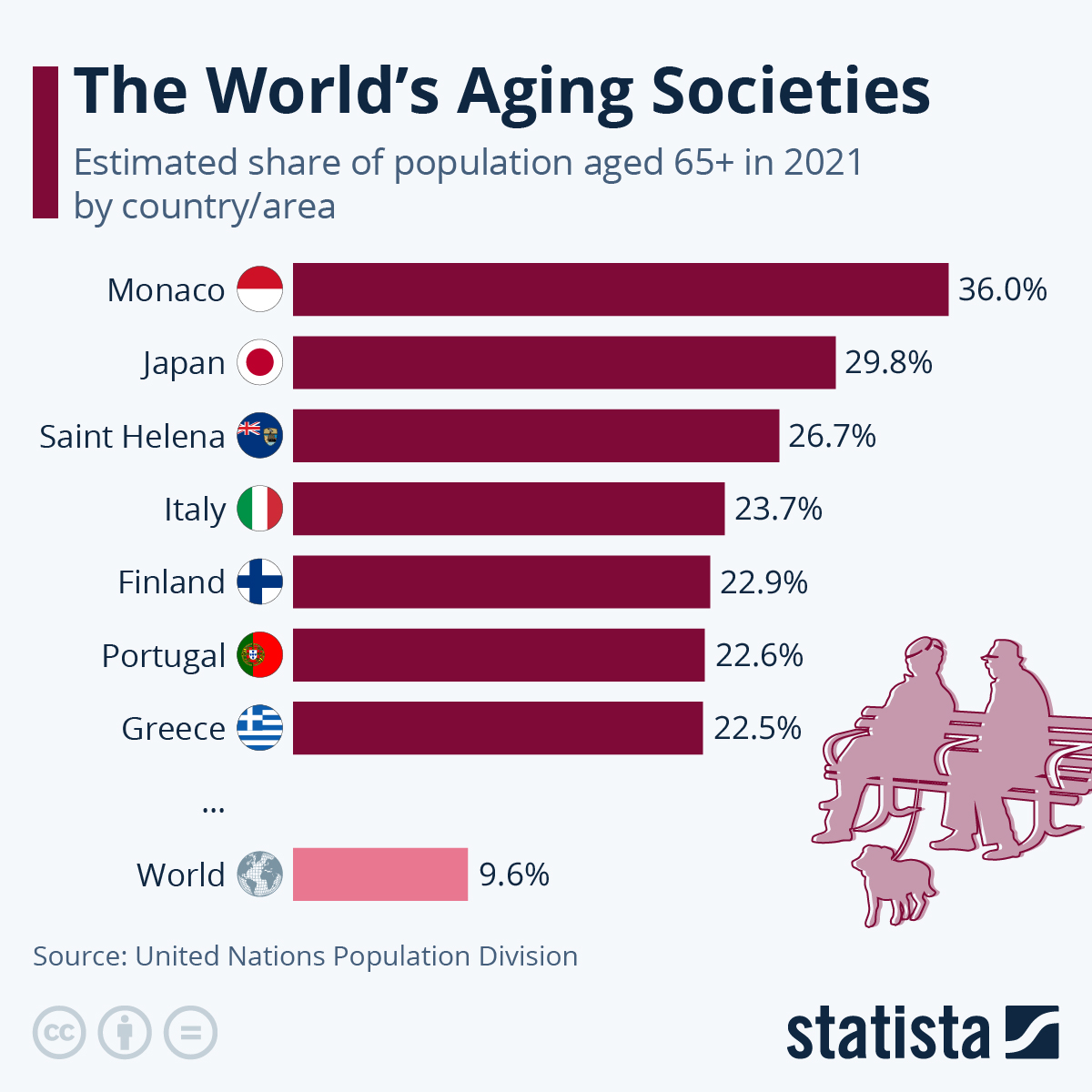
The increasing global trend of an aging population presents significant challenges to healthcare systems worldwide. This demographic shift necessitates a proactive and adaptable approach to ensure the well-being and quality of life for elderly individuals. Meeting the specific healthcare needs of the elderly requires a multifaceted strategy encompassing enhanced infrastructure, specialized care models, and a commitment to continuous improvement.The aging population places a substantial strain on healthcare systems due to the rising demand for specialized care.
Conditions like dementia, arthritis, and chronic respiratory diseases become more prevalent with age, requiring specialized medical attention and long-term care. The growing need for skilled nursing care and rehabilitation services exacerbates existing pressures on healthcare facilities and personnel. This underscores the crucial need for a well-structured and adaptable healthcare infrastructure to support the aging population effectively.
Challenges Posed by Aging Population to Healthcare Systems
The growing elderly population places immense pressure on healthcare systems. Increased demand for specialized care, including geriatric medicine, palliative care, and long-term care, necessitates a significant investment in resources and personnel. Managing chronic conditions and the potential for multiple comorbidities adds complexity to patient care, demanding advanced diagnostic tools and treatment strategies. The increasing burden on healthcare systems necessitates innovative solutions to ensure quality care for all.
Different Models for Providing Long-Term Care
Various models for long-term care exist, each with its own strengths and limitations. Home-based care provides flexibility and allows elderly individuals to remain in familiar surroundings, but it requires robust support systems and skilled caregivers. Assisted living facilities offer a supportive environment with assistance with daily activities, but they may not be suitable for individuals requiring intensive medical care.
Nursing homes provide comprehensive medical and personal care, but they can be costly and may not always cater to the specific needs and preferences of residents. The optimal model often depends on the individual’s specific health needs, social support network, and financial resources.
Strategies to Improve Quality and Accessibility of Healthcare Services for the Elderly
Improving the quality and accessibility of healthcare services for the elderly requires a multifaceted approach. This includes expanding access to preventative care programs, promoting healthy aging initiatives, and enhancing communication between healthcare providers and patients. Telemedicine can play a significant role in bridging geographical gaps and improving access to specialized care, especially for those in rural areas. Investing in advanced technologies, such as telehealth platforms and remote patient monitoring systems, can also enhance the quality and efficiency of care.
Comparing Universal Healthcare Systems and Private Insurance Models
Universal healthcare systems aim to provide comprehensive coverage to all citizens, regardless of socioeconomic status. These systems often prioritize preventative care and long-term care services. Private insurance models, on the other hand, often offer more choice in providers and potentially greater flexibility in care options, but may face challenges in ensuring equitable access and coverage for the elderly.
Countries need innovative solutions to support aging populations. Considering how war often drives advancements, like in the development of life-saving medical devices, war helping create life saving medical devices , we might find inspiration in unexpected places. Perhaps adapting these technologies to create more accessible and effective healthcare systems for seniors could be a key element of the solution.
The effectiveness of each model in addressing the needs of an aging population varies depending on the specific design and implementation of the system.
Innovative Approaches to Managing Chronic Diseases in the Elderly
Managing chronic diseases in the elderly requires innovative approaches. Personalized medicine, tailored to individual genetic profiles and health histories, can optimize treatment strategies. Promoting healthy lifestyles, such as diet and exercise, is crucial for disease prevention and management. Early detection and intervention are vital in slowing disease progression and improving quality of life. Multidisciplinary teams, combining specialists in geriatrics, nutrition, and rehabilitation, can provide holistic and coordinated care.
Healthcare Professionals Needed to Support an Aging Population
The needs of an aging population require a diverse range of healthcare professionals. The table below highlights the crucial roles and necessary training for various professionals.
| Professional | Role | Training | Necessary skills |
|---|---|---|---|
| Geriatrician | Specialized medical care for the elderly | Medical degree, residency in internal medicine, fellowship in geriatric medicine | Comprehensive knowledge of aging-related conditions, expertise in managing chronic diseases, excellent communication skills |
| Registered Nurse (Geriatric) | Provides patient care and support in long-term care settings | Registered nursing degree, specialized training in geriatric care | Compassionate care, excellent communication skills, ability to manage multiple patients |
| Physical Therapist | Develops rehabilitation programs for elderly patients | Physical therapy degree, specialized training in geriatric rehabilitation | Knowledge of aging-related physical changes, ability to design effective exercise programs |
| Occupational Therapist | Assists patients with daily living activities | Occupational therapy degree, specialized training in geriatric care | Adaptability, problem-solving skills, ability to tailor interventions |
Social Support Networks
Aging populations require robust social support systems to maintain their independence and well-being. These networks are crucial for fostering a sense of belonging, providing practical assistance, and combating social isolation, a significant challenge for many elderly individuals. Strong social connections can significantly improve mental and physical health outcomes, contributing to a higher quality of life.Social support systems are not just about individual relationships; they encompass broader community structures and policies that facilitate connection and mutual aid.
Successful initiatives often leverage intergenerational collaboration and create opportunities for shared experiences, fostering a sense of community and belonging.
Importance of Family Ties and Intergenerational Relationships
Family ties play a vital role in the lives of older adults. Strong family bonds provide emotional support, practical assistance with daily tasks, and a sense of belonging. Intergenerational relationships offer unique benefits, fostering mutual understanding and shared experiences. Promoting activities that connect different age groups can create opportunities for learning, shared interests, and emotional support. Encouraging regular communication and visits between generations can strengthen these vital bonds.
Community-Based Programs Supporting the Elderly and Caregivers, How should countries care for aging populations
Community-based programs can offer vital support to both older adults and their caregivers. These programs often provide practical assistance, resources, and a sense of community. Examples include senior centers, volunteer programs, and support groups for caregivers. Accessibility and affordability are critical factors in ensuring participation and impact.
Promoting Social Inclusion and Engagement for Older Adults
Various approaches can foster social inclusion and engagement for older adults. These include promoting access to community activities, cultural events, and social gatherings. Accessible transportation and safe community spaces are essential to ensure participation. Community-based learning opportunities and skill-sharing programs can create opportunities for personal growth and social interaction.
Examples of Successful Community Programs
Numerous successful community programs demonstrate the positive impact of social support networks. One example is the “Senior Connect” program in a local community, which offers transportation to social events and provides opportunities for seniors to share their experiences and talents. Another successful initiative is a local “Grandparents’ Club,” fostering intergenerational activities like storytelling sessions and joint crafts.
Community Support Models
| Model | Strengths | Weaknesses | Cost |
|---|---|---|---|
| Senior Centers | Provide a central meeting point, offer social activities, and provide access to resources. They foster a sense of community. | May not address the needs of all seniors, accessibility issues can be a problem. Can be resource-intensive to operate and maintain. | Moderate to High |
| Volunteer Programs | Offer opportunities for seniors to contribute to the community and gain social interaction. Cost-effective and leverages existing resources. | Reliance on volunteers can lead to inconsistency in service delivery. May not address specific needs of older adults. | Low to Moderate |
| Intergenerational Programs | Foster mutual understanding and shared experiences between different generations. Create a sense of community and belonging. | Requires careful planning and coordination. May need resources to ensure safe and engaging activities. | Moderate |
| Caregiver Support Groups | Provide emotional support and practical advice for caregivers. Offer a safe space for sharing experiences and coping strategies. | May not address all the needs of caregivers. Accessibility and scheduling can be a challenge. | Low to Moderate |
Housing and Infrastructure: How Should Countries Care For Aging Populations
Aging populations require housing that adapts to their changing needs. Simply put, the physical environment needs to support a wider range of abilities and limitations. This includes everything from accessible design features to technologies that enhance safety and independence. Designing for inclusivity in housing and infrastructure is not just a matter of convenience; it’s a crucial aspect of maintaining quality of life and well-being for older adults.
Adaptable Housing Solutions
Designing housing for aging populations requires a proactive approach, moving beyond the idea of “one-size-fits-all” structures. Adaptable housing solutions emphasize flexibility and modularity. This allows residents to adjust the space as their needs evolve, potentially minimizing the need for a complete move.
Innovative Housing Designs and Technologies
Numerous innovative designs and technologies are emerging to support the needs of older adults. One example is the development of “universal design” principles in construction. This approach incorporates features that are accessible and usable by people of all ages and abilities. Another innovation is the use of smart home technologies, which can monitor residents’ well-being, provide assistance, and enhance safety.
This technology can also be instrumental in preventing falls and providing remote support. Telehealth capabilities can also integrate with housing, facilitating access to medical care.
Infrastructure Modifications
Modifications to existing infrastructure are essential to accommodate the needs of aging populations. This includes installing ramps, wider doorways, and accessible restrooms in public spaces. Furthermore, incorporating features like tactile paving for better wayfinding and improved lighting for better visibility are crucial aspects. Transportation systems, like buses and trains, should also incorporate features that aid mobility and access.
Smart Home Technologies for Safety and Well-being
Smart home technologies are increasingly used to improve the safety and well-being of older adults living alone. These systems can include sensors that detect falls, emergency alert systems, and remote communication tools to connect with family or caregivers. Smart thermostats, lighting systems, and appliances can also be integrated to help manage daily routines and ensure safety. This technology can be extremely valuable in maintaining a sense of independence and safety.
Public Transportation and Urban Planning
Efficient public transportation and thoughtful urban planning are vital for supporting aging populations. Accessible bus stops, train stations, and pedestrian walkways are critical components. Furthermore, the creation of age-friendly neighborhoods, with a mix of housing types and services, is essential. This approach ensures that seniors have easy access to shops, medical facilities, and recreational activities. The goal is to maintain a sense of community and encourage active participation in daily life.
Housing Options for Seniors
| Housing Option | Cost | Accessibility Features | Social Interaction |
|---|---|---|---|
| Independent Living Communities | Moderate to High | Adapted layouts, accessible features | Opportunities for social events and activities |
| Assisted Living Facilities | High | Staff support, personal care services | High social interaction and support structure |
| Nursing Homes | High | 24/7 medical care, specialized support | Varying levels of social interaction based on individual needs |
| Shared Living Spaces | Moderate | Shared amenities, support networks | High level of social interaction with like-minded individuals |
Active Aging and Well-being
Aging is a natural process, and ensuring the well-being of older adults is a crucial aspect of societal development. Active aging fosters a positive and fulfilling life for seniors, allowing them to remain engaged, healthy, and contributing members of society. This approach emphasizes maintaining physical and mental health, promoting social engagement, and leveraging technology to enhance the quality of life for older adults.Active aging goes beyond simply living longer; it’s about living well.
It recognizes that aging is a journey with opportunities for growth, learning, and continued contribution. By promoting active aging, countries can create a supportive environment where older adults can thrive and remain integral parts of their communities.
The Importance of Active Aging
Active aging is essential for maintaining the well-being of older adults. It’s not just about preventing disease, but about fostering a sense of purpose, fulfillment, and social connection. This holistic approach recognizes that older adults are individuals with unique needs and preferences, and the strategies for promoting active aging must be tailored to meet those needs. Active aging strategies aim to empower older adults to remain engaged in life, both socially and personally, which in turn contributes to their overall well-being and reduces social isolation.
Strategies to Promote Physical and Mental Health
Maintaining physical and mental health is paramount for active aging. This includes encouraging regular physical activity, tailored to the individual’s abilities and limitations. Promoting healthy diets, encouraging regular check-ups, and offering access to mental health services are critical components. Regular exercise, including activities like walking, swimming, or yoga, is crucial for maintaining physical health and preventing age-related decline.
Mental health programs, such as cognitive stimulation exercises and stress management techniques, can help maintain cognitive function and emotional well-being.
Lifelong Learning and Social Engagement
Lifelong learning and social engagement are vital for active aging. Opportunities for continued learning, whether through formal courses, workshops, or community programs, help to maintain cognitive function and stimulate the mind. Participating in social activities, such as joining clubs, volunteering, or engaging in community events, promotes social connections and combats loneliness. These activities help foster a sense of belonging and purpose.
The Role of Technology in Active Aging
Technology plays an increasingly important role in supporting the cognitive and emotional well-being of older adults. Utilizing technology for communication, education, and social interaction can combat isolation and enhance independence. Accessible technology, including user-friendly mobile apps, online learning platforms, and telehealth services, can significantly improve the quality of life for older adults.
Examples of Successful Programs
Numerous countries have implemented successful programs promoting active aging. These initiatives vary in approach, but all share a common goal of creating a supportive environment for older adults to thrive. They recognize the importance of personalized care, accessibility, and community involvement.
Table of Active Aging Programs
| Program | Target Group | Activities | Outcomes |
|---|---|---|---|
| Senior Centers in the Netherlands | Older adults (65+) | Social gatherings, educational workshops, physical activities, volunteer opportunities | Increased social engagement, improved physical health, enhanced cognitive function, reduced social isolation |
| “Active Aging” program in Singapore | Older adults (55+) | Health and wellness workshops, digital literacy training, support groups for chronic conditions | Improved health knowledge, enhanced digital skills, increased social support networks, improved mental well-being |
| “Silver Generation” program in Japan | Older adults (60+) | Community events, cultural activities, employment opportunities for older workers, access to technology support | Increased social engagement, improved economic well-being, enhanced cultural preservation, greater civic participation |
Last Point
In conclusion, caring for aging populations requires a multifaceted approach that addresses the economic, healthcare, social, and infrastructural needs of this growing demographic. The solutions presented here highlight the need for comprehensive policies, innovative strategies, and a commitment to supporting the well-being of older adults. Ultimately, the success of these efforts will depend on a collective understanding of the challenges and a proactive approach to adapting our societies for the future.