
How to avoid diseases while flying is crucial for a safe and healthy journey. This comprehensive guide covers everything from maintaining meticulous hygiene to understanding food safety, air quality, and even pre-existing conditions. We’ll explore essential strategies for preventing illness during both the flight and airport travel.
From handwashing techniques and food choices to managing potential medical issues, this guide arms you with practical advice for a smooth and germ-free flight experience. Learn how to minimize your risk of infection in all aspects of air travel, from the gate to the destination.
Hygiene Practices on Flights
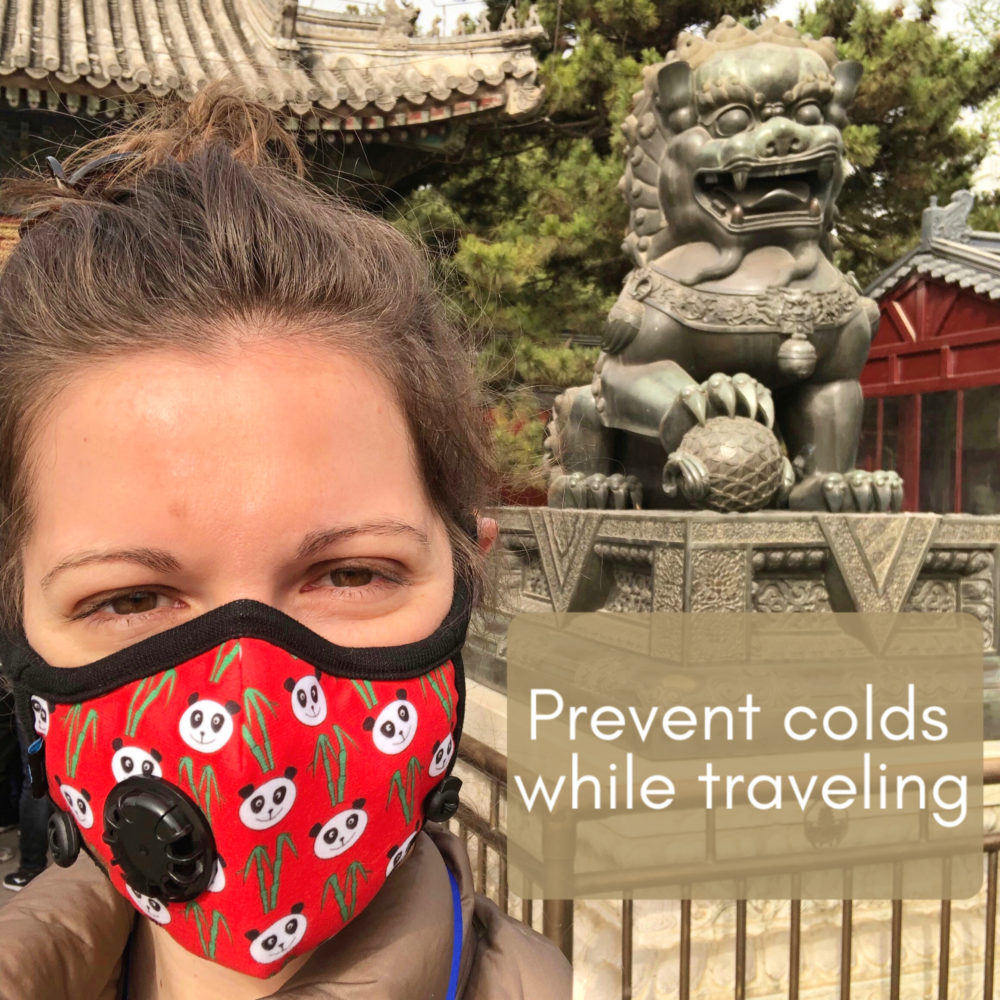
Flying can expose you to various germs and viruses. Understanding and implementing proper hygiene practices can significantly reduce the risk of infection during your journey. This section Artikels essential hygiene strategies to keep you healthy in the air.Maintaining good hygiene on a flight is crucial for preventing the spread of illnesses. By adopting simple practices, you can protect yourself and others from potential infections.
The focus here is on practical steps you can take to stay healthy during your flight.
Hand Hygiene Practices
Maintaining clean hands is paramount for preventing the spread of contagious diseases. Frequent handwashing and the proper use of hand sanitizer are vital on flights.
- Handwashing: Washing your hands thoroughly with soap and water for at least 20 seconds is an effective way to remove germs. Find a sink, if available, and use warm water and soap. Scrub all surfaces of your hands, including between your fingers and under your nails. Rinse well and dry your hands with a clean towel.
This method is particularly important after using the restroom, touching surfaces, or before eating.
- Hand Sanitizer: Hand sanitizer containing at least 60% alcohol is an alternative to handwashing. Apply a generous amount to your hands, covering all surfaces. Rub your hands together until they are dry. This is convenient for situations where handwashing facilities aren’t readily available. However, handwashing is generally preferred when possible.
Avoiding Touching Eyes, Nose, and Mouth
Touching your eyes, nose, and mouth can introduce germs into your body. Consciously avoiding these actions will help prevent infection.
- Awareness: Be mindful of your habits. When you’re on a flight, try to resist the urge to touch your face. This is important to reduce the likelihood of spreading illness.
- Distraction: Keep your hands occupied with tasks like reading, playing games, or engaging in conversations. This can help you avoid inadvertently touching your face.
Maintaining Personal Space
Maintaining a safe distance from others helps limit the spread of germs. It’s especially important on crowded flights.
- Physical Distance: Try to keep a reasonable distance from fellow passengers, particularly during high-traffic areas like the restroom or snack/drink dispensing areas.
- Avoiding Close Contact: Minimize close contact with individuals who appear unwell. This is not about judgment but rather a proactive measure to avoid potential transmission of illness.
Hand Sanitizer Effectiveness Comparison
Different hand sanitizers have varying degrees of germ-killing ability.
| Hand Sanitizer Brand | Alcohol Percentage | Germ-Killing Effectiveness (Based on independent testing results, typically ranging from good to excellent) |
|---|---|---|
| Brand A | 70% | Excellent |
| Brand B | 65% | Good |
| Brand C | 60% | Good |
| Brand D | 50% | Poor |
Note: Effectiveness varies based on testing conditions. Always look for products containing at least 60% alcohol for optimal germ reduction.
Frequency of Handwashing and Hand Sanitizer Use
Health organizations recommend specific frequencies for hand hygiene.
| Situation | Handwashing/Hand Sanitizer Use Recommendation |
|---|---|
| After using the restroom | Wash or sanitize hands immediately |
| Before eating | Wash or sanitize hands |
| After touching surfaces (e.g., tray tables, armrests) | Sanitize hands, or wash if possible |
| After coughing or sneezing into hands | Wash hands immediately |
Food and Beverage Safety
Air travel, while convenient, presents unique challenges for maintaining food safety. The confined spaces, varied temperatures, and often-limited control over food preparation processes can significantly impact the safety of consumed food and beverages. Understanding these potential risks and adopting appropriate precautions is crucial for ensuring a healthy and enjoyable journey.Consuming food and beverages on flights can pose risks due to potential contamination.
This contamination could arise from various sources, including inadequate hygiene practices during preparation, storage at improper temperatures, or cross-contamination between different food items. While airlines strive to maintain food safety standards, travelers must take proactive steps to minimize their exposure to potential risks.
Importance of Food Safety Precautions
Proper food safety precautions during air travel are essential to prevent foodborne illnesses. Foodborne illnesses, caused by consuming contaminated food or beverages, can range from mild discomfort to severe health complications. The risk of contracting a foodborne illness while flying is a valid concern, especially for individuals with weakened immune systems. Therefore, practicing vigilance regarding food choices and handling is crucial for a safe and healthy journey.
Potential Risks Associated with Flight Food
Several factors contribute to the potential risks associated with food served on flights. These include the transportation and storage of food items in potentially unsanitary environments, limited temperature control during transit, and limited opportunities for handwashing by food handlers. Air travel can disrupt normal routines and increase the likelihood of exposure to pathogens.
Staying healthy on a plane is crucial. Washing your hands frequently and packing a reusable water bottle are simple ways to boost your immune system. It’s also important to consider new treatment approaches like those explored in consider new treatment approach for proactive health management, potentially influencing future travel hygiene practices. Ultimately, staying hydrated and taking precautions can make a huge difference in preventing illness while you’re airborne.
Best Practices for Selecting Safe Food Options
When selecting food on a flight, prioritize options that are likely to be prepared and handled safely. Fresh fruits and vegetables, especially those that can be easily washed, are generally safer choices. Pre-packaged, sealed items, like individual-portion snacks, are often less susceptible to contamination. It’s crucial to look for evidence of proper handling and storage practices.
Methods for Ensuring Proper Food Storage and Temperature Control
Temperature control is a critical aspect of food safety. Food should be stored at appropriate temperatures to prevent bacterial growth. Pay attention to the temperature of food items served on the flight. If unsure, opt for foods that are either hot or cold. If you choose to bring your own food, ensure proper storage and temperature control in your carry-on or checked baggage.
Food Items to Avoid During Flights
Certain food items present higher risks of contamination due to their nature or potential for inadequate handling. Avoid items that are likely to be kept at room temperature for extended periods. These include salads, dishes with raw or undercooked ingredients, and items that might have been stored at ambient temperatures. Consider the potential risk of food poisoning when choosing your meals.
Potential Contamination Risks Associated with Different Food Types and Preparation Methods
| Food Type | Preparation Method | Potential Contamination Risks |
|---|---|---|
| Salads | Prepared with raw ingredients | High risk of bacterial contamination if not handled properly |
| Sandwiches | Prepared with potentially contaminated ingredients | High risk of bacterial contamination if not stored at proper temperature |
| Meat dishes | Undercooked | High risk of bacterial contamination |
| Dairy products | Not stored at appropriate temperatures | High risk of bacterial contamination |
| Seafood | Not cooked properly | High risk of bacterial contamination |
Air Quality and Ventilation
Airplane air quality significantly impacts passenger health during flights. Poor ventilation and inadequate filtration can lead to the spread of respiratory illnesses. Understanding how airplane air systems work and how to mitigate potential risks is crucial for a healthier travel experience.Air quality and ventilation systems on airplanes play a critical role in preventing the spread of infectious diseases. The recirculated air, combined with the confined space, creates an environment where airborne pathogens can easily circulate.
This makes understanding the mechanisms of air filtration and ventilation essential for minimizing the risk of infection.
Airborne Pathogen Transmission on Flights
The enclosed cabin environment of an airplane facilitates the transmission of airborne pathogens. The recirculation of air, coupled with the close proximity of passengers, increases the risk of exposure to respiratory droplets and aerosols carrying viruses and bacteria. This is particularly relevant during periods of high viral transmission or in cases of individuals with contagious illnesses. This risk is heightened when the cabin air quality and ventilation are not properly managed.
Strategies for Managing Air Quality Concerns
Several strategies can be employed to mitigate the risks associated with poor air quality during air travel. Maintaining a high standard of hygiene, including frequent handwashing and using hand sanitizers, is crucial. Passengers should also prioritize staying hydrated, which supports the body’s immune system and helps maintain healthy respiratory function. Additionally, wearing masks, especially during periods of heightened illness transmission, can help limit the spread of pathogens.
Procedures for Ensuring Adequate Air Circulation
Aircraft ventilation systems are designed to provide adequate air circulation and maintain a healthy cabin environment. This involves a combination of outside air intake and recirculated air. The amount of outside air introduced varies depending on factors such as altitude, temperature, and flight conditions. Modern systems employ advanced filtration mechanisms to remove contaminants from the recirculated air.
The goal is to minimize the concentration of airborne pathogens within the cabin.
Air Filters on Airplanes and Their Function
Air filters on airplanes are crucial components of the ventilation system. They effectively remove airborne particles, including pathogens, from the recirculated air. These filters are typically high-efficiency particulate air (HEPA) filters, designed to capture a wide range of airborne particles, including viruses and bacteria. The efficiency of these filters is a key factor in maintaining air quality and reducing the risk of disease transmission.
Effectiveness of Different Air Filtration Systems
The effectiveness of air filtration systems varies depending on the specific design and technology employed. HEPA filters are generally considered the most effective at removing fine particles, including viruses and bacteria. The efficiency of the filters is also influenced by factors such as the airflow rate and the filter’s capacity to trap particles. Airlines may use different types of filtration systems depending on the aircraft model and operating procedures.
Air Quality Standards for Airlines and Aircraft Types
| Airline/Aircraft Type | Air Quality Standards |
|---|---|
| Major Airlines (e.g., Delta, United) | Adhere to established international and national standards for cabin air quality. |
| Budget Airlines | May have slightly less stringent standards than major carriers, but still aim for safe levels of air quality. |
| Specific Aircraft Models (e.g., Boeing 787 Dreamliner) | Vary depending on the aircraft’s design and ventilation system. Generally, newer aircraft have more advanced systems. |
Note: Specific air quality standards are not publicly available for every airline and aircraft. The table above provides a general overview.
Pre-existing Conditions and Travel
Traveling can be a wonderful experience, but it’s crucial to be mindful of potential health risks, especially for those with pre-existing conditions. Understanding how these conditions might affect your vulnerability to illnesses during air travel is essential for a safe and enjoyable trip. This section delves into the specific considerations for travelers with various pre-existing health issues, providing practical advice and recommendations.Pre-existing conditions can significantly impact a person’s susceptibility to contracting illnesses during a flight.
Factors such as compromised immune systems, respiratory issues, or cardiovascular concerns can increase the risk of complications. Careful planning and adherence to preventive measures are vital for maintaining well-being during air travel.
Staying healthy on a flight involves simple precautions like handwashing and packing healthy snacks. But did you know that oral health plays a crucial role in overall well-being? Understanding procedures like a gingivoplasty, which reshapes gum tissue, can be important for maintaining oral hygiene. For a comprehensive guide on everything to know about a gingivoplasty, check out this helpful resource: everything to know about a gingivoplasty.
Ultimately, these steps can help you avoid getting sick during your next trip by focusing on proactive health measures.
Considerations for Travelers with Compromised Immune Systems
Individuals with weakened immune systems, such as those undergoing chemotherapy or those with HIV/AIDS, are more susceptible to infections. The enclosed environment of an airplane, combined with close proximity to other passengers, can potentially expose them to airborne pathogens.
- Prioritize thorough hand hygiene. Regular handwashing with soap and water or using hand sanitizer is critical to minimize the risk of infection.
- Consult with your physician before traveling. Discuss potential risks and any necessary precautions, including vaccinations or medications.
- Consider wearing a high-quality mask during the flight, particularly if you are traveling during a period of known respiratory illnesses.
- Maintain adequate hydration and rest to support the immune system.
- Avoid sharing personal items to prevent the transmission of germs.
Strategies for Managing Chronic Health Conditions During Travel
Managing chronic conditions like diabetes, asthma, or heart disease requires meticulous planning and proactive management. The stress of air travel can exacerbate existing conditions, so careful preparation is crucial.
- Pack necessary medications and medical supplies in carry-on luggage, ensuring they are readily accessible.
- Inform the airline staff about your condition and any specific needs.
- Maintain a consistent medication schedule during the flight, even with time zone changes.
- Carry a detailed list of your medications, dosages, and allergies, readily available for review.
- Have a backup plan for managing your condition if unforeseen issues arise, including emergency contact information and medical history.
Recommendations for Travelers with Specific Pre-existing Conditions
This section provides tailored recommendations for travelers with particular pre-existing conditions. These are not exhaustive, and it is always essential to consult with a physician before any travel.
Staying healthy while flying can be a breeze with a few simple precautions. Washing your hands frequently and using hand sanitizer are crucial, but did you know that incorporating festive self-care, like using holiday spices for festive self care, can also boost your immunity? Holiday spices for festive self care can provide a warm, comforting aroma and potentially even help ward off those pesky germs.
So, next time you’re in the air, remember these tips to keep your immune system strong and enjoy your travels without getting sick!
- Diabetes: Maintain blood glucose levels within the target range, and carry snacks to prevent hypoglycemia. Monitor blood glucose frequently and take necessary corrective measures.
- Asthma: Ensure you have your inhalers and any other essential medications readily available. Stay hydrated and avoid triggers for asthma attacks.
- Heart Conditions: Consult your doctor about the appropriateness of travel and any necessary precautions, such as carrying a personal emergency kit with prescribed medications and emergency contact information.
- Pregnancy: Consult your doctor about the appropriateness of travel and any potential risks associated with air travel during pregnancy. Follow the advice and recommendations of your healthcare provider.
Recommended Precautions for Travelers with Different Pre-existing Conditions, How to avoid diseases while flying
This table summarizes the recommended precautions for travelers with various pre-existing conditions.
| Pre-existing Condition | Recommended Precautions |
|---|---|
| Compromised Immune System | Thorough hand hygiene, consultation with physician, consider mask, hydration, avoid sharing items |
| Diabetes | Maintain blood glucose levels, carry snacks, monitor frequently, take corrective measures |
| Asthma | Inhalers readily available, hydration, avoid triggers |
| Heart Conditions | Consult physician, emergency kit with medications, emergency contacts |
| Pregnancy | Consult physician, potential risks, follow healthcare provider’s advice |
Protecting Yourself During Airport Travel
Navigating airport terminals can be a germ-filled experience, with high traffic, shared surfaces, and close proximity to others. Understanding how to navigate these environments safely is crucial to minimizing your risk of illness. This section delves into essential hygiene and safety measures for your airport journey.Airport environments present unique challenges to maintaining personal hygiene and preventing the spread of infections.
High-touch surfaces, crowded spaces, and the constant flow of people make it easy for germs to circulate. Taking proactive steps to minimize exposure is vital for a healthy trip.
Importance of Hygiene and Safety During Airport Transit
Maintaining high standards of hygiene and safety is paramount during airport transit. Frequent handwashing, avoiding touching your face, and choosing appropriate protective measures are key strategies to minimize the risk of contracting illnesses. Awareness of potential infection sources and adopting preventive measures contribute to a healthier travel experience.
Preventive Measures for Minimizing Exposure to Germs in Airports
Proactive measures can significantly reduce your risk of exposure to germs. Prioritize frequent hand hygiene, avoid touching your face, and consider using hand sanitizer. These practices are crucial for maintaining a healthy environment and mitigating risks.
- Frequent Handwashing: Thoroughly wash your hands with soap and water for at least 20 seconds, especially after using the restroom, touching shared surfaces, or interacting with potentially contaminated objects.
- Hand Sanitizer Use: Carry a hand sanitizer containing at least 60% alcohol and use it frequently, particularly when handwashing facilities are unavailable.
- Avoid Touching Your Face: Consciously refrain from touching your eyes, nose, or mouth, as these are common entry points for pathogens.
- Sanitize High-Touch Surfaces: If possible, sanitize surfaces like handrails, elevator buttons, and seating areas with disinfecting wipes or sprays.
- Wear a Face Mask (Optional): Consider wearing a face mask, especially in crowded areas or if you have underlying health concerns.
Proper Hand Hygiene at Airport Terminals
Proper hand hygiene is crucial at airport terminals, as these areas are often high-traffic zones. Maintaining hand hygiene minimizes the spread of germs and safeguards your health. The practice of handwashing or using hand sanitizer significantly reduces the risk of contamination.
- Wash Your Hands Frequently: Utilize handwashing stations conveniently located throughout airport terminals. This is a vital step in preventing the spread of germs.
- Use Hand Sanitizer: Keep hand sanitizer readily available and use it frequently, especially in areas lacking handwashing facilities.
- Choose Alcohol-Based Hand Sanitizer: Opt for hand sanitizer containing at least 60% alcohol for optimal germ-killing effectiveness.
Using Public Transportation Safely
Using public transportation in airports, such as buses or trams, involves potential exposure to germs. Practicing safe transportation habits can help minimize these risks.
- Avoid Touching Surfaces: Minimize contact with surfaces on public transportation, including handrails and seats.
- Maintain a Safe Distance: Maintain a safe distance from other passengers, particularly in crowded environments.
- Ventilated Transport: If possible, select transport options with adequate ventilation to reduce the concentration of airborne particles.
Potential Sources of Infections in Airport Environments
Airport environments can harbor various sources of infection. Understanding these sources helps in developing effective preventative measures.
- Shared Surfaces: High-touch surfaces like handrails, elevator buttons, and seating areas can harbor pathogens.
- Crowded Spaces: The high concentration of people in airports creates an environment conducive to the spread of infectious agents.
- Airborne Transmission: Airborne particles carrying pathogens can circulate in enclosed spaces like airports.
Examples of Common Surfaces in Airports and How to Clean Them
Regular cleaning of high-touch surfaces is essential for maintaining hygiene in airports.
| Surface | Cleaning Method |
|---|---|
| Handrails | Use disinfecting wipes or spray. |
| Elevator buttons | Wipe down with disinfectant solution. |
| Seating areas | Sanitize with appropriate disinfectants. |
| Restroom surfaces | Thorough cleaning and disinfection with appropriate products. |
| Food service areas | Regular cleaning and sanitation protocols should be strictly followed. |
Medical Preparedness Before and During Flights: How To Avoid Diseases While Flying

Flying can be a stressful experience, especially if you have pre-existing health conditions or are prone to medical issues. Proper medical preparedness is crucial for ensuring a safe and comfortable journey. This involves careful planning before departure and strategies for managing potential health concerns during the flight.
Pre-Flight Medical Preparation
Effective pre-flight medical preparation significantly reduces the risk of complications during air travel. This includes a thorough review of your medical history, ensuring you have necessary medications, and understanding potential travel-related health issues. It’s essential to discuss your health needs with your doctor before flying, especially if you have chronic conditions.
Preparing Medications and Medical Supplies
Packing your medications and medical supplies appropriately is vital. Carry a sufficient supply of all prescribed medications, including enough for the duration of your trip and any potential delays. Keep medications in their original containers with labels, and store them in a cool, dark place. Include any over-the-counter medications you commonly use, such as pain relievers or allergy medication.
Essential medical supplies such as bandages, antiseptic wipes, and any personal devices like inhalers should be readily accessible. Don’t forget to check your destination’s policies regarding medications and necessary documentation.
Managing Health Issues During Flight
Unexpected health issues can occur during a flight. If you experience a minor ailment, such as a headache or indigestion, use readily available over-the-counter medications or follow your doctor’s instructions. For more serious concerns, calmly assess the situation and communicate with the flight crew. Understanding the emergency procedures and locations on the aircraft will help you and the crew.
Medical Assistance on Planes
Many airlines have trained medical personnel or can contact medical professionals for assistance. Flight attendants are usually trained to respond to basic medical needs and know the procedures for contacting medical professionals in the case of an emergency. Inquire about the airline’s medical assistance policies before your flight.
Important Medical Documents
Bringing essential medical documents is crucial. This includes a copy of your prescription medications, medical insurance information, and a list of allergies and medical conditions. Consider carrying a detailed medical history summary, especially if you have pre-existing conditions that might require immediate attention.
Medical Emergency Procedures During Flight
| Situation | Immediate Actions | Further Actions |
|---|---|---|
| Minor discomfort | Inform flight attendants. Use personal medications as directed. | Monitor symptoms and seek further assistance if needed. |
| Severe pain or discomfort | Inform flight attendants immediately. Clearly describe the symptoms. | Follow the instructions of flight attendants and medical personnel. |
| Loss of consciousness | Alert flight attendants immediately. Attempt to stabilize the situation, using any available resources. | Follow the directions of the flight attendants and medical personnel. |
Final Thoughts
In conclusion, proactively mitigating disease risks during air travel requires a multifaceted approach. By understanding hygiene practices, food safety, air quality, and pre-existing condition considerations, you can significantly reduce your chances of illness. This guide equips you with the knowledge and tools to prioritize your health and well-being while soaring through the skies. Remember, a little preparation goes a long way toward a healthy and enjoyable flight.