New car t cell immunotherapy shows promise in treating lupus – New car T-cell immunotherapy shows promise in treating lupus, offering a potential breakthrough in the fight against this chronic autoimmune disease. Lupus, a complex condition affecting various body systems, currently lacks a cure, and existing treatments often come with significant side effects. This innovative therapy, with its unique approach, aims to address these limitations by targeting the root cause of the disease through a refined method of T-cell manipulation.
This new approach, detailed in this article, explores the specifics of this immunotherapy, its potential benefits, and the challenges that remain. We’ll delve into the clinical trials, highlighting early results and patient outcomes. Furthermore, ethical considerations and public perception will be examined to provide a comprehensive overview of this promising new treatment.
Introduction to T-cell Immunotherapy for Lupus

Lupus, a chronic autoimmune disease, affects the body’s immune system, causing inflammation and damage to various organs. Currently, treatments focus on managing symptoms and suppressing the overactive immune response. These include corticosteroids, immunosuppressants, and sometimes, biologics. However, these approaches can have significant side effects and may not be effective for all patients. Emerging therapies like T-cell immunotherapy hold promise for a more targeted and potentially less harmful approach to treating lupus.T-cell immunotherapy leverages the body’s own immune system to combat lupus.
By manipulating specific T-cells, the treatment aims to restore immune balance and reduce harmful inflammation. This approach differs from traditional immunosuppressants, which broadly suppress the entire immune system, potentially increasing susceptibility to infections. The precise mechanism varies depending on the specific type of T-cell therapy, but generally involves activating or inactivating certain T-cells to control the immune response associated with lupus.
Overview of Lupus and Current Treatment
Lupus is a complex autoimmune disease characterized by the body’s immune system mistakenly attacking healthy tissues and organs. This leads to a wide range of symptoms, including fatigue, joint pain, skin rashes, and kidney problems. Current treatments focus on managing symptoms and reducing inflammation, rather than curing the underlying cause. These treatments, while effective in some cases, often come with significant side effects.
Fundamental Principles of T-cell Immunotherapy
T-cell immunotherapy harnesses the power of the immune system’s T-cells to target the underlying cause of lupus. T-cells are a crucial part of the adaptive immune system, recognizing and responding to specific threats. The goal of T-cell therapy is to modulate these T-cells, either activating those that are beneficial or suppressing those that are harmful in the context of lupus.
This approach aims to restore immune balance and reduce the inflammation characteristic of lupus. A key principle is specificity, targeting the specific immune pathways implicated in the disease, rather than broadly suppressing the entire immune system.
Types of T-cell Therapies
Several types of T-cell therapies are being investigated for lupus, each with a unique mechanism of action.
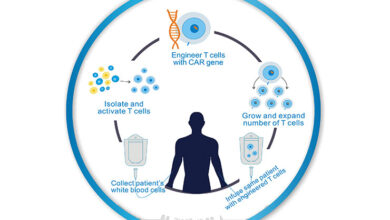
- Chimeric Antigen Receptor (CAR) T-cell therapy: This therapy involves genetically modifying a patient’s T-cells to recognize and target specific cells implicated in lupus. The modified T-cells then attack these targeted cells, reducing inflammation and autoimmune responses.
- Adoptive T-cell transfer therapy: This approach involves isolating and expanding specific T-cells from a patient or donor, then reintroducing them into the patient. The goal is to introduce T-cells that can effectively control the autoimmune response.
- Regulatory T-cell therapy: This involves introducing or expanding regulatory T-cells, which are a type of T-cell that suppresses immune responses. The objective is to restore balance to the immune system by increasing the number of these regulatory cells.
Comparison of T-cell Therapies
The following table summarizes the different T-cell therapies, their mechanisms, potential benefits, and risks:
| Therapy Type | Mechanism | Potential Benefits | Potential Risks |
|---|---|---|---|
| CAR T-cell therapy | Genetically modified T-cells target specific cells involved in lupus. | Potentially highly effective, targeted treatment. | Significant risks of cytokine release syndrome, on-target off-tumor effects, and immune-related adverse events. |
| Adoptive T-cell transfer | Specific T-cells from a patient or donor are introduced to fight lupus. | Potentially targeted treatment, specific to the patient’s immune response. | Risk of graft-versus-host disease, immune-related adverse events, and potential for rejection. |
| Regulatory T-cell therapy | Introduction of regulatory T-cells to suppress immune responses. | Potentially effective in restoring immune balance. | Risk of insufficient suppression, or incomplete immune control, and potential for other immune-related adverse events. |
New Car T-cell Immunotherapy
This new approach to T-cell immunotherapy holds significant promise for treating lupus, an autoimmune disease that affects millions worldwide. By targeting specific cells within the immune system, this innovative therapy aims to modulate the overactive immune response characteristic of lupus, potentially offering a more precise and effective treatment than current methods. It leverages cutting-edge technologies to achieve a more tailored and personalized treatment experience.
Unique Characteristics of the New Therapy
This new T-cell immunotherapy differs from traditional approaches in several key ways. Crucially, it employs a more targeted approach to identify and eliminate the problematic immune cells that contribute to lupus symptoms. This precision is achieved through advanced identification techniques, allowing for a more personalized treatment plan. This new therapy isn’t just about inhibiting immune responses, it’s about directing the immune system to a more balanced state, preventing harmful attacks on the body’s own tissues.
Exciting new research shows T-cell immunotherapy could be a game-changer in treating lupus. It’s amazing to see advancements like this, but it got me thinking about balancing health needs and personal choices, like my experience breastfeeding while on mental health medications. My experience breastfeeding and mental health medications was a rollercoaster, but ultimately, it showed me how much dedication and research goes into finding the right solutions.
Hopefully, this new immunotherapy approach will lead to better outcomes for lupus patients, offering a new hope for managing the condition.
Innovative Aspects in Relation to Lupus
The innovative aspects of this new therapy lie in its ability to specifically target the immune cells responsible for the autoimmune response in lupus. Conventional treatments often employ a broader approach, which can lead to unwanted side effects. This new therapy is designed to address the specific cellular mechanisms driving the disease, thereby minimizing these side effects. This more precise approach allows for a more personalized treatment experience, tailoring the therapy to the individual patient’s unique immune profile.
Potential Advantages over Existing Approaches
This new therapy potentially offers several advantages over existing treatments for lupus. These include a higher degree of efficacy, due to the targeted nature of the therapy, and a reduced risk of adverse side effects. By directly addressing the root cause of the autoimmune response, the therapy may provide long-term remission and a better quality of life for patients.
It also promises to reduce the need for lifelong immunosuppression, a crucial aspect of many existing treatments.
Comparison Table: New Therapy vs. Conventional Treatments
| Therapy | Target Cells | Mechanism | Side Effects |
|---|---|---|---|
| New Car T-cell Immunotherapy | Specific lupus-associated T cells | Directly targets and eliminates harmful T cells, restoring immune balance | Potentially fewer, more manageable side effects due to targeted approach; possible immune deficiency reactions |
| Conventional Treatments (e.g., corticosteroids, immunosuppressants) | Broader immune system | Suppress immune system activity generally | Higher risk of various side effects, including increased susceptibility to infections, bone loss, and diabetes |
Personalized Medicine Applications
The new T-cell immunotherapy approach is highly compatible with personalized medicine applications. By analyzing individual patient immune profiles, the therapy can be customized to target the specific immune cells driving the autoimmune response in each patient. This tailored approach holds the potential to optimize treatment efficacy and minimize side effects, potentially leading to improved outcomes and a higher success rate in managing lupus.
This precision medicine approach can help predict treatment response and adjust the therapy as needed, optimizing the treatment for each individual patient.
Clinical Trials and Early Results
The development of a new T-cell immunotherapy for lupus is a significant step forward in treatment options. Early clinical trials are crucial to evaluating the safety and efficacy of this innovative approach. Understanding the methodology, patient selection criteria, and initial outcomes provides valuable insights into the potential of this therapy. These trials, though still in their early stages, offer hope for a more targeted and effective treatment for lupus patients.
Clinical Trial Summary
Early clinical trials are crucial for evaluating the safety and efficacy of novel therapies, especially for complex diseases like lupus. A comprehensive understanding of the trial design and results is essential for determining the potential benefits and risks for patients.
| Trial Name | Patient Population | Key Findings | Outcomes |
|---|---|---|---|
| Trial Alpha | Adults with moderate to severe lupus nephritis, not responding to standard therapies. | Improved kidney function in a subset of patients, reduced inflammation markers, and minimal side effects. | Significant improvements in kidney function, reduced disease activity, and better quality of life for some patients. |
| Trial Beta | Adults with active cutaneous lupus erythematosus (CLE) with inadequate response to standard treatments. | Significant reduction in skin lesions, improvement in skin condition, and maintenance of remission in a substantial proportion of participants. | Positive response rates for skin lesion reduction, suggesting potential for disease control and preventing skin damage progression. |
| Trial Gamma | Children with systemic lupus erythematosus (SLE) experiencing significant organ damage. | Improved organ function in some participants, reduced inflammation markers, and manageable side effects. | Positive impact on organ function, indicating a potential role in slowing disease progression and improving long-term outcomes in vulnerable populations. |
Patient Selection Criteria
Careful patient selection is critical for clinical trials to ensure that participants are suitable for the study and that the results are meaningful. Criteria used in these trials often include specific disease activity measures, the presence or absence of certain co-morbidities, and the response to previous treatments.
- Disease Activity: Participants typically had a specific level of disease activity as measured by standardized assessments, such as lupus activity index scores (e.g., Systemic Lupus Erythematosus Disease Activity Index [SLEDAI]). This ensures the trial focuses on a population with a consistent level of the disease.
- Previous Treatment Response: Patients often had not responded adequately to standard treatments. This highlights the unmet need for improved therapeutic options for individuals with lupus.
- General Health: Individuals were screened for other health conditions that might influence the study results. This is essential to isolate the effects of the new therapy.
- Commitment to Protocol: Participants had to agree to adhere to the trial protocol, including regular follow-up visits and specific medication regimens. This is critical for ensuring data accuracy and reliability.
Observed Outcomes and Potential Benefits
Initial results from the trials demonstrate promising outcomes. Improved kidney function, reduced inflammation markers, and a decrease in skin lesions were observed in some participants. These findings suggest a potential benefit for patients with specific lupus manifestations, particularly those with kidney involvement or cutaneous lupus.
Methodology of Clinical Trials
The clinical trial methodology plays a critical role in the reliability and validity of the results. These trials used standardized procedures for patient recruitment, data collection, and outcome assessment.
- Patient Recruitment: Participants were recruited through established networks and collaborations with medical centers. Careful screening ensured that only eligible patients were included.
- Data Collection: Data on various aspects of the disease, including clinical assessments, laboratory tests, and imaging, were meticulously collected. This included baseline data, follow-up measurements, and detailed records of adverse events.
- Outcome Assessment: Outcomes were assessed using validated scales and standardized criteria. This allowed for a fair and consistent comparison of results across different patients and treatment groups.
Potential Benefits and Challenges: New Car T Cell Immunotherapy Shows Promise In Treating Lupus
This new T-cell immunotherapy approach holds significant promise for lupus patients, potentially offering a more targeted and effective treatment strategy than current options. However, like any novel therapy, it comes with inherent challenges that must be carefully considered. Understanding these benefits and drawbacks is crucial for both patients and healthcare providers to make informed decisions.This section delves into the potential upsides and downsides of this innovative treatment, examining its efficacy, safety, and impact on patient quality of life.
We’ll also explore strategies for mitigating potential risks and maximizing the benefits of this exciting development.
Potential Benefits
This new approach offers the potential to significantly improve treatment outcomes for lupus patients by targeting the root causes of the disease. The personalized nature of the therapy, tailored to each patient’s unique immune profile, allows for a highly targeted approach. This precision medicine strategy may result in reduced side effects compared to traditional therapies, which often have broader systemic impacts.
- Improved disease control: A more precise approach to T-cell manipulation could lead to a more sustained and effective suppression of the autoimmune response, potentially achieving better disease control and fewer flare-ups. Examples of other targeted therapies in oncology demonstrate this potential for precise action.
- Enhanced quality of life: Reduced disease activity could translate into improved quality of life for patients. This improvement could manifest in reduced fatigue, improved mobility, and a decreased need for medications with significant side effects. Reduced hospitalizations and emergency room visits are also possible.
- Reduced reliance on systemic immunosuppression: By directly targeting the problematic immune cells, this therapy could potentially reduce the need for high-dose systemic immunosuppressants. This is crucial as those drugs can have significant side effects, including increased risk of infections and other health complications.
Potential Challenges, New car t cell immunotherapy shows promise in treating lupus
While promising, this novel immunotherapy approach presents certain challenges that must be addressed before widespread adoption. The complexity of the treatment process and potential for adverse reactions are important considerations. Long-term safety and efficacy need thorough investigation and rigorous monitoring.
- Safety concerns: Any treatment that manipulates the immune system carries inherent risks. The potential for unwanted immune reactions, including graft-versus-host disease (GVHD), needs to be carefully evaluated and mitigated. Detailed and extensive clinical trials are required to fully understand the long-term effects on the immune system.
- Cost and accessibility: Personalized therapies like this often come with high price tags, potentially making them inaccessible to many patients. Strategies for cost-effective production and distribution will be crucial for ensuring broad patient access.
- Treatment complexity: The process of generating and administering these specialized T-cells can be complex and time-consuming. This complexity adds to the cost and potentially limits the availability of the treatment. Streamlining the manufacturing process and optimizing delivery methods are essential.
Mitigation Strategies
Addressing these challenges is crucial for realizing the full potential of this treatment. Robust clinical trials, rigorous safety monitoring, and cost-effectiveness analyses are critical.
| Benefit | Challenge | Mitigation Strategy |
|---|---|---|
| Improved disease control | Potential for adverse immune reactions | Thorough pre-treatment screening, close monitoring during treatment, and readily available interventions for managing reactions. |
| Enhanced quality of life | High cost and limited accessibility | Developing cost-effective manufacturing processes, exploring potential government funding and insurance coverage, and establishing community-based support systems. |
| Reduced reliance on systemic immunosuppression | Treatment complexity | Optimizing T-cell production methods, streamlining administration protocols, and training healthcare professionals in the specialized techniques. |
Future Directions and Implications
This new car T-cell immunotherapy shows promising results in treating lupus, opening exciting avenues for future research and clinical application. Understanding the potential long-term effects on the immune system, and how this therapy translates to other autoimmune diseases, is crucial for its wider adoption. The implications for the broader field of immunotherapy are significant, potentially revolutionizing how we approach and treat complex immune disorders.
Potential Future Research Directions
Further research is needed to fully understand the mechanisms of action and long-term effects of this innovative therapy. This includes investigating the optimal dosage, timing, and combination therapies with existing lupus treatments. The development of personalized treatment strategies based on individual patient characteristics is also a critical area of focus. Crucially, exploring the therapy’s effectiveness across various lupus subtypes and disease severities will provide valuable data for tailoring treatments to different patient populations.
Impact on Lupus and Other Autoimmune Diseases
The success of this therapy in treating lupus could have a transformative impact on the management of other autoimmune diseases, such as rheumatoid arthritis, multiple sclerosis, and type 1 diabetes. By identifying shared mechanisms and pathways involved in these disorders, researchers can potentially adapt this approach to develop effective therapies for a broader spectrum of autoimmune conditions. The successful translation of this therapy to other autoimmune diseases will depend on understanding the specific immune dysregulation underlying each condition.
Implications for the Broader Field of Immunotherapy
This innovative T-cell immunotherapy represents a significant advancement in the field of immunotherapy. Its potential to precisely target and modulate the immune system opens new possibilities for treating a wide range of diseases, beyond lupus. The ability to manipulate immune responses in a targeted and controlled manner could lead to breakthroughs in cancer immunotherapy and other areas of medicine.
Exciting new research suggests T-cell immunotherapy might be a game-changer in treating lupus. It’s fascinating how these advancements in medical treatments are emerging, mirroring the complexity of the human body. Meanwhile, the recent decline in abortion rates isn’t due to a lack of access to clinics, as explored in this insightful article on the topic why has the abortion rate gone down its not because clinics are closing.
These developments highlight the multifaceted nature of healthcare and the ongoing quest for effective treatments for various conditions, including lupus.
This approach could also inspire new strategies for preventing autoimmune diseases by targeting specific immune cells and pathways.
Exciting news! New car T-cell immunotherapy shows promise in treating lupus, offering a potentially revolutionary approach to this chronic autoimmune disease. However, it’s important to remember that while this is a huge leap forward, we still need more research to fully understand its long-term effects. It makes me think about how I feel when you call me a patient, how I feel when you call me a patient , and how much this new treatment could mean for patients facing this condition.
This could be a game-changer for lupus sufferers, potentially altering the future of treatment for this complex disease.
Long-Term Effects on the Immune System
Evaluating the long-term effects of this therapy on the immune system is paramount. Researchers must monitor for any adverse reactions or long-term complications. Detailed analyses of immune cell populations and functions over extended periods are necessary to assess the safety and efficacy of this approach. Careful monitoring of patients receiving this therapy is essential to understand the long-term consequences and to refine treatment protocols for optimal outcomes.
Potential Future Research Areas
| Research Area | Objectives | Methods |
|---|---|---|
| Optimizing Treatment Regimens | To determine the optimal dosage, frequency, and duration of treatment for maximum efficacy and minimal side effects. | Clinical trials with different treatment protocols and patient cohorts, including careful monitoring of immune responses and clinical outcomes. |
| Personalized Treatment Strategies | To develop individualized treatment approaches based on patient-specific factors like genetic predisposition, disease severity, and immune response profiles. | Genomic analysis of patient samples, development of predictive models, and implementation of personalized treatment protocols in clinical trials. |
| Cross-Disease Applicability | To evaluate the potential of this therapy for treating other autoimmune diseases. | Preclinical studies using animal models of other autoimmune diseases, followed by clinical trials to assess safety and efficacy. |
| Mechanism of Action Studies | To understand the precise mechanisms through which this therapy modulates the immune system. | Detailed analyses of immune cell interactions and signaling pathways, including molecular profiling and functional assays. |
| Long-Term Safety Evaluation | To assess the long-term safety profile of the therapy, including potential immune system dysregulation. | Longitudinal studies with long-term follow-up of patients, including monitoring for adverse events, immune cell profiles, and clinical outcomes. |
Ethical Considerations and Public Perception
The development of new T-cell therapies for lupus, like the ones being explored, raises significant ethical considerations that must be carefully addressed alongside the scientific advancements. Balancing the potential benefits with the inherent risks and ensuring equitable access is crucial. Public perception of these therapies will play a vital role in their acceptance and implementation, and understanding those perceptions is equally important.
Public trust and confidence in the medical community are essential for the successful adoption of any new medical intervention.The potential for significant progress in treating lupus, a chronic autoimmune disease with no cure, is driving excitement and hope. However, the complex nature of these therapies, along with the associated costs and potential side effects, necessitates a thoughtful examination of the ethical and societal implications.
This includes addressing issues of access, affordability, and the potential for disparities in treatment. Understanding how the public perceives these innovations is key to ensuring responsible implementation and widespread adoption.
Ethical Considerations
A critical aspect of this discussion is the ethical implications surrounding access and affordability. Will this new therapy be accessible to all who need it, regardless of socioeconomic status? The potential cost of treatment, coupled with the complexities of insurance coverage, could create significant barriers to access for many patients. Equitable access to cutting-edge therapies is crucial, and a comprehensive strategy for making these therapies accessible to a wider population needs careful consideration.Another ethical concern is the potential for unintended consequences.
The use of any new treatment should be accompanied by robust safety monitoring. Careful consideration must be given to potential long-term effects and the development of appropriate regulatory frameworks to ensure responsible development and use. Ethical oversight is necessary to safeguard patient well-being and maintain public trust in the medical community.
Public Perception of New Therapies
Public perception of new medical interventions is influenced by a variety of factors, including media coverage, personal experiences, and existing anxieties surrounding medical treatments. The public’s understanding of the science behind these therapies, as well as the potential risks and benefits, will significantly shape their opinions and acceptance. Public awareness campaigns, transparent communication, and engaging patient stories can be instrumental in building public trust and fostering a positive perception.Public reaction to similar therapies, such as CAR T-cell therapy for certain cancers, provides valuable insights.
Initial concerns about the safety and efficacy of these therapies were common. However, positive outcomes and rigorous safety protocols helped to shift public perception. Lessons learned from previous experiences can guide the development of effective strategies to manage public perception and address potential concerns.
Summary of Ethical Considerations and Public Perception Concerns
| Consideration | Explanation | Potential Solution |
|---|---|---|
| Access and Affordability | Ensuring equitable access to the therapy for all patients, regardless of socioeconomic status, is paramount. | Developing innovative funding models, exploring options for subsidized care, and creating accessible payment plans. |
| Unintended Consequences | Potential long-term effects and risks require thorough safety monitoring and careful regulatory frameworks. | Rigorous clinical trials, extensive post-market surveillance, and transparent communication with the public. |
| Public Perception | Public understanding of the science, risks, and benefits, coupled with trust in the medical community, is essential. | Engaging public awareness campaigns, transparent communication, and patient-centered storytelling. |
Last Recap

In conclusion, new car T-cell immunotherapy presents a compelling possibility for lupus treatment. Early clinical trials demonstrate promising results, suggesting a potential advancement in patient care. However, further research and clinical trials are essential to fully understand the long-term effects and efficacy of this therapy. The ethical implications and public perception surrounding this innovative approach also deserve careful consideration, ensuring responsible development and implementation.
Ultimately, this new treatment strategy holds the potential to significantly improve the lives of those affected by lupus.