Pass the mealworms researchers say these insects can be cooked as a healthy food – Pass the mealworms! Researchers say these insects can be cooked as a healthy food. Imagine a protein-packed snack, sustainable to the environment, and delicious to boot. This isn’t science fiction; it’s a burgeoning food trend. From nutritional value to preparation methods, this article delves into the world of edible insects, exploring their history, benefits, and future potential.
Mealworms are a surprisingly versatile and nutritious alternative protein source. Their high protein content, coupled with their low environmental impact, makes them an attractive option for consumers seeking healthier and more sustainable food choices. This article explores the various facets of mealworm consumption, from culinary applications to safety concerns and market accessibility.
Introduction to Mealworms as Food
Mealworms, the larval stage of the mealworm beetle, are emerging as a fascinating and potentially impactful food source. Their high protein content, combined with their relatively low environmental footprint compared to traditional livestock, makes them an attractive alternative for the future of food production. This exploration dives into the nutritional value, historical context, and environmental benefits of incorporating mealworms into our diets.The consumption of insects is not a new phenomenon.
Insects are a significant part of the diet in many cultures around the world, providing a valuable source of protein and essential nutrients. This ancient practice offers a glimpse into the potential of mealworms as a sustainable and nutritious food source for the future.
Nutritional Value of Mealworms
Mealworms are a powerhouse of protein, packed with essential amino acids crucial for building and repairing tissues. They also contain healthy fats, vitamins, and minerals, making them a complete food source. Their nutritional profile is remarkably balanced and comparable to other protein-rich foods.
History and Cultural Context of Insect Consumption
Insect consumption has a rich history, deeply rooted in various cultures across the globe. For example, in many parts of Asia, Africa, and Latin America, insects are a traditional part of the diet, providing a readily available and nutritious protein source. Their inclusion in traditional cuisines often stems from practicality and cultural acceptance.
Environmental Benefits of Mealworm Consumption
The environmental impact of mealworm production is significantly lower than that of conventional livestock. Mealworms require considerably less land, water, and feed to produce the same amount of protein as traditional livestock like chickens or cattle. This lower environmental footprint contributes to reduced greenhouse gas emissions and a more sustainable food system. This is especially crucial in a world grappling with climate change and resource depletion.
Nutritional Comparison: Mealworms vs. Other Protein Sources
| Nutrient | Mealworms (per 100g) | Chicken Breast (per 100g) | Beef (per 100g) |
|---|---|---|---|
| Protein (g) | 40-50 | 30 | 25 |
| Fat (g) | 3-5 | 3-5 | 10-15 |
| Calories (kcal) | 200-250 | 150-200 | 250-350 |
| Iron (mg) | 2-4 | 1-2 | 2-3 |
| Calcium (mg) | 20-30 | 10-15 | 5-10 |
| Fiber (g) | 2-4 | 0 | 0 |
Note: Nutritional values may vary based on the specific mealworm species and the farming practices. These values are approximate averages.
The table above highlights the nutritional comparison of mealworms to other common protein sources. It clearly shows that mealworms offer a competitive, and in some cases superior, nutritional profile. This makes them an intriguing option for protein intake in diverse dietary contexts.
Cooking and Preparation Methods: Pass The Mealworms Researchers Say These Insects Can Be Cooked As A Healthy Food
Mealworms, a surprisingly versatile protein source, can be prepared in a variety of ways, adding a delicious and nutritious element to many dishes. Their mild flavor and satisfying texture make them adaptable to different cuisines and cooking styles. This section explores various methods for cooking and incorporating mealworms into existing dishes.Preparing mealworms for consumption involves careful handling to ensure safety and optimal taste.
Thorough cleaning is essential, removing any dirt or debris before cooking. This process ensures a clean and palatable culinary experience.
Roasting
Roasting mealworms brings out their natural flavor and creates a crispy texture. This method allows for a more pronounced taste and creates a satisfying crunch. Preheat oven to 375°F (190°C). Spread cleaned mealworms in a single layer on a baking sheet. Roast for 15-20 minutes, or until golden brown and crispy.
Season with herbs, spices, or a simple salt and pepper blend.
Frying
Frying mealworms creates a delightful, crispy exterior and tender interior. This method results in a satisfyingly crunchy texture. Heat oil in a pan over medium heat. Carefully add the mealworms and fry until they turn golden brown and crispy. Drain on paper towels to remove excess oil.
Serve as a snack or incorporate into salads or stir-fries.
Researchers are pushing for us to embrace mealworms as a healthy food source, saying they can be cooked up nicely. While that’s exciting, it’s worth noting that, similar to the recent findings on energy drinks and blood vessel health (see no proof energy drinks harm blood vessels ), there’s still a lot we don’t know about the long-term effects of eating these insects.
So, while mealworms might be a tasty and potentially nutritious alternative, more research is always a good thing.
Baking
Baking mealworms is a gentler cooking method that maintains some of their moisture content. This preserves the natural flavors and nutritional value. Mix mealworms with herbs, spices, and a little bit of oil or melted butter. Spread in a single layer on a baking sheet. Bake at 350°F (175°C) for 20-25 minutes, or until lightly browned and crispy.
Incorporating into Existing Dishes
Mealworms are surprisingly versatile and can be incorporated into various dishes. Their mild flavor allows them to blend seamlessly with other ingredients.
- Salads: Crispy roasted mealworms add a satisfying crunch and protein boost to salads. Combine them with greens, vegetables, and a light vinaigrette dressing for a healthy and flavorful meal.
- Stir-fries: Toss cooked mealworms into stir-fries for an added protein source. Their texture contrasts nicely with the vegetables and other ingredients. They can be added at the end of cooking for a crispy finish.
- Snacks: Roasted or fried mealworms make a unique and protein-rich snack. Their satisfying crunch and nutty flavor provide a healthy alternative to traditional snacks.
Texture and Taste Characteristics
The texture of cooked mealworms varies depending on the cooking method. Roasting results in a crispy texture, while frying produces a crunchy exterior and tender interior. Baking offers a balance between these textures, maintaining some moisture. The taste of mealworms is generally mild and nutty, with a slightly sweet aftertaste. The flavor can be enhanced by seasoning with herbs, spices, or other ingredients.
Researchers are championing mealworms as a healthy food source, suggesting they can be cooked and enjoyed. But what about the broader implications for our health? Consider the connection between diet and heart age risk factor for early death; heart age risk factor for early death is a significant concern. Ultimately, incorporating insects like mealworms into our diets could be a positive step, potentially contributing to healthier hearts and overall well-being.
Nutritional Value and Taste Impact of Different Cooking Methods
The table below Artikels the impact of different cooking methods on the nutritional value and taste of mealworms.
| Cooking Method | Nutritional Value Impact | Taste Impact |
|---|---|---|
| Roasting | Preserves most nutrients; slightly reduces moisture content | Brings out natural nutty flavor; creates a crispy texture |
| Frying | Can lead to some nutrient loss if excessive oil is used | Creates a crunchy exterior and tender interior; may absorb flavor of oil |
| Baking | Preserves moisture and nutrients; results in a slightly softer texture | Enhances natural flavor; can be seasoned with various herbs and spices |
Nutritional Value and Health Benefits
Mealworms, these tiny, protein-packed insects, offer a surprising nutritional profile that’s worthy of attention. Beyond their unique taste, they’re a powerhouse of essential nutrients, making them a potentially valuable addition to a balanced diet. Understanding their nutritional content and potential health benefits can help us appreciate the advantages of incorporating them into our dietary choices.Mealworms are an excellent source of protein, rivaling or even exceeding many traditional protein sources in their nutritional density.
This high protein content, combined with a range of other essential vitamins and minerals, makes them a compelling option for those seeking a diverse and nutritious diet. This article delves into the specific nutrients found in mealworms and compares them to other protein sources, while also exploring their potential health benefits and their role in a balanced diet.
Key Nutrients in Mealworms
Mealworms are rich in a variety of essential nutrients, making them a valuable addition to a balanced diet. Their nutritional profile is particularly impressive given their low environmental impact compared to many conventional protein sources.
- Protein: Mealworms are exceptionally high in protein, containing all nine essential amino acids, the building blocks of protein that our bodies can’t produce on their own. This makes them a complete protein source, unlike many plant-based proteins. The protein content of mealworms is comparable to that of lean meats, eggs, and some dairy products, but with a smaller carbon footprint.
Researchers are championing mealworms as a healthy food source, and rightly so. Pass the mealworms! We’re not waiting for the future of sustainable food; we’re embracing the present by exploring innovative protein options like these crunchy critters. we are not waiting for the global food system to catch up. These insects are packed with nutrients and a great alternative to traditional protein sources, and it’s about time we embraced this sustainable solution.
Pass the mealworms!
- Essential Minerals: They are a good source of essential minerals like iron, calcium, and zinc, which are vital for various bodily functions, including oxygen transport, bone health, and immune function. The presence of these minerals contributes to their overall nutritional value.
- Vitamins: Mealworms also contain a range of vitamins, including vitamin B12, a crucial nutrient often lacking in plant-based diets. This makes them a valuable source of vitamins for vegetarians and vegans.
Nutritional Comparison to Other Protein Sources
Compared to other protein sources, mealworms demonstrate a surprisingly efficient nutritional profile. Their protein content is comparable to other protein-rich foods, but with a significant advantage in terms of environmental impact.
| Food Source | Protein Content (per 100g) | Environmental Impact (estimated) |
|---|---|---|
| Chicken Breast | 30g | Medium |
| Mealworms | 20-25g | Low |
| Soybeans | 36g | Medium-High |
“Mealworms have a remarkably high protein-to-calorie ratio compared to other protein sources, making them a cost-effective and sustainable option for meeting daily protein needs.”
The table above illustrates a general comparison; exact values may vary based on specific preparation methods and species. Mealworms, despite their lower protein content per 100g in some comparisons, have a smaller environmental footprint, making them a sustainable protein source.
Potential Health Benefits
Incorporating mealworms into a balanced diet may offer various health benefits. Studies have suggested that mealworms’ nutritional profile may contribute to improved digestion, increased energy levels, and potentially even support immune function.
- Improved Digestion: The high protein and fiber content in mealworms may promote healthy digestion and regular bowel movements. This is because the protein content stimulates the digestive system, while the fiber aids in nutrient absorption and prevents constipation.
- Increased Energy Levels: The combination of protein, healthy fats, and essential nutrients in mealworms can provide sustained energy release, combating energy crashes often associated with processed foods.
- Potential Immune Support: Certain nutrients in mealworms, including zinc and vitamins, play a crucial role in supporting immune function. A well-rounded diet including mealworms could contribute to a stronger immune system.
Mealworms in a Balanced Diet
Mealworms can be a valuable addition to a diverse and balanced diet. They can be incorporated into various dishes, from snacks to main courses, offering a delicious and nutritious alternative to conventional protein sources. This versatility allows for creative culinary explorations while benefiting from their nutritional advantages.
Sustainability and Environmental Impact
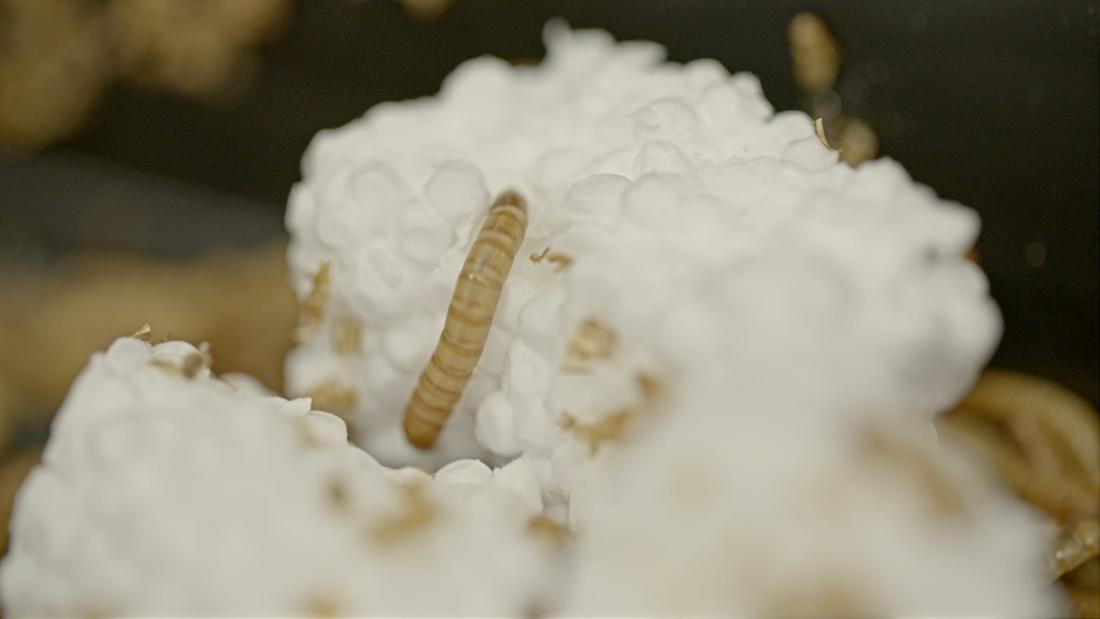
Mealworms, those fascinating little critters, are rapidly gaining attention as a potential game-changer in the food industry. Their surprisingly low environmental footprint compared to traditional livestock makes them a compelling alternative protein source. This section delves into the impressive sustainability advantages of mealworm farming, examining its resource efficiency and ecological benefits.The production of animal protein, especially from traditional livestock like cattle and pigs, carries a significant environmental burden.
Their farming practices often require extensive land use for grazing and feed production, contributing to deforestation and habitat loss. Furthermore, these systems generate substantial greenhouse gas emissions, notably methane from ruminants, impacting climate change. Mealworms, on the other hand, offer a more sustainable path to protein.
Environmental Benefits of Mealworm Farming
Mealworm farming is significantly more resource-efficient than traditional livestock production. This translates to a lower environmental impact, minimizing the strain on precious resources like land and water. Their feed requirements are also far less demanding.
Resource Efficiency in Mealworm Farming
Mealworm farming boasts remarkable resource efficiency. Their feed primarily consists of agricultural byproducts and food waste, minimizing competition with human food sources. This circular economy approach reduces waste and promotes sustainable resource management. Mealworm farming practices also require significantly less water than traditional livestock production.
Water and Land Usage Comparison, Pass the mealworms researchers say these insects can be cooked as a healthy food
The table below highlights the remarkable difference in resource usage between mealworm farming and other protein sources. It clearly demonstrates the environmental advantages of mealworm farming.
| Protein Source | Land Use (ha/ton protein) | Water Use (m3/ton protein) |
|---|---|---|
| Beef | 10-20 | 10,000-20,000 |
| Poultry | 2-5 | 1,000-5,000 |
| Pork | 1-3 | 500-1,500 |
| Mealworms | 0.2-0.5 | 100-500 |
“The significantly lower land and water requirements for mealworm production demonstrate its potential as a sustainable protein source.”
Environmental Impact Comparison of Different Protein Sources
This table summarizes the environmental impact of various protein sources, focusing on greenhouse gas emissions, land use, and water consumption.
| Protein Source | Greenhouse Gas Emissions (kg CO2e/kg protein) | Land Use (ha/kg protein) | Water Use (m3/kg protein) |
|---|---|---|---|
| Beef | 25-50 | 0.1-0.2 | 15-30 |
| Poultry | 5-15 | 0.02-0.05 | 2-5 |
| Pork | 7-18 | 0.01-0.03 | 1-3 |
| Mealworms | 1-3 | 0.002-0.005 | 0.1-0.3 |
The data underscores the significant environmental benefits of incorporating mealworms into our food systems. By reducing the reliance on resource-intensive traditional livestock, we can contribute to a more sustainable future.
Safety and Concerns
Mealworms, while promising as a sustainable protein source, require careful consideration regarding safety. Understanding potential hazards, proper handling, and hygienic practices are crucial for ensuring safe consumption and preventing any adverse effects. This section delves into the safety aspects of incorporating mealworms into our diets.
Potential Allergens and Contaminants
Mealworms, like any food source, can potentially trigger allergic reactions in susceptible individuals. Cross-contamination during processing or preparation can introduce allergens from other ingredients. Individuals with known allergies to insects or related foods should exercise caution. Moreover, mealworms, especially those raised in less regulated environments, may contain trace contaminants such as pesticides or heavy metals. Proper farming practices and rigorous testing are essential to minimize such risks.
Proper Handling and Storage
Safe handling practices are crucial for preventing contamination and ensuring the quality of mealworms. Mealworms should be stored in airtight containers in a cool, dry place to maintain freshness and prevent the growth of harmful bacteria. Avoid storing them near strong odors that could transfer to the mealworms. Thorough cleaning of containers and utensils used for handling mealworms is vital to prevent cross-contamination.
Prior to consumption, mealworms should be thoroughly cooked to eliminate any potential pathogens.
Hygiene and Sanitation Practices During Mealworm Farming
Maintaining meticulous hygiene during mealworm farming is critical to prevent contamination. This includes regularly cleaning and disinfecting farm equipment, providing a clean and sanitary environment for the mealworms, and controlling pests that could introduce harmful microorganisms. Proper waste management is essential to avoid environmental contamination and to minimize the risk of pathogens spreading. Careful attention to detail in these areas will significantly reduce the risk of contamination throughout the entire mealworm life cycle.
Summary of Potential Risks and Safety Precautions
| Potential Risk | Safety Precautions |
|---|---|
| Allergic reactions | Check for known allergies to insects or related foods. Avoid cross-contamination. |
| Contamination with pesticides or heavy metals | Choose mealworms from reputable suppliers that adhere to stringent quality control measures. |
| Presence of harmful microorganisms | Thoroughly cook mealworms before consumption. Maintain proper hygiene during handling and storage. |
| Cross-contamination | Use separate utensils and containers for mealworms to prevent cross-contamination. Thoroughly wash hands before and after handling mealworms. |
| Improper storage | Store mealworms in airtight containers in a cool, dry place to maintain freshness and prevent spoilage. |
Accessibility and Availability
Mealworms, these surprisingly nutritious insects, are gaining traction as a potential food source. However, their widespread adoption hinges on overcoming hurdles in production and distribution. Currently, the market availability of mealworms is limited, though showing promising signs of expansion. This section will delve into the current state of mealworm availability, the challenges to scaling production, and the potential for mealworms to become a readily available food source in the future.The current market for mealworms is still nascent, primarily focused on niche markets, such as pet food and specialized health food stores.
While some larger companies are starting to incorporate mealworms into their product lines, mass availability is not yet a reality. The limited supply directly impacts consumer accessibility.
Current Market Availability
The current market availability of mealworms is geographically uneven. Some regions, particularly those with strong agricultural or food-science industries, have a more robust presence of mealworm products. This is largely due to the availability of facilities capable of producing and processing them in a consistent, large-scale manner. Direct access is still primarily through specialized retailers or online channels.
Challenges and Opportunities for Scaling Up Production
Several challenges impede the rapid scaling up of mealworm production. One key challenge is the need for specialized infrastructure. Proper rearing facilities are crucial to maintaining hygiene and maximizing yield, while simultaneously ensuring high quality standards. Another challenge is maintaining consistent supply chains. Transportation and storage requirements for live mealworms, and subsequently, processed products, need to be optimized.Opportunities for scaling up production include investments in research and development.
Improvements in farming techniques and automation could significantly reduce production costs and enhance efficiency. Strategic partnerships between researchers, farmers, and food processing companies could facilitate the rapid expansion of the industry.
Potential for Mealworms to Become a Readily Available Food Source
The potential for mealworms to become a readily available food source is significant. Several factors contribute to this potential. The growing awareness of the environmental benefits of alternative proteins and the need for sustainable food sources is driving demand. The nutritional value and ease of preparation of mealworms are further encouraging factors. Furthermore, as the industry matures, the cost of mealworms may decrease, making them more accessible to a wider consumer base.
Market Trends and Future Projections
| Characteristic | Current Market Trend | Future Projection (5-10 years) |
|---|---|---|
| Market Size | Small, niche market primarily focused on pet food and specialty stores. | Significant expansion, potentially reaching mainstream markets. |
| Consumer Awareness | Limited; primarily among health-conscious consumers and those interested in sustainable food sources. | Increased awareness, driven by marketing and media coverage, potentially attracting a broader range of consumers. |
| Product Variety | Limited, mostly whole mealworms or simple processed products. | Increased variety, encompassing a wider range of prepared foods, including mealworm flour, snacks, and even processed dishes. |
| Pricing | Higher than conventional protein sources, reflecting the current production costs. | Potential decrease in price as production scales up and becomes more efficient. |
The table above highlights the current state and potential trajectory of mealworm consumption. These projections, while estimates, are based on current trends and anticipated developments in the food industry.
Consumer Perception and Acceptance
Mealworms, while a nutritious and sustainable protein source, face a significant hurdle in gaining widespread consumer acceptance. Cultural norms and preconceived notions often play a crucial role in shaping consumer attitudes toward insect consumption. Overcoming these barriers requires a multifaceted approach that combines education, marketing strategies, and a focus on dispelling common misconceptions. This section delves into the complexities of consumer perception and explores effective strategies for promoting mealworms as a viable food option.Consumer acceptance of novel foods is often influenced by factors beyond nutritional value.
These include cultural conditioning, sensory preferences, and perceived safety. The perceived “unappetizing” nature of insects, even when presented as a healthy alternative, can be a significant obstacle. Successfully integrating mealworms into the food system requires a targeted strategy that addresses these concerns head-on.
Consumer Attitudes and Perceptions
Consumer attitudes towards insects as food are generally negative in many parts of the world. This stems from deeply ingrained cultural aversion and a lack of familiarity with insect consumption. Often, the perception of insects as “unclean” or “disgusting” is reinforced by societal norms and media portrayals. Understanding these perceptions is crucial for developing effective strategies to promote acceptance.
Positive experiences with properly prepared insect dishes can contribute to a shift in perception.
Role of Marketing and Education
Marketing campaigns play a vital role in changing consumer perceptions. Education campaigns, highlighting the nutritional and environmental benefits of mealworms, are essential to counter negative stereotypes. Transparent and informative communication, emphasizing the safety and preparation methods, can build trust and overcome skepticism. Successful campaigns showcase the versatility of mealworms in diverse culinary applications, demonstrating that they can be incorporated into familiar dishes.
Examples of Successful Campaigns for Promoting Insect Consumption
Several campaigns have successfully promoted insect consumption, focusing on education and highlighting the unique benefits of these protein sources. In some regions, initiatives have centered on showcasing insect dishes as part of cultural heritage. Other campaigns have utilized social media and interactive workshops to demystify the idea of eating insects. These examples illustrate the power of creative and targeted campaigns in promoting the adoption of insects as a food source.
Consumer Preferences and Concerns
| Consumer Preference | Consumer Concern |
|---|---|
| Taste and Texture | Unusual taste and texture; fear of “crunchiness” or “gritty” texture |
| Appearance | Unfamiliar appearance; negative associations with insects |
| Preparation Methods | Lack of familiarity with preparation methods; perceived complexity of cooking |
| Safety and Hygiene | Concerns about food safety, hygiene, and potential health risks |
| Cultural Norms | Deeply ingrained cultural aversion to insect consumption; societal taboos |
| Accessibility | Limited availability of mealworms; difficulty in finding sources |
| Cost | Potential higher cost compared to conventional protein sources |
This table summarizes key consumer preferences and concerns, providing a framework for understanding the challenges and opportunities in promoting mealworm consumption.
Mealworm Recipes and Dishes

Mealworms, those tiny, wriggly creatures, are surprisingly versatile in the kitchen. Beyond their nutritional value, mealworms offer a delicious and sustainable alternative to traditional protein sources. This section dives into some unique and exciting ways to prepare these insects, showcasing their potential as a delectable part of a diverse and healthy diet.
Mealworm Recipe Ideas
Mealworms, with their mild, slightly nutty flavor, can be incorporated into a variety of dishes. They can be enjoyed as a standalone snack, a savory addition to main courses, or a satisfying side dish. Here are three unique recipe ideas to get you started:
- Mealworm Pesto Pasta: This recipe transforms mealworms into a vibrant and flavorful addition to a classic Italian dish. The pesto provides a rich, herbaceous base that complements the subtle flavor of the mealworms.
- Crispy Mealworm “Fries”: This dish highlights the satisfying crunch of the mealworms. The crispy texture provides a delightful contrast to the mild flavor.
- Spicy Mealworm Stir-fry: This recipe showcases the adaptability of mealworms in a vibrant and flavorful stir-fry. The combination of spices and vegetables creates a balanced and satisfying meal.
Mealworm Pesto Pasta Recipe
This recipe combines the nutty flavor of mealworms with the fresh, herbaceous taste of pesto for a unique and satisfying pasta dish.
- Preparation: First, prepare the mealworms by lightly toasting them in a dry pan over medium heat until they are crispy. Set aside. Next, prepare a traditional pesto using fresh basil, garlic, Parmesan cheese, pine nuts, and olive oil. Blend until smooth. Cook pasta according to package directions.
Reserve about 1/2 cup of pasta water before draining.
- Combining: Add the cooked pasta to the pesto. Add the toasted mealworms and a few tablespoons of the reserved pasta water to create a creamy sauce. Stir well until the pasta is coated evenly.
- Serving: Serve immediately. A sprinkle of Parmesan cheese and a drizzle of extra virgin olive oil add a finishing touch. The final dish will be a vibrant, colorful pasta with a creamy pesto sauce, and a sprinkle of crunchy, toasted mealworms.
Crispy Mealworm “Fries” Recipe
This recipe highlights the crispy texture of mealworms.
- Preparation: Preheat your oven to 400°F (200°C). Wash the mealworms thoroughly to remove any impurities. Pat them dry with paper towels. Toss the mealworms with a light coating of olive oil and seasonings like paprika, garlic powder, or onion powder.
- Cooking: Arrange the seasoned mealworms in a single layer on a baking sheet. Bake for 10-15 minutes, or until they are crispy and golden brown. Flip halfway through to ensure even cooking.
- Serving: Serve as a snack or side dish. The crispy mealworms are best served immediately. The finished dish will consist of crispy, golden-brown mealworms.
Spicy Mealworm Stir-fry Recipe
This recipe shows the adaptability of mealworms in a vibrant stir-fry.
- Preparation: Prepare the mealworms by washing and patting them dry. Chop vegetables such as bell peppers, onions, and broccoli into bite-sized pieces. Prepare a sauce using soy sauce, ginger, garlic, and your preferred hot sauce.
- Stir-frying: Heat a wok or large skillet over high heat. Add oil and stir-fry the vegetables until tender-crisp. Add the mealworms and stir-fry for 2-3 minutes until they are lightly browned and heated through.
- Serving: Pour the sauce over the mealworms and vegetables. Stir-fry for another minute to combine. Serve hot over rice or noodles. The final dish will be a colorful stir-fry with vegetables, crispy mealworms, and a savory, spicy sauce.
Recipes Summary
| Recipe | Type |
|---|---|
| Mealworm Pesto Pasta | Main Course |
| Crispy Mealworm “Fries” | Snack |
| Spicy Mealworm Stir-fry | Main Course |
Final Summary
In conclusion, the potential of mealworms as a healthy and sustainable food source is significant. While consumer perception and acceptance remain key factors, the nutritional value, diverse preparation methods, and environmental benefits make mealworms a compelling alternative to traditional protein sources. As the market evolves, mealworms could play a crucial role in a more sustainable and nutritious future.