
What to know about new travelers diarrhea medication? This guide dives deep into the world of travel-related digestive woes, exploring the various medications available, their mechanisms, potential side effects, and how to choose the right one for you. We’ll also cover crucial aspects like preventing traveler’s diarrhea, knowing when to seek medical attention, and considerations for specific populations.
Get ready to confidently tackle those tummy troubles on your next adventure!
Traveler’s diarrhea is a common ailment, affecting millions of people every year. Understanding the causes, symptoms, and available treatments is key to staying healthy and enjoying your travels. This comprehensive guide will walk you through everything you need to know, from preventative measures to effective medications and when to seek medical help.
Introduction to Traveler’s Diarrhea Medications: What To Know About New Travelers Diarrhea Medication
Traveling exposes you to diverse bacteria and viruses that can cause diarrhea, a common ailment for those venturing to new places. Understanding the causes, symptoms, and available medications is crucial for managing this discomfort and ensuring a smooth trip. Traveler’s diarrhea, often triggered by consuming contaminated food or water, can significantly impact a trip, and appropriate preventative measures and timely treatment are essential.
Causes of Traveler’s Diarrhea
Traveler’s diarrhea is primarily caused by ingesting contaminated food or water. This contamination can be from a variety of sources, including undercooked food, improperly handled food, or water sources that haven’t been properly treated. Harmful bacteria, like E. coli, are the most frequent culprits. Poor sanitation practices in certain regions increase the risk of contracting these pathogens.
Symptoms of Traveler’s Diarrhea
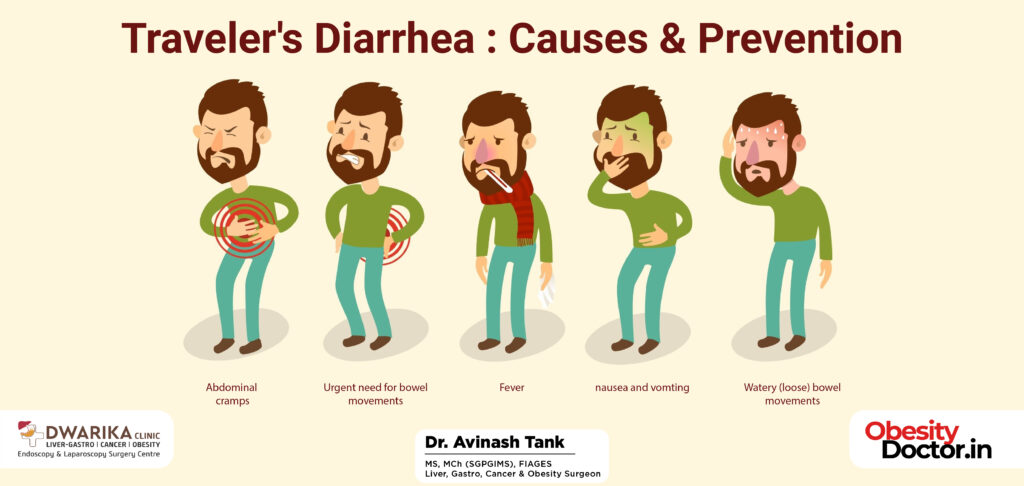
Common symptoms include watery stools, abdominal cramps, nausea, fever, and sometimes vomiting. The severity of these symptoms can vary greatly, from mild discomfort to severe dehydration. It’s essential to recognize these symptoms promptly and take appropriate measures to prevent further complications.
Preventative Measures
While medications can treat traveler’s diarrhea, the best approach is to prevent it in the first place. This involves meticulous hygiene practices, such as thoroughly washing hands with soap and water, avoiding raw or undercooked foods, and drinking bottled or boiled water. These preventative measures can greatly reduce the chances of experiencing diarrhea while traveling.
Types of Medications for Traveler’s Diarrhea
Various medications are available to treat traveler’s diarrhea. The most common ones are antibiotics and antidiarrheal medications. Antibiotics can help to kill the bacteria causing the infection, while antidiarrheal medications can help to reduce the frequency and severity of the diarrhea. Choosing the right medication depends on the severity of the symptoms and the specific bacteria involved.
Medication Table
| Medication Name | Mechanism of Action | Dosage | Side Effects |
|---|---|---|---|
| Loperamide (Imodium) | Reduces intestinal motility, slowing down the passage of stool. | Typically 4 mg initially, then 2 mg every 4-6 hours as needed, but not to exceed 16 mg in 24 hours. | Constipation, drowsiness, abdominal pain, and rarely, slowed stomach emptying. |
| Azithromycin (Zithromax) | Inhibits bacterial protein synthesis. | 500 mg orally as a single dose. | Nausea, vomiting, abdominal pain, and, in rare cases, allergic reactions. |
| Rifaximin (Xifaxan) | Reduces bacterial growth in the gut by inhibiting bacterial cell wall synthesis. | 200 mg twice daily for 3 days. | Mild gastrointestinal upset, such as nausea, bloating, or gas. |
Types of Medications for Traveler’s Diarrhea
So, you’ve got the lowdown on what traveler’s diarrhea is and why it’s important to be prepared. Now let’s dive into the different types of medications available to combat this common ailment. Knowing the various options and their specific characteristics can empower you to make informed decisions about your treatment plan.Understanding the different classes of antidiarrheal medications is crucial for effective self-management.
This section will break down the key categories, highlighting their unique properties and potential benefits and drawbacks. This knowledge will help you choose the best option for your needs, considering both efficacy and potential side effects.
Antidiarrheal Classes
Various classes of medications target different aspects of diarrhea. Understanding their mechanisms of action helps in comprehending their effectiveness and potential limitations.
Loperamide (Imodium), a common over-the-counter medication, works by slowing down intestinal movements. It effectively reduces the frequency and severity of diarrhea by acting on the muscles of the intestines. A key benefit is its relative safety profile when used correctly, typically leading to fewer side effects compared to other options. However, loperamide should not be used in cases of bloody diarrhea or fever, as it can potentially worsen the underlying condition.
So, you’re heading off on your travels and worried about traveler’s diarrhea? Knowing what to expect with new medications is key. It’s important to understand the potential side effects, especially if you’re also concerned about other health issues. For example, if you’re a heavy cannabis user, be aware that heavy cannabis use can lead to serious respiratory problems like “bong lung” – check out this article to learn more how heavy cannabis use causes respiratory illness bong lung.
Ultimately, talking to your doctor about any potential interactions or concerns is always a good idea, and they can help you choose the best medication for your specific needs regarding your trip and any potential health issues.
In such instances, it’s essential to seek professional medical advice immediately. The duration of treatment with loperamide usually varies depending on the severity and duration of the diarrhea. A typical course of treatment might last for a few days, but it’s crucial to follow the instructions provided on the medication packaging and to consult a doctor if symptoms persist or worsen.
Bismuth subsalicylate (Pepto-Bismol) is another commonly used over-the-counter medication. It works by coating the lining of the stomach and intestines, which can help to reduce inflammation and soothe the digestive system. It is often effective in alleviating symptoms such as nausea, cramping, and diarrhea. However, its effectiveness may vary from person to person. It’s also important to be aware that bismuth subsalicylate can cause side effects such as darkening of the tongue and stool.
Additionally, it should not be used by individuals with certain medical conditions, such as those with salicylate sensitivity. Treatment duration typically ranges from a few days to a week, depending on the severity of the symptoms.
Oral rehydration solutions (ORS), like Pedialyte, are crucial for replenishing lost fluids and electrolytes during episodes of diarrhea. ORS solutions are often recommended for mild cases of traveler’s diarrhea as a supportive treatment. They help maintain hydration and prevent dehydration, a serious complication of diarrhea. These solutions are generally well-tolerated, and their duration of use depends on the severity and duration of diarrhea.
So, you’re heading off on a trip and worried about traveler’s diarrhea? Knowing about new medications can be a lifesaver. But, before you stock up on pills, think about how bad e-cigarettes really are. how bad are e cigarettes is a crucial question, and it might influence your trip’s overall health. Ultimately, the best approach to avoiding tummy troubles is good hygiene and a balanced diet, even with the newest diarrhea meds.
This is something to definitely keep in mind for a safe trip.
While typically not a primary treatment, ORS solutions play a vital role in preventing dehydration, particularly in cases of mild to moderate traveler’s diarrhea.
Medication Comparison
| Medication Type | Examples | Recommended Duration | Common Side Effects |
|---|---|---|---|
| Loperamide | Imodium | Typically a few days, but follow package instructions. | Constipation, dizziness, abdominal cramps. |
| Bismuth subsalicylate | Pepto-Bismol | Usually a few days to a week. | Darkened tongue and stool, nausea, abdominal pain. |
| Oral Rehydration Solutions (ORS) | Pedialyte, others | As needed to maintain hydration, usually for a few days. | Generally well-tolerated. May cause mild abdominal cramping or bloating in some cases. |
Choosing the Right Medication
Navigating the world of traveler’s diarrhea medications can feel overwhelming. Different options exist, each with its own strengths and weaknesses. This section provides a practical guide to selecting the most appropriate medication for your specific situation, considering symptom severity, individual needs, and potential allergies.Understanding the nuances of traveler’s diarrhea treatment is crucial for a successful recovery. This involves assessing the severity of your symptoms and consulting with a healthcare professional before starting any treatment.
By carefully considering the factors Artikeld below, you can make an informed decision about the best medication for you.
Assessing the Severity of Traveler’s Diarrhea
Traveler’s diarrhea can range from mild discomfort to severe dehydration. Accurate assessment of severity is essential for choosing the right treatment. Mild cases typically involve loose stools for a few days, with minimal discomfort. Moderate cases exhibit increased frequency and severity of loose stools, with some accompanying abdominal cramps. Severe cases, however, involve significant fluid loss, accompanied by fever, nausea, and vomiting, requiring immediate medical attention.
It is vital to distinguish between these levels to determine the most appropriate treatment strategy.
Factors to Consider When Choosing a Medication
Several factors play a role in selecting the right medication. Symptom severity, individual needs, and potential allergies are key considerations. Mild cases might respond well to over-the-counter remedies, while more severe cases may necessitate prescription medication. Individual sensitivities to certain ingredients, such as lactose or other additives, must also be taken into account.
Importance of Consulting a Healthcare Professional
Before starting any treatment, consulting a healthcare professional is paramount. A doctor can accurately diagnose the cause of your diarrhea, assess its severity, and recommend the most appropriate medication. Self-treating can potentially mask underlying conditions or worsen existing ones. A healthcare professional can provide personalized guidance, ensuring your treatment aligns with your specific health needs and circumstances.
Comparing Different Medications
The following table provides a comparison of common traveler’s diarrhea medications based on cost, availability, and efficacy. It’s crucial to remember that this table is for informational purposes only and should not replace consultation with a healthcare professional.
| Medication | Cost (Approximate) | Availability | Efficacy (Generally) | Potential Side Effects |
|---|---|---|---|---|
| Loperamide (Imodium) | Low | Over-the-counter | Effective for mild to moderate cases | Constipation, abdominal cramps |
| Bismuth subsalicylate (Pepto-Bismol) | Low | Over-the-counter | Effective for mild to moderate cases; can reduce symptoms | Black, tarry stools; potential stomach upset |
| Azithromycin (Zithromax) | Moderate | Prescription | Effective for severe cases, including those caused by bacterial infection | Nausea, vomiting, diarrhea |
| Rifaximin (Xifaxan) | High | Prescription | Effective for mild to moderate cases, often preferred over antibiotics | Mild gastrointestinal upset |
Dosage and Administration
Getting the right dose of traveler’s diarrhea medication is crucial for effective treatment and minimizing side effects. Incorrect dosage can lead to ineffective treatment, prolonged symptoms, and potential complications. Understanding the recommended dosage and administration method for each medication is paramount to achieving optimal results.
Correct Dosage and Administration
Precise adherence to prescribed dosages and administration instructions is vital. Variations in dosage or administration timing can significantly impact the medication’s effectiveness and safety. Always consult your doctor or pharmacist for personalized guidance and clarification on the specific medication prescribed. Failure to follow instructions precisely can result in suboptimal treatment outcomes.
Dosage Forms
Traveler’s diarrhea medications come in various forms, each with its own administration method. Common dosage forms include tablets, capsules, and suspensions. Tablets and capsules are typically taken orally with water, while suspensions require specific mixing instructions to ensure proper dosage. Understanding the dosage form and its administration method is essential for accurate medication intake.
Potential Interactions, What to know about new travelers diarrhea medication
Certain medications and supplements can interact with traveler’s diarrhea medications, potentially altering their effectiveness or causing adverse reactions. Inform your doctor or pharmacist about all medications, supplements, and herbal remedies you are taking to avoid any potential drug interactions. This proactive approach can help ensure the safe and effective use of the prescribed medication.
Medication Table
| Medication Name | Dosage Form | Recommended Dosage | Administration |
|---|---|---|---|
| Loperamide (Imodium) | Tablets, Capsules | Initial dose: 4 mg; followed by 2 mg every 4-6 hours as needed, but not exceeding 8 mg in 24 hours. | Take orally with water. |
| Bismuth subsalicylate (Pepto-Bismol) | Tablets, Liquid | Initial dose: 2 tablets or 2-3 teaspoons every 30-60 minutes for 4 doses, then 1-2 tablets or 1-2 teaspoons every 6-8 hours as needed. | Take orally with water. Avoid exceeding recommended dose or frequency. |
| Rifaximin (Xifaxan) | Capsules | 1 capsule, 2 times per day, for 3 days. | Take orally with water. |
Potential Side Effects and Precautions
Traveling to new places can be exciting, but sometimes your gut isn’t as thrilled. Traveler’s diarrhea medications, while helpful, can come with potential side effects. Understanding these and taking precautions can help you enjoy your trip without unnecessary discomfort. Knowing when to seek medical attention is crucial for a safe and healthy journey.Medications for traveler’s diarrhea, like other medications, can have various side effects.
These effects vary in severity and frequency from person to person. By understanding the possible side effects and taking proactive steps, you can minimize the risks and maximize the chances of a smooth trip. It’s also important to remember that some side effects are more likely with certain medications.
Potential Side Effects of Medications
Knowing the possible side effects helps you prepare for potential issues and allows you to react accordingly. A range of side effects can occur, from mild to more severe. Pay close attention to how your body reacts to the medication.
- Many medications can cause gastrointestinal upset, including nausea, vomiting, and diarrhea. This is particularly true for medications that directly affect the gut.
- Some medications can cause headaches, dizziness, or lightheadedness. These symptoms are generally mild but can be disruptive, especially during travel.
- Constipation or abdominal cramping can also occur as a side effect. The frequency and severity depend on the medication and individual physiology.
- Allergic reactions, although less common, can range from mild skin rashes to more serious symptoms. If you experience any unusual or severe allergic reactions, seek immediate medical attention.
Precautions to Minimize Potential Risks
Taking precautions before, during, and after taking the medication can significantly reduce the chances of experiencing unwanted side effects.
- Drink plenty of fluids. Staying hydrated is essential for overall health, especially when taking medications that can cause dehydration.
- Eat a bland diet. Avoid spicy or fatty foods, which can worsen gastrointestinal discomfort. Stick to easily digestible foods like rice, toast, and bananas.
- Take the medication as prescribed. Following the dosage and timing instructions is crucial to minimize potential side effects and ensure effectiveness.
- Be aware of potential drug interactions. Inform your doctor or pharmacist about any other medications you are taking to avoid harmful interactions.
Strategies to Manage Side Effects
Knowing how to manage side effects can help you stay comfortable and continue your trip without interruption.
- Over-the-counter medications, such as anti-nausea drugs or antacids, may help relieve some symptoms.
- Rest is often beneficial when experiencing side effects. Give your body the time it needs to recover.
- Adjusting your diet to include easily digestible foods can help manage symptoms like nausea and diarrhea.
- If symptoms persist or worsen, consult a healthcare professional immediately.
When to Seek Medical Attention
Recognizing when to seek medical attention is essential for a safe and healthy trip.
- Seek immediate medical attention if you experience severe or persistent symptoms, such as high fever, bloody stools, severe abdominal pain, or signs of dehydration (such as dizziness, lightheadedness, or dark urine).
- If you experience any unusual or concerning symptoms, such as difficulty breathing, swelling in the throat or face, or a rash that spreads rapidly, seek immediate medical attention.
- In case of allergic reactions, immediately contact emergency services or go to the nearest medical facility.
- Consult your doctor or a travel clinic before taking any medication, especially if you have underlying health conditions or are pregnant or breastfeeding.
Medication-Specific Side Effects and Precautions
Different medications have different potential side effects. This table provides a summary for common medications used to treat traveler’s diarrhea.
| Medication | Potential Side Effects | Severity | Preventative Measures |
|---|---|---|---|
| Loperamide (Imodium) | Nausea, abdominal cramps, constipation | Generally mild | Drink plenty of fluids, eat bland foods, take as directed |
| Bismuth subsalicylate (Pepto-Bismol) | Black, tarry stools, constipation, metallic taste | Generally mild | Take with food, avoid alcohol, drink plenty of fluids |
| Antibiotics (e.g., ciprofloxacin, azithromycin) | Nausea, vomiting, diarrhea, headache, dizziness, allergic reactions | Variable | Take as directed, inform doctor of other medications, stay hydrated |
Preventing Traveler’s Diarrhea
Traveling to new places can be an exciting adventure, but it can also bring the risk of traveler’s diarrhea. While medications can effectively treat the symptoms, proactive prevention is key to a smoother and healthier trip. This section provides essential strategies to minimize your risk of contracting this common ailment.Maintaining good hygiene and making smart food choices are crucial in preventing traveler’s diarrhea.
By following these recommendations, you can significantly reduce your chances of experiencing digestive distress while exploring new destinations.
Hygiene Practices
Proper hygiene is essential for preventing the spread of pathogens that cause traveler’s diarrhea. Washing your hands frequently and thoroughly with soap and water, especially before eating and after using the restroom, is a cornerstone of prevention. If soap and water aren’t readily available, use hand sanitizer with at least 60% alcohol. Consider bringing a travel-sized bottle of hand sanitizer to have with you at all times.
Remember to avoid touching your face with unwashed hands.
Food and Water Safety
Food and water safety are paramount in preventing traveler’s diarrhea. The risk of contamination is higher in areas with less stringent sanitation standards. Making informed choices about what you eat and drink can significantly reduce your risk.
Food Safety During Travel
Careful food preparation is critical while traveling. Choose cooked foods that are steaming hot, avoiding raw or undercooked meat, poultry, seafood, and eggs. Fruits and vegetables should be peeled or washed thoroughly with safe water. Avoid eating from street vendors or stalls where hygiene practices are questionable. Look for restaurants with visible cleanliness and high customer traffic.
If you’re unsure about the safety of a food item, it’s best to err on the side of caution and skip it.
Water Safety During Travel
When it comes to water, be cautious. Avoid drinking tap water, ice made from tap water, and unpasteurized beverages like milk or juice. Stick to bottled water that is sealed and has been properly stored. If bottled water isn’t available, consider using a water purification tablet or a water filter. Boiling water for a few minutes is another effective way to kill harmful bacteria and viruses.
Foods and Drinks to Avoid
Certain foods and drinks can increase the risk of traveler’s diarrhea. Avoid raw or undercooked foods, as they can harbor bacteria and viruses. Avoid unpasteurized dairy products, including milk, cheese, and yogurt. Raw or unwashed vegetables and fruits are best avoided unless you can guarantee their safety. Limit the consumption of foods and drinks that can irritate the digestive system, such as greasy or spicy foods.
It’s important to pay attention to your body’s signals and avoid anything that causes discomfort.
- Raw or undercooked foods: Meat, poultry, seafood, eggs, and salads.
- Unpasteurized dairy products: Milk, cheese, yogurt, and ice cream.
- Raw or unwashed fruits and vegetables: Salads and certain fruits unless you can ensure they’ve been properly cleaned.
- Foods high in fat or spice: These can irritate the digestive system.
- Tap water and ice made from tap water: Use bottled water or purified water instead.
- Unpasteurized juices and beverages: Stick to bottled or sealed beverages.
- Street food and vendors of questionable hygiene practices: Avoid these to minimize the risk of contamination.
When to Seek Medical Attention
Traveling to a new place can be exciting, but it’s important to be prepared for potential health issues. Traveler’s diarrhea, while often manageable with over-the-counter medications, can sometimes escalate into more serious conditions requiring medical intervention. Understanding when to seek help is crucial for a safe and enjoyable trip.Knowing the signs and symptoms that warrant immediate medical attention is vital for preventing complications and ensuring a swift recovery.
This section details situations where professional medical help is necessary, focusing on severe or prolonged symptoms that could indicate a more serious underlying condition.
Serious Symptoms Requiring Immediate Medical Attention
Early intervention is key in managing severe cases of traveler’s diarrhea. Ignoring or delaying medical care for prolonged or worsening symptoms can lead to complications. A healthcare professional can diagnose the cause of the illness and administer appropriate treatment.
- Persistent high fever (102°F or higher): High fever, lasting more than a day or two, can signal a more serious infection that requires prompt medical attention. This could indicate a bacterial infection, requiring antibiotics to prevent potential complications.
- Severe abdominal pain: Intense abdominal pain that doesn’t subside with medication or that worsens over time could indicate a more serious issue like appendicitis or a more severe bacterial infection.
- Bloody or black stools: Stools containing blood or black tarry stools are a significant warning sign and indicate a possible severe infection or internal bleeding. These require immediate medical evaluation.
- Signs of dehydration: Symptoms like extreme thirst, decreased urination, dizziness, or lightheadedness suggest dehydration, which can quickly become dangerous. Prompt treatment to rehydrate the body is essential.
- Severe vomiting: Prolonged or persistent vomiting, especially when accompanied by other symptoms like fever or abdominal pain, can lead to dehydration and electrolyte imbalances, requiring immediate medical attention.
- Difficulty swallowing or breathing: Difficulty swallowing or breathing can be a sign of a more severe infection or complication that needs immediate medical intervention.
- Signs of shock: Symptoms like rapid pulse, cold clammy skin, and confusion are signs of shock and require immediate medical attention.
Importance of Prolonged or Severe Symptoms
While mild cases of traveler’s diarrhea may resolve on their own with over-the-counter medications, prolonged or severe symptoms necessitate medical evaluation. This is especially true if the symptoms worsen despite treatment. A healthcare professional can determine the underlying cause and provide appropriate treatment.
New traveler’s diarrhea meds can be a lifesaver, but knowing which ones are best is key. While some are great for immediate relief, others might have side effects. Understanding your body’s reaction is crucial. This is similar to the complexities of predicting who will get progressive MS; predicting who will get progressive MS is a complicated field, and similarly, choosing the right diarrhea medication requires careful consideration of individual needs.
Ultimately, talking to a doctor is the best way to figure out the right course of action for both your MS concerns and your travel diarrhea prevention.
- Symptoms lasting more than 7 days: Traveler’s diarrhea typically resolves within a few days. If symptoms persist for longer than a week, it’s crucial to seek medical attention to rule out other potential health concerns. For example, some bacterial infections might need more aggressive antibiotic treatment.
- Symptoms recurring after treatment: If symptoms recur after completing a course of medication, this could suggest a different cause or a persistent infection that requires different treatment strategies.
Role of Healthcare Professionals
Healthcare professionals play a vital role in managing severe cases of traveler’s diarrhea. They can accurately diagnose the cause of the illness, determine the appropriate treatment, and monitor the patient’s response to therapy. Prompt diagnosis and treatment are crucial to prevent complications and ensure a speedy recovery.
- Diagnosis and treatment: Healthcare professionals can accurately diagnose the underlying cause of the diarrhea and prescribe appropriate medications, such as antibiotics, if necessary.
- Monitoring and management: They can monitor the patient’s condition and adjust treatment strategies as needed to ensure the patient’s well-being and recovery.
- Addressing potential complications: They can identify and manage any complications that might arise from the infection, such as dehydration or electrolyte imbalances.
Important Considerations for Specific Populations

Traveling with a tummy ache can be a real downer, especially if you’re in a new place. But the good news is that knowing how to manage traveler’s diarrhea is key to enjoying your trip. Different groups of people, like pregnant women, children, or those with underlying health conditions, may have special considerations when choosing a diarrhea medication.Understanding these nuances can help you make the best choices for your health and travel experience.
Careful consideration of these factors, coupled with open communication with your doctor, is crucial to ensure a safe and enjoyable journey.
Pregnant Women
Pregnant women have unique physiological changes that affect how medications are processed. Certain medications may not be recommended or might need careful monitoring. Consult your doctor before taking any medication, even over-the-counter ones, during pregnancy. They can assess the potential risks and benefits, recommending the safest and most appropriate treatment for your situation. Your doctor will consider your specific circumstances and trimester, and potentially adjust the dosage or suggest alternative treatments if needed.
Children
Children require special care when dealing with diarrhea. Dosage adjustments are crucial, and it’s vital to follow the instructions provided by your pediatrician or the prescribing physician. Over-the-counter medications may not be suitable for children, and children’s specific needs must be addressed. Always consult a healthcare professional for the best approach, especially for younger children. The recommended dosage for children will vary depending on their weight and age, requiring careful consideration from medical professionals.
Individuals with Underlying Health Conditions
Individuals with chronic conditions, such as diabetes, inflammatory bowel disease, or compromised immune systems, might need to approach traveler’s diarrhea differently. Underlying health conditions can influence how the body reacts to medications. These conditions require careful monitoring and potentially require adjustments to medication choices or dosage. It’s important to inform your doctor about any pre-existing conditions before starting any medication to avoid potential complications.
This is especially important when dealing with medications that could interact with existing conditions or medications.
Importance of Doctor Consultation
Before taking any medication, especially for traveler’s diarrhea, discussing your specific needs with a doctor is paramount. This consultation allows for personalized recommendations and ensures the chosen medication aligns with your overall health and any pre-existing conditions. Your doctor can assess your specific situation and recommend the most appropriate treatment plan. This includes determining the best medication, dosage, and duration of treatment, taking into account your individual circumstances.
Table of Special Considerations
| Demographic | Special Considerations | Impact on Medication Selection |
|---|---|---|
| Pregnant Women | Unique physiological changes, potential risks to fetus | Doctor consultation crucial, careful selection of medications |
| Children | Dosage adjustments, potential for adverse reactions | Consult pediatrician, use age-appropriate formulations |
| Individuals with Underlying Health Conditions | Potential drug interactions, altered metabolism | Consult physician, personalized treatment plan |
Ending Remarks
In conclusion, knowing what to know about new travelers diarrhea medication empowers you to stay healthy and enjoy your travels. By understanding the different types of medications, their dosages, potential side effects, and preventative measures, you can proactively manage your digestive health. Remember, always consult a healthcare professional before starting any treatment, especially if you have underlying health conditions or are pregnant.
Happy travels!
