Will light therapy ever replace brain surgery? This question probes a fascinating intersection of modern medicine and cutting-edge technology. Light therapy, employing various wavelengths of light to stimulate biological processes, has shown promise in treating certain neurological conditions. Brain surgery, a time-honored procedure with proven effectiveness, remains a cornerstone of neurosurgery. This exploration delves into the current capabilities, potential benefits, limitations, and future prospects of light therapy as a potential alternative to surgical interventions.
The history of both light therapy and brain surgery offers valuable context. Light therapy’s roots lie in understanding the effects of light on biological systems, evolving from simple observations to sophisticated applications. Brain surgery, with its rich history in addressing neurological disorders, has progressed from rudimentary techniques to minimally invasive procedures. Examining their respective approaches reveals both similarities and stark contrasts.
This comparison includes a critical analysis of their method, purpose, target areas, and inherent limitations.
Introduction to Light Therapy and Brain Surgery
Light therapy, a non-invasive treatment, harnesses the power of specific wavelengths of light to stimulate biological processes. This encompasses a broad spectrum of applications, from treating seasonal affective disorder to promoting wound healing. Its mechanisms often involve stimulating cellular activity and regulating neurotransmitter release. Brain surgery, on the other hand, is a complex field involving invasive procedures targeting various structures within the brain.
The precise techniques vary widely depending on the condition and location of the lesion.Brain surgery has a rich history, with ancient civilizations recognizing the importance of addressing brain injuries. Similarly, light therapy, in various forms, has been used for centuries, with historical evidence pointing to its use in treating various ailments. The evolution of both fields has been driven by advancements in technology and our understanding of the human body.
Light Therapy Mechanisms and Applications
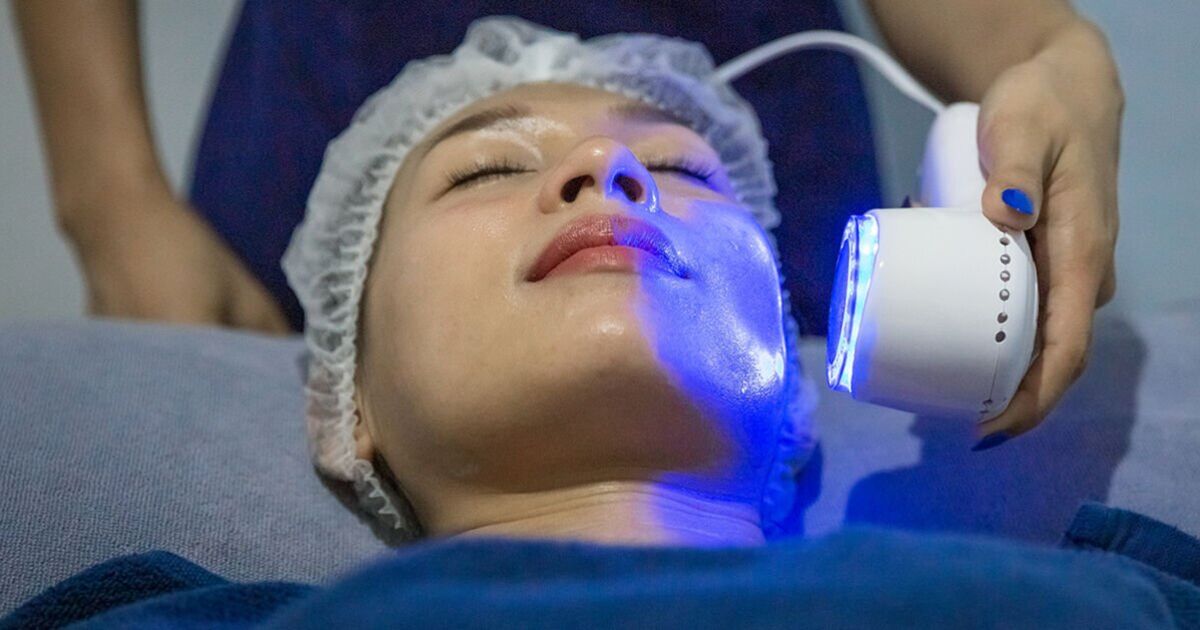
Light therapy, also known as phototherapy, utilizes specific wavelengths of light to interact with photoreceptors in the body. This interaction triggers biological responses, including the regulation of circadian rhythms and the production of hormones like melatonin. Visible light, near-infrared light, and ultraviolet light are commonly used. For example, blue light therapy is used to treat certain skin conditions, while red light therapy is used for wound healing and pain relief.
These applications leverage the specific wavelengths to stimulate or inhibit cellular processes.
While light therapy holds promise for some conditions, it’s highly unlikely to replace brain surgery anytime soon. The complexity of the human brain, and the intricate surgical procedures required for certain interventions, make a simple light therapy alternative seem improbable. However, focusing on holistic approaches to managing your mental health, like the strategies discussed in managing your mental health with hidradenitis suppurativa , can be incredibly beneficial.
Ultimately, a combination of targeted treatments, and a strong support system, is often the best path toward well-being, even in the face of serious medical challenges like those related to brain surgery.
Brain Surgery Procedures and Purposes
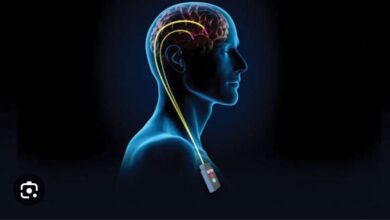
Brain surgery encompasses a wide array of procedures, each tailored to address specific neurological conditions. Craniotomies, for instance, involve opening a small section of the skull to access and treat intracranial lesions. Stereotactic radiosurgery precisely targets brain tumors or lesions using radiation beams. Other procedures include deep brain stimulation (DBS) which involves implanting electrodes to regulate specific brain regions.
Each procedure is aimed at alleviating symptoms, removing tumors, or repairing damaged tissue. The purpose of each procedure is to alleviate neurological dysfunction, reduce pain, or remove abnormal tissue.
Historical Context of Both Therapies
The use of light to treat ailments dates back to ancient civilizations. While not fully understood in the modern context, historical accounts suggest the use of sunlight and other natural light sources for therapeutic purposes. Early brain surgery, though rudimentary by modern standards, was performed to address traumatic brain injuries and some intracranial lesions. The advancements in both light therapy and brain surgery have been gradual, driven by new discoveries in biology, physics, and engineering.
Comparison of Light Therapy and Brain Surgery
| Method | Purpose | Target | Limitations |
|---|---|---|---|
| Light therapy | Stimulate cellular activity, regulate neurotransmitters, and modify biological processes. | Various cells and tissues in the body, often targeting specific neurobiological pathways. | Limited efficacy for severe neurological conditions, potential for skin irritation or phototoxicity, and difficulty in targeting deep brain structures. |
| Brain surgery | Remove tumors, repair damaged tissue, and alleviate neurological dysfunction. | Specific brain structures and lesions, requiring direct access to the brain. | Invasive procedure, risk of complications such as infection, bleeding, or neurological damage, and may not be suitable for all patients. |
Current Capabilities of Light Therapy
Light therapy, also known as photobiomodulation, utilizes specific wavelengths of light to stimulate cellular processes. While promising for various ailments, its application in treating neurological conditions is still evolving, with current capabilities having limitations in addressing complex disorders. This section delves into the current state of light therapy technology, its limitations, and specific neurological applications.
Current State of Light Therapy Technology
Currently, light therapy devices are being employed to stimulate tissue regeneration and potentially alleviate symptoms of some neurological conditions. The technology involves exposing targeted brain regions to precise wavelengths of light, triggering biochemical reactions that may promote healing or reduce inflammation. The effectiveness of light therapy in these applications remains a subject of ongoing research and clinical trials.
Limitations of Light Therapy in Addressing Complex Brain Disorders
While light therapy shows promise, it faces limitations in addressing complex brain disorders. These limitations include the difficulty in delivering light to deep brain structures effectively, the variability in patient responses, and the lack of standardized protocols for treatment. Further research is needed to optimize treatment protocols and to understand the mechanisms through which light therapy influences neurological function.
Specific Neurological Conditions Where Light Therapy is Currently Used
Light therapy is being explored as a potential treatment for a variety of neurological conditions. Initial studies suggest its application in treating mild cognitive impairment, stroke recovery, and some forms of neuropathic pain. Clinical trials are ongoing to determine its effectiveness and safety in a wider range of conditions.
Types of Light Therapy Devices and Their Applications
The table below Artikels various light therapy devices and their potential applications, highlighting their specific wavelengths and treatment durations. Note that the information provided is based on current research and may not reflect all possible applications. Further research and clinical trials are essential for establishing standardized protocols.
| Device Type | Wavelength (nm) | Target Area | Treatment Duration |
|---|---|---|---|
| Near-Infrared Light Therapy Device (LED-based) | 630-950 | Specific brain regions, scalp | Variable, typically 10-30 minutes per session, multiple sessions |
| Transcranial Photobiomodulation (tPBM) Device | 630-1064 | Specific brain regions, skull | Variable, typically 10-30 minutes per session, multiple sessions |
| Diffuse Optical Tomography (DOT) device | 650-1000 | Brain tissue | Variable, typically 15-45 minutes per session, multiple sessions |
| Laser-based device | 808, 980 | Specific brain regions, deep tissue | Variable, depending on the application |
Potential Benefits of Light Therapy: Will Light Therapy Ever Replace Brain Surgery
Light therapy, a non-invasive approach, holds immense promise for treating various brain disorders. Its mechanisms, often involving the modulation of neurotransmitter release and neuronal activity, suggest potential benefits beyond simple symptom relief. This exploration delves into the potential advantages of light therapy for brain functions, compares its effectiveness to other treatments, and discusses the possibility of personalized protocols.Light therapy’s ability to influence brain activity offers a unique opportunity to address a wide range of neurological and psychiatric conditions.
Its non-invasive nature and relative safety profile make it an attractive alternative to more invasive treatments. However, the effectiveness of light therapy varies considerably depending on the specific condition and the individual patient.
Potential Benefits for Different Brain Functions
Light therapy can potentially impact diverse brain functions. For example, it may enhance cognitive function, improve mood regulation, and promote better sleep patterns. The specific mechanisms behind these effects are still under investigation, but the impact on neurotransmitter release and neuronal activity is a plausible explanation.
Comparison with Other Non-invasive Treatments
Compared to other non-invasive treatments like transcranial magnetic stimulation (TMS), light therapy offers a potentially simpler and more accessible approach. However, the effectiveness of both modalities can vary significantly depending on the specific condition and the individual patient. Further research is needed to fully determine the optimal treatment strategy for each individual.
Personalized Light Therapy Protocols
Personalized light therapy protocols can enhance treatment efficacy by tailoring the therapy to individual patient needs. Factors like the specific brain disorder, individual biological response, and environmental factors could all influence the optimal light parameters. This approach allows for a more precise and effective intervention. For instance, adjusting the wavelength, intensity, and duration of light exposure could optimize the therapeutic effect.
Potential Benefits and Limitations of Light Therapy for Different Brain Conditions
| Condition | Benefit | Limitation | Supporting Evidence |
|---|---|---|---|
| Depression | Potentially improves mood and reduces depressive symptoms. May be a complementary treatment to existing therapies. | Effectiveness can vary greatly between individuals. May not be sufficient as a sole treatment for severe cases. | Studies have shown some positive effects in reducing symptoms of depression, although more research is needed. |
| Alzheimer’s Disease | May improve cognitive function and slow the progression of the disease in some individuals. | Limited evidence of long-term efficacy. May require ongoing therapy. | Some preclinical studies suggest potential benefits, but larger, controlled human trials are necessary. |
| Attention-Deficit/Hyperactivity Disorder (ADHD) | May improve focus and attention span in some individuals. Potential for complementary use. | May not be effective for all individuals. Potential interactions with existing medications need further study. | Limited clinical trials exist, but preliminary findings suggest some benefit in specific cases. |
| Sleep Disorders | May improve sleep quality and regulate sleep-wake cycles. Potential for reducing insomnia. | Effectiveness may be influenced by the specific sleep disorder. May require adjustments to light parameters. | Studies show promise for treating certain sleep disorders, but more comprehensive research is required. |
Limitations of Light Therapy
Light therapy, while showing promise in treating various conditions, faces significant limitations when applied to severe neurological disorders. Its effectiveness hinges on factors like the specific condition, the severity of the symptoms, and the individual’s response. A crucial understanding of these limitations is vital to realistic expectations and appropriate application of this emerging treatment modality.
Limitations in Treating Severe Neurological Conditions
Light therapy’s effectiveness is often restricted by the complex nature of severe neurological conditions. The intricate pathways and structures within the brain pose challenges for light to penetrate and effectively interact with affected regions. For example, deep-seated lesions or tumors might be inaccessible to light’s therapeutic influence. Furthermore, the intricate neural networks affected by conditions like Alzheimer’s or Parkinson’s disease present a considerable obstacle in achieving targeted and measurable therapeutic outcomes.
While light therapy shows promise in treating certain conditions, it’s highly unlikely to ever fully replace brain surgery. To best understand your options and potential benefits of any treatment, preparing for a meeting with a clinical trials research coordinator or doctor is crucial. Knowing what questions to ask and how to articulate your concerns will be key to a productive discussion.
For example, you can review how should i prepare for a meeting with the clinical trials research coordinator or doctor to help prepare. Ultimately, the decision of which treatment path is best rests on a multitude of factors specific to each individual case, not just on the potential of light therapy.
Safety Concerns and Potential Side Effects
Light therapy, while generally considered safe, carries potential side effects, especially when used improperly or in high doses. Phototoxicity, a reaction to light exposure, can manifest as skin irritation, inflammation, or even burns, depending on the type and intensity of light used. Further, prolonged or excessive exposure to specific wavelengths could potentially lead to retinal damage. Careful monitoring and appropriate safety measures are crucial during treatment.
Difficulties in Precisely Targeting Specific Brain Areas
Precisely targeting specific brain areas with light remains a significant challenge. The skull and brain tissue present inherent obstacles to directing light beams with pinpoint accuracy. The diffuse nature of light within the brain means that energy is dispersed across a broader area, potentially affecting healthy tissue along with the targeted area. Current techniques for delivering light, while advancing, are still limited in their ability to precisely sculpt the light’s impact.
This lack of precision can be a major impediment to treating complex neurological conditions.
Summary of Safety Concerns and Potential Risks
| Type of Light | Potential Risk | Severity | Mitigation Strategies |
|---|---|---|---|
| Near-Infrared (NIR) | Skin irritation, mild inflammation | Low to Moderate | Lowering light intensity, shorter treatment duration, frequent breaks, and close monitoring of skin reactions. |
| Visible Light (e.g., Red, Blue) | Phototoxicity, retinal damage (with high intensity) | Moderate to High | Careful control of light wavelength, intensity, and exposure time. Use of protective eyewear, thorough patient education, and regular eye exams. |
| Ultraviolet (UV) | Severe skin burns, DNA damage | High | Avoidance of UV light therapy, use of specialized filters, and stringent safety protocols. |
Potential for Future Development
The burgeoning field of light therapy presents exciting possibilities for advancing healthcare beyond its current capabilities. While its current applications are promising, significant advancements in technology and combined therapies could unlock a wider range of potential benefits. This exploration delves into the exciting future of light therapy, considering its integration with other therapeutic modalities and its potential applications.
Advancements in Light Therapy Technology
Light therapy devices are constantly evolving. Future iterations may incorporate more precise targeting mechanisms, allowing for localized and controlled delivery of specific wavelengths. This enhanced precision could minimize side effects and maximize therapeutic efficacy. Moreover, advancements in light-emitting diodes (LEDs) and other light sources could lead to more efficient energy use and potentially lower costs. Innovations in wearable devices and integration with existing medical equipment could also revolutionize accessibility and implementation.
Combining Light Therapy with Other Therapies
The potential for combining light therapy with other therapeutic approaches is substantial. Imagine integrating light therapy with existing neurological treatments, such as medication or physical therapy, to create a more comprehensive approach to recovery. Combining light therapy with electrotherapy, for example, could potentially enhance neural stimulation and tissue regeneration, offering a powerful synergy for treating neurological disorders. The combination of light therapy and pharmacological interventions could fine-tune treatment protocols, leading to personalized medicine approaches.
Potential Future Applications of Light Therapy
Light therapy’s potential applications extend beyond its current use in treating skin conditions and seasonal affective disorder. Future applications could include: treating neurodegenerative diseases like Parkinson’s and Alzheimer’s, improving recovery from strokes and traumatic brain injuries, and even treating mental health disorders like depression and anxiety. Further research could reveal previously unrecognized applications, opening new avenues for treatment and care.
Table of Potential Future Developments in Light Therapy
| Development | Mechanism | Application | Expected Outcome |
|---|---|---|---|
| Targeted Light Delivery Systems | Advanced optical fibers and focused light sources to deliver light energy to specific brain regions. | Treating neurological disorders like Parkinson’s disease by stimulating specific neural pathways. | Increased treatment efficacy and reduced side effects by minimizing light exposure to non-target areas. |
| Combined Light and Electrical Stimulation | Simultaneous application of light and electrical impulses to enhance neural signaling and tissue repair. | Promoting nerve regeneration after spinal cord injuries or stroke. | Accelerated recovery and improved functional outcomes compared to single-modality treatments. |
| Personalized Light Therapy Protocols | Tailoring light therapy parameters (wavelength, intensity, duration) based on individual patient characteristics. | Optimizing treatment for various neurological conditions and reducing the risk of adverse reactions. | Enhanced treatment efficacy and personalized care plans for patients with specific conditions. |
| Integration with Brain-Computer Interfaces (BCIs) | Real-time monitoring of brain activity to adjust light therapy parameters in response to the patient’s needs. | Improving treatment outcomes in patients with epilepsy by dynamically modulating light stimulation based on seizure activity. | Improved seizure control and reduced frequency of seizures, leading to better quality of life for patients. |
Ethical Considerations
Light therapy, while promising, raises significant ethical concerns that need careful consideration before widespread adoption as a brain treatment alternative to surgery. These concerns span patient safety, equitable access to care, and the potential for misapplication. A thorough understanding of these issues is crucial to ensure responsible development and implementation of this novel therapeutic approach.
Ethical Implications of Using Light Therapy as an Alternative Treatment
The ethical implications of using light therapy as a substitute for brain surgery hinge on several factors. One key concern is the potential for harm if light therapy proves insufficient to address the underlying neurological issue. A failure to achieve the desired outcome could leave patients with a compromised condition, potentially leading to long-term disabilities. This risk necessitates rigorous clinical trials and ongoing monitoring to establish the efficacy and safety of light therapy for specific neurological conditions.
Furthermore, the financial burden on patients and healthcare systems must be considered.
Potential Impact on Healthcare Accessibility and Affordability
Light therapy’s potential to lower the cost of brain treatments could be a significant benefit. However, this affordability hinges on the technology’s scalability and cost-effectiveness. If the technology proves expensive to produce or maintain, the potential cost savings might not materialize, potentially widening the existing healthcare disparities. Equitable access to light therapy treatments is also crucial. Ensuring that marginalized communities have equal access to this technology, regardless of socioeconomic status or geographic location, is a critical ethical consideration.
Importance of Informed Consent and Patient Safety in Light Therapy Treatments
Informed consent is paramount in any medical procedure. Patients undergoing light therapy must be fully aware of the potential risks and benefits, including the possibility of incomplete treatment or adverse reactions. The potential for long-term effects of light therapy is still largely unknown. This uncertainty necessitates comprehensive and ongoing research to fully understand the impact of this treatment.
Transparency and open communication between healthcare providers and patients are essential for informed decision-making.
Ethical Considerations and Challenges Table
| Ethical Concern | Potential Impact | Mitigation Strategies | Relevant Legislation |
|---|---|---|---|
| Potential for insufficient treatment | Patients may experience worsened neurological conditions, leading to long-term disability. | Rigorous clinical trials with diverse patient populations, ongoing monitoring, and clear guidelines for treatment protocols. | Regulations on medical device approval and clinical trial procedures. |
| Cost and accessibility | Light therapy might be unaffordable for many, exacerbating healthcare disparities. | Research into cost-effective production and maintenance of the technology, and public funding for access programs. | Affordable Care Act (ACA) provisions, state-level regulations on healthcare access. |
| Lack of long-term safety data | Unforeseen complications could emerge over time. | Longitudinal studies, continuous monitoring of patients, and mandatory reporting systems for adverse events. | Regulations on post-market surveillance and data collection for medical devices. |
| Misinterpretation of results | Inappropriate application of light therapy could lead to further complications. | Strict adherence to established treatment protocols, standardized training for medical professionals, and transparent guidelines. | Medical licensing requirements, professional standards for medical practices. |
Comparison with Brain Surgery
Light therapy and brain surgery represent vastly different approaches to treating neurological conditions. While both aim to improve brain function, their mechanisms, invasiveness, and potential outcomes vary significantly. This comparison delves into the key differences, evaluating their effectiveness, cost, and recovery timelines.The decision between these two modalities hinges on a variety of factors specific to each patient’s condition and preferences.
While light therapy holds promise for various conditions, it’s unlikely to ever fully replace brain surgery. The complexity of neurological issues often requires precision and direct intervention that light therapy simply can’t replicate. However, exploring complementary therapies like does alternate day fasting really work might play a supportive role in recovery. Ultimately, the future of light therapy in treating neurological disorders remains to be seen, but it won’t be a replacement for the precision of surgical intervention.
Consideration of the risks and benefits of each method is crucial in making an informed choice.
Effectiveness
Light therapy, using specific wavelengths of light, aims to stimulate neural pathways and potentially alleviate symptoms of certain conditions. The exact mechanisms through which light therapy influences brain function are still under active investigation, but studies suggest its efficacy in treating mood disorders, sleep disturbances, and certain neurological conditions. However, the effectiveness of light therapy is highly dependent on the specific condition and the individual’s response.Brain surgery, on the other hand, offers more direct intervention on the brain.
Neurosurgical procedures can address structural abnormalities, tumors, or lesions, offering potentially significant improvement or cure for a wide range of neurological conditions. However, surgical intervention carries substantial risks and may not be suitable for all patients.
Cost
Light therapy devices and treatment sessions are generally less expensive than surgical procedures. The cost of light therapy equipment can vary depending on the complexity of the device and its features, but it typically involves lower upfront costs and ongoing treatment costs.Surgical procedures, encompassing preoperative evaluations, surgical interventions, and postoperative care, involve considerably higher costs. These costs often include hospital stays, anesthesiologists, surgical staff, and potentially specialized medical equipment.
Invasiveness
Light therapy is a non-invasive treatment method. No physical incision or manipulation of the brain is required. This minimal invasiveness translates to a lower risk of complications.Brain surgery is an invasive procedure. It involves opening the skull, potentially manipulating brain tissue, and creating incisions within the body. This invasiveness increases the risk of complications such as infection, bleeding, and nerve damage.
Risks and Benefits
Light therapy, while generally safe, may have side effects like mild skin reactions or eye irritation. The potential benefits are varied, depending on the condition being treated. The long-term effects of light therapy are still being studied.Brain surgery, while offering the potential for significant improvements, carries risks of complications, including infection, bleeding, stroke, and neurological damage. The potential benefits are generally more pronounced and rapid, but the procedure itself is far more invasive and complex.
Recovery Times
Recovery time for light therapy is generally shorter than for brain surgery. Patients typically experience minimal discomfort and can return to normal activities relatively quickly.Recovery from brain surgery can be significantly longer, ranging from weeks to months, depending on the complexity of the procedure and the individual’s response. Patients may experience pain, swelling, and other post-operative complications requiring extended rehabilitation.
Comparison Table
| Criteria | Light Therapy | Brain Surgery | Conclusion |
|---|---|---|---|
| Effectiveness | Potentially effective for certain conditions, but effectiveness varies | Potentially highly effective for specific conditions, but limited by surgical feasibility | Effectiveness depends on the specific condition and individual response. |
| Cost | Generally lower | Generally higher | Light therapy typically has lower upfront and ongoing costs. |
| Invasiveness | Non-invasive | Highly invasive | Light therapy is less invasive and carries lower risk. |
| Risks | Generally low; potential for mild skin or eye irritation | Higher risk of complications, including infection, bleeding, and neurological damage | Surgical procedures carry more significant risk. |
| Recovery Time | Generally shorter | Generally longer | Recovery from light therapy is typically faster. |
Case Studies and Examples
Light therapy, while promising, requires careful evaluation of its effectiveness in diverse neurological conditions. Real-world case studies provide valuable insights into its practical applications and limitations, helping to shape future research and clinical practice. These examples, meticulously documented, allow us to understand the nuances of light therapy’s impact and its potential role in the management of neurological disorders.Case studies offer a concrete way to assess the efficacy of light therapy, going beyond theoretical predictions and exploring its practical implications.
By analyzing patient responses and outcomes, we can identify specific situations where light therapy proves beneficial and pinpoint potential challenges or limitations.
Case Studies in Depression, Will light therapy ever replace brain surgery
Light therapy, particularly phototherapy, has demonstrated effectiveness in treating seasonal affective disorder (SAD) and other depressive episodes. Case studies show varying responses, depending on individual factors and the severity of the condition. Some individuals experience significant improvement in mood and reduced depressive symptoms after a few weeks of consistent light therapy.
- A 30-year-old woman diagnosed with SAD reported significant improvement in mood and energy levels after eight weeks of daily light therapy. Her symptoms, which typically worsened during the winter months, were substantially mitigated. This case highlights the potential of light therapy in managing SAD.
- Conversely, a 45-year-old man with chronic depression experienced only minor improvements in mood following the same treatment protocol. Factors like the severity of the underlying depression and the presence of co-morbidities may have contributed to the limited response. This demonstrates that not all patients will respond equally to light therapy.
Case Studies in Neurological Disorders
Light therapy’s application extends beyond mood disorders. While less studied in conditions like Parkinson’s disease or multiple sclerosis, some case studies suggest potential benefits.
- A study of patients with mild Parkinson’s disease explored the effects of specific wavelengths of light on motor function. Results indicated a slight improvement in gait speed and reduced tremors in some participants, suggesting a possible role for light therapy in alleviating motor symptoms. However, further research is needed to confirm these findings and determine the optimal treatment protocols.
Summary Table of Case Studies
| Patient Profile | Treatment Protocol | Outcome | Limitations |
|---|---|---|---|
| 30-year-old female, SAD | 8 weeks daily light therapy | Significant improvement in mood and energy | None reported |
| 45-year-old male, chronic depression | 8 weeks daily light therapy | Minor improvement in mood | Potential co-morbidities, severity of depression |
| Patient with mild Parkinson’s | Specific wavelength light therapy | Slight improvement in gait speed and reduced tremors | Limited sample size, further research needed to confirm |
Final Review
Ultimately, the answer to whether light therapy will replace brain surgery remains complex. While light therapy demonstrates potential in specific applications and holds promise for non-invasive treatments, it’s currently not a viable replacement for the precision and effectiveness of brain surgery in many complex cases. The future likely lies in a complementary relationship, where light therapy enhances existing treatments or emerges as a primary intervention for certain disorders.
Ethical considerations, safety concerns, and the ongoing need for rigorous research will play crucial roles in shaping the future trajectory of this exciting field.