2 hours dehydration can affect body and brain, impacting everything from physical performance to cognitive function. This isn’t just about feeling a little sluggish; prolonged dehydration can lead to noticeable and potentially serious consequences. Understanding how our bodies react to even a moderate lack of water is crucial for maintaining overall health and well-being, especially during demanding activities.
This article delves into the multifaceted effects of dehydration over a 2-hour period, exploring the physiological and cognitive consequences, and outlining preventive measures to maintain optimal hydration.
Impact on Physical Function
Two hours of dehydration can have significant, negative impacts on various bodily functions, particularly concerning physical performance and overall well-being. The body’s complex systems, particularly the cardiovascular and muscular systems, are vulnerable to disruption when water levels drop. Understanding these effects is crucial for maintaining optimal health and preventing adverse outcomes, especially during prolonged physical activity.
Physiological Effects of Dehydration
Dehydration, even for a relatively short period like two hours, can trigger a cascade of physiological changes. Reduced blood volume is a primary consequence, impacting blood pressure and circulation. This reduction in circulating blood volume can lead to decreased delivery of oxygen and nutrients to the tissues, impacting metabolic processes and potentially causing fatigue. The body’s core temperature regulation mechanisms also become compromised, leading to an increased risk of heat-related illnesses, even in relatively mild environments.
Impact on the Cardiovascular System
Two hours of dehydration can significantly impact the cardiovascular system. Decreased blood volume leads to a rise in blood viscosity (thickness). This thickened blood increases the strain on the heart, requiring it to work harder to pump blood throughout the body. Consequently, heart rate may increase, and blood pressure may fluctuate. This increased cardiovascular workload can be particularly dangerous for individuals with pre-existing cardiovascular conditions.
For instance, someone with hypertension may experience a more pronounced rise in blood pressure, potentially leading to complications.
Impact on Muscle Function and Performance
Dehydration directly affects muscle function and performance. Reduced blood volume results in decreased blood flow to muscles, hindering the delivery of oxygen and nutrients essential for optimal muscle contraction. This decreased blood flow can lead to fatigue and a reduction in strength and endurance. Electrolyte imbalances, often a consequence of dehydration, can further exacerbate muscle cramps and fatigue, especially during strenuous activity.
Examples of Impaired Performance
Two hours of dehydration can significantly impair performance in various physical activities. A runner might experience early fatigue and decreased speed during a long-distance race. A construction worker engaged in heavy labor could experience muscle cramps and decreased strength, increasing the risk of injury. Even a seemingly simple activity like playing tennis or basketball could be affected, with reduced agility and endurance.
The extent of the impairment depends on individual factors such as hydration levels before the activity, the intensity and duration of the activity, and environmental conditions.
Even just two hours of dehydration can really impact your body and brain, making you feel sluggish and less focused. It’s amazing how much our bodies need hydration, especially when juggling everything life throws at us. This is particularly true when you consider the incredible demands on a mother’s body, like the ones explored in this beautiful piece on what makes motherhood beautiful.
The physical and mental toll of motherhood highlights the importance of staying properly hydrated, and how crucial it is to prioritize that hydration. Ultimately, staying hydrated is vital for navigating the challenges of everyday life, and avoiding the negative effects of even short-term dehydration.
Effects on Different Age Groups
| Age Group | Impact of 2-hour Dehydration |
|---|---|
| Infants and young children | Dehydration can lead to severe consequences for infants and young children due to their smaller size and higher metabolic rates. Symptoms can manifest rapidly, potentially leading to heatstroke or other serious conditions. |
| Adolescents | Adolescents are particularly vulnerable due to their growing bodies and potentially less awareness of hydration needs. Dehydration can impair athletic performance and cognitive function. |
| Adults | Adults may experience fatigue, reduced strength, and decreased endurance with two hours of dehydration. This can significantly impact their ability to perform daily tasks and engage in physical activities. |
| Elderly | Elderly individuals may experience more severe and rapid effects of dehydration due to age-related changes in fluid regulation. This can lead to confusion, dizziness, and even loss of consciousness. |
Effects on Various Physical Activities
| Physical Activity | Impact of 2-hour Dehydration |
|---|---|
| Marathon Running | Reduced endurance, early onset of fatigue, potential for heatstroke, and slower pace. |
| Weightlifting | Reduced strength and power output, increased risk of muscle cramps, and decreased ability to maintain intensity. |
| Cycling | Decreased endurance and stamina, potential for heat-related illnesses, and reduced speed. |
| Team Sports | Decreased agility, reaction time, and overall coordination, increased susceptibility to injuries. |
Impact on Cognitive Function: 2 Hours Dehydration Can Affect Body And Brain
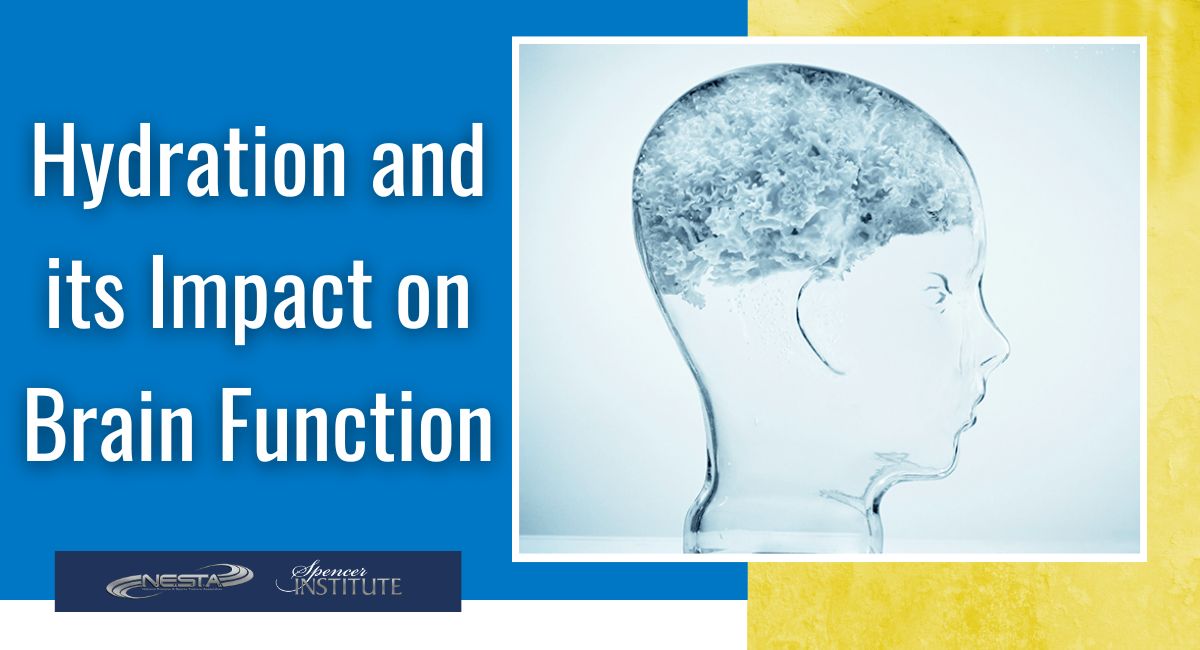
Two hours of dehydration can significantly impair cognitive function, impacting various mental processes crucial for daily life. The brain, a highly complex organ, relies heavily on water for optimal function. Even mild dehydration can disrupt its delicate chemical balance, leading to noticeable changes in mental acuity and performance. This section delves into the specific ways dehydration affects cognitive processes.
Effects on Memory and Attention
Dehydration negatively impacts memory and attention. Reduced blood flow to the brain, a consequence of dehydration, limits the delivery of essential nutrients and oxygen. This, in turn, can hinder the brain’s ability to encode and retrieve information, leading to decreased memory performance. Similarly, attention span suffers due to the reduced efficiency of neural communication.
Impact on Brain Function in General
The brain’s functionality is heavily reliant on water. Water is a crucial component in maintaining the structure and function of brain cells. Dehydration can lead to a decrease in cerebral blood flow, impacting the delivery of essential nutrients and oxygen to the brain tissue. This can result in a range of cognitive impairments, affecting various cognitive functions.
Moreover, dehydration can alter the electrolyte balance within the brain, affecting the transmission of nerve impulses. This disruption in communication can lead to decreased mental alertness, impaired decision-making, and slowed reaction time.
Relationship Between Dehydration and Reduced Mental Acuity
A direct correlation exists between dehydration and reduced mental acuity. As water levels in the body decrease, the brain’s efficiency in processing information diminishes. This reduction in mental sharpness is observable in tasks requiring concentration, memory recall, and problem-solving. For instance, a dehydrated individual may struggle to remember details from a recent conversation or find it challenging to focus on a complex task.
Cognitive Tasks Most Affected by Dehydration
Certain cognitive tasks are more susceptible to the detrimental effects of dehydration. Tasks requiring sustained attention, such as reading complex material or engaging in a lengthy conversation, may be significantly impaired. Memory-intensive tasks, such as recalling a series of events or remembering lists of items, also show a higher vulnerability. Problem-solving tasks demanding multiple steps and complex reasoning are likely to be affected.
Effects on Reaction Time
Dehydration directly impacts reaction time. Reduced blood flow and impaired neural communication lead to a slower response to stimuli. This is particularly relevant in activities requiring quick reflexes, such as driving or participating in sports. A dehydrated individual may exhibit a noticeable delay in reacting to unexpected events.
Cognitive Performance Comparison
| Characteristic | Well-Hydrated Individual | Dehydrated Individual |
|---|---|---|
| Attention Span | Sustained focus on tasks | Reduced attention span, difficulty concentrating |
| Memory Recall | Accurate and efficient recall of information | Difficulty recalling information, decreased memory accuracy |
| Reaction Time | Quick and precise response to stimuli | Slower and less accurate response to stimuli |
| Problem-Solving | Effective and efficient problem-solving | Difficulty in complex problem-solving, impaired logical reasoning |
Impact on Problem-Solving Abilities
Dehydration negatively affects problem-solving abilities, particularly those requiring complex reasoning and multiple steps. The reduced mental acuity and slowed processing speed associated with dehydration can significantly hinder the individual’s ability to identify patterns, formulate solutions, and evaluate potential outcomes. This impact can be seen in tasks like solving puzzles, deciphering complex instructions, or making strategic decisions.
Dehydration Symptoms and Warning Signs
Dehydration, even after a relatively short period like two hours, can lead to a range of physical and cognitive changes. Understanding the symptoms and warning signs is crucial for recognizing and addressing the issue promptly. Mild dehydration can initially manifest subtly, but ignoring early indicators can escalate the problem.Recognizing the specific symptoms and warning signs of dehydration within the first two hours is vital for taking timely action.
The intensity of these symptoms directly correlates with the degree of dehydration. Early intervention can significantly mitigate the negative impacts on both physical and cognitive function.
Specific Symptoms After 2 Hours of Dehydration
Early symptoms of dehydration after two hours may include mild thirst, dry mouth, and decreased urine output. These initial indicators often go unnoticed or are dismissed as minor discomfort. However, these subtle signs are important early warnings that should not be ignored. They can escalate if not addressed promptly.
Common Warning Signs of Significant Dehydration (2 Hours)
Beyond mild symptoms, significant dehydration within two hours can manifest with more noticeable warning signs. These include dizziness, lightheadedness, headache, fatigue, and muscle cramps. These signs are more pronounced than the initial symptoms and warrant immediate attention. Dehydration’s impact on the body’s systems becomes progressively more pronounced.
Relationship Between Dehydration Severity and Symptom Intensity
The severity of dehydration directly influences the intensity of the symptoms. Mild dehydration, often marked by initial symptoms, can be effectively managed with rehydration. However, prolonged or significant dehydration will exhibit more intense symptoms, potentially leading to more serious complications. The progressive nature of dehydration’s impact underscores the importance of prompt intervention.
Progressive Dehydration Symptoms Within 2 Hours, 2 hours dehydration can affect body and brain
| Stage of Dehydration (Approximate Time) | Symptoms |
|---|---|
| Mild (First 30-60 minutes) | Thirst, dry mouth, decreased urine output, mild fatigue. |
| Moderate (60-90 minutes) | Increased thirst, dizziness, headache, lightheadedness, muscle cramps, dry skin, decreased energy. |
| Severe (90-120 minutes) | Severe headache, confusion, rapid heartbeat, low blood pressure, sunken eyes, difficulty concentrating, loss of consciousness (in extreme cases). |
Recognizing Early Warning Signs of Dehydration
Paying attention to the early warning signs is crucial for prompt intervention. These early signs include thirst, dry mouth, decreased urination, fatigue, and dizziness. These signs, if noticed and addressed early, can prevent the progression to more severe dehydration. Consistent monitoring of these early indicators can greatly improve outcomes.
Mitigation Strategies and Prevention
Staying hydrated is crucial, especially during a 2-hour period, whether you’re engaging in physical activity or simply going about your day. Proper hydration supports numerous bodily functions, from regulating body temperature to transporting nutrients. Neglecting hydration can lead to reduced performance, impaired cognitive function, and even health complications. This section will detail effective strategies to prevent dehydration and maintain optimal hydration levels over a 2-hour period.
Strategies for Preventing Dehydration
Preventing dehydration requires proactive measures. Consistent fluid intake throughout the day, particularly leading up to the 2-hour period, is essential. It’s not just about drinking water; understanding your body’s needs is key.
- Hydration Habits Leading Up to the 2-Hour Period: Establish a habit of drinking water throughout the day. Aim for a consistent intake, not just large amounts before or during the period. This gradual approach ensures your body is adequately hydrated, and you avoid the stress of over-hydrating. Carry a reusable water bottle to remind you to drink regularly.
- Pre-Hydration Strategies: Consume water or a sports drink with electrolytes in the hours leading up to the 2-hour period. This helps to load your body with the necessary fluids and electrolytes for optimal performance. Avoid sugary drinks, as they can actually contribute to dehydration in the long run.
Effective Methods for Maintaining Hydration
Maintaining hydration during a 2-hour period involves a strategic approach to fluid intake. This includes choosing appropriate beverages and understanding how your body reacts to different substances.
- Regular Fluid Intake: Sip water regularly throughout the 2-hour period, avoiding large gulps. Small, frequent sips allow your body to absorb fluids more effectively. This strategy is particularly crucial during physical activity.
- Strategic Beverage Choices: Opt for water as your primary hydration source. If engaging in strenuous activity, a sports drink can replenish lost electrolytes. Avoid sugary drinks, as they can lead to a temporary spike in blood sugar followed by a drop, potentially exacerbating dehydration.
Hydration Strategies During Physical Activity
Physical activity significantly increases fluid loss through sweat. Understanding this is key to maintaining hydration during exercise.
- Pre-Activity Hydration: Consume fluids beforehand to ensure you start the activity properly hydrated. A good rule of thumb is to drink 16-20 ounces of water 2-3 hours before exercise.
- Hydration During Activity: Continue drinking water or a sports drink during the activity, at regular intervals. Listen to your body and drink when thirsty. The frequency and amount will depend on the intensity and duration of the activity. For example, if you are participating in a 2-hour marathon, the need for hydration will be higher than if you are participating in a 2-hour walking tour.
- Post-Activity Rehydration: Replenish fluids and electrolytes after the activity. A sports drink or a mixture of water and electrolytes can be helpful.
The Role of Electrolytes in Maintaining Hydration Levels
Electrolytes, such as sodium, potassium, and magnesium, are crucial for maintaining fluid balance and nerve function. Their loss through sweat can lead to dehydration.
- Electrolyte Importance: Electrolytes play a vital role in regulating water distribution within the body. They are essential for nerve and muscle function, and for proper fluid balance. They are lost through sweat, particularly during prolonged or intense physical activity.
- Electrolyte Sources: Electrolytes can be obtained from various sources, including sports drinks, certain foods (bananas, milk), and electrolyte tablets.
Step-by-Step Guide to Staying Hydrated During a 2-Hour Period
A structured approach to hydration can significantly reduce the risk of dehydration.
- Pre-Hydration (1-2 hours before): Drink 16-20 ounces of water.
- Regular Sips (Throughout the 2-hour period): Sip water regularly, every 15-20 minutes.
- Adjust for Activity: If engaging in physical activity, drink a sports drink to replenish electrolytes.
- Post-Hydration (After the 2-hour period): Replenish fluids and electrolytes with water, sports drink, or a mixture.
Hydration Recommendations for Different Activities
The specific hydration needs depend on the type of activity and its intensity.
Two hours without fluids can really throw your body and brain off balance, impacting everything from focus to physical performance. Interestingly, just like how talking to babies in a simplified way, like having a conversation in baby talk can speed up infants language development , can boost their language skills, our bodies need consistent hydration to function optimally.
This dehydration can have significant consequences, making it harder to concentrate and perform well, just like how a lack of water can slow down our cognitive processes.
| Activity | Hydration Recommendation (per hour) |
|---|---|
| Light Activity (walking, gardening) | 16-20 ounces of water |
| Moderate Activity (hiking, cycling) | 20-24 ounces of water, or sports drink if needed |
| Strenuous Activity (running, marathon) | 24-32 ounces of water or sports drink; adjust based on sweat rate. |
Specific Populations and Dehydration

Two hours of dehydration can have significantly different impacts on various populations, particularly those with pre-existing health conditions, pregnant women, infants, and athletes. Understanding these variations is crucial for effective preventative measures and personalized hydration strategies. This section delves into the specific vulnerabilities of different groups and factors influencing the severity of dehydration’s effects.
Impact on Individuals with Pre-existing Health Conditions
Pre-existing conditions can dramatically alter an individual’s response to dehydration. Chronic diseases like diabetes, kidney disease, and heart conditions often impact fluid balance and electrolyte regulation. A two-hour period of dehydration can exacerbate these underlying issues, potentially leading to complications such as blood sugar fluctuations, decreased kidney function, or worsened heart function. For instance, individuals with diabetes may experience a more pronounced drop in blood sugar due to the body’s reduced ability to regulate blood glucose levels during dehydration.
Even two hours without fluids can seriously impact your little one’s body and brain function. Keeping toddlers hydrated is crucial, and sometimes that means finding creative ways to get them to drink more. Luckily, there are some amazing products to help toddlers sleep that can also subtly encourage hydration throughout the night products to help toddlers sleep.
This can be a game-changer for everyone, as proper hydration directly impacts their energy levels and overall well-being, which in turn can lead to fewer tantrums and more restful nights for all. So, while a few sips here and there are helpful, remember that consistent hydration is key for a healthy toddler.
Impact on Pregnant Women and Infants
Pregnancy and infancy are critical periods where hydration is paramount. Pregnant women require increased fluid intake to support the growing fetus and increased blood volume. Dehydration during pregnancy can lead to complications such as premature labor, low birth weight, and other adverse pregnancy outcomes. Infants, especially those breastfed, are highly susceptible to dehydration due to their relatively higher water content in relation to their body weight and their limited ability to regulate their own hydration.
Severe dehydration in infants can lead to significant health problems, including lethargy, reduced urine output, and even shock.
Impact of Dehydration on Different Age Groups
Susceptibility to dehydration varies significantly across different age groups within a two-hour timeframe. Infants and young children, due to their higher metabolic rates and smaller body size, are more vulnerable to the negative effects of dehydration. Older adults, on the other hand, often have decreased thirst sensations and may not recognize the signs of dehydration as readily, making them susceptible to dehydration even after a shorter period.
The elderly may have decreased kidney function or chronic conditions that affect their ability to regulate fluids.
Hydration Needs of Athletes During a 2-Hour Workout
Athletes engaged in intense physical activity, particularly during a two-hour workout, have significantly higher fluid needs compared to sedentary individuals. Sweating rates during exercise are considerably higher, leading to rapid fluid loss. Dehydration during a two-hour workout can negatively impact athletic performance, causing fatigue, reduced muscle strength, and impaired cognitive function. Proper hydration strategies, including pre-workout hydration and frequent fluid intake during exercise, are critical for maintaining performance and preventing injury.
Vulnerable Individuals to Dehydration
Several factors contribute to an individual’s vulnerability to dehydration within a two-hour period. These include individuals with certain medical conditions, those engaging in strenuous physical activity, and those in hot environments. For example, an elderly person with heart failure might be more vulnerable to dehydration’s effects than a healthy young adult. Similarly, a marathon runner training in the summer heat would have higher risks of dehydration compared to someone working indoors.
Individuals taking diuretics, experiencing vomiting or diarrhea, or those with a fever also fall into this category.
Factors Influencing Dehydration’s Impact
Several factors influence the severity of dehydration’s impact on different demographics. These include the individual’s overall health, the intensity and duration of physical activity, the ambient temperature, and the individual’s access to adequate hydration resources. For example, someone with a compromised immune system might experience more severe consequences from dehydration than someone with a healthy immune system. Furthermore, access to clean water and proper hydration facilities is crucial, especially for athletes and individuals in remote areas.
Illustrative Examples of Dehydration Impacts
Two hours of dehydration, while seemingly a short period, can significantly impact daily life, from simple tasks to complex professional activities. This impact varies based on individual factors, activity level, and environmental conditions. Understanding these examples can highlight the importance of staying properly hydrated throughout the day.Dehydration, even for a relatively short period like two hours, can subtly diminish physical and cognitive abilities, making everyday tasks more challenging.
The body and brain are highly sensitive to fluid balance, and a two-hour shortfall can manifest in decreased performance across various scenarios.
Impact on Daily Tasks
Two hours without adequate fluid intake can affect even seemingly simple tasks. For instance, concentrating on a demanding project or engaging in a mentally taxing activity can become more difficult. Basic motor skills, such as typing or writing, might be less precise and more cumbersome. The reduced blood volume can lead to fatigue and diminished physical endurance, making simple errands feel more exhausting.
This is especially true in warm weather or during intense physical activity.
Impact on Different Professions
The consequences of dehydration vary across different professions. A construction worker, for example, faces increased risks of heat exhaustion and muscle cramps during a two-hour period of physical exertion without proper hydration. A software developer, while not physically exerting themselves as much, might find their focus and concentration waning, potentially impacting their productivity and decision-making abilities. Likewise, a cashier dealing with a busy crowd may experience a decrease in alertness, affecting customer service quality.
Impact on Decision-Making and Critical Thinking
Even a moderate degree of dehydration can subtly impair cognitive function. This can manifest as slower reaction times, decreased attention span, and difficulty with complex problem-solving. Imagine a surgeon needing to make quick and accurate decisions during a critical procedure. Two hours without adequate hydration could significantly impair their ability to make sound judgments, potentially endangering the patient.
Similarly, a pilot or a train driver might experience impaired judgment and reaction time, leading to potentially dangerous situations.
Impact on Specific Environments
Environmental factors greatly influence the impact of dehydration. Working in a hot and humid environment, such as a factory or a construction site, dramatically amplifies the effects of dehydration. Even two hours without adequate water intake can lead to significant performance decrements and increased risk of heat-related illnesses. Similarly, athletes or outdoor enthusiasts during strenuous physical activity in hot conditions experience significant performance reduction due to fluid loss.
Impact on Work Environments
In various work environments, the impact of dehydration can be substantial. For example, in a call center, dehydration can affect communication skills, increasing the risk of misunderstandings and errors. In an office setting, dehydration can decrease focus, impacting productivity and increasing the likelihood of making mistakes. In a manufacturing setting, dehydration can cause fatigue and reduce the efficiency of the workforce.
Examples Demonstrating the Impact of Dehydration in Various Situations
Imagine a teacher trying to maintain focus and energy during a two-hour class period without proper hydration. The mental fatigue and potential for errors could negatively affect student learning. Or consider a truck driver on a long haul, needing to make critical decisions regarding route and rest stops. Two hours of dehydration could lead to slower reactions and impaired judgment, putting both the driver and other road users at risk.
Ultimate Conclusion
In conclusion, the effects of 2 hours of dehydration are significant and far-reaching, affecting physical function, cognitive abilities, and even daily tasks. Staying adequately hydrated is essential for optimal performance and well-being, especially during extended periods of activity or in challenging environments. By understanding the risks and implementing proactive hydration strategies, we can mitigate the negative impacts of dehydration and safeguard our health.