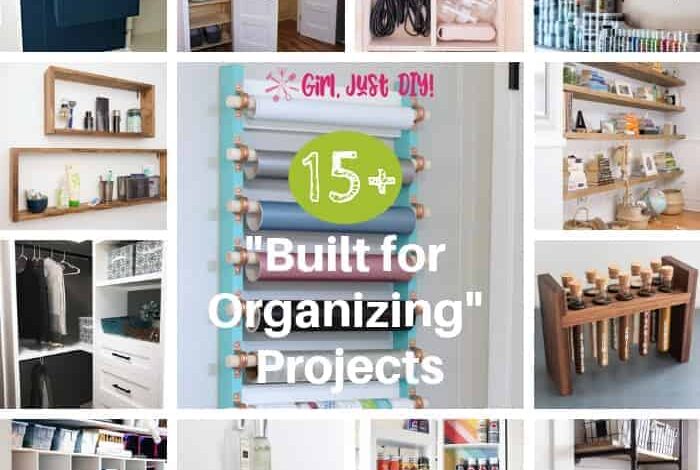
7 super satisfying nesting projects when all you want to do is organize. This guide dives deep into the joy of organizing, offering practical strategies and actionable steps for transforming cluttered spaces into havens of calm and efficiency. From drawers to digital files, we’ll explore seven projects, each designed to bring a sense of accomplishment and order to your home and workspace.
Imagine the satisfying feeling of a perfectly organized drawer, or the peace that comes with a streamlined bookshelf. These projects are more than just about tidying up; they’re about creating a more functional, beautiful, and stress-free environment. We’ll explore how these projects can enhance your well-being, providing practical steps and actionable tips for each, making the process as enjoyable as the results.
Introduction to Nesting Projects
Nesting projects, often associated with the satisfying feeling of organization, encompass a wide range of activities aimed at creating a more functional and aesthetically pleasing living space. These projects focus on decluttering and arranging items within specific areas of the home, from drawers and shelves to pantries and closets. The process itself often provides a sense of accomplishment and control, contributing to a calmer and more organized environment.The core of nesting projects lies in their ability to bring order and structure to often chaotic spaces.
By thoughtfully arranging items and decluttering, these projects improve both the physical and mental environment. This systematic approach helps reduce stress and fosters a sense of calm, making daily routines more manageable.
Types of Nesting Projects
Nesting projects cover various areas of the home, each offering a unique opportunity for organization. Examples include drawer organization, where items are categorized and stored efficiently, maximizing space and preventing clutter. Bookshelf organization focuses on arranging books, decorative items, and other objects to create a visually appealing and functional display. Pantry organization involves arranging food items, maximizing space and making it easier to find what you need.
Psychological Benefits of Organizing
Engaging in organizing activities has a range of positive psychological impacts. The act of decluttering and arranging items can lead to a sense of accomplishment and control, boosting self-esteem and reducing feelings of overwhelm. The visual appeal of an organized space can promote a sense of peace and tranquility, positively affecting mood and reducing stress.
Overview of 7 Satisfying Nesting Projects
These seven projects, designed to be easily achievable, offer a step-by-step approach to achieving a more organized and satisfying living space. The projects vary in scope and complexity, from organizing small drawers to tackling larger spaces like the pantry, allowing for customization and personal preference. Each project offers a satisfying feeling of accomplishment, enhancing a sense of calm and control.
Detailed Nesting Project List, 7 super satisfying nesting projects when all you want to do is organize
| Project Name | Description | Materials Needed | Estimated Time |
|---|---|---|---|
| Drawer Makeover | Organize and declutter drawers, creating a systematic arrangement of items. | Storage containers (various sizes), labels, cleaning supplies | 1-3 hours |
| Bookshelf Bliss | Arrange books, decorative items, and other objects on shelves, creating a visually appealing display. | Storage boxes, decorative items, cleaning supplies | 2-4 hours |
| Pantry Perfection | Organize food items, maximizing space and making it easier to find what you need. | Storage containers, labels, cleaning supplies | 2-5 hours |
| Closet Cleanout | Declutter and organize items in the closet, optimizing storage space and maximizing functionality. | Storage bins, hangers, cleaning supplies | 3-6 hours |
| Desk Sanctuary | Organize and declutter a workspace, creating a more focused and productive environment. | Storage containers, organizers, cleaning supplies | 1-3 hours |
| Spice Rack Symphony | Organize spices, maximizing space and creating an aesthetically pleasing display. | Spice jars, labels, organizers | 1-2 hours |
| Nightstand Nirvana | Organize and declutter nightstands, creating a more calming and functional bedside area. | Storage containers, organizers, cleaning supplies | 1-2 hours |
Drawer Bliss
Transforming your drawers from chaotic catch-alls to organized havens is a rewarding project. This meticulous approach to drawer organization can significantly improve your daily life by minimizing clutter and maximizing storage space. Efficient drawer systems contribute to a sense of calm and control, allowing you to find items quickly and easily.Drawer organization is not just about aesthetics; it’s about optimizing functionality.
By strategically arranging items and employing effective storage methods, you can significantly reduce stress and wasted time searching for misplaced items. This project focuses on achieving maximum efficiency and order within your drawers, making them both aesthetically pleasing and highly functional.
Categorizing and Storing Items
A well-organized drawer system begins with careful categorization. Group similar items together. For example, socks can be grouped by color or type, and kitchen utensils by function. This grouping simplifies retrieval and reduces the likelihood of items getting lost. Furthermore, consider using clear containers or bins to store smaller items.
This allows for visual organization and easier identification of contents. Color-coding containers can further enhance this visual organization system.
Drawer Dividers and Organizers
A variety of drawer dividers and organizers are available, each designed to maximize space and facilitate specific storage needs. Some common types include adjustable dividers, drawer organizers with compartments, and stackable containers. Adjustable dividers offer flexibility to accommodate various item sizes and types. Drawer organizers with compartments are ideal for organizing small items like jewelry, stationery, or makeup.
Stackable containers provide additional vertical space and can be used to store bulky items like toiletries or towels. Choosing the right dividers depends heavily on the specific contents of the drawer.
Essential Supplies
To successfully organize your drawers, gather the necessary supplies. These include:
- Clear containers or bins: These are crucial for storing smaller items, ensuring visual clarity and quick retrieval.
- Drawer dividers: Adjustable or fixed dividers provide structure and separate items within the drawer.
- Labeling supplies: Labels help identify the contents of containers and drawers, facilitating easy retrieval.
- Storage boxes: Larger boxes are useful for storing bulky or irregularly shaped items.
- Cleaning supplies: A thorough cleaning before and after organization is important to maintain hygiene.
Optimizing Drawer Space
Maximizing space within drawers involves careful planning and strategic placement. Utilize vertical space by stacking items neatly, and consider using tiered containers or organizers to create multiple levels within the drawer. Employing these techniques can significantly increase the drawer’s storage capacity. For instance, storing shoes in clear shoe containers can maximize space while maintaining a visually appealing and functional organization.
Drawer Types and Storage Solutions
Different drawer types require tailored storage solutions. The following table provides examples of various drawer types and recommended storage solutions:
| Drawer Type | Recommended Storage Solutions |
|---|---|
| Small Drawers (e.g., jewelry, makeup) | Small containers, dividers, tiered organizers |
| Large Drawers (e.g., linens, towels) | Stackable containers, drawer dividers, storage boxes |
| Deep Drawers (e.g., kitchen utensils, tools) | Stackable containers, drawer dividers, vertical organizers |
| Shallow Drawers (e.g., socks, underwear) | Drawer dividers, fabric organizers, small containers |
Shelf Savvy
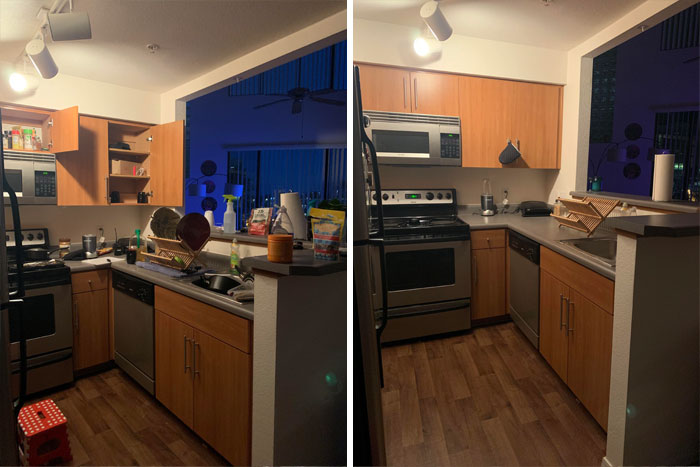
Organizing shelves can transform a space from cluttered to calm. Effective shelf organization isn’t just about tidiness; it’s about creating a visually appealing and functional environment. This project delves into strategies for maximizing shelf space, considering different shelf types and the aesthetic impact of arrangement. By understanding these principles, you can elevate your storage solutions to a new level of efficiency and beauty.A well-organized shelf system reflects your personal style and makes navigating your belongings easier.
It fosters a sense of order and tranquility, which is a key element in creating a welcoming and functional home.
Strategies for Organizing Shelves
Effective shelf organization begins with a plan. Consider the height and width of each shelf. Higher shelves are often better for items you don’t access frequently, while lower shelves are more practical for everyday use. Adjust your storage solutions to accommodate different needs.
Arranging Items on Shelves
The arrangement of items directly impacts the visual appeal of your shelves. Grouping similar items together creates a cohesive look. For instance, books can be arranged by color, size, or genre. Decorative items can be clustered in visually interesting ways. Varying heights and textures add depth and visual interest.
A combination of these elements can elevate the aesthetics of your shelves.
Visual Appeal in Shelf Organization
Visual appeal plays a crucial role in shelf organization. Consider the color scheme and texture of your items. Varying heights and textures create visual interest. A combination of these elements can elevate the aesthetics of your shelves. Use attractive storage solutions to enhance the presentation of your items.
Those 7 super satisfying nesting projects are all about organization, right? Sometimes, when you’re feeling the urge to declutter and organize, you might also be craving some delicious, healthy snacks. That’s why checking out the best paleo brands and products can be a fantastic way to fuel your nesting projects! best paleo brands and products offer a range of nutritious options to keep you energized while you tackle those organizing tasks.
After all, a well-organized space and a healthy body go hand-in-hand. So, keep those nesting projects going!
Storage Solutions for Books, Decor, and Other Items
Diverse storage solutions are essential for various shelf items. For books, consider using decorative bookends or stylish storage boxes. Decorative items can be displayed on trays or grouped on shelves. Utilize storage containers for smaller items to maintain order. Utilizing different storage solutions ensures that each item finds its designated place.
Different Shelving Unit Types
Various shelving unit types offer distinct organizational advantages. Open shelving allows for easy viewing and accessibility of items, but it may require more maintenance to keep clutter at bay. Closed shelving units provide privacy and protection for items, but they can limit visibility. Adjustable shelves offer flexibility in accommodating various item sizes and needs. Shelving units with different features cater to specific organizational needs.
Maximizing Shelf Space
Maximizing shelf space is key to effective organization. Utilize vertical space by stacking items strategically. Consider using stackable containers to store items in a compact manner. Use the entire shelf width by placing items in an organized pattern. These tips can maximize the available space and make the most of your storage solutions.
Shelf Material Comparison
| Shelf Material | Organizational Implications |
|---|---|
| Wood | Natural, warm aesthetic, can be easily customized with different finishes, durable and long-lasting. |
| Metal | Modern, sleek look, often provides more support and durability, especially in heavier storage scenarios. |
| Glass | Transparent and allows for easy viewing of items, visually appealing, can be delicate, may need extra protection for heavier items. |
| Plastic | Affordable, lightweight, easy to clean, can be molded into various shapes, may not have the same visual appeal as other materials. |
Project 3: Closet Clarity
Transforming your closet from a chaotic jumble to a stylish sanctuary is easier than you think. This project focuses on creating a functional and aesthetically pleasing space where you can easily find and access your clothes and accessories. A well-organized closet not only saves time but also boosts your confidence and creates a sense of calm in your space.Effective closet organization requires a strategic approach, combining thoughtful categorization with smart storage solutions.
By implementing these techniques, you can unlock the full potential of your closet, making getting dressed a joyful experience.
Categorizing and Sorting Clothing
A well-organized closet begins with a clear categorization system. Group similar items together. For example, categorize by clothing type (tops, bottoms, dresses), occasion (formal, casual, work), or color. Consider using color-coded labels or dividers to further enhance visual organization. Separating seasonal clothing and storing it out of sight during off-seasons is also crucial for maximizing space and preventing clutter.
Categorizing and Sorting Accessories
Accessories like scarves, belts, and jewelry can quickly overwhelm a closet. Establish clear categories for these items, such as by type (scarves, belts, jewelry), color, or occasion. Use clear containers, drawer dividers, or even repurposed boxes to keep accessories neatly organized. Investing in small, decorative boxes or trays can keep smaller accessories like earrings or bracelets from getting lost.
Maximizing Closet Space
Vertical storage is your friend. Utilize tall shelves, hanging organizers, and stackable storage containers to make the most of the vertical space in your closet. Consider using hanging shoe organizers or stacking shelves for shoes to avoid cluttering the floor. Maximize space by using the back of the closet door for hanging items like bags or scarves.
Closet Dividers and Organizers
Closet dividers and organizers are game-changers. Use adjustable shelves to create custom storage solutions tailored to your specific needs. Hanging organizers with multiple compartments are perfect for separating different types of clothing or accessories. Shelf dividers can prevent items from sliding around and help maintain a neat and tidy appearance. Wire baskets or fabric bins are great for storing folded items, while hanging shoe organizers are a smart solution for keeping shoes organized.
Decluttering and Maintenance
Regular decluttering is key to maintaining a well-organized closet. Periodically review your clothing and accessories, getting rid of items you no longer wear or need. This process helps prevent the closet from becoming overcrowded. Establish a routine for maintaining the organization. Set aside time weekly or monthly to straighten shelves, rearrange items, and remove dust.
Nesting projects are a total mood booster when you just want to organize and declutter. Seven super satisfying projects are a great way to channel that energy. While you’re at it, you might find yourself needing a good laugh, and trust me, hilarious TikToks like those found in hilarious tik toks every parent needs while in quarantine are the perfect distraction.
Then, back to those satisfying nesting projects! They’re the ultimate way to reclaim your space and sanity.
This simple practice can significantly extend the lifespan of your closet organization.
Closet Configurations and Storage Solutions
| Closet Configuration | Storage Solutions |
|---|---|
| Walk-in Closet with Ample Space | Large, custom-built shelving units, hanging rods, drawers, shoe organizers, and designated areas for different clothing types. |
| Small Closet with Limited Space | Vertical storage solutions, hanging organizers, shoe racks, and maximizing the use of closet dividers. |
| Closet with Limited Hanging Space | Utilize shoe organizers, drawers, or boxes for folded items, and use the back of the door for hanging bags, scarves, or belts. |
Pantry Perfection
Your pantry is the heart of your home’s food supply, a place where everything from your morning cereal to your Sunday roast should be organized and accessible. A well-organized pantry not only looks great but also saves you time and reduces food waste. This project focuses on transforming your pantry into a functional and visually appealing space where finding what you need is effortless.
Pantry Organization for Easy Access and Visibility
The key to a well-functioning pantry is maximizing visibility and accessibility. This means strategically arranging items so that frequently used ingredients are easily spotted and readily available. Clear containers and well-defined zones for different food groups will aid in this process. Think of your pantry as a mini-grocery store, organized by sections, to help you navigate it quickly.
Labeling and Categorizing Food Items
Clear and consistent labeling is crucial for easy identification and organization. Use a consistent labeling system for all items, including date labels, ingredient lists, and batch numbers. Categorize food items based on type, frequency of use, and shelf life. For example, canned goods could be organized alphabetically, while spices could be arranged by their culinary use (e.g., Italian seasoning, Mexican spice blend).
Consider using color-coded labels for better visual organization and to differentiate between different food groups.
Maximizing Vertical Space in a Pantry
Vertical space is often overlooked in pantry organization. Utilize tall, stackable containers to maximize the space available. Install shelves that extend from the floor to the ceiling if your pantry permits. This strategy allows for optimal storage of various food items, maximizing storage capacity and maintaining a clean and organized look. Consider adding shelves with adjustable heights to accommodate different types of containers.
Utilizing Pantry Shelves, Drawers, and Containers
Different storage solutions cater to various food items. Shelves are ideal for non-perishable items like canned goods, boxes of pasta, and bags of rice. Drawers are excellent for storing smaller items like spices, condiments, and baking supplies. Utilizing clear containers for storage allows for easy identification of contents without opening each container. Consider using airtight containers to maintain the freshness of your food and prevent moisture damage.
Examples include plastic containers, glass jars, and food-grade storage bins.
Optimal Storage Solutions for Different Food Items
Different food items require specific storage conditions. For example, dry goods like pasta and rice should be stored in airtight containers in a cool, dry place. Perishable items like fruits and vegetables should be stored in the refrigerator. Frozen foods should be stored in the freezer. Pay close attention to the specific storage instructions for each food item to maintain its freshness and quality.
Storing similar food items together on shelves makes it easy to find and use them.
Importance of Proper Food Storage
Proper food storage is paramount to maintaining freshness, preventing spoilage, and minimizing food waste. Properly storing food prevents moisture damage and pest infestation. This includes using airtight containers, maintaining proper temperatures, and rotating your stock to ensure you use older items first. Proper storage extends the shelf life of food, reducing the frequency of grocery trips and reducing the environmental impact of food waste.
Sometimes, all you need is a little organizing bliss! Seven super satisfying nesting projects are perfect when you just want to get things in order. But, knowing that there’s no permanent cure for atrial fibrillation can sometimes throw a wrench into your plans, leaving you feeling a bit overwhelmed. Luckily, these projects can help you reclaim control and create a calming space.
So, gather your supplies, and dive into those 7 super satisfying nesting projects when all you want to do is organize! no permanent cure for atrial fibrillation can be a challenge, but a well-organized space can be a great source of comfort.
Pantry Organization Systems
| Pantry Organization System | Pros | Cons |
|---|---|---|
| Alphabetical System | Easy to locate items, consistent labeling. | May not be ideal for frequently used items. |
| Categorical System | Efficient organization by type, easy to find similar items. | Might require more labeling if multiple categories are used. |
| First In, First Out (FIFO) System | Reduces food waste by using older items first. | Requires consistent monitoring and rotation of stock. |
| Zone System | Clear organization by section, allows for quick navigation. | May not suit all pantry layouts. |
Project 5: Desk Delights
Transforming your desk from a cluttered chaos to a productive haven is easier than you think. A well-organized desk isn’t just aesthetically pleasing; it directly impacts your focus and efficiency. By implementing simple strategies, you can create a workspace that supports your workflow and keeps you motivated.A well-organized desk fosters a more positive and productive work environment. Clear surfaces and designated areas for supplies help streamline tasks and reduce distractions.
This, in turn, leads to improved concentration, reduced stress, and ultimately, better results.
Optimizing Your Desk for Productivity
A well-optimized desk is more than just a place to work; it’s a system designed to support your workflow. Careful planning and strategic placement of items are key to creating a truly productive space. Prioritize the essentials, keeping items you use frequently within easy reach, while storing less-used items out of sight.
Effective Stationery and Supply Storage
Effective storage solutions for stationery and office supplies are crucial for maintaining a clutter-free and organized workspace. The right containers can keep everything in its place and prevent a jumbled mess.
- Drawer Organization: Utilize drawer dividers to keep pens, pencils, and other stationery items separate and easily accessible. Clear plastic containers or labeled boxes are also helpful for organizing supplies in drawers.
- Vertical Storage: Vertical organizers are excellent for storing pens, pencils, highlighters, and other small office supplies. This approach maximizes vertical space and keeps items neatly arranged.
- Wall-Mounted Storage: For items you use frequently, consider wall-mounted organizers or shelves to keep them within arm’s reach without taking up valuable desk space.
Arranging Items for a Clear Workspace
A well-arranged desk is crucial for maintaining focus and efficiency. Positioning items strategically is key to creating a smooth workflow.
- Frequently Used Items: Place frequently used items within easy reach, ensuring they are visible and accessible without needing to search through the clutter.
- Grouping Similar Items: Group similar items together to create logical zones. This simplifies retrieval and prevents items from getting lost within the workspace.
- Strategic Use of Space: Utilize vertical space with stackable trays, drawers, or shelves to keep the desk surface clear and organized.
Maintaining a Clutter-Free Desk
A clutter-free desk isn’t a one-time achievement; it’s a continuous process. Developing habits and routines will help maintain a clean and organized workspace.
- Regular Decluttering: Regularly declutter your desk, removing items you no longer need or use.
- Designated Spaces: Designate specific spaces for different items to prevent them from accumulating on the surface.
- Establish Routines: Establish a routine for returning items to their designated spots after use. This simple habit helps maintain order and reduces clutter.
Designated Spaces for Different Items
Creating designated spaces for various items on your desk ensures a streamlined workflow. This helps prevent items from accumulating and makes it easier to locate what you need.
- Dedicated Paper Storage: Establish a dedicated area for papers, using folders, trays, or a file organizer to keep documents and paperwork organized and accessible.
- Specific Spaces for Electronics: Allocate specific areas for your computer, phone, and other electronics. This maintains a clear and focused workspace.
- Designated Areas for Notes and Reminders: Designate specific areas for sticky notes, reminders, or other temporary notes.
Comparing Desk Organization Systems
Different organization systems cater to diverse needs and preferences. A well-chosen system can optimize your workflow and maximize productivity.
| Organization System | Description | Best for |
|---|---|---|
| Drawer Dividers | Separates items within drawers for easy access. | Storing stationery, small office supplies. |
| Vertical Organizers | Utilizes vertical space to maximize storage. | Storing pens, pencils, and other similar items. |
| Wall-Mounted Shelves | Keeps frequently used items within arm’s reach. | Storing frequently used items, books, or files. |
Project 6: Digital Delight: 7 Super Satisfying Nesting Projects When All You Want To Do Is Organize
Decluttering your digital life can be just as rewarding as organizing physical spaces. A well-organized digital environment streamlines workflows, saves time, and reduces stress. This project focuses on optimizing your digital files and folders, maximizing cloud storage, and understanding the importance of digital order for productivity.Digital clutter can easily overwhelm us, leading to lost files, wasted time searching for information, and even security risks.
Taking control of your digital space is a vital step toward greater efficiency and peace of mind. This project provides practical strategies and tools to transform your digital environment into a streamlined and productive system.
Digital File Organization Strategies
Effective digital organization hinges on a clear system. Create logical folders based on project type, date, or topic. Use descriptive filenames that accurately reflect the file’s content. This approach ensures easy retrieval and reduces the time spent searching for specific files. For example, instead of “report,” use “Q3_Sales_Report_2024.” Employing consistent naming conventions and folder structures significantly improves the searchability of your digital assets.
Cloud Storage Benefits
Cloud storage provides a safe, accessible, and scalable solution for storing digital files. It eliminates the need for physical storage, offers automatic backups, and enables easy file sharing with others. Cloud storage solutions are crucial for preventing data loss due to hardware failure, natural disasters, or even simple user error.
Digital Organization Tools
A variety of tools can enhance digital organization. These include file management apps, cloud storage services, and dedicated digital asset management (DAM) software. Each tool offers unique features tailored to specific needs. Consider your workflow and choose tools that best integrate into your existing processes.
Organizing Digital Files
Organizing digital photos, documents, and other files requires a structured approach. Categorize photos by event, location, or person. Name documents with s reflecting their content and create a consistent folder structure for easy retrieval. For example, for photos, use folders like “2023_Family_Vacation” or “2024_Conference_Photos.” Likewise, for documents, organize by project type or client.
Cloud Storage Comparison
The table below compares popular cloud storage services, highlighting key features:
| Service | Storage Capacity | Pricing | Collaboration Features | Security Measures |
|---|---|---|---|---|
| Dropbox | Various plans | Pay-as-you-go | Excellent | Strong encryption |
| Google Drive | Various plans | Pay-as-you-go | Good | Strong encryption |
| Microsoft OneDrive | Various plans | Pay-as-you-go | Good | Strong encryption |
| Mega | Various plans | Pay-as-you-go | Good | Strong encryption |
Note: Pricing and features may vary depending on the specific plan selected.
Project 7: Home Office Harmony
Transforming your home office into a haven of productivity is achievable with careful planning and strategic organization. A well-designed home office space can significantly boost your focus and efficiency, making work feel less like a chore and more like a productive pursuit. This project will delve into the essential elements needed to create such a space, from the right storage solutions to strategies for minimizing distractions.A home office should be more than just a place to work; it should be a place where you feel inspired and motivated.
Effective organization is key to achieving this. This involves not only physical organization but also the management of your digital workflow. Careful planning and thoughtful execution are essential for transforming your home office into a truly productive space.
Essential Items for a Well-Organized Home Office
A well-stocked home office is a productive home office. Essential items provide a solid foundation for efficiency and comfort. These range from simple tools to sophisticated organizational aids.
- A comfortable ergonomic chair is crucial for preventing back pain and promoting good posture during extended work periods. Invest in a chair that supports your body’s natural curves and allows for adjustable height and lumbar support.
- A large desk surface is necessary for accommodating all your work essentials, from computers and documents to writing materials and storage containers. Consider the size of your desk in relation to the volume of items you will need to store and use regularly.
- A quality monitor and a reliable computer system provide the necessary tools for seamless work. Choose a monitor with a comfortable viewing angle and sufficient screen size to reduce eye strain during long work sessions. A reliable computer system is critical for avoiding technical glitches and interruptions.
- Adequate lighting is essential for preventing eye strain and creating a conducive atmosphere. Natural light is ideal, but supplemental lighting options, such as desk lamps, should be considered for low-light conditions.
Storage Solutions for a Home Office
Effective storage solutions are pivotal to maintaining a clutter-free and organized workspace. Proper storage prevents documents from piling up and allows you to easily locate the necessary materials.
- Filing cabinets are indispensable for keeping important documents organized. Consider using different sized cabinets and drawers to sort documents based on their importance or frequency of use.
- Drawer organizers and containers are excellent for keeping smaller items like pens, staplers, and other office supplies neatly arranged. Utilizing these organizers ensures that these items are readily accessible and do not clutter your desk.
- Shelving units offer ample space for storing books, files, and other items. Choose shelving units that complement your home office décor and effectively use the available vertical space.
- Wall-mounted organizers or magnetic boards are practical for displaying documents or notices, keeping them visible and readily available. Consider wall-mounted organizers for maximizing space and enhancing the aesthetic appeal of your office.
Minimizing Distractions in a Home Office
Minimizing distractions is essential for optimal focus and productivity. A distraction-free environment can significantly impact your ability to complete tasks efficiently.
- Designate a specific area for work, clearly separating it from relaxation zones. Establish clear boundaries between work and personal time to avoid distractions and maintain focus.
- Create a noise-canceling environment by using noise-canceling headphones or white noise machines. This can help drown out background noises that may disrupt your concentration.
- Turn off social media notifications and other potential distractions to maintain focus. Create a dedicated work schedule and avoid checking personal devices during focused work sessions.
Home Office Layout Design for Optimum Productivity
Designing a home office layout that promotes productivity involves considering the flow of work, storage needs, and personal preferences. A well-designed layout will optimize the space and minimize disruptions.
| Layout Type | Advantages |
|---|---|
| U-shaped | Provides ample workspace, facilitates easy access to storage solutions, and is ideal for collaborative work. |
| L-shaped | Maximizes space utilization, offers a balance between workspace and storage, and suits smaller office spaces. |
| Straight-line | Simple and straightforward, easily adaptable to various office needs, and best suited for individuals working independently. |
Summary
In conclusion, these seven nesting projects offer a rewarding journey into organization. Whether you’re tackling a cluttered closet or streamlining your digital files, these practical strategies provide the tools and inspiration you need to create a more organized and satisfying living space. Remember, the key to success is breaking down large tasks into smaller, manageable projects. Start today and experience the joy of a well-organized home.
