Mysterious polio like disease on the rise in the u s – Mysterious polio-like disease on the rise in the U.S. is a deeply concerning trend. Early reports suggest a pattern of emerging symptoms mimicking polio, but with unique characteristics. We’ll delve into the defining features of this new illness, investigating potential causes, transmission routes, public health responses, and potential treatments. This is a critical time for understanding this new threat.
This emerging illness presents a complex puzzle for public health experts. Early case reports indicate a worrying spread, prompting a detailed investigation into potential origins, transmission patterns, and possible treatments. The symptoms, geographical distribution, and potential links to environmental factors will be examined in detail. This comprehensive analysis seeks to shed light on this troubling development.
Defining the Mysterious Illness

The recent surge in unexplained illnesses mimicking polio-like symptoms across the US has sparked widespread concern and investigation. While the exact cause remains elusive, preliminary findings suggest a novel pathogen or a previously unrecognized manifestation of a known virus. Public health officials are working diligently to understand the nature of this emerging disease, its transmission routes, and potential preventative measures.
Symptoms of the Emerging Illness
The symptoms associated with this emerging illness often present with a gradual onset, sometimes accompanied by a flu-like prodrome. Early symptoms may include fever, headache, fatigue, and muscle aches. These symptoms can escalate to more severe presentations, potentially leading to paralysis, particularly in the limbs. The disease’s unpredictable nature makes it challenging to definitively diagnose in the early stages.
Symptoms vary significantly in severity and duration among affected individuals.
The mysterious polio-like illness cropping up across the US is definitely concerning. It’s a real worry, and while we’re still figuring out the cause, it’s important to consider the broader societal implications. This leads me to a question that’s often debated, should pregnant women be held accountable for their choices regarding substance use during pregnancy? The debate around should pregnant women be jailed for drinking is fascinating and highlights the complexities of personal responsibility versus societal protection.
Ultimately, however, the focus needs to return to finding the source of this new polio-like illness and protecting public health.
Geographical Distribution of Reported Cases
The reported cases of this mysterious illness exhibit a concentrated distribution in specific regions of the United States. Initial reports indicate a higher incidence in densely populated areas, potentially suggesting a transmission mechanism that is influenced by close contact or environmental factors. However, further investigation is crucial to determine the precise geographic spread and pinpoint any contributing environmental variables.
Comparison to Polio
While the symptoms share some similarities with polio, such as muscle weakness and paralysis, key differences exist. For instance, the mode of transmission and the specific viral agents involved likely differ. The clinical presentation of this new illness often includes atypical symptoms that aren’t typically seen in polio. Diagnostic tests are crucial for differentiating between the two conditions.
A detailed comparison reveals significant discrepancies in the characteristic presentations.
Potential Contributing Factors
Several potential contributing factors are under consideration. These include environmental factors such as contaminated water sources, emerging infectious agents, or even the interaction of existing pathogens with new environmental conditions. Climate change, changes in sanitation infrastructure, or population density may also play a role. A combination of factors might be responsible for the emergence of this illness.
Key Symptoms, Severity, and Duration
| Symptom | Severity | Duration |
|---|---|---|
| Fever | Mild to moderate | 2-7 days |
| Headache | Mild to moderate | 1-5 days |
| Muscle Aches | Moderate to severe | 2-14 days |
| Fatigue | Moderate to severe | Variable, ranging from a few days to several weeks |
| Paralysis | Severe | Variable, ranging from temporary to permanent |
The table above summarizes the key symptoms, severity, and duration associated with this emerging illness. It’s important to note that these are general observations, and individual experiences may vary. Ongoing research is essential to further refine this understanding and create a more comprehensive picture of the disease’s presentation.
Investigating Potential Causes
The mysterious illness, characterized by symptoms reminiscent of polio, is raising serious concerns about its origins. Understanding the potential causes is crucial for developing effective prevention and treatment strategies. This investigation explores various possibilities, ranging from infectious agents to environmental factors.The rapid spread of the illness across different regions highlights the need for a comprehensive investigation into potential triggers.
Identifying the underlying cause will be instrumental in implementing targeted interventions to control the outbreak.
The mysterious polio-like illness popping up across the US is definitely unsettling. While the cause remains a mystery, it’s intriguing to consider how this new disease might relate to the recent research showing ADHD onset only in childhood research shows adhd onset in childhood only. Perhaps there are some underlying neurological factors at play that are being uncovered in both conditions?
The rise in this new illness certainly warrants further investigation.
Potential Viral Agents
Viruses are known to cause a wide range of neurological illnesses, some with symptoms mirroring those observed in the current outbreak. The possibility of a novel or re-emerging virus requires careful consideration. Existing viruses, like enteroviruses, are capable of causing acute flaccid paralysis (AFP), a symptom frequently observed in the cases. Genetic sequencing of samples from affected individuals will be crucial to determine if a known virus is responsible or if a new pathogen is circulating.
Further research is needed to determine if a mutated version of an existing virus is responsible for the current outbreak.
Potential Bacterial Agents
Bacteria can also be implicated in neurological disorders. While less common than viral causes, certain bacterial infections can produce symptoms similar to the illness under investigation. Specifically, infections involving bacteria that affect the nervous system need to be considered. These infections can trigger inflammation and damage to nerve tissues, potentially leading to paralysis and other neurological symptoms.
A thorough investigation into the presence of specific bacterial agents is crucial, including those commonly associated with waterborne illnesses.
Environmental Factors
Environmental factors play a significant role in the transmission of many infectious diseases. Changes in water quality, such as increased contamination with pathogens or shifts in the levels of certain chemicals, can influence the prevalence of illnesses like the one currently affecting the population. Waterborne pathogens, including bacteria and viruses, can be amplified through contaminated water sources.
Role of Water Quality and Sanitation
Poor sanitation and contaminated water sources are significant contributors to the spread of waterborne illnesses. Changes in water quality or sanitation practices can create favorable conditions for the proliferation of pathogens, increasing the risk of outbreaks. Areas with inadequate access to clean water and proper sanitation facilities may experience a higher incidence of the mysterious illness. Comparison of affected areas with areas exhibiting better water quality and sanitation practices will aid in determining the role of these factors.
Comparison with Other Viral Outbreaks
Examining previous viral outbreaks in the region is essential for identifying patterns and potential similarities to the current situation. Historical data on viral outbreaks, including symptoms, transmission routes, and geographic distribution, can provide valuable insights. This comparative analysis will help determine whether the current outbreak shares characteristics with previously identified viral outbreaks, such as those caused by enteroviruses or other known pathogens.
Table of Potential Causes
| Potential Cause | Evidence | Supporting Research |
|---|---|---|
| Novel Virus | Symptoms resembling known viral illnesses, but with unique characteristics. | Genetic sequencing studies on patient samples. |
| Existing Virus (e.g., Enterovirus) | Symptoms overlapping with known enterovirus infections. | Epidemiological data from previous outbreaks of AFP. |
| Bacterial Infection (e.g., Legionella) | Presence of bacteria in water samples from affected areas. | Studies on the neurological effects of specific bacterial infections. |
| Environmental Factors (e.g., Water Quality) | Correlation between illness cases and specific water sources. | Environmental health reports on water quality in affected regions. |
Analyzing the Spread and Transmission
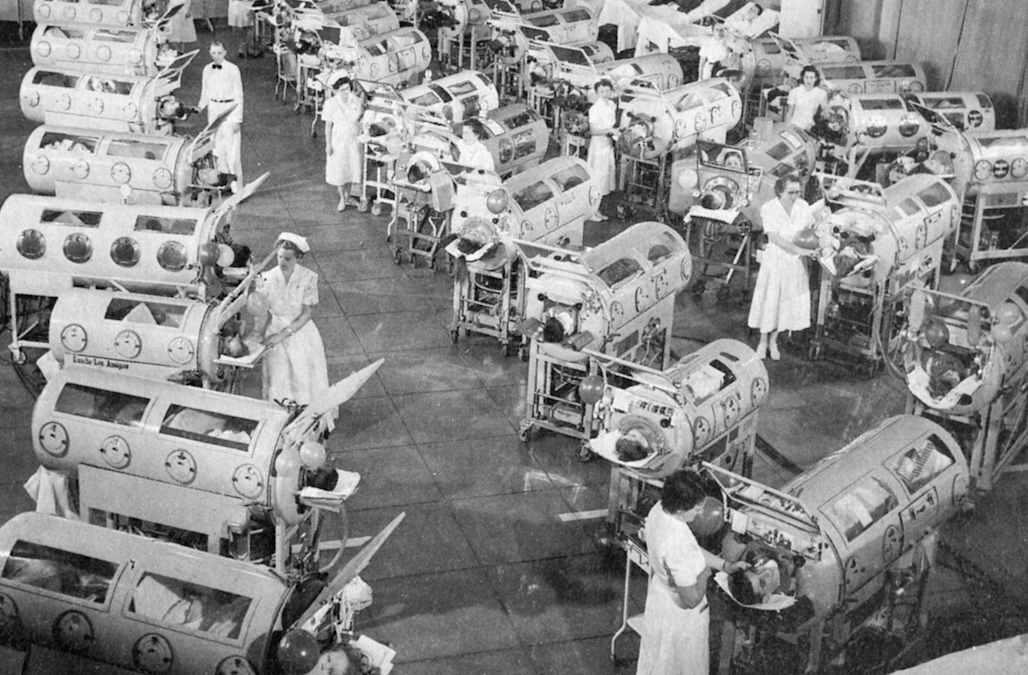
The emergence of this mysterious illness necessitates a thorough understanding of its potential transmission routes. Pinpointing the mode(s) of transmission is crucial for implementing effective preventative measures and containing the outbreak. Understanding how the disease spreads will help public health officials tailor strategies to minimize further cases.Understanding the mechanisms by which this illness spreads is critical to controlling its impact.
This requires careful consideration of various factors, from environmental conditions to human behavior. Analyzing the spread patterns allows for comparisons to other infectious diseases, offering insights into potential similarities and differences in transmission dynamics.
Suspected Transmission Modes
Several transmission pathways are suspected, each requiring further investigation. Direct contact, through physical touch or close proximity, is a plausible route. The role of respiratory droplets, potentially expelled during coughing or sneezing, is also being assessed. The possibility of indirect transmission, via contaminated surfaces or objects, remains a concern. Additionally, the potential for vector-borne transmission, involving an intermediary organism, cannot be excluded.
Potential Transmission Routes and Supporting Evidence
The following table Artikels potential transmission routes and the supporting evidence currently available, noting that this is an evolving investigation:
| Transmission Route | Supporting Evidence |
|---|---|
| Direct Contact (e.g., touching an infected person) | Observed clustering of cases among close contacts; anecdotal reports of transmission in households. |
| Respiratory Droplets (e.g., coughing, sneezing) | Presence of viral particles in respiratory secretions; observed symptoms consistent with respiratory illnesses. |
| Indirect Contact (e.g., contaminated surfaces) | Limited evidence; ongoing investigations into the presence of the pathogen on surfaces. |
| Vector-borne (e.g., insect bites) | No confirmed evidence; investigations into potential vectors are ongoing. |
Role of Human Behavior and Contact
Human behavior plays a significant role in the spread of infectious diseases. Maintaining appropriate hygiene practices, such as frequent handwashing, and avoiding close contact with symptomatic individuals can significantly reduce the risk of transmission. Crowded environments, particularly in enclosed spaces, may facilitate the spread of the disease. Understanding and addressing cultural norms and practices related to social interaction is crucial for implementing effective prevention strategies.
Comparison to Other Infectious Diseases
Comparing the spread patterns of this illness to other infectious diseases can offer insights. The pattern of recent cases and the geographic distribution may be similar to, or differ from, known patterns in other outbreaks. This comparison can highlight potential risk factors and provide lessons learned from past experiences.
Impact of Travel on Potential Spread
The role of travel in spreading this illness cannot be overlooked. The movement of individuals across geographic regions can facilitate the rapid dissemination of infectious agents. International travel, particularly to and from areas with a high incidence of cases, may accelerate the spread. Tracking travel patterns of affected individuals is essential for identifying potential hotspots and containing the outbreak.
Examining Public Health Responses
The recent emergence of this mysterious illness necessitates a robust and coordinated public health response. Effective action involves swift investigation, proactive communication, and community engagement to mitigate the spread and protect vulnerable populations. Early and accurate identification of cases, combined with comprehensive epidemiological studies, are crucial for understanding the disease’s transmission patterns and developing effective strategies.
Public Health Agency Measures
Public health agencies in affected areas have implemented a range of measures to address the outbreak. These measures encompass several key components, including enhanced surveillance systems, contact tracing protocols, and the provision of crucial resources to support affected individuals and communities.
- Enhanced Surveillance Systems: Agencies have implemented enhanced surveillance systems to rapidly detect new cases and identify potential clusters. This includes increasing the number of diagnostic tests available, expanding reporting mechanisms, and improving data analysis capabilities to track the spread of the illness.
- Contact Tracing Protocols: Contact tracing protocols are crucial to interrupt transmission chains. These protocols involve identifying individuals who have come into contact with confirmed cases, monitoring their health, and providing necessary information to prevent further spread. Successful implementation requires trained personnel and strong community partnerships.
- Resource Allocation: Essential resources are allocated to support affected individuals and their families, including access to healthcare, mental health services, and financial assistance. These support systems are vital for mitigating the social and economic burden of the outbreak.
Community Engagement in Surveillance, Mysterious polio like disease on the rise in the u s
Community engagement plays a pivotal role in effective disease surveillance. Engaging with local communities allows for a more nuanced understanding of the disease’s impact and facilitates early identification of potential outbreaks. Trust and transparency are critical for building relationships with affected communities.
- Community Health Workers: Utilizing community health workers who are familiar with local demographics and social structures is critical. They can facilitate communication, address concerns, and build trust within the community.
- Public Forums and Awareness Campaigns: Public forums and targeted awareness campaigns provide platforms for clear communication about the disease, its transmission, and prevention measures. This ensures that communities receive accurate information to make informed decisions.
- Local Partnerships: Collaboration with local organizations, community leaders, and religious institutions can strengthen the outreach and effectiveness of public health interventions.
Effectiveness of Preventative Measures
Evaluating the effectiveness of preventative measures requires ongoing monitoring and assessment. Data collection, analysis, and comparison with similar outbreaks are vital for adjusting strategies and optimizing public health responses.
The mysterious polio-like illness popping up across the US is definitely concerning. It’s worrying how this new illness affects different demographics. Interestingly, research shows that women often experience more severe symptoms when dealing with chronic obstructive pulmonary disease (COPD) – a condition that could potentially be linked to this new virus, as suggested by the article women suffer more serious symptoms when they get copd.
This highlights the importance of further investigation into the virus’s potential gendered impact, and understanding how it affects different populations, ultimately leading to more targeted and effective treatment strategies.
- Data-Driven Adjustments: Public health responses should be adaptable and flexible, allowing for adjustments based on emerging data. Constant evaluation of strategies is crucial for identifying what works and what needs improvement.
- Comparison with Past Outbreaks: Learning from past experiences with similar outbreaks is valuable. Analyzing the strategies employed and their effectiveness provides insights into successful interventions that can be adapted to the current situation.
- Monitoring and Evaluation: Ongoing monitoring and evaluation of the implementation and impact of preventative measures are essential for ensuring their efficacy.
Examples of Effective Public Health Campaigns
Drawing lessons from previous outbreaks provides valuable guidance for designing effective public health campaigns. Examples from past outbreaks highlight successful strategies that can be adapted to address the current situation.
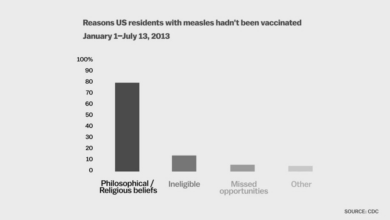
- Measles Outbreaks: Public health campaigns focused on vaccination drives and community outreach played a crucial role in controlling measles outbreaks. These campaigns effectively demonstrated the importance of education and preventative measures in preventing the spread of infectious diseases.
- Zika Virus Outbreaks: Outreach initiatives focused on educating pregnant women about the risks and providing preventive measures demonstrated the effectiveness of public health campaigns in mitigating the risks associated with a disease.
Public Health Response Timeline, Strategies, and Impact
| Timeline | Strategies | Impact |
|---|---|---|
| Week 1-2 | Enhanced surveillance, contact tracing, and initial community engagement | Early identification of cases and initial containment efforts. |
| Week 3-4 | Expansion of community engagement, targeted education campaigns, and resource allocation. | Increased community participation and awareness of the disease. Potential identification of new cases and transmission clusters. |
| Week 5-8 | Evaluation of preventative measures, adjustments to strategies, and continued monitoring. | Refinement of interventions and strategies based on real-time data and identification of potential weaknesses. |
Analyzing Potential Treatments and Therapies
Unraveling the mystery of this emerging illness necessitates a comprehensive approach to treatment, encompassing a range of potential therapies. Currently, there is no specific antiviral treatment for this mysterious disease, and the efficacy of various approaches remains to be fully evaluated. Research is actively underway to identify effective therapeutic strategies and to develop individualized treatment plans.Understanding the underlying mechanisms of the illness is crucial for developing targeted treatments.
Early intervention and supportive care are vital components of managing this disease, and ongoing research is focusing on both immediate and long-term therapeutic strategies. Researchers are actively exploring a variety of treatment options to combat the disease, and clinical trials are underway to evaluate their efficacy and safety.
Potential Treatment Options Under Investigation
Numerous potential treatment options are being explored, including antiviral drugs currently used for other viral infections, immunomodulators to regulate the immune response, and supportive therapies to manage symptoms. A crucial consideration is the stage of the illness when these therapies are implemented.
Efficacy of Different Treatment Approaches
The effectiveness of various treatment approaches is still under investigation, and definitive conclusions are not yet available. However, preliminary data and ongoing research studies provide insights into the potential efficacy of different strategies. This evolving understanding will inform future clinical trial design and treatment protocols.
| Treatment Approach | Mechanism of Action | Preliminary Efficacy Data | Suitability for Specific Stages |
|---|---|---|---|
| Antiviral drugs (e.g., remdesivir, favipiravir) | Target specific viral replication processes | Limited success in some cases, but further research needed | Potentially beneficial in early stages, but requires further evaluation |
| Immunomodulators | Modulate the immune response to limit inflammation and tissue damage | Show promise in some clinical studies | Potentially beneficial in the later stages of the illness, particularly in cases of severe inflammation |
| Supportive Care | Manage symptoms, prevent complications, and maintain overall well-being | Crucial for improving outcomes and patient comfort | Essential at all stages of the illness, particularly in managing severe complications |
Role of Supportive Care
Supportive care is an essential component of managing this illness, encompassing symptom management, nutritional support, and respiratory assistance when necessary. The goal of supportive care is to enhance patient comfort, prevent complications, and maintain overall well-being. Effective supportive care can significantly improve the patient experience and the chances of recovery.
Ongoing Research Efforts to Develop Effective Treatments
Ongoing research efforts focus on developing effective treatments that address the specific mechanisms of the disease. This includes research into new antiviral drugs, immunomodulators, and therapeutic strategies to improve outcomes. Researchers are also actively working to identify biomarkers to help predict disease progression and personalize treatment plans.
Comparison of Treatment Approaches and Suitability
The optimal treatment approach may vary depending on the stage of the illness and the severity of symptoms. Early intervention with antiviral drugs may be beneficial, but further research is needed to determine their effectiveness and appropriate timing. Immunomodulators may be more effective in later stages to control inflammation. Supportive care remains essential throughout the illness, regardless of the stage or treatment strategy.
Clinical trials are crucial to refine these strategies and establish effective treatment protocols.
Understanding the Impact on Society
The recent surge in a mysterious polio-like illness has far-reaching consequences beyond the immediate health concerns. This emerging disease casts a long shadow over various aspects of society, impacting individuals, families, communities, and even the broader economic and healthcare infrastructure. Understanding these cascading effects is crucial to formulating effective responses and mitigating the long-term damage.
Economic Consequences
The economic fallout from this illness is multifaceted. Lost productivity due to illness and treatment is a significant factor. Workers absent from their jobs due to the illness strain businesses and the economy. The costs of medical care, both for treatment and long-term care, further add to the financial burden on individuals and the healthcare system. These costs can disproportionately affect lower-income communities, exacerbating existing inequalities.
The need for increased healthcare resources and personnel can also impact other sectors, creating a ripple effect through the economy.
Social Consequences
The social impact is profound. Fear and anxiety grip communities as the illness spreads, leading to social isolation and stigma. The illness can shatter families and communities as loved ones struggle with the disease’s effects. The burden on caregivers and family members is immense, requiring significant time and emotional resources. Trust in institutions, including healthcare systems, may erode as the crisis unfolds.
Furthermore, social disruption caused by illness and quarantine can have significant consequences for education and other social activities.
Emotional Toll on Affected Individuals and Communities
The emotional toll on affected individuals and communities is significant. The uncertainty surrounding the illness, the fear of contracting it, and the challenges of treatment and recovery can lead to significant psychological distress. The fear of long-term health complications and the impact on daily life can cause immense anxiety and depression. The loss of loved ones due to the illness further exacerbates the emotional trauma, impacting entire communities.
This emotional burden extends beyond the directly affected, creating widespread stress and anxiety within society.
Illustrative Case Study
Consider the case of a small rural community where the illness has disproportionately affected the workforce. The illness has left many unable to work, impacting local businesses, and leading to job losses. The strain on local healthcare resources is evident as the community struggles to cope with the increased demand for treatment. Families are forced to make difficult choices about finances and childcare, further highlighting the economic and social disparities within the community.
The emotional impact is equally stark, with families experiencing profound grief and anxiety as they face the uncertain future.
Impact on Education and Healthcare Systems
The illness’s impact on education and healthcare systems is considerable. School closures and disruptions in educational activities lead to learning loss and exacerbate existing educational disparities. The strain on healthcare systems, including hospitals and clinics, can lead to decreased access to other essential healthcare services. The increased demand for medical personnel and resources diverts attention and funding from other critical health priorities.
Table of Social and Economic Consequences
| Social Consequence | Economic Consequence | Impact |
|---|---|---|
| Increased fear and anxiety | Reduced productivity and workforce participation | Strain on social services and mental health resources |
| Social isolation and stigma | Loss of income and business revenue | Weakening of social support networks |
| Emotional distress for affected individuals and communities | Increased healthcare costs | Increased demand on mental health services |
| Disruption to education and childcare | Reduced workforce participation of parents | Learning loss and educational inequality |
| Strain on healthcare systems | Financial burden on individuals and communities | Decreased access to essential healthcare services |
Final Review: Mysterious Polio Like Disease On The Rise In The U S
In conclusion, the mysterious polio-like disease outbreak in the U.S. demands urgent attention. The intricate interplay of potential causes, transmission methods, and public health responses requires a multi-faceted approach. Further research and proactive public health measures are crucial to contain this emerging threat and protect vulnerable populations. The information presented here provides a comprehensive overview of the current situation and highlights the critical need for continued vigilance.