Why the FDA says you should wash avocados? It’s not just a suggestion, it’s a crucial part of keeping your avocado-based dishes safe and delicious. This post dives deep into the FDA’s recommendations, exploring the science behind avocado washing, and the potential risks of skipping this important step. We’ll also look at how different washing methods impact avocado quality and how to prevent cross-contamination.
From identifying common contaminants to comparing various washing techniques, we’ll arm you with the knowledge to wash your avocados like a pro. We’ll also give you a practical guide with step-by-step instructions and visual aids to make sure you’re washing your avocados effectively.
FDA Recommendations for Avocado Washing
Avocados, a delicious and nutritious fruit, are a staple in many kitchens. However, proper food safety practices are crucial for preventing foodborne illnesses. The FDA’s recommendations for washing avocados highlight the importance of maintaining hygiene during the handling of these popular produce items.The FDA’s official stance on avocado washing emphasizes the need for thorough cleaning to remove potentially harmful bacteria and contaminants from the surface.
This preventative measure safeguards consumer health, particularly during consumption. The rationale behind this recommendation stems from the understanding that avocados, like other produce, can harbor various microorganisms.
The FDA recommends washing avocados, not just for aesthetics, but for the potential dirt and bacteria lurking on their skins. This simple act of washing, while seemingly small, is crucial for food safety. Learning how to reprogram your taste buds to crave healthier options like fresh fruits and vegetables can be transformative. Check out this article on how you can reprogram your taste buds to love healthy foods for some great tips.
Ultimately, proper avocado hygiene, like washing, becomes a part of a broader pattern of healthy eating habits.
FDA’s Official Recommendations
The FDA recommends washing all produce, including avocados, before consumption. This includes washing fruits and vegetables thoroughly under running water. The key is to use clean hands and a gentle scrubbing action. This process removes dirt, debris, and potential pathogens from the skin.
Reasons Behind the FDA’s Advice
The FDA’s advice on washing avocados stems from the potential for contamination. While avocados are typically considered safe, there’s always a risk of exposure to microorganisms like E. coli, Salmonella, and Listeria. These bacteria can thrive on the surface of fruits and vegetables. Studies have shown that improper washing can significantly increase the risk of these harmful microorganisms entering the human body.
The presence of these microorganisms can be a factor in the occurrence of foodborne illnesses, highlighting the importance of following recommended washing practices. The risk is not negligible, as studies have shown that produce contamination can lead to foodborne illnesses, with symptoms varying depending on the specific microorganism.
Potential Risks of Improper Washing
Improper washing of avocados can lead to foodborne illnesses. These illnesses can range from mild discomfort to severe health complications, requiring medical intervention. Symptoms may include nausea, vomiting, diarrhea, and fever. The severity of these symptoms depends on the type and amount of contamination. It’s essential to follow the FDA’s guidelines to minimize this risk.
Comparison with Other Food Safety Guidelines
The FDA’s avocado washing recommendations align with general food safety guidelines for produce washing. These guidelines often emphasize the importance of using clean water and proper scrubbing techniques to remove dirt and contaminants. Similar recommendations apply to other produce, emphasizing the crucial role of sanitation in preventing foodborne illnesses.
Step-by-Step Guide to Proper Avocado Washing
Following these steps ensures a safe and hygienic avocado-washing experience.
| Step | Action | Rationale |
|---|---|---|
| 1 | Rinse the avocado under cool running water. | This removes loose dirt and debris from the skin’s surface. |
| 2 | Use a soft-bristled brush or sponge to gently scrub the avocado’s skin. | This removes any stubborn dirt or residue that may be clinging to the skin. |
| 3 | Ensure all surfaces are thoroughly wetted and scrubbed. | This step guarantees the removal of potential contaminants from the skin’s surface. |
| 4 | Rinse the avocado again under cool running water to remove any remaining residue. | This final rinse ensures that no traces of dirt or cleaning agents remain on the avocado. |
| 5 | Pat the avocado dry with a clean paper towel. | This prevents water from lingering on the surface, reducing the potential for microbial growth. |
Types of Bacteria and Contamination
Avocados, with their creamy texture and delicious flavor, are a popular addition to many cuisines. However, like any food, avocados can be susceptible to bacterial contamination. Understanding the types of bacteria that might be present and how they can affect our health is crucial for safe consumption. This knowledge empowers us to handle and prepare avocados with greater care.Knowing the potential for contamination, and the resulting risks, allows us to take appropriate precautions in our kitchen.
This knowledge is fundamental to maintaining food safety and well-being.
Common Bacteria Found on Avocados
Contamination of avocados can arise from various sources. Understanding the common bacteria that can inhabit avocados is essential for proper handling and prevention. The most frequent culprits are often associated with the environment the avocados are grown in, or the conditions during handling.
- Salmonella: This bacterium is a frequent concern in food safety. Salmonella can cause severe food poisoning, characterized by symptoms like nausea, vomiting, diarrhea, and abdominal cramps. Exposure to contaminated soil during growth is a primary source of this bacteria. Proper washing procedures, especially if the avocado is visibly soiled, are essential for reducing Salmonella risk.
- Listeria monocytogenes: Listeria can cause serious illness, particularly in vulnerable populations such as pregnant women and the elderly. Symptoms may range from mild to severe, including fever, headache, and muscle aches. Contamination can occur during handling, if contaminated surfaces are used for preparation. Strict adherence to hygiene practices throughout the preparation process is vital for minimizing the risk of Listeria.
- E. coli: Escherichia coli ( E. coli) is another significant concern. While some strains are harmless, others can cause severe illness, with symptoms like bloody diarrhea, severe abdominal cramps, and kidney failure. The contamination can come from the soil, or from handling contaminated tools and surfaces. Maintaining a clean workspace and thoroughly washing tools are crucial in preventing this contamination.
Sources of Avocado Contamination
The route of contamination significantly impacts the likelihood of harmful bacteria being present on avocados. Recognizing the potential sources allows us to tailor our prevention strategies.
- Soil: Avocados are grown in soil, and the soil itself can harbor bacteria. If the avocado is not thoroughly washed, residue from the soil can contain bacteria that can potentially transfer to the flesh of the fruit. The level of contamination depends on the soil conditions and the hygiene practices during the growing process.
- Handling Practices: A major source of contamination arises from improper handling. If the hands or utensils used to handle avocados are not clean, or if the avocado is handled after contact with contaminated surfaces, the bacteria can easily transfer. This highlights the importance of frequent handwashing and maintaining a clean workspace.
- Equipment and Surfaces: Tools, cutting boards, and countertops that are not properly cleaned can become breeding grounds for bacteria. If these contaminated surfaces come into contact with the avocado, they can transmit bacteria to the fruit. Regular sanitization of these surfaces is a crucial step in preventing contamination.
Effects of Improper Washing Techniques
Failing to wash avocados thoroughly can significantly impact the presence of harmful bacteria. The effectiveness of washing procedures directly influences the amount of contamination.
The FDA recommends washing avocados, and other produce, to remove potentially harmful bacteria. Thinking about how effective anti-aging diets are, it’s important to consider how food choices impact overall health, which naturally connects back to food safety. This article dives deeper into the science behind anti-aging diets, highlighting the importance of a balanced and nutritious approach.
Ultimately, washing avocados, like any produce, is a simple precaution to ensure you’re enjoying your food safely.
- Reduced Effectiveness: Washing with insufficient water pressure or failing to scrub all parts of the avocado can leave bacteria behind. A simple rinse might not eliminate all the bacteria on the skin and surface of the avocado.
- Persistence of Bacteria: Bacteria can remain on the surface of the avocado if not thoroughly removed. This highlights the importance of thorough washing, as residues of bacteria could potentially persist even after a superficial wash.
- Potential for Transfer: Improper washing can result in the transfer of bacteria to other food items or utensils. This is particularly relevant if the avocado is not handled separately from other foods.
Sanitizing Surfaces
Proper sanitization of surfaces used for handling avocados is essential to prevent the spread of bacteria.
- Surface Cleaning: Regular cleaning and disinfection of surfaces, such as countertops and cutting boards, are vital to maintaining a hygienic environment. Using hot, soapy water and a scrub brush effectively removes visible dirt and debris.
- Sanitizer Use: Following cleaning, using a food-safe sanitizer can help eliminate any remaining bacteria. These solutions are typically effective in killing harmful bacteria on surfaces.
- Thoroughness: Ensuring thorough cleaning and sanitization is crucial to prevent the growth and spread of bacteria. This includes focusing on all areas where avocados are prepared, ensuring no contaminated areas are missed.
Impact of Washing on Avocado Quality
Washing avocados, while crucial for food safety, can unfortunately impact their texture, taste, and appearance. The delicate nature of avocados makes them susceptible to damage from harsh washing methods, potentially leading to a less desirable eating experience. Understanding these impacts and employing appropriate washing and storage techniques is key to enjoying the best possible avocado.Washing an avocado can introduce moisture, which can affect its ripening process and overall quality.
Different washing methods and water temperatures will impact the avocado’s final condition. The goal is to find the optimal balance between cleanliness and preserving the avocado’s desirable characteristics.
Washing Methods and Their Effects
Understanding the potential effects of different washing methods is essential for maintaining avocado quality. Rinsing, for example, is a gentler approach, while scrubbing can be more aggressive. These differences in technique will result in different degrees of impact on the avocado’s texture and taste.
The FDA recommends washing avocados because they can harbor bacteria, just like other produce. Washing avocados thoroughly before eating them is crucial for food safety, especially when considering the importance of preventing infections, such as those related to hepatitis B. Learning more about preventing infections like these, including hepatitis B vaccines, can be beneficial for your overall health.
This is especially important if you are planning to eat the avocado raw, further highlighting why the FDA stresses the importance of washing them. infections hepatitis b vaccines are a crucial part of maintaining good health.
- Rinsing: This method involves gently running water over the avocado’s surface. While effective for removing loose dirt and debris, it can introduce moisture that may affect the avocado’s texture and potentially accelerate its spoilage if not handled properly.
- Scrubbing: Scrubbing the avocado with a brush or abrasive sponge can remove more stubborn dirt and debris. However, this method can potentially damage the avocado’s skin, leading to bruising or softening. This damage can compromise the integrity of the avocado, and make it more susceptible to deterioration.
Effects of Water Temperature
The temperature of the water used for washing also plays a role in avocado quality. Different temperatures can affect the avocado’s internal temperature, potentially altering its ripening process.
- Cold water: Using cold water is generally the preferred method for washing avocados. It minimizes the risk of shocking the fruit and maintains its natural temperature.
- Warm water: Warm water, while sometimes used to remove dirt, can potentially accelerate the avocado’s ripening process and increase the likelihood of softening. This can lead to a reduced shelf life and an altered texture.
Preservation Methods for Washed Avocados
To maintain the quality of washed avocados, proper preservation methods are crucial. These methods help to minimize moisture damage and extend the avocado’s shelf life.
- Patting dry: After washing, gently patting the avocado dry with a clean towel is essential to remove excess moisture. This prevents the avocado from becoming mushy or developing undesirable spots. This is a vital step that directly influences the avocado’s shelf life and quality.
- Proper storage: Store washed avocados in a cool, dry place, preferably in a sealed container or plastic bag. This helps to prevent moisture buildup and maintain the freshness of the fruit.
Ideal Storage Conditions
Optimal storage conditions for washed avocados are crucial for maintaining their quality.
- Temperature: Store avocados in a refrigerator at a temperature between 34-38°F (1-3°C). This temperature range helps slow down the ripening process and extend the avocado’s shelf life.
- Moisture: Keep the avocados in a well-ventilated container to avoid moisture buildup. This can help to prevent the avocado from becoming mushy or developing mold.
Comparison of Washing Methods
The following table summarizes the effects of different washing methods on avocado quality.
| Washing Method | Effect on Texture | Effect on Taste | Effect on Appearance |
|---|---|---|---|
| Rinsing | Minimal impact, potentially slightly softer if not dried | No significant impact | Slight moisture spots |
| Scrubbing | Potentially more prone to bruising or softening | No significant impact | Possible damage to skin |
Practical Washing Techniques
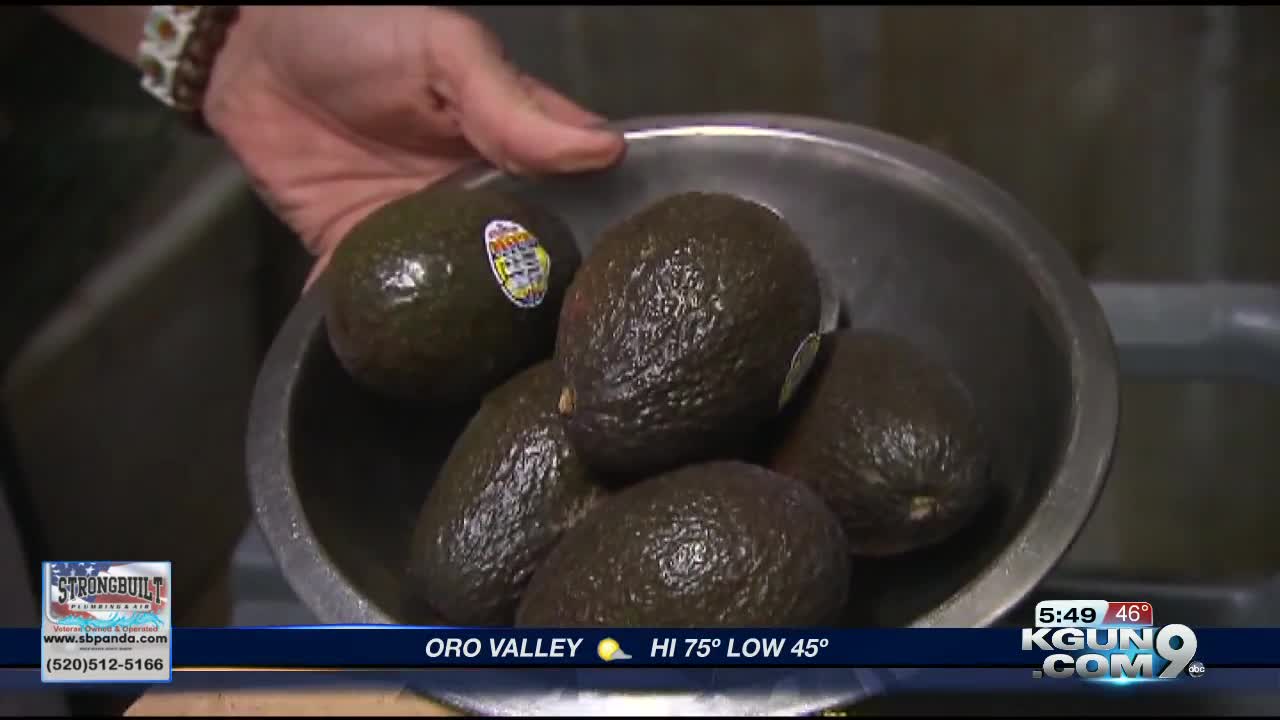
Avocados, a delicious and nutritious fruit, often come with a layer of dirt or potential contaminants. Proper washing is crucial for ensuring their safety and maximizing their appeal. This section delves into effective washing techniques, highlighting different methods and tools, and emphasizing the importance of thorough rinsing.Washing avocados is not just about removing dirt; it’s a crucial step in preventing the spread of harmful bacteria and ensuring a clean and enjoyable eating experience.
Different methods can affect the avocado’s texture and appearance. Understanding these techniques and selecting the right tools can help you maintain the avocado’s quality while ensuring safety.
Washing Methods
Effective avocado washing involves more than just a quick rinse. The chosen method should efficiently remove contaminants without compromising the avocado’s integrity. Different techniques cater to varying levels of dirt and contamination.
- The Gentle Rinse: For avocados with minimal dirt, a gentle rinse under running water is sufficient. Hold the avocado under a steady stream, ensuring all surfaces are touched. This method is best for avocados that appear clean and only require a quick refresh.
- The Brush-Up Method: For avocados with noticeable dirt or debris, a soft-bristled brush is recommended. Gently scrub the avocado’s skin in circular motions, paying attention to crevices and hard-to-reach areas. This method effectively removes stubborn dirt and grime.
- The Sponge Solution: Using a non-abrasive sponge is another viable option for washing avocados. Wet the sponge and gently rub the avocado’s skin. Focus on areas with visible dirt or residue. This method is suitable for avocados with moderate amounts of dirt.
Comparing Washing Tools
Different washing tools offer varying levels of effectiveness and impact on avocado quality.
| Washing Tool | Effectiveness | Impact on Avocado Quality | Recommended Use |
|---|---|---|---|
| Soft-bristled brush | High | Minimal | For avocados with noticeable dirt, debris, or tough-to-remove residue |
| Non-abrasive sponge | Moderate | Minimal | For avocados with moderate amounts of dirt or for those requiring a gentler approach |
| Running water | Low | Minimal | For avocados with minimal dirt or as a preliminary step before using other tools |
Visual Demonstration
Visual demonstration of the recommended washing methods (unfortunately, I cannot display images). Imagine an avocado with light dirt. The first step would be to rinse it under running water. Next, for a slightly dirtier avocado, a soft-bristled brush could be used in circular motions. A non-abrasive sponge would be ideal for an avocado with moderate dirt. The crucial point is to use gentle pressure and avoid harsh scrubbing, which could damage the avocado’s skin.
Thorough Rinsing
Thoroughly rinsing the avocado with clean water is essential for removing any lingering dirt, debris, or potential contaminants. This step ensures that the avocado is as clean as possible, minimizing the risk of foodborne illnesses.
Removing Contaminants
To effectively remove dirt and potential contaminants, focus on scrubbing areas where dirt tends to accumulate, such as crevices and grooves. Gently scrub these areas using a soft-bristled brush or a non-abrasive sponge, and ensure thorough rinsing with clean water afterward.
Prevention of Cross-Contamination: Why The Fda Says You Should Wash Avocados
Avocados are delicious and nutritious, but their preparation can introduce risks if proper hygiene isn’t meticulously followed. Cross-contamination is a significant concern when handling avocados, as harmful bacteria can easily transfer from the avocado to other foods, surfaces, or utensils. Understanding how to prevent cross-contamination is crucial for ensuring safe and enjoyable avocado consumption.Preventing cross-contamination when handling avocados is vital to maintaining food safety.
This involves careful attention to every step of the preparation process, from initial washing to final serving. Failing to prevent cross-contamination can lead to foodborne illnesses, which can range from mild discomfort to severe health complications.
Cross-Contamination Examples
Improper handling can lead to cross-contamination in several ways. For instance, if a cutting board used for raw avocados is not properly cleaned and sanitized before being used for other foods, bacteria can transfer to those foods. Additionally, using the same knife or utensils to prepare both raw avocados and other foods without proper cleaning can spread bacteria.
Workflow for Avocado Handling
A well-defined workflow can significantly reduce the risk of cross-contamination. This structured approach should involve specific steps for each stage of preparation, from washing to serving.
- Initial Preparation: Begin by thoroughly washing the avocados. Use running water and a gentle scrub to remove any dirt or potential contaminants. Do not use harsh chemicals, as they may affect the taste or texture of the avocado. Immediately set aside a clean cutting board and knife for avocado preparation only.
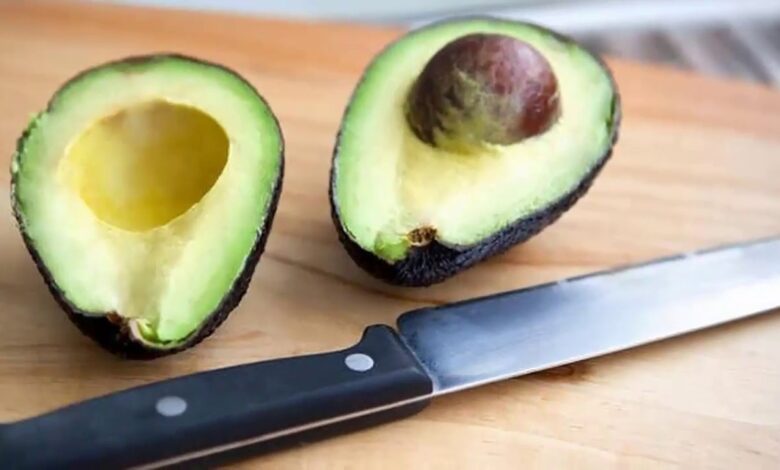
- Cutting and Serving: Use a dedicated cutting board and knife specifically for avocado preparation. This prevents cross-contamination from other food items. Carefully cut the avocado, avoiding touching the exposed flesh with your hands, as bacteria may reside on your hands.
- Cleaning and Sanitizing: After preparing the avocados, immediately clean and sanitize the cutting board and knife. Use hot, soapy water and a food-grade disinfectant or a mixture of bleach and water. Ensure thorough cleaning of the entire surface area to remove any residual bacteria. Discard the avocado pit and peel properly.
- Serving and Storage: Serve the prepared avocados promptly. If the avocados are not immediately used, store them in an airtight container in the refrigerator to prevent spoilage. Maintain a separate, clean container for any leftover prepared avocados.
Cleaning Utensils and Cutting Boards
Proper cleaning and sanitizing of utensils and cutting boards are essential to eliminate any potential bacteria.
- Thorough Cleaning: Use hot, soapy water to thoroughly clean all surfaces. Pay special attention to crevices and grooves where bacteria may accumulate. Rinse thoroughly to remove all traces of soap.
- Sanitizing: For extra protection, sanitize the cutting board and utensils with a food-grade disinfectant or a solution of bleach and water (following the product instructions). Allow the surface to air dry completely.
Appropriate Surfaces and Tools, Why the fda says you should wash avocados
Using the correct tools and surfaces minimizes the risk of cross-contamination.
- Dedicated Cutting Boards: Use separate cutting boards for different food types. A dedicated cutting board for avocados helps prevent cross-contamination from other foods. Color-coding cutting boards can further enhance this separation.
- Specific Utensils: Use separate knives, spoons, and other utensils for avocado preparation to avoid cross-contamination. This reduces the risk of bacteria transferring to other foods.
- Clean Surfaces: Ensure all surfaces used during avocado preparation are clean and sanitized to minimize the risk of bacteria spread.
Hand Hygiene
Maintaining proper hand hygiene is paramount during avocado preparation.
- Frequent Handwashing: Wash your hands thoroughly with soap and water before and after handling avocados, as well as between different preparation steps. Use warm water and scrub your hands vigorously for at least 20 seconds.
- Sanitizing Solutions: Consider using an antibacterial hand sanitizer with at least 60% alcohol content if soap and water are unavailable.
Summary
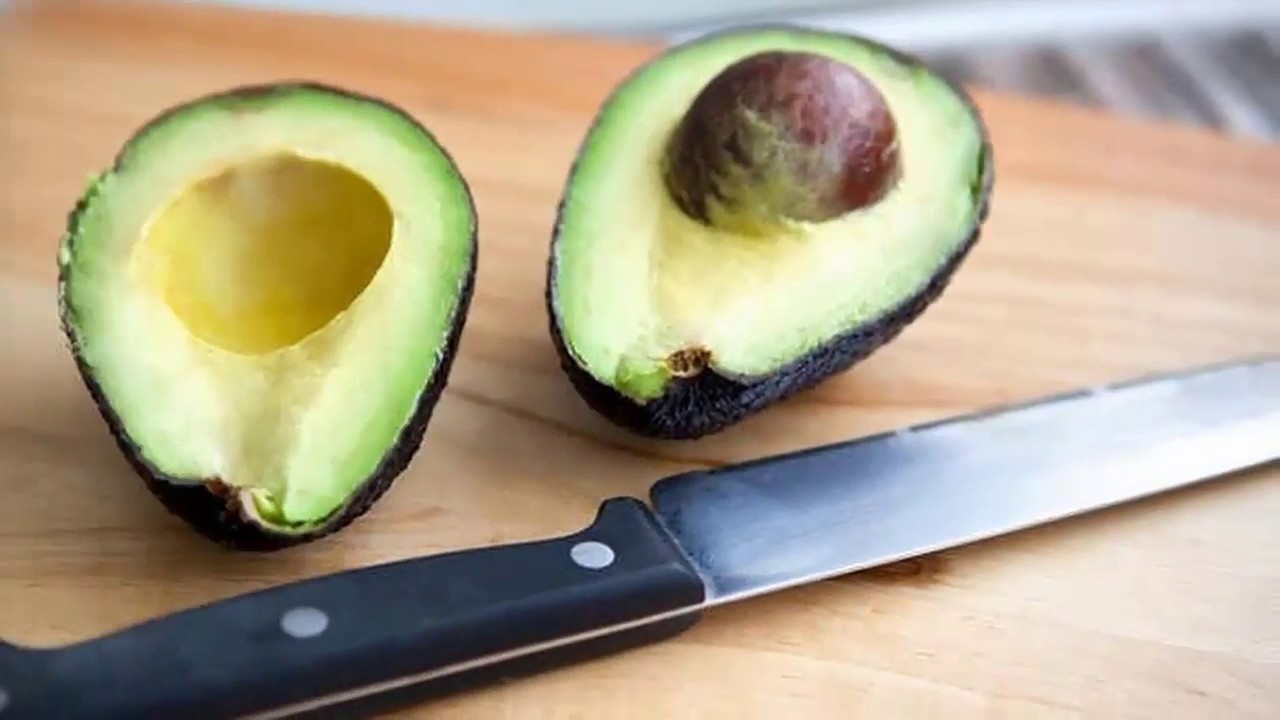
So, there you have it – the lowdown on why washing avocados is essential for food safety. By understanding the science behind the FDA’s recommendations, you can confidently prepare delicious and safe avocado dishes. Remember, proper washing and cross-contamination prevention are key to enjoying this healthy fruit without any worries. From now on, make washing your avocados a habit!