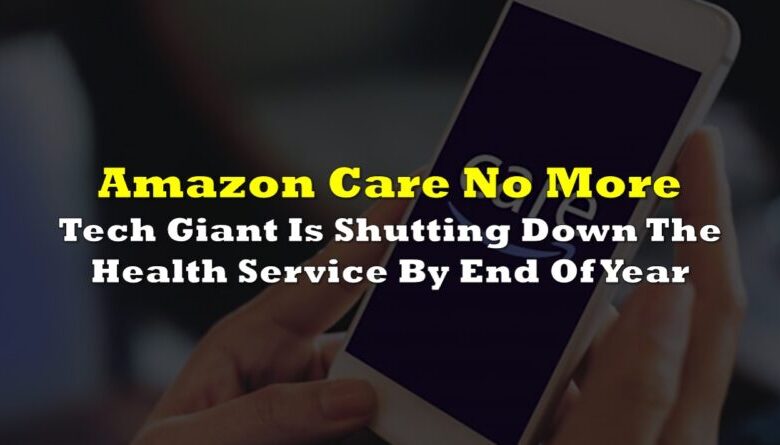
Amazon ending its virtual health service amazon care what this means – Amazon ending its virtual health service Amazon Care, what this means for the future of telehealth and healthcare access is a significant development. The decision raises many questions about the viability of virtual care models, the future of healthcare delivery, and the potential impact on both consumers and traditional healthcare providers.
Amazon Care’s history, key features, and its initial reception are important context. Understanding Amazon’s strategic rationale behind this move, including financial factors, market competition, and internal shifts, provides valuable insight. This decision’s implications for the broader healthcare industry, consumer access, and the overall future of virtual healthcare will be explored.
Background on Amazon Care
Amazon Care, a virtual healthcare service offered by Amazon, aimed to revolutionize access to primary care. Initially launched with a focus on corporate wellness programs, it gradually expanded its reach and services. However, the company’s decision to cease operations marks a significant shift in the landscape of telehealth and raises questions about the future of virtual healthcare.Amazon’s foray into healthcare, while ambitious, faced challenges in achieving widespread adoption and profitability.
This closure underscores the complexities of competing within a deeply established healthcare ecosystem, requiring not only technological innovation but also navigating complex regulatory landscapes and building trust with patients.
Historical Overview of Amazon Care
Amazon Care began its journey by offering telehealth services to corporate employees. This initial focus demonstrated a strategic approach to leveraging technology to improve employee well-being and reduce healthcare costs. Over time, Amazon Care sought to expand its services to include a wider range of medical needs and demographics, including individual consumers.
Key Features and Functionalities of Amazon Care
Amazon Care’s platform enabled virtual consultations, medication refills, and remote monitoring capabilities. These features were designed to provide convenient and accessible healthcare options, especially for those in geographically underserved areas or with limited access to traditional medical facilities. The service aimed to streamline the healthcare experience, reduce wait times, and enhance patient engagement. For example, patients could schedule appointments, receive virtual checkups, and communicate with healthcare providers via video conferencing.
Amazon’s Strategy and Approach to Healthcare
Amazon’s approach to healthcare has been characterized by a strong emphasis on technology and data-driven solutions. The company aimed to leverage its expertise in e-commerce, logistics, and cloud computing to improve efficiency and accessibility in healthcare delivery. This strategy included using AI and machine learning to enhance diagnostic capabilities and personalize treatment plans. For example, Amazon’s vast data repository could be utilized to analyze patient information and identify trends in healthcare patterns.
Amazon Care’s shutdown is a bummer, right? Finding affordable and accessible virtual healthcare is tough, especially when you’re juggling a million things. But hey, even with less readily available virtual care, you can still conquer your day! Check out some tips on how to win at life on little sleep here. Ultimately, navigating the healthcare landscape without Amazon Care will require a bit more proactive planning and potentially more in-person visits.
It’s a reminder that sometimes life throws curveballs, but you can adapt and overcome!
Comparison to Traditional Healthcare Models
Amazon Care presented a contrasting model to traditional healthcare. Instead of relying on physical clinics and in-person visits, Amazon Care focused on virtual consultations and remote monitoring. This shift aimed to improve accessibility and reduce costs, but it also required a different approach to patient engagement and relationship building. Traditional healthcare often involves building trust through in-person interaction, a factor that Amazon Care needed to address through its virtual platform.
Initial Reception and Impact of Amazon Care
Amazon Care’s initial reception was met with both enthusiasm and skepticism. The convenience and accessibility offered by virtual consultations resonated with some users, while others expressed concerns about the quality of care and the lack of personal connection with a provider. The impact of Amazon Care on the overall healthcare market is still under scrutiny, as its closure leaves a significant void in the virtual healthcare landscape.
However, the experience has contributed to the ongoing debate about the future of telehealth and the role of technology in healthcare delivery.
Reasons for Amazon’s Decision
Amazon’s decision to wind down its virtual health service, Amazon Care, leaves many wondering about the underlying motivations. This wasn’t a sudden shift but rather a culmination of factors, some financial, some strategic, and others related to the competitive landscape. Understanding these factors provides insight into the complexities of the healthcare market and Amazon’s approach to navigating it.Potential financial factors played a significant role in Amazon’s decision.
The healthcare industry is notoriously complex and costly, with significant investments required for infrastructure, personnel, and ongoing operations. Profit margins in healthcare are often lower than in other sectors, making profitability a challenge. The precise financial figures regarding Amazon Care’s performance are not publicly available, but market analysis suggests that achieving a sustainable profit margin might have been proving difficult.
A potential loss-making venture could be a compelling factor in a company’s strategic decision-making. Furthermore, Amazon may have reevaluated the return on investment for its healthcare initiative, recognizing that other business priorities might yield greater returns.
Financial Considerations
The healthcare sector is highly regulated, and operating within these constraints often leads to substantial costs. Amazon Care, like any other healthcare provider, faced costs associated with staffing, licensing, and compliance. The need for a highly skilled medical workforce, including physicians, nurses, and other healthcare professionals, adds to the financial burden. The cost of maintaining a robust and secure patient data infrastructure and complying with privacy regulations (like HIPAA) also adds to the expense.
Furthermore, the long-term viability of Amazon Care’s business model in the face of increasing competition from existing healthcare providers might have become a critical factor in Amazon’s decision.
Market Competition and Other Healthcare Providers
The healthcare market is highly competitive, with established players like hospitals, clinics, and insurance companies already holding significant market share. Amazon Care, as a newcomer, faced an uphill battle in gaining a foothold in this established landscape. Existing providers have established networks, robust infrastructure, and established relationships with patients. Amazon’s limited experience in the healthcare sector compared to entrenched providers could have made it challenging to effectively compete.
Stronger competition from other virtual healthcare providers, coupled with existing, established healthcare systems, potentially made Amazon Care’s market penetration and sustained profitability more difficult.
Internal Strategic Shifts within Amazon, Amazon ending its virtual health service amazon care what this means
Amazon’s internal strategic priorities could have shifted, leading to a reevaluation of its healthcare initiatives. Amazon may have realized that its resources would be better utilized in other, potentially more profitable areas of its business. The company’s overall business strategy might have prioritized other key areas of growth and innovation. This strategic recalibration could have led to Amazon Care being deemed less strategically aligned with Amazon’s broader objectives.
Operational Challenges or Inefficiencies
Operational challenges can significantly impact a company’s profitability. In the case of Amazon Care, the complexity of coordinating patient care, scheduling appointments, and ensuring timely access to specialists could have presented operational hurdles. Maintaining consistent quality of care across a large and geographically dispersed network of providers could have been challenging. Potential issues with patient satisfaction and timely responses to care needs could have also been factors in Amazon’s decision.
Regulatory and Legal Considerations
The healthcare industry is subject to extensive regulatory oversight. Amazon Care, as a healthcare provider, needed to adhere to numerous regulations and comply with industry standards. Navigating the complex regulatory environment, including compliance with HIPAA and other relevant laws, could have added to the operational complexities. The need to adapt to evolving regulations and maintain compliance as a healthcare provider might have been a significant hurdle for Amazon.
Implications for the Healthcare Industry
Amazon Care’s exit from the virtual health arena marks a significant shift in the healthcare landscape, prompting a re-evaluation of the market’s trajectory. This decision has profound implications for traditional healthcare providers, consumers, and the future of telehealth, forcing a recalibration of strategies and a rethinking of how healthcare services are delivered. The ripple effects extend far beyond the immediate participants, impacting the very fabric of the healthcare industry.
Market Dynamics and Competition
The departure of Amazon Care creates an opening for other players in the virtual care space. This competition could lead to a more diverse and potentially more innovative approach to telehealth services. Existing telehealth platforms and startups will likely experience increased demand and opportunities for growth, as consumers seek alternative options. Meanwhile, traditional healthcare providers may face increased pressure to enhance their own virtual care offerings to maintain market share.
The competitive landscape will become more fluid, demanding agility and adaptability from all participants.
Impact on Traditional Healthcare Providers
The withdrawal of Amazon Care likely won’t decimate traditional healthcare providers but could force them to re-evaluate their virtual care strategies. Many providers are already incorporating telehealth into their services, and Amazon Care’s presence spurred others to do the same. Those who haven’t embraced telehealth may find themselves at a disadvantage as consumers increasingly seek virtual options. Hospitals and clinics will need to adapt to changing consumer preferences and invest in their telehealth infrastructure to remain competitive.
This adaptation may include improving their online platforms, training staff on virtual consultations, and ensuring seamless integration with existing systems.
Impact on Consumers and Access to Healthcare
Consumers who utilized Amazon Care will need to find alternative virtual care providers. This transition might be smoother for some than for others, depending on factors such as location, insurance coverage, and personal preferences. However, the departure of Amazon Care might also lead to an increase in the availability of virtual care options, potentially making it easier for some consumers to access services.
The overall effect on consumer access to care will depend on the extent to which the market responds to this void, offering comparable options with similar accessibility and affordability.
Future of Telehealth and Virtual Care
Amazon Care’s exit underscores the dynamic nature of telehealth. While Amazon’s attempt to disrupt the healthcare sector proved challenging, it accelerated the adoption of virtual care. The future of telehealth is likely to involve a more nuanced approach. Telehealth will not replace traditional in-person care entirely, but rather, it will continue to evolve into a complementary service, expanding access to care, especially for those in underserved communities.
Potential for Innovation in Healthcare Delivery
The departure of Amazon Care may spark new innovations in healthcare delivery. This may include more efficient virtual care platforms, personalized treatment plans based on patient data, and the development of advanced diagnostic tools accessible through telehealth. The emphasis on technology integration will likely accelerate, leading to more streamlined processes and potentially lower costs. This could lead to more customized and personalized approaches to virtual care.
Potential Effects on Consumers: Amazon Ending Its Virtual Health Service Amazon Care What This Means
Amazon Care’s exit from the virtual healthcare arena marks a significant shift, potentially impacting consumers in diverse ways. The decision raises questions about the future of telehealth and the overall healthcare landscape, prompting a need to understand the potential benefits and drawbacks for individuals seeking virtual care.
Potential Benefits for Patients
The removal of Amazon Care may, in some cases, offer patients access to a wider range of virtual healthcare options. Competition within the telehealth sector can drive innovation and potentially lower costs. Existing telehealth providers may expand their services to fill the void left by Amazon Care, leading to greater choices and tailored solutions for specific health needs.
Patients might benefit from increased competition in the virtual care market, potentially resulting in lower pricing and more accessible services. For instance, if the departure of Amazon Care leads to a greater number of providers offering similar services, consumers may find options that better align with their needs and preferences, such as scheduling flexibility, insurance coverage compatibility, or specialized services.
Potential Drawbacks or Limitations for Patients
The absence of Amazon Care could limit access to convenient virtual care options for some patients. Those who relied on Amazon Care’s specific features, such as integration with other Amazon services, might face challenges finding comparable alternatives. The quality and comprehensiveness of virtual care services may vary across different providers, potentially impacting patient outcomes. It’s possible that the lack of a single, large-scale provider could reduce the overall availability of virtual care services in some regions.
Additionally, some patients might experience disruptions in their existing care plans due to the change in providers.
Impact on Healthcare Costs for Consumers
The impact on healthcare costs is complex and not immediately quantifiable. While the exit of Amazon Care might lead to price fluctuations in the telehealth market, it’s crucial to consider the potential for increased competition. A competitive telehealth landscape could drive down prices for some services, potentially making virtual care more affordable for consumers. However, the absence of Amazon Care could also lead to a reduction in economies of scale and higher prices for certain services.
Ultimately, the net effect on consumer costs will depend on the actions of other providers and the market response to the departure.
Amazon Care’s shutdown is a bit of a bummer, especially for folks who relied on it for virtual checkups. While that’s happening, it’s important to remember that staying healthy, especially when traveling, is crucial. For example, travelers should be aware of potential health risks like contracting measles overseas, as highlighted in this recent article on travelers warned about contracting measles overseas.
Ultimately, the end of Amazon Care means people need to find other ways to access virtual healthcare, perhaps exploring telehealth options or making doctor’s appointments.
Potential Changes in Access to Healthcare Services
The withdrawal of Amazon Care may affect access to healthcare services, particularly in underserved areas. The company’s presence had the potential to expand access to virtual care in areas with limited in-person healthcare options. The absence of Amazon Care could lead to a gap in virtual care availability, potentially hindering access for some individuals. Further, the loss of Amazon’s infrastructure and resources dedicated to telehealth could reduce the overall capacity of virtual healthcare services.
Potential Impact on Consumer Trust in Online Healthcare
The departure of Amazon Care could potentially affect consumer trust in online healthcare. Consumers who had a positive experience with Amazon Care might be concerned about the reliability and quality of virtual care services from other providers. The exit might raise questions about the long-term viability of virtual care as a whole. It’s also possible that the departure could instill confidence in patients seeking care from established healthcare providers.
Future of Virtual Healthcare

The recent pullback of Amazon Care signals a complex moment in the evolution of virtual healthcare. While the specifics of Amazon’s decision are still being analyzed, the overall trend towards virtual care remains undeniable. This shift promises to dramatically alter how we access and receive medical attention, potentially bringing benefits and challenges for both patients and providers.The digital revolution in healthcare is well underway, and the future of virtual care will be shaped by a confluence of technological advancements, evolving patient expectations, and regulatory landscapes.
The journey will not be without its hurdles, but the potential rewards—from improved access to care to more efficient use of resources—are significant. This discussion delves into the emerging trends, compares various virtual healthcare platforms, explores the wider future of healthcare delivery, and considers potential new models and obstacles in this exciting new landscape.
Overall Trend of Virtual Healthcare Services
Virtual healthcare services are experiencing significant growth, driven by increasing patient demand for convenience, accessibility, and affordability. Technological advancements, such as telehealth platforms and AI-powered diagnostic tools, are facilitating the development and adoption of virtual care. Many patients are seeking these services due to their flexibility and ease of use, particularly in remote areas or for those with mobility limitations.
Comparison of Virtual Healthcare Platforms
A comparison of various virtual healthcare platforms reveals key differences in their scope, features, and target demographics. These platforms vary in their approach to care coordination, patient engagement, and integration with existing healthcare systems. The table below highlights some notable examples, acknowledging that this list is not exhaustive.
| Platform | Focus | Features | Target Demographic |
|---|---|---|---|
| Teladoc | Broad range of virtual care services | Video consultations, remote monitoring, prescription refills | General population |
| Amwell | Physician-led virtual care | Secure messaging, virtual check-ups, chronic disease management | Individuals with established physician relationships |
| MDLIVE | Convenient access to primary care | Same-day appointments, online symptom checkers, specialist consultations | Individuals seeking quick and easy access to care |
| Amazon Care (formerly) | Comprehensive virtual care | On-demand consultations, urgent care, preventive health services | Businesses and employees, focusing on preventive health and accessibility |
Future of Healthcare Delivery in General
The future of healthcare delivery is moving towards a more integrated, patient-centric, and technologically advanced model. The increasing use of data analytics, artificial intelligence, and personalized medicine will likely lead to more precise diagnoses, customized treatment plans, and proactive health management. The focus will be on predictive health, empowering patients to take control of their well-being. Integration with existing healthcare systems, ensuring seamless transitions between virtual and in-person care, will be critical.
Potential New Models or Approaches for Virtual Care
Emerging virtual care models are likely to incorporate predictive analytics for early detection of health risks, personalized medicine approaches tailored to individual patient needs, and AI-powered tools for diagnostic support. These models will strive to empower patients to actively participate in their own health management, bridging the gap between virtual and in-person care. This approach will allow for a more holistic and preventative approach to healthcare, fostering better patient outcomes.
Potential Obstacles and Opportunities in the Virtual Healthcare Space
The transition to virtual healthcare presents both challenges and opportunities. Maintaining patient privacy and security in the digital realm is paramount. Ensuring equitable access to technology and digital literacy for all patients is crucial. Reimbursement models and regulatory frameworks need to adapt to the evolving virtual care landscape. Addressing these issues is vital to realizing the full potential of virtual healthcare.
| Obstacles | Opportunities |
|---|---|
| Data privacy and security concerns | Improved access to care, especially in underserved areas |
| Digital literacy and technology access disparities | Enhanced efficiency and cost-effectiveness in healthcare delivery |
| Reimbursement models for virtual services | Personalized medicine and proactive health management |
| Regulatory frameworks and standards | Integration of virtual care with existing healthcare systems |
Impact on Amazon’s Overall Strategy
Amazon’s decision to wind down its virtual healthcare service, Amazon Care, marks a significant shift in its multi-faceted business strategy. This retreat from the healthcare sector raises questions about the long-term viability of Amazon’s foray into non-core industries and its potential impact on the company’s overall brand image and future ventures. The move underscores the complexities of integrating new sectors into an established corporate structure.Amazon’s healthcare venture, while ambitious, faced challenges in achieving profitability and maintaining long-term sustainability.
The company’s vast resources and technological capabilities were likely insufficient to overcome the significant hurdles in the highly regulated and complex healthcare landscape. This decision highlights the importance of careful consideration and resource allocation when entering new and competitive markets.
Analysis of Brand Image and Reputation
Amazon’s reputation for innovation and customer-centric approaches has been established over the years. The withdrawal from Amazon Care could potentially impact this reputation if perceived as a failure or an inability to successfully navigate complex markets. However, a strategic retreat can also be seen as a proactive measure to avoid long-term damage to the brand image. The ability to acknowledge limitations and reallocate resources can be viewed positively by investors and the public.
Alignment with Broader Business Strategy
Amazon’s core competencies lie in e-commerce, cloud computing, and logistics. Amazon Care, while technologically advanced, did not readily align with these core strengths. The decision to exit this venture suggests a prioritization of resources toward areas with a higher likelihood of profitability and strategic synergy. This aligns with a broader business strategy focused on maximizing returns and efficiency across its existing sectors.
Comparison with Other Business Ventures
Amazon’s approach to healthcare differs from its other ventures. E-commerce and cloud computing involve established customer bases and well-defined product offerings. Healthcare, on the other hand, is a heavily regulated and complex market. This difference in market dynamics likely contributed to the challenges Amazon faced in the healthcare sector. The company’s experience with Amazon Care highlights the need for adaptability and strategic adjustments when entering new and demanding industries.
Amazon’s pullout from its virtual health service, Amazon Care, is a big deal, leaving many wondering about the future of telehealth. Interestingly, recent research suggests that more people are born with cholesterol risk factors than previously thought, as reported here , which might impact how we think about preventative care. This could potentially mean a shift in the overall healthcare landscape, even with Amazon Care no longer being an option for people looking for virtual care.
Potential Opportunities for Leveraging the Decision
The withdrawal from Amazon Care can be an opportunity to refocus resources on existing, high-performing ventures. This could lead to accelerated growth in core areas such as e-commerce and cloud computing. Moreover, the insights gained from the Amazon Care experience can be valuable in future ventures, helping the company to avoid similar pitfalls.
Potential Long-Term Implications for Amazon
| Aspect | Potential Positive Implications | Potential Negative Implications |
|---|---|---|
| Brand Image | Maintaining a strong focus on core competencies; Avoiding long-term damage to brand reputation | Potential negative perception if the retreat is seen as a failure; Impact on investor confidence |
| Financial Performance | Increased profitability by redirecting resources; Avoiding potential losses in the healthcare sector | Potential short-term revenue loss; Reduced market presence in a specific sector |
| Resource Allocation | Increased efficiency and optimization of resources; Enhanced focus on core business areas | Potential for missed opportunities in new markets |
| Future Ventures | Potential for using lessons learned to improve future ventures; Better understanding of regulatory landscapes | Potential for a lack of diversification in future ventures |
Potential Alternative Solutions
Amazon Care’s exit from the virtual healthcare market leaves a void for consumers seeking virtual care options. This void presents a unique opportunity for existing and emerging players to step in and fill the gap. Consumers now face a critical decision in selecting a suitable alternative. Understanding the strengths and weaknesses of different virtual care platforms is crucial for making informed choices.Navigating the landscape of virtual healthcare can be overwhelming.
A wide array of services cater to various needs and preferences, from basic telehealth platforms to comprehensive care management solutions. Consumers need a clear understanding of the options available, including pricing models, service offerings, and potential limitations. This exploration delves into alternative solutions to Amazon Care, comparing different platforms, and highlighting the challenges and opportunities within this evolving sector.
Virtual Healthcare Provider Comparison
A multitude of virtual healthcare providers are vying for market share. The landscape includes telehealth platforms offering basic video consultations, specialized services focused on specific health conditions, and comprehensive care management programs. Choosing the right provider depends on individual needs and preferences.
- Teladoc Health: A prominent player in the telehealth market, Teladoc Health offers virtual consultations with physicians for various health concerns. They boast a vast network of healthcare professionals, ensuring access to a wide range of specialties. Pros include broad coverage and established reputation. Cons might include potential for longer wait times, especially during peak hours, and cost considerations depending on insurance plans.
- Amwell: Another leading telehealth platform, Amwell focuses on providing convenient and accessible virtual care options. They offer a user-friendly interface and integrated tools for managing appointments and prescriptions. Pros include ease of use and potentially lower costs compared to other providers, though access to specialists may be limited. Cons may include less comprehensive care management compared to more specialized services.
- MDLIVE: MDLIVE provides virtual consultations with board-certified physicians across various specialties. They prioritize efficient access to care and aim to reduce wait times. Pros include a streamlined approach and quicker appointment scheduling. Cons might include a limited scope of services compared to platforms offering comprehensive care management.
- eVisit: eVisit is a telehealth platform focused on providing quick and convenient virtual visits for minor health concerns. Pros include affordability and ease of use for routine issues. Cons might be less suitable for complex or chronic conditions, as it may lack the specialized care offered by other providers.
Comparative Analysis of Virtual Healthcare Platforms
Evaluating the various virtual healthcare platforms requires a systematic approach to compare key features and potential benefits. This table provides a snapshot of some leading virtual care providers.
| Feature | Teladoc Health | Amwell | MDLIVE | eVisit |
|---|---|---|---|---|
| Physician Network | Extensive | Comprehensive | Board-certified | Generalist focus |
| Specialization Coverage | Broad | Good | Targeted | Limited |
| Ease of Use | Good | Excellent | Streamlined | Very Simple |
| Cost | Variable | Potentially lower | Competitive | Generally affordable |
| Wait Times | Potentially high | Potentially lower | Generally faster | Fast |
| Care Management | Limited | Limited | Limited | Minimal |
Challenges and Opportunities
The virtual healthcare sector faces challenges like maintaining patient confidentiality and data security, ensuring equitable access for all demographics, and addressing regulatory complexities. Opportunities include improving chronic disease management, expanding access to care in underserved areas, and integrating virtual care into existing healthcare systems. Technological advancements will play a pivotal role in shaping the future of virtual healthcare.
Illustrative Examples
Amazon Care’s departure from the virtual healthcare landscape presents a fascinating array of potential scenarios. The ripple effects extend beyond individual patients, impacting the healthcare industry’s future and consumers’ access to care. These examples illustrate the diverse impacts of this decision.
Hypothetical Scenario: Amazon Care Disappears
Imagine a scenario where a patient, Sarah, relies heavily on Amazon Care for routine check-ups and medication refills. Suddenly, Amazon Care is no longer available. Sarah’s access to her preferred virtual platform is lost, forcing her to find alternative solutions. This could involve navigating a new, unfamiliar virtual platform, potentially experiencing difficulties in scheduling appointments, obtaining prescriptions, or connecting with a doctor.
The lack of continuity of care could lead to disruptions in her health management plan. Finding a new virtual provider or transitioning to in-person care might take time and effort, highlighting the potential for decreased accessibility to crucial healthcare services.
Consumer Experience with a Virtual Platform
Jane, a busy professional, frequently uses a virtual healthcare platform for her annual wellness check-ups and minor ailments. She finds the platform user-friendly, with quick appointment scheduling and easy communication with her doctor. The virtual platform provides a convenient alternative to traditional in-person appointments, saving her time and travel costs. She appreciates the availability of virtual consultations outside of typical clinic hours.
However, she experiences occasional technical glitches with the platform, which may impact the smooth flow of her care. This illustrates the advantages and challenges of using a virtual healthcare platform.
Virtual Healthcare Service Adaptation
A virtual healthcare service, “WellbeingNow,” might adapt to the changing landscape by focusing on improving its technology to ensure seamless communication and eliminate technical glitches. They could also increase the variety of services offered, such as mental health support and chronic disease management programs. WellbeingNow could collaborate with other healthcare providers to enhance the referral process and ensure a smooth transition for patients.
The company might also prioritize patient feedback to continuously refine their platform and enhance user experience. This illustrates the need for adaptation and improvement within the virtual healthcare sector.
New Healthcare Model Example
A new healthcare model, “Community Health Hubs,” focuses on preventive care and community engagement. This model utilizes a combination of virtual and in-person services, establishing local hubs equipped with telehealth technology and healthcare professionals. Patients can access both virtual consultations and in-person check-ups, fostering a more comprehensive and accessible approach to healthcare. The model promotes preventive care through health education and community workshops, emphasizing wellness and disease prevention.
This showcases a holistic and community-centered approach to healthcare.
Impact on Healthcare Accessibility: A Scenario
In a rural community with limited access to traditional healthcare facilities, a virtual platform like Amazon Care provided essential medical services. With Amazon Care’s departure, residents face a significant challenge in accessing virtual care. Finding alternative providers might be difficult, and the lack of immediate virtual consultations could exacerbate existing health disparities. This scenario illustrates how the loss of a virtual platform can disproportionately impact vulnerable populations, highlighting the need for alternative solutions to maintain access to care in underserved areas.
Summarizing Information in Table Format
Amazon Care’s recent exit marks a significant shift in the virtual healthcare landscape. Understanding the factors behind this decision and the implications for various stakeholders requires a structured overview. This section presents key information in tabular format, offering a concise and comparative analysis of the situation.
Key Factors Driving Amazon’s Decision
Several factors likely contributed to Amazon’s decision to discontinue its virtual healthcare service, Amazon Care. Financial performance, operational challenges, and strategic realignments were probably key considerations.
| Factor | Explanation |
|---|---|
| Financial Performance | Amazon Care may not have met projected profitability targets. High operational costs, coupled with potentially lower-than-expected patient volume or revenue generation, could have led to a reevaluation of the service’s viability. |
| Operational Challenges | Scaling a virtual healthcare platform, including physician recruitment, regulatory compliance, and maintaining patient satisfaction, can be complex and costly. Difficulties in overcoming these hurdles might have been a deciding factor. |
| Strategic Realignment | Amazon’s broader strategic priorities might have shifted, potentially leading to a reallocation of resources. The company’s core competencies and long-term goals could have influenced the decision. |
Comparison of Healthcare Models
Various healthcare models exist, each with its own strengths and weaknesses. Comparing them provides context for understanding the unique challenges of Amazon Care.
| Model | Description | Strengths | Weaknesses |
|---|---|---|---|
| Traditional In-Person Care | Face-to-face consultations with physicians in clinics or hospitals. | High level of personal interaction, immediate physical examination. | Limited accessibility, higher costs, longer wait times. |
| Virtual Healthcare (Telehealth) | Remote consultations via video conferencing or phone. | Increased accessibility, reduced costs, convenience. | Limited physical examination capabilities, potential for misdiagnosis, technical issues. |
| Hybrid Model | Combination of in-person and virtual care. | Flexibility for patients, improved access to specialists. | Coordination challenges, potential for inconsistencies in care. |
Pros and Cons of Virtual Healthcare
Virtual healthcare offers numerous benefits, but also presents some drawbacks. This table Artikels the key advantages and disadvantages.
| Pros | Cons |
|---|---|
| Convenience: Access to care from anywhere, anytime. | Limited Physical Examination: Inability to perform a physical exam might limit the diagnosis of certain conditions. |
| Accessibility: Increased access for patients in rural or underserved areas. | Potential for Misdiagnosis: Remote diagnosis relies heavily on patient self-reporting and might lead to misdiagnosis in some cases. |
| Cost-Effectiveness: Potentially lower costs than traditional in-person care. | Technical Issues: Internet connectivity problems or software malfunctions can disrupt the consultation. |
Potential Effects on Consumers
The discontinuation of Amazon Care will undoubtedly affect consumers. Understanding these potential impacts is critical for those who rely on virtual healthcare services.
| Potential Effect | Explanation |
|---|---|
| Loss of Convenience | Consumers accustomed to Amazon Care’s services may find accessing virtual care more challenging. |
| Increased Costs | Consumers may have to pay more for virtual healthcare services from alternative providers. |
| Shift to Alternative Models | Consumers might turn to other virtual healthcare platforms or traditional care. |
Future of Telehealth
The future of telehealth looks promising, driven by advancements in technology and increasing consumer demand. This section summarizes expected developments in the field.
| Trend | Explanation |
|---|---|
| Integration with Wearable Devices | Telehealth is likely to become more integrated with wearable devices for remote monitoring and early detection of health issues. |
| AI-Powered Diagnostics | AI-driven tools may play a larger role in assisting with virtual diagnoses and treatment plans. |
| Increased Regulatory Scrutiny | Stricter regulations are likely to be implemented to ensure the quality and safety of virtual healthcare services. |
Ultimate Conclusion
The closure of Amazon Care highlights the evolving landscape of virtual healthcare. While the specifics of the move are important, the broader discussion of telehealth’s future and potential alternative solutions for consumers are equally critical. The implications for both Amazon and the broader healthcare industry are far-reaching and will continue to shape the healthcare landscape.