The Origins and Evolution of the Caesar Salad
The Caesar salad, widely attributed to Italian-American restaurateur Caesar Cardini in Tijuana, Mexico, in 1924, has remained a fixture of global dining for nearly a century. Historically, the salad was defined by a specific set of ingredients: romaine lettuce, croutons, Parmesan cheese, and a dressing composed of olive oil, Worcestershire sauce, garlic, lemon juice, and egg yolks. Over the decades, the recipe has undergone numerous modifications, often incorporating grilled chicken, shrimp, or salmon to transition the side dish into a main course.
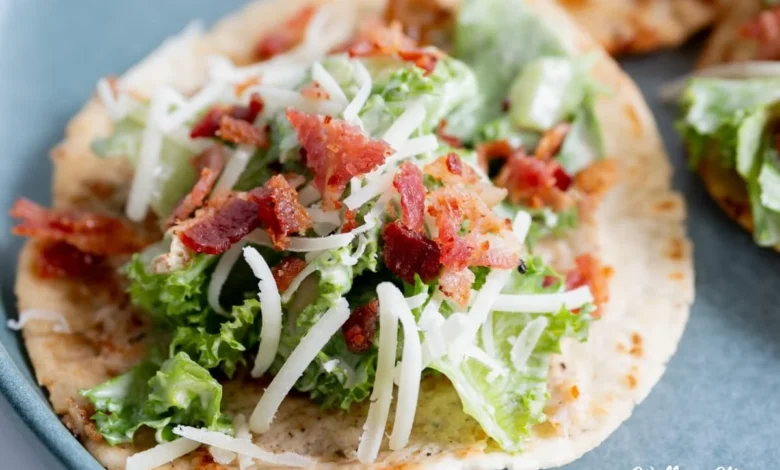
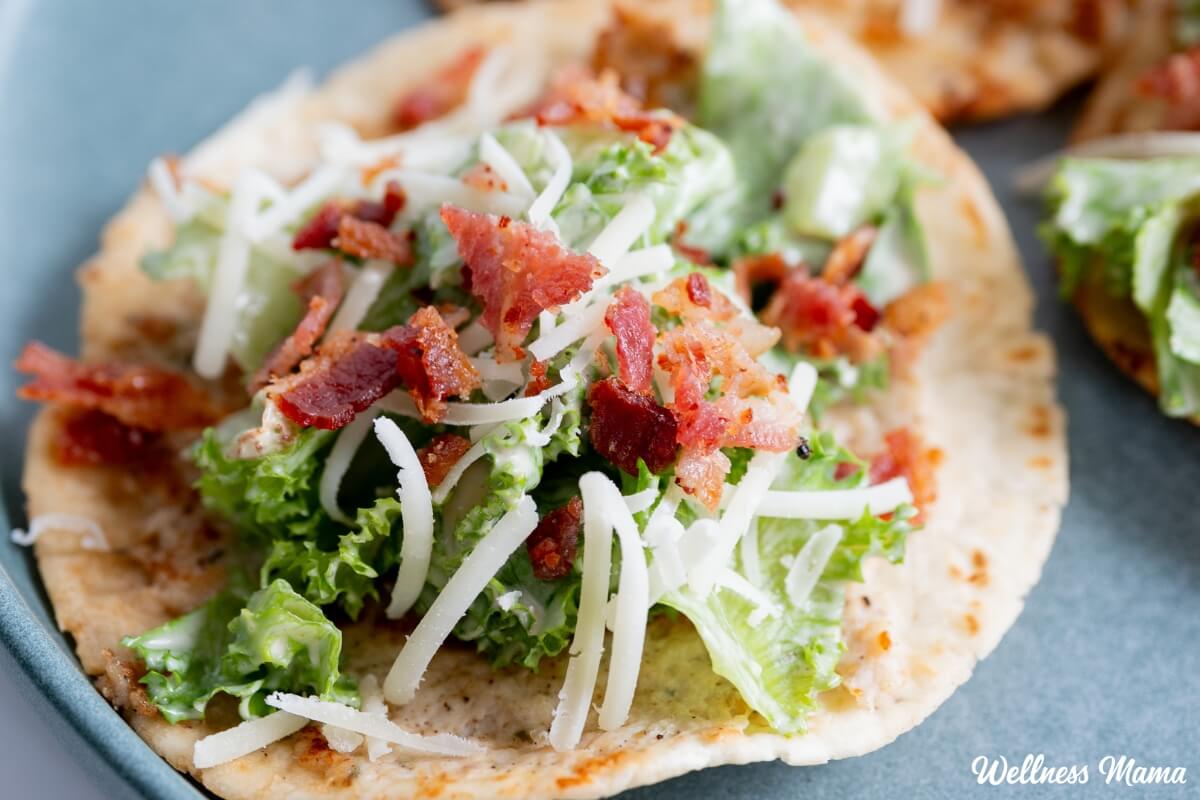
The emergence of the "smash" technique—a method typically associated with smash burgers—involves pressing a protein source onto a heated surface to maximize the Maillard reaction. In the context of the Smash Chicken Caesar Taco, the raw, seasoned chicken mixture is applied directly to a tortilla, which is then pressed onto a skillet. This process ensures the meat cooks rapidly while creating a crispy, caramelized crust that adheres to the tortilla, providing a structural integrity that traditional loose-meat tacos often lack.
Culinary Methodology and Nutritional Composition
The production of Smash Chicken Caesar Tacos involves a precise alignment of textures and flavors. The foundational protein is typically a blend of ground or finely minced chicken, seasoned with a profile derived from the classic Caesar palate: Italian herbs, lemon pepper, garlic, and onion. The "smash" process allows the fats within the chicken to render into the tortilla, creating a golden-brown finish that mimics the crunch of a traditional crouton.
From a nutritional perspective, this fusion dish offers a balanced macronutrient profile. A single serving provides approximately 19 grams of protein and 36 grams of fat, with a significant caloric contribution coming from the healthy fats found in the mayonnaise-and-yogurt-based dressing. The inclusion of anchovy paste and high-quality Parmesan cheese provides essential micronutrients, including calcium and vitamin A, while keeping carbohydrates relatively low at 20 grams per serving. This makes the dish an attractive option for individuals following lower-carb or protein-centric diets, such as the ketogenic or Mediterranean-style eating patterns.
The Role of Modern Pantry Staples
The scalability of this recipe relies heavily on the accessibility of high-quality, pre-made pantry staples. As consumer demand for "clean label" ingredients has grown, the availability of avocado oil-based mayonnaise and organic, non-GMO tortilla options—ranging from almond flour to cassava flour alternatives—has expanded. Market data suggests that the "home meal replacement" category, which includes meal kits and pre-prepared sauces, has seen a compound annual growth rate of approximately 6% over the last five years.
Professional chefs and home economists note that the success of these tacos hinges on the quality of the dressing. The traditional Caesar emulsion, which relies on the emulsifying properties of egg yolks and the umami depth of anchovies, is increasingly being augmented with Greek yogurt to reduce overall fat content while increasing protein density. This adaptation reflects a broader trend in the food industry toward "functional nutrition," where dishes are evaluated not just by taste, but by their ability to provide sustained energy.
Chronology of Culinary Fusion
The integration of salad-based flavors into handheld vessels began gaining momentum in the mid-2010s, as fast-casual restaurant chains began testing "deconstructed" menu items. The timeline of this specific trend is as follows:
- 2015–2017: The rise of "taco culture" in North America, with a focus on non-traditional fillings, including Korean bulgogi and Mediterranean-inspired proteins.
- 2018–2020: The widespread adoption of "smash" cooking techniques on social media platforms, which emphasized visual appeal and rapid cooking times.
- 2021–2023: The consolidation of these trends, where home cooks began combining the "smash" protein method with classic salad flavor profiles to create convenient, meal-prep-friendly dinners.
- 2024: The current period marks the maturity of the Smash Chicken Caesar Taco as a recognized household recipe, characterized by the use of standardized ingredient lists and refined prep-ahead workflows.
Meal Preparation and Operational Efficiency
One of the primary drivers of the popularity of Smash Chicken Caesar Tacos is their suitability for meal preparation. Culinary experts recommend separating the assembly from the cooking process to maintain the structural integrity of the tortilla. By preparing the chicken mixture and the Caesar dressing in advance, a household can reduce active cooking time to under 15 minutes.
The dressing, in particular, benefits from refrigeration, which allows the fat-soluble compounds in the herbs and the salt content of the anchovies to permeate the base, resulting in a more cohesive flavor profile. This "aging" process for sauces is a standard practice in commercial kitchens and is increasingly being adopted by domestic cooks to elevate the quality of their meals.
Broader Economic and Health Implications
The shift toward dishes like the Smash Chicken Caesar Taco reflects a broader socioeconomic trend: the desire for sophisticated, restaurant-quality meals that can be produced efficiently within the home environment. As inflation impacts the cost of dining out, households are increasingly seeking ways to replicate high-end dining experiences using pantry staples.
From a public health standpoint, this recipe addresses the ongoing concern regarding ultra-processed foods. By substituting commercial croutons with the crispy, chicken-infused tortilla and utilizing homemade or high-quality avocado-oil-based dressings, the dish minimizes the intake of inflammatory seed oils and refined carbohydrates. It represents a "whole-food-centric" approach to dinner that balances the indulgence of traditional Caesar dressing with the nutrient density of lean poultry and fresh greens.
Analytical Outlook
As the culinary landscape continues to shift toward hybrid dishes, the Smash Chicken Caesar Taco serves as a template for future innovation. By analyzing the structural components—a seasoned protein base, a crisp textural element, and an umami-forward sauce—food scientists and chefs can identify new opportunities for fusion.
Furthermore, the data regarding the dish’s nutritional density suggests that as long as the base ingredients remain accessible, the recipe will likely remain a staple in the repertoire of time-conscious, health-oriented families. The success of this specific iteration demonstrates that consumer preferences are not merely dictated by novelty, but by the successful marriage of historical flavor profiles with modern, efficient preparation techniques. As the industry looks toward the next decade, the ability to iterate on classic, beloved formats while improving their nutritional profile will likely remain the gold standard for both commercial success and domestic culinary satisfaction.