Mediterranean Bean Salad: A Nutritional and Economic Analysis of Modern Meal Prep Trends

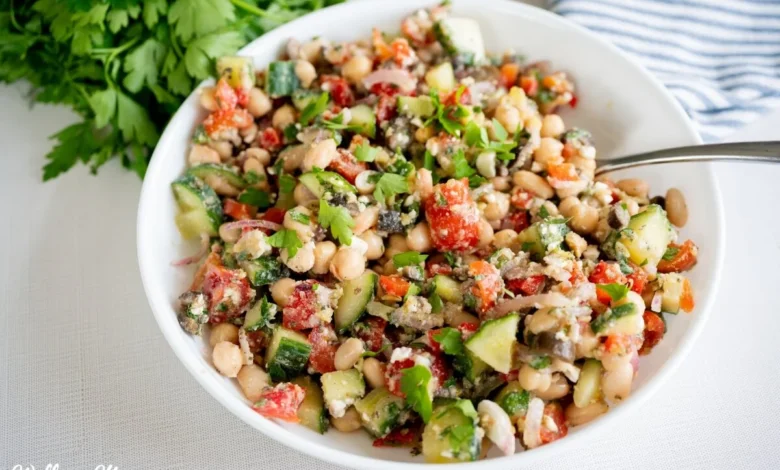
The culinary landscape of the 21st century has seen a significant shift toward "meal prepping"—the practice of preparing ingredients or complete meals in advance to optimize time, budget, and nutritional intake. Among the most enduring and versatile staples in this movement is the Mediterranean bean salad, a dish that has gained widespread popularity due to its reliance on shelf-stable legumes, fresh produce, and a nutrient-dense profile. As households face increasing pressure to balance busy professional schedules with the rising cost of groceries, the Mediterranean bean salad serves as a case study in efficient, cost-effective nutrition.
The Nutritional Profile of Legume-Based Salads
At the heart of the Mediterranean bean salad lies a combination of chickpeas (garbanzo beans) and cannellini beans. Legumes are recognized by health organizations globally, including the World Health Organization (WHO), as foundational components of a heart-healthy diet. These plant-based proteins are rich in dietary fiber, which aids in digestive health and blood sugar regulation.
Data from the United States Department of Agriculture (USDA) suggests that a typical serving of such a salad provides roughly 6 to 8 grams of fiber and 8 grams of protein. Furthermore, the inclusion of extra virgin olive oil—a primary source of monounsaturated fatty acids—introduces omega-3 and omega-9 fatty acids, which are associated with reduced inflammation and cardiovascular protection. The addition of fresh vegetables such as cucumbers, tomatoes, and bell peppers contributes essential micronutrients, including Vitamin C, Vitamin A, and potassium, effectively turning a simple side dish into a comprehensive nutritional package.
Historical and Cultural Context
The origins of the Mediterranean bean salad are deeply rooted in the broader "Mediterranean Diet," a lifestyle pattern characterized by the consumption of olive oil, legumes, unrefined cereals, fruits, and vegetables. Historically, the Mediterranean basin relied on these ingredients due to their availability and long shelf life. The practice of using lemon juice and herbs like parsley, mint, and oregano to flavor legumes is a technique that has been employed for centuries to enhance the palatability of plant-based proteins without relying on excessive salt or saturated fats.
In the modern context, this dish has evolved from a regional staple into a global meal-prep favorite. The transition occurred primarily in the early 2010s as social media and wellness blogs began promoting the concept of "refrigerator-stable" salads. Unlike leafy green salads, which succumb to wilting and oxidation within hours of dressing application, the bean-based iteration maintains its structural integrity for three to five days. This durability is largely due to the density of the beans and the acidity of the lemon-based vinaigrette, which acts as a mild preservative.
Chronology of Culinary Adaptation
The rise of the bean salad in contemporary home kitchens follows a predictable trajectory of adaptation:
- Pre-2000s: Bean salads were largely relegated to institutional settings (cafeterias) or traditional picnic fare, often featuring heavy mayonnaise-based dressings.
- 2005–2015: The "Clean Eating" movement gained momentum, emphasizing whole foods and the reduction of processed ingredients. During this period, the vinaigrette-based Mediterranean bean salad became a hallmark of health-conscious dining.
- 2015–Present: The surge in popularity of meal-planning applications and professional kitchen organization strategies has solidified the dish’s place in the weekly routines of working professionals. Data indicates that interest in "make-ahead" vegetable dishes has grown by nearly 40% in search volume over the last decade, as consumers prioritize time-saving strategies.
Economic Implications for the Modern Household
Beyond nutrition, the economic viability of the Mediterranean bean salad is a significant factor in its sustained popularity. According to recent consumer price indices, legumes remain among the most affordable sources of protein per gram compared to animal-based alternatives.
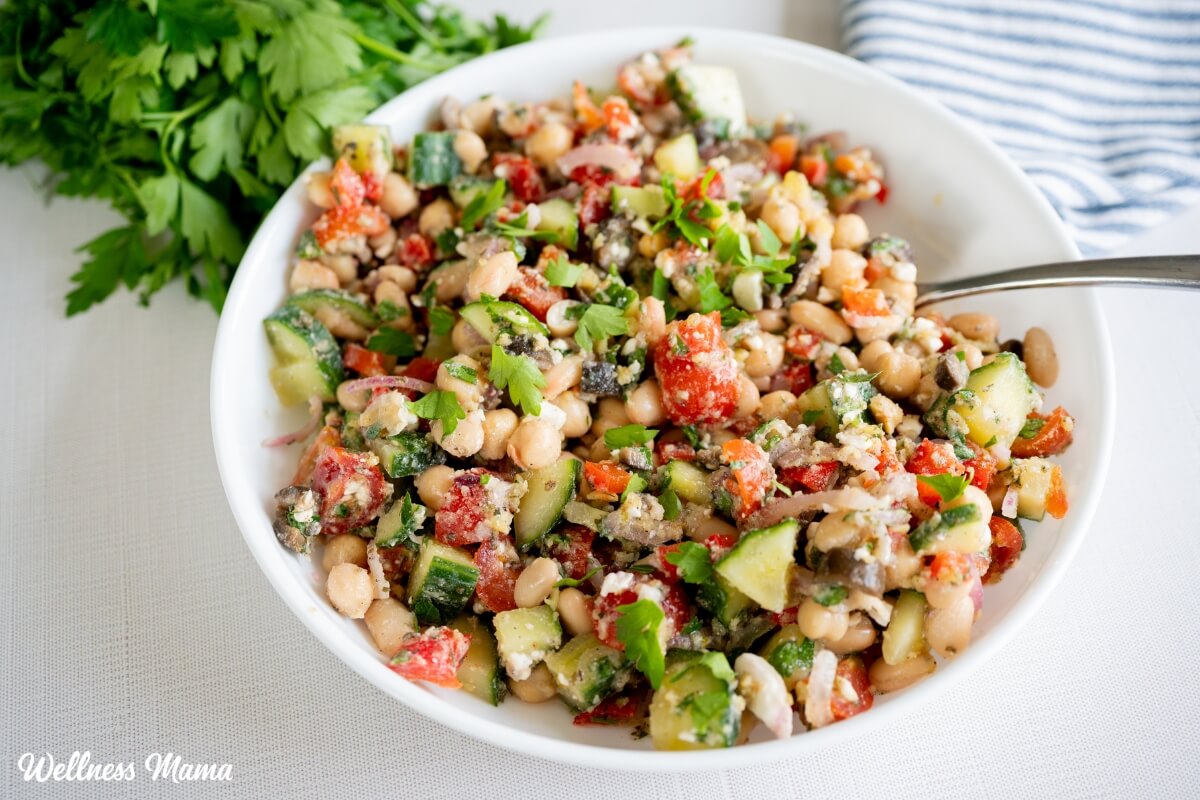
When analyzing the cost-per-serving, a homemade Mediterranean bean salad costs a fraction of a comparable pre-packaged meal or restaurant order. By purchasing dry beans in bulk or utilizing canned varieties during high-inflation periods, families can insulate themselves from the volatility of meat prices. Furthermore, the practice of making one’s own dressing using base ingredients—olive oil, lemon juice, and dried herbs—significantly reduces the "hidden costs" associated with pre-bottled dressings, which are often marked up by 200–300% over the cost of the raw ingredients.
Expert Perspectives on Meal Prepping
Nutritionists and dietary researchers have long advocated for the inclusion of legumes in the diet as a means of managing caloric density. Dr. Elena Rossi, a specialist in preventative nutrition, notes that the "soak and marinate" effect observed in refrigerated bean salads is scientifically advantageous. "When a bean-based salad sits in a vinaigrette for 12 to 24 hours, the osmotic pressure allows the flavor compounds from the garlic, herbs, and lemon to penetrate the outer skin of the beans. This not only improves the flavor profile but also makes the complex carbohydrates within the legumes easier to digest for many individuals," Dr. Rossi explains.
Additionally, culinary researchers have highlighted the environmental impact of such dishes. By shifting the focus toward plant-forward meals, households can contribute to a lower carbon footprint. The production of pulses (beans and lentils) requires significantly less water and land than the production of livestock, aligning personal health goals with broader sustainability objectives.
Practical Implementation: The Art of the Assembly
The technical success of the Mediterranean bean salad lies in the assembly process. To maximize longevity and flavor, culinary experts suggest a three-step protocol:
- Preparation of the Base: Combining high-density beans (chickpeas and cannellini) with crisp vegetables (cucumber and bell peppers) ensures that the salad maintains a textural contrast.
- The Emulsion: Utilizing a jar to shake the olive oil, lemon, and spices creates a stable emulsion that coats the ingredients evenly, preventing the acidity from breaking down the softer vegetables too quickly.
- Maturation: Allowing the salad to rest for at least 15 to 30 minutes before serving is essential. This resting period, often referred to as "flavor development," is where the aromatic compounds of the herbs and the acidity of the lemon fully integrate.
Broader Impact on Public Health Trends
The shift toward dishes like the Mediterranean bean salad represents a broader trend in public health: the democratization of nutrition. As information regarding the benefits of the Mediterranean diet becomes more accessible, consumers are increasingly moving away from restrictive diets toward flexible, sustainable eating patterns.
The flexibility of the recipe—allowing for the substitution of ingredients like Kalamata olives for green olives, or the addition of proteins like grilled chicken or feta cheese—empowers home cooks to adapt the dish to their specific dietary requirements and regional ingredient availability. This adaptability is critical in overcoming the "recipe fatigue" often associated with strictly regimented meal plans.
Future Outlook
As the global food supply chain continues to face challenges, the reliance on stable, nutrient-dense, and cost-effective ingredients will likely intensify. The Mediterranean bean salad is not merely a recipe; it is a framework for sustainable, healthy living. Future research into the microbiome-enhancing properties of legume-rich diets suggests that as more individuals adopt these habits, there may be measurable improvements in public health outcomes related to metabolic disease and obesity.
In conclusion, the Mediterranean bean salad stands as a testament to the effectiveness of simple, whole-food preparation. By leveraging the natural shelf-life of legumes and the health benefits of Mediterranean staples, individuals can achieve a high-quality nutritional standard that is both economically and logistically feasible. As the trend toward efficient meal planning continues to evolve, the principles embodied by this dish will likely remain a cornerstone of the modern kitchen.
Related posts: