Salmon and Cholesterol 2 delves into the fascinating relationship between this popular fish and blood cholesterol levels. We’ll explore the nutritional powerhouse that is salmon, examining its rich protein, healthy fats, vitamins, and minerals. Different types of salmon, from wild-caught to farmed, will be compared, highlighting the nuances in their nutritional profiles. Understanding the cholesterol content, the role of omega-3s, and potential health implications will be central to this comprehensive exploration.
This in-depth look at salmon and cholesterol 2 unpacks the science behind the connection. We’ll analyze how salmon’s unique composition affects cholesterol, providing a balanced perspective on the subject. From cooking methods to portion sizes, we’ll cover the practical aspects of incorporating salmon into a healthy diet. Ultimately, this guide aims to empower readers to make informed decisions about their salmon consumption.
Salmon Nutritional Profile
Salmon, a popular and versatile fish, offers a wealth of nutrients crucial for maintaining overall health. Its rich nutritional profile makes it a valuable addition to any balanced diet. Beyond its delicious taste, salmon provides essential vitamins, minerals, and healthy fats, particularly omega-3 fatty acids, contributing to various health benefits.This detailed exploration delves into the nutritional content of salmon, highlighting the differences between wild-caught and farmed varieties, and emphasizing the vital role of omega-3s in promoting well-being.
We’ll also examine the potential health benefits derived from consuming salmon.
Nutritional Content Breakdown
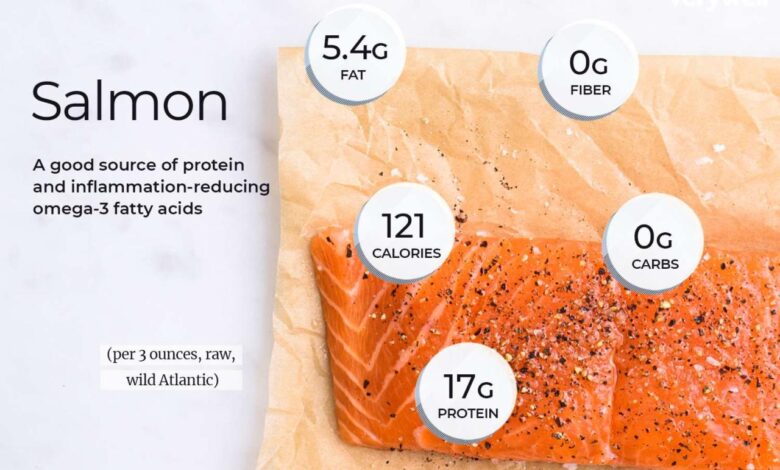
Salmon is a powerhouse of nutrients, providing a significant amount of protein and healthy fats. Its vitamin and mineral content also contributes to overall health. Understanding the specific components and their functions is crucial for appreciating the nutritional value of salmon.
| Nutrient | Amount per Serving (approx.) | Function |
|---|---|---|
| Protein | 20-30 grams | Essential for building and repairing tissues, supporting muscle growth, and maintaining overall body structure. |
| Healthy Fats (Omega-3s) | 1-3 grams | Crucial for brain function, heart health, and reducing inflammation throughout the body. |
| Vitamin D | Varied, depending on the source | Important for calcium absorption, bone health, and immune function. |
| Vitamin B12 | Significant amounts | Essential for nerve function, red blood cell formation, and DNA synthesis. |
| Selenium | Significant amounts | An antioxidant that supports the immune system and thyroid function. |
| Potassium | Significant amounts | Crucial for maintaining fluid balance, muscle contractions, and nerve signals. |
| Iron | Moderate amounts | Essential for oxygen transport throughout the body. |
Wild-Caught vs. Farmed Salmon
The nutritional composition of salmon can vary depending on its source. Wild-caught salmon, typically, has a higher concentration of omega-3 fatty acids and a more balanced nutritional profile compared to farmed salmon. This difference stems from the different diets and environments in which they are raised.
While salmon and cholesterol 2 are definitely a hot topic, I’ve been thinking a lot about how to keep my little ones entertained indoors. Finding the perfect toys for active indoor play is crucial, and checking out resources like best toys for active indoor play has been really helpful. It seems like a good way to burn off some energy, which is great for overall health, just like choosing salmon for its healthy fats and nutritional profile.
And, of course, that all plays into the overall health picture when considering salmon and cholesterol 2.
Role of Omega-3 Fatty Acids
Omega-3 fatty acids are polyunsaturated fats vital for numerous bodily functions. They play a crucial role in reducing inflammation, supporting brain health, and maintaining cardiovascular health. Studies have linked higher omega-3 intake to a reduced risk of chronic diseases.
Omega-3 fatty acids, particularly EPA and DHA, are known to have a significant impact on brain function, cognitive development, and mood regulation.
Potential Health Benefits
Consuming salmon regularly can offer a wide range of potential health benefits. The rich source of omega-3s, vitamin D, and other essential nutrients can contribute to improved cardiovascular health, reduced inflammation, and enhanced cognitive function.
Cholesterol Content of Salmon

Salmon, a popular and nutritious choice for many, often raises questions about its cholesterol content. Understanding the nuances of dietary cholesterol, blood cholesterol, and the role of fats in this context is crucial for making informed dietary decisions. This section delves into the cholesterol content of various salmon types, comparing it to other fish and explaining the factors affecting these values.
Average Cholesterol Content per Serving
Different salmon types exhibit variations in cholesterol content. On average, a 3-ounce serving of cooked wild-caught salmon contains approximately 60-80 milligrams of cholesterol. Farmed salmon, often having a higher fat content, may contain slightly more cholesterol, typically in the range of 80-100 milligrams per serving. These figures are estimates and can vary based on specific preparation methods and the exact fish.
Dietary Cholesterol vs. Blood Cholesterol
It’s important to differentiate between dietary cholesterol and blood cholesterol. Dietary cholesterol is the cholesterol found in food sources like salmon. Blood cholesterol, on the other hand, refers to the cholesterol circulating in the bloodstream. While dietary cholesterol plays a role, the body also produces cholesterol. The liver synthesizes cholesterol, and factors such as genetics, overall diet, and physical activity significantly impact blood cholesterol levels.
Impact of Fats on Cholesterol Levels
The type of fat consumed significantly influences cholesterol levels. Saturated fats tend to raise LDL (“bad”) cholesterol levels, while unsaturated fats, including monounsaturated and polyunsaturated fats, generally have a more neutral or beneficial effect. Salmon is rich in omega-3 fatty acids, a type of polyunsaturated fat, which are associated with a lower risk of heart disease and improved cardiovascular health.
HDL and LDL Cholesterol
High-density lipoprotein (HDL) cholesterol is often referred to as “good” cholesterol. HDL helps remove excess cholesterol from the body, reducing the risk of plaque buildup in arteries. Low-density lipoprotein (LDL) cholesterol is considered “bad” cholesterol. High levels of LDL can contribute to the formation of plaque, increasing the risk of heart disease and stroke. Salmon’s beneficial fats contribute to healthy cholesterol profiles by promoting HDL and potentially lowering LDL levels.
Comparison to Other Fish
Different fish species have varying cholesterol contents. For instance, tuna, another popular choice, generally has a higher cholesterol content than salmon, ranging from 60 to 120 milligrams per 3-ounce serving. Shrimp, on the other hand, tends to have a higher cholesterol content than both tuna and salmon, often exceeding 150 milligrams per serving. The specific values vary based on the fish species, preparation method, and size of the serving.
Comparison Table
| Fish | Approximate Cholesterol (mg) per 3-oz Serving |
|---|---|
| Salmon (wild-caught) | 60-80 |
| Salmon (farmed) | 80-100 |
| Tuna | 60-120 |
| Shrimp | >150 |
| Cod | 40-60 |
Note: Values are approximate and may vary depending on preparation and individual fish.
Salmon and Cholesterol Relationship
Salmon, a popular dietary choice, often sparks discussions about its impact on cholesterol levels. This section delves into the current scientific understanding of this relationship, examining the mechanisms through which salmon consumption might affect blood cholesterol, and exploring the role of omega-3 fatty acids. Furthermore, it considers the influence of cooking methods on the nutritional profile of salmon.Salmon, rich in essential nutrients, is often linked to heart health benefits.
So, I’ve been diving deep into salmon and cholesterol 2, and while it’s fascinating, I stumbled upon something else equally important. If you’re experiencing digestive issues, understanding c diff symptoms treatment could be crucial. It seems that a healthy gut might play a surprising role in how your body processes dietary fats, even in the context of salmon and cholesterol 2.
It’s all connected, isn’t it? I’m definitely going to be researching this further.
Understanding the specifics of its impact on cholesterol is crucial for informed dietary choices. This involves exploring the complex interplay between dietary fats, omega-3 fatty acids, and their effects on cholesterol metabolism.
Scientific Understanding of the Salmon-Cholesterol Link
The relationship between salmon consumption and cholesterol levels is complex and multifaceted. Studies suggest a potential positive impact on cardiovascular health through various mechanisms, including the modulation of blood lipid profiles. Salmon is a significant source of omega-3 fatty acids, known for their potential to lower triglycerides and raise “good” HDL cholesterol. However, the effect varies depending on individual factors like pre-existing conditions, dietary habits, and overall lifestyle.
Mechanisms of Action
Salmon’s impact on blood cholesterol likely stems from its high content of omega-3 fatty acids, particularly EPA and DHA. These polyunsaturated fats are believed to influence cholesterol metabolism by several mechanisms. Firstly, they may reduce the production of triglycerides, a type of fat that contributes to high cholesterol. Secondly, they can help increase the level of HDL cholesterol, often referred to as “good” cholesterol, which helps remove excess cholesterol from the body.
The interplay between these mechanisms can contribute to a healthier lipid profile.
Studies on Salmon Consumption and Cholesterol Levels
Numerous studies have investigated the effects of salmon consumption on cholesterol levels. A meta-analysis of several randomized controlled trials, for instance, demonstrated a significant reduction in total cholesterol and LDL (“bad”) cholesterol in participants who regularly consumed salmon. However, results can vary depending on the study design, sample size, and specific characteristics of the participants. It’s crucial to consult multiple sources and consider the limitations of individual studies.
It’s important to remember that correlation does not equal causation, and more research is always valuable.
Impact of Omega-3 Fatty Acids on Cholesterol Metabolism
Omega-3 fatty acids are key components in the mechanisms influencing cholesterol metabolism. Their anti-inflammatory properties and ability to reduce triglycerides are considered important factors in promoting heart health. These fatty acids also appear to affect the production of cholesterol in the liver, influencing the balance between “good” and “bad” cholesterol.
“Omega-3 fatty acids, such as EPA and DHA, have been shown to reduce the production of triglycerides and increase the levels of HDL cholesterol.”
Influence of Cooking Methods on Salmon’s Cholesterol Content
Cooking methods can significantly affect the nutritional content of salmon, including its cholesterol profile. Different methods introduce varying degrees of fat loss or alteration. For example, pan-frying or deep-frying can lead to the loss of some nutrients and potentially increase the amount of saturated fat. Conversely, baking or grilling may preserve more nutrients while minimizing the addition of extra fat.
Comparison of Cooking Methods
| Cooking Method | Impact on Nutritional Content | Potential Cholesterol Impact |
|---|---|---|
| Baking | Preserves nutrients, low in added fat | Minimal impact on cholesterol content |
| Grilling | Preserves nutrients, low in added fat | Minimal impact on cholesterol content |
| Pan-frying | Can lead to some nutrient loss, potentially increases saturated fat | Potentially increases saturated fat and thus potentially higher cholesterol impact |
| Deep-frying | Significant nutrient loss, high in added fat | Potentially significant increase in saturated fat and cholesterol impact |
Salmon Consumption Recommendations
Enjoying salmon’s nutritional benefits while minimizing potential risks is key. This section offers practical guidelines for safe and healthy salmon consumption, considering various factors like age, health, and preparation methods. Understanding portion sizes and balanced dietary habits is crucial for maximizing the positive impacts of salmon on your well-being.Safe and healthy salmon consumption hinges on a few key considerations.
Prioritizing high-quality, fresh salmon is essential. Proper preparation methods are also crucial for retaining nutritional value and preventing potential hazards. Balancing salmon intake with a diverse and well-rounded diet is vital for overall health.
Safe Consumption Guidelines
Consuming salmon responsibly involves understanding its nutritional value and potential risks. Salmon is a healthy protein source, but like any food, moderation is key. Following guidelines for safe consumption ensures you benefit from its nutrients without jeopardizing your health.
Recommended Portion Sizes
Portion sizes for salmon consumption depend on age, activity level, and individual dietary needs. General guidelines for adults are around 4-6 ounces per serving, while children and adolescents should adjust their portions based on their age and nutritional requirements. Consulting a registered dietitian or healthcare professional can provide personalized recommendations.
Importance of a Balanced Diet
Salmon is a fantastic addition to a healthy diet, but it’s not a replacement for a comprehensive nutritional plan. A balanced diet that includes fruits, vegetables, lean proteins, and whole grains is essential for overall well-being. Salmon should be part of a varied and balanced dietary approach, not a stand-alone solution.
Potential Risks of Overconsumption, Salmon and cholesterol 2
While salmon is generally safe, excessive consumption could pose potential risks. Certain individuals might experience digestive issues or allergic reactions. Always listen to your body and adjust your intake accordingly. Excessive consumption of any food can lead to potential health issues.
Choosing High-Quality and Fresh Salmon
Selecting fresh salmon is crucial for its taste and nutritional integrity. Look for firm, pinkish-red flesh with a glistening appearance. Avoid salmon with a strong odor or slimy texture. High-quality salmon ensures you’re getting the best nutritional value.
Preparing Salmon for Maximum Nutritional Benefits
Optimal preparation methods preserve salmon’s nutrients and enhance its flavor. Baking, grilling, or pan-frying are excellent choices, minimizing added fats and maximizing the taste of the fish. Avoid overcooking to retain moisture and nutrients.
Different Preparation Methods
- Grilling: This method yields a smoky flavor and cooks the salmon evenly. Place the salmon on a preheated grill, ensuring not to overcrowd the grill. Grilling requires careful attention to avoid burning.
- Baking: A simple yet effective way to cook salmon. Place the salmon in a baking dish and bake at a moderate temperature. Baking is ideal for retaining moisture and delicate flavors.
- Pan-frying: A quick and versatile method for cooking salmon. Heat a pan with a small amount of oil and cook the salmon skin-side down first, followed by the other side. Pan-frying offers a quick and flavorful experience.
Visual Representation of Preparation Methods:Imagine a salmon fillet placed on a preheated grill, radiating a subtle smoky aroma. Next, visualize a baking dish with a glistening salmon fillet, baked to perfection. Finally, picture a pan-fried salmon fillet, golden brown and glistening with oil, releasing enticing aromas. These visuals highlight the versatility and appeal of these methods.
So, I’ve been digging into salmon and cholesterol 2, and it’s fascinating how different opinions exist on the subject. But what if crucial reproductive healthcare services, like those provided by Planned Parenthood, vanished? That’s a really concerning thought, and it makes me wonder how such a significant loss of access to care would impact overall well-being, especially for those who rely on these services.
What if planned parenthood went out of business ? It’s a stark contrast to the seemingly simple question of how salmon affects cholesterol levels. Regardless, more research is needed on both sides of the issue.
Potential Health Implications: Salmon And Cholesterol 2
Salmon, beyond its reputation for healthy fats and moderate cholesterol content, offers a wealth of potential benefits for overall well-being. Its nutritional profile, rich in essential nutrients, plays a significant role in maintaining various bodily functions, from heart health to brain function. This exploration delves into the multifaceted health advantages of salmon consumption, including potential interactions with medications and specific considerations for pregnant women and children.
Beyond Cholesterol Management
Salmon’s nutritional profile extends far beyond cholesterol control. It’s a powerhouse of essential nutrients, including omega-3 fatty acids, vitamin D, and various B vitamins. These nutrients contribute to a range of health benefits, making salmon a valuable addition to a balanced diet.
Role in Heart Health
Omega-3 fatty acids, abundant in salmon, are known for their positive impact on cardiovascular health. They help reduce triglycerides, lower blood pressure, and improve blood vessel function. Studies suggest that regular salmon consumption can contribute to a healthier heart, reducing the risk of heart disease. This benefit is attributed to the specific type of omega-3s found in salmon, which contribute to the regulation of blood clotting and inflammation.
Impact on Brain Function
The omega-3 fatty acids in salmon are crucial for brain health. These essential fats are vital components of brain cell membranes, supporting cognitive function and memory. Studies indicate that adequate intake of omega-3s, particularly in the form found in salmon, may help maintain brain health and potentially reduce the risk of age-related cognitive decline. This impact is especially relevant for brain development in children and adolescents.
Interactions with Medications and Health Conditions
Certain medications, such as blood thinners, may interact with the omega-3 fatty acids in salmon. It’s crucial to consult a healthcare professional before significantly altering your diet, particularly if you are taking any medications. Specific health conditions, such as bleeding disorders, might also necessitate caution when incorporating salmon into your diet. Individual responses can vary, and professional guidance is essential to ensure safe and effective dietary adjustments.
Considerations for Pregnant Women and Children
Salmon is a beneficial food source for pregnant women and children due to its rich nutritional content. The omega-3 fatty acids are essential for fetal brain development and can support the cognitive and visual development of children. However, it’s vital to ensure the salmon consumed is from a reliable source and prepared safely to avoid potential contaminants. For pregnant women and children, consulting a doctor or registered dietitian is recommended to determine appropriate portion sizes and to address any specific dietary needs.
Potential Benefits Across Demographics
| Demographic | Potential Health Benefits |
|---|---|
| Adults | Improved heart health, reduced risk of chronic diseases, support for cognitive function. |
| Children | Brain development, improved cognitive function, support for growth and development. |
| Pregnant Women | Fetal brain development, support for overall maternal health. |
| Individuals with Heart Conditions | Reduced risk of cardiovascular events, support for managing cholesterol levels. |
| Individuals with Cognitive Impairments | Potential improvement in cognitive function, support for memory and focus. |
Salmon Alternatives
Exploring healthy fish alternatives to salmon is crucial for maintaining a balanced diet and ensuring diverse nutritional intake. These alternatives offer similar nutritional benefits, like omega-3 fatty acids, while potentially providing a wider range of flavors and textures. Choosing these alternatives thoughtfully, considering factors like sustainability, can contribute to a healthier and more environmentally conscious approach to seafood consumption.
Healthy Fish Alternatives
A variety of fish offer comparable nutritional benefits to salmon, including high levels of omega-3 fatty acids and other essential nutrients. These alternatives can provide an excellent source of protein and healthy fats, playing a significant role in a balanced diet.
- Tuna: Tuna, particularly albacore and yellowfin, are rich in protein and omega-3 fatty acids. However, it’s important to be mindful of mercury content, especially in larger tuna varieties. Properly portioning and selecting sustainably caught tuna is key to minimizing mercury exposure.
- Mackerel: Mackerel is another excellent source of omega-3 fatty acids and protein. Its high fat content contributes to its nutritional value. Similar to tuna, sustainable sourcing practices are crucial when choosing mackerel.
- Herring: Herring is packed with omega-3 fatty acids and protein, making it a valuable addition to a healthy diet. Its mild flavor and versatility make it a great option in various dishes. Sustainable fishing practices are vital for ensuring the long-term availability of this fish.
- Sardines: Sardines are small, oily fish that are exceptionally rich in omega-3 fatty acids, vitamin D, and calcium. Their small size often means lower mercury content compared to larger fish. Sardines are a fantastic choice for those looking for a nutrient-dense and sustainable seafood option.
Nutritional and Cholesterol Comparison
Comparing the nutritional profiles of different fish varieties reveals variations in their fat content and cholesterol levels. While salmon is a good source of protein and omega-3s, other fish offer comparable benefits, sometimes with different nutrient profiles. It’s important to consider the specific nutritional needs and preferences when making choices.
| Fish | Omega-3 Fatty Acids (mg/100g) | Cholesterol (mg/100g) | Protein (g/100g) |
|---|---|---|---|
| Salmon (Wild) | 2000-2500 | 60-80 | 20-25 |
| Tuna (Albacore) | 1500-2000 | 50-70 | 25-30 |
| Mackerel | 1800-2200 | 60-80 | 20-25 |
| Herring | 1500-2000 | 50-70 | 20-25 |
| Sardines | 1000-1500 | 40-60 | 20-25 |
High Omega-3 Fish List
This list provides a compilation of various fish types that are recognized for their high omega-3 fatty acid content. The specific amounts may vary depending on the species and the fishing method.
- Anchovies
- Cod
- Haddock
- Trout
- Halibut
Sustainable Fishing Practices
Prioritizing sustainable fishing methods is essential for ensuring the long-term availability of fish populations and preserving marine ecosystems. By supporting sustainable fishing practices, consumers contribute to the health of the oceans and maintain the availability of these nutritional resources. Looking for certifications from reputable organizations like the Marine Stewardship Council (MSC) can help ensure that the fish you choose are caught responsibly.
Final Wrap-Up
In conclusion, our exploration of salmon and cholesterol 2 reveals a complex but ultimately positive relationship. Salmon, packed with essential nutrients and healthy fats, offers numerous potential health benefits, including positive impacts on cholesterol levels. Understanding the nutritional profile, cholesterol content, and safe consumption guidelines is key to maximizing the advantages of incorporating this nutritious fish into your diet.
Remember to consult with a healthcare professional before making significant dietary changes. We hope this comprehensive guide has provided you with valuable insights into the world of salmon and cholesterol.