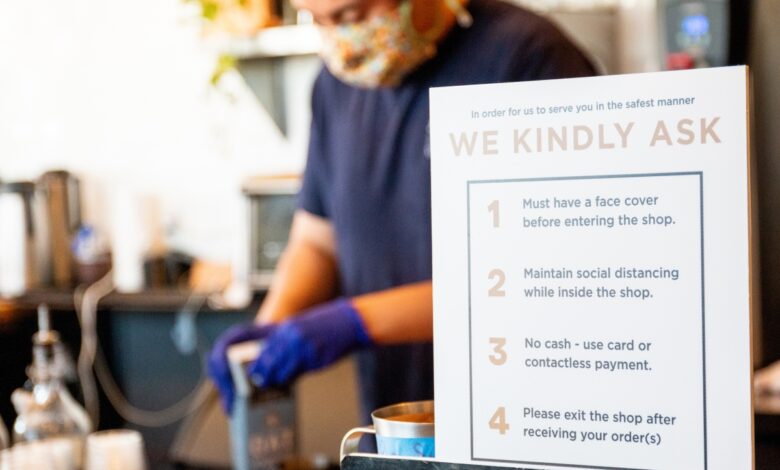
Why hanging out at a bar during the pandemic is a terrible idea. The allure of a bustling bar, the familiar camaraderie, and the tempting atmosphere can be strong. However, the reality is that bar visits during a pandemic pose significant risks. Close proximity, shared surfaces, and a lack of ventilation create an environment ripe for viral transmission.
This isn’t just about individual health; it’s about the broader impact on the community, the healthcare system, and the economy. Let’s explore why choosing a bar over safer alternatives is a perilous decision during this challenging time.
The risks of COVID-19 transmission in enclosed spaces, like bars, are substantial. Social distancing and mask-wearing become critical. Shared surfaces, like bar handles and drink glasses, quickly become potential transmission vectors. This heightened risk extends to vulnerable populations, including those with pre-existing health conditions. Furthermore, bar outbreaks can place a significant strain on healthcare resources and the hospitality industry, impacting both businesses and individuals.
Health Risks Associated with Bar Visits During the Pandemic
The pandemic significantly altered social interactions, and bars, with their enclosed spaces and close proximity, present unique health risks. Understanding these risks is crucial for responsible decision-making and protecting public health. While many restrictions have been lifted, the inherent dangers associated with bar visits remain.The enclosed nature of bars, coupled with the often-loud environment and the frequent consumption of alcohol, makes them particularly susceptible to the spread of airborne viruses.
This is a significant concern given the ongoing circulation of COVID-19 variants and other respiratory illnesses.
COVID-19 Transmission Risk in Enclosed Spaces
The close proximity of individuals in bars greatly increases the risk of COVID-19 transmission. Airborne droplets containing the virus, released during conversations and exhalations, can easily spread through the air within a confined space. This risk is compounded by the fact that bars often lack adequate ventilation, further facilitating the spread of the virus. Reduced air circulation in these settings leads to higher concentrations of viral particles in the immediate environment, making it easier for transmission to occur.
Examples of this can be seen in documented outbreaks in enclosed settings like restaurants and nightclubs.
Importance of Social Distancing and Mask-Wearing
Social distancing and mask-wearing remain vital strategies for mitigating the spread of infectious diseases, including COVID-19. Maintaining a safe distance between individuals significantly reduces the likelihood of viral transmission through airborne droplets. Masks serve as a physical barrier, preventing the release of respiratory droplets into the air and potentially intercepting those released by others. These measures, while not foolproof, are crucial for reducing the risk of exposure, especially in settings where close contact and shared spaces are common.
Close Proximity and Shared Surfaces
The inherent close proximity of individuals in bars significantly increases the risk of viral transmission. Close-contact interactions, like conversations and shared laughter, readily facilitate the exchange of airborne viruses. Furthermore, the frequent use of shared surfaces like bar counters, tables, and restrooms creates a breeding ground for viral transmission. Contaminated surfaces can act as vectors for transmission if touched by an infected individual and then by another person.
A study published in the New England Journal of Medicine highlighted the role of shared surfaces in the transmission of various respiratory illnesses.
Vulnerability of Individuals with Underlying Health Conditions
Individuals with underlying health conditions are at a higher risk of severe illness from COVID-19 and other respiratory infections. Bars, with their enclosed spaces and potential for close contact, exacerbate this risk. The presence of multiple individuals with compromised immune systems in a single setting increases the risk of a large-scale outbreak. In a crowded setting, it becomes especially challenging to maintain the necessary safety protocols.
Comparison with Other Settings
While restaurants and parks also present some risks, bars often present a higher risk due to their enclosed nature, close proximity, and the frequency of close contact. Restaurants, though potentially enclosed, often have more dispersed seating and ventilation systems. Parks, by their nature, provide more open space and opportunities for social distancing. The inherent close contact and shared spaces in bars are significant contributing factors to the increased risk.
Potential Health Consequences of Neglecting Pandemic Guidelines in Bars
| Risk Factor | Description | Severity |
|---|---|---|
| Close Proximity | Frequent close contact and interactions between individuals in a confined space, facilitating the spread of respiratory droplets. | High |
| Shared Surfaces | High volume of shared surfaces, such as bar counters and restrooms, potentially contaminated with viral particles, leading to transmission. | Moderate to High |
“Maintaining safety protocols in enclosed spaces like bars is critical for protecting public health and mitigating the spread of infectious diseases.”
Economic and Social Considerations
The pandemic dramatically reshaped our social fabric, impacting everything from our daily routines to the very foundations of our economies. The hospitality industry, particularly bars, faced unique challenges, requiring careful consideration of the economic and social costs of allowing or restricting their operations. Understanding these factors is crucial for making informed decisions about public health and economic stability.The financial repercussions of a potential pandemic outbreak in the hospitality industry can be devastating.
Businesses rely on consistent revenue streams. A surge in cases, traced back to a bar, can lead to significant revenue losses, forcing closures, layoffs, and even permanent business shutdowns. The ripple effect can be felt throughout the supply chain, impacting related industries like food suppliers and entertainment venues. The potential economic losses associated with such outbreaks can be substantial, impacting not only the bar owners but also the local economy.
Ugh, hitting up a bar during a pandemic? Seriously, a terrible idea. Crowded spaces, shared surfaces, and close contact are a recipe for disaster, especially with the spread of the virus. It’s just not worth the risk. Plus, while focusing on healthy habits like eating leafy greens, like those highlighted in leafy greens multiple sclerosis treatment , is important for overall wellness, a bar is definitely not the place to do it.
Prioritize your health, and skip the bar. You deserve better than a potential infection.
Economic Burden of Potential Outbreaks
A significant economic burden results from outbreaks traced back to bars. These outbreaks can lead to substantial financial losses for the hospitality industry, impacting related sectors. The cost of managing outbreaks extends beyond direct losses, including the costs associated with contact tracing, quarantines, and potential business closures. These costs can be substantial, and the ripple effect can be felt throughout the community.
Strain on Healthcare Resources
Increased hospitalizations due to bar-related outbreaks place a tremendous strain on healthcare resources. The surge in patients needing medical attention requires more beds, personnel, and equipment. This strain can lead to delays in care for other patients with critical conditions. The healthcare system is already under pressure, and an additional influx of cases from bar visits can significantly impact its capacity to respond effectively.
In many areas, healthcare facilities have had to implement strict rationing procedures and triage protocols to allocate resources appropriately.
Impact on Businesses Dependent on Public Health
Businesses reliant on public health and safety, such as travel agencies, airlines, and event organizers, can be heavily impacted by outbreaks stemming from bar visits. Reduced consumer confidence and travel restrictions can severely impact their operations. The uncertainty and unpredictability of the situation can make it difficult for these businesses to plan for the future and maintain their operations.
For example, travel restrictions and reduced public gatherings have severely affected tourism-dependent businesses in various parts of the world.
Government Regulations and Controls
Governments implemented various regulations to control the spread of the virus, including limitations on indoor gatherings, capacity restrictions, and mandatory mask-wearing in public places. These measures aim to reduce the risk of transmission and protect public health. Examples include strict limitations on occupancy in bars, mandatory mask-wearing policies, and social distancing guidelines. Such measures, while impacting businesses, aim to balance public health and economic stability.
Economic and Social Costs of Bar Closures vs. Operations
Bar closures during the pandemic presented a trade-off between public health and economic stability. While closures aimed to curb the spread of the virus, they also resulted in significant economic losses for the hospitality industry. Continued operations, while potentially contributing to outbreaks, could lead to a significant burden on healthcare resources and negatively impact the wider economy.
Bars during the pandemic were a terrible idea, think about the vulnerability. Imagine the challenges of living with a health condition, like someone who’s lived through 15 years after a stroke, as detailed in what its like to live for 15 years after a stroke. The close quarters, shared air, and potential for spreading illness are serious risks.
It’s just not worth the gamble, especially when healthier alternatives exist. Avoiding crowded spaces is crucial for everyone’s safety.
Comparison Table: Economic and Social Ramifications of a Bar Outbreak
| Impact Area | Description | Severity |
|---|---|---|
| Healthcare System | Increased hospitalizations, strain on resources, potential delays in care for other patients, and the need for triage protocols. | High |
| Hospitality Industry | Significant revenue losses, business closures, layoffs, and disruption to the supply chain. | High |
Alternative Social Activities During the Pandemic
The pandemic forced us to rethink how we connect with others. While bars offered a sense of community, they presented significant health risks. Fortunately, there were many safe and engaging alternatives that fostered connection and well-being. These alternatives not only protected our health but also enriched our social lives in unique ways.
Virtual Social Gatherings
Virtual gatherings, using platforms like Zoom, Skype, or Houseparty, became vital during the pandemic. These platforms allowed for meaningful interactions with friends and family, regardless of location. Online games, virtual movie nights, and themed discussions provided engaging ways to connect. This type of social interaction allowed people to maintain relationships and build new ones, especially for those who found themselves isolated due to travel restrictions or health concerns.
Outdoor Recreation
Outdoor activities, such as picnics in parks, hikes, or bike rides, provided a safe and refreshing alternative to indoor gatherings. The fresh air and physical activity not only boosted physical health but also provided opportunities for socializing while maintaining physical distancing. Outdoor recreation fostered a sense of community and allowed people to enjoy nature while adhering to safety guidelines.
Many parks and outdoor spaces saw increased usage, transforming into community hubs.
Community Events
Community events, adapted for social distancing, offered a platform for local engagement. Virtual concerts, online book clubs, or socially distanced outdoor festivals provided opportunities to interact with neighbors and fellow community members. These events nurtured a sense of belonging and fostered a supportive community environment. Many communities organized virtual events and adapted their existing models to maintain a sense of shared experience.
Comparison of Social Activities
| Social Activity | Advantages | Disadvantages |
|---|---|---|
| Virtual Gaming | Accessibility, flexibility, wide range of options, can involve large groups | Potential for screen time issues, may not fully replace in-person interaction, requires reliable internet connection |
| Outdoor Recreation | Fresh air, physical activity, reduced risk of infection, allows for social distancing | Weather dependence, limited duration depending on weather conditions, requires suitable clothing |
| Community Events | Sense of community, local engagement, fostering social connections, often free or low-cost | May require pre-registration or advance planning, potentially smaller groups, may not be accessible to everyone in the community |
Each alternative presented its own set of benefits and drawbacks. Virtual gaming, while offering a wide range of options and accessibility, might not fully replicate the richness of in-person interaction. Outdoor recreation provided a healthy alternative, but its effectiveness was contingent on weather conditions. Community events, while fostering a sense of belonging, might be limited in scale or accessibility.
Careful consideration of individual needs and circumstances allowed people to select the best alternative that suited them.
Impact on Vulnerable Populations
The COVID-19 pandemic has disproportionately impacted vulnerable populations, and bar visits, even with precautions, pose significant risks. Understanding these risks is crucial for creating a safer environment for everyone. Many demographics face unique challenges navigating the pandemic, and these challenges are exacerbated by activities that increase the likelihood of exposure.
Elderly Population Vulnerability
The elderly often have weakened immune systems, making them highly susceptible to severe COVID-19 outcomes. Their compromised health, coupled with potential underlying conditions, increases their risk of hospitalization and death. For example, older adults living in assisted living facilities or nursing homes are particularly vulnerable due to close contact with others and limited access to outside support. The pandemic has highlighted the importance of protecting this demographic by prioritizing safety measures in all social settings, especially those with higher exposure potential.
Individuals with Pre-existing Conditions
Individuals with pre-existing conditions, such as heart disease, diabetes, or respiratory illnesses, face significantly increased risk of severe illness from COVID-19. These conditions can complicate the course of the disease, leading to more severe outcomes. The increased risk for these individuals underscores the need for heightened precautions in public settings. For instance, a person with asthma might experience severe respiratory distress if exposed to the virus in a crowded, poorly ventilated environment like a bar.
Impact on the Community
Bar visits during a pandemic can negatively impact the broader community. The increased risk of infection for vulnerable populations can lead to the spread of the virus to those in the community. This potential spread can strain healthcare resources and increase the burden on the community as a whole. The potential for hospitalizations and deaths directly impacts the community’s ability to function normally and maintain social services.
Examples of Additional Challenges
Vulnerable populations often face additional challenges during a pandemic, including limited access to healthcare, transportation difficulties, and financial insecurity. These factors can compound the impact of COVID-19 exposure. For example, elderly individuals living alone might have limited access to support during an illness, while individuals with pre-existing conditions may face financial strain from lost income or increased medical expenses.
Bars during the pandemic? Not a great idea. Think about all the close contact, shared surfaces, and potential for airborne transmission. It’s like taking a gamble with your health, especially when you consider supplements that claim to lower cholesterol can cause liver damage. If you’re looking for a safer way to socialize, there are plenty of alternatives that prioritize well-being.
Avoiding crowded spaces, like a bar, is a better approach to staying healthy during this time. supplments that claim to lower cholesterol can cause liver damage are just another reason to prioritize responsible health choices. Ultimately, staying safe is key.
The pandemic has amplified existing societal inequalities, making it critical to target support measures to these specific needs.
Mitigation Strategies
Several measures can be taken to protect vulnerable populations from the risks associated with bar visits. These include promoting alternative social activities, providing educational resources on the risks of exposure, and ensuring access to necessary healthcare services. Stricter enforcement of safety protocols, such as mask mandates and social distancing guidelines, in high-risk settings like bars is crucial.
Table of Population Vulnerabilities
| Population Group | Vulnerability | Mitigation Strategies |
|---|---|---|
| Elderly | Weakened immune systems, increased risk of severe illness, potential underlying conditions, limited access to support systems. | Prioritize vaccination, ensure access to telehealth, provide resources for support groups, encourage safe social distancing practices, and promote alternative social activities. |
| Individuals with Pre-existing Conditions | Increased risk of severe illness, complications from existing conditions, potential financial strain from medical expenses. | Promote vaccination, encourage proactive health management, prioritize access to affordable healthcare, and provide support for managing existing conditions safely. |
| Individuals in Poverty/Low-Income | Limited access to healthcare, transportation, and financial resources, increased exposure risk due to crowded living conditions, increased risk of unemployment. | Increase access to free or affordable healthcare, provide transportation assistance, offer financial support for essential needs, promote safe and accessible alternative social activities. |
| Racial and Ethnic Minorities | Disparities in healthcare access, potential for higher exposure risk due to socioeconomic factors, potential for higher rates of infection due to other health disparities. | Increase access to culturally sensitive healthcare resources, address socioeconomic factors contributing to higher exposure risks, and promote vaccination and public health messaging tailored to the specific communities. |
Evolution of Guidelines and Public Health Measures

The pandemic’s unfolding nature necessitated a dynamic response from public health agencies. Early guidance, often based on evolving scientific understanding, sometimes proved insufficient or, in hindsight, even misguided. This evolution, reflecting the learning curve of the pandemic, is crucial to understanding the complexities and efficacy of the measures taken.Public health recommendations shifted significantly throughout the pandemic, mirroring the changing understanding of COVID-19 transmission and severity.
Changing Nature of Public Health Recommendations
Early in the pandemic, recommendations focused primarily on limiting exposure through physical distancing, hand hygiene, and mask-wearing. Public health agencies emphasized the importance of these measures to reduce the spread of the virus, based on the knowledge available at the time. However, as scientists gained more knowledge about the virus, the recommendations evolved to incorporate a wider range of preventative strategies.
Evolution of Understanding Virus Transmission
Initial understanding of COVID-19 transmission was largely focused on respiratory droplets. Subsequent research revealed the role of aerosols in transmission, particularly in indoor environments. This shift in understanding led to adjustments in guidelines, such as recommending more rigorous ventilation in indoor spaces.
Examples of Changing Guidance from Public Health Agencies
Early recommendations often emphasized the importance of avoiding large gatherings. Later, as the understanding of transmission evolved, these guidelines became more nuanced, distinguishing between different types of gatherings and suggesting ways to mitigate risk in specific situations. For example, some jurisdictions shifted from blanket bans on all gatherings to guidelines that considered factors like ventilation, mask use, and vaccination status.
Role of Public Awareness Campaigns
Public awareness campaigns played a crucial role in shaping public behavior. These campaigns, through various channels like social media and public service announcements, helped to communicate the importance of following guidelines and reinforced the message that collective action was necessary to control the pandemic. The tone and messaging of these campaigns evolved over time, reflecting the changing nature of the public health crisis.
Efficacy of Different Public Health Strategies
The effectiveness of different public health strategies varied depending on the specific context and the adherence to those strategies by the public. Strategies like mask mandates, lockdowns, and vaccination campaigns demonstrated varying degrees of success in controlling the spread of the virus, and their efficacy was often evaluated and adapted in response to real-time data and feedback.
Adaptation of Guidelines to Local Situations
Public health guidelines were often adapted to local situations, taking into account factors such as population density, local infrastructure, and the specific characteristics of the virus’s spread in that region. For example, some areas with high transmission rates implemented stricter measures compared to areas with lower rates. This approach acknowledged the varying needs of different communities and attempted to tailor the response to local circumstances.
Personal Responsibility and Individual Choices: Why Hanging Out At A Bar During The Pandemic Is A Terrible Idea
The pandemic underscored the critical role of individual actions in controlling the spread of infectious diseases. Personal responsibility extends beyond individual health; it encompasses a commitment to the well-being of the wider community. Understanding the potential consequences of our choices and acting with foresight is crucial in mitigating the impact of outbreaks and ensuring public health.Personal choices have a profound impact on the health of the community.
Actions that prioritize safety and minimize risk contribute significantly to the collective well-being, while choices that prioritize personal comfort or convenience can potentially lead to increased transmission and endanger others. Taking personal responsibility means considering the ripple effect of one’s decisions on the broader community.
The Significance of Personal Responsibility in Preventing Outbreaks
Personal responsibility in preventing outbreaks is paramount. Individuals must recognize their role in the chain of transmission and make informed decisions aligned with public health guidelines. By prioritizing safety, individuals contribute to the overall health of the community. Personal responsibility involves self-awareness of one’s risk factors and an understanding of how one’s actions can impact others.
Examples of How Individual Actions Can Affect Community Health
A crucial aspect of personal responsibility is understanding the potential consequences of individual actions. For example, attending a crowded indoor event without proper precautions, such as masking and distancing, significantly increases the risk of virus transmission. Conversely, consistently wearing a mask in public spaces and practicing social distancing significantly reduces the risk of spreading illness. These examples highlight the direct link between individual actions and community health outcomes.
Understanding Personal Risk Factors
Understanding personal risk factors is essential for making informed choices. Age, pre-existing health conditions, and proximity to vulnerable populations are all crucial considerations. Individuals with pre-existing health conditions, such as respiratory illnesses or weakened immune systems, may be at higher risk. By recognizing these factors, individuals can make choices that prioritize their own health and the health of others.
Potential Consequences of Irresponsible Behavior, Why hanging out at a bar during the pandemic is a terrible idea
Irresponsible behavior can have far-reaching consequences. Not adhering to public health guidelines, such as neglecting to wear a mask in public spaces or failing to practice social distancing, can lead to personal illness, potential hospitalization, and increased pressure on healthcare systems. Further, irresponsible behavior can lead to community outbreaks, impacting the overall well-being and economic stability of the area.
This underscores the importance of individual accountability in mitigating risks.
Responsibility to Protect One’s Own Health and the Health of Others
Protecting one’s own health and the health of others is a fundamental aspect of personal responsibility. Individuals have a moral and social obligation to act responsibly, considering the potential impact of their actions on the community. This includes adhering to public health guidelines, being mindful of one’s surroundings, and practicing preventative measures such as vaccination and hand hygiene.
Comparing Personal Choices in Various Situations
| Situation | Responsible Choice | Irresponsible Choice |
|---|---|---|
| Bar Visit | Prioritizing safety by wearing a mask, maintaining social distance, and avoiding crowded areas; choosing an outdoor bar if possible; limiting alcohol consumption; and leaving if the situation becomes unsafe. | Attending a crowded indoor bar without a mask, neglecting social distancing, engaging in close contact with others, and consuming excessive alcohol; ignoring warnings about the safety of the situation. |
Wrap-Up
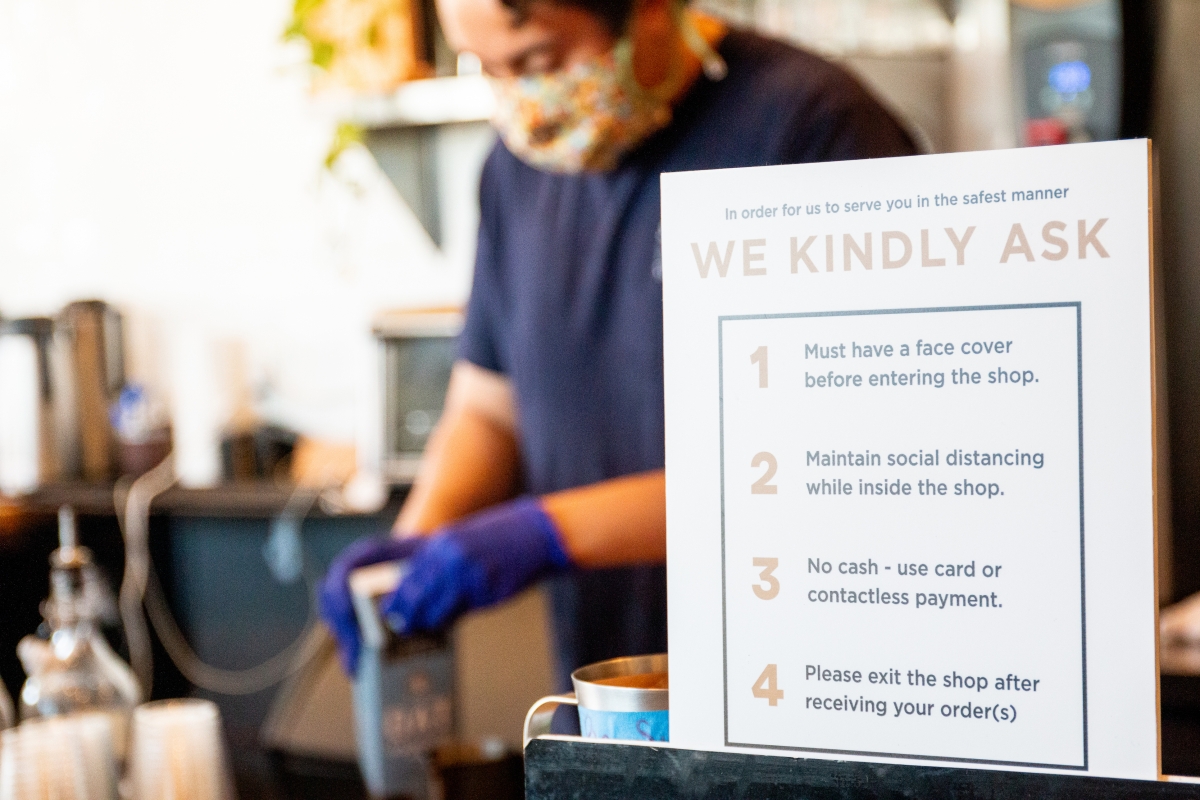
In conclusion, while the desire for social interaction is understandable, prioritizing safety and well-being during a pandemic is paramount. The risks associated with bar visits far outweigh the benefits. Alternatives like virtual gatherings, outdoor activities, and community events offer safe and engaging ways to connect with others. Ultimately, individual responsibility plays a crucial role in protecting ourselves and our communities.
Choosing safer options is not just about personal health but also about safeguarding the well-being of everyone around us.