With HM test page 4 diabetes and sweets, we delve into the intricate relationship between sugary treats and blood sugar levels for people with diabetes. This exploration covers everything from understanding how different sweets affect blood glucose to practical strategies for managing sweet consumption and finding healthy alternatives. We’ll also examine how data from HM test page 4 can help personalize your sweet-eating plan.
Get ready to navigate the world of diabetes and sweets with clarity and confidence.
This guide breaks down the impact of various sweets on blood sugar levels, comparing glycemic indices and sugar content. We’ll also present strategies for incorporating sweets into a diabetes-friendly meal plan, along with healthy alternatives. Learn how to interpret HM test page 4 data to tailor your sweet consumption for optimal health outcomes.
Understanding the Impact of Sweets on Blood Sugar Levels
Sweets, a ubiquitous part of many cultures, can be a delightful treat. However, for individuals with diabetes, the impact of sweets on blood sugar levels is a critical consideration. Understanding how different types of sweets affect blood glucose is essential for managing blood sugar effectively and maintaining overall health.Different sweets have varying effects on blood sugar levels, primarily due to their sugar content and the speed at which the sugar is absorbed into the bloodstream.
This absorption rate, in turn, is influenced by the type of sugar present and the presence of other ingredients like fats and fiber. A rapid rise in blood sugar can lead to complications for people with diabetes.
Glycemic Index of Sweets
The glycemic index (GI) is a ranking of carbohydrates based on their effect on blood glucose levels. Foods with a higher GI cause a faster and greater increase in blood sugar compared to foods with a lower GI. This is crucial for individuals with diabetes to understand when choosing sweet treats. Different sweets exhibit varying GI values.
For instance, sugary sodas and candies generally have high GI values, while some fruits, despite containing sugar, may have a lower GI due to the presence of fiber.
Portion Control and Diabetes
Portion control is paramount when consuming sweets, especially for individuals with diabetes. Even a low-GI sweet, if consumed in excess, can lead to a significant rise in blood sugar levels. Careful monitoring of portion sizes is essential for maintaining stable blood glucose levels and preventing complications. Planning and portioning sweet treats in advance can be beneficial for individuals with diabetes to maintain control over their blood sugar.
Sugar Content and Blood Glucose Impact
Note: The figures in the table are estimates. The actual sugar content and impact on blood glucose can vary depending on the specific brand and type of sweet treat.
Managing Sweet Consumption in a Diabetic Diet
Enjoying treats doesn’t have to mean sacrificing your health goals. This section explores practical strategies for incorporating sweets into a diabetes-friendly meal plan, ensuring you can savor those sweet moments without jeopardizing your blood sugar control. Understanding the delicate balance between pleasure and health is key to managing diabetes effectively.Managing diabetes requires a thoughtful approach to food choices, particularly those that contain sugar.
By strategically integrating sweets into your diet and understanding their impact on blood sugar levels, you can maintain a healthy lifestyle while enjoying your favorite treats.
Strategies for Incorporating Sweets
Careful planning is crucial for managing blood sugar levels when incorporating sweets. Strategies for incorporating sweets into a diabetic diet include considering portion control, timing, and choosing healthier alternatives. By understanding how these factors interact, you can enjoy sweet treats without compromising your overall health.
- Portion Control: A key strategy is portion control. Limiting the amount of sweets you consume helps manage blood sugar spikes. A small portion of your favorite treat can be enjoyed without causing significant blood sugar fluctuations. For example, a small square of dark chocolate or a few pieces of fruit-flavored hard candy can provide a satisfying sweet experience without overwhelming your system.
- Timing Sweets: Eating sweets with a meal can help prevent extreme blood sugar fluctuations. Consuming sweets alongside protein and fiber-rich foods can slow down the absorption of sugar into the bloodstream. This strategy allows for a more controlled response and reduces the risk of blood sugar spikes.
- Alternative Sweets: Sugar-free or low-sugar options offer a way to satisfy your sweet tooth while reducing sugar intake. Many sugar-free and low-sugar alternatives are available, from sugar-free candies to low-sugar desserts. Finding these options allows for enjoyment without the negative impact on blood sugar. However, it’s important to carefully read labels and choose options that align with your dietary needs and preferences.
Managing Blood Sugar with Timing and Portion Control
Precise timing and portion control are essential when enjoying sweets. Understanding the interplay between these factors can greatly impact your blood sugar levels.
- Blood Sugar Spikes: Large portions of sweets can cause rapid increases in blood sugar levels. This can lead to complications associated with diabetes if not managed properly. Monitoring your blood sugar levels after consuming sweets can help you identify your personal sensitivities and adjust your consumption accordingly.
- Controlled Absorption: Consuming sweets with meals containing protein and fiber can slow down the absorption of sugar into the bloodstream. This strategy helps maintain stable blood sugar levels and prevents sudden spikes. This method reduces the risk of experiencing significant fluctuations in blood sugar levels.
Creating Healthier Sweet Alternatives
Finding alternatives that align with a diabetic diet is essential. Many options offer a delicious alternative without the negative effects of high sugar content.
- Fruit-Based Alternatives: Fruits, like berries and bananas, offer natural sweetness and essential nutrients. Using fruits as a natural sweetener can enhance the flavor of desserts or provide a satisfying treat. Fruits provide natural sugars, vitamins, and fiber, offering a healthy alternative.
- Sugar-Free Recipes: Numerous recipes use sugar-free substitutes to create delightful treats. Experimenting with different sugar-free substitutes can yield a wide variety of sweet treats that meet your dietary needs. Many recipes for cakes, cookies, and other desserts are readily available using sugar-free substitutes.
Strategies for Reducing the Impact of Sweets
A structured approach to consuming sweets can significantly minimize their impact on blood sugar.
| Strategy | Description | Benefits |
|---|---|---|
| Portion Control | Limiting the amount of sweets consumed | Helps manage blood sugar spikes |
| Timing Sweets | Eating sweets with a meal | Helps prevent extreme blood sugar fluctuations |
| Alternative Sweets | Using sugar-free or low-sugar options | Reduces sugar intake |
| Monitoring Blood Sugar | Regularly tracking blood sugar levels after consuming sweets | Allows for personalized adjustments to consumption |
Healthy Sweet Alternatives for Diabetes
Satisfying your sweet tooth while managing diabetes doesn’t mean sacrificing flavor. Many delicious and nutritious alternatives exist, allowing you to enjoy sweetness without the blood sugar spikes. This section delves into a range of healthier options, examining their nutritional profiles and providing practical recipes.Finding suitable substitutes for sugary treats is a crucial aspect of diabetes management. These alternatives are not only delicious but also contribute to a healthier lifestyle.
They provide essential nutrients and help maintain stable blood sugar levels, preventing unwanted fluctuations.
Just finished digging into HM test page 4, focusing on diabetes and sweets. It’s fascinating how different foods affect blood sugar levels. While I’m researching this, I stumbled upon an interesting article about a new patch that could encourage more people to get the flu vaccine. This new patch might be a game-changer for public health.
Hopefully, more research will reveal if it can help those with diabetes manage their blood sugar levels better too. Back to the HM test page 4 – it’s time to analyze the data on sugar intake and its impact on blood glucose.
Sweetening Alternatives
A variety of natural sweeteners can replace refined sugar, offering a healthier way to satisfy cravings. These alternatives, often lower in sugar and higher in nutrients, can be incorporated into various recipes. Stevia, for example, is a zero-calorie sweetener derived from stevia plants, known for its intense sweetness. Monk fruit, another zero-calorie option, also boasts a powerful sweet taste.
These natural sweeteners can be used in baking, beverages, and many other dishes. Honey and maple syrup, though containing natural sugars, can be used in moderation. Consider their nutritional content and how they impact your individual blood sugar levels.
Low-Sugar Recipes and Substitutes
Many popular sweet treats can be adapted to lower sugar levels. These adaptations often enhance the overall nutritional value. For instance, a fruit crisp can replace a traditional cake, offering a higher fiber and lower sugar option.
- Fruit-Based Desserts: Baked apples, fruit salads, and fruit-filled muffins are great options. These desserts are naturally sweet, packed with vitamins, minerals, and fiber, contributing to a healthy diet. When making these desserts, avoid adding excess sugar or refined ingredients.
- Dark Chocolate Alternatives: Dark chocolate, in moderation, can satisfy cravings for chocolate. It contains antioxidants, but portion control is crucial. Other options include dark chocolate-flavored protein bars or squares. These options provide a balanced and healthy way to enjoy chocolate.
- Savory Sweet Treats: Some savory treats can offer a sweet flavor profile. Roasted vegetables with a drizzle of balsamic glaze or flavored nuts and seeds can provide satisfaction without added sugar.
Table of Traditional Sweets vs. Healthy Alternatives
The table below contrasts traditional sweets with healthier alternatives, highlighting key differences in sugar content and nutritional benefits.
| Traditional Sweet | Healthy Alternative | Key Differences |
|---|---|---|
| Cake | Fruit crisp | Lower sugar content, higher fiber |
| Candy | Dark chocolate | Reduced sugar, higher antioxidants |
| Cookies | Rice cakes with fruit spread | Lower sugar, higher fiber |
| Ice cream | Frozen fruit yogurt | Reduced fat, higher protein, lower sugar |
Practical Strategies for Controlling Sweet Intake

Managing diabetes involves more than just medication; it’s a holistic lifestyle adjustment. A crucial aspect of this adjustment is learning to navigate cravings and temptations, especially for sweets. This section offers practical strategies to help you limit sweet intake without feeling deprived, ensuring you can enjoy treats in moderation as part of a healthy diabetes management plan.Controlling sweet intake requires a multi-faceted approach.
Simply avoiding all sweets is often unsustainable and can lead to feelings of deprivation, potentially resulting in overeating later. Instead, focus on mindful consumption and smart substitutions, gradually reducing your overall intake while maintaining a sense of enjoyment.
Effective Strategies for Limiting Sweets
These strategies are designed to help you manage your sweet cravings while maintaining a healthy blood sugar balance.
- Portion Control and Frequency Reduction: Instead of eliminating sweets entirely, focus on reducing portion sizes and the frequency of consumption. This allows you to enjoy a small treat occasionally without drastically impacting your blood sugar. For example, instead of a large piece of cake, have a small square or a few bites. Similarly, rather than daily dessert, consider it a special treat for once or twice a week.
- Mindful Eating Practices: When you do indulge in sweets, pay attention to the experience. Savor the taste, texture, and aroma. Eat slowly, allowing your body to register fullness cues. This mindfulness reduces the likelihood of overeating and allows you to better appreciate the sweetness without the need for large portions.
- Substituting with Healthy Alternatives: Many delicious substitutes can satisfy cravings without compromising your health. For instance, opt for fresh fruit, sugar-free jello, or low-sugar alternatives for cakes and cookies. Experiment with recipes that use alternative sweeteners, like stevia or erythritol, and explore fruit-based desserts.
Mindful Eating Techniques When Consuming Sweets
Mindful eating goes beyond just physical actions; it’s about awareness and connection with your body.
- Savor the Experience: Pay attention to the flavor, texture, and aroma of the sweet treat. Engage your senses fully and appreciate the experience of eating. This helps you feel satisfied with a smaller portion.
- Eat Slowly and Deliberately: Chew your food thoroughly, allowing time for your body to register fullness. This helps you avoid overeating, allowing you to truly appreciate the treat and its impact on your blood sugar.
- Connect with Your Body: Notice how your body feels as you eat. Do you feel satisfied or overfull? Pay attention to any changes in your blood sugar levels or sensations, such as increased thirst or energy fluctuations. This will allow you to develop a better understanding of your body’s response to sweet foods.
Examples of Sweet Treats in a Balanced Diabetes Diet
Choosing sweets doesn’t mean abandoning your diabetes management plan.
- Fruit-Based Desserts: Fresh fruit, baked apples, and fruit pies can provide natural sweetness and essential nutrients. Choose recipes that minimize added sugar and focus on the natural sweetness of the fruit.
- Sugar-Free or Low-Sugar Options: Explore alternatives like sugar-free jello, low-sugar cookies, and cakes using sugar substitutes. Be mindful of the amount of sugar substitutes you use and how they impact your blood sugar.
- Homemade Treats: Prepare desserts at home using recipes that are naturally sweetened with fruit or alternative sweeteners. This gives you control over the ingredients and the amount of sugar added.
Finding Appropriate Diabetic Recipes
Accessing diabetic-friendly recipes is easier than ever.
- Online Resources: Numerous websites and blogs offer a wide array of diabetic-friendly recipes. Look for reputable sources that provide detailed nutritional information and cooking instructions.
- Cookbooks: Many cookbooks are specifically designed for individuals with diabetes, providing a comprehensive collection of recipes and dietary guidelines.
- Diabetic Support Groups: Share your preferences and needs with fellow diabetics and support groups. They often share recipes and tips for managing blood sugar and cravings.
Analyzing HM Test Page 4 Data: Hm Test Page 4 Diabetes And Sweets
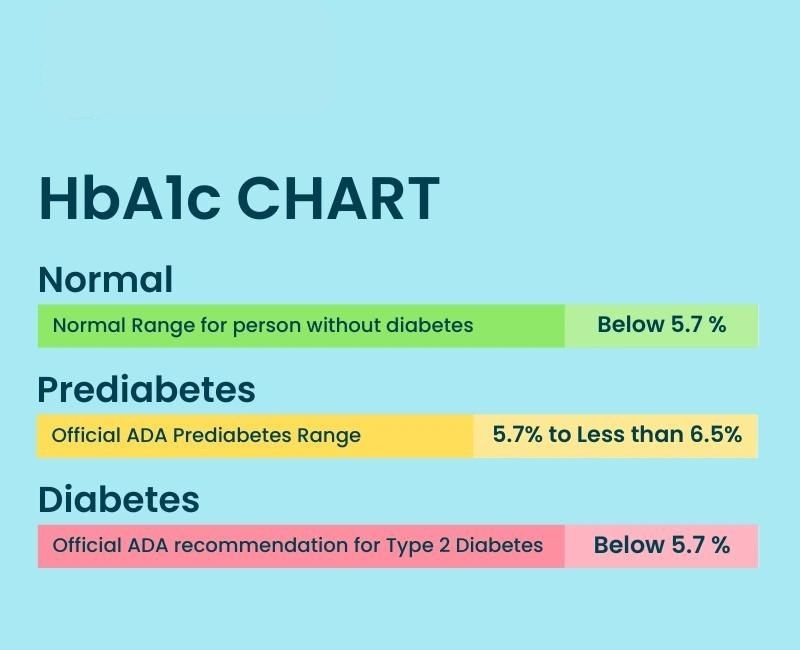
Understanding your Hemoglobin A1c (HbA1c) test results, alongside data from your HM test page 4 related to diabetes and sweets, is crucial for managing your blood sugar levels effectively. This information provides a snapshot of your average blood glucose control over the past 2-3 months. Combining this with your sweet consumption patterns allows for personalized strategies to optimize your diabetes management.Interpreting HbA1c results alongside your sweet consumption data enables a deeper understanding of how your body reacts to different types of sweets.
This personalized approach allows for targeted adjustments to your diet, promoting better blood sugar control and overall well-being.
Interpreting Blood Sugar Responses to Sweets
Individual responses to sweets vary significantly. Some individuals experience a rapid spike in blood sugar after consuming sweets, while others may exhibit a more gradual increase. Factors like the type of sugar, the amount consumed, and the presence of other foods in the meal contribute to the variability. Understanding this variability is essential for personalized dietary planning.
Figuring out the HM test page 4 diabetes and sweets situation is tricky, isn’t it? It’s like trying to navigate a complicated maze of food choices, and only a minimalist parent would understand the sheer joy (or sheer panic!) of meticulously planning every sugary treat. The constant weighing of options, the meticulous tracking, and the endless considerations – it’s a whole new level of parent-ing! Ultimately, though, understanding these nuances is key to getting through the HM test page 4 diabetes and sweets challenges.
Creating a Personalized Sweet Consumption Plan
A personalized sweet consumption plan involves several steps:
- Detailed Sweet Consumption Logging: Accurately track the types and amounts of sweets consumed over a period of time, noting the time of consumption and any accompanying foods. This provides a comprehensive picture of your current sweet consumption habits. Record specific details like the brand, portion size, and ingredients of each sweet. This data forms the basis for understanding your individual responses.
- Analyzing HbA1c and Blood Glucose Data: Correlate your HbA1c results with your blood glucose readings (if available) to identify patterns. Are there specific types of sweets that consistently lead to higher blood sugar spikes? Consider the context of when and how you consume sweets. Are you eating sweets in isolation or with other foods? This helps to identify potential triggers.
- Identifying Sweet Triggers: Note any correlation between specific sweets and your blood sugar responses. For example, you may notice that consuming a large chocolate bar leads to a higher blood sugar level than a small piece of dark chocolate. This identification is crucial for understanding your personal sensitivities.
- Implementing Gradual Changes: Instead of drastically reducing or eliminating sweets, focus on gradual adjustments. Start by substituting some sweets with healthier alternatives, such as fruit or sugar-free options. Gradually reduce the portion sizes of sweets you consume, and observe the impact on your blood sugar levels. This is a more sustainable and effective approach.
- Monitoring and Adapting: Continuously monitor your blood sugar levels and adjust your sweet consumption plan as needed. If you notice a pattern of high blood sugar after consuming certain sweets, consider reducing or eliminating them from your diet. Regular monitoring and adaptation are key to managing your diabetes effectively.
Example: A Case Study
A patient with type 2 diabetes found that consuming a large chocolate bar (60g) before bed caused a significant rise in their blood glucose levels, exceeding their target range. By reducing the portion size of chocolate to 30g, and consuming it with a protein-rich snack, the patient observed a more controlled blood glucose response. This example highlights the importance of individualizing sweet consumption plans.
Exploring the Relationship Between Diabetes and Sweets
Sweets, a common indulgence, can significantly impact blood sugar levels. Understanding this connection is crucial for individuals with diabetes, as well as those seeking to maintain healthy blood glucose control. The relationship between diabetes and sweets extends beyond simple correlation; there are complex scientific mechanisms and long-term consequences that need careful consideration.The consumption of sugary foods and drinks can trigger a rapid rise in blood glucose levels.
This is due to the high concentration of simple sugars, such as glucose and fructose, which are quickly absorbed into the bloodstream. For individuals with diabetes, this rapid rise can be problematic as their bodies may not effectively regulate blood sugar levels, leading to potential complications.
Scientific Basis for the Connection
The scientific basis for the link between diabetes and sweets lies in how the body processes sugar. In healthy individuals, insulin, a hormone produced by the pancreas, helps regulate blood sugar by facilitating the uptake of glucose into cells. When blood sugar levels rise after consuming sweets, the pancreas releases insulin to bring those levels back to normal.
In individuals with diabetes, this process is either impaired or absent, resulting in uncontrolled blood sugar levels. This impairment in insulin production or function is the core reason why sweets can have a more pronounced impact on blood glucose in people with diabetes.
Different Types of Diabetes and Their Relationship to Sweets
Different types of diabetes exhibit varying degrees of sensitivity to sweets.
- Type 1 diabetes is characterized by the complete absence of insulin production. In this case, the body cannot regulate blood sugar levels in response to sweets, resulting in significant fluctuations. Strict control of sweet intake is paramount for managing blood sugar and preventing complications.
- Type 2 diabetes is characterized by insulin resistance. While the body produces insulin, the cells do not respond to it effectively. This means that even moderate sweet consumption can cause blood sugar levels to rise more than in a healthy individual. Managing portion sizes and choosing healthier alternatives are essential strategies.
- Gestational diabetes occurs during pregnancy. Hormonal changes during pregnancy can lead to insulin resistance. Sweets consumption during this period needs careful monitoring and management to ensure a healthy pregnancy and to prevent complications for both the mother and the baby.
Long-Term Effects of Excessive Sweet Consumption
Excessive sweet consumption, even for those without diabetes, can have negative long-term health effects. For individuals with diabetes, the consequences can be more severe and impactful.
- Increased risk of cardiovascular disease: High blood sugar levels, often triggered by sweets, can damage blood vessels, increasing the risk of heart disease and stroke.
- Kidney damage: Chronic high blood sugar levels can lead to kidney damage and eventually kidney failure.
- Nerve damage (neuropathy): High blood sugar can damage nerves, leading to pain, numbness, and tingling in the extremities.
- Eye damage (retinopathy): High blood sugar can damage blood vessels in the eyes, leading to vision loss.
- Foot problems: Neuropathy and poor blood circulation can increase the risk of foot ulcers and infections.
Interpreting HM Test Page 4 Data
HM test page 4 data provides valuable insights into an individual’s blood glucose response to different foods, including sweets. Careful analysis of this data, combined with a consultation with a healthcare professional, can help determine the appropriate portion sizes and types of sweets that are suitable for an individual’s specific needs. The data may show how a specific sweet affects blood sugar levels and the rate of increase.
It also helps to understand the individual’s personal response to sugar, which may differ from general guidelines. This personalized approach is essential to effective management.
I’ve been focusing on HM test page 4, specifically the diabetes and sweets section, lately. It’s fascinating to see how different foods impact blood sugar levels. But, sometimes, even with a good understanding of what I’m eating, I still experience migraines. If you’re unsure if your migraine treatment is effective, checking out signs your migraine treatment isn’t working might help you identify potential issues.
Ultimately, understanding the connection between food and my migraines will help me interpret the results of the HM test page 4, diabetes and sweets data even better.
Illustrative Examples and Case Studies
Understanding how different individuals manage their sweet consumption is crucial for tailoring effective strategies. Real-life examples demonstrate the challenges and triumphs of maintaining a healthy blood sugar balance while still enjoying treats. This section delves into case studies and successful strategies, exploring the impact of varying sweet consumption patterns on blood sugar levels.
A Case Study in Managing Sweets
Sarah, a 45-year-old woman with type 2 diabetes, initially struggled with cravings for sweets. She enjoyed a daily treat, typically a piece of chocolate cake, which significantly affected her blood sugar levels. Through careful planning and support from a registered dietitian, Sarah made gradual adjustments. She substituted the cake with a small portion of fruit and a handful of almonds, which provided similar satisfaction without the significant blood sugar spike.
She also learned to listen to her body’s hunger cues, avoiding overeating and maintaining consistent portion sizes. This gradual shift in her sweet consumption habits led to improved blood sugar control and reduced cravings.
Illustrative Examples of Successful Strategies
Successful strategies for managing sweet consumption in diabetes often involve a combination of approaches. One common technique is portion control. Individuals can enjoy small, controlled portions of their favorite sweets, reducing the overall impact on blood sugar levels. Another crucial aspect is timing. Consuming sweets alongside a meal can help moderate the blood sugar response compared to eating them on an empty stomach.
Replacing refined sweets with healthier alternatives is another key strategy. For example, opting for dark chocolate over milk chocolate or choosing sugar-free options can significantly reduce added sugar intake.
How Different Sweet Consumption Patterns Affect Blood Sugar Levels
The timing and amount of sweets consumed significantly impact blood sugar levels. Consuming a large amount of sweets on an empty stomach can cause a rapid and substantial increase in blood glucose. Conversely, eating sweets with a meal can often lead to a more gradual and manageable rise in blood sugar. Consistent consumption patterns, especially high frequency, can lead to elevated blood sugar levels over time, impacting long-term health.
A Detailed Case Study, Hm test page 4 diabetes and sweets
Emily, a 32-year-old with gestational diabetes, experienced a dramatic shift in her sweet consumption habits during her pregnancy. She initially craved sugary drinks and desserts. However, through education and support from her healthcare team, she transitioned to healthier alternatives. She swapped sugary sodas for sparkling water with fruit slices, and she substituted desserts with smaller portions of fresh fruit and yogurt.
This conscious adjustment led to better blood sugar control, which was crucial for a healthy pregnancy outcome. Regular monitoring of her blood sugar levels, both before and after consuming sweet treats, allowed her to identify patterns and make informed choices.
Image Description
The image depicts a person meticulously monitoring their blood sugar levels using a glucose meter. The person is seated at a table, and a small, freshly baked treat, perhaps a cookie or muffin, is visible beside the meter. The person’s expression is focused, suggesting careful consideration of the treat’s potential impact on their blood sugar. A subtle expression of self-control is evident, possibly indicating a conscious effort to manage their sweet consumption.
The background is neutral, drawing attention to the focused interaction between the person, the glucose meter, and the sweet treat.
Ultimate Conclusion
In conclusion, managing diabetes and sweets requires a multifaceted approach. Understanding how different sweets affect your blood sugar, coupled with personalized strategies and healthy alternatives, is crucial. By applying the insights from HM test page 4, you can create a sustainable and enjoyable plan for managing your sweet intake. This guide equips you with the knowledge to make informed decisions and achieve better blood sugar control.