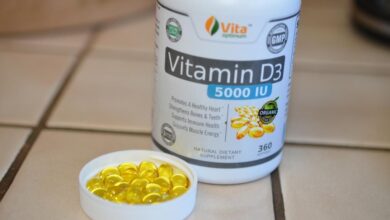
Children overdosing on nutrition supplements is a growing concern, and this issue requires immediate attention. Many children are ingesting excessive amounts of supplements, either accidentally or intentionally, leading to a range of potential health consequences. Different types of supplements, from vitamins to minerals, carry varying degrees of risk. Understanding the demographics most susceptible to this problem, along with the underlying causes, is crucial in preventing future incidents.
This blog post delves into the complex issue of children overdosing on nutrition supplements, examining the factors contributing to this alarming trend, the potential symptoms and signs of overdose, and ultimately, preventative measures, treatment options, and public health initiatives. We will explore the varied causes, from parental oversight to cultural influences, and compare the risk factors across different age groups.
Introduction to the Issue
A growing concern is the increasing number of children accidentally or intentionally consuming excessive amounts of nutritional supplements. This can lead to serious health complications, ranging from mild digestive upset to life-threatening conditions. The accessibility of supplements in various forms, coupled with a lack of understanding about appropriate dosages, contributes to this issue.Accidental ingestion, particularly by young children, is a significant risk factor.
It’s alarming how easily children can overdose on nutrition supplements. It got me thinking about my own daughter, and how she’s now at that stage where she’s navigating her future. This is a time of great decision-making, and it feels like a perfect time to write a letter to her, guiding her through the tough choices and helping her to find her own path, like in this heartfelt letter a letter to my daughter as she decides what to do with her life.
Ultimately, responsible supplement use for kids needs careful monitoring, and this should be a priority for parents. It’s a delicate balance, and we must be vigilant.
The brightly colored, often appealing packaging of supplements, combined with their placement in areas easily accessible to curious toddlers and young children, often results in unintended overconsumption. Furthermore, the potential for intentional misuse, such as in cases of self-harm or attempting to enhance athletic performance, necessitates awareness and proactive measures.
Types of Nutritional Supplements and Their Potential Dangers
Nutritional supplements encompass a vast array of products, including vitamins, minerals, herbs, and protein powders. Each supplement carries specific risks when consumed in excessive amounts. For instance, high doses of vitamin A can lead to liver damage, while excessive iron intake can result in serious gastrointestinal issues. The potential for interactions between different supplements also exists, compounding the risks involved.
- Vitamins: High doses of fat-soluble vitamins like A, D, E, and K can accumulate in the body, potentially causing toxicity. Symptoms can range from nausea and headaches to more severe conditions like liver damage.
- Minerals: Excessive intake of minerals like iron, zinc, and calcium can cause gastrointestinal distress, including nausea, vomiting, and abdominal pain. Long-term overconsumption can lead to more serious health issues.
- Herbal Supplements: While many herbs are considered safe in moderate doses, certain herbs, such as ephedra and ginseng, can interact negatively with other medications or have adverse effects when consumed in large quantities. Interactions can range from mild allergic reactions to more severe complications.
- Protein Powders: Although often marketed for healthy muscle growth, excessive protein intake can strain the kidneys and liver. This is particularly true for children, whose bodies are still developing.
Demographics at Risk
Several demographic groups are particularly vulnerable to this issue. Young children, due to their curiosity and tendency to explore their surroundings, are at high risk for accidental ingestion. Children with certain medical conditions, such as those requiring specific dietary supplements, are also susceptible. Additionally, adolescents, especially those involved in competitive sports or seeking to enhance their physical appearance, may be more likely to take supplements in potentially dangerous amounts.
The increased accessibility of supplements through online retailers and social media further contributes to the risk for vulnerable demographics.
- Young Children: Their curiosity and tendency to put objects in their mouths make them highly susceptible to accidental ingestion. Small children are particularly vulnerable to accidental poisoning.
- Children with Medical Conditions: Those prescribed supplements for specific health needs are at risk of exceeding the recommended dosage if not closely monitored by healthcare professionals.
- Adolescents: The desire for improved athletic performance or enhanced physical appearance can lead to improper supplement use.
- Families with Limited Awareness: Families unfamiliar with the potential dangers of overdosing may be less vigilant about monitoring their children’s supplement intake.
Consequences of Overdosing
The consequences of accidental or intentional overdosing on nutritional supplements can vary widely, depending on the specific supplement, the dosage, and the individual’s age and health. Mild symptoms may include nausea, vomiting, and diarrhea. However, more severe consequences, such as liver damage, kidney failure, and even death, are possible. Prompt medical attention is crucial in all cases of suspected supplement overdose.
- Gastrointestinal Issues: Nausea, vomiting, diarrhea, abdominal pain, and cramping are common immediate reactions to excessive supplement intake.
- Organ Damage: Prolonged or high-dose consumption can lead to significant damage to the liver and kidneys.
- Neurological Issues: Some supplements can cause neurological symptoms such as seizures, confusion, and coma.
Causes and Contributing Factors
Accidental or intentional ingestion of excessive amounts of supplements in children is a serious concern. Understanding the underlying reasons behind these incidents is crucial for developing effective prevention strategies. These reasons can vary greatly, influenced by a complex interplay of individual, familial, and societal factors.Children may consume supplements in excess due to a combination of factors, including misinterpretations of instructions, curiosity, or even the availability of supplements in easily accessible locations.
This underscores the importance of responsible storage and clear communication about supplement use within the household.
Common Reasons for Excessive Consumption
Misunderstanding of dosage instructions, whether through simple misinterpretation or a lack of clear labeling, can lead to children taking more supplements than intended. Children, particularly younger ones, may also be drawn to the appealing presentation of supplements, such as colorful packaging or attractive flavors, which can entice them to consume more than necessary. Some children may have a heightened sense of curiosity or an inclination to explore their surroundings, potentially leading them to ingest supplements.
Furthermore, easy access to supplements, particularly if not stored properly, can contribute to accidental ingestion.
Environmental Contributing Factors
The environment plays a significant role in influencing supplement consumption. Easy access to supplements in poorly secured locations, such as unlocked medicine cabinets or poorly labeled containers, is a major concern. The presence of other appealing or potentially harmful substances in the environment can also contribute to the issue. A chaotic or disorganized household environment may also make it more difficult to track supplement use and monitor children’s interactions with these substances.
The lack of supervision or appropriate parental guidance in a child’s environment can increase the likelihood of accidental or intentional overconsumption.
Parental Oversight and Lack Thereof
Parental oversight and guidance are critical in preventing children from consuming excessive amounts of supplements. Insufficient supervision, whether due to distractions, busy schedules, or other factors, can create an environment where children have unsupervised access to supplements. Inadequate education about appropriate supplement use and the potential risks of overconsumption can also contribute to the problem. A parent’s awareness of their child’s curiosity and potential tendency to explore can help them implement preventive measures, such as storing supplements securely and educating their child about their potential dangers.
Cultural and Societal Influences
Cultural and societal pressures can influence supplement use in families. Cultural beliefs about the importance of nutrition and the role of supplements in achieving optimal health can contribute to the perceived need for children to take supplements. Misinformation or unsubstantiated claims regarding the benefits of supplements can also fuel this perceived need, leading to excessive consumption. Marketing campaigns aimed at children, emphasizing the benefits of supplements, can contribute to a desire to consume them.
Moreover, societal pressures to maintain a specific image of health or wellness can inadvertently encourage parents to provide their children with supplements, potentially leading to overconsumption.
Age-Related Differences in Causes
The motivations behind supplement overconsumption vary across different age groups. Younger children, especially toddlers and preschoolers, are more likely to be drawn to the appearance of supplements and may be less aware of potential risks due to their limited cognitive abilities. They may also be more susceptible to accidental ingestion due to their tendency to explore their surroundings.
Older children, on the other hand, might consume supplements intentionally, potentially influenced by peer pressure, curiosity about the effects, or a desire to achieve a specific physical outcome. Teenagers might also be influenced by social media or other external factors.
Table of Causes and Associated Risks
| Cause | Risk | Example | Prevention |
|---|---|---|---|
| Misinterpretation of dosage instructions | Overdose | A child takes two tablets when one is prescribed. | Clear, concise labeling; parental guidance |
| Easy access to supplements | Accidental ingestion | Supplements left on a counter within reach of a toddler. | Secure storage; child-resistant containers |
| Parental oversight | Lack of supervision | A parent is distracted while children have access to supplements. | Consistent monitoring; clear communication |
| Cultural beliefs | Overuse | A cultural belief in the necessity of supplements for optimal health. | Education on appropriate supplement use; balanced diet focus |
Symptoms and Signs of Overdose
Understanding the symptoms of nutritional supplement overdose in children is crucial for timely intervention. Recognizing the range of potential reactions, from mild discomfort to serious complications, allows parents and caregivers to seek immediate medical attention if they suspect an overdose. This knowledge empowers them to act swiftly and effectively, potentially preventing severe health consequences.
Identifying the Range of Symptoms
Children exhibiting symptoms of nutritional supplement overdose may present with a variety of signs. These symptoms can vary significantly depending on the specific supplement and the amount ingested. Some common symptoms include gastrointestinal distress, such as nausea, vomiting, and abdominal pain. Central nervous system effects, such as altered mental status, agitation, or seizures, can also occur. Additionally, allergic reactions, including skin rashes, hives, and difficulty breathing, might manifest.
Recognizing these symptoms, even if seemingly minor, is vital for prompt medical evaluation.
Symptoms Related to Different Types of Supplements
Different nutritional supplements can trigger unique symptom profiles. For example, vitamin A overdose can manifest as headache, dizziness, and visual disturbances. Excessive iron intake can cause nausea, vomiting, abdominal pain, and potentially life-threatening complications like liver damage. Similarly, excessive calcium intake can lead to kidney stones and digestive issues. It is essential to understand the potential specific symptoms associated with the particular supplement involved.
Symptom Severity and Associated Supplements
| Symptom | Severity | Associated Supplement |
|---|---|---|
| Nausea | Mild | Most supplements |
| Vomiting | Mild to Moderate | Most supplements |
| Abdominal Pain | Mild to Moderate | Most supplements, particularly iron and calcium |
| Headache | Mild to Moderate | Vitamin A, some others |
| Dizziness | Mild to Moderate | Vitamin A, some others |
| Seizures | Severe | High doses of various supplements |
| Difficulty Breathing | Severe | Allergic reactions, some supplements |
| Liver Damage | Severe | High doses of iron |
Distinguishing Supplement Overdose from Other Health Issues
Differentiating between a nutritional supplement overdose and other childhood health issues can be challenging. However, careful consideration of the child’s recent supplement intake, combined with observed symptoms, can aid in accurate assessment. If a child has ingested a significant amount of a supplement and is experiencing unusual symptoms, it is crucial to seek medical advice immediately. A comprehensive medical history, including the type and dosage of supplements consumed, is essential for the physician to formulate a proper diagnosis.
Steps to Take in Case of Suspected Overdose
A suspected nutritional supplement overdose in a child necessitates immediate action. First, contact emergency services or a poison control center immediately. Provide them with the child’s age, the type and amount of supplement consumed, and any observed symptoms. Keep the child calm and comfortable. Follow any specific instructions given by emergency personnel or poison control specialists.
Do not induce vomiting unless instructed to do so by a medical professional. Gathering information about the supplement packaging, including the label, will be helpful for the medical team.
Prevention and Mitigation Strategies
Protecting children from accidental supplement overdoses requires a multi-faceted approach focusing on prevention, education, and safe practices. A proactive strategy is crucial to minimize risks and ensure the well-being of young ones. By implementing these measures, parents and caregivers can significantly reduce the likelihood of such incidents.Supplement overdoses in children can be prevented through a combination of practical strategies.
It’s concerning how easily children can overdose on nutritional supplements. Parents need to be incredibly careful about dosage, and a good rule of thumb is to always follow the instructions on the packaging. Celebrities like Lady Gaga, who is shining a light on fibromyalgia lady gaga shines light on fibromyalgia , remind us that even seemingly healthy supplements can be harmful if not handled correctly.
Ultimately, responsible supplement use is crucial to prevent unintended consequences, especially for young children.
These strategies involve safeguarding children from accidental access, educating caregivers about safe practices, and maintaining appropriate storage for supplements.
Practical Steps to Prevent Access
Implementing secure storage is paramount to preventing children from accessing supplements. This involves more than just placing supplements out of sight; it requires a proactive approach to eliminate potential hazards. Children are naturally curious and may attempt to access items they shouldn’t.
- Store supplements in locked cabinets or high shelves, out of reach of children.
- Utilize child-resistant containers for all supplements.
- Never leave supplements within easy reach, even for short periods.
- Teach children about the dangers of touching or ingesting supplements, and explain the importance of asking a grown-up for help if they find something.
- If possible, consider storing supplements in a separate room from the kitchen or dining area.
Strategies for Educating Parents and Caregivers
Education plays a vital role in preventing accidental overdoses. By providing parents and caregivers with the knowledge and tools for safe supplement practices, the likelihood of incidents is reduced. Regular reinforcement of these safety protocols is critical.
- Offer workshops or educational materials that emphasize the importance of safe supplement handling.
- Distribute brochures or pamphlets outlining proper storage and handling techniques.
- Incorporate safe supplement practices into existing parenting classes.
- Emphasize the significance of reading and understanding the product label carefully, including dosage instructions.
- Encourage parents to actively supervise their children, particularly when supplements are present.
Safe Storage Methods
Safe storage is crucial for preventing accidental access and misuse. Consistent adherence to these guidelines can prevent a variety of potential dangers.
| Storage Method | Safety Rating | Notes |
|---|---|---|
| Locked cabinets or high shelves | High | Keep supplements out of reach of children. |
| Child-resistant containers | High | Use child-resistant containers for all supplements. |
| Separate storage area | Medium | Store supplements away from food preparation areas to minimize accidental contamination. |
| Clear labeling | High | Label containers clearly with the product name, dosage instructions, and warnings. |
| Designated storage area | High | Establish a dedicated area for storing supplements and clearly communicate the rules to all family members. |
Examples of Warning Labels and Safety Seals
Clear warning labels and child-resistant packaging are crucial. A comprehensive approach to safety involves incorporating these elements into all supplement packaging.
- “Keep out of reach of children.” This is a standard warning, but its prominent placement is critical.
- “Not for children under [age].” This ensures the product is not used by those who are too young to understand proper dosage or handling.
- “Consult a doctor before use.” This highlights the importance of professional guidance, especially for children’s health.
- “Store in a cool, dry place.” This ensures the product maintains its potency and effectiveness.
- “Child-resistant cap.” This signifies the packaging is designed to deter accidental opening by children.
Proper Dosage and Adherence
Following the prescribed dosage is paramount. Strict adherence to dosage instructions is crucial for preventing overdoses and ensuring the supplement’s intended effect. This is critical for managing any potential health risks.
- Always follow the recommended dosage on the product label.
- Never exceed the prescribed dosage without consulting a healthcare professional.
- Use a measuring spoon or cup to ensure accurate dosage.
- Keep a record of supplement administration for children.
- If a child vomits after taking a supplement, consult a doctor immediately.
Treatment and Management
Accidental or intentional ingestion of excessive amounts of nutritional supplements by children necessitates immediate medical attention. Prompt intervention is crucial to minimize potential harm and complications. Delayed treatment can lead to severe health consequences, emphasizing the importance of acting swiftly and decisively.
Immediate Actions
Prompt action is critical in cases of suspected supplement overdose. First, ensure the child’s safety and immediately contact emergency services (e.g., 911 or your local emergency number). Provide emergency responders with detailed information about the ingested supplement, the amount consumed, and the child’s age and condition. If possible, gather any remaining supplement packaging or labels for the medical team.
Do not attempt to induce vomiting unless instructed by medical professionals.
Medical Interventions
Medical professionals will employ various interventions depending on the specific supplement, the amount ingested, and the child’s condition. These may include gastric lavage (stomach pumping) to remove the remaining supplement, activated charcoal administration to bind the supplement and prevent absorption, or supportive care to address any resulting symptoms. In severe cases, intensive care and specialized treatment may be required.
The exact interventions will be determined by the medical team based on a thorough evaluation of the situation.
Potential Long-Term Effects
Supplement overdoses, particularly those involving high doses of certain vitamins or minerals, can lead to long-term health consequences. For example, excessive vitamin A intake can cause liver damage, while high doses of iron can result in organ damage and potentially fatal complications. The severity of long-term effects varies significantly depending on the ingested supplement, the amount consumed, and the individual’s response.
Importance of Seeking Immediate Medical Attention
Delaying medical intervention in cases of supplement overdose can significantly increase the risk of adverse health outcomes. Early intervention maximizes the chances of successful treatment and minimizes the potential for long-term complications. The medical team will assess the situation and provide the most appropriate and effective treatment strategy.
Preventative Measures for Children with a History of Supplement Misuse
For children with a history of supplement misuse, implementing preventative measures is crucial. These measures include secure storage of supplements in a locked cabinet or safe place, which are out of the child’s reach. Monitoring supplement intake and educating the child about the potential dangers of excessive consumption are also important. Open communication and creating a supportive environment are essential to address the underlying reasons for the misuse.
Summary of Treatment Procedures
| Procedure | Effectiveness | Potential Side Effects |
|---|---|---|
| Gastric Lavage | Potentially effective in removing some ingested material, especially if performed early. | Risk of aspiration, nausea, and vomiting; may not be effective with all supplements. |
| Activated Charcoal | Effective in binding ingested supplements and preventing their absorption. | Constipation, minor gastrointestinal discomfort. |
| Supportive Care | Crucial for managing symptoms and stabilizing the child’s condition. | Depends on the specific symptoms and may vary. |
Public Health Initiatives

Public health campaigns play a crucial role in preventing childhood supplement overdoses. These initiatives aim to educate the public about safe supplement use, storage, and potential risks. By raising awareness, we can equip parents and caregivers with the knowledge necessary to protect children from this preventable health hazard.
Importance of Public Awareness Campaigns
Public awareness campaigns are essential for disseminating critical information about supplement safety to the general public. They effectively communicate the risks associated with excessive supplement intake, especially in children. Well-designed campaigns can shift public perception and promote safer practices, potentially reducing the incidence of overdoses. The campaigns need to be tailored to specific demographics and use multiple channels to reach a wider audience.
Examples of Successful Public Awareness Campaigns
Several successful public awareness campaigns have demonstrated the impact of education in preventing adverse events related to supplement use. For example, campaigns focusing on safe medication storage practices, especially for children, have successfully decreased accidental poisonings. Similarly, campaigns highlighting the potential dangers of over-the-counter medications and supplements, emphasizing the importance of reading labels and following dosage instructions, have yielded positive results in reducing adverse effects.
Effective campaigns often utilize diverse communication channels, including social media, educational materials distributed in schools and community centers, and partnerships with healthcare professionals.
Role of Governmental Agencies, Children overdosing on nutrition supplements
Governmental agencies play a critical role in regulating the supplement industry and ensuring public safety. These agencies enforce regulations to maintain standards for supplement labeling and manufacturing practices. They also fund and support research on supplement safety, which contributes to a better understanding of potential risks and benefits. Moreover, governmental agencies can collaborate with public health organizations to design and implement public awareness campaigns, amplifying the message and reaching a wider audience.
Effective regulation of supplement safety and quality control procedures are vital.
Strategies to Promote Responsible Supplement Use and Storage
Promoting responsible supplement use and storage involves a multi-pronged approach. This includes clear and concise labeling guidelines that highlight potential risks and appropriate dosages. Educational materials should emphasize the importance of reading and understanding labels before administering supplements to children. Furthermore, storing supplements in secure locations away from children is crucial. Strategies also include creating accessible resources that provide clear instructions on appropriate use and storage, particularly for parents and caregivers.
Examples of accessible resources include multilingual materials, online platforms with FAQs, and partnerships with community health centers.
Model for Creating Community Awareness Programs
A model for creating community awareness programs should encompass several key components. This involves identifying target audiences and tailoring the message to their specific needs. Community leaders, healthcare professionals, and educators can be crucial partners in disseminating the information. Collaboration with local schools and community centers can facilitate workshops and presentations for parents and caregivers. Public service announcements and social media campaigns can effectively disseminate information, particularly to younger demographics.
It’s crucial to be mindful of potential child overdoses on nutrition supplements, especially around the holidays. With family gatherings planned, it’s easy to overlook these important safety measures. Consider this: how can you safely host a holiday gathering during the omicron wave, ensuring everyone’s health? For example, following guidelines like how to safely plan a holiday gathering during the omicron wave will not only reduce the risk of COVID transmission but also minimize the chance of accidental supplement ingestion.
Storing supplements securely and out of reach is vital to prevent children from accessing them, as always.
Use of multiple platforms can reach diverse audiences, ensuring broad participation. For example, community events and workshops can engage with the community and facilitate conversations.
Need for Improved Regulations and Labeling Standards
Improved regulations and labeling standards are essential for ensuring supplement safety. Current labeling practices often lack sufficient information regarding potential risks, appropriate dosages, and specific warnings for children. Mandatory labeling requirements that explicitly highlight potential side effects, especially in children, can significantly improve consumer awareness. Clearer guidelines for supplement manufacturing and quality control procedures are necessary to minimize the risk of contamination or inaccurate labeling.
Furthermore, comprehensive databases of potential interactions between supplements and medications, including child-specific data, are essential for safety.
Case Studies and Examples

Understanding real-world scenarios of children overdosing on supplements is crucial for developing effective prevention and treatment strategies. These cases highlight the potential dangers and the importance of careful monitoring and responsible supplement use. By examining past incidents, we can learn valuable lessons to better protect vulnerable populations.Real-life examples often reveal unforeseen consequences and the need for vigilance in managing supplement use.
The impact on children can be severe, requiring prompt medical intervention and long-term support. Analyzing these cases allows us to refine our understanding of risk factors, contributing factors, and potential outcomes, which is critical for improving preventive measures.
Real-Life Case Scenarios
These case scenarios illustrate the potential severity of supplement overdoses in children. Each case highlights a different aspect of the problem and emphasizes the importance of responsible supplement handling and storage.
- A four-year-old child accidentally ingested a large quantity of multivitamin tablets while exploring a medicine cabinet. The child experienced symptoms like nausea, vomiting, and abdominal pain. Prompt medical intervention, including gastric lavage, helped manage the acute effects, but the child required ongoing monitoring for potential long-term complications. This case underscores the critical role of secure storage practices for supplements within the home.
- A case involving an adolescent who took a high dose of iron supplements to boost their energy levels. This led to severe gastrointestinal distress and organ damage. The experience highlighted the importance of counseling adolescents on the potential dangers of self-treating with supplements, and the necessity for clear and comprehensive product labeling.
- A child consuming a high-dose vitamin D supplement developed elevated calcium levels, causing kidney damage. This incident emphasizes the potential for severe complications from excessive intake of specific nutrients, even those considered essential.
Importance of Documentation
Comprehensive documentation is vital in managing and learning from supplement overdose cases in children. Detailed records provide valuable insights into the incident’s circumstances, contributing factors, and the effectiveness of treatment interventions.
- Accurate documentation includes the child’s age, weight, and any underlying health conditions. It should also include a precise description of the ingested supplement, dosage, and the time of ingestion. Recording the symptoms observed and the treatment administered is equally important.
- Maintaining a detailed timeline of events is essential. This includes noting the time of symptom onset, the treatment provided, and the child’s response to each intervention. This comprehensive timeline aids in understanding the progression of the overdose and the effectiveness of the treatment strategies.
- Medical records should include detailed descriptions of the child’s condition before, during, and after the overdose. This comprehensive approach allows for more thorough analysis and better preparedness for future incidents.
Reporting Procedures
Implementing standardized reporting procedures is critical for tracking supplement overdose incidents and identifying trends or patterns. This facilitates the sharing of knowledge and best practices across healthcare systems and communities.
- Healthcare professionals should report all suspected or confirmed supplement overdoses in children to relevant authorities. This may include reporting to poison control centers or other specialized agencies.
- Standardized reporting forms should be utilized to ensure consistency and accuracy in collecting information. These forms should include fields for the child’s age, weight, the ingested substance, dosage, and symptoms experienced.
- Maintaining a centralized database of reported incidents allows for the identification of potential trends and areas needing improvement in preventive strategies. This data-driven approach can lead to targeted interventions to mitigate future risks.
End of Discussion: Children Overdosing On Nutrition Supplements
In conclusion, children overdosing on nutrition supplements presents a significant health risk that requires a multi-faceted approach to prevention and treatment. Educating parents and caregivers about safe supplement practices, promoting responsible storage, and implementing public health campaigns are essential steps. Ultimately, safeguarding children from this danger requires a collective effort, encompassing parental responsibility, community awareness, and government regulations.