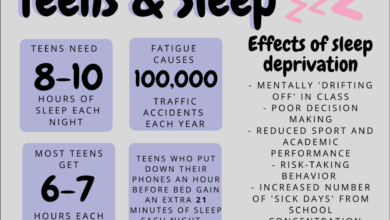
Getting quality sleep can help reduce your risk of stroke heart disease. Sleep is crucial for overall health, and its impact on cardiovascular well-being is undeniable. Poor sleep habits can lead to a cascade of issues, increasing the likelihood of developing these serious conditions. This exploration dives into the fascinating connection between sleep, cardiovascular health, and lifestyle choices, providing evidence-based insights and practical tips to improve your sleep quality and reduce your risk.
This article will examine how different sleep disorders, lifestyle factors like diet and exercise, and stress management techniques all play a role in sleep quality. We’ll look at specific dietary components and foods that support sleep, explore the relationship between exercise and optimal sleep timing, and discuss various stress management techniques to promote better sleep. Finally, we’ll delve into the importance of sleep hygiene and provide practical examples of healthy sleep practices.
Introduction to the Relationship Between Sleep and Cardiovascular Health

Sleep quality is inextricably linked to cardiovascular health. A consistent lack of quality sleep can significantly increase the risk of developing stroke and heart disease. This isn’t merely a correlation; there are established physiological mechanisms that explain how poor sleep habits can negatively impact the heart and blood vessels. Understanding these mechanisms and the associated research can empower individuals to prioritize sleep as a crucial component of overall cardiovascular well-being.Poor sleep disrupts the delicate balance of hormones and physiological processes crucial for maintaining healthy cardiovascular function.
This disruption can manifest in elevated blood pressure, increased inflammation, and altered lipid profiles, all of which are key risk factors for cardiovascular disease. Consequently, individuals who consistently experience poor sleep are more susceptible to developing these conditions.
Mechanisms of Poor Sleep and Cardiovascular Disease
Poor sleep can trigger a cascade of negative effects on the cardiovascular system. One primary mechanism is the disruption of the body’s natural circadian rhythm, impacting the regulation of hormones like cortisol and adrenaline. These hormones play a crucial role in blood pressure and heart rate, and their dysregulation due to poor sleep can lead to chronic elevations in these vital signs.
Furthermore, inadequate sleep often contributes to increased inflammation throughout the body, potentially damaging blood vessel walls and increasing the risk of plaque buildup.
Research Findings on Sleep and Cardiovascular Health
Numerous studies have highlighted the strong link between sleep duration and cardiovascular health. Research consistently demonstrates that individuals who sleep less than seven to eight hours per night have a higher risk of developing hypertension, coronary artery disease, and stroke. For instance, a study published in the Journal of the American Heart Association found a strong correlation between short sleep duration and increased risk of heart failure.
This research underscores the importance of prioritizing adequate sleep for cardiovascular well-being.
Comparison of Adequate vs. Inadequate Sleep on Cardiovascular Markers
| Cardiovascular Marker | Adequate Sleep (7-8 hours) | Inadequate Sleep (<7 hours) |
|---|---|---|
| Blood Pressure | Generally within normal range | Potentially elevated, increasing risk of hypertension |
| Cholesterol Levels | Healthy lipid profile (HDL high, LDL low) | Potentially higher LDL (“bad”) cholesterol, lower HDL (“good”) cholesterol |
| Inflammation Markers | Lower levels of inflammatory markers | Higher levels of inflammatory markers, potentially contributing to atherosclerosis |
| Heart Rate Variability | Higher heart rate variability, indicating better cardiovascular regulation | Lower heart rate variability, suggesting compromised cardiovascular regulation |
This table provides a concise overview of the potential impact of sleep quality on key cardiovascular markers. Adequate sleep promotes healthy levels of these markers, while inadequate sleep can contribute to the development of cardiovascular risk factors. These markers are indicative of the overall health of the cardiovascular system.
Types of Sleep Disorders and Their Impact: Getting Quality Sleep Can Help Reduce Your Risk Of Stroke Heart Disease
Sleep, a fundamental human need, plays a crucial role in maintaining overall health, including cardiovascular well-being. Disruptions in sleep patterns, known as sleep disorders, can significantly increase the risk of developing heart disease and stroke. Understanding the different types of sleep disorders and their impact on cardiovascular health is essential for prevention and effective management.
Insomnia
Insomnia, characterized by difficulty falling asleep, staying asleep, or experiencing poor-quality sleep, is a prevalent sleep disorder. Chronic insomnia can lead to significant cardiovascular issues. The physiological stress response triggered by sleep deprivation can elevate blood pressure and heart rate. This prolonged elevation can contribute to the development of hypertension and increase the risk of heart attack or stroke.
For example, individuals experiencing chronic insomnia often have elevated levels of cortisol, a stress hormone that can damage blood vessels over time, contributing to atherosclerosis, a key factor in cardiovascular disease.
Sleep Apnea
Sleep apnea is a disorder where breathing repeatedly stops and starts during sleep. This intermittent disruption of breathing can have a profound effect on cardiovascular health. The repeated drops in oxygen levels during sleep apnea episodes can lead to increased blood pressure and heart rate fluctuations. Over time, this can damage blood vessels and contribute to the formation of blood clots, increasing the risk of stroke and heart attack.
For instance, individuals with sleep apnea often experience significant daytime sleepiness, which can lead to a sedentary lifestyle and further exacerbate cardiovascular risk factors.
Narcolepsy
Narcolepsy is a neurological disorder characterized by excessive daytime sleepiness and sudden, uncontrollable episodes of falling asleep. While narcolepsy itself may not directly cause cardiovascular issues in the same way as insomnia or sleep apnea, the associated symptoms can contribute to cardiovascular risk factors. The frequent daytime sleepiness can lead to a sedentary lifestyle, potentially increasing weight gain and negatively impacting blood sugar control.
These factors are all important risk factors for heart disease. For instance, individuals with narcolepsy may experience difficulties maintaining healthy lifestyle choices due to the constant need for sleep, which can impact their ability to engage in regular exercise and maintain a balanced diet.
Table: Symptoms and Potential Cardiovascular Risks
| Sleep Disorder | Symptoms | Potential Cardiovascular Risks |
|---|---|---|
| Insomnia | Difficulty falling asleep, staying asleep, poor-quality sleep | Elevated blood pressure, increased heart rate, hypertension, heart attack, stroke, atherosclerosis |
| Sleep Apnea | Repeated breathing pauses during sleep, snoring, daytime sleepiness | Increased blood pressure, heart rate fluctuations, blood clots, stroke, heart attack |
| Narcolepsy | Excessive daytime sleepiness, sudden sleep attacks, cataplexy | Sedentary lifestyle, weight gain, potential blood sugar issues, cardiovascular risks associated with these factors |
Lifestyle Factors Affecting Sleep Quality
Our daily routines profoundly impact our ability to sleep soundly. Factors like diet, exercise, stress levels, and even our environment significantly influence the quality and duration of our sleep. Understanding these connections is key to establishing healthy sleep habits.Numerous studies have shown a strong correlation between lifestyle choices and sleep patterns. Poor sleep habits can lead to a cascade of negative consequences, impacting physical and mental well-being.
Getting enough quality sleep is crucial for overall health, and it can significantly reduce your risk of stroke and heart disease. Taking care of your health also means considering innovative solutions for managing conditions like diabetes. A new technology, like the diabetes needle-free injector , might help you manage your diabetes more comfortably and effectively. Ultimately, prioritizing sleep remains key to protecting your heart health.
Conversely, adopting healthy sleep practices can significantly improve overall health and productivity.
Promoting Quality Sleep Through Healthy Habits
Establishing consistent sleep schedules, creating a relaxing bedtime routine, and optimizing your sleep environment are crucial for quality sleep. These practices, when implemented correctly, create a supportive environment conducive to falling asleep and staying asleep.
- Consistent Sleep Schedule: Maintaining a regular sleep-wake cycle, even on weekends, helps regulate your body’s natural sleep-wake rhythm. This consistency strengthens your circadian rhythm, making it easier to fall asleep and wake up refreshed. For example, going to bed and waking up around the same time every day, even on weekends, can significantly improve sleep quality.
- Relaxing Bedtime Routine: Engaging in calming activities before bed can signal to your body that it’s time to wind down. This could include taking a warm bath, reading a book, listening to calming music, or practicing gentle stretching. Avoid screen time for at least an hour before bed, as the blue light emitted from electronic devices can interfere with melatonin production, a crucial hormone for sleep.
- Optimizing Your Sleep Environment: Creating a dark, quiet, and cool bedroom environment is vital for quality sleep. Use blackout curtains, earplugs, or a white noise machine to minimize distractions. A comfortable mattress and pillows are also essential components of a good sleep environment.
Detrimental Effects of Stress on Sleep Quality
Chronic stress is a significant sleep disruptor. Stress hormones like cortisol interfere with the natural sleep-wake cycle, making it harder to fall asleep and stay asleep. This disruption can lead to sleep deprivation, impacting various aspects of physical and mental health.
- Stress and Sleep Deprivation: Prolonged stress can disrupt the body’s natural sleep-wake cycle, leading to difficulty falling asleep, frequent awakenings, and overall poor sleep quality. The constant activation of the stress response system prevents the body from entering deep restorative sleep stages, resulting in a feeling of fatigue and reduced cognitive function.
Detrimental Effects of Diet on Sleep Quality, Getting quality sleep can help reduce your risk of stroke heart disease
A poor diet can significantly impact sleep quality. Heavy meals close to bedtime, caffeine intake, and excessive alcohol consumption can disrupt sleep patterns. A balanced diet, rich in nutrient-rich foods, promotes a healthy sleep-wake cycle.
Getting quality sleep is crucial for overall health, and it can significantly reduce your risk of stroke and heart disease. With the CDC warning of an upcoming Omicron wave, potentially peaking in the US ( cdc warns omicron wave is coming when it could peak in u s ), prioritizing sleep becomes even more important. Taking care of your physical health, especially during potential illness surges, is key to staying resilient and maintaining a healthy lifestyle.
- Diet and Sleep: Eating large meals close to bedtime can cause digestive discomfort and keep the body active, hindering the transition to sleep. Caffeine and alcohol can interfere with sleep quality, leading to interrupted sleep and reduced sleep duration. A balanced diet, including adequate protein, complex carbohydrates, and essential nutrients, is crucial for promoting sleep and overall well-being.
Detrimental Effects of Exercise on Sleep Quality
While regular exercise is vital for overall health, timing and intensity can affect sleep. Exercising too close to bedtime may energize the body, making it difficult to fall asleep. However, regular physical activity, when done at appropriate times, can contribute to better sleep quality.
- Exercise and Sleep: High-intensity exercise close to bedtime can elevate body temperature and increase alertness, making it challenging to fall asleep. Conversely, moderate-intensity exercise earlier in the day can promote better sleep. A balanced approach, including regular physical activity, is crucial for overall health and quality sleep.
Recommendations for Improving Sleep Hygiene
Establishing healthy sleep habits is essential for maintaining good health and well-being.
- Establish a Consistent Sleep Schedule: Aim to go to bed and wake up around the same time each day, even on weekends, to regulate your body’s natural sleep-wake cycle.
- Create a Relaxing Bedtime Routine: Incorporate calming activities, such as reading or taking a warm bath, to signal your body that it’s time to wind down.
- Optimize Your Sleep Environment: Ensure your bedroom is dark, quiet, and cool, promoting a conducive environment for sleep.
- Maintain a Healthy Diet: Consume a balanced diet, avoiding heavy meals close to bedtime, caffeine, and excessive alcohol intake.
- Incorporate Regular Exercise: Engage in regular physical activity, but avoid intense exercise close to bedtime.
The Role of Diet and Nutrition in Sleep
A well-balanced diet plays a crucial role in promoting healthy sleep patterns. The foods we consume directly impact our bodies’ ability to regulate sleep cycles, impacting everything from the release of melatonin to the maintenance of optimal blood sugar levels. Understanding the connection between specific dietary components and sleep quality is vital for establishing healthy habits.
Dietary Components Affecting Sleep
The foods we eat influence the production of neurotransmitters, hormones, and other compounds essential for sleep. Carbohydrates, for instance, can trigger the release of insulin, which in turn affects the availability of tryptophan, a precursor to serotonin and melatonin, both crucial for sleep regulation. Similarly, protein intake affects the production of amino acids that contribute to sleep quality.
The timing and quantity of meals also play a vital role in our sleep patterns.
Foods Supporting Sleep
Certain foods are naturally rich in nutrients that support a good night’s sleep. These include foods rich in tryptophan, magnesium, and melatonin. Tryptophan-rich foods such as turkey, chicken, and eggs can promote relaxation and sleepiness. Magnesium-rich foods like leafy greens, nuts, and seeds contribute to muscle relaxation and reduce stress, which can improve sleep.
- Dairy Products: Milk and yogurt are well-known for their sleep-promoting properties. The calcium and tryptophan in dairy can contribute to a sense of calm and relaxation, potentially improving sleep quality.
- Fruits and Vegetables: Many fruits and vegetables contain vitamins and minerals that support sleep. Melatonin-rich cherries, for instance, can help regulate sleep cycles. Leafy greens provide magnesium, crucial for muscle relaxation.
- Complex Carbohydrates: Foods rich in complex carbohydrates, such as whole grains and legumes, can help maintain stable blood sugar levels, preventing fluctuations that can disrupt sleep. This stability aids in preventing nighttime awakenings.
Impact of Unhealthy Dietary Habits on Sleep
Unhealthy dietary habits can significantly impair sleep quality. A diet high in processed foods, sugar, and unhealthy fats can lead to fluctuating blood sugar levels, impacting the body’s ability to regulate sleep hormones. Furthermore, excessive caffeine and alcohol intake can disrupt sleep cycles, causing difficulty falling asleep or staying asleep. A diet lacking in essential nutrients can also affect sleep quality.
Foods That Improve or Impair Sleep Quality
This table highlights some foods known to either improve or impair sleep quality, emphasizing the importance of a balanced diet for healthy sleep.
| Food Category | Foods That Improve Sleep | Foods That Impair Sleep |
|---|---|---|
| Proteins | Poultry, fish, eggs | Processed meats, fatty red meats |
| Carbohydrates | Whole grains, legumes | Refined sugars, sugary drinks |
| Dairy | Milk, yogurt | High-fat cheeses |
| Fruits & Vegetables | Cherries, leafy greens | Highly processed fruit juices |
| Other | Nuts, seeds | Coffee, alcohol (in excess) |
Exercise and Sleep Quality
Regular exercise plays a crucial role in promoting healthy sleep patterns. The physical and mental benefits of physical activity extend to improving sleep quality, reducing insomnia, and enhancing overall well-being. Physical activity can significantly impact the body’s natural sleep-wake cycle and contribute to a more restful night’s sleep.Physical activity has a complex interaction with sleep. Exercise triggers physiological changes that influence the body’s internal clock and can regulate the release of sleep-promoting hormones.
A balanced exercise routine, however, is essential; excessive or inadequate exercise can disrupt sleep patterns. Understanding the optimal timing and type of exercise is key to maximizing its benefits for sleep improvement.
Optimal Timing and Type of Exercise for Sleep Improvement
The ideal time for exercise to enhance sleep quality is generally in the morning or afternoon. Evening workouts, particularly those involving high-intensity activities, can sometimes interfere with sleep onset due to increased body temperature and elevated adrenaline levels. Light to moderate-intensity activities closer to bedtime may be more conducive to sleep. The type of exercise should also be considered.
Activities like yoga, tai chi, or gentle stretching can be beneficial for relaxation before sleep.
Exercise Recommendations for Sleep Improvement
Regular physical activity is essential for maintaining a healthy sleep-wake cycle. These recommendations promote sleep by incorporating exercise into a daily routine.
- Aim for at least 150 minutes of moderate-intensity or 75 minutes of vigorous-intensity aerobic activity per week.
- Include strength training exercises at least two days a week.
- Incorporate flexibility and balance exercises into your routine, like yoga or tai chi.
- Consistency is key. Establish a regular exercise schedule, even on weekends, to maintain a consistent sleep-wake cycle.
Potential Negative Effects of Excessive or Inadequate Exercise on Sleep
While exercise is generally beneficial for sleep, excessive or inadequate exercise can negatively impact sleep quality. Understanding these potential negative effects is crucial for creating a balanced exercise routine.
- Excessive Exercise: Intense exercise close to bedtime can lead to difficulty falling asleep due to elevated body temperature and increased heart rate. This can result in disrupted sleep cycles and feelings of restlessness.
- Inadequate Exercise: A lack of physical activity can contribute to sleep disturbances. Sedentary lifestyles can lead to decreased energy expenditure and reduced regulation of the body’s internal clock, potentially impacting sleep quality. A sedentary lifestyle can also contribute to increased feelings of stress and anxiety, which can also interfere with sleep.
Stress Management Techniques and Sleep
Stress, a ubiquitous aspect of modern life, significantly impacts our sleep quality. From the daily pressures of work and personal commitments to more significant life events, stress can disrupt our natural sleep-wake cycle, making it difficult to fall asleep, stay asleep, or experience restorative sleep. Understanding the link between stress and sleep, and employing effective stress management techniques, is crucial for improving overall well-being and cardiovascular health.Chronic stress can lead to a cascade of physiological changes that interfere with sleep.
Getting enough quality sleep is crucial for overall health, and it can significantly reduce your risk of stroke and heart disease. Imagine the impact of poor sleep on your life – a personal account of what it’s like to live for 15 years after a stroke offers a stark reminder of the importance of preventive measures like prioritizing sleep what its like to live for 15 years after a stroke.
By making sleep a priority, we can all take proactive steps to lower our risk of these serious conditions.
Elevated levels of stress hormones like cortisol can disrupt the body’s natural rhythm, making it challenging to regulate sleep cycles. This disruption can manifest as difficulty initiating sleep, frequent awakenings during the night, or early morning awakenings, ultimately leading to insufficient sleep duration and poor sleep quality. The cumulative effect of this compromised sleep can contribute to various health issues, including cardiovascular problems.
The Impact of Stress on Sleep Quality
Stress significantly impacts sleep quality by disrupting the body’s natural sleep-wake cycle. The release of stress hormones, like cortisol, interferes with the production of melatonin, the hormone crucial for regulating sleep. This hormonal imbalance leads to difficulty falling asleep, frequent awakenings, and overall reduced sleep duration, contributing to sleep deprivation. The negative impact on sleep quality can manifest in various ways, including irritability, difficulty concentrating, and reduced overall physical and mental performance.
For example, individuals experiencing chronic stress due to work-related pressures may experience more frequent and longer awakenings during the night, leading to less restorative sleep.
Stress Management Techniques for Improved Sleep
Various techniques can help manage stress and improve sleep quality. Adopting a proactive approach to stress management is crucial for maintaining healthy sleep patterns. These techniques can range from simple daily practices to more structured approaches.
- Mindfulness and Meditation: Mindfulness practices, such as meditation, involve focusing on the present moment without judgment. This practice can help quiet the mind, reduce racing thoughts, and promote relaxation. Regular meditation can reduce the physiological effects of stress, leading to improved sleep quality. Guided meditations specifically designed for sleep can be particularly beneficial. For instance, focusing on your breath or body sensations can help quiet racing thoughts and prepare your body for sleep.
- Progressive Muscle Relaxation: This technique involves systematically tensing and releasing different muscle groups in the body. This physical relaxation can counteract the physiological effects of stress, promoting a sense of calm and facilitating sleep. It can be easily incorporated into a bedtime routine.
- Deep Breathing Exercises: Slow, deep breathing exercises can activate the parasympathetic nervous system, promoting relaxation and reducing the body’s stress response. Incorporating these techniques into daily routines, particularly before bed, can help calm the mind and body, preparing them for sleep.
- Yoga and Tai Chi: These practices combine physical postures and controlled movements with deep breathing exercises. They promote relaxation, reduce stress, and improve sleep quality. Their gentle nature makes them ideal for incorporating into a bedtime routine.
Creating a Relaxing Bedtime Routine
Establishing a consistent bedtime routine is crucial for regulating the body’s natural sleep-wake cycle. A calming bedtime routine helps signal to the body that it’s time to wind down and prepare for sleep. This routine can include activities such as taking a warm bath, reading a book, listening to calming music, or practicing relaxation techniques. Limiting screen time before bed is also essential, as the blue light emitted from electronic devices can interfere with melatonin production, making it harder to fall asleep.
“Stress reduction is not just about better sleep; it’s about significantly improving cardiovascular health. By mitigating stress, individuals can reduce their risk of developing heart disease and stroke.”
Sleep Hygiene Practices
Prioritizing sleep hygiene is crucial for maintaining optimal health and well-being. A consistent sleep schedule and routine, along with a sleep-conducive environment, significantly impact sleep quality. By understanding and implementing these practices, you can cultivate a healthier sleep-wake cycle, which in turn supports a robust cardiovascular system and overall physical and mental health.Effective sleep hygiene encompasses a range of habits and environmental factors that promote restful sleep.
These practices go beyond simply going to bed and waking up at the same time each day; they also involve creating a supportive sleep environment, managing external stimuli, and understanding the impact of lifestyle choices on sleep quality.
Consistent Sleep Schedules and Routines
A regular sleep-wake cycle is fundamental to establishing a healthy circadian rhythm. This internal clock regulates various bodily functions, including hormone production and temperature regulation. Maintaining a consistent sleep schedule, even on weekends, helps synchronize your body’s natural sleep-wake cycle with the external environment, improving sleep quality and promoting better overall health. By adhering to a consistent sleep schedule, your body learns to anticipate sleep, making it easier to fall asleep and wake up refreshed.
Sleep-Conducive Environment
Creating a comfortable and conducive sleep environment is essential for achieving quality sleep. The following recommendations can help optimize your bedroom for optimal rest:
- Maintain a cool, dark, and quiet bedroom. A cool temperature (around 65 degrees Fahrenheit) and a dark, quiet room are conducive to sleep. Darkness promotes melatonin production, a hormone crucial for sleep. Consider using blackout curtains, earplugs, or a white noise machine to block out disruptive noises.
- Use comfortable bedding. Invest in high-quality bedding that provides adequate support and comfort. A supportive mattress and pillows can significantly impact your sleep quality.
- Ensure your bedroom is free from distractions. Avoid working in your bedroom or keeping electronic devices in the room. Reserve your bedroom solely for sleep and intimacy.
Limiting Exposure to Screens Before Bed
The blue light emitted from electronic devices like smartphones, tablets, and computers can interfere with your natural sleep-wake cycle. Exposure to these screens before bed suppresses the production of melatonin, making it harder to fall asleep. The stimulating content on these devices can also keep your mind active and alert, further hindering sleep. Minimizing screen time for at least an hour before bedtime is a valuable strategy for improving sleep quality.
Managing Sleep Problems and Improving Quality
If you are experiencing persistent sleep problems, consulting a healthcare professional is recommended. A doctor can assess your specific needs and recommend appropriate strategies for improving sleep quality. Lifestyle changes, such as regular exercise, stress management techniques, and a balanced diet, can also significantly impact sleep. For example, incorporating relaxation techniques like deep breathing exercises or meditation before bed can help calm the mind and promote relaxation, which can be helpful for improving sleep quality.
Illustrative Examples of Healthy Sleep Practices
Getting enough quality sleep is crucial for overall well-being, and establishing healthy sleep habits can significantly improve your cardiovascular health. Consistent sleep patterns and a dedicated sleep routine can help regulate your body’s natural sleep-wake cycle, promoting better sleep quality and reducing the risk of various health issues. This section provides practical examples of healthy sleep practices, including consistent sleep schedules and sleep-friendly environments.Healthy sleep habits are not just about going to bed and waking up at the same time every day; they also encompass creating a relaxing bedtime routine and establishing a sleep-conducive environment.
Understanding and implementing these practices can lead to significant improvements in sleep quality and overall health.
Consistent Sleep Schedules: A Case Study
A consistent sleep schedule, crucial for maintaining a healthy sleep-wake cycle, can be illustrated by a hypothetical case study. Sarah, a 30-year-old office worker, had been experiencing irregular sleep patterns for several months, leading to daytime fatigue and difficulty concentrating. She was often waking up at different times and going to bed at varying hours. This inconsistent sleep schedule negatively impacted her mood and energy levels, affecting her productivity at work.
After implementing a consistent sleep schedule, going to bed and waking up at the same time every day, even on weekends, Sarah noticed a significant improvement in her sleep quality and overall well-being. She reported feeling more alert and focused during the day, and her mood improved considerably. This case study demonstrates the positive impact of a consistent sleep schedule on sleep quality and overall health.
Regular Sleep Routine Benefits
A regular sleep routine is essential for regulating the body’s natural sleep-wake cycle. It helps in preparing the body for sleep, reducing stress, and promoting relaxation. A consistent routine signals to the body that it’s time to sleep, allowing for a smoother transition into sleep and improved sleep quality. This, in turn, leads to better mood regulation, improved concentration, and increased energy levels throughout the day.
A regular sleep routine can be tailored to individual needs and preferences, but the core principle remains consistent sleep and wake times.
Sample Sleep Schedule for a Typical Work Schedule
A sample sleep schedule for a person with a typical work schedule, working from 9 am to 5 pm, could look like this:
| Time | Activity |
|---|---|
| 8:00 PM | Start relaxing activities: Reading, light stretching, or taking a warm bath. |
| 8:30 PM | Prepare for bed: Brush teeth, get into pajamas. |
| 9:00 PM | Turn off electronics and lights; go to bed. |
| 6:30 AM | Wake up (even on weekends) |
| 6:30 AM – 7:00 AM | Morning routine: Breakfast, hygiene. |
This schedule allows for sufficient sleep time and incorporates a relaxing bedtime routine, contributing to better sleep quality. Adjusting the schedule to fit your personal needs is crucial for maximizing its effectiveness.
Sleep-Friendly Bedroom Environment
Creating a sleep-friendly bedroom environment is vital for quality sleep. A conducive sleep environment promotes relaxation and helps signal to the body that it’s time to sleep. The bedroom should be a dark, quiet, and cool space conducive to sleep. This environment helps the body regulate its natural sleep-wake cycle, leading to better sleep quality.
- Darkness: A dark bedroom is crucial for regulating melatonin production, a hormone essential for sleep. Use blackout curtains, eye masks, or sleep shades to block out any light that might interfere with sleep. Minimizing light exposure before bed is also important.
- Quiet: A quiet environment is necessary for uninterrupted sleep. Use earplugs, white noise machines, or fans to mask distracting noises. Consider soundproofing the bedroom if needed.
- Temperature: A cool room temperature is optimal for sleep. A slightly cooler room promotes relaxation and aids in falling asleep. Adjust the thermostat to a comfortable temperature that promotes sleep.
- Comfort: A comfortable mattress and pillows are essential for a good night’s sleep. Ensure the bed is supportive and comfortable enough to allow for deep, restful sleep.
Conclusive Thoughts

In conclusion, prioritizing quality sleep is a proactive step towards reducing the risk of stroke and heart disease. By understanding the intricate link between sleep and cardiovascular health, adopting healthy lifestyle habits, and addressing any sleep disorders, you can significantly improve your overall well-being. This article has provided a comprehensive overview of the importance of sleep and offered practical strategies for achieving better sleep.
Remember, consistent effort and a holistic approach to sleep hygiene are key to reaping the rewards of quality sleep for your cardiovascular health.