Weight before pregnancy bigger factor than weight gained during pregnancy? This crucial question explores the complex interplay between pre-pregnancy weight and subsequent weight gain during pregnancy. Understanding the impact of both on pregnancy outcomes is vital for expectant mothers and healthcare professionals alike. A woman’s pre-pregnancy weight sets a baseline, influencing her susceptibility to various pregnancy complications, including gestational diabetes and preeclampsia.
The amount of weight gained during pregnancy, while important, may not be as impactful as the initial weight.
This blog post delves into the nuances of pre-pregnancy BMI, its correlation with pregnancy risks, and the recommended weight gain ranges for different categories. We’ll also examine the factors influencing weight gain during pregnancy, from diet and activity to genetics and medical history. Ultimately, we’ll compare the relative contributions of pre-pregnancy weight and weight gain on pregnancy health outcomes, providing practical recommendations for a healthy pregnancy journey.
Pre-Pregnancy Weight and its Impact
Your pre-pregnancy weight significantly influences your pregnancy journey and the health of both you and your baby. Understanding the connection between pre-pregnancy BMI and potential complications is crucial for proactive health management. This knowledge empowers you to make informed decisions and take steps to optimize your health before conception, fostering a healthier pregnancy.Pre-pregnancy weight, specifically your Body Mass Index (BMI), is a key factor in predicting various pregnancy outcomes.
A healthy pre-pregnancy weight sets a solid foundation for a smoother and safer pregnancy experience. It reduces the risk of complications and contributes to a healthier baby.
While weight gain during pregnancy gets a lot of attention, your pre-pregnancy weight is actually a bigger factor in overall health outcomes. It’s important to remember that maintaining a healthy weight before conception is key for a smoother pregnancy. Finding healthy ways to boost your mood during this time can also be beneficial, like trying out YouTube karaoke! how to boost your mood with youtube karaoke can be a fun and engaging way to de-stress and connect with music.
Ultimately, focusing on a healthy lifestyle before pregnancy is more impactful than just the weight gained during it.
Relationship Between Pre-Pregnancy Weight and Potential Pregnancy Complications
Pre-pregnancy weight plays a pivotal role in shaping the course of pregnancy. Different weight categories carry varying degrees of risk for developing complications during pregnancy. Understanding these relationships is essential for making informed choices about your health before and during pregnancy.
Classifications of Pre-Pregnancy Weight Categories
Understanding the different weight categories and their associated risks is important for proactive health management. These categories are broadly defined by your Body Mass Index (BMI). A healthy weight is essential for a healthy pregnancy.
- Underweight (BMI < 18.5): Underweight individuals may experience complications such as premature birth, low birth weight, and potential difficulties during labor.
- Healthy Weight (BMI 18.5 – 24.9): This category represents an optimal weight range for pregnancy, minimizing risks associated with weight extremes. It is associated with better pregnancy outcomes and fewer complications.
- Overweight (BMI 25.0 – 29.9): Overweight individuals are at increased risk of gestational diabetes, preeclampsia, and potentially larger babies. These complications can impact both the mother and the child.
- Obese (BMI ≥ 30.0): Obese individuals face a significantly higher risk of various complications during pregnancy, including gestational diabetes, preeclampsia, cesarean delivery, and potentially more difficult labor. These risks can also extend to long-term health concerns for both mother and child.
Impact of Pre-Pregnancy BMI on Pregnancy Outcomes
Pre-pregnancy BMI significantly influences the probability of various pregnancy outcomes. Different BMI categories are associated with different levels of risk. The following outcomes are particularly affected.
- Gestational Diabetes: Women with overweight or obese BMI categories are more likely to develop gestational diabetes, a condition characterized by high blood sugar levels during pregnancy. This complication can increase risks for both the mother and the baby, necessitating careful monitoring and management.
- Preeclampsia: Pre-pregnancy overweight or obesity is a known risk factor for preeclampsia, a serious condition characterized by high blood pressure and protein in the urine. It can lead to complications for both the mother and the baby, requiring prompt medical attention.
- Birth Weight: A mother’s pre-pregnancy weight can affect the baby’s birth weight. Babies born to overweight or obese mothers may be at a higher risk of being large for gestational age (LGA), potentially increasing the complexity of delivery.
Correlation Between Pre-Pregnancy BMI and Pregnancy-Related Risks, Weight before pregnancy bigger factor than weight gained during pregnancy
The table below illustrates the correlation between pre-pregnancy BMI and pregnancy-related risks. It highlights the prevalence of these risks within each BMI category.
| BMI Category | Potential Risks | Prevalence |
|---|---|---|
| Underweight (BMI < 18.5) | Premature birth, low birth weight | Increased |
| Healthy Weight (BMI 18.5 – 24.9) | Lower risk of most complications | Lowest |
| Overweight (BMI 25.0 – 29.9) | Gestational diabetes, preeclampsia, LGA | Increased |
| Obese (BMI ≥ 30.0) | Gestational diabetes, preeclampsia, cesarean delivery, LGA, potential long-term health risks | Highest |
Weight Gain During Pregnancy and its Impact
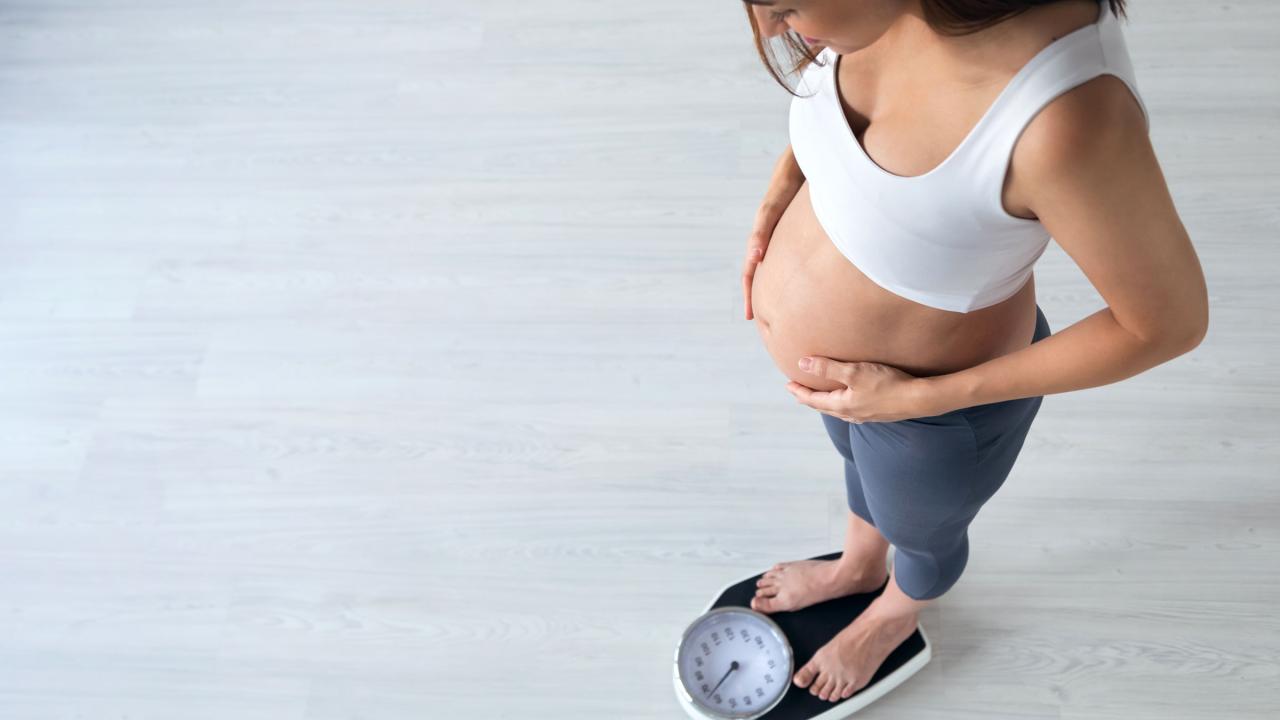
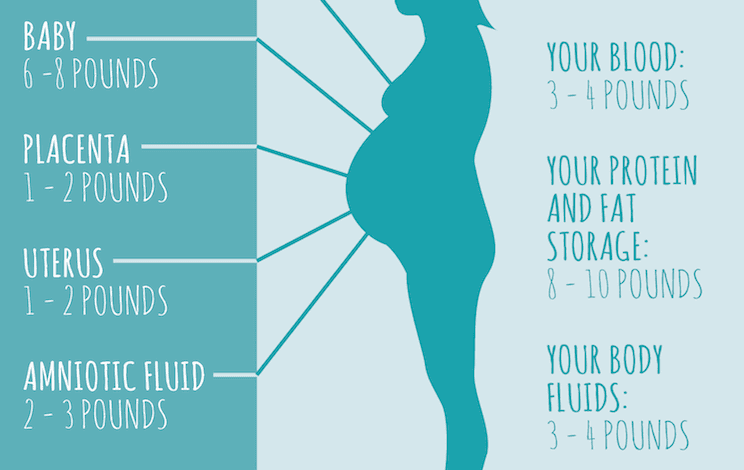
Pregnancy is a time of significant physiological changes, and weight gain is a natural part of this process. However, theamount* of weight gained during pregnancy can significantly impact both the mother’s and the baby’s health. Understanding the recommended ranges and the factors influencing weight gain is crucial for a healthy pregnancy journey.Maintaining a healthy weight throughout pregnancy is essential for both the mother and the developing baby.
Adequate weight gain ensures sufficient nutrient reserves for the baby’s growth and development, while excessive weight gain can pose risks to both mother and child. Conversely, insufficient weight gain can lead to complications for the baby, such as low birth weight.
Recommended Weight Gain Ranges
The recommended weight gain during pregnancy varies depending on a woman’s pre-pregnancy body mass index (BMI). These ranges are designed to promote a healthy pregnancy outcome for both the mother and the child.
- For women with a BMI in the healthy range (18.5 to 24.9 kg/m²), the recommended weight gain is typically between 25 and 35 pounds (11.4 to 15.9 kg).
- Women with a BMI below 18.5 (underweight) should aim for a weight gain of 28 to 40 pounds (12.7 to 18.2 kg).
- For women with a BMI above 25 (overweight), the recommended weight gain is typically between 15 and 25 pounds (6.8 to 11.4 kg).
- Women with a BMI above 30 (obese) should aim for a weight gain of 11 to 20 pounds (5 to 9 kg).
Factors Influencing Weight Gain
Several factors influence the amount of weight a woman gains during pregnancy. These include diet, activity levels, and genetics.
- Diet: A balanced diet rich in essential nutrients is crucial for both the mother and the developing fetus. A diet high in processed foods, sugary drinks, and unhealthy fats can contribute to excessive weight gain. Conversely, a diet lacking essential nutrients can lead to insufficient weight gain.
- Activity Levels: Regular physical activity, within safe limits, can help manage weight gain. Maintaining a moderate level of activity can promote overall health and well-being during pregnancy.
- Genetics: Genetic predisposition plays a role in a woman’s metabolism and tendency to gain weight. However, diet and activity levels can significantly influence the amount of weight gained, even within a genetic predisposition.
Potential Risks Associated with Weight Gain
Both excessive and insufficient weight gain during pregnancy can pose potential risks to the mother and the child. The health risks associated with these extremes differ, as seen in the table below.
Comparison of Potential Health Consequences
| Weight Gain Category | Potential Risks | Prevalence |
|---|---|---|
| Insufficient Weight Gain | Low birth weight, premature birth, developmental delays, increased risk of infant mortality, and long-term health problems for the child. For the mother, it can lead to complications such as anemia and postpartum bleeding. | Estimated to be approximately 10% of pregnancies in developed countries. |
| Excessive Weight Gain | Gestational diabetes, preeclampsia, high blood pressure, Cesarean section, postpartum depression, and increased risk of obesity and related diseases for both mother and child. | Estimated to be approximately 20% of pregnancies in developed countries. |
Comparison of Pre-Pregnancy Weight and Weight Gain

Understanding the interplay between pre-pregnancy weight and weight gain during pregnancy is crucial for optimizing maternal and fetal health. While both factors contribute to the overall pregnancy experience, their relative importance and potential synergistic effects need careful consideration. This section delves into the comparative impact of these two variables on pregnancy outcomes.Pre-pregnancy weight and weight gain during pregnancy are not independent variables; rather, they often influence each other.
A woman’s pre-pregnancy weight status significantly impacts her ability to maintain a healthy weight gain during pregnancy. Understanding this dynamic relationship is vital for developing personalized strategies to support a healthy pregnancy.
Pre-Pregnancy Weight and Weight Gain Influence on Health Outcomes
Pre-pregnancy weight significantly correlates with various pregnancy complications. Women with higher pre-pregnancy BMIs tend to experience increased risks of gestational diabetes, preeclampsia, and other complications. Weight gain during pregnancy, while necessary for fetal development, can also elevate these risks if it exceeds the recommended guidelines. The combination of pre-pregnancy weight and weight gain during pregnancy can have a synergistic effect, further increasing the risk of adverse outcomes.
Impact of Pre-Pregnancy Weight on Healthy Weight Gain
A woman’s pre-pregnancy weight status directly influences her capacity to maintain a healthy weight gain during pregnancy. Individuals with higher pre-pregnancy BMIs may find it more challenging to gain the recommended amount of weight, or they may be more susceptible to gaining excessive weight. This is partly due to physiological factors, such as increased insulin resistance, which can affect metabolic processes related to weight gain.
Limitations of Studying Separate Impacts
The inherent complexity of pregnancy makes isolating the precise impact of pre-pregnancy weight and weight gain challenging. Several factors, including genetics, lifestyle choices, and individual metabolic responses, can influence both variables. Furthermore, studying the separate impacts can overlook the complex interactions and synergistic effects that can occur between these factors.
Comparison of Impact on Pregnancy-Related Complications
| Factor | Impact | Examples |
|---|---|---|
| Pre-pregnancy Weight (Higher BMI) | Increased risk of gestational diabetes, preeclampsia, cesarean delivery, postpartum complications, and larger-for-gestational-age infants. | A woman with a BMI of 35 pre-pregnancy is more likely to develop gestational diabetes compared to a woman with a BMI of 25. |
| Weight Gain During Pregnancy (Excessive) | Increased risk of gestational diabetes, preeclampsia, and cesarean delivery. It can also lead to long-term health problems for both the mother and child. | A woman who gains more than 40 pounds during pregnancy is at a higher risk of developing preeclampsia. |
Factors Influencing the Relationship: Weight Before Pregnancy Bigger Factor Than Weight Gained During Pregnancy
Understanding the complex interplay between pre-pregnancy weight and weight gain during pregnancy is crucial for promoting healthy pregnancies. Numerous factors, ranging from genetic predispositions to socioeconomic circumstances, significantly influence this relationship. This section delves into the multifaceted nature of these influences, examining how various elements contribute to the weight patterns observed in pregnant individuals.The relationship between pre-pregnancy weight and weight gain during pregnancy is not simply a linear correlation.
A multitude of interacting factors contribute to the variability in weight gain patterns, impacting both the amount and the rate of weight increase. These factors are not isolated; they often intertwine and create complex scenarios that affect the overall health of both the mother and the developing fetus.
Genetics
Genetic predispositions play a significant role in an individual’s body composition and metabolic rate. Variations in genes associated with fat storage, metabolism, and appetite regulation can influence both pre-pregnancy weight and the tendency to gain weight during pregnancy. For example, individuals with a family history of obesity may have a higher likelihood of experiencing greater weight gain during pregnancy, even with comparable lifestyle factors.
Research consistently highlights the substantial impact of genetics on an individual’s propensity for weight gain.
Lifestyle Choices
Lifestyle choices, encompassing diet and exercise habits, significantly influence weight gain during pregnancy. A diet rich in processed foods, sugary drinks, and unhealthy fats can contribute to excess weight gain, while a balanced diet rich in fruits, vegetables, and whole grains can support a healthier pregnancy outcome. Regular physical activity, tailored to the individual’s pre-pregnancy fitness level, can help manage weight gain and promote overall well-being.
Medical History
Pre-existing medical conditions, such as thyroid disorders, polycystic ovary syndrome (PCOS), or gestational diabetes, can impact weight gain during pregnancy. These conditions can affect hormone levels, metabolism, and appetite, potentially leading to atypical weight changes. The management of these conditions during pregnancy is crucial in mitigating potential complications and ensuring optimal health for both the mother and the child.
Socioeconomic Factors
Socioeconomic factors can also exert a significant influence on both pre-pregnancy weight and weight gain patterns during pregnancy. Limited access to healthy food options, financial constraints that may limit healthy food choices, or a lack of access to resources for physical activity can contribute to weight gain. The availability of nutritious food options and opportunities for physical activity often correlates with socioeconomic status, highlighting the social determinants of health.
Nutritional Habits
Nutritional habits significantly influence weight gain patterns. A diet lacking in essential nutrients or excessive consumption of empty calories can contribute to weight gain. Conversely, a balanced diet rich in fruits, vegetables, whole grains, lean proteins, and healthy fats can support a healthy pregnancy and weight management. Adequate consumption of key nutrients, like folic acid and iron, is crucial for the proper development of the fetus.
While the weight you gain during pregnancy gets a lot of attention, your pre-pregnancy weight is often a bigger factor in long-term health outcomes. This is especially true when considering the current shortage of disinfectant wipes and sprays, which highlights the importance of good hygiene , and how that translates into overall well-being. Ultimately, maintaining a healthy weight before conception is key to a healthier pregnancy and postpartum period.
Exercise Routines
Regular exercise can play a crucial role in managing weight gain during pregnancy. The intensity and type of exercise should be tailored to the individual’s pre-pregnancy fitness level and any existing medical conditions. Regular physical activity can improve metabolic function, enhance mood, and support overall well-being. It is important to consult with a healthcare provider to determine a safe and effective exercise regimen during pregnancy.
While weight gain during pregnancy is often the focus, pre-pregnancy weight plays a significantly larger role in overall health outcomes. This is particularly relevant when considering the current trend of middle-aged Americans being in worse shape than previous generations. Studies on this alarming trend highlight the importance of maintaining a healthy weight throughout life, not just during pregnancy.
Ultimately, a healthy weight before pregnancy sets the stage for a healthier pregnancy and better long-term health.
Impact of Medical Conditions
Certain medical conditions can significantly affect weight gain during pregnancy. For example, gestational diabetes is a condition where blood sugar levels become elevated during pregnancy, and it can influence weight gain patterns. Individuals with this condition require close monitoring and management to prevent potential complications. Other conditions like thyroid disorders can also influence weight gain and require specific management strategies.
Correlation Between Lifestyle Factors and Weight Gain
| Factor | Influence on Weight Gain | Impact on Pregnancy Outcomes |
|---|---|---|
| Genetics | Predisposition to certain weight gain patterns | Increased risk of complications like gestational diabetes |
| Lifestyle Choices (Diet & Exercise) | A healthy diet and exercise routine can help regulate weight gain | Improved overall health and reduced risk of complications |
| Medical History (Pre-existing Conditions) | Can affect metabolism and hormone levels, potentially leading to atypical weight gain | Increased risk of complications associated with the underlying condition |
| Socioeconomic Factors | Limited access to healthy food options and resources for physical activity can contribute to weight gain | Increased risk of complications related to malnutrition and lack of resources |
| Nutritional Habits | A diet rich in processed foods or lacking essential nutrients can contribute to excessive weight gain | Increased risk of complications for both mother and child |
| Exercise Routines | Regular exercise can help manage weight gain and promote overall well-being | Improved overall health, reduced risk of complications |
Potential Implications and Recommendations
Understanding the interplay between pre-pregnancy weight and weight gain during pregnancy is crucial for both individual well-being and public health. This knowledge allows for targeted interventions to optimize maternal and fetal health outcomes. Addressing this complex relationship necessitates a multifaceted approach encompassing healthcare professional guidance, practical recommendations for expectant mothers, and improved public health initiatives.The relationship between pre-pregnancy weight and weight gain during pregnancy significantly impacts the risk of various complications.
This understanding is essential for healthcare professionals to tailor interventions and support expectant mothers proactively. Appropriate recommendations and public health initiatives can prevent adverse outcomes and promote healthy pregnancies.
Implications for Healthcare Professionals
Healthcare professionals play a vital role in guiding expectant mothers towards healthy pregnancies. Recognizing the influence of pre-pregnancy weight on pregnancy outcomes enables them to provide tailored care. Early identification of women with pre-existing weight concerns allows for proactive interventions to reduce potential risks. This involves educating patients about the importance of maintaining a healthy weight before conception and during pregnancy, providing personalized weight management plans, and monitoring weight gain throughout gestation.
Regular assessments of pre-pregnancy weight and ongoing weight monitoring are crucial for effective risk stratification and personalized interventions.
Practical Recommendations for Expectant Mothers
Maintaining a healthy weight before and during pregnancy is essential for both maternal and fetal well-being. Expectant mothers should prioritize a balanced diet rich in nutrient-dense foods, including fruits, vegetables, lean proteins, and whole grains. Regular physical activity, tailored to individual fitness levels and medical advice, is crucial for weight management and overall health. Seeking guidance from healthcare professionals is paramount.
They can offer personalized recommendations and monitor progress effectively.
Improving Public Health Initiatives
Public health initiatives can significantly impact the prevalence of pre-pregnancy weight issues and associated pregnancy complications. Promoting pre-conception health education, particularly focusing on weight management, is crucial. Integrating weight management programs into existing prenatal care services can increase accessibility and encourage proactive lifestyle changes. Public awareness campaigns highlighting the importance of a healthy pre-pregnancy weight can motivate individuals to take preventive measures.
Mitigating Risks Associated with Pre-pregnancy Weight and Weight Gain
Strategies to mitigate risks associated with pre-pregnancy weight and weight gain include promoting healthy lifestyles through education and support programs. These strategies should encompass pre-conception counseling emphasizing the importance of a healthy weight and lifestyle. Providing access to affordable and nutritious food options, as well as community-based exercise programs, can empower individuals to make informed choices. Support groups and online resources can supplement professional guidance.
Table of Recommendations for Preconception Health and Weight Management
| Recommendation | Description | Implementation |
|---|---|---|
| Maintain a healthy weight before conception. | Achieve and maintain a healthy body mass index (BMI) prior to pregnancy. | Consult with a healthcare professional for personalized weight management plans, including diet and exercise recommendations. |
| Engage in regular physical activity. | Incorporate regular exercise into daily routine, tailored to individual fitness levels. | Follow a consistent exercise schedule, incorporating activities like brisk walking, swimming, or yoga. |
| Consume a balanced diet. | Prioritize nutrient-rich foods and limit processed foods, sugary drinks, and excessive unhealthy fats. | Focus on whole grains, fruits, vegetables, lean proteins, and healthy fats. |
| Seek pre-conception counseling. | Consult healthcare professionals for personalized advice on preconception health. | Schedule a consultation with a doctor or registered dietitian. |
Final Thoughts
In conclusion, while weight gain during pregnancy is a factor, pre-pregnancy weight appears to hold greater influence on overall pregnancy health. This complex relationship highlights the importance of preconception health and weight management. By understanding the interplay of these factors, expectant mothers and healthcare providers can work together to mitigate potential risks and foster a healthier pregnancy experience.
The detailed analysis in this post underscores the need for individualized approaches and emphasizes the importance of early intervention to achieve optimal pregnancy outcomes.
