Whitney cummings on birth control you dont have to settle – Whitney Cummings on birth control you don’t have to settle. This isn’t just about choosing a birth control method; it’s about reclaiming control over your body and life. Many women feel pressured to settle for a birth control option that might not be the best fit, and this article explores the reasons behind that pressure. We’ll delve into Whitney Cummings’ perspective, examining her approach to birth control and comparing it to other voices in the discussion.
We’ll also explore the various birth control options available, emphasizing the importance of individual needs and preferences in making the best choice for you.
The discussion will cover a range of topics, including societal pressures, emotional impacts, and the practical considerations of different birth control methods. We’ll also analyze Whitney Cummings’ unique perspective and how her views might challenge conventional wisdom. Ultimately, this article aims to empower you with the knowledge and resources to make informed decisions about your reproductive health.
Understanding the Phrase “You Don’t Have to Settle”
Choosing birth control is a deeply personal decision, and it’s crucial to feel empowered to make that choice without feeling pressured or limited. The phrase “You don’t have to settle” emphasizes the importance of finding a birth control method that aligns with your individual needs, preferences, and lifestyle. This means considering factors beyond just effectiveness, such as potential side effects, cost, and accessibility.
It’s about finding a method that feels right for
you*, not just one that’s readily available or recommended by others.
Defining “Settling” in Birth Control
“Settling” in the context of birth control means accepting a birth control method that doesn’t fully meet your needs or desires. This might involve accepting a method due to perceived limitations, pressure from others, or a lack of awareness of alternative options. It often stems from a feeling of being forced to compromise on something that’s important to you.
Pressures to Settle for a Birth Control Method
Several factors can contribute to feeling pressured to settle for a specific birth control method. These pressures can stem from external sources, such as societal expectations, or internal sources, like fear or uncertainty.
- Societal Expectations: Cultural norms and societal pressures can influence choices, leading individuals to feel obligated to use methods that are widely accepted or deemed “traditional.” For instance, a young woman might feel pressured to use a particular method based on what her friends or family members are using, rather than what’s best for her body and lifestyle.
- Financial Constraints: The cost of certain birth control methods can be a significant barrier. This can lead individuals to choose a less expensive option, even if it’s not their ideal choice, simply because of the financial implications. For example, a student might opt for a less effective, but cheaper method because they can’t afford a more expensive, more effective one.
- Accessibility Issues: Geographic location, insurance coverage, or limited access to healthcare providers can restrict the range of birth control options available to some individuals. This might result in settling for a method that’s readily available in their area, even if it isn’t the most suitable choice.
- Medical Limitations: Some individuals may have medical conditions or concerns that limit their options. This can lead to choosing a method that’s medically compatible, but not necessarily ideal for their lifestyle. For instance, someone with certain health conditions might be limited to methods that are known to be less problematic for their particular condition.
Emotional and Psychological Impacts of Feeling Pressured
Feeling pressured to settle for a birth control method can have significant emotional and psychological consequences. These impacts can manifest as feelings of frustration, resentment, and dissatisfaction.
- Reduced Self-Esteem: Choosing a birth control method under duress can lead to feelings of inadequacy or self-doubt. This might occur if the method chosen doesn’t align with personal preferences or if the decision feels like a compromise.
- Increased Stress and Anxiety: The pressure to settle can lead to increased stress and anxiety related to the birth control decision. This is especially true if the chosen method has significant side effects that negatively impact daily life.
- Impact on Relationships: Feeling pressured to settle can affect relationships with partners, family members, or healthcare providers. This is because open communication and discussion about birth control choices are vital to making informed decisions.
Examples of Feeling Compelled to Settle
The pressure to settle for a birth control method can arise in various situations.
- Peer Pressure: A young woman might feel pressured to use the same birth control method as her friends, even if it doesn’t suit her needs or preferences.
- Relationship Dynamics: A couple might settle on a birth control method that doesn’t fully satisfy one partner’s needs due to relationship dynamics or compromise.
- Lack of Information: An individual might settle for a method due to a lack of knowledge about other options, which could have better suited their needs.
Societal Factors Contributing to the Feeling of Settling
Societal factors can significantly contribute to the feeling of needing to settle for a birth control method.
- Gender Roles: Traditional gender roles can sometimes place the responsibility for birth control primarily on women, potentially leading to situations where women feel pressured to choose a method that is deemed acceptable or convenient.
- Cultural Norms: Cultural norms and beliefs about birth control can limit options and create pressures to conform to specific methods, rather than exploring the most suitable method.
- Media Representation: Media representations of birth control can sometimes perpetuate stereotypes and limited perspectives, potentially leading to the impression that certain methods are the only viable choices.
Birth Control Method Comparison
| Method | Effectiveness | Side Effects | Accessibility |
|---|---|---|---|
| Oral Contraceptives | High | Possible mood swings, weight changes, nausea | Generally high |
| IUD (Intrauterine Device) | Very High | Possible cramping, spotting | Moderate to High |
| Condoms | Moderate to High | Potential allergic reactions, discomfort | Generally high |
| Implant | Very High | Possible weight changes, headaches | Moderate |
| Injection | High | Possible weight gain, irregular bleeding | Moderate |
Whitney Cummings’ Perspective on Birth Control
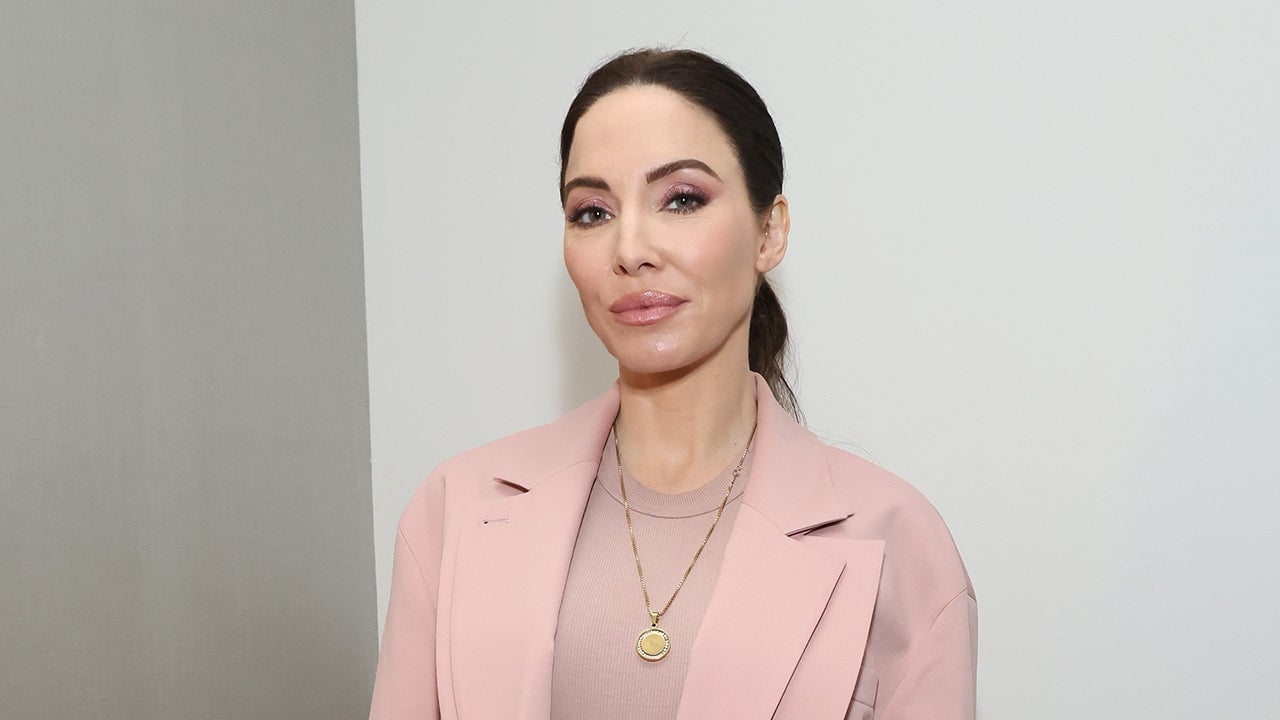
Whitney Cummings, a comedian and actress known for her outspoken views, has frequently discussed various aspects of life, including personal choices surrounding birth control. Her perspective, often delivered with humor and a touch of irreverence, stands out from the more conventional or politically charged discussions on the topic. Her views often center on individual agency and the importance of making informed decisions that align with personal values.Whitney Cummings’ public statements on birth control aren’t always explicitly detailed or formulated into a singular, consistent policy.
Instead, her approach often appears in her comedic routines and interviews, where she touches on the practicalities and emotions involved in family planning. While not a medical expert, her opinions can offer a unique viewpoint, reflecting the experiences of a public figure navigating societal expectations and personal desires.
Whitney Cummings’s message about birth control – that you don’t have to settle – is so empowering. It’s a similar sentiment to understanding why the FDA issued a warning against certain teething medications; choosing the right solutions for your body, whether it’s birth control or managing teething discomfort, is crucial. Ultimately, Whitney’s message is a reminder that you deserve options and control over your health decisions, just as parents need reliable information about safe remedies for their little ones.
why fda warning against teething meds highlights the importance of careful consideration when seeking solutions. It all ties back to the concept of not settling for anything less than what you deserve.
Public Statements on Birth Control
Whitney Cummings has often spoken about birth control in the context of her own experiences and observations. In her comedic material, she frequently touches on the complexities of relationships, sex, and family planning, often employing humor to frame the potential challenges and societal pressures surrounding these decisions. These comments aren’t necessarily formal endorsements or condemnations of particular methods, but rather observations about the emotional landscape surrounding the topic.
Differing Views from Mainstream Opinions
While Whitney Cummings doesn’t explicitly advocate for specific birth control methods, her approach sometimes differs from mainstream discussions that often focus on public health or medical effectiveness. Her focus might be on individual agency and the right to make personal choices without external pressure, rather than on scientific details or potential side effects. For instance, she might emphasize the importance of emotional readiness and relationship dynamics in choosing a birth control method, rather than the specific effectiveness of the method itself.
Underlying Reasons for Views
Several factors could underpin Whitney Cummings’ approach to birth control. Her comedic style and approach to life might encourage her to present her viewpoints with a less formal, more conversational tone. Her personal experiences and observations about societal expectations and pressures surrounding family planning may contribute to her unique perspective. Moreover, her focus on empowering individuals to make their own choices might be rooted in her belief in personal freedom and autonomy.
Comparison with Other Public Figures
Comparing Whitney Cummings’ approach to other public figures’ perspectives on birth control reveals varied approaches. Some celebrities may focus on their personal experiences or advocate for specific methods. Other public figures may emphasize the importance of access to birth control for all. The differences in their approaches reflect varied priorities and different ways of addressing complex societal issues.
Whitney Cummings’s recent talk about birth control, emphasizing the importance of choices, is especially relevant now, given the Supreme Court’s decision to overturn Roe v. Wade. This ruling, as detailed in this article supreme court overturns roe v wade wiping away constitutional right to abortion , highlights the urgent need for open discussions about reproductive rights and access to healthcare.
Ultimately, Cummings’s message about empowerment and control over one’s body remains crucial in this evolving landscape.
Potential Impact on Birth Control Choices
Whitney Cummings’ views, though delivered through a comedic lens, could potentially influence how individuals perceive birth control choices. Her emphasis on personal agency and emotional readiness could encourage people to consider the emotional aspects of birth control alongside the practical ones. However, it’s important to note that her statements don’t provide medical advice, and individuals should always consult with healthcare professionals for accurate information and guidance.
Aspects of Birth Control Emphasized by Whitney Cummings (Hypothetical)
| Aspect | Potential Emphasis |
|---|---|
| Individual Agency | Emphasis on personal freedom and the right to choose. |
| Emotional Readiness | Importance of emotional preparedness before making birth control decisions. |
| Relationship Dynamics | Consideration of how birth control choices might affect relationships. |
| Societal Pressures | Awareness of external expectations and how they influence choices. |
| Practicality | Discussion of the practicality of different methods within various life circumstances. |
Birth Control Options and Choices
Choosing the right birth control method is a deeply personal decision, influenced by individual needs, preferences, and circumstances. It’s a journey of exploration, requiring understanding the various options available and their potential impact on your life. This exploration goes beyond simply preventing pregnancy; it encompasses your overall health, lifestyle, and long-term goals.Navigating the world of birth control can feel overwhelming.
There are many different types of methods, each with its own set of pros and cons. The key is to be well-informed and empowered to make a choice that aligns with your values and aspirations. This guide provides a comprehensive overview of available options, encouraging critical self-reflection in the process.
Overview of Birth Control Methods
Various methods are available to prevent pregnancy, each with unique characteristics. These methods range from hormonal approaches to barrier methods, each impacting the body differently. Understanding these differences is crucial in making an informed decision.
Hormonal Contraceptives
Hormonal contraceptives work by altering the body’s hormonal balance to prevent ovulation or fertilization. Common examples include birth control pills, patches, and injections.
- Pros: Often highly effective when used correctly, can regulate menstrual cycles, and may offer health benefits like reduced risk of certain cancers.
- Cons: Can have side effects like mood changes, weight fluctuations, and headaches. Consistency is crucial for effectiveness, and some methods require regular appointments for administration.
Barrier Methods
Barrier methods physically prevent sperm from reaching the egg. These include condoms, diaphragms, cervical caps, and sponges.
- Pros: Generally considered safe, readily available, and can often be used by individuals who cannot use hormonal methods.
- Cons: May require some practice to use correctly. Effectiveness can vary depending on the specific method and user adherence.
Intrauterine Devices (IUDs)
IUDs are small devices inserted into the uterus to prevent pregnancy. They come in hormonal and non-hormonal varieties.
Whitney Cummings’s take on birth control is all about empowerment, and you really do have choices. Thinking about healthy eating, I’ve been focusing on low cholesterol egg preparation lately, which has been a game-changer for my diet. Finding delicious ways to enjoy eggs without compromising my health goals is a win-win, and that empowerment extends to all aspects of life, just like Whitney’s message on birth control emphasizes.
Ultimately, you don’t have to settle for anything less than what you deserve, whether it’s your health or your choices. low cholesterol egg preparation is a great place to start.
- Pros: Highly effective, long-lasting, and often associated with minimal side effects. Some types can also offer health benefits like regulating menstrual cycles.
- Cons: Insertion can be uncomfortable for some individuals, and there is a slight risk of infection or expulsion.
Natural Family Planning
Natural family planning methods rely on understanding the menstrual cycle to identify fertile and infertile periods. Methods include tracking basal body temperature and cervical mucus.
- Pros: No hormones or devices involved. Can be a good option for individuals seeking a more holistic approach.
- Cons: Requires significant commitment to tracking and understanding the menstrual cycle. Effectiveness can vary depending on the individual’s regularity and adherence to the method.
Factors to Consider When Choosing a Method
Several factors influence the best birth control method for an individual.
- Health History: Pre-existing medical conditions can affect suitability for certain methods.
- Lifestyle: Daily routines and activities can influence the ease of using different methods.
- Cost and Accessibility: Affordability and availability of the chosen method are crucial factors.
- Personal Preferences: Individual comfort levels with various methods play a significant role in the decision-making process.
Accessibility and Affordability
Birth control accessibility and affordability can be a significant factor.
- Insurance Coverage: Insurance plans often cover some or all birth control methods.
- Government Programs: Government initiatives provide financial assistance for birth control in some regions.
- Cost Comparisons: Different methods vary significantly in cost, and it is crucial to factor in long-term expenses.
Resources for More Information
Numerous resources provide valuable information about birth control.
- Planned Parenthood: Provides comprehensive information and support.
- Your Healthcare Provider: Consulting with a doctor or gynecologist is crucial for personalized advice.
- Online Health Resources: Reliable websites offer detailed information and comparisons.
Comparative Table of Birth Control Methods
| Method | Effectiveness | Side Effects | Cost |
|---|---|---|---|
| Birth Control Pills | High (if used correctly) | Mood changes, weight fluctuations | Variable |
| Condoms | Moderate (if used correctly) | Allergic reactions | Generally low |
| IUDs | Very High | Spotting, cramping | Variable |
The Impact of Personal Experiences on Birth Control Choices
Our personal journeys, filled with joys, challenges, and unexpected turns, significantly shape our perspectives on various aspects of life, including birth control. Understanding these personal experiences is crucial in appreciating the diverse motivations and decisions surrounding birth control. It’s not just about the mechanics of preventing pregnancy; it’s about aligning personal values and experiences with the chosen method.Personal experiences profoundly influence the birth control methods individuals choose.
These experiences encompass everything from the ease of use and effectiveness of a specific method to the emotional and social context surrounding the decision. Positive experiences with a particular method can foster confidence and loyalty, while negative experiences can lead to skepticism and a desire for alternative options.
Personal Experiences Shaping Attitudes
Personal experiences with birth control methods vary greatly, influencing individual attitudes and choices. A woman who experienced severe side effects from one type of hormonal birth control might be more cautious about hormonal methods in the future, favoring barrier methods or other options. Conversely, someone who had a positive experience with a particular IUD, finding it virtually maintenance-free and highly effective, might enthusiastically recommend it to others.
These experiences, both positive and negative, contribute to a complex tapestry of attitudes and preferences.
Cultural and Religious Influences
Cultural and religious beliefs often play a significant role in shaping attitudes toward birth control. In some cultures, the emphasis on family planning might lead to a preference for methods that allow for pregnancy, while in others, the priority might be on preventing pregnancy. Religious beliefs can similarly influence choices, with some religions promoting certain methods over others based on their teachings.
These influences can be powerful motivators, shaping not only individual choices but also societal norms surrounding birth control.
Importance of Personal Preferences and Values, Whitney cummings on birth control you dont have to settle
Ultimately, the best birth control method is the one that aligns with an individual’s personal preferences and values. Consideration of factors like convenience, effectiveness, potential side effects, and personal beliefs about family planning is crucial. The method must feel comfortable and empowering. A method that’s inconvenient or causes significant discomfort may ultimately lead to inconsistent use, negating its effectiveness.
Birth Control Methods and Personal Control
| Birth Control Method | Level of Personal Control | Description |
|---|---|---|
| Hormonal Contraceptives (e.g., pills, patches, injections) | Moderate | Require consistent adherence to a schedule, but offer a degree of control over timing and frequency of menstruation. |
| Barrier Methods (e.g., condoms, diaphragms) | High | Often require active participation in the process of preventing pregnancy, offering a higher level of control over the timing and act of intercourse. |
| Intrauterine Devices (IUDs) | High | Provide long-term, highly effective contraception with minimal daily involvement, offering a significant degree of control over future pregnancies. |
| Sterilization | Permanent | Surgical procedures that permanently prevent pregnancy, representing a significant commitment and high level of control over future pregnancies. |
Promoting Informed Decision-Making: Whitney Cummings On Birth Control You Dont Have To Settle

Choosing the right birth control method is a deeply personal journey. It’s a decision that affects your health, your lifestyle, and your future. Understanding the various options and the potential implications is crucial for making an informed choice. This process requires access to accurate information, open communication, and a supportive network.Accurate information empowers individuals to make choices that align with their values and needs.
It’s the bedrock of responsible decision-making regarding birth control. Misinformation, on the other hand, can lead to harmful consequences, ranging from ineffective contraception to unintended pregnancies.
Importance of Accurate Information
Precise and unbiased information is essential when selecting a birth control method. Understanding the effectiveness, potential side effects, and long-term implications of different options empowers individuals to make choices that best suit their circumstances. Reliable data on effectiveness rates, for example, helps individuals understand the likelihood of pregnancy prevention with each method. Knowledge of potential side effects, such as hormonal fluctuations or discomfort, allows for realistic expectations and informed consent.
Furthermore, comprehending the long-term implications, including potential impact on menstrual cycles or overall health, is vital for long-term well-being.
Accessing Reliable Information
Reliable sources are critical for gaining accurate information about birth control. Individuals can access this information through various channels. Medical professionals are a primary source of reliable information. They can provide personalized advice, address concerns, and offer guidance on appropriate options. Government websites, reputable organizations dedicated to reproductive health, and trusted medical websites also provide detailed information on birth control methods.
These resources often offer comprehensive overviews of different methods, including their efficacy, potential side effects, and suitability for various individuals.
Potential Sources of Misinformation
Misinformation regarding birth control can be pervasive, originating from various sources. Social media platforms can disseminate inaccurate or misleading information. Untrustworthy websites or blogs can spread false claims about birth control methods. Personal anecdotes, while sometimes relatable, should not be mistaken for evidence-based facts. Distinguishing credible sources from unreliable ones is crucial for informed decision-making.
Open Communication and Support
Open communication about birth control is vital for successful and satisfying use. Discussions with healthcare providers, partners, or trusted friends and family members can foster a supportive environment. Such discussions can address concerns, dispel myths, and facilitate a thorough understanding of available options. Having a supportive network to share experiences and answer questions can help individuals feel more confident and comfortable with their choices.
Role of Healthcare Providers
Healthcare providers play a critical role in educating patients about birth control options. Their expertise allows them to tailor recommendations to individual needs, considering factors like medical history, lifestyle, and personal preferences. Effective communication and open dialogue with healthcare providers enable individuals to feel empowered to make informed choices. They can provide detailed information on different methods, discuss potential risks and benefits, and address any concerns.
Trusted Resources for Information on Birth Control
| Category | Resource | Description |
|---|---|---|
| Government | Centers for Disease Control and Prevention (CDC) | Provides comprehensive information on various birth control methods, including effectiveness rates and potential side effects. |
| Organizations | Planned Parenthood | Offers a wide range of resources, including online articles, videos, and educational materials on contraception and reproductive health. |
| Medical Websites | Mayo Clinic | Provides in-depth information on various health topics, including birth control methods, their benefits, and potential risks. |
Final Conclusion
In conclusion, Whitney Cummings on birth control you don’t have to settle highlights the importance of informed decision-making when it comes to birth control. The discussion emphasized the various pressures and influences affecting choices, from societal expectations to personal experiences. Ultimately, understanding your needs and preferences, and accessing accurate information, empowers you to choose a birth control method that aligns with your values and goals.
This article provides a framework for navigating this important aspect of your well-being, encouraging open communication and a focus on individual empowerment.