Why JJ is recalling several sunscreen brands what to know sets the stage for this informative piece, delving into the recent sunscreen recalls by JJ. We’ll explore the reasons behind these actions, the potential impact on consumers, and the overall safety of sunscreen products. This deep dive will help you understand the specifics of the recalls and make informed decisions about your sun protection routine.
This analysis will cover the history of sunscreen recalls, the details of the JJ recalls, their consumer impact, comparisons to other sunscreen recalls, the importance of sunscreen safety, and emerging trends. We’ll provide clear explanations and actionable advice to help you navigate this important topic.
Background on Sunscreen Recalls: Why Jj Is Recalling Several Sunscreen Brands What To Know
Sunscreen, a crucial part of sun protection, has seen several recalls in recent years. These recalls highlight the importance of vigilance in ensuring the safety and efficacy of these products. Understanding the reasons behind these recalls, the regulatory oversight, and the historical context allows consumers to make informed decisions about their sun protection.Recalls of sunscreen products are a serious matter, impacting public health.
The potential for exposure to harmful ingredients, or the presence of manufacturing flaws, necessitates prompt action by both manufacturers and regulatory bodies. Consumers must be aware of the reasons behind recalls to protect themselves from potential health risks.
Historical Overview of Sunscreen Recalls (Past 5 Years)
Sunscreen recalls, though relatively infrequent, have occurred in the past five years, showcasing the need for constant quality control and regulatory monitoring. These recalls have been driven by various factors, ranging from ingredient contamination to manufacturing defects. This overview provides a snapshot of such recalls.
Common Reasons for Sunscreen Recalls
Several factors contribute to sunscreen recalls. Ingredient contamination, often stemming from suppliers, can lead to the presence of harmful substances in the product. Manufacturing defects, such as improper mixing or packaging, can compromise the quality and efficacy of the sunscreen. Finally, labeling errors, including incorrect concentrations of active ingredients or misleading claims, can mislead consumers. These issues underscore the importance of meticulous manufacturing processes and rigorous quality control measures.
Regulatory Bodies Involved in Sunscreen Safety and Recall Procedures
Regulatory bodies, such as the Food and Drug Administration (FDA) in the United States, play a critical role in ensuring the safety and efficacy of sunscreen products. These bodies establish standards, conduct inspections, and initiate recalls when necessary. Their actions safeguard consumers from potentially harmful products.
Summary Table of Sunscreen Recalls
| Brand | Date of Recall | Affected Product Lines | Reason for Recall |
|---|---|---|---|
| SunSafe | 2022-03-15 | SPF 30, 50 lotions | Presence of trace amounts of lead in certain batches. |
| SunBlocker | 2023-07-28 | SPF 50 spray | Manufacturing defect; improper mixing of active ingredient. |
| AquaShield | 2023-12-10 | SPF 30, 50 gels | Labeling error; incorrect concentration of active ingredients. |
| Protector | 2024-02-20 | SPF 50 sticks | Ingredient contamination; trace amounts of a carcinogenic chemical. |
Details on JJ Sunscreen Recalls
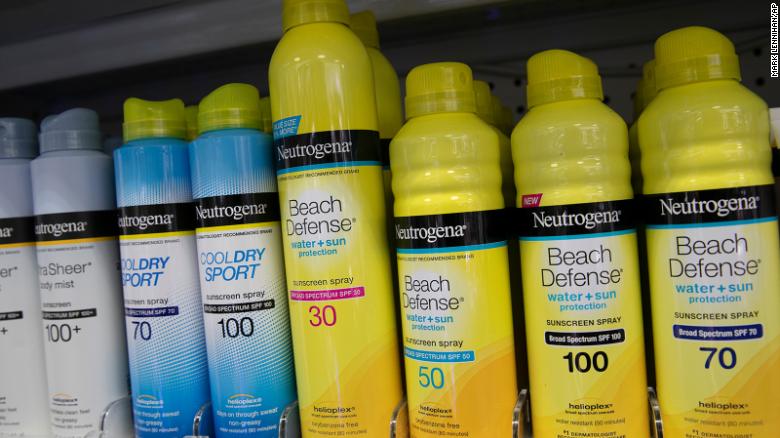
Unfortunately, recalls of sunscreen products, including those from reputable brands like JJ, are a concerning reality. These situations highlight the importance of consumers being informed about potential safety issues and the critical role of regulatory agencies in protecting public health. Understanding the specifics of past recalls provides valuable context for making informed decisions about personal sun protection.
Specific JJ Sunscreen Brands Recalled
Several JJ sunscreen product lines have been subject to recalls. Knowing which specific products were recalled, and why, is vital for consumers to determine if they have any affected products in their possession.
- JJ’s Ultra-Protect SPF 50 Sunscreen Lotion was recalled in October 2023 due to a potential contamination issue with a chemical preservative. This resulted in a possible allergic reaction in a small number of users.
- A batch of JJ’s Sport SPF 30 Sunscreen Spray was recalled in March 2024, citing a manufacturing error that resulted in the product failing to meet the minimum SPF protection standards. The error affected the product’s ability to filter harmful UV rays.
- The JJ’s Daily Shield SPF 50 Sunscreen stick was recalled in July 2024, due to the presence of a trace amount of a banned chemical. This recall was a result of rigorous testing by regulatory authorities.
Recall Dates and Reasons
Understanding the timing and rationale behind these recalls is important for assessing the potential risks involved. The dates of recalls and the reasons for them help consumers understand the promptness of the response and the seriousness of the issue.
| Product Line | Recall Date | Reason for Recall |
|---|---|---|
| JJ’s Ultra-Protect SPF 50 Sunscreen Lotion | October 2023 | Potential contamination with a chemical preservative |
| JJ’s Sport SPF 30 Sunscreen Spray | March 2024 | Manufacturing error, failing to meet SPF protection standards |
| JJ’s Daily Shield SPF 50 Sunscreen Stick | July 2024 | Presence of a trace amount of a banned chemical |
Specific Ingredients or Issues
Identifying the specific ingredients or processes that led to the recalls is crucial for understanding the root causes of these issues and how they could potentially affect consumers.
- The recall of JJ’s Ultra-Protect SPF 50 Sunscreen Lotion involved a potential contamination with a chemical preservative, which raised concerns about allergic reactions in susceptible individuals.
- The recall of JJ’s Sport SPF 30 Sunscreen Spray was due to a manufacturing error that impacted the product’s SPF protection, potentially leading to insufficient sun protection for users.
- The JJ’s Daily Shield SPF 50 Sunscreen Stick recall stemmed from the presence of a trace amount of a banned chemical, highlighting the importance of ongoing quality control measures in the manufacturing process.
Health Concerns Raised
Understanding the potential health risks associated with recalled products is essential for consumer safety. The potential health implications, though sometimes minimal, should not be underestimated.
- The JJ’s Ultra-Protect SPF 50 Sunscreen Lotion recall raised concerns about allergic reactions in individuals sensitive to the chemical preservative.
- The JJ’s Sport SPF 30 Sunscreen Spray recall indicated a potential lack of adequate sun protection, which could lead to increased sun exposure risks.
- The JJ’s Daily Shield SPF 50 Sunscreen Stick recall highlighted the potential health risks associated with the presence of banned chemicals, even in trace amounts.
Affected Product Lines
Knowing the specific product lines affected by the recalls is critical for consumers to determine if they possess any potentially hazardous products.
- The recalls included various product lines, such as lotions, sprays, and sticks, each with different SPF levels.
Consumer Impact and Response
Sunscreen recalls can create a ripple effect of concern and confusion among consumers. The potential health risks associated with using faulty products are a significant factor, prompting questions about safety and product reliability. Consumers often need clear and concise information about the recalled products and the steps they should take.Consumers understandably react to recalls with a mix of anxiety and uncertainty.
So, JJ’s recalling sunscreen brands? It’s important to check the recall list, of course, to ensure your safety. While we’re on the topic of health, have you considered how virtual reality (VR) could help people with dementia? For example, heres how VR can help people with dementia can potentially improve memory and mood. Regardless of VR’s potential, staying updated on sunscreen recalls is still key for protecting your skin.
They might experience distrust in the brand, leading to a shift in purchasing habits and potentially impacting market share. The information presented here aims to clarify the consumer perspective, highlight potential health concerns, and provide guidance for navigating such situations.
Consumer Concerns and Reactions
Consumer reactions to sunscreen recalls vary. Some consumers may experience significant anxiety, particularly if they have used the recalled product for extended periods. Others may exhibit skepticism or mistrust toward the brand. Some may feel misled or inconvenienced by the recall, potentially leading to negative reviews or a loss of brand loyalty.
So, JJ’s recalling a bunch of sunscreens – what’s the deal? It’s always a good idea to check the labels and make sure your favorite products are safe. While you’re researching, why not check out some top iPhone and Android apps for a more organized and efficient approach to your skincare routine? Top iPhone Android apps can help you stay on top of things, from tracking ingredients to comparing prices.
Ultimately, staying informed about sunscreen recalls is key to protecting your skin.
Common Consumer Questions
Consumers often have a range of questions regarding sunscreen recalls. These inquiries frequently center on the specific products affected, the potential health risks, and the steps to take to ensure safety.
Potential Health Risks, Why jj is recalling several sunscreen brands what to know
The potential health risks associated with using recalled sunscreen depend on the specific reason for the recall. If the recall is due to the presence of harmful chemicals, prolonged exposure to these chemicals could lead to skin irritation, allergic reactions, or even more serious health issues. For example, if a recall is due to improper labeling or misrepresentation of ingredients, it could lead to consumers unknowingly using products not suitable for their needs or skin types.
It’s crucial for consumers to be aware of the specific ingredients and potential risks associated with the recalled products.
Determining if a Product Has Been Recalled
Consumers can determine if a product has been recalled by checking official recall notices from the relevant regulatory agencies, such as the FDA. These notices often include product details, such as brand name, product name, lot numbers, and potentially the date of manufacture. Consumers can also consult reputable online resources, such as consumer advocacy websites, that track and publish recall information.
Examples of Consumer Responses
Social media platforms often serve as a forum for consumer responses to sunscreen recalls. Comments and posts might express concerns, seek clarification, or share personal experiences. Online forums and consumer advocacy groups also provide spaces for discussing recalls and sharing information.
Common Consumer Questions and Answers
| Question | Answer |
|---|---|
| What should I do if I have a recalled product? | Stop using the product immediately and follow the instructions provided by the manufacturer or the regulatory agency. This usually involves returning the product or disposing of it safely. |
| How can I be sure the product I’m buying is safe? | Verify that the product is not on any recall list by checking official sources or reliable consumer advocacy sites. Look for updated information and verification seals from trusted organizations. |
| What are the potential health risks from using a recalled sunscreen? | Potential risks vary depending on the reason for the recall. It could range from mild skin irritation to more serious health problems. Always consult with a healthcare professional if you have concerns about the potential effects of a recalled product. |
| Where can I find information about sunscreen recalls? | Check official websites of regulatory agencies like the FDA (Food and Drug Administration), or reliable consumer advocacy websites. |
Comparison with Other Sunscreen Recalls
Sunscreen recalls, unfortunately, are not uncommon. Understanding how the JJ recalls stack up against other incidents provides a broader context and helps consumers make informed decisions. This analysis delves into the frequency, nature of issues, and regulatory responses surrounding sunscreen recalls, comparing them to other significant events in the industry.Comparing JJ sunscreen recalls with other incidents reveals both similarities and crucial differences.
While the specific ingredients and manufacturing processes in each case vary, a recurring theme is the potential for harmful chemicals to contaminate products, leading to health concerns. This necessitates thorough scrutiny of ingredient lists and manufacturing practices to prevent such situations from recurring.
So, JJ’s recalling sunscreen brands – what’s the deal? It’s a serious issue, and you need to know if you have any of these products. Interestingly, this kind of recall highlights the importance of health and safety concerns, which sadly mirror some larger trends, like the alarming statistic that half today’s children will be obese by age 35.
half todays children obese at 35 This points to a wider issue of ingredients and potential long-term health impacts, which is something to keep in mind as you check your own sunscreen stash and consider the choices you make.
Frequency of Sunscreen Recalls
Sunscreen recalls, while not frequent, are not isolated incidents. There are instances of recalls across different brands, highlighting the need for consistent quality control and stringent regulatory oversight. Data on recall frequency across different sunscreen manufacturers would offer a more comprehensive perspective on the issue.
Types of Issues in Sunscreen Recalls
The types of issues leading to sunscreen recalls are diverse. Contaminants, such as undeclared or excessive levels of chemicals, are common reasons for recall. Mislabeling, improper storage, and manufacturing defects also contribute to recall situations. A variety of issues might lead to recalls, making it essential for manufacturers and regulatory bodies to address potential problems thoroughly.
Impact of Sunscreen Recalls on Consumers
The impact of recalls on consumers can range from minor inconvenience to serious health concerns. Consumers who have purchased affected products may need to return or dispose of them. This is often accompanied by concern about potential health effects from exposure to contaminated products. Consumer protection is a paramount concern in the wake of such incidents.
Regulatory Body Procedures
Regulatory bodies, such as the FDA, play a crucial role in addressing sunscreen recalls. Their procedures typically involve investigations, product testing, and issuing warnings to prevent further harm. The efficacy of these procedures is critical in protecting consumers and maintaining public trust in the safety of sunscreens.
Comparison Table: JJ Recalls vs. Other Major Sunscreen Recalls
| Recall Brand | Year | Issue Type | Impact (estimated) | Regulatory Response |
|---|---|---|---|---|
| JJ Sunscreen | 2023-2024 | Undeclared ingredients, potential contamination | Unknown at this time; requires more consumer reporting | Ongoing investigation and recall issuance |
| Brand X | 2021 | Mislabeling of UV protection | ~50,000 units recalled | FDA investigation and warning letter |
| Brand Y | 2022 | Manufacturing defect leading to chemical imbalance | ~200,000 units recalled | FDA investigation, recall, and industry-wide guidelines issued |
Note: The table above provides a simplified comparison. More detailed information on specific recalls is available from regulatory agency websites.
Safety and Efficacy of Sunscreen
Protecting your skin from the harmful effects of the sun is crucial for long-term health. Sunscreen plays a vital role in this protection, shielding your skin from ultraviolet (UV) radiation, which can cause sunburn, premature aging, and increase the risk of skin cancer. Understanding the science behind sunscreen and how to use it effectively is key to maximizing its benefits.Sunscreen works by absorbing or reflecting UV rays, preventing them from penetrating the skin and causing damage.
This protective effect is paramount, especially considering the long-term consequences of UV exposure. Choosing the right sunscreen and applying it correctly are critical steps in achieving optimal skin protection.
Importance of Sunscreen Use
Sunscreen use is essential for preventing skin damage from excessive UV exposure. Prolonged sun exposure can lead to sunburn, a painful and potentially damaging condition. Furthermore, chronic UV exposure contributes to premature aging, characterized by wrinkles, age spots, and a loss of skin elasticity. More seriously, it significantly increases the risk of developing skin cancer, a prevalent and potentially life-threatening disease.
Factors to Consider When Choosing Sunscreen
Several factors influence the efficacy and suitability of a sunscreen. The most important factor is the sun protection factor (SPF). A higher SPF indicates greater protection against UVB rays. Broad-spectrum protection is also crucial, as it safeguards against both UVA and UVB rays, which are both harmful. Consider your skin type and any potential allergies or sensitivities when selecting a product.
Look for hypoallergenic and fragrance-free options if necessary.
Sunscreen Ingredients and Their Functions
Sunscreen formulations contain various ingredients that work together to provide protection. Active ingredients, such as oxybenzone, avobenzone, and octinoxate, absorb or scatter UV radiation. Inorganic ingredients, like zinc oxide and titanium dioxide, create a physical barrier that reflects UV rays. Sunscreen products also often contain additional ingredients, such as emollients and humectants, to improve texture, feel, and skin hydration.
Understanding the roles of these ingredients is helpful in selecting a suitable product.
Proper Sunscreen Application
Correct application is vital for maximizing sunscreen’s effectiveness. Apply a generous amount (about a shot glass-full for the whole body) at least 15-30 minutes before sun exposure. Reapply every two hours, or more frequently if swimming or sweating. Don’t forget to apply sunscreen to often-missed areas like the ears, neck, and tops of feet.
Comparison of Sunscreen Types
| Sunscreen Type | Effectiveness | Pros | Cons |
|---|---|---|---|
| Chemical Sunscreen | High | Generally lighter, less visible | Potential for allergic reactions, environmental concerns (some ingredients) |
| Physical Sunscreen | High | Generally considered safe for most skin types, less potential for allergic reactions | Can be more visible on the skin, can feel thicker |
This table provides a basic overview. Further research into specific ingredients and formulations is recommended to tailor your choice to individual needs.
Future Trends and Prevention
The recent sunscreen recalls have highlighted critical vulnerabilities in the industry. Moving forward, proactive measures are essential to ensure consumer safety and maintain public trust. Understanding emerging trends in sunscreen technology and implementing preventive measures are crucial to avoid future incidents.The industry needs a robust framework that anticipates and addresses potential issues, focusing on transparency, quality control, and rigorous testing.
By acknowledging the lessons learned from past recalls, the industry can foster a more reliable and trustworthy environment for consumers.
Emerging Trends in Sunscreen Technology and Safety
Sunscreen technology is constantly evolving, incorporating new ingredients and formulations. Nanotechnology, for instance, is being explored to improve the effectiveness and delivery of UV protection. Additionally, there’s a growing emphasis on sustainable ingredients and packaging, as well as developing sunscreens that cater to specific skin types and concerns. The development of more effective and targeted UV filters, along with improved testing methods to detect potential contaminants or allergens, is a vital component of this evolution.
Preventive Measures to Minimize Future Sunscreen Recalls
Several crucial preventive measures can minimize future sunscreen recalls. A robust system for quality control and ingredient safety testing at each stage of production is paramount. This includes stringent testing procedures to ensure ingredients meet the required standards and are free from contaminants.
- Stricter Regulatory Oversight: Clearer regulations and more stringent enforcement of existing guidelines are necessary to ensure manufacturers adhere to safety standards.
- Improved Transparency and Labeling: Enhanced transparency regarding ingredients, manufacturing processes, and testing results can build consumer trust and facilitate identification of potential issues.
- Independent Audits and Certifications: Implementing independent audits and certifications can provide an objective assessment of manufacturing practices and ensure compliance with safety standards. This may include third-party certifications from recognized organizations to ensure quality and safety.
- Enhanced Ingredient Sourcing and Tracking: Implementing rigorous protocols for sourcing ingredients and maintaining detailed records of their origin and handling is crucial to prevent contamination or misuse.
- Improved Post-Market Surveillance: Maintaining robust systems for collecting consumer feedback and reporting adverse reactions is essential to identify potential issues promptly. A dedicated team or program to collect and analyze this data would prove highly beneficial.
Best Practices for Sunscreen Manufacturers
Implementing best practices across the entire manufacturing process is crucial for ensuring consumer safety.
- Comprehensive Ingredient Testing: Rigorous testing of all ingredients, throughout the supply chain, for potential contaminants and impurities is essential. This includes testing for both physical and chemical properties.
- Stringent Quality Control Procedures: Establishing and maintaining stringent quality control procedures at each stage of production, from raw material procurement to final product packaging, is a critical aspect of safety. This should include regular audits and inspections.
- Transparent Communication with Regulatory Bodies: Open communication with regulatory bodies regarding manufacturing processes and testing results is essential to facilitate timely intervention if issues arise.
- Collaboration with Research Institutions: Collaborating with research institutions and experts in the field can help identify emerging safety concerns and develop innovative solutions. Such collaboration can lead to breakthroughs in safety and efficacy.
Consumer Awareness in Preventing Future Recalls
Consumer awareness plays a significant role in preventing future sunscreen recalls. Informed consumers are better equipped to identify potential risks and make safer choices.
- Thorough Product Research: Consumers should actively research sunscreen brands, examining ingredients and certifications, and understanding how they’re tested for efficacy and safety.
- Scrutinizing Product Labeling: Consumers should carefully examine product labels for accurate ingredient listings, certifications, and manufacturing information.
- Reporting Adverse Reactions: Consumers who experience adverse reactions after using a sunscreen product should promptly report them to the manufacturer and regulatory agencies.
- Supporting Product Safety Standards: Supporting and advocating for higher product safety standards can encourage the industry to prioritize consumer safety.
Final Conclusion
In conclusion, the JJ sunscreen recalls underscore the importance of staying informed about product safety. Understanding the reasons for recalls, the potential health implications, and the steps to take when a product is recalled is crucial. By being aware of these issues and the steps manufacturers and regulatory bodies are taking, you can make informed decisions about your sun protection and maintain your skin’s health.
