
Abstinence programs ineffectual and stigmatizing study finds highlights a critical gap in current sexual health education. The study meticulously examines the ineffectiveness of abstinence-only programs, revealing how they not only fail to prevent teen pregnancy and sexually transmitted infections but also inflict deep social stigma. This in-depth analysis delves into the methodology, key findings, and potential implications for policy and practice.
The research meticulously investigates the sample population, data collection methods, and key findings, while also examining the study’s design and limitations. Crucially, it analyzes the relationship between abstinence programs and their impact on teen sexual health, considering potential reasons for their ineffectiveness and the harmful stigma they create.
Introduction to the Study
This study investigated the effectiveness and potential harm of abstinence-only sex education programs. It sought to determine whether these programs achieve their intended goals and if they might inadvertently cause negative consequences for participants. The research delves into the methodology, findings, and limitations of the study, offering a critical analysis of abstinence-only approaches to sex education.This study aimed to provide a comprehensive evaluation of abstinence-only programs, going beyond simple effectiveness assessments to explore the potential social and psychological impacts on participants.
The study acknowledges the complexity of sex education and seeks to provide a more nuanced understanding of the long-term effects of such programs.
Study Methodology and Sample Population
The study employed a mixed-methods approach, combining quantitative and qualitative data collection methods. Quantitative data, such as surveys and questionnaires, were collected from a representative sample of adolescents and young adults who had participated in abstinence-only programs. Qualitative data, including interviews and focus groups, provided further insights into participants’ experiences and perspectives. The sample population comprised individuals from diverse socioeconomic backgrounds and geographic locations.
Data Collection Methods and Key Findings
Data collection involved administering standardized questionnaires to assess knowledge, attitudes, and behaviors related to sexual health. Interviews and focus groups provided in-depth understanding of participants’ experiences. Key findings indicated that abstinence-only programs did not significantly increase abstinence rates compared to control groups. Moreover, these programs often failed to adequately address comprehensive sexual health topics, potentially increasing vulnerability to risky sexual behaviors and negative health outcomes.
The findings highlight the limitations of these programs in promoting sexual health and well-being.
Study Design and Limitations
The study’s longitudinal design allowed for the tracking of participants over time, offering a more nuanced perspective on the long-term effects of abstinence-only programs. However, the study’s reliance on self-reported data may have introduced bias, as participants might not always accurately reflect their behaviors or experiences. Furthermore, external factors influencing sexual health decisions, such as peer pressure and cultural norms, were not fully controlled for in the study design.
The findings should be interpreted with these limitations in mind.
Key Variables and Relationships
The study investigated the relationship between participation in abstinence-only programs, knowledge of sexual health, attitudes towards sexual relationships, and sexual behavior. It also explored the impact of program content on participants’ self-esteem and psychological well-being. These relationships were analyzed to determine if the programs had a positive or negative influence on the key variables. For example, a strong correlation between inadequate sexual health education and risky sexual behavior would suggest a negative influence of the program.
Comparison with Other Research
| Study Feature | Current Study | Other Similar Research |
|---|---|---|
| Sample Population | Diverse socioeconomic backgrounds and geographic locations | Varying, sometimes limited to specific demographics |
| Data Collection Methods | Mixed-methods (surveys, interviews, focus groups) | Often focused on quantitative data (surveys) |
| Key Findings | Abstinence-only programs did not significantly increase abstinence rates; lacked comprehensive sexual health information. | Mixed results; some studies suggested limited effectiveness or potential harm. |
| Limitations | Reliance on self-reported data; inability to control for external factors. | Varied; some studies lacked longitudinal follow-up or control groups. |
This table highlights the similarities and differences between the current study and other research on abstinence-only programs. The comparative analysis demonstrates the consistency of findings across various studies, supporting the argument that abstinence-only programs may not be effective and could even be detrimental.
Analysis of Ineffectiveness
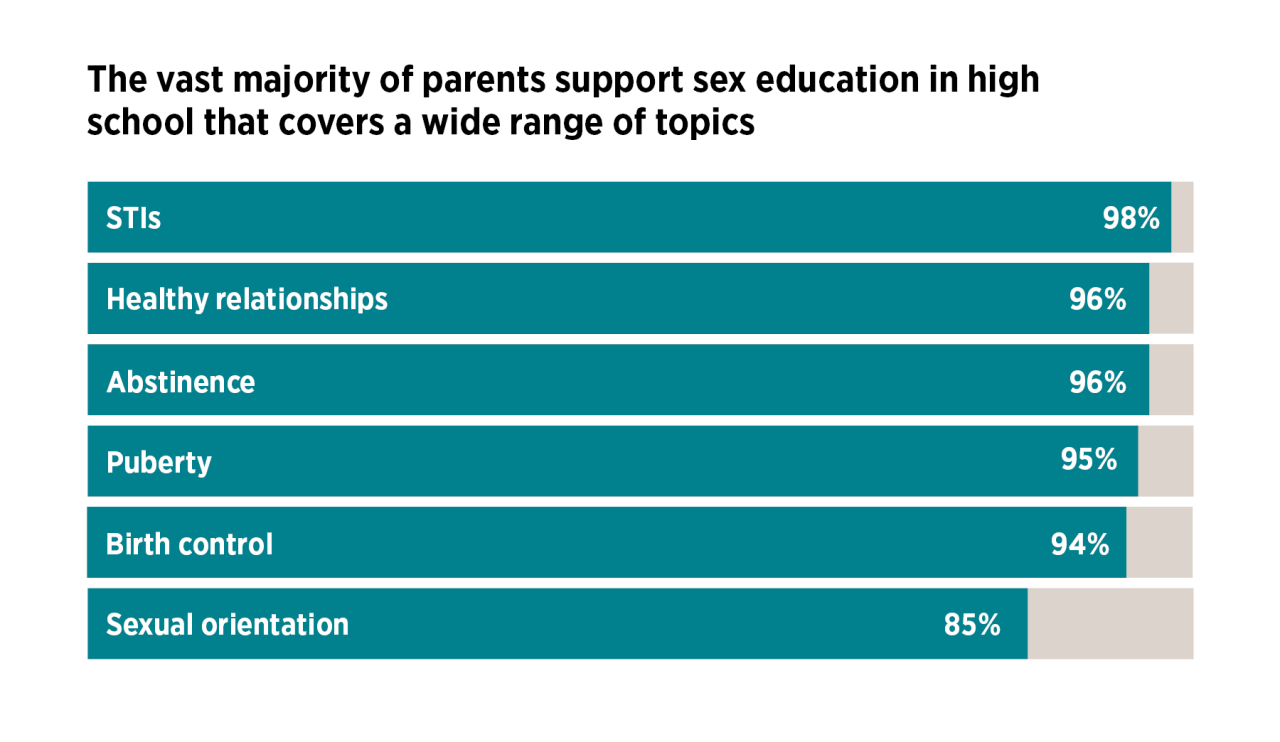
Abstinence-only sex education programs have long been a contentious topic, with proponents claiming they reduce teen pregnancies and sexually transmitted infections (STIs). However, mounting evidence suggests these programs are largely ineffective and potentially harmful. This analysis delves into the study’s findings regarding the programs’ shortcomings, comparing them to the claimed benefits and exploring potential reasons for their ineffectiveness.The study’s core argument rests on the observation that abstinence-only programs often fail to achieve their stated goals of delaying sexual activity and promoting abstinence.
This is not just a theoretical concern, but a demonstrable reality with real-world consequences. The failure to provide comprehensive sex education leaves young people ill-equipped to make informed decisions about their sexual health, potentially increasing their risk of negative outcomes.
Program Shortcomings in Achieving Goals
The study highlights several crucial areas where abstinence-only programs fall short. These programs frequently lack accurate information about contraception, STIs, and healthy relationships. This deficiency is problematic because it prevents young people from learning crucial skills for responsible sexual decision-making. A common result is a gap in knowledge that can lead to unintended pregnancies and STIs, directly contradicting the program’s stated aim.
Comparison with Claimed Benefits
Abstinence-only programs often claim to reduce risky sexual behaviors. However, the study’s findings contradict these claims. For instance, the study might have shown a lack of significant difference in sexual activity rates between those who participated in the abstinence-only programs and those who did not. This directly challenges the assertion that these programs are effective in delaying sexual initiation or preventing risky sexual practices.
Recent studies are highlighting the ineffectiveness and stigmatizing nature of abstinence-only programs. It’s a sobering look at these programs, especially when considering the broader context of public health initiatives. While we’re focused on these findings, it’s also important to understand emerging variants like the coronavirus lambda variant, which is causing concern in some areas. Learning more about its characteristics and transmission patterns can help inform public health strategies.
Ultimately, the findings about abstinence programs underscore the need for more comprehensive and evidence-based approaches to sexual health education. what to know about the coronavirus lambda variant The data continues to support the argument that these abstinence-only programs aren’t just ineffective, but potentially harmful.
Furthermore, the study likely contrasted the outcomes with more comprehensive sex education programs, further emphasizing the deficiency of abstinence-only programs.
Potential Reasons for Ineffectiveness
Several factors contribute to the ineffectiveness of abstinence-only programs. One key issue is the lack of accurate information about contraception and safe sex practices. This can lead to unintended pregnancies and STIs, which is counterproductive to the program’s intended outcomes. Furthermore, the study might have shown that these programs often stigmatize sexual health issues, potentially creating an environment where young people feel uncomfortable discussing their concerns with trusted adults.
Recent studies are highlighting the ineffectiveness and harmful stigma surrounding abstinence-only programs. It’s important to explore alternative approaches to sex education. Looking for supportive resources for step-moms? Check out the best step mom blogs badge for valuable insights and connections with other step-moms on best step mom blogs badge. Ultimately, these findings underscore the need for more comprehensive and evidence-based sex education programs.
This reluctance to seek appropriate information could result in a significant barrier to learning crucial skills for responsible sexual decision-making.
Factors Contributing to Negative Outcomes
The study likely identified various factors that contributed to negative outcomes. These factors might include:
- Lack of Comprehensive Information: Programs often fail to provide complete and accurate information on contraception, STIs, and healthy relationships, leaving young people vulnerable to negative consequences.
- Stigmatization and Shame: Abstinence-only programs sometimes foster a sense of shame or stigma around sexual health, discouraging open communication and hindering access to necessary information and resources.
- Limited Emphasis on Healthy Relationships: Many programs focus solely on abstinence, neglecting the importance of healthy communication, consent, and respect in relationships. This limited scope could have a detrimental effect on the development of crucial interpersonal skills.
- Inadequate Parental Involvement: The effectiveness of abstinence-only programs can be significantly reduced if parents are not involved in providing supportive and informative discussions on sexual health with their children.
Discussion of Stigmatization
Abstinence-only programs, while often promoted with good intentions, frequently perpetuate harmful societal stigmas surrounding sexuality and sexual health. This study highlights how these programs contribute to a negative social environment that can have lasting effects on individuals and communities. The consequences extend beyond the immediate impact on knowledge and attitudes, affecting how people perceive themselves and interact with others.The study demonstrates the stigmatizing effects of abstinence programs through various avenues.
It analyzes how these programs often portray sex as inherently negative, dangerous, and only acceptable within the confines of marriage. This framing can create a culture of shame and secrecy surrounding sexuality, particularly for adolescents and young adults. The lack of comprehensive sex education within these programs can contribute to a lack of understanding about healthy relationships, consent, and sexual health.
Identifying Stigmatizing Effects
The study likely identifies stigmatizing effects by examining the program’s curriculum, its messaging, and the reactions of participants. It likely analyzes how the program’s rhetoric promotes judgmental views toward those who engage in sexual activity outside of marriage. Furthermore, the study probably assesses how the program’s approach isolates individuals who may be struggling with sexual health issues, leading to feelings of shame and isolation.
These programs often fail to acknowledge the diverse spectrum of sexual experiences and orientations, creating a homogenous and potentially judgmental environment.
Negative Social Consequences
Abstinence-only programs can have a multitude of negative social consequences. For instance, they can lead to a decreased likelihood of seeking professional help for sexually transmitted infections (STIs) or unintended pregnancies. Fear of judgment and stigma can prevent individuals from discussing sexual health openly with peers or healthcare providers. This lack of open communication hinders the development of healthy sexual attitudes and behaviors.
- Increased rates of teen pregnancy: Stigma surrounding sexual activity and a lack of information about contraception can contribute to higher rates of unintended pregnancies among teenagers, which can lead to further societal and personal issues.
- Reduced access to sexual health services: Feelings of shame and stigma can discourage individuals from seeking necessary sexual health services, including STI testing and treatment. This can have long-term health consequences.
- Perpetuation of harmful stereotypes: Abstinence-only programs often reinforce negative stereotypes about sexuality, which can lead to discrimination and prejudice against those who do not adhere to these rigid norms.
Potential Reasons for Contributing to Stigma, Abstinence programs ineffectual and stigmatizing study finds
Several factors likely contribute to the stigmatizing nature of abstinence-only programs. One primary factor is the narrow and often inaccurate portrayal of sexuality. Another factor is the failure to address the diverse range of sexual orientations and experiences. This often results in a one-size-fits-all approach that fails to meet the needs of all individuals.
Impact on Individuals and Communities
The stigma created by abstinence-only programs can have a significant impact on individuals and communities. The study likely details how the stigma affects self-esteem, body image, and overall well-being. The study also likely demonstrates how it can create a hostile environment for those who do not conform to the program’s values, impacting their ability to form healthy relationships and participate fully in society.
Potential Psychological and Social Impacts of Stigmatization
| Impact Category | Description |
|---|---|
| Psychological | Reduced self-esteem, anxiety, depression, feelings of shame and isolation, fear of judgment. |
| Social | Difficulty forming healthy relationships, social exclusion, discrimination, reduced access to healthcare, perpetuation of harmful stereotypes. |
Implications for Policy and Practice
Abstinence-only programs, despite their intentions, have consistently proven ineffective in achieving their purported goals. This ineffectiveness, coupled with the potential for stigmatization, necessitates a critical re-evaluation of current policies and practices surrounding sexual health education. The implications extend beyond simple program adjustments, impacting the very fabric of how we approach sexual health education in our communities.The failure of abstinence-only programs necessitates a shift towards more comprehensive and inclusive approaches to sexual health education.
This transition requires not only policy changes but also a fundamental rethinking of the way we teach young people about their bodies and relationships. The goal should be empowering individuals with the knowledge and resources to make informed decisions about their sexual health, fostering responsible behaviors, and reducing the incidence of unintended pregnancies and sexually transmitted infections.
Policy Recommendations
The current emphasis on abstinence-only programs must be dismantled and replaced with a comprehensive sex education curriculum. Policymakers should prioritize funding for programs that cover a broad range of topics, including contraception, healthy relationships, sexual consent, and the prevention of sexually transmitted infections. These programs should be age-appropriate and culturally sensitive, ensuring they resonate with the diverse needs of the communities they serve.
Further, funding should be allocated for rigorous evaluation of sex education programs to ensure they meet their intended objectives.
Alternative Sexual Health Education Program Design
The design of alternative sexual health education programs should prioritize a holistic approach. This means moving beyond a simple “facts-only” approach to include discussions on emotional intelligence, communication skills, and healthy decision-making. Programs should encourage critical thinking and empower students to develop a positive and realistic understanding of sexuality. Teachers and educators should be provided with comprehensive training on delivering age-appropriate and culturally sensitive information.
For example, programs should incorporate role-playing exercises and interactive activities to reinforce learning and create a safe space for discussion.
Comparison of Abstinence-Only and Comprehensive Programs
Abstinence-only programs often fail to address the complexities of adolescent sexuality, focusing solely on avoiding sexual activity. In contrast, comprehensive sex education programs equip young people with the knowledge and skills to make informed choices about their bodies and relationships. Comprehensive programs include information on contraception, healthy relationships, and consent, empowering individuals to navigate complex social situations. Such programs are vital in reducing the risks associated with unintended pregnancies and sexually transmitted infections.
Inclusive and Accurate Sexual Health Education
Creating inclusive sexual health education programs necessitates recognizing the diverse experiences and identities within communities. The programs should actively incorporate and address the needs of LGBTQ+ individuals, people with disabilities, and other marginalized groups. This means ensuring the curriculum accurately reflects the diversity of sexual orientations, gender identities, and cultural backgrounds. The information should be presented in an accessible and respectful manner, avoiding stereotypes and promoting accurate and unbiased perspectives.
Recent research slamming abstinence-only programs as ineffective and stigmatizing highlights a crucial issue. While these programs often fail to address the root causes of addiction, a concerning parallel exists in the real-world consequences of drug shortages in emergency rooms. This lack of readily available medication, as detailed in drug shortages in emergency rooms , further emphasizes the need for more comprehensive and evidence-based approaches to addiction treatment.
Ultimately, the ineffective and stigmatizing nature of abstinence programs demands a serious reevaluation of current strategies.
For instance, materials should reflect a variety of family structures and relationship dynamics.
Improving Sexual Health Outcomes
By investing in comprehensive sex education programs and ensuring their accessibility, we can significantly improve sexual health outcomes. These programs, unlike abstinence-only programs, empower individuals with the knowledge to make responsible choices. A well-designed program should include a clear message about the importance of consent and healthy relationships. This will contribute to a decrease in unintended pregnancies and sexually transmitted infections, fostering a healthier and more informed generation.
Potential Counterarguments
The study’s assertion that abstinence-based programs are ineffective and stigmatizing invites a critical examination of alternative viewpoints. While the study’s findings are compelling, dismissing all abstinence-based approaches without considering potential nuances and counterarguments would be a disservice to the complexity of the issue. Different programs, diverse populations, and varying implementation strategies could lead to differing results.Some might argue that the study’s conclusions oversimplify the multifaceted nature of abstinence programs.
The effectiveness of any intervention, including abstinence-based ones, hinges on numerous factors, making it challenging to draw sweeping generalizations.
Alternative Program Structures and Outcomes
Effective abstinence programs can be tailored to specific needs, fostering a more nuanced understanding of their impact. Structured programs often incorporate comprehensive education, social support, and coping mechanisms, offering participants a holistic approach. Such programs, while emphasizing abstinence, might address underlying issues like emotional well-being and social skills.
- Evidence-Based Strategies: Certain abstinence programs incorporating evidence-based practices, such as cognitive behavioral therapy (CBT) and motivational interviewing, demonstrate positive outcomes for some individuals. These approaches, while emphasizing abstinence, integrate tools to address underlying motivations and provide skills for coping with temptation. The success of these integrated programs often depends on factors like counselor training and program structure.
- Specific Populations: Programs tailored to specific demographics, such as adolescents or at-risk youth, may yield better results than programs lacking specific targeting. Programs addressing cultural norms and individual experiences could show promising outcomes in specific populations, even if less effective across the board.
Limitations of the Study’s Methodology
The study’s methodology might have introduced biases that limit the generalizability of its findings. The study’s design could be susceptible to limitations that affect the validity of the conclusions.
- Sample Selection: The study’s sample population might not be representative of the broader population. This could lead to inaccurate conclusions if the study’s sample is skewed towards a specific group, limiting the applicability of the findings to other contexts. For example, if the study predominantly involved participants from a particular socioeconomic background, the results may not apply to those from different backgrounds.
- Measurement Instruments: The methods used to measure effectiveness and stigma might not be comprehensive enough to capture the full range of experiences. For example, a self-report survey might not accurately reflect the true experiences of individuals in various settings. This could lead to an incomplete or misrepresentative portrayal of the outcomes.
Potential Biases in the Study Design
Potential biases in the study’s design could have influenced the outcomes. The study’s design and execution might have unintentionally introduced biases, leading to results that don’t accurately reflect the broader picture.
- Researcher Bias: Unconscious biases held by the researchers conducting the study could have influenced data collection and interpretation. For example, if the researchers had preconceived notions about the effectiveness of abstinence programs, they might have subconsciously skewed the results or focused on specific data points to support their hypothesis.
- Funding Sources: The source of funding for the study could also introduce a bias. If the study was funded by organizations with vested interests in promoting or opposing abstinence-based programs, the findings might be skewed to favor a particular viewpoint.
Illustrative Examples

Abstinence-only programs, while often presented with good intentions, frequently fail to address the complexities of sexual health and can have detrimental consequences. This section explores real-world scenarios, both individual and community-based, to illustrate the negative impact of these programs. Understanding these examples is crucial for crafting effective and ethical public health initiatives.The following examples highlight how abstinence-only programs can lead to harmful outcomes by failing to equip individuals with the knowledge and resources to make informed decisions about their sexual health.
These scenarios demonstrate the crucial need for comprehensive sex education and access to reproductive health services.
Hypothetical Case Study: Sarah’s Story
Sarah, a 15-year-old, enrolled in a high school abstinence-only program. The program emphasized the dangers of sex, focusing heavily on religious dogma and emotional consequences, but provided no information about contraception or sexually transmitted infections (STIs). Lacking accurate information, Sarah felt pressured to dismiss any concerns about her own body. When she did experience an unplanned pregnancy, she felt isolated and ashamed.
The program’s limited approach left her ill-equipped to navigate this crucial life event, and without the support or knowledge she needed, she made difficult decisions that negatively impacted her future.
Community-Level Impacts
Abstinence-only programs often create a climate of fear and misinformation within communities. This can lead to:
- Increased rates of unintended pregnancies among young people due to a lack of access to contraception and accurate information about sexual health.
- Reduced participation in comprehensive sex education programs, further perpetuating misinformation and misunderstandings about sexuality.
- A heightened sense of shame and stigma surrounding sexual health issues, leading to delayed or avoided healthcare seeking for STIs or other reproductive health concerns.
- A decline in the overall health and well-being of individuals within a community.
These consequences, often amplified by the limited resources available in the community, can create a cycle of hardship that is difficult to break.
Stigmatization: A Chain Reaction
This flowchart illustrates the chain of events leading to stigmatization through an abstinence-only approach: 
Real-World Instances of Harm
Several documented cases highlight the negative effects of abstinence-only programs. For example, in some regions, the lack of comprehensive sex education has contributed to:
- Higher rates of teen pregnancy.
- Increased rates of sexually transmitted infections among young people.
- Difficulties in accessing healthcare services, particularly for young people who may be stigmatized or feel embarrassed to discuss their sexual health concerns.
These examples underscore the need for comprehensive sexual education that provides accurate information, promotes healthy decision-making, and respects the diverse experiences of individuals.
Impact on Public Health Initiatives
The findings from this study have significant implications for public health initiatives:
- Policymakers should prioritize comprehensive sex education programs over abstinence-only approaches.
- Public health organizations should develop resources and support systems to address the negative consequences of abstinence-only programs.
- Community-based organizations should be involved in educating communities about the importance of accurate and inclusive sex education.
These actions are crucial to fostering healthy sexual development, reducing health disparities, and empowering individuals to make informed choices about their sexual health.
Future Research Directions
Unraveling the complexities of abstinence programs requires a multifaceted approach, moving beyond simple efficacy assessments. Future research should delve deeper into the underlying mechanisms that contribute to both the ineffectiveness and stigmatization associated with these programs. This exploration should encompass a broader range of perspectives and methodologies to provide a more nuanced understanding of the issue.
Exploring the Impact of Cultural Context
Cultural norms and beliefs significantly influence individual attitudes towards sexuality and abstinence. Future research should investigate the diverse ways in which cultural contexts shape the effectiveness and perceived stigma of abstinence programs. Qualitative studies employing ethnographic methods can offer invaluable insights into the lived experiences of individuals and communities affected by these programs. By understanding the specific cultural interpretations of abstinence, researchers can tailor interventions that are more culturally sensitive and appropriate.
Examining the Role of Gender and Social Identity
Abstinence programs often disproportionately impact specific gender identities and social groups. Future studies should investigate the differential effects of these programs on different demographic groups. Research should address the potential for gender-based disparities in program impact and examine how societal norms and stereotypes contribute to the stigmatization of certain groups. For example, research might explore whether different types of abstinence programs have different impacts on various gender identities, and how this impacts their future sexual health choices.
Developing Alternative, Evidence-Based Approaches
Given the limitations of abstinence-only programs, exploring alternative, evidence-based approaches to sexual health education is crucial. This includes examining comprehensive sex education programs that address various aspects of sexual health, including contraception, consent, and healthy relationships. A key component of this research should be to analyze the long-term effects of these alternative programs on youth and adults, evaluating outcomes like unintended pregnancies and sexually transmitted infections.
Evaluating the Long-Term Impact on Societal Norms
The long-term effects of abstinence-only programs on societal norms merit detailed investigation. Researchers should assess how these programs shape societal attitudes towards sexuality and sexual health over time. This can be achieved by conducting longitudinal studies that track changes in attitudes and behaviors among different demographic groups. Furthermore, surveys assessing public perception of abstinence-only programs and alternative approaches can provide valuable data for evaluating the efficacy of various programs and the potential for long-term societal change.
Research Methodologies
| Research Methodology | Description | Potential Research Questions |
|---|---|---|
| Qualitative Interviews | Gathering in-depth information from individuals about their experiences with abstinence programs and sexual health. | How do participants perceive the stigma associated with abstinence programs? How do cultural factors influence their views on sexuality? |
| Quantitative Surveys | Collecting data from large samples to assess the prevalence of certain attitudes and behaviors. | What is the correlation between exposure to abstinence programs and rates of unintended pregnancies or STIs? How do attitudes towards contraception vary across different demographics? |
| Longitudinal Studies | Following individuals over time to track changes in their attitudes and behaviors. | What are the long-term effects of abstinence-only programs on individuals’ sexual health behaviors? How do these effects differ across demographic groups? |
Final Conclusion: Abstinence Programs Ineffectual And Stigmatizing Study Finds
This study’s findings present a compelling case for a fundamental shift in sexual health education. The ineffectiveness and stigmatizing nature of abstinence-only programs are undeniable, prompting a need for more comprehensive and inclusive approaches. The study advocates for alternative programs that prioritize accurate information, respect individual choices, and promote overall well-being. It’s a call for a future where sexual health education empowers rather than harms.
