
Aging buildings and crowded classrooms make reopening some schools difficult, creating a complex challenge for educators and administrators. This situation impacts not only the physical structure of schools but also the learning environment, student well-being, and overall educational outcomes. The article delves into the specific structural issues in aging school buildings, highlighting safety concerns, costs, and examples of common maintenance problems.
It also explores the detrimental effects of overcrowding on student learning and teacher effectiveness, examining ideal classroom sizes and strategies to alleviate overcrowding.
The discussion further investigates the logistical hurdles and financial implications of reopening schools safely, considering new health and safety guidelines and comparing reopening strategies across different regions. The impact on educational outcomes, including student performance and motivation, is also analyzed. The article concludes by examining long-term solutions, proactive maintenance, community engagement, and funding models for renovations, along with case studies showcasing successful strategies to address similar challenges.
Challenges of Aging Infrastructure
Aging school buildings present a complex array of challenges, particularly concerning structural integrity, safety, and the financial burden of maintenance. Outdated materials and neglected repairs can lead to significant problems, potentially jeopardizing the safety of students and staff. Understanding these issues is crucial for effective school management and long-term planning.The physical deterioration of aging school buildings can lead to various structural issues, compromising the safety and functionality of the facilities.
From foundational cracks to roof leaks, these problems necessitate prompt attention to prevent more extensive damage and costly repairs. The accumulated wear and tear over time on these structures often leads to a cascade of problems that require careful assessment and proactive management.
Structural Issues in Aging Buildings
Aging school buildings frequently exhibit structural problems stemming from the deterioration of materials and neglect of routine maintenance. These problems range from minor cracks and settling to more significant issues like compromised load-bearing walls and foundation instability. The potential for catastrophic failure is a significant concern in these situations. Often, these problems become apparent only when the damage has progressed to a critical point.
Safety Concerns Related to Outdated Components
Outdated or damaged building components pose a significant safety risk to occupants. Examples include corroded pipes, faulty electrical wiring, and compromised fire suppression systems. These issues can lead to potential hazards, including leaks, electrical shocks, and fire outbreaks. Proper inspections and timely repairs are essential to mitigate these risks.
Costs Associated with Repairs and Replacements, Aging buildings and crowded classrooms make reopening some schools difficult
The cost of repairing or replacing aging infrastructure in schools can be substantial. Factors such as the extent of the damage, the complexity of the repairs, and the availability of qualified contractors influence the overall expense. Budgetary constraints often delay necessary repairs, leading to further deterioration and increased costs in the long run. Preventive maintenance, though potentially more expensive in the short term, is crucial in mitigating the substantial costs associated with major repairs later.
Examples of Building Failures and Maintenance Issues
Various building failures and maintenance issues are commonly observed in older schools. One example is the failure of roof systems, leading to leaks and water damage throughout the building. Another is the deterioration of exterior walls, potentially causing structural instability. Similarly, outdated electrical systems can lead to fire hazards and electrical shocks. These examples highlight the importance of regular inspections and proactive maintenance.
Table: Typical Lifespan of Building Systems
| Building System | Typical Lifespan (Years) | Factors Affecting Lifespan |
|---|---|---|
| Electrical | 25-30 | Quality of installation, maintenance frequency, environmental factors |
| Plumbing | 20-25 | Water quality, maintenance frequency, corrosion, pipe material |
| HVAC (Heating, Ventilation, and Air Conditioning) | 15-20 | Maintenance schedule, usage, environmental factors, type of equipment |
| Roofing | 20-30 | Material type, weather conditions, maintenance frequency |
| Exterior Walls | 50-75 | Material type, weather conditions, maintenance frequency |
The table above provides general estimations. Actual lifespans can vary based on specific conditions and maintenance practices.
Crowded Classrooms and Impacts
Overcrowded classrooms are a pervasive issue in many school districts across the nation. This issue directly affects student learning, teacher effectiveness, and the overall school environment. The challenges posed by cramped spaces and high student-to-teacher ratios are significant and require immediate attention. Finding solutions that improve both the learning environment and the well-being of students and teachers is paramount.Classroom overcrowding negatively impacts student learning and well-being in several ways.
Students often lack the individual attention they need to succeed, leading to decreased engagement and a higher risk of falling behind. The limited space and resources can create a chaotic atmosphere that hinders concentration and collaborative learning. Increased stress and anxiety among students are also common consequences of overcrowded classrooms.
Challenges to Student Learning
The limited space in overcrowded classrooms restricts opportunities for individual learning and student-teacher interaction. Students may find it difficult to ask questions, receive personalized instruction, and participate actively in classroom activities. This can lead to decreased engagement and a decline in academic performance. Overcrowded conditions can also contribute to increased stress and anxiety among students, negatively affecting their overall well-being.
Comparison of Ideal and Current Classroom Sizes
Ideal classroom sizes vary based on factors like grade level, subject matter, and the specific needs of the students. Generally, smaller class sizes are associated with higher student engagement and better academic outcomes. However, many school districts are currently operating with significantly larger class sizes than the ideal standard. This disparity creates a challenge for teachers and students alike, highlighting the need for adjustments.
A table comparing ideal and current classroom sizes in selected school districts is presented below.
| School District | Ideal Classroom Size (students) | Current Classroom Size (students) |
|---|---|---|
| District A | 20-25 | 30-35 |
| District B | 25-30 | 35-40 |
| District C | 22-28 | 28-32 |
Note: The data in the table is illustrative and may not reflect the exact figures for all school districts.
Effects on Teacher Effectiveness and Workload
Overcrowded classrooms significantly impact teacher effectiveness. With a large number of students, teachers often struggle to provide individualized attention to each student. This can lead to a decrease in the quality of instruction and an increased workload for teachers. Managing classroom behavior and addressing individual learning needs become more challenging, often resulting in burnout and decreased job satisfaction.
Teachers may also feel overwhelmed by the sheer volume of paperwork and administrative tasks associated with larger class sizes.
Impacts on Student Interaction and Engagement
The limited space and resources in overcrowded classrooms can hinder opportunities for meaningful student interaction. Collaborative learning activities, discussions, and peer-to-peer support are often compromised. The lack of individual attention can lead to decreased student engagement and motivation. Students may feel less valued and less likely to participate actively in the learning process.
Strategies for Addressing Overcrowding
Addressing overcrowding requires a multi-pronged approach that combines temporary solutions with long-term planning. Temporary measures such as utilizing additional classrooms, reconfiguring existing spaces, or implementing flexible scheduling can alleviate immediate pressures. Long-term solutions focus on increasing school capacity through building expansions, the construction of new schools, or the restructuring of school districts. These solutions will ensure that all students have access to the educational resources and support they need.
Reopening Challenges
Navigating the complexities of reopening schools after periods of closure requires a multifaceted approach that considers not only the immediate health and safety concerns but also the long-term educational and social needs of students and staff. The transition back to in-person learning necessitates careful planning and adaptation to new health and safety protocols. Schools must address infrastructural limitations, resource allocation, and the evolving needs of their communities.Schools face significant hurdles in ensuring a safe and effective return to in-person learning.
These challenges range from adapting to new health and safety guidelines to managing the financial implications of implementing these changes. Understanding these obstacles is crucial for developing comprehensive reopening strategies that prioritize both the well-being of students and staff and the continuation of high-quality education.
Key Hurdles in Safe Reopening
The transition back to in-person learning presents a range of obstacles. These include adapting to new health and safety protocols, addressing potential logistical issues related to space limitations and staffing, and managing the financial burden of implementing necessary upgrades.
Logistical Complexities of Adapting to New Health and Safety Guidelines
Implementing new health and safety protocols presents significant logistical challenges. These include ensuring adequate ventilation, maintaining social distancing, implementing robust sanitation procedures, and adjusting classroom layouts to accommodate these measures. For example, schools might need to reconfigure classrooms to maximize spacing between desks or incorporate staggered schedules to limit the number of students in shared spaces at any one time.
These adaptations require careful planning and potentially significant investment in new resources.
Financial Implications of Reopening Plans and Necessary Upgrades
Reopening schools necessitates substantial financial resources. These costs encompass upgrading ventilation systems, purchasing personal protective equipment (PPE), implementing enhanced sanitation measures, and potentially hiring additional staff to manage these protocols. For instance, the cost of installing HEPA filters or upgrading existing ventilation systems can be substantial, as can the need for increased cleaning supplies and personnel. The financial implications vary depending on the size and resources of the school district.
Comparison of Reopening Strategies Across Different Regions
Different school districts and regions have adopted varying strategies for reopening. Some districts have prioritized phased-in approaches, starting with smaller groups of students or specific grade levels. Others have opted for a full return to in-person learning, implementing stringent health and safety protocols. For example, some districts might utilize online learning for some students as a safety measure or to accommodate differing community needs.
Comparing and contrasting these strategies provides valuable insights into best practices and adaptable solutions for diverse situations.
Factors to Consider for a Safe Reopening
A safe reopening plan requires careful consideration of several key factors. These include adequate ventilation, robust sanitation procedures, and strategies for maintaining social distancing.
Ventilation
Ensuring proper ventilation is critical to minimizing the spread of airborne illnesses. This involves inspecting and upgrading existing ventilation systems to maximize air circulation and filtration. For example, installing HEPA filters can significantly improve the air quality within classrooms.
Reopening schools with aging buildings and overcrowded classrooms is a real challenge. It’s not just about the physical space; issues like ensuring safe and effective learning environments are crucial. For instance, understanding the quality of products like CBD can be tricky, with some products unfortunately mislabeled, sometimes containing THC, which is a different compound altogether. Checking out this article on cbd products often mislabeled some containing thc what to know can help you learn more.
These factors, along with the need for proper resources and staff, highlight the complex issues facing school reopenings.
Sanitation
Effective sanitation protocols are essential for maintaining a clean and hygienic environment. This includes increasing the frequency of cleaning and disinfecting high-touch surfaces, providing hand sanitizer stations, and promoting proper handwashing practices. For example, schools could implement a schedule for cleaning and disinfecting classrooms and common areas after each class period or shift.
Social Distancing
Maintaining social distancing is crucial for mitigating the risk of transmission. This involves adjusting classroom layouts to accommodate spacing between students, implementing staggered schedules, and encouraging students to maintain appropriate distances in hallways and common areas. Schools might designate specific areas for student gatherings and use visual cues to remind students of appropriate distancing.
Impacts on Educational Outcomes

Reopening schools with aging infrastructure and overcrowded classrooms presents a significant challenge, particularly regarding its impact on educational outcomes. These factors can create a less-than-optimal learning environment, potentially hindering student performance and engagement. Addressing these issues is crucial for ensuring all students have the opportunity to succeed academically.The physical conditions of a school building, including its age and capacity, can directly affect the learning experience.
Reopening schools is proving tricky for some districts, with aging buildings and crowded classrooms posing major challenges. While the recent FDA order requiring 10 companies to cease e-cigarette sales ( fda orders 10 companies to stop selling their e cigarette products ) might seem unrelated, the underlying issue of resource allocation is similar. Funding for school upgrades and necessary renovations is crucial for safe and effective learning environments, a need that hasn’t been met for many schools.
Overcrowding can lead to limited individual attention from teachers, making it harder to address students’ specific needs. Poorly maintained facilities can also detract from the learning environment, contributing to distractions and a sense of discouragement among students and teachers alike.
Potential Negative Impacts on Student Performance
Inadequate facilities can negatively impact student motivation and engagement, leading to decreased academic performance. A cramped, poorly lit classroom can be a deterrent to learning. Students may struggle to concentrate in such an environment, hindering their ability to absorb information effectively. This can result in lower test scores and decreased overall academic achievement. The lack of resources, like inadequate technology or insufficient learning spaces, can also affect a student’s performance.
Impact on Student Motivation and Engagement
Aging infrastructure and overcrowding can directly affect student motivation and engagement. Students in uncomfortable or poorly equipped classrooms may become disengaged, leading to lower motivation for learning. A sense of neglect or lack of investment in their educational environment can affect a student’s desire to participate actively in class and develop a positive attitude toward learning. This disengagement can be particularly pronounced for students who already face socioeconomic or other challenges.
Mitigation Strategies
Several strategies can help mitigate the negative effects of aging infrastructure and overcrowding on academic outcomes. Implementing a phased approach to renovations, focusing on improving learning spaces and ensuring adequate resources, can create a more conducive learning environment. This can include things like increasing the size of classrooms to accommodate a reduced student-teacher ratio, creating additional learning spaces like collaborative work areas, or upgrading technology.
Schools can also implement strategies to enhance student engagement by incorporating active learning techniques, which may involve implementing new approaches in teaching methodology and improving classroom organization.
Examples of Successful Strategies
Several schools have successfully improved learning environments by focusing on renovations and infrastructure upgrades. For example, some schools have renovated classrooms to incorporate more flexible layouts, which enable a wider variety of learning activities. Others have upgraded their technology infrastructure to provide students with more access to digital resources. These improvements have led to increased student engagement and improved academic performance.
A key element in success is a comprehensive approach, incorporating student feedback and needs into the planning and implementation of renovations.
Comparison of Learning Environments
| Characteristic | Renovated School | Non-Renovated School |
|---|---|---|
| Classroom Size | Spacious, accommodating flexible layouts | Cramped, limiting individual attention |
| Lighting and Ventilation | Adequate lighting, good ventilation | Insufficient lighting, poor ventilation |
| Technology Access | Modern technology, sufficient digital resources | Limited or outdated technology |
| Student Engagement | High engagement, active learning techniques | Lower engagement, passive learning environment |
| Student Performance (Average Test Scores) | Significantly higher | Significantly lower |
Long-Term Solutions and Planning
Reopening schools requires a proactive, long-term approach that goes beyond immediate fixes. Simply addressing current challenges won’t ensure a sustainable learning environment for students. A holistic strategy must consider the needs of the community, the infrastructure, and the future of education. This involves planning for the long haul, understanding the impact of different funding models, and actively involving the community in the process.Addressing aging infrastructure and overcrowding requires a comprehensive and strategic plan.
This involves more than just patchwork repairs; it necessitates a vision for the future of the school district and the communities it serves. The plan must account for potential growth and changing educational needs, ensuring that the facilities can adapt to evolving circumstances.
Long-Term Strategies for Addressing Aging Buildings
Proactive maintenance and preventative measures are crucial in extending the lifespan of aging school buildings. Regular inspections, timely repairs, and implementing energy-efficient upgrades can significantly reduce long-term costs. Implementing a robust maintenance schedule, including routine checks and predictive maintenance models, can identify potential issues before they become major problems.
Importance of Proactive Maintenance and Infrastructure Planning
A proactive approach to maintenance is vital for avoiding costly repairs down the line. Investing in preventative measures can save money and time in the long run. For example, addressing leaky roofs or faulty electrical systems early can prevent further damage and minimize disruptions to the educational process. Infrastructure planning should also consider future needs, such as potential population growth, changing educational models, and technological advancements.
Role of Community Engagement in Supporting School Improvement Efforts
Community involvement is essential for successful school improvement initiatives. Parents, teachers, students, and local businesses can contribute valuable insights and resources. Holding community forums, organizing workshops, and soliciting feedback through surveys can help build consensus and ensure that the renovation project aligns with community priorities. Open communication and transparent decision-making processes foster trust and support.
Comparison of Different Funding Models for School Renovations and Upgrades
Various funding models exist for school renovations and upgrades, each with its own advantages and disadvantages. These include bond referendums, grants, public-private partnerships, and leveraging existing school budgets. Bond referendums can provide substantial funding but require voter approval. Grants may offer additional resources but are often competitive. Public-private partnerships can bring in expertise and resources from the private sector.
A thorough analysis of each model’s potential, considering factors like community support, interest rates, and long-term costs, is crucial.
Comprehensive School Renovation Project Plan
A comprehensive school renovation project should include a detailed budget, a clear timeline, and a plan for stakeholder engagement. This plan should Artikel specific renovation goals, including addressing safety concerns, upgrading learning spaces, and enhancing accessibility.
| Phase | Description | Timeline | Budget |
|---|---|---|---|
| Phase 1: Planning and Design | Community engagement, architect selection, design development, obtaining permits. | 6 months | $50,000 |
| Phase 2: Construction | Demolition, new construction, and installation of new systems. | 12 months | $2,000,000 |
| Phase 3: Completion and Evaluation | Final inspections, equipment installation, staff training, and final adjustments. | 3 months | $100,000 |
A detailed budget should consider all aspects of the project, from materials and labor to permits and contingencies. Regular progress reports and open communication with stakeholders are essential to maintain transparency and address concerns promptly.
Illustrative Case Studies
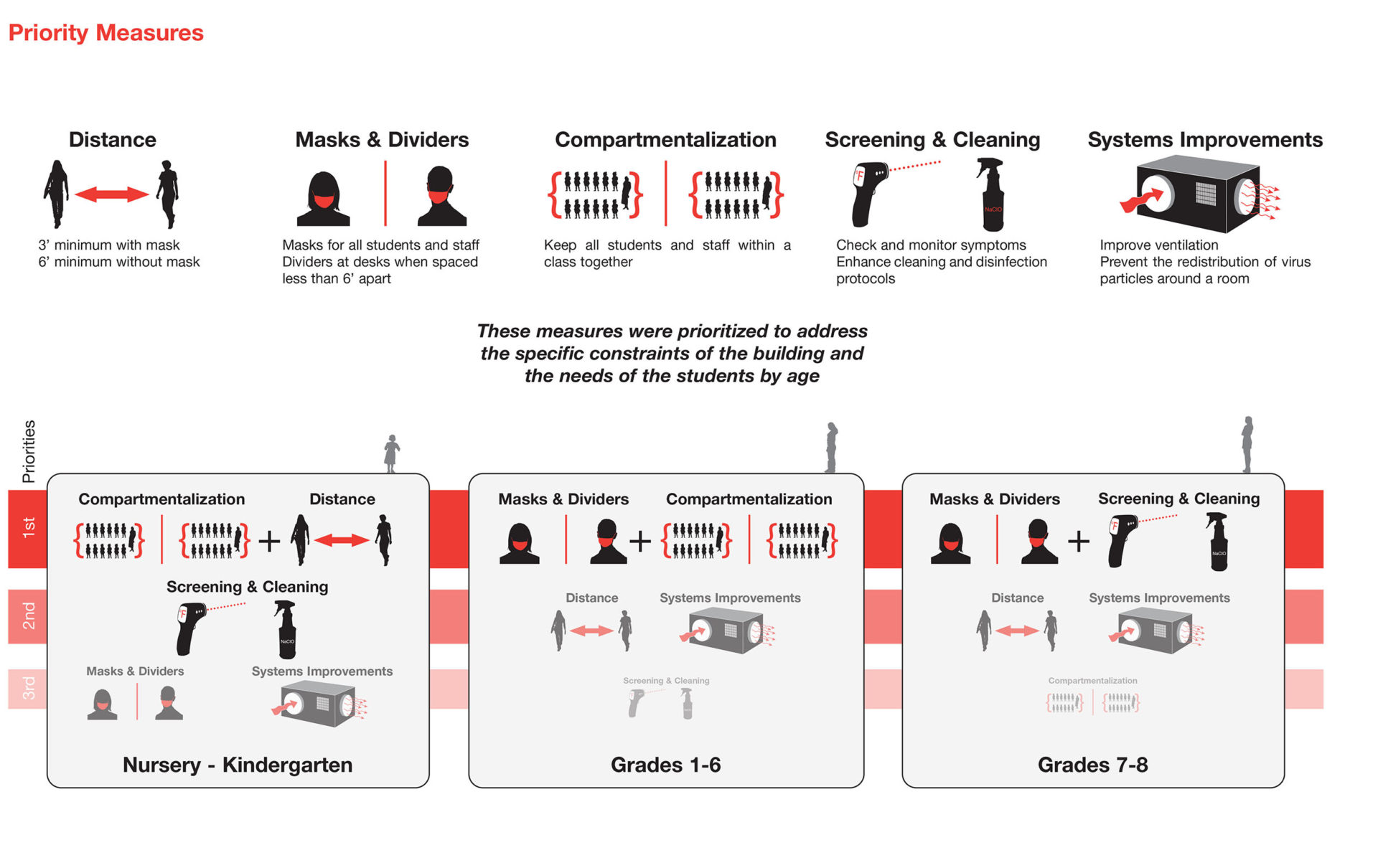
Reopening schools in districts with aging infrastructure and overcrowded classrooms presents unique challenges. Successful reopening hinges on thoughtful planning and execution. Addressing these issues requires a nuanced approach, considering the specific needs of each school and community. Effective solutions often involve a combination of short-term and long-term strategies, aiming for both immediate improvements and sustainable solutions for the future.Understanding how other districts have tackled similar problems offers valuable insights.
Reopening schools with aging buildings and overcrowded classrooms is a real challenge. Think about the physical strain on teachers and students, especially when considering the often cramped conditions. This is further complicated by the fact that some parents are also experiencing discomfort, like when round ligament pain starts during pregnancy. when does round ligament pain start is a crucial question for expectant parents, but ultimately, the need for updated facilities and appropriate classroom sizes remains paramount for a successful return to learning.
Analyzing their experiences, successes, and failures can provide practical lessons for developing effective solutions in our own communities. This section will explore real-world examples, highlighting strategies, outcomes, and impacts on student learning and well-being.
The Case of the Phoenix Unified School District
The Phoenix Unified School District faced significant challenges with aging facilities and overcrowding. Limited resources and a growing student population contributed to these issues. The district recognized the need for a comprehensive approach that tackled both the physical infrastructure and the capacity concerns.
- Addressing Aging Infrastructure: The district prioritized repairs and renovations to existing schools. They focused on upgrading outdated electrical systems, plumbing, and HVAC systems. This prioritized addressing safety concerns and creating a healthier learning environment. Budgetary constraints were mitigated by seeking grants and exploring public-private partnerships. They also implemented a phased approach, addressing the most critical needs first.
- Managing Overcrowding: To alleviate overcrowding, the district implemented flexible scheduling. This involved adjusting class times and utilizing existing spaces more effectively. They also explored options for modular classrooms and portable buildings to increase capacity in the short term. Additionally, the district explored the potential of alternative learning models, such as blended learning, to optimize existing resources.
Outcomes and Impacts
The implementation of these strategies resulted in several positive outcomes. Student safety was significantly enhanced due to the infrastructure upgrades. Improved ventilation and lighting improved the overall learning environment. Reduced overcrowding in classrooms contributed to a more positive learning atmosphere, improving student engagement. The flexible scheduling initiatives allowed for more individualized attention for students, boosting academic performance.
Overall, the district saw a marked improvement in student well-being and academic achievement.
A Successful Example: The Denver Public Schools
The Denver Public Schools, while facing similar challenges, successfully addressed them through a multi-pronged approach. They prioritized strategic partnerships and focused on long-term solutions.
- Community Engagement: The district fostered strong community partnerships to secure funding and support for infrastructure improvements. They engaged parents, teachers, and community leaders in the planning process. This collaborative approach ensured that the needs of all stakeholders were considered.
- Innovative Funding Models: The district explored innovative funding models to secure necessary resources for long-term infrastructure improvements. They secured grants and implemented public-private partnerships to supplement their existing budget.
- Focus on Learning Environments: The district emphasized creating stimulating and supportive learning environments. They focused on creating spaces that fostered collaboration and creativity. These changes included flexible seating arrangements, innovative classroom layouts, and technology integration. These investments aimed to improve student engagement and academic success.
Impact on Student Learning and Well-being
The implementation of these strategies resulted in a positive impact on student learning and well-being. Improved facilities, reduced overcrowding, and increased resources led to better student performance and a more supportive learning environment. Students felt safer, more comfortable, and more engaged in their learning. The district saw positive trends in standardized test scores and student attendance.
Potential Mitigation Strategies
Addressing the challenges of aging infrastructure and overcrowded classrooms in schools requires a multifaceted approach. Simply renovating existing buildings or adding more classrooms is often insufficient. Effective mitigation strategies must consider the long-term needs of students, teachers, and the community, focusing on sustainable solutions, innovative learning spaces, and the strategic use of technology. These strategies must be adaptable and responsive to the evolving needs of the educational landscape.
Innovative Solutions for Overcrowding
Overcrowding in classrooms can significantly hinder learning and create an uncomfortable environment for both students and teachers. Innovative solutions beyond simply adding more space are crucial. Modular classrooms, for example, offer a flexible and cost-effective way to increase capacity temporarily or permanently. These structures can be easily assembled and disassembled, allowing schools to adapt to fluctuating enrollment or changing educational needs.
Alternative learning spaces, such as repurposed community centers or outdoor learning environments, can provide diverse learning experiences and foster creativity and collaboration. These spaces can expand the learning environment beyond the confines of traditional classrooms.
Sustainable Design Solutions for School Construction and Renovation
Sustainable design principles are paramount in school construction and renovation projects. This approach prioritizes environmental responsibility, resource efficiency, and long-term cost-effectiveness. The use of recycled materials, energy-efficient technologies (like solar panels and rainwater harvesting), and green building techniques can significantly reduce the environmental impact of schools. Implementing green roofs, for example, can improve insulation, reduce stormwater runoff, and create aesthetically pleasing outdoor learning spaces.
Careful consideration of natural light and ventilation systems, minimizing the need for artificial lighting and air conditioning, further enhances sustainability. By prioritizing sustainability, schools can create healthier, more environmentally responsible learning environments.
Leveraging Technology in Crowded Classrooms
Technology plays a vital role in mitigating the challenges of crowded classrooms. Utilizing digital learning platforms, interactive whiteboards, and online resources can enhance engagement and personalization of learning experiences. This can help to manage diverse learning styles and needs within a limited space. Educational software and apps can tailor instruction to individual student progress, enabling teachers to provide more individualized attention and support, even in a crowded classroom setting.
Technology can also streamline administrative tasks, freeing up teachers’ time for direct instruction and student support.
Improving Ventilation and Air Quality in Older Buildings
Adequate ventilation and air quality are essential for a healthy and productive learning environment, especially in older buildings. Outdated ventilation systems can lead to poor air circulation, stuffy classrooms, and the spread of illness. Improving ventilation requires a tailored approach based on the specific building’s design and needs. Modernizing HVAC systems, implementing natural ventilation strategies (like operable windows and skylights), and using air purifiers can significantly enhance air quality.
| Ventilation Method | Description | Advantages | Disadvantages |
|---|---|---|---|
| Modernizing HVAC Systems | Upgrading existing heating, ventilation, and air conditioning systems with energy-efficient models. | Improved air quality, temperature control, and energy efficiency. | Can be expensive, requiring significant upfront investment. |
| Natural Ventilation Strategies | Utilizing operable windows, skylights, and strategically placed fans to maximize natural airflow. | Cost-effective, environmentally friendly, and can improve indoor air quality. | Effectiveness depends on weather conditions and building design. May not be suitable for all climates. |
| Air Purifiers | Using air purifiers with HEPA filters to remove airborne pollutants and allergens. | Can improve air quality and reduce respiratory issues. | May not address root causes of poor ventilation. May require ongoing maintenance. |
Last Point: Aging Buildings And Crowded Classrooms Make Reopening Some Schools Difficult
In conclusion, reopening schools with aging infrastructure and overcrowded classrooms requires a multifaceted approach. Addressing these issues demands careful consideration of structural safety, financial resources, and long-term planning. Ultimately, a successful reopening hinges on proactive maintenance, community engagement, and innovative solutions that prioritize both student well-being and educational success. Implementing these solutions requires a holistic understanding of the challenges and a commitment to creating supportive and conducive learning environments for all students.