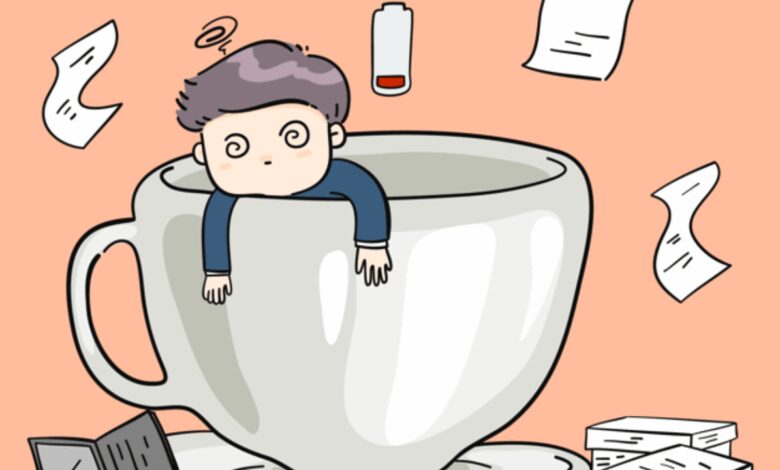
With “Can you get addicted to tea?” at the forefront, this exploration delves into the fascinating world of tea consumption. Is it a simple, comforting habit, or could it potentially become something more? We’ll examine the physiological effects, cultural significance, and psychological aspects to understand the nuances of our tea-drinking relationship.
This discussion will cover everything from defining “addiction” in the context of tea to exploring the potential problems associated with excessive consumption. We’ll also differentiate between a harmless habit and a problematic addiction, ultimately helping you understand the complexities surrounding your daily cuppa.
Defining “Addiction” in Relation to Tea
Defining addiction is a complex process, involving both physiological and psychological components. It’s not simply about frequent consumption; rather, it’s a multifaceted condition characterized by compulsive behavior, withdrawal symptoms, and a loss of control over the substance or activity. Understanding this multifaceted nature is crucial when evaluating the potential for tea addiction.Addiction involves a complex interplay of factors, including genetic predisposition, environmental influences, and individual coping mechanisms.
The brain’s reward system plays a significant role, with repeated substance use leading to changes in neurochemistry that reinforce the addictive behavior. While tea does contain substances that can trigger pleasure responses, these responses are not comparable to the effects of substances like nicotine or alcohol, typically associated with more significant addictive potential.
Physiological Aspects of Addiction
Addiction’s physiological component involves the body’s physical dependence on a substance. This manifests as tolerance (needing a larger amount to achieve the same effect) and withdrawal symptoms (unpleasant physical reactions upon cessation of use). While caffeine, a stimulant found in tea, can induce physiological effects, the relatively low concentration and varied levels of caffeine in tea, along with the absence of other substances often linked to severe physiological dependency, suggest a much lower potential for physiological dependence compared to substances like heroin or cocaine.
Psychological Aspects of Addiction
The psychological component of addiction focuses on the compulsive nature of the behavior. This involves a loss of control over the activity and an overwhelming desire to engage in it, even when it has negative consequences. Psychological factors such as stress, anxiety, or a need for self-medication can contribute to compulsive tea consumption. While some individuals may experience a strong craving for tea, this craving is generally not as intense or debilitating as those associated with substances with a higher potential for addiction.
Comparison of Different Types of Addiction
Addiction manifests in various forms, each with unique characteristics. Substance use disorders involve dependence on substances like alcohol, nicotine, or opioids. Behavioral addictions, conversely, involve compulsive engagement in activities like gambling, shopping, or internet use. While tea doesn’t fit neatly into either category in the same way as other substances, the potential for excessive consumption leading to behavioral issues needs to be considered.
The similarities lie in the underlying mechanisms of reward pathways and compulsive behavior. Differences lie in the specific substances involved and the intensity of the associated physiological responses.
Criteria for Substance Use Disorders
The Diagnostic and Statistical Manual of Mental Disorders (DSM-5) Artikels specific criteria for diagnosing substance use disorders. These criteria include the frequency and severity of use, presence of tolerance and withdrawal, and evidence of negative consequences. Applying these criteria to tea consumption requires careful consideration of the specific behavioral indicators and the absence of severe physiological dependence.
| DSM-5 Criteria for Substance Use Disorders | Potential Application to Tea Consumption |
|---|---|
| Impaired control | Excessive consumption leading to a need for more tea to achieve the desired effect (tolerance). |
| Social impairment | Neglecting social responsibilities or relationships due to tea consumption. |
| Risky use | Continuing to consume tea despite negative consequences (e.g., health problems, financial difficulties). |
| Pharmacological criteria | Absence of significant tolerance or withdrawal symptoms, which distinguishes tea from other substances. |
Behavioral Indicators of Excessive Tea Consumption
Excessive tea consumption, while less likely to result in a full-blown addiction, can manifest in various behavioral indicators. These may include neglecting other activities or responsibilities, experiencing significant anxiety or distress when unable to consume tea, and feeling a loss of control over tea consumption. Continued consumption despite negative consequences, like sleep disturbances or digestive issues, can also signal a problematic pattern.
It’s essential to distinguish between enjoying a comforting beverage and developing a pattern that interferes with daily life.
Physiological Effects of Tea Consumption
Tea, a beloved beverage enjoyed worldwide, offers a plethora of potential health benefits. However, understanding its impact on the human body, particularly regarding caffeine and other compounds, is crucial. This exploration delves into the physiological effects of regular tea consumption, examining potential tolerance and dependence development, and long-term effects on various bodily systems.Regular tea consumption, especially when involving high quantities, can influence various bodily functions.
The effects of caffeine and other compounds, like theaflavins and thearubigins, are noteworthy. These compounds contribute to both positive and potentially negative physiological responses, which vary depending on individual factors and consumption patterns.
Caffeine’s Impact on the Body
Caffeine, a key component of tea, acts as a stimulant, impacting the central nervous system and various bodily processes. It increases alertness and focus by blocking adenosine, a neurotransmitter that promotes relaxation. This effect can lead to improved cognitive function and performance in certain situations. However, excessive caffeine intake can lead to jitters, anxiety, and sleep disturbances. Individual sensitivity to caffeine varies greatly, impacting the extent of its physiological effects.
Effects of Other Compounds in Tea
Tea contains various other bioactive compounds beyond caffeine, including antioxidants like catechins, theaflavins, and thearubigins. These compounds exhibit potent antioxidant properties, potentially protecting against cell damage and reducing the risk of chronic diseases. Their effects on blood vessel function, cholesterol levels, and inflammation are also areas of ongoing research. The interplay between these compounds and caffeine influences the overall physiological response to tea consumption.
Potential for Tolerance and Dependence
Regular high-consumption of tea, especially varieties with high caffeine content, can lead to the development of tolerance. This means the body adapts to the presence of caffeine, requiring increasingly higher doses to achieve the same initial effect. Prolonged periods of high caffeine intake can also contribute to dependence, where withdrawal symptoms like headaches and fatigue manifest upon cessation.
While dependence is not always harmful, it’s essential to be aware of the potential for its development.
Long-Term Effects of High Tea Intake
Long-term, high-level tea consumption can have both beneficial and potentially negative effects on various bodily systems. Positive impacts often stem from the antioxidant content, potentially reducing oxidative stress and inflammation. However, potential negative effects include digestive issues in some individuals, sleep disturbances, and in rare cases, heart-related issues. These potential negative effects are more likely with high consumption and may not manifest in everyone.
Caffeine Content Comparison, Can you get addicted to tea
| Tea Type | Caffeine (mg per 8 oz cup) |
|---|---|
| Black Tea | 40-50 |
| Green Tea | 20-40 |
| Oolong Tea | 25-50 |
| White Tea | 10-25 |
| Herbal Infusions | 0 |
Note: Caffeine content can vary based on brewing method, tea type, and preparation time. This table provides a general guideline.
Social and Cultural Factors Surrounding Tea Consumption: Can You Get Addicted To Tea

Tea, far beyond a simple beverage, has woven itself into the very fabric of numerous cultures. Its history is intertwined with social rituals, economic systems, and artistic expressions. From the serene tea ceremonies of Japan to the bustling tea houses of China, the act of drinking tea transcends mere hydration; it becomes a deeply meaningful experience. Understanding the cultural and social factors surrounding tea consumption is crucial to appreciating the profound impact this humble drink has had on societies worldwide.The historical significance of tea is deeply rooted in various cultures.
In China, tea cultivation and consumption dates back millennia, evolving from medicinal use to a social and cultural cornerstone. The development of elaborate tea ceremonies in Japan, with their emphasis on mindfulness and respect for the process, demonstrates the profound influence tea can have on cultural identity. These traditions reflect not only the cultural values of a society but also their intricate social structures.
Historical and Cultural Significance of Tea
The history of tea is a rich tapestry woven across centuries and continents. Its journey from its origins in China to its widespread adoption in various parts of the world is marked by cultural adaptation and transformation. Tea, in many cultures, is not just a beverage but a symbol of hospitality, social connection, and cultural heritage. Its use in different societies reflects their unique histories and values.
Tea Rituals and Traditions
Tea rituals, often steeped in tradition and symbolism, significantly shape consumption patterns. These rituals, like the Japanese tea ceremony (Chanoyu), emphasize mindfulness, respect, and the appreciation of beauty. They create a structured environment for social interaction and promote a deeper understanding and appreciation of the tea itself. Tea ceremonies often involve specific preparation methods, particular types of tea, and unique serving practices.
Social Pressures and Peer Influence
Social pressures and peer influence can play a significant role in shaping tea consumption habits. In certain social circles or communities, specific types of tea or tea preparation methods might be considered fashionable or desirable. This can lead to individuals adopting certain tea consumption patterns influenced by their social networks. Trends in tea consumption can emerge and spread rapidly through social media and peer influence, impacting personal choices.
For example, the recent rise in popularity of herbal infusions and specialty teas may be influenced by trends among peers and social media marketing.
Cultural Variations in Tea Preparation and Consumption
Different cultures have developed unique methods for preparing and consuming tea. These variations reflect diverse culinary traditions, cultural values, and historical contexts.
| Culture | Preparation Method | Consumption Practice | Key Features |
|---|---|---|---|
| China | Steeping, using gaiwan or teapot | Often served in small cups, accompanied by snacks | Emphasis on quality and ritual |
| Japan | Steeping in a teapot | Tea ceremony (Chanoyu) with specific movements and etiquette | Focus on mindfulness and aesthetics |
| India | Steeping, often with milk and sugar | Served in large cups, often with chai spices | Rich, creamy flavour profile |
| UK | Steeping in a teapot | Served in teacups with milk and sugar | Strong tradition of afternoon tea |
| Turkey | Steeping in a cezve | Served in small cups, often with sugar | Strong brewed tea is common |
Psychological Aspects of Tea Consumption
Tea, beyond its physical effects, deeply influences our psychological well-being. The ritual of brewing and savoring a cup, the aroma, and even the specific type of tea can evoke a wide range of emotional responses. This exploration delves into the nuanced psychological impact of tea, examining both its potential benefits and potential drawbacks.The act of consuming tea can be a powerful tool for managing stress and promoting relaxation.
The calming effects are often attributed to compounds like L-theanine, which interacts with the brain to induce a state of gentle focus and relaxation. This is further enhanced by the ritualistic aspect of tea preparation, offering a moment of mindfulness and introspection.
Potential Psychological Benefits of Tea Consumption
The psychological benefits of tea extend beyond simply feeling relaxed. Certain types and preparations can positively impact focus, mood, and overall mental well-being. The combination of caffeine and L-theanine in green and black teas, for instance, can create a state of heightened alertness without the jitters often associated with pure caffeine. This effect is well-documented in numerous studies, contributing to improved cognitive function and concentration.
Furthermore, the soothing properties of herbal teas can aid in stress reduction and promote feelings of calm and tranquility, acting as a natural mood elevator.
Potential Drawbacks of Excessive Tea Consumption
While tea offers many benefits, excessive consumption can lead to unintended psychological consequences. Individuals sensitive to caffeine might experience anxiety, restlessness, or sleep disturbances if they consume large amounts of tea, particularly near bedtime. This is especially true for caffeinated varieties like black and green tea. It is crucial to listen to one’s body and adjust tea consumption accordingly to avoid any negative effects.
Tea as a Coping Mechanism
Tea can serve as a powerful coping mechanism for stress and emotional challenges. The act of preparing and drinking tea can be a comforting ritual, offering a sense of calm and control during difficult times. However, relying solely on tea as a coping strategy can be problematic. If unresolved emotional issues are not addressed, the temporary relief offered by tea may not be sustainable.
This highlights the importance of recognizing that tea is a supportive tool, not a replacement for professional help when needed.
Tea’s Role in Stress Management and Relaxation
Tea plays a significant role in managing stress and promoting relaxation. The calming and comforting properties of certain types of tea, combined with the mindful preparation and consumption process, can contribute to a state of inner peace. Regular consumption of calming teas can help regulate the body’s response to stress, leading to a more balanced and relaxed mental state.
So, can you get addicted to tea? It’s a fascinating question, isn’t it? While the physical dependence might not be as pronounced as with, say, certain drugs, the psychological comfort and ritual associated with tea drinking can certainly be deeply ingrained. Think of the soothing warmth and the comforting routine. This can lead to a strong emotional connection, and sometimes, a sort of craving.
However, this differs drastically from the potentially devastating effects of advanced soft tissue sarcoma , a serious form of cancer that requires intensive treatment. Ultimately, while tea can definitely become a beloved part of your daily life, it’s crucial to differentiate that from true addiction.
The ritualistic aspect of tea preparation also acts as a form of mindfulness, promoting a sense of focus and present moment awareness. This allows individuals to detach from stressful thoughts and anxieties.
Negative Psychological Responses to Excessive Tea Consumption
Excessive tea consumption can potentially lead to negative psychological responses, particularly in individuals sensitive to caffeine. Symptoms can include anxiety, insomnia, or even increased irritability. These negative responses often stem from the caffeine content of various teas, especially black and green varieties. Therefore, moderation and awareness of individual sensitivities are key to enjoying the psychological benefits of tea without experiencing adverse effects.
Examples of Potential Problems Associated with Tea Consumption
While tea offers numerous health benefits, excessive or inappropriate consumption can lead to negative consequences. Understanding these potential pitfalls is crucial for responsible tea enjoyment. A balanced approach, considering individual needs and health conditions, is essential for maximizing the positive aspects of tea while minimizing potential risks.
Potential Health Issues
Excessive tea consumption, especially when combined with other factors, can lead to various health concerns. The tannins in tea can interact with certain medications, reducing their effectiveness or causing adverse reactions. Individuals with pre-existing health conditions, such as iron deficiency or anxiety, may experience exacerbated symptoms. The caffeine content, while generally safe for most, can trigger insomnia or anxiety in sensitive individuals.
While you might crave that morning cuppa, is it truly an addiction? The question of tea addiction often pops up, but it’s rarely a serious concern. This is different from other potential dependencies, but it’s good to compare it to other aspects of health, like the information found in ask dmine diabetes medicines mailbag for a better understanding of health concerns.
Ultimately, a healthy tea habit isn’t something to worry about, but enjoying your tea in moderation is always best, just like any other aspect of your well-being.
Also, the high intake of certain substances, like caffeine and tannins, can impact the digestive system in some people.
- Interaction with Medications: Certain medications, such as iron supplements or blood thinners, can interact negatively with the tannins in tea. This can affect the absorption or effectiveness of the medication. Consult a healthcare professional before combining tea with specific medications to avoid potential complications.
- Digestive Issues: Some individuals experience digestive problems, such as heartburn, indigestion, or bloating, after consuming large amounts of tea. This is particularly true for those with sensitive stomachs. Also, the high intake of tannins in tea may reduce the absorption of certain nutrients.
- Sleep Disturbances: The caffeine in tea can interfere with sleep patterns, especially if consumed close to bedtime. The duration and severity of the effect can vary from person to person. For example, a person who drinks tea before going to bed may find it harder to fall asleep, experience restless sleep, or wake up frequently during the night.
Social and Routine Conflicts
Excessive tea consumption can disrupt daily routines and social interactions. The need for frequent trips to the restroom or the time commitment to brewing and enjoying tea can sometimes clash with schedules. Also, the ritualistic aspect of tea consumption can be challenging for those with busy lifestyles.
- Scheduling Conflicts: The time spent preparing and consuming tea, along with the potential need for frequent restroom breaks, can disrupt daily schedules, especially for those with demanding jobs or tight deadlines. For example, someone who works a long shift may not have the time to enjoy a relaxing tea ceremony.
- Social Interactions: The ritualistic nature of tea ceremonies or the time commitment to enjoying a cup of tea can sometimes be perceived as disruptive or inappropriate in social settings. For example, if someone is constantly preoccupied with preparing tea or taking breaks for tea during a business meeting, it could be perceived as unprofessional or disrespectful.
Hypothetical Case Studies
- Case 1: A woman with iron deficiency anemia began consuming large quantities of strong black tea daily to improve her energy levels. Unfortunately, the tannins in the tea interfered with her iron supplements, preventing optimal iron absorption. As a result, her iron levels remained low, leading to persistent fatigue and worsening anemia.
- Case 2: A man with anxiety began drinking multiple cups of strong herbal tea with chamomile and lemon balm to calm his nerves. However, the high caffeine content in the tea, combined with his existing anxiety, triggered insomnia and exacerbated his anxiety symptoms, making it difficult to maintain a healthy sleep schedule.
Impact on Sleep
The caffeine in tea, even in moderate quantities, can significantly impact sleep patterns. Consuming tea close to bedtime can lead to difficulty falling asleep, interrupted sleep, or early morning awakenings. The individual’s sensitivity to caffeine and the strength of the tea will determine the magnitude of this effect.
- Caffeine’s Role: Caffeine acts as a stimulant, interfering with the body’s natural sleep-wake cycle. Even decaffeinated tea may contain traces of caffeine that could have a slight impact on some individuals.
- Individual Sensitivity: The impact of caffeine on sleep varies greatly among individuals. Some people are more sensitive to caffeine’s effects than others. This means that what might be acceptable for one person might cause sleep problems for another.
Differentiating Between Habit and Addiction
A seemingly simple act like enjoying a cup of tea can, under certain circumstances, morph into something more complex. Understanding the subtle but crucial difference between a harmless habit and a potentially problematic addiction is key to recognizing and addressing any potential issues. This distinction isn’t always clear-cut, especially with behaviors like tea consumption that are deeply ingrained in social and cultural contexts.Differentiating between a habit and an addiction hinges on the degree of control one has over the behavior and its impact on their life.
While the idea of getting addicted to tea might seem a bit unusual, it’s definitely a possibility, depending on the variety and brewing method. You might find yourself drawn to the rich, aromatic flavors of a particular tea, much like how Franco Noriea’s Peruvian cooking franco noriega peru cooking can captivate your taste buds. The ritual of preparation and the warm, comforting feeling it brings can certainly create a habit, and a satisfying one at that.
So, can you get hooked on tea? Absolutely.
A habit is typically a routine action performed regularly without significant negative consequences. Addiction, on the other hand, involves a compulsive need to engage in a behavior despite negative repercussions, leading to a loss of control and impairment of daily functioning. The line between these two can blur, especially when considering the nuanced interplay of physical, psychological, and social factors.
Defining Habitual Tea Consumption
Habitual tea consumption, like many other regular activities, involves a predictable pattern of behavior. It’s often deeply rooted in personal preferences, social customs, and even routine. This repetitive action, when not causing distress or impairment, is considered a harmless habit. The enjoyment derived from the taste, aroma, or ritual of tea preparation and consumption is a significant factor in the formation and maintenance of this habitual behavior.
It can be triggered by time of day, social gatherings, or personal relaxation needs.
Distinguishing Factors between Habit and Addiction
Several factors can differentiate a harmless habit from a potentially problematic addiction. These distinctions are crucial in recognizing when a behavior crosses the line from simple enjoyment to a compulsive need. The key differentiators include the level of control over the behavior, the presence of negative consequences, and the impact on overall well-being.
- Loss of control: An addiction is characterized by a loss of control over the behavior, where the individual feels compelled to engage in the activity despite negative consequences. A habitual tea drinker, in contrast, can typically regulate their tea consumption according to their needs and preferences.
- Negative consequences: Addiction frequently leads to negative consequences in various aspects of life, such as strained relationships, financial difficulties, or health problems. A harmless habit, on the other hand, typically does not significantly impair daily life.
- Impact on well-being: Addiction significantly impacts overall well-being, leading to distress, anxiety, or depression. A habit, however, often contributes positively to a person’s daily routine and well-being.
Comparison with Other Behaviors
The distinction between habit and addiction isn’t limited to tea consumption. Similar behaviors, like coffee or alcohol consumption, also need to be examined for potential problematic patterns.
| Behavior | Habitual Pattern | Potential Addiction |
|---|---|---|
| Tea Consumption | Regular consumption of tea for enjoyment, relaxation, or social reasons, without significant negative consequences. | Compulsive consumption despite negative effects on health, relationships, or finances. A strong craving for tea that disrupts daily life. |
| Coffee Consumption | Regular consumption of coffee for alertness, social interaction, or routine. | Compulsive consumption causing sleep disturbances, anxiety, or dependence on the caffeine. Withdrawal symptoms upon cessation. |
| Alcohol Consumption | Social consumption of alcohol in moderation, without impacting daily life. | Compulsive consumption leading to health problems, relationship issues, or financial difficulties. Loss of control over intake. |
These examples illustrate that the crucial element differentiating habit from addiction lies in the degree of control, the presence of negative consequences, and the impact on overall well-being. A careful assessment of these factors is essential in determining whether a behavior is a simple routine or a potential addiction.
Addressing Concerns Regarding Tea Consumption
While tea offers numerous health benefits, excessive consumption can lead to potential issues. Understanding how to manage tea intake and potential side effects is crucial for enjoying its positive aspects without jeopardizing well-being. This section explores strategies for addressing concerns related to tea consumption, including lifestyle adjustments, professional help, and managing potential side effects.
Recognizing Excessive Tea Consumption
Determining excessive tea consumption is subjective and depends on individual factors like metabolism, health conditions, and overall lifestyle. However, noticeable symptoms, such as anxiety, sleep disturbances, or digestive discomfort, might indicate the need for moderation. Regular monitoring of your tea intake and its impact on your well-being is key to identifying patterns and potential problems.
Lifestyle Adjustments for Moderation
Adopting a mindful approach to tea consumption can significantly reduce potential concerns. Adjusting your tea intake gradually is a healthier approach compared to sudden cessation, which can lead to withdrawal symptoms in some individuals. Tracking your tea consumption, paying attention to your body’s response, and being mindful of the brewing process and the amount of tea leaves used can help in managing intake.
- Gradual Reduction: Instead of abruptly stopping, slowly decrease your daily tea intake over several days or weeks. This method is gentler on the body and reduces the likelihood of withdrawal symptoms.
- Mindful Consumption: Pay attention to your body’s signals when consuming tea. Notice how different types of tea affect your energy levels, sleep patterns, and digestion. Adjust your intake based on these observations.
- Hydration Balance: Ensure you’re adequately hydrated throughout the day, regardless of tea consumption. Water is essential for overall health and can help balance the effects of caffeine and other compounds in tea.
- Exploring Alternatives: Introduce herbal infusions or other beverages as alternatives to tea, especially if you notice adverse reactions. These alternatives can offer similar comfort and flavor profiles without the same potential side effects.
Seeking Professional Guidance
If concerns persist despite lifestyle adjustments, seeking guidance from a healthcare professional is recommended. A doctor or registered dietitian can assess your specific situation, evaluate potential underlying health issues, and provide personalized recommendations for managing tea consumption.
- Consulting a Doctor: A medical professional can assess your overall health and determine if any underlying conditions could be exacerbated by excessive tea consumption.
- Registered Dietitian: A registered dietitian can provide personalized dietary advice, helping you understand how tea fits into a healthy diet and how to manage potential nutritional imbalances.
Managing Potential Side Effects
Recognizing and managing potential side effects is crucial for maintaining a healthy tea-drinking routine. Addressing these issues proactively can prevent discomfort and ensure that the positive aspects of tea consumption are not overshadowed by negative consequences.
- Anxiety and Sleep Disturbances: Reducing caffeine intake, particularly in the late afternoon and evening, can significantly mitigate these side effects. Opting for decaffeinated teas or herbal infusions before bed may help improve sleep quality.
- Digestive Issues: Paying attention to the type of tea consumed and the frequency of intake can help identify potential triggers for digestive discomfort. Consuming tea with meals or avoiding it before bed can help manage these issues.
- Caffeine Sensitivity: Individuals sensitive to caffeine should be cautious about the amount of tea consumed, particularly stronger varieties like black tea. Monitoring caffeine intake and spacing out tea consumption can help mitigate sensitivity.
Promoting Healthy and Sustainable Tea Consumption
Adopting healthy and sustainable tea consumption habits ensures responsible enjoyment and minimizes environmental impact.
- Supporting Ethical Sourcing: Choosing tea from reputable sources that prioritize ethical labor practices and environmental sustainability is crucial for supporting responsible tea production.
- Reducing Waste: Using reusable teapots and tea infusers can significantly reduce single-use plastic waste associated with tea bags.
- Mindful Brewing Practices: Utilizing appropriate brewing times and water temperatures ensures the best possible extraction of tea’s beneficial compounds while minimizing waste.
Final Thoughts
In conclusion, while tea offers numerous potential benefits, understanding the fine line between enjoyment and potential problems is key. This exploration into “Can you get addicted to tea?” highlights the importance of mindful consumption. By considering the physiological, psychological, and social factors, you can cultivate a healthy and sustainable relationship with this beloved beverage.