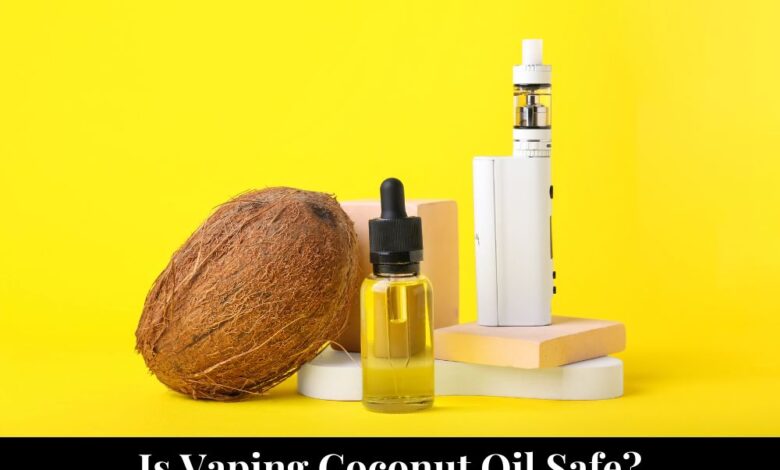
Can you vape coconut oil? This question sparks curiosity and raises concerns about potential health effects. While the idea might seem intriguing, understanding the science behind vaping and the unique properties of coconut oil is crucial before experimenting with this practice. Let’s explore the potential risks, methods, and uses associated with vaping coconut oil.
This exploration will cover the safety concerns, various methods of vaping, potential applications, the chemical makeup of coconut oil, and the equipment involved. We’ll analyze the pros and cons of this unique approach, examining the scientific evidence and regulatory landscape surrounding coconut oil vaping.
Safety and Health Concerns: Can You Vape Coconut Oil
Vaping coconut oil, while seemingly harmless, presents significant health risks that require careful consideration. The act of vaporizing any substance introduces potential hazards, and coconut oil, despite its natural origin, is not without its dangers when subjected to high temperatures during vaping. Understanding these risks is crucial for responsible consumption.Coconut oil, when heated to the temperatures used in vaping, undergoes chemical transformations that can produce harmful compounds.
These compounds, along with the inherent properties of coconut oil itself, may lead to a range of adverse effects. This article delves into the potential health concerns, highlighting the importance of caution and responsible use.
Potential Health Risks
The potential health risks associated with vaping coconut oil stem from the interaction between the oil’s components and the high temperatures involved in the vaping process. This process can generate a variety of compounds, some of which are known to be harmful. Direct inhalation of these heated vapors introduces these substances into the respiratory system, raising concerns about long-term health effects.
Adverse Reactions to Vaping Coconut Oil
A range of adverse reactions, both short-term and long-term, can potentially result from vaping coconut oil. Short-term reactions might include coughing, throat irritation, nausea, and shortness of breath. Long-term effects are more difficult to predict and may include respiratory problems, lung damage, and potentially even cardiovascular complications. These effects are dependent on individual factors and the frequency and duration of vaping.
Comparison to Vaping Other Oils
Comparing the risks of vaping coconut oil to vaping other oils requires considering the specific chemical composition of each oil and the temperatures reached during the vaping process. Coconut oil, with its high saturated fat content, presents unique concerns when heated, potentially leading to the formation of different harmful compounds than might be produced by vaping other oils. The individual chemical makeup of the oil and the duration of vaping will determine the risk level.
Chemical Compounds and Health Impact
The chemical compounds produced during the vaping of coconut oil are not fully understood, but some studies suggest the presence of aldehydes, ketones, and other potentially harmful byproducts. These compounds can damage the respiratory system and potentially contribute to various health problems. The precise mechanisms and extent of these effects require further investigation.
Scientific Evidence on Coconut Oil Vaping Safety
Currently, there is limited scientific evidence specifically focused on the long-term safety of vaping coconut oil. While research on the vaping of other substances has produced some insights, direct data on coconut oil vaping is scarce. Further research is needed to assess the potential risks.
Wondering if you can vape coconut oil? While there’s a lot of online chatter about vaping various oils, it’s generally not recommended. There are significant health concerns to consider. Interestingly, the Griffey family’s powerful message about prostate cancer in their recent article ( griffey father son speak about prostate cancer ) highlights the importance of open discussion about health.
Ultimately, exploring safe and responsible ways to support your health is key. Perhaps a healthier approach to wellness is a better route than vaping coconut oil.
Regulations and Guidelines
There are no specific regulations or guidelines currently in place to address the vaping of coconut oil. Existing vaping regulations often focus on products containing specific ingredients, not on the vaping of particular oils. This lack of specific guidelines highlights the need for further research and potential regulatory action to protect public health.
Comparison Table: Vaping Coconut Oil vs. Other Vaping Methods
| Vaping Method | Potential Risks | Potential Benefits (if any) |
|---|---|---|
| Coconut Oil | Formation of potentially harmful compounds, unknown long-term effects, possible respiratory irritation, and unknown allergic reactions. | None definitively established. Potential for use as a flavoring agent. |
| Vegetable Oils (e.g., olive oil) | Potential for similar respiratory irritation and unknown long-term effects, depending on specific oil and processing. | None definitively established. |
| Essential Oils | Potential for respiratory irritation and allergic reactions, depending on specific oil and processing. | Potentially used for aromatherapy; however, inhalation of essential oils may not be recommended for everyone. |
Methods and Techniques
Vaping coconut oil, while intriguing, requires careful consideration of methods and techniques to ensure safety and desired results. This section delves into the practical aspects of vaping coconut oil, from equipment selection to temperature control and vaping techniques. Understanding these aspects is crucial for a safe and potentially enjoyable experience.Properly executing the process of vaping coconut oil necessitates a thorough understanding of the involved equipment and techniques.
Choosing the right equipment and following safe procedures can dramatically impact the outcome and user experience.
Equipment Requirements
Vaping coconut oil, like any other substance, necessitates the right equipment for safe and effective vaporization. A crucial component is a device capable of heating coconut oil to the appropriate temperature for vaporization. The selected device must allow for precise temperature control to avoid unwanted byproducts and potential hazards. For optimal results, a device with adjustable temperature settings is recommended.
So, can you vape coconut oil? Honestly, I’d steer clear. While the idea of healthier food options is definitely on the rise, and I’m all for exploring innovative food truck concepts like can we make food trucks healthier , vaping anything other than specifically designed e-liquids is generally a bad idea. Coconut oil, for example, isn’t formulated for vaporization and could have some pretty nasty consequences.
Definitely not worth the risk.
This control allows for fine-tuning the vaporization process.
Safe Vaping Procedure
A safe vaping procedure is paramount when dealing with coconut oil. Prior to use, thoroughly clean and inspect the vaping device to ensure it is free of debris and contaminants. Ensure the oil reservoir is appropriately sized for the device. Properly filling the device with coconut oil is essential to avoid spills or leaks. Adhere to the manufacturer’s instructions for operation and maintenance.
This step ensures a safe and controlled vaping experience.
Vaping Device Comparison
The selection of a vaping device significantly impacts the experience and outcome. Different devices offer varying levels of temperature control, power, and safety features. The table below Artikels some potential devices and their pros and cons for vaping coconut oil.
| Vaping Device | Pros | Cons |
|---|---|---|
| Sub-ohm tanks with regulated mods | Excellent temperature control, high vapor production, adjustable wattage | More complex setup, potential for dry hits if not used correctly |
| Portable vaporizers | Compact size, convenient for on-the-go use, easy to clean | Limited temperature control, lower vapor production |
| DIY e-liquid setups | Highest level of customization, can be tailored to individual needs | Requires extensive knowledge, high risk of burning the oil if not properly controlled |
Precautions
Safety should always be the top priority when vaping coconut oil. To minimize risks, meticulously follow these precautions:
- Always use high-quality coconut oil. Lower-quality oils may contain impurities that can affect the vaping experience and potentially pose health risks.
- Never exceed the recommended temperature settings for the specific vaping device.
- Never vape coconut oil if you have any underlying health conditions or are pregnant or breastfeeding. Consult your doctor if you have any concerns.
- Perform regular maintenance on the vaping device to prevent clogs and ensure optimal performance.
- Store coconut oil in a cool, dark place, away from direct sunlight, heat, and moisture.
Temperature Effects
The temperature at which coconut oil is vaporized significantly impacts the outcome. Lower temperatures can produce a smoother, less harsh vapor, whereas higher temperatures might lead to a more intense vapor with potentially different effects. The specific effects can vary based on the individual’s tolerance and the chosen coconut oil type.
Vaping Techniques
Different vaping techniques can lead to variations in the vaporization of coconut oil. Experimenting with various methods can help determine the best approach for a given device and coconut oil type. The specific technique may involve different draw times or inhaling patterns. This experimentation is vital for optimizing the vaping experience.
Potential Applications and Uses
Vaping coconut oil, while intriguing, presents a complex picture regarding its potential applications. Current scientific understanding, combined with the lack of widespread research, leaves many potential uses unproven. The unique properties of coconut oil, including its fatty acid composition and potential antimicrobial effects, could offer avenues for exploration, but further investigation is needed to validate any claims. Caution is paramount when considering any potential health benefits, and it’s crucial to consult with healthcare professionals before implementing any new practices.While the exact applications of vaping coconut oil remain uncertain, exploring its potential uses in various fields, such as aromatherapy, cosmetics, and potentially even specific health conditions, is an area worth investigating.
Understanding the sensory experiences and flavor profiles of the vapor can offer insights into potential applications and help guide further research.
Potential Applications in Aromatherapy, Can you vape coconut oil
Coconut oil’s distinctive aroma has a potential role in aromatherapy. The vapor produced during vaping could potentially deliver the scent to the respiratory system, offering a unique way to experience the aroma. This sensory aspect could be explored for relaxation or stress relief. However, the effectiveness and safety of this application remain to be determined through further research.
The potential for inhalation-based aromatherapy is an interesting area for exploration, particularly with natural oils like coconut.
Possible Cosmetic Uses
Coconut oil’s moisturizing properties have long been appreciated in traditional beauty practices. Vaping coconut oil, potentially, could provide a novel method for delivering these moisturizing benefits directly to the skin. However, the effectiveness and safety of this method need further investigation. There are no existing studies to confirm the effectiveness of vaping coconut oil as a cosmetic treatment.
The vapor itself may not have the same penetration or retention properties as topical application.
Potential Health Benefits (Hypothetical)
Some individuals have suggested potential health benefits from vaping coconut oil, citing anecdotal evidence. However, scientific evidence supporting these claims is lacking. There are no recognized medical conditions for which vaping coconut oil is a recommended treatment. Any claims of health benefits should be approached with extreme caution and should not replace advice from qualified healthcare professionals.
Flavor Profiles and Sensory Experiences
The flavor profile of coconut oil vapor is likely to be a complex blend of the inherent sweetness of coconut and the sensation of the vapor itself. The perception of the vapor will depend on factors like the temperature and the specific vaping device used. Some may find the experience pleasant, while others may not. The experience could be influenced by the user’s existing preferences for coconut flavor and vapor sensation.
No conclusive data exists on this topic.
Overview of Potential Uses in the Cosmetic Industry
While there are no confirmed cosmetic applications of vaping coconut oil, the possibility of using the vapor to deliver essential components, such as the moisturizing properties of coconut oil, is intriguing. This approach could potentially offer a new delivery method for skincare products. However, further research is necessary to determine the efficacy and safety of this application in the cosmetic industry.
Ingredients and Composition
Coconut oil, a popular culinary ingredient, has recently gained attention as a potential vaping substance. Understanding its chemical makeup and the potential effects of vaping it is crucial for informed decision-making. This section delves into the composition of coconut oil, extraction methods, potential additives, nutritional changes, and the chemical transformations during vaping.The chemical composition of coconut oil significantly impacts its suitability for vaping.
Its primary component is a saturated fatty acid, primarily lauric acid, with other medium-chain triglycerides (MCTs) like capric and caprylic acids. These components affect its physical properties and potential health impacts when vaporized.
Chemical Composition of Coconut Oil
Coconut oil, primarily composed of triglycerides, is a mixture of various saturated fatty acids. The predominant fatty acids include lauric acid, myristic acid, palmitic acid, and stearic acid. These fatty acids, along with other components like vitamins and minerals, contribute to its unique properties. The presence of medium-chain triglycerides (MCTs) is a key characteristic that affects its metabolism and potential health effects.
Coconut Oil Extraction Methods for Vaping
The extraction method for coconut oil used in vaping can vary. Common methods for extracting coconut oil include cold-pressing and solvent extraction. Cold-pressing involves mechanically pressing the coconut meat to extract the oil, while solvent extraction uses chemicals to dissolve the oil. The chosen extraction method might influence the final product’s purity and composition.
Wondering if you can vape coconut oil? While it’s generally safe to consume coconut oil in various ways, vaping it isn’t recommended, as it can potentially introduce harmful compounds. This is in contrast to some other vaping practices, such as those involving cannabis. The potential for accelerated brain aging linked to cannabis abuse is a serious concern, and exploring research on this topic is crucial for understanding potential risks.
For more information, check out this insightful piece on the connection between cannabis abuse and accelerated brain aging: are cannabis abuse and accelerated brain aging linked. Ultimately, vaping coconut oil isn’t likely a healthy practice and should be avoided.
Potential Additives in Coconut Oil Vaping Products
The vaping industry frequently involves the addition of flavorings, propylene glycol (PG), vegetable glycerin (VG), and nicotine to enhance the user experience. These additives, when present, alter the chemical makeup of the final product. It is important to be aware of the potential presence of these additives when evaluating the safety and health effects of vaping coconut oil.
Nutritional Content Before and After Vaping
Coconut oil, prior to vaping, provides a good source of medium-chain triglycerides (MCTs). These MCTs are readily absorbed by the body and can contribute to energy production. The vaping process, however, might lead to the breakdown or alteration of some of these nutrients, potentially changing the nutritional profile of the product.
Chemical Changes During Vaping
Vaping involves heating coconut oil to a vapor state. This process leads to potential chemical changes in the oil, including the decomposition of some components, the formation of new compounds, and alterations in the molecular structure of the fatty acids. The precise chemical changes depend on the temperature, duration, and specific vaping device used.
Comparison of Chemical Compounds Before and After Vaping
| Compound (Approximate) | Coconut Oil (Pre-Vaping) | Coconut Oil (Post-Vaping) ||—|—|—|| Lauric Acid | Present in high concentrations | Present, possibly altered or decomposed || Myristic Acid | Present | Present, possibly altered or decomposed || Palmitic Acid | Present | Present, possibly altered or decomposed || Stearic Acid | Present | Present, possibly altered or decomposed || Vitamins/Minerals | Present | Potentially present, but their quantity may vary |
Note: The exact chemical changes during vaping are complex and may vary based on the specific vaping device, temperature, and duration. This table provides a general overview.
Equipment and Devices
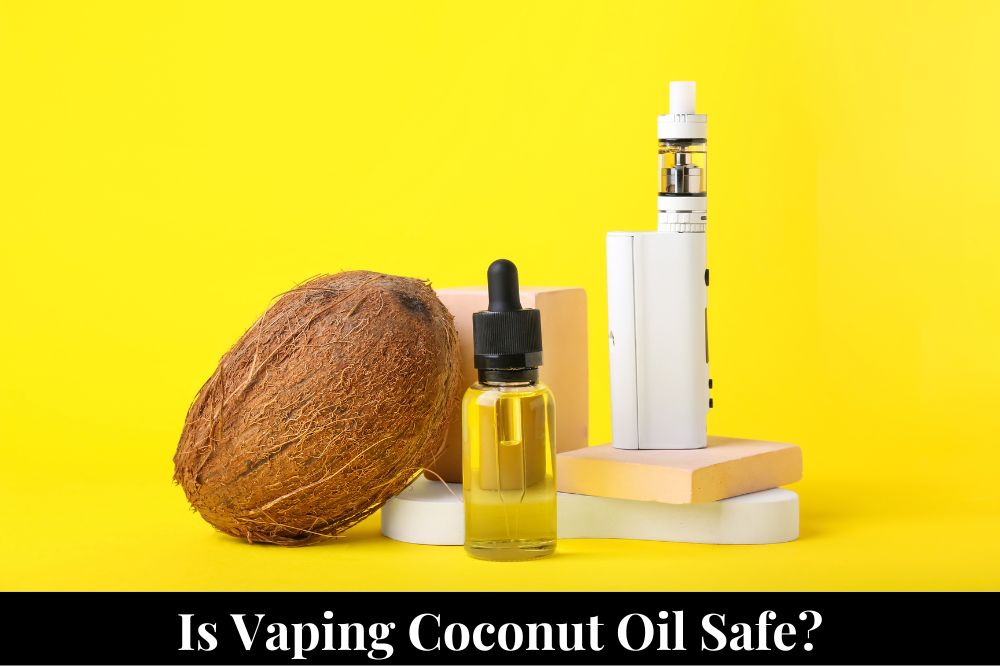
Coconut oil vaping requires careful consideration of the equipment used. While the idea might seem straightforward, the potential hazards associated with improper use of vaping devices necessitate a detailed understanding of suitable equipment and safety protocols. This section will Artikel the types of devices suitable for coconut oil vaping, the critical components, safety measures, risks, and maintenance.
Types of Vaping Devices
Different vaping devices offer varying levels of control and safety when vaping coconut oil. Understanding these distinctions is crucial for selecting the right device. Mod kits, typically comprising a battery and an atomizer, provide greater customization options, while disposable vapes offer convenience but limited control. Sub-ohm tanks, with their high wattage and vapor production, are generally not recommended for coconut oil due to the potential for overheating and burning.
The choice of device should be guided by user experience and comfort.
Essential Components of a Vaping System
A vaping system suitable for coconut oil should include a high-quality, regulated battery to prevent overheating and ensure consistent vapor production. A compatible atomizer, designed to withstand high temperatures, is essential to avoid damaging the device or producing harmful byproducts. The atomizer coil should be made of materials resistant to the high temperatures associated with coconut oil vaporization.
Safety Measures
When vaping coconut oil, prioritize safety above all else. Use a regulated vaping device with temperature control to avoid overheating. Always follow the manufacturer’s instructions carefully, as incorrect operation can lead to device malfunction or thermal damage. Never exceed the maximum wattage or temperature settings recommended for the device.
Potential Risks
Using inappropriate vaping devices for coconut oil can lead to significant risks. Overheating can cause the coconut oil to decompose, producing harmful byproducts. Improperly designed atomizers may not adequately vaporize the oil, leading to the formation of carbon deposits and potential clogging. Insufficient vapor production can result in incomplete combustion, generating potentially harmful gases.
Maintenance of Vaping Devices
Regular maintenance is crucial for ensuring the safe and effective vaping of coconut oil. Thoroughly cleaning the atomizer after each use helps prevent buildup of residue and ensures optimal performance. Replacing coils regularly, as recommended by the manufacturer, prevents overheating and maximizes vapor production. Regular inspection of the device for signs of damage or wear and tear is also essential to avoid potential hazards.
Comparison Table: Vaping Devices for Coconut Oil
| Device Type | Pros | Cons |
|---|---|---|
| Regulated Mod Kit | Precise temperature control, customizable settings, generally better vapor production. | More complex to use, potentially higher cost. |
| Sub-ohm Tank | High vapor production. | Higher risk of overheating and burning, not recommended for coconut oil. |
| Disposable Vape | Ease of use, convenience, often pre-filled with e-liquid. | Limited customization, shorter lifespan, may not be suitable for coconut oil vaping. |
Conclusion
In conclusion, vaping coconut oil presents a complex issue with potential health risks that need careful consideration. While some might see potential applications, a thorough understanding of the chemical processes involved and the potential adverse effects is paramount. This exploration highlights the importance of responsible experimentation and the need for further research into this unconventional practice.