Children lack of sleep health problems are a serious concern affecting millions of children globally. Insufficient sleep significantly impacts a child’s physical, cognitive, and emotional development. From toddlers to teenagers, sleep deprivation can lead to a range of issues, including difficulties with concentration, learning, and behavior. Understanding the different types of sleep problems, the contributing factors, and the long-term consequences is crucial for parents, educators, and healthcare professionals.
This exploration delves into the complex relationship between sleep and child health.
This comprehensive guide examines the intricate connection between sleep and a child’s overall well-being. We’ll cover everything from the importance of adequate sleep for healthy development to the various stages of child development and their corresponding sleep needs. We’ll also look at common health problems associated with sleep deprivation, explore contributing factors, and discuss effective prevention and management strategies.
Ultimately, the goal is to empower parents and caregivers with the knowledge and tools they need to ensure their children are getting the sleep they need to thrive.
Introduction to the Issue: Children Lack Of Sleep Health Problems
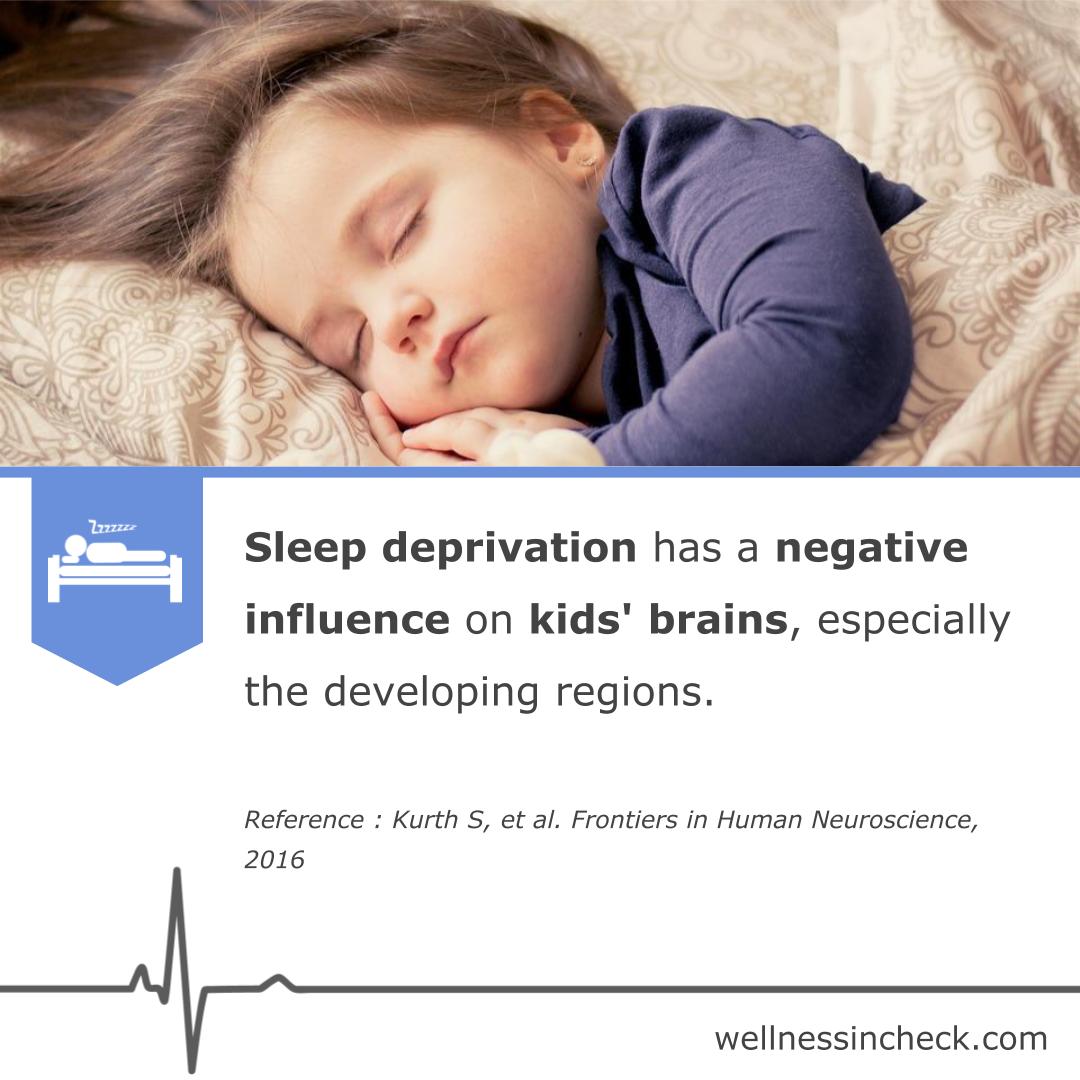
Insufficient sleep is a significant concern for children’s health and development. A child’s growing body and brain require ample rest to function optimally, just like an engine needs fuel to run efficiently. Without adequate sleep, children experience difficulties in various areas, impacting their physical, cognitive, and emotional well-being. Chronic sleep deprivation can lead to a range of health problems, impacting their academic performance, social interactions, and overall quality of life.Adequate sleep is crucial for healthy child development.
Kids not getting enough sleep can lead to a whole host of health issues, impacting everything from their mood to their immune system. This is a serious concern, especially when considering the recent resurgence of illnesses like Rocky Mountain spotted fever, a potentially dangerous disease. Parents need to be aware of the connection between adequate sleep and a child’s overall health and well-being.
Fortunately, there are resources available to help educate parents on healthy sleep habits for children. Concerns resurface over rocky mountain spotted fever highlight the importance of proactive health measures for children, emphasizing the need for proper rest. Ultimately, prioritizing sleep is crucial for children’s well-being, supporting their immune system and overall health.
It plays a vital role in physical growth, cognitive function, emotional regulation, and immune system development. Children need sufficient sleep to consolidate memories, process information, and support the development of crucial life skills. When sleep is disrupted, these developmental processes are compromised, hindering the child’s overall progress.
Sleep Problems in Children
Sleep problems in children can manifest in various ways, impacting their ability to achieve restful sleep. Common sleep problems include insomnia, characterized by difficulty falling asleep or staying asleep, and sleep apnea, a condition where breathing repeatedly stops and starts during sleep. Other sleep disorders may include nightmares, night terrors, and parasomnias, which involve unusual behaviors during sleep.
These issues can disrupt a child’s sleep cycle and contribute to a variety of health problems.
Stages of Child Development and Sleep Needs
Understanding the different stages of child development is key to appreciating the varying sleep needs of children at each phase. Infants, toddlers, preschoolers, school-aged children, and adolescents all have unique sleep requirements that differ significantly. Their physical and cognitive development directly influence their sleep needs.
Sleep Needs Across Different Age Groups
The table below highlights the varying sleep needs across different age groups, demonstrating the significant changes in sleep duration as children grow.
| Age Group | Recommended Sleep Duration (hours) | Developmental Considerations |
|---|---|---|
| Infants (0-12 months) | 12-16 hours | Rapid brain development and growth spurts; frequent feedings and nighttime awakenings are common. |
| Toddlers (1-3 years) | 11-14 hours | Increased independence and exploration; separation anxiety and bedtime resistance are common. |
| Preschoolers (3-5 years) | 10-13 hours | Imaginative play and social interactions; irregular sleep schedules can emerge. |
| School-aged Children (6-12 years) | 9-11 hours | Increased academic demands and extracurricular activities; sleep disturbances can impact school performance. |
| Adolescents (13-18 years) | 8-10 hours | Hormonal changes, social activities, and academic pressures often lead to later bedtimes and sleep deprivation. |
Different sleep needs are a direct result of the varying developmental stages. Factors such as physical growth, cognitive development, and emotional maturity contribute to the distinct sleep patterns in each age group. Meeting these unique needs is essential for healthy development.
Health Problems Associated with Sleep Deprivation
Insufficient sleep in children is a significant concern, impacting their physical, cognitive, and emotional well-being. A child’s developing body and brain require adequate sleep to function optimally. Chronic sleep deprivation can lead to a cascade of health problems that can have long-lasting consequences. Addressing this issue is crucial for fostering healthy development and preventing future complications.Sleep deprivation in children can have far-reaching consequences, hindering their ability to thrive physically, cognitively, and emotionally.
The cumulative effect of insufficient sleep manifests in various ways, impacting their overall health and well-being. Recognizing these problems is the first step in implementing strategies to ensure children receive the necessary rest for optimal development.
Physical Health Impacts, Children lack of sleep health problems
Sleep plays a vital role in the body’s restorative processes, impacting growth hormones, immune function, and metabolism. Children who consistently don’t get enough sleep are more vulnerable to physical health issues. Insufficient sleep can contribute to various health problems, including obesity, weakened immune systems, and increased susceptibility to infections.
- Obesity: Studies have shown a strong correlation between inadequate sleep and increased risk of obesity in children. When children don’t get enough sleep, their bodies may produce more of the stress hormone cortisol, which can stimulate appetite and lead to overeating. Also, insufficient sleep can disrupt the balance of hormones that regulate appetite, making it harder to maintain a healthy weight.
- Weakened Immune System: Sleep deprivation weakens the body’s immune response, making children more susceptible to infections. During sleep, the body produces cytokines, crucial proteins that fight off infections. A lack of sleep can compromise this process, leading to frequent illnesses and slower recovery times.
- Increased Risk of Chronic Diseases: Long-term sleep deprivation in childhood can increase the risk of developing chronic diseases later in life, including type 2 diabetes, cardiovascular issues, and certain types of cancers. This underscores the importance of prioritizing adequate sleep during childhood for long-term health.
Cognitive Development Impacts
Adequate sleep is essential for optimal brain function, including memory consolidation, learning, and attention span. Children who are sleep-deprived often struggle with concentration, learning, and academic performance.
- Attention Span and Focus: Children who don’t get enough sleep often have shorter attention spans and find it challenging to focus on tasks. This can lead to difficulties in school and other activities requiring sustained attention.
- Learning Difficulties: Sleep deprivation can negatively impact learning abilities. Children with insufficient sleep may struggle to process information, retain knowledge, and demonstrate comprehension in their studies. This can manifest as poor grades, difficulty with classroom participation, and a general lack of engagement.
- Memory Problems: Sleep plays a critical role in consolidating memories. When children don’t get enough sleep, their ability to store and retrieve information is impaired. This can affect their academic performance and their ability to learn new things effectively.
Behavioral Impacts
Sleep deprivation can significantly impact a child’s behavior, potentially leading to emotional and behavioral problems. The lack of sleep can increase irritability, aggression, and hyperactivity.
- Increased Irritability and Mood Swings: A lack of sleep can lead to increased irritability and mood swings in children. Children who are tired may have difficulty managing their emotions and are more likely to experience outbursts or emotional reactions.
- Behavioral Problems (e.g., Aggression, Hyperactivity): Sleep-deprived children may exhibit behavioral problems, such as aggression, hyperactivity, and difficulty controlling impulses. These behaviors can disrupt their social interactions and academic performance.
- Emotional Regulation Challenges: Sleep deprivation can make it harder for children to regulate their emotions, leading to increased frustration, anxiety, and difficulty coping with stress. This can have a profound impact on their social interactions and overall well-being.
Categorization of Health Problems
| Body System | Health Problems |
|---|---|
| Neurological | Attention deficit, learning difficulties, memory problems, mood swings, behavioral issues |
| Endocrine | Increased risk of obesity, hormonal imbalances |
| Cardiovascular | Increased risk of developing cardiovascular issues later in life |
| Immune | Weakened immune system, increased susceptibility to infections |
Contributing Factors
Sleep problems in children are complex and often arise from a combination of factors. Understanding these contributing elements is crucial for identifying and addressing the underlying issues affecting a child’s sleep. A holistic approach considers environmental influences, family dynamics, technology use, and potential medical conditions.
Environmental Factors
Environmental factors significantly impact a child’s sleep. A child’s bedroom environment plays a vital role in establishing a conducive atmosphere for rest. Noisy surroundings, like construction work or loud neighbors, can disrupt sleep cycles, making it challenging for children to fall asleep and stay asleep. Similarly, an uncomfortable bed, including a mattress that is too soft or too hard, or uncomfortable bedding, can contribute to sleep disturbances.
The temperature of the room also affects sleep quality; a room that is too hot or too cold can interfere with sleep.
Family Dynamics
Family dynamics can also significantly influence a child’s sleep patterns. Parental stress, financial worries, or relationship conflicts can create an anxious atmosphere within the home, leading to sleep disruptions in children. Sibling rivalry, arguments, or jealousy can also contribute to sleep problems by creating stress and anxiety. A supportive and calm family environment is crucial for promoting healthy sleep habits.
Technology’s Role
The pervasive presence of technology in modern life presents a significant challenge to children’s sleep. The blue light emitted from electronic devices like smartphones, tablets, and computers can interfere with the production of melatonin, a hormone crucial for regulating sleep-wake cycles. Excessive screen time before bed can make it difficult for children to fall asleep and can lead to shorter, less restorative sleep.
The stimulating nature of many digital games and activities can also contribute to difficulty falling asleep.
Medical Conditions
Certain medical conditions can significantly disrupt a child’s sleep patterns. Asthma, allergies, or other respiratory issues can cause nighttime coughing and wheezing, leading to sleep disruptions. Gastrointestinal problems, such as acid reflux or constipation, can cause discomfort and pain that interfere with sleep. Attention deficit hyperactivity disorder (ADHD) can also contribute to sleep problems due to hyperactivity and difficulty regulating their sleep-wake cycle.
Other medical conditions, like anxiety or depression, can also affect a child’s sleep.
Correlation Between Factors and Sleep Problems
| Contributing Factor | Types of Sleep Problems |
|---|---|
| Environmental factors (noisy surroundings, uncomfortable bed) | Difficulty falling asleep, frequent awakenings, restless sleep |
| Family dynamics (parental stress, sibling rivalry) | Anxiety, nightmares, difficulty settling down, emotional outbursts before bed |
| Technology use (excessive screen time) | Difficulty falling asleep, reduced sleep duration, restless sleep, poor sleep quality |
| Medical conditions (Asthma, ADHD) | Frequent awakenings, difficulty staying asleep, restless sleep, daytime fatigue |
Consequences and Impact
Insufficient sleep in childhood has far-reaching consequences, impacting not only immediate well-being but also shaping future health and development. Chronic sleep deprivation can lead to a cascade of problems, affecting a child’s ability to learn, grow, and thrive socially. Understanding these consequences is crucial for parents, educators, and healthcare professionals to address the issue effectively and promote healthy sleep habits.The cumulative effects of inadequate sleep over time can significantly impair a child’s physical, cognitive, and emotional development.
The impact of this issue varies depending on the child’s age and developmental stage, making early intervention and preventative measures all the more important.
Long-Term Consequences of Chronic Sleep Deprivation
Chronic sleep deprivation in children can lead to a range of long-term health issues, including increased risk of obesity, type 2 diabetes, and cardiovascular problems. These conditions, often associated with adulthood, can have their roots in childhood sleep patterns. Early intervention to address sleep difficulties is critical to mitigating the potential for these future health concerns.
Impact on Academic Performance and Future Prospects
Sleep deprivation directly correlates with impaired cognitive function, impacting a child’s ability to concentrate, learn, and retain information. Children who consistently don’t get enough sleep often struggle in school, leading to lower grades, decreased academic motivation, and potential difficulties with future educational pursuits. This can impact their career choices and opportunities later in life. For example, a child struggling with sleep might have trouble paying attention in class, leading to missed concepts and subsequently, lower test scores.
Impact on Physical Health Across Different Developmental Stages
The impact of sleep deprivation on physical health varies across different developmental stages. Infants and toddlers require significantly more sleep than older children. Insufficient sleep during these critical periods can hinder physical growth, affect motor skill development, and increase susceptibility to illnesses. In adolescents, sleep deprivation can affect hormone regulation, impacting puberty and mood. This is crucial to consider, as sleep disturbances in adolescence can affect growth patterns, hormone balance, and susceptibility to illnesses.
Sleep is essential for physical restoration and growth.
Social Implications of Sleep-Related Issues in Children
Sleep-related issues can have profound social implications for children. Tiredness and irritability can lead to behavioral problems, difficulties in social interactions, and strained relationships with peers and family members. Children with sleep difficulties might struggle to manage their emotions effectively, resulting in more frequent conflicts and misunderstandings with others. This can lead to isolation and social difficulties.
Table: How Sleep Deprivation Affects a Child’s Life
| Aspect of Life | Impact of Sleep Deprivation |
|---|---|
| Academic Performance | Lower grades, decreased concentration, difficulty learning, and reduced academic motivation |
| Physical Health | Increased risk of obesity, type 2 diabetes, cardiovascular problems, and susceptibility to illness. |
| Emotional Well-being | Increased irritability, mood swings, and difficulty managing emotions |
| Social Interactions | Behavioral problems, strained relationships with peers and family, and potential social isolation |
| Cognitive Function | Impaired concentration, memory problems, and reduced learning capacity |
Prevention and Management Strategies
Helping children develop healthy sleep habits is crucial for their overall well-being. A consistent sleep schedule, calming bedtime routines, and supportive environments all contribute to better sleep quality and reduce the risk of sleep-related health problems. By understanding and implementing these strategies, parents and caregivers can empower children to thrive.Implementing effective prevention and management strategies is essential for ensuring children get the sleep they need.
These strategies address various factors influencing sleep, including establishing routines, managing lifestyle choices, and creating a supportive environment.
Kids who don’t get enough sleep often have trouble focusing and regulating their emotions, leading to a whole host of health problems. It’s a vicious cycle, sometimes impacting their emotional well-being, and can even contribute to emotional eating. Learning strategies for managing emotional eating can be really helpful, and you can find some great tips on how to do that here: what can i do to stop emotional eating.
Ultimately, addressing sleep issues is crucial for a child’s overall health and well-being.
Creating a Consistent Sleep Schedule
A regular sleep schedule helps regulate the body’s natural sleep-wake cycle, promoting better sleep quality. This predictable rhythm signals to the body when it’s time to sleep and wake up, leading to a more restful night’s sleep. Consistency is key; even on weekends, maintaining a similar bedtime and wake-up time as during the week helps maintain the body’s internal clock.
For example, a child who consistently goes to bed at 8 pm and wakes up at 7 am will likely experience better sleep quality compared to one who has inconsistent sleep schedules.
Establishing a Calming Bedtime Routine
A calming bedtime routine signals to the body that it’s time to wind down and prepare for sleep. This routine can include a warm bath, reading a book, or quiet playtime. These activities help reduce stress and anxiety, promoting relaxation and a smooth transition into sleep. For example, a consistent bedtime routine, such as reading a story and singing a lullaby, can be very helpful in establishing a sense of security and preparing the child for sleep.
Kids need their sleep! Lack of sleep in children is linked to a whole host of health problems, from impacting their mood to affecting their immune system. Considering the complexities of reopening schools, especially given the ongoing debate around vaccination requirements for teachers, particularly concerning the opinions of experts, like those in the article on should schools reopen before teachers are vaccinated what experts think , it’s crucial to prioritize healthy sleep habits in our children.
Getting enough rest is key for their overall well-being.
This routine can also be tailored to individual preferences.
Nutrition and Exercise for Sleep
Proper nutrition and regular exercise play significant roles in promoting healthy sleep. Avoiding large meals or sugary snacks close to bedtime can prevent digestive discomfort that can disrupt sleep. Similarly, regular physical activity during the day can promote better sleep quality. However, strenuous exercise too close to bedtime can have the opposite effect. For instance, a child who eats a heavy dinner right before bedtime might experience indigestion and have difficulty sleeping.
Creating a Supportive Sleep Environment
A supportive sleep environment is crucial for promoting healthy sleep habits. A dark, quiet, and cool room conducive to sleep is important. Using blackout curtains, earplugs, or a white noise machine can help create a sleep-friendly environment. For example, a child sleeping in a room with bright lights and loud noises might have difficulty falling asleep and staying asleep.
Recommended Strategies for Different Age Groups
| Age Group | Strategies |
|---|---|
| Infants (0-12 months) | Consistent feeding and sleep schedules, a dark and quiet room, and soothing sounds. |
| Toddlers (1-3 years) | Consistent bedtime routines, a predictable sleep schedule, and calming activities before bed, such as stories or quiet playtime. |
| Preschoolers (3-5 years) | Consistent bedtime routines, including a warm bath or quiet playtime, and a comfortable sleep environment. Limit screen time before bed. |
| School-aged Children (6-12 years) | Maintain a consistent sleep schedule, encourage regular physical activity, and limit screen time before bed. Ensure a calm and supportive sleep environment. |
Seeking Professional Help
It’s crucial for parents to recognize that sleep problems in children aren’t always easily solved. Sometimes, underlying medical conditions or behavioral issues can contribute, requiring professional intervention. Ignoring these problems can lead to long-term consequences impacting a child’s physical and mental well-being. Proactive steps towards seeking help are essential for ensuring a child’s optimal development and health.Seeking professional help is a proactive step, not a sign of failure.
It signifies a commitment to your child’s well-being and a willingness to explore various avenues to address their sleep challenges. Early intervention can significantly improve outcomes and prevent long-term difficulties.
Signs and Symptoms Warranting Medical Attention
Recognizing when a child’s sleep problems require professional intervention is vital. Persistent sleep difficulties, accompanied by other concerning symptoms, should prompt a visit to a healthcare provider. These include: significant changes in sleep patterns (e.g., sudden onset of insomnia or excessive sleepiness), difficulty falling asleep or staying asleep despite consistent routines, excessive daytime sleepiness impacting daily functioning, and noticeable changes in mood or behavior related to sleep deprivation.
Children might exhibit irritability, hyperactivity, or difficulty concentrating. Additionally, physical symptoms such as snoring, pauses in breathing during sleep (apnea), or restless legs syndrome might signal an underlying medical issue. It’s important to remember that these are just potential indicators; only a qualified professional can make an accurate diagnosis.
Types of Professionals
Various healthcare professionals can assist in addressing sleep problems in children. Pediatricians are often the first point of contact, as they are familiar with a child’s overall health and development. They can evaluate general health, rule out underlying medical conditions, and recommend appropriate interventions. If more specialized care is needed, pediatricians can refer families to sleep specialists, who possess advanced knowledge and expertise in sleep disorders.
Other specialists, such as psychologists or therapists, can also play a vital role in addressing behavioral or emotional factors contributing to sleep difficulties.
Importance of Open Communication
Effective communication between parents and healthcare providers is crucial for successful intervention. Parents should clearly articulate their concerns about their child’s sleep, including the frequency, duration, and specific symptoms. They should also provide detailed information about the child’s daily routine, diet, and any other relevant factors. Healthcare providers need to actively listen to parental concerns, ask clarifying questions, and conduct thorough evaluations.
This collaborative approach ensures that the best possible care plan is developed to address the child’s specific needs.
Table: Common Sleep Problems in Children
| Symptom | Possible Causes | Suggested Interventions |
|---|---|---|
| Nightmares/Night Terrors | Stress, anxiety, or recent changes in environment; Possible underlying sleep disorders | Establishing a calming bedtime routine, addressing underlying anxieties, and consulting a sleep specialist for severe cases. |
| Insomnia | Stress, anxiety, or difficulty adjusting to new routines; Underlying medical conditions | Consistent bedtime routine, relaxation techniques, behavioral therapy, and consultation with a pediatrician or sleep specialist. |
| Excessive Daytime Sleepiness | Sleep disorders (e.g., obstructive sleep apnea), poor sleep hygiene, or underlying medical conditions | Addressing sleep hygiene issues, evaluating for sleep disorders, and consulting a pediatrician or sleep specialist. |
| Snoring | Obstructive sleep apnea, allergies, or nasal congestion | Evaluating for allergies, nasal congestion, and obstructive sleep apnea, and consulting an otolaryngologist or sleep specialist. |
Illustrative Examples
Understanding the impact of sleep deprivation on children requires looking at real-life scenarios. These examples highlight the challenges children face, the strategies used to address them, and the positive outcomes of intervention. Each case demonstrates how sleep problems can affect various aspects of a child’s life, from academic performance to social interactions.
Real-Life Scenarios of Children with Sleep Problems
Children experience a wide range of sleep difficulties, impacting their daily functioning. These difficulties can stem from various factors, including developmental stages, environmental influences, and underlying medical conditions. For example, a child might struggle to fall asleep due to anxiety, or exhibit inconsistent sleep patterns due to a change in their daily routine.
- Case Study 1: A 10-year-old named Liam, who experiences difficulty falling asleep due to anxiety about school. He often lies awake for hours, worrying about upcoming tests and social interactions. This anxiety significantly impacts his ability to concentrate in class and participate in extracurricular activities. His parents observed that he often displays signs of fatigue and irritability throughout the day, affecting his interactions with his siblings and peers.
- Case Study 2: A 7-year-old named Maya, who has inconsistent sleep patterns due to a recent family move. The change in routine, a new school, and a different bed environment disrupted her sleep schedule. She exhibited difficulty focusing in school and had a decreased appetite. Her parents noticed she became easily frustrated and withdrawn from social interactions.
- Case Study 3: An 11-year-old named Noah, who suffers from sleep-disordered breathing, resulting in fragmented sleep. He often snores loudly and stops breathing periodically throughout the night. His sleep problems affect his daytime alertness and concentration, and he frequently experiences headaches and irritability. This impacts his school performance and his ability to participate in sports and social activities.
Impact of Sleep Problems on Daily Life
Sleep problems significantly affect a child’s ability to function effectively throughout the day. The impact extends to various aspects of their life, including their academic performance, social interactions, and emotional well-being.
- Academic Performance: Difficulty concentrating, decreased attention span, and impaired memory consolidation can negatively affect a child’s academic performance.
- Social Interactions: Excessive daytime sleepiness can lead to irritability, mood swings, and difficulty maintaining social interactions. This can negatively impact their relationships with peers and family members.
- Emotional Well-being: Chronic sleep deprivation can contribute to increased stress, anxiety, and emotional instability. It can also increase the risk of developing behavioral problems.
Strategies Used to Address Sleep Problems
Addressing sleep problems requires a multi-faceted approach. A comprehensive plan should involve identifying the underlying cause of the problem, modifying the sleep environment, and implementing behavioral strategies.
- Establishing a Regular Sleep Schedule: Consistent sleep and wake times, even on weekends, can help regulate the body’s natural sleep-wake cycle.
- Creating a Relaxing Bedtime Routine: A calming routine, such as reading a book, taking a warm bath, or listening to calming music, can help prepare the child for sleep.
- Improving the Sleep Environment: A dark, quiet, and cool bedroom can promote better sleep quality.
- Addressing Underlying Medical Conditions: If a medical condition is contributing to sleep problems, professional medical intervention is crucial.
Positive Outcomes of Intervention
Interventions designed to address sleep problems in children can yield positive outcomes. These include improved academic performance, enhanced social interactions, and reduced emotional distress.
- Improved Mood and Behavior: Adequate sleep leads to better mood regulation, reduced irritability, and improved behavior.
- Enhanced Academic Performance: Improved concentration and alertness can lead to better academic performance and increased engagement in learning.
- Stronger Social Interactions: Improved mood and behavior lead to improved social interactions and stronger relationships.
Case Study Summary Table
| Case Study | Sleep Problem | Strategies Used | Positive Outcomes |
|---|---|---|---|
| Liam | Anxiety-related sleep difficulties | Relaxing bedtime routine, cognitive behavioral therapy | Reduced anxiety, improved sleep quality, increased concentration |
| Maya | Inconsistent sleep patterns | Establishing a regular sleep schedule, creating a consistent routine | Improved sleep schedule, increased focus, better mood |
| Noah | Sleep-disordered breathing | Medical intervention (e.g., CPAP), sleep study | Improved sleep quality, reduced daytime sleepiness, improved concentration |
Closing Summary
In conclusion, children lack of sleep health problems are a multifaceted issue requiring a comprehensive approach. From recognizing the early signs of sleep disturbances to understanding the long-term consequences of chronic sleep deprivation, we’ve explored the various facets of this critical topic. By addressing the contributing factors and implementing effective prevention and management strategies, we can foster a supportive environment that promotes healthy sleep habits in children.
Ultimately, ensuring children receive adequate sleep is not just about better sleep, but about empowering them to reach their full potential and live healthier, happier lives.