
During the pandemic more teens experienced symptoms of depression, a sobering reality that demands our attention. The isolation, economic anxieties, and societal shifts of that time significantly impacted the mental well-being of young people, leaving many struggling with feelings of sadness, hopelessness, and loss of interest. This exploration delves into the complexities of this phenomenon, examining contributing factors, demographic disparities, access to mental health services, and the crucial role of support systems in helping teens navigate this challenging period.
This analysis will look at the specific ways the pandemic affected teens, from the common symptoms of depression in this age group to how differing socioeconomic backgrounds and racial identities shaped the experience. It will also discuss the barriers to mental health services and the innovative coping mechanisms teens used, highlighting the importance of support systems in helping teens thrive during these times.
Understanding the Phenomenon
The pandemic brought about unprecedented challenges, and one of the most concerning trends was the sharp rise in teen depression. The disruption of routines, social isolation, and economic anxieties created a perfect storm for mental health struggles among young people. This increase requires a deeper understanding of the factors involved and the specific ways it manifests in adolescents.
The Rise of Teen Depression During the Pandemic
The COVID-19 pandemic significantly impacted the mental well-being of teenagers worldwide. Studies revealed a notable increase in reported cases of depression and anxiety among this demographic. This rise was likely due to the multifaceted nature of the pandemic’s impact on their lives. The sudden shift to remote learning, the loss of in-person social interactions, and the uncertainty surrounding the future all contributed to increased stress and emotional distress.
Potential Contributing Factors
Several factors likely contributed to the surge in teen depression during the pandemic. Societal shifts, isolation, and economic anxieties all played a role in increasing vulnerability to mental health challenges.
Societal Shifts
The pandemic caused significant societal shifts, impacting routines, social interactions, and access to support systems. The abrupt changes disrupted the established patterns of life for teenagers, leading to feelings of disorientation and instability.
Isolation
The pandemic enforced physical distancing measures, leading to significant isolation for teenagers. Reduced opportunities for social interaction, extracurricular activities, and in-person learning created a sense of loneliness and disconnection. This lack of social engagement can be particularly detrimental to adolescents who rely on peer interactions for emotional support and identity formation.
Economic Anxieties
Economic anxieties stemming from the pandemic also played a crucial role in the rise of teen depression. Job losses, business closures, and financial instability within families created uncertainty and fear about the future. These concerns could significantly impact the mental well-being of teenagers, especially those who are financially dependent on their families.
Common Symptoms of Depression in Teens
Recognizing the signs of depression in teens is crucial for early intervention. Common symptoms include persistent sadness, loss of interest in activities, changes in appetite or sleep patterns, feelings of hopelessness or worthlessness, irritability, and difficulty concentrating. These symptoms can vary in intensity and presentation from individual to individual.
Differences in Teen Depression Symptoms Compared to Adult Symptoms
While some symptoms of depression are similar across age groups, there are also important differences. Teens may express their distress through behavioral changes, such as increased irritability, withdrawal from social activities, or difficulty at school. They might also exhibit physical symptoms, like headaches or stomachaches, as a way of expressing emotional distress.
The pandemic really took a toll on everyone, but it seems teens were particularly affected. More of them experienced depression symptoms during that time. It’s interesting to consider how lifestyle changes might play a role in mental health. For example, dietary changes, like consistently eating only during daytime hours, could potentially have a positive impact on people with type 2 diabetes.
This approach, detailed in this article on how eating only in the daytime can help people with type 2 diabetes , might also indirectly affect mental well-being, though more research is needed to connect the dots. Still, it highlights how various factors, from diet to daily routines, can influence our mental health, even during times of significant stress like the pandemic.
Table of Contributing Factors
| Factor | Description | Potential Impact | Supporting Evidence |
|---|---|---|---|
| Societal Shifts | Abrupt changes in routines, social interactions, and access to support systems. | Disorientation, instability, and feelings of disconnection. | Reports of increased stress and emotional distress among teenagers. |
| Isolation | Reduced opportunities for social interaction, extracurricular activities, and in-person learning. | Loneliness, disconnection, and lack of emotional support. | Studies showing a correlation between social isolation and mental health issues. |
| Economic Anxieties | Job losses, business closures, and financial instability within families. | Uncertainty, fear about the future, and increased stress. | Research highlighting the link between financial hardship and mental health problems. |
Comparing Impact Across Demographics
The pandemic’s profound impact on mental health, particularly among teenagers, wasn’t uniform. Different demographic groups experienced varying levels of challenges and access to resources, highlighting crucial disparities in the struggle with teen depression. Understanding these differences is essential to developing targeted interventions and support systems.The pandemic’s disruptions, such as school closures, social isolation, and economic instability, affected diverse communities differently.
Some groups faced pre-existing vulnerabilities that were exacerbated by the crisis, while others navigated unique challenges. Examining these disparities allows us to identify areas where support systems need improvement and address the unique needs of each demographic group.
Socioeconomic Status Disparities
Socioeconomic status significantly influenced access to resources and support during the pandemic. Lower-income families often lacked the financial stability to maintain consistent access to mental health services, healthy food, and a stable living environment. This lack of stability translated into increased stress and anxiety, potentially leading to higher rates of depression among teens from lower socioeconomic backgrounds. The disruption to education, with reduced access to technology or stable learning environments, disproportionately affected students from disadvantaged backgrounds, exacerbating existing mental health issues.
Racial and Ethnic Disparities
Racial and ethnic minorities faced unique stressors during the pandemic, including heightened discrimination, limited access to healthcare, and systemic inequalities. These factors contributed to increased stress levels and potential mental health challenges. Studies have shown that marginalized groups often experience higher rates of mental health conditions, and the pandemic likely amplified these existing disparities. Understanding the specific stressors faced by different racial and ethnic groups is crucial to providing culturally sensitive support.
The pandemic really took a toll on mental health, with more teens experiencing depression symptoms. Finding healthy ways to cope is crucial, and honestly, some of those dreaded exercises we all try to avoid—like running or lifting weights—can actually be super beneficial for mental well-being. Check out this article on dreaded exercises and why they are good for you to learn more about how physical activity can boost your mood and overall mental health.
Even incorporating a simple walk daily can make a world of difference, which is definitely something to consider if you’re struggling, just like many teens were during the pandemic.
Gender Disparities
Teen girls and boys experienced the pandemic differently, with potentially distinct mental health outcomes. Girls, in particular, may have faced increased pressure related to academic performance, social expectations, and potential increases in domestic violence. Boys, meanwhile, might have struggled with social isolation and the loss of social interaction and activities, leading to a rise in mental health challenges.
Further research is needed to explore the specific factors contributing to these differences and tailor interventions accordingly.
Impact on Mental Health Outcomes
The disparities in access to resources and support had a direct impact on mental health outcomes. Lack of access to quality mental healthcare, coupled with increased stress, often resulted in higher rates of depression, anxiety, and other mental health concerns among certain demographic groups. The lack of consistent support systems and educational opportunities amplified existing vulnerabilities, potentially leading to long-term mental health consequences.
Comparison of Teen Experiences During the Pandemic
| Group | Challenges | Support Access | Outcome |
|---|---|---|---|
| Low-income teens | Financial instability, food insecurity, unstable housing, limited access to technology for education | Limited access to mental health services, lack of consistent support systems, reduced access to educational resources | Increased rates of depression, anxiety, and other mental health concerns, potentially leading to long-term mental health challenges |
| Racial/Ethnic Minority teens | Increased discrimination, limited access to healthcare, systemic inequalities, increased stress | Limited access to culturally sensitive mental health services, potential language barriers, reduced access to resources tailored to their specific needs | Higher rates of depression, anxiety, and other mental health conditions, exacerbated existing inequalities |
| Teen Girls | Increased pressure related to academic performance, social expectations, potential increases in domestic violence, increased isolation from social interactions | Potential limited access to mental health services, possible lack of tailored support groups or resources specifically addressing their needs | Potentially higher rates of depression, anxiety, and other mental health concerns |
Analyzing Access to Mental Health Services
The pandemic significantly impacted mental health, particularly among teenagers. While the factors contributing to increased teen depression were multifaceted, access to mental health services played a crucial role in the severity of the issue. Understanding the challenges faced by teens in seeking help is critical to developing effective interventions.The pandemic exacerbated existing disparities in mental health access, highlighting the need for improved systems and resources.
Barriers like financial constraints, geographical limitations, and social stigma made accessing care incredibly difficult for many. Addressing these challenges is essential to ensuring equitable mental health support for all teenagers.
Challenges in Accessing Mental Health Services
Financial limitations were a significant obstacle for many teens. High copays, lack of insurance, and the financial burden of transportation to appointments were common barriers. This often resulted in delayed or forgone care, potentially leading to worsening symptoms. Geographic limitations were also a concern, especially in rural areas where mental health professionals were scarce. Long travel distances and limited public transportation options further hindered access for these teens.
Additionally, the stigma surrounding mental health issues often discouraged teens from seeking help, fearing judgment or social isolation. This fear prevented open communication and created a cycle of avoidance that contributed to the worsening mental health crisis.
Role of Technology in Remote Mental Health Services
Technology emerged as a critical tool in providing remote mental health services. Teletherapy and online support groups offered alternative avenues for accessing care, particularly for teens in geographically isolated areas or those facing financial constraints. This approach reduced the physical barriers to accessing help, enabling more teens to engage in mental health support. However, equitable access to technology and reliable internet connections remained a significant challenge for many.
Furthermore, the effectiveness of remote services may differ based on the specific needs of each teen.
Impact of Access Challenges on Depression Severity
The difficulties teens faced in accessing mental health services likely contributed to the worsening severity of their depression. Delayed or forgone care could lead to a progression of symptoms, making intervention more challenging and potentially requiring more intensive treatments. This is further compounded by the social isolation and other factors prevalent during the pandemic. The struggle to access care created a vicious cycle, hindering the ability to address mental health concerns effectively and in a timely manner.
Visual Representation of Access to Mental Health Care
| Steps | Access Points | Challenges | Outcomes |
|---|---|---|---|
| Identifying need | School counselors, family doctors, friends | Stigma, fear of judgment, lack of awareness | Delayed seeking help, worsening symptoms |
| Seeking help | Insurance verification, appointment scheduling, transportation | Financial constraints, geographical limitations, long wait times | Delayed access, avoidance of care |
| Receiving care | Teletherapy, in-person sessions, support groups | Technical issues, lack of access to technology, cultural barriers | Effective intervention, symptom management, improved well-being |
| Sustaining care | Maintaining appointments, follow-up sessions | Financial burdens, transportation issues, life disruptions | Improved mental health, relapse prevention |
Examining Coping Mechanisms and Support Systems
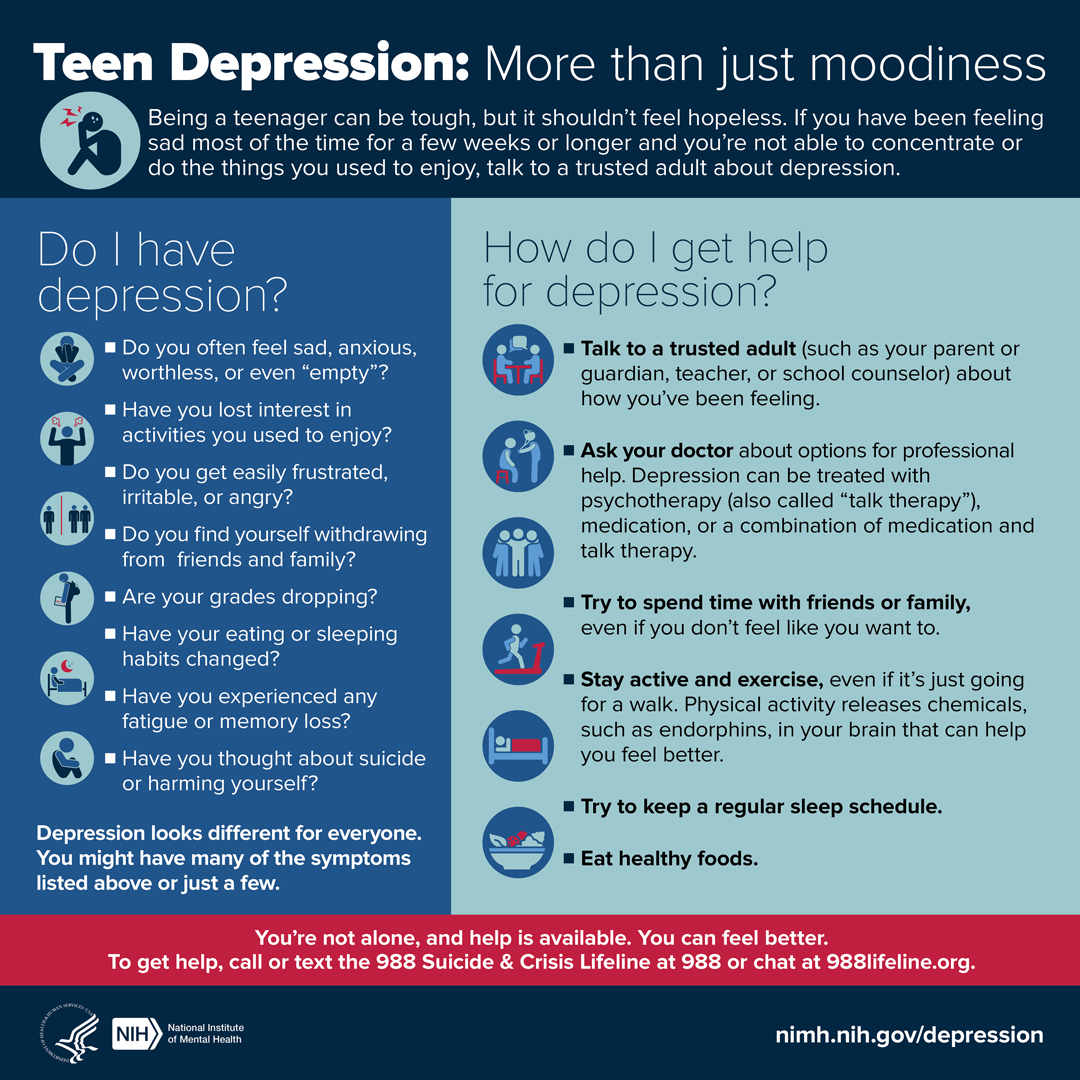
Navigating the pandemic presented unique challenges for teens, impacting their mental well-being in profound ways. Understanding how teens coped and the support systems they relied on is crucial for developing effective interventions and strategies to support their mental health moving forward. This section delves into the diverse coping mechanisms employed, the variations across demographics, and the effectiveness of various support structures.The pandemic forced a shift in social interaction, education, and daily routines.
This disruption led to increased stress and anxiety, often manifesting as depressive symptoms. Examining the coping mechanisms and support systems teenagers utilized during this time provides valuable insights into resilience and the importance of accessible resources.
Coping Mechanisms Employed by Teens
Teens employed a wide array of coping mechanisms to navigate the pandemic’s challenges. These ranged from healthy strategies to those that might have presented potential risks. Some common strategies included engaging in creative activities like art, music, or writing, and spending time in nature. Other coping mechanisms were more focused on self-soothing, such as excessive screen time, social media use, or isolating themselves from others.
Comparison of Coping Mechanisms Across Demographics
The choice of coping mechanisms varied significantly across different demographics. For example, teens from lower socioeconomic backgrounds may have relied more on readily available resources like social media or gaming, while those with more access to technology and support systems could potentially explore more creative or outdoor-based avenues. Cultural norms and family dynamics also played a critical role in shaping the coping strategies adopted.
Emergence and Strengthening of Support Systems
The pandemic also fostered the emergence and strengthening of crucial support systems. Family connections often deepened as families spent more time together, while peer support groups thrived online, connecting teens with shared experiences. Community-based initiatives also played a significant role in providing resources and support networks.
Effectiveness of Support Systems in Mitigating Depression
The effectiveness of these support systems in mitigating depression varied. While strong family bonds and consistent communication often proved helpful, the availability of mental health resources was often a limiting factor. Access to reliable support systems, especially for those from marginalized communities, was frequently inconsistent. Peer support groups, when facilitated properly, can be a positive influence, but risks associated with online anonymity or cyberbullying needed to be addressed.
Comparison of Support Systems
| System | Description | Strengths | Weaknesses |
|---|---|---|---|
| Family | Traditional support network, often providing emotional and practical assistance. | Provides a sense of belonging, unconditional love, and practical help. | Potential for conflict, strained relationships, or lack of understanding of teen struggles. |
| Peers | Support through shared experiences and mutual understanding. | Offers a sense of belonging, shared identity, and empathy. Online platforms can connect teens with similar experiences. | Potential for peer pressure, exclusion, or cyberbullying. Effectiveness depends on the quality of the peer group. |
| Community Resources | Local organizations, schools, or mental health services offering assistance. | Provides access to professional help, resources, and support groups. Often tailored to specific needs. | Limited accessibility for all teens due to location, financial constraints, or stigma associated with seeking help. |
Illustrating the Impact on Daily Life: During The Pandemic More Teens Experienced Symptoms Of Depression

The pandemic’s profound impact on teenagers’ mental health extended far beyond feelings of sadness or anxiety. It deeply affected their daily lives, impacting everything from academic performance to social connections and overall well-being. Understanding these effects is crucial for developing effective support systems and interventions.Teen depression during the pandemic often manifested in significant changes to established routines and activities.
This disruption had a cascading effect, impacting various aspects of their lives, with potentially lasting consequences. Recognizing these patterns is key to providing targeted help and support.
Impact on School Performance
The shift to remote learning and the uncertainty surrounding the future significantly affected academic performance. Students struggled with maintaining focus and motivation, leading to decreased grades and a sense of disengagement from their studies. The lack of in-person interaction with teachers and peers hindered their learning process and created an isolating environment.
Impact on Social Interactions
Social isolation was a hallmark of the pandemic, particularly for teenagers. The absence of in-person social interactions, extracurricular activities, and social events led to feelings of loneliness and isolation. Many teens experienced a decline in social skills, as opportunities to practice and develop these skills were drastically reduced. Their ability to navigate social situations and build relationships was impacted, sometimes leading to difficulty re-integrating into social circles once restrictions eased.
Impact on Overall Well-being
The pandemic significantly impacted teens’ overall well-being. The constant stress and uncertainty, combined with reduced social interaction and altered routines, led to increased feelings of anxiety, depression, and stress. Many teens reported experiencing sleep disturbances, changes in appetite, and difficulty concentrating.
The pandemic really took a toll on everyone, but teens seemed to struggle especially hard. Many experienced symptoms of depression, and it got me thinking about lifestyle choices and how they might impact mental health. This made me wonder about different diets, like whether a keto diet might be better for weight loss than a vegan diet, which could potentially affect a teen’s mental health positively or negatively.
For more on this debate, check out this article on is a keto diet better than a vegan diet for weight loss. Ultimately, though, finding healthy ways to manage stress and maintain a positive outlook are key for teenagers navigating these tough times.
Potential Long-Term Consequences
The experience of depression during adolescence can have profound long-term consequences. Early intervention and support are crucial in mitigating the risk of developing chronic mental health issues. The development of coping mechanisms, the strengthening of social connections, and the provision of resources for mental health support are essential to navigate this period effectively. There is a risk of the pandemic’s effects impacting future academic and professional success, social relationships, and overall well-being.
Examples of Manifestations in Daily Routines and Activities
Teenagers often exhibited specific behaviors indicative of depression. These included a noticeable decline in participation in previously enjoyed activities, a general lack of interest, difficulty concentrating, and an overall decrease in energy levels. Changes in sleeping and eating patterns were also common.
Timeline of Impact on a Teen’s Life
| Time Period | Impact |
|---|---|
| Early Pandemic (March-May 2020) | Initial shock, uncertainty, and disruption of routines; increased anxiety and stress; initial decline in academic performance. |
| Mid-Pandemic (June-December 2020) | Continued isolation, reduced social interaction, increased feelings of loneliness and isolation; struggles with adjusting to remote learning and maintaining focus. |
| Late Pandemic (2021-2022) | Gradual return to in-person learning; challenges reintegrating into social circles; potential lingering effects of isolation on social and emotional development. |
Impact of Prolonged Isolation on Social and Emotional Development
(Imagine a mind map with four columns: Social Isolation, Emotional Impact, Cognitive Development, and Behavioral Changes. Each column would have branches detailing specific consequences. For example, under “Social Isolation,” branches might include: Decreased social skills, difficulty forming new relationships, increased loneliness. Under “Emotional Impact,” branches might include: Increased anxiety, depression, reduced self-esteem, difficulty regulating emotions.)
Identifying Potential Interventions
The pandemic’s impact on teen mental health is undeniable. Understanding the factors contributing to this increase in teen depression is crucial for developing effective interventions. Addressing this challenge requires a multi-pronged approach, targeting individual needs within the broader context of their environment. From schools to families, a collaborative effort is essential to fostering mental wellness in teens.
Potential Interventions for Parents, During the pandemic more teens experienced symptoms of depression
Parents play a vital role in a child’s emotional development. Effective communication and supportive environments within families are critical for fostering mental well-being. Encouraging open dialogue about emotions, validating feelings, and creating a safe space for teens to express themselves are essential. Building resilience in children can be achieved through encouraging healthy coping mechanisms, like mindfulness and physical activity.
| Strategy | Target | Description | Expected Outcome |
|---|---|---|---|
| Establish open communication channels | Parents | Create a safe and non-judgmental environment where teens feel comfortable discussing their feelings and concerns. | Increased emotional intimacy and trust within the family unit, leading to improved mental well-being for teens. |
| Model healthy coping mechanisms | Parents | Demonstrate healthy ways of managing stress and emotions, such as mindfulness practices or engaging in hobbies. | Providing teens with positive role models for emotional regulation and promoting healthy coping strategies. |
| Seek professional help when needed | Parents | Recognize signs of significant distress and seek professional guidance from therapists or counselors. | Facilitating access to necessary support for both parents and teens, allowing for a more comprehensive approach to mental well-being. |
Potential Interventions for Teachers
Teachers are often the first point of contact for recognizing and addressing potential issues in students’ well-being. A supportive learning environment, coupled with understanding of teen emotional development, is key to fostering positive mental health.
| Strategy | Target | Description | Expected Outcome |
|---|---|---|---|
| Implement mindfulness activities | Teachers | Incorporate mindfulness exercises into the curriculum to help students manage stress and anxiety. | Reduced stress and anxiety levels among students, promoting a more positive learning environment. |
| Provide opportunities for social-emotional learning | Teachers | Integrate lessons on emotional intelligence, empathy, and communication skills into the curriculum. | Improved emotional intelligence and social skills among students, fostering positive peer relationships. |
| Create a supportive classroom environment | Teachers | Foster a welcoming and inclusive classroom where students feel safe and respected. | Improved student engagement, decreased feelings of isolation, and enhanced overall well-being. |
Potential Interventions for Teens
Providing teens with tools and resources for managing their own mental health is crucial. Promoting self-care practices, access to information, and peer support groups are effective strategies.
| Strategy | Target | Description | Expected Outcome |
|---|---|---|---|
| Develop self-care routines | Teens | Encourage teens to incorporate healthy habits such as exercise, healthy eating, and sufficient sleep into their daily routines. | Improved physical and mental well-being through promoting self-care and a healthy lifestyle. |
| Access online resources | Teens | Guide teens towards reputable online resources offering information, support, and coping strategies. | Increased awareness of mental health issues and effective coping mechanisms. |
| Create peer support groups | Teens | Organize peer support groups to facilitate discussions and sharing of experiences among teens. | Increased sense of community and support, reducing feelings of isolation and fostering empathy. |
Last Point
The pandemic’s impact on teen mental health is a multifaceted issue, revealing the vulnerability of this age group to stressors and highlighting the need for accessible and effective support systems. While the pandemic has undoubtedly created unique challenges, this analysis underscores the importance of proactive interventions at the individual, community, and societal levels. By understanding the factors contributing to the rise in teen depression, we can work toward a future where young people have the resources and support they need to thrive, both during and after periods of crisis.
