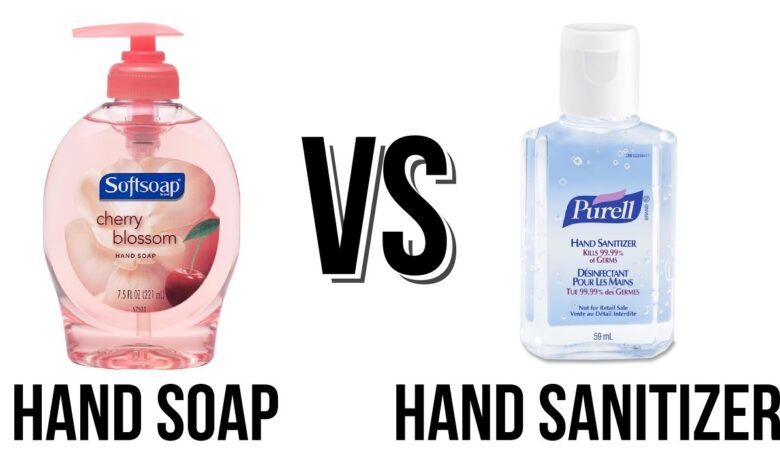
Flu soap and water better than hand sanitizers – Flu: soap and water better than hand sanitizers? This question delves into the effectiveness of different hygiene methods. We’ll explore how soap and water physically remove germs, compare this to the chemical action of hand sanitizers, and examine when each is the best choice. The science behind germ-killing efficacy will be detailed, along with specific situations where one method might triumph over the other.
Understanding the differences in how these methods work is crucial. Soap and water, through their mechanical action, are highly effective at removing a broad range of germs. Hand sanitizers, on the other hand, rely on chemicals to kill germs, but their effectiveness can vary depending on factors like concentration and ingredients. The impact on long-term health and the role of hygiene practices in preventing infection will also be considered.
Effectiveness of Soap and Water: Flu Soap And Water Better Than Hand Sanitizers

Soap and water remain the gold standard for hand hygiene, offering a comprehensive approach to germ removal that hand sanitizers often fall short of. This superior effectiveness stems from a multifaceted mechanism of action, encompassing both the chemical and physical properties of soap and the physical act of scrubbing. Understanding these mechanisms reveals why soap and water consistently outperform hand sanitizers in protecting against a broad spectrum of pathogens.Soap’s cleansing power lies in its ability to emulsify fats and oils, trapping and lifting dirt and microbes from the skin’s surface.
This action is crucial for removing germs, which often adhere to the skin’s natural oils and fats. Water acts as the medium for rinsing away these trapped impurities, carrying the germs with it.
How Soap and Water Remove Germs
Soap works by disrupting the structure of the lipid membranes that surround germs. This disruption causes the germs to lose their integrity and become less able to adhere to the skin. The physical scrubbing action, combined with the emulsifying properties of soap, effectively dislodges and removes germs from the skin.
While hand sanitizer is convenient, plain soap and water are often better for fighting the flu. This is especially true for removing germs and viruses, and learning more about why our healthcare system is so expensive can shed light on this, especially when you consider a doctor’s perspective on the topic. Check out this insightful Q&A with a doctor who explains why healthcare costs an arm and a leg.
Ultimately, simple hygiene like using soap and water remains a powerful weapon against illness.
Mechanism of Action Compared to Hand Sanitizers
Hand sanitizers primarily rely on alcohol-based solutions to kill germs. While effective against some pathogens, alcohol-based sanitizers do not necessarily remove germs from the skin’s surface in the same way soap and water do. This difference is critical, as residual germs on the skin can still pose a health risk. Soap and water effectively remove germs, while sanitizers primarily kill them.
Scientific Evidence for Effectiveness
Numerous studies have demonstrated the efficacy of soap and water in killing various types of bacteria and viruses. Research consistently shows that thorough handwashing with soap and water significantly reduces the spread of pathogens like E. coli, Salmonella, and influenza viruses. The Centers for Disease Control and Prevention (CDC) and the World Health Organization (WHO) consistently recommend soap and water as the primary method for hand hygiene.
Types of Germs Affected
Soap and water are effective against a wide range of germs, including bacteria, viruses, and some fungi. They are particularly effective against those pathogens that have a lipid membrane. The physical action of soap and water effectively disrupts the structure of these microbes.
Physical Action of Removing Germs
The physical scrubbing action of soap and water is crucial in removing germs from the skin. By physically agitating the skin, soap and water lift away the microbes and dirt embedded in the skin’s surface. This mechanical action is essential to thoroughly remove germs that may be difficult to dislodge otherwise. This physical action helps to reduce the number of germs present, minimizing the risk of infection.
Importance of Scrubbing Duration
A sufficient scrubbing duration is essential for effective germ removal. Research indicates that washing for at least 20 seconds is necessary to significantly reduce the microbial load on the hands. This 20-second rule is widely publicized and recommended by health organizations worldwide.
Soap Type and Germ Removal Efficiency
The type of soap used can slightly influence germ removal efficiency. Antibacterial soaps may offer a marginally improved germ reduction compared to non-antibacterial soaps. However, the difference is often negligible, and thorough scrubbing is the key factor in effective germ removal.
Comparison Table
| Pathogen | Effectiveness of Soap and Water |
|---|---|
| Staphylococcus aureus | High |
| Escherichia coli | High |
| Salmonella enterica | High |
| Influenza virus | High |
| Norovirus | High |
| Human Immunodeficiency Virus (HIV) | Low |
| Hepatitis A virus | High |
Hand Sanitizer Effectiveness
Hand sanitizers have become a ubiquitous part of modern hygiene practices. While they offer a convenient alternative to soap and water, their effectiveness varies significantly based on formulation, concentration, and the specific pathogen targeted. This exploration delves into the intricacies of how hand sanitizers work, compares different formulas, and examines their limitations.Hand sanitizers primarily function by disrupting the structure of the viral and bacterial cell walls, leading to their inactivation.
This process is usually achieved through the use of alcohol-based solutions, which denature proteins and disrupt cell membranes. The alcohol content, typically ethanol or isopropyl alcohol, is the key antimicrobial agent in most hand sanitizers.
Mechanism of Action
Hand sanitizers rely on the disruption of microbial structures, primarily through the denaturation of proteins and the disruption of cell membranes. Alcohol-based solutions are the most common method. Ethanol and isopropyl alcohol, the primary active ingredients, are known for their ability to dissolve lipids and proteins in the microbial cell walls, leading to cell death. The effectiveness of this process depends on several factors, including the concentration of alcohol, the presence of other ingredients, and the type of microorganism being targeted.
While hand sanitizer is convenient, plain soap and water is actually better for fighting off the flu. Think about it – just like even for moderate drinkers going on a binge can raise health risks , neglecting proper hygiene can have serious consequences for your health. Washing your hands thoroughly with soap and water removes more germs than hand sanitizer, making it the superior choice for preventing the spread of illness.
Effectiveness of Different Formulas
The efficacy of hand sanitizers is directly related to the concentration of the active ingredient(s). Higher concentrations generally lead to faster and more comprehensive germ reduction. However, overly high concentrations might cause skin irritation or dryness. Formulations that incorporate humectants (e.g., glycerin, propylene glycol) to moisturize the skin are often preferred for their ability to mitigate potential dryness issues.
Scientific Studies on Effectiveness
Numerous scientific studies have evaluated the effectiveness of hand sanitizers against various pathogens. A key finding is that the effectiveness is highly dependent on the concentration of the active ingredient, particularly alcohol. Studies consistently show that alcohol-based sanitizers with a concentration of at least 60% are more effective in reducing bacterial and viral load compared to lower concentrations.
For example, a study published in the Journal of Hospital Infection (2018) compared the effectiveness of different sanitizer concentrations against Staphylococcus aureus, finding that 70% ethanol was highly effective.
Limitations Compared to Soap and Water, Flu soap and water better than hand sanitizers
While hand sanitizers provide a rapid method of reducing microbial load, they have limitations compared to soap and water. Soap and water are more effective at removing dirt, grease, and other organic matter that can harbor microorganisms. Hand sanitizers are not as effective at removing these substances. Furthermore, some pathogens can develop resistance to certain hand sanitizer formulas, making them less effective over time.
Soap and water’s mechanical action of physically removing germs also plays a crucial role in overall hygiene.
Situations Where Hand Sanitizers are More Suitable
Hand sanitizers are often a more practical choice in situations where immediate access to soap and water is limited. This includes situations such as public transport, during outdoor activities, or in the workplace. However, it’s important to remember that hand sanitizers are not a substitute for proper handwashing with soap and water, especially when dealing with visible dirt or contamination.
Active Ingredients and Antimicrobial Properties
The most common active ingredient in hand sanitizers is alcohol, typically ethanol or isopropyl alcohol. These alcohols disrupt the cell membranes of bacteria and viruses, leading to their inactivation. Other ingredients, like triclosan, chlorhexidine, and benzalkonium chloride, also have antimicrobial properties. However, the effectiveness and safety of some of these additional ingredients are being questioned.
Comparison Table
| Sanitizer Type | Effectiveness | Limitations |
|---|---|---|
| Alcohol-based (60%+) | Generally highly effective against bacteria and viruses | Can be drying to the skin, not effective at removing visible dirt. |
| Alcohol-based (below 60%) | Effectiveness significantly reduced | Requires more frequent application for comparable results. |
| Non-alcohol based | Effectiveness varies significantly, typically lower than alcohol-based | May contain potentially irritating ingredients, efficacy depends on the active ingredient. |
Comparing Soap and Water vs. Hand Sanitizer
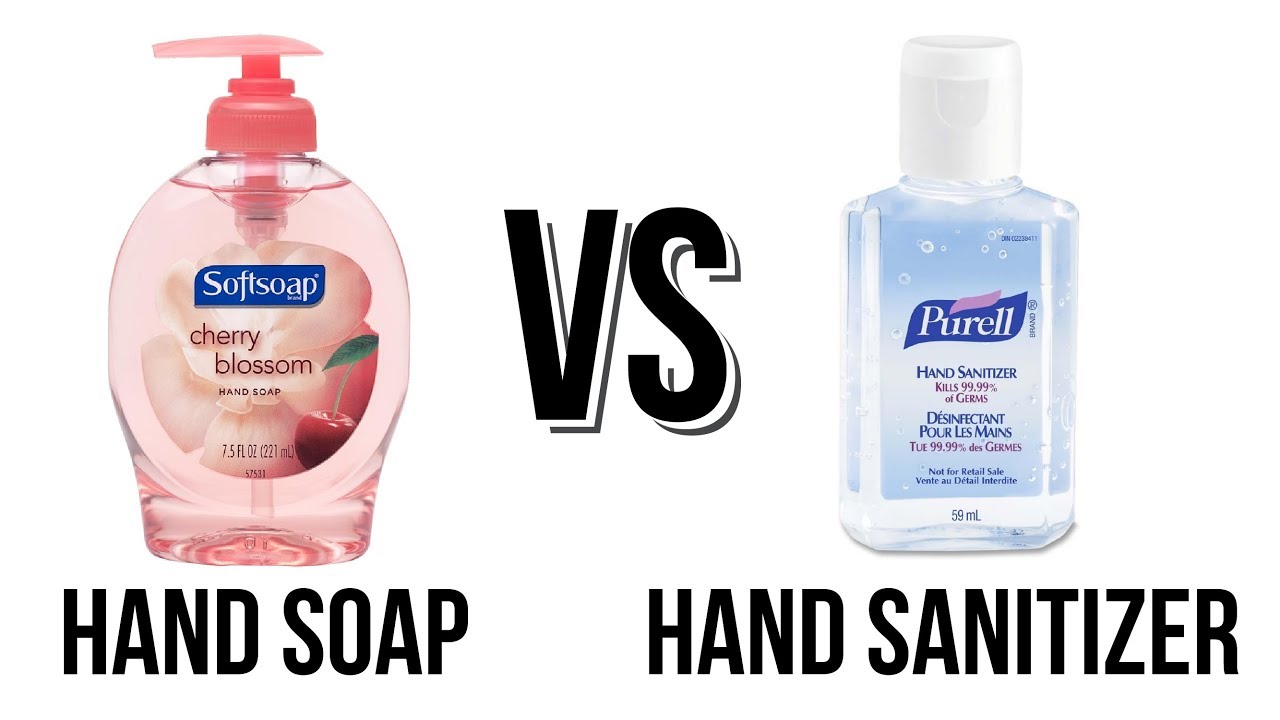
Choosing between soap and water and hand sanitizer for hygiene is crucial for maintaining good health. Both methods play vital roles in preventing the spread of infectious diseases, but their effectiveness and suitability differ depending on the situation. Understanding the nuances of each method empowers informed decisions about maintaining personal hygiene.Soap and water are the gold standard for hand hygiene.
Their effectiveness stems from the mechanical removal of pathogens and the disruption of their cell walls by the surfactants in soap. Hand sanitizers, on the other hand, primarily work by denaturing the proteins in viruses and bacteria. The comparison extends beyond mere effectiveness, encompassing long-term health implications and practical considerations.
Overall Effectiveness
Soap and water remain the most effective method for removing a wide range of pathogens, including bacteria, viruses, and some fungi. The scrubbing action of soap and water physically dislodges and washes away microorganisms, along with dirt and grease. Hand sanitizers are effective against many viruses and bacteria, but their efficacy depends on the concentration of the active ingredient (typically alcohol), the amount used, and the presence of organic matter on the hands.
In situations with visibly soiled hands, soap and water will always be superior.
Long-Term Health Implications of Hand Sanitizer Use
Frequent use of hand sanitizers, particularly those with high alcohol content, can lead to skin dryness, irritation, and cracking. This can compromise the skin’s barrier function, increasing susceptibility to infections. Furthermore, some studies suggest that excessive use of hand sanitizers may disrupt the natural microbial balance on the skin, potentially leading to an overgrowth of harmful bacteria. While sanitizers are convenient, the long-term implications of frequent use need careful consideration.
While flu soap and water are often touted as better than hand sanitizers for combating germs, it’s worth considering that spending time in blue spaces, like oceans or lakes, has been linked to improved mental well-being. spending time in blue spaces linked to better mental health might even make you feel more resilient against the sniffles.
So, while soap and water still take the crown for germ-fighting, maybe a little time by the water could be the key to feeling your best overall!
Role of Hygiene Practices in Preventing Infection Spread
Maintaining proper hygiene practices is a cornerstone of infection prevention. Regular handwashing with soap and water, or using hand sanitizer in appropriate situations, significantly reduces the risk of transmitting pathogens. These practices, combined with other preventive measures like covering coughs and sneezes, and avoiding contact with sick individuals, create a comprehensive strategy for disease prevention. It is critical to prioritize these practices, particularly in environments where infectious diseases are prevalent.
Scenario Comparison: Soap and Water vs. Hand Sanitizer
Imagine a scenario where a person has just prepared food in a kitchen. Soap and water would be the superior choice in this situation. The hands are likely to be soiled with food particles, grease, and potentially harmful bacteria. In this case, the mechanical action of soap and water is essential for removing the contaminants.Alternatively, consider a scenario where a person has just touched a public doorknob.
In this case, hand sanitizer could be an adequate option, provided that the hands are not visibly soiled. The focus in this case is on reducing the number of potentially harmful microorganisms.
Impact of Water Availability on Hygiene Choice
Water availability significantly impacts the choice of hygiene method. In regions with limited access to clean water, hand sanitizer becomes a more viable option. The immediate need for effective hygiene takes precedence over the long-term potential downsides of hand sanitizer use.
Pros and Cons of Soap and Water vs. Hand Sanitizer
| Method | Pros | Cons |
|---|---|---|
| Soap and Water | Removes a wider range of pathogens; more effective with soiled hands; better for overall hygiene; can remove residual chemicals and toxins; strengthens skin barrier. | Requires water; may not be convenient in all situations; can take longer; less convenient for quick cleanup. |
| Hand Sanitizer | Convenient; portable; effective against some pathogens in the absence of visible dirt; can be used in situations with limited water access. | Can be drying and irritating to the skin; may not be as effective as soap and water for heavily soiled hands; may not remove residual chemicals and toxins; can disrupt the natural skin microbiome. |
Factors Affecting Hygiene Practices
Maintaining good hygiene is crucial for preventing the spread of illness and promoting overall well-being. However, various factors influence individuals’ choices and adherence to hygiene practices, ranging from personal beliefs to environmental constraints. Understanding these factors is key to developing effective public health strategies and promoting consistent, healthy habits.Understanding the multifaceted nature of hygiene practices is vital to improving public health.
This involves recognizing the various determinants that drive individual behaviors and creating tailored interventions. This understanding allows for more effective and targeted approaches to promoting hygiene.
Personal Beliefs and Motivations
Personal beliefs and motivations play a significant role in shaping hygiene practices. Individuals with a strong belief in the importance of hygiene are more likely to adopt and maintain good practices. Conversely, those who do not perceive hygiene as important may not prioritize it. Furthermore, individual experiences and prior exposure to hygiene education can influence an individual’s understanding and adherence to these practices.
For instance, individuals who have witnessed the negative health consequences of poor hygiene may be more motivated to adopt healthy habits.
Environmental Factors
Environmental factors can significantly impact hygiene practices. Accessibility to clean water and sanitation facilities directly affects the ability of individuals to practice good hygiene. Limited access to these resources can hinder proper handwashing and other hygiene routines. Furthermore, factors such as crowded living conditions and inadequate waste disposal systems can increase the risk of disease transmission. For example, in areas with limited access to clean water, handwashing with soap and water may be challenging, potentially leading to lower hygiene standards.
Cultural and Societal Influences
Cultural and societal norms significantly influence hygiene habits. Different cultures have varying beliefs and traditions surrounding hygiene practices. For example, some cultures may emphasize handwashing before meals, while others may not. Social norms, such as the acceptance of certain hygiene practices within a community, also contribute to the adoption of these habits. For instance, if a community values regular bathing, individuals are more likely to adopt this practice.
Conversely, if a community has limited resources or limited access to facilities, this may influence their practice of hygiene.
Importance of Proper Handwashing Techniques
Proper handwashing techniques are crucial for effective hygiene. Using soap and water for at least 20 seconds, covering all surfaces of the hands, including the backs of the hands, wrists, and between fingers, is essential. Ignoring these techniques can diminish the effectiveness of handwashing, rendering it less protective against pathogens. For example, if individuals do not scrub their nails thoroughly, germs can accumulate under them, defeating the purpose of handwashing.
Table Summarizing Factors Influencing Handwashing Practices
| Factor | Influence on Handwashing |
|---|---|
| Personal Beliefs | Strong beliefs about hygiene lead to higher adherence to handwashing |
| Environmental Factors | Access to clean water and sanitation facilities directly affects handwashing practices |
| Cultural Norms | Cultural values and traditions shape perceptions and practices of handwashing |
| Societal Norms | Acceptance of handwashing within a community influences individual practices |
| Knowledge and Education | Awareness of the benefits and techniques of handwashing impacts adherence |
| Economic Factors | Financial resources can affect access to soap and water |
| Accessibility | Ease of access to handwashing facilities significantly impacts frequency |
Specific Use Cases
Choosing the best hand hygiene method depends heavily on the specific situation. While soap and water are generally the gold standard, hand sanitizer offers a quick and convenient alternative in certain circumstances. Understanding these nuances allows for optimal hygiene practices and reduces the risk of contamination.Soap and water is the superior choice in many scenarios due to its ability to remove more types of germs and contaminants.
Hand sanitizer, while effective against some bacteria and viruses, is often less effective against certain pathogens and may not fully remove all dirt and grease.
Situations Favoring Soap and Water
Soap and water is the preferred method for cleaning hands when visibly soiled. Food preparation, handling raw meat or poultry, and contact with fecal matter are prime examples. The physical removal of dirt and debris is crucial in these situations. Washing with soap and water is also essential after using the restroom and before eating.
- After using the restroom: Toilet surfaces can harbor a multitude of bacteria and viruses. Thorough handwashing with soap and water is critical for preventing the spread of these pathogens.
- Before eating or preparing food: This is a fundamental step in food safety. Contamination from unwashed hands can lead to foodborne illnesses. Washing hands with soap and water ensures that harmful bacteria and viruses are removed before touching food.
- After handling raw meat, poultry, or seafood: Raw meats often carry harmful bacteria that can cause food poisoning. Thorough handwashing with soap and water is essential to prevent cross-contamination.
- After contact with bodily fluids: This includes blood, saliva, mucus, or other bodily fluids. Soap and water are necessary to remove pathogens that may be present on the hands.
Situations Favoring Hand Sanitizer
Hand sanitizer offers a quick and convenient alternative to soap and water when immediate access to water and soap isn’t possible. It’s ideal for situations where hands are not visibly soiled.
- On-the-go situations: In public settings, such as during commutes or at public events, hand sanitizer provides a quick way to sanitize hands without access to a sink or restroom.
- Before and after handling money: Currency can be a vector for germs, and hand sanitizer provides a quick and effective way to sanitize hands after handling money in public places.
- When traveling: Hand sanitizer is a useful tool to maintain hygiene while traveling. It’s easy to carry and provides a quick method for sanitizing hands.
- When soap and water is not readily available: In some environments, especially in public spaces, soap and water may not be readily available. Hand sanitizer can be a valuable alternative in such cases.
Creating a Hygiene Guide
A comprehensive guide should clearly Artikel the optimal hygiene method for each scenario. It should emphasize the importance of handwashing with soap and water when hands are visibly soiled and hand sanitizer as a complement for quick sanitization when soap and water is not available.
Importance of Hand Hygiene in Public Settings
Public settings are often breeding grounds for germs. The constant interaction between individuals necessitates proactive measures to maintain hygiene. Proactive handwashing and sanitizer use significantly reduces the spread of contagious illnesses. Proper hand hygiene practices are vital for public health.
Examples of Situations Where Soap and Water Might Be More Appropriate
In a hospital setting, before surgery, or handling food, soap and water is essential. The extensive removal of contaminants from the hands in these scenarios is critical to preventing infections and illnesses.
Advantages of Soap and Water Over Hand Sanitizers
Soap and water removes more types of germs, including viruses and bacteria. Soap and water is also more effective at removing dirt and grease from hands, which can harbor pathogens.
Last Word
In conclusion, while hand sanitizer can be a convenient option in certain circumstances, soap and water remain the superior method for eliminating germs, especially when readily available. Proper handwashing technique and the importance of hygiene practices are paramount in preventing the spread of illness. This comprehensive analysis will equip you with the knowledge to make informed choices about maintaining good hand hygiene in various situations.
