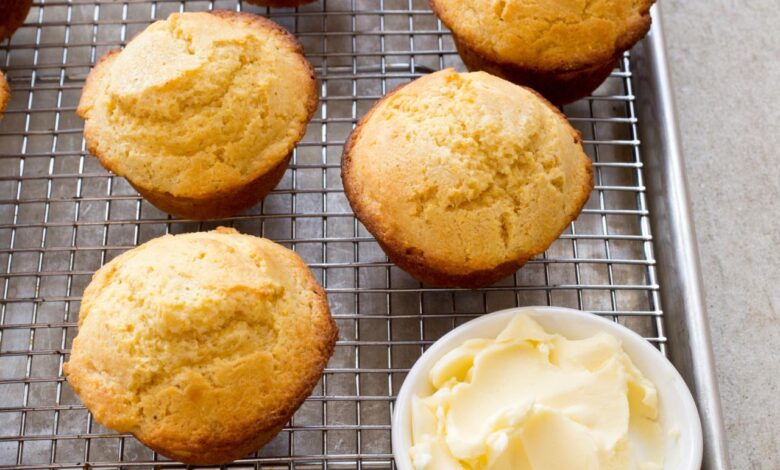
Gluten free cornbread muffins – Gluten-free cornbread muffins: a delicious and satisfying treat for those with dietary restrictions or simply seeking a healthier alternative. This comprehensive guide dives deep into the world of gluten-free cornbread, exploring various ingredient options, baking techniques, and exciting recipe ideas. From different flours and sweeteners to dairy-free milk alternatives and creative flavor profiles, we’ll equip you with everything you need to bake perfect gluten-free cornbread muffins.
Discover a wide array of recipes, from classic to unique flavors like blueberry and chocolate chip, to savory options incorporating vegetables and herbs. We’ll also cover troubleshooting common baking issues, providing solutions to ensure your muffins turn out perfectly every time. Learn how to choose the right gluten-free flour, measure ingredients accurately, and control oven temperature for optimal results.
Plus, find out how to serve and store these delicious muffins for maximum enjoyment.
Ingredient Variations
Gluten-free cornbread muffins offer a delicious and adaptable alternative to traditional cornbread. Experimenting with different ingredients allows for customization, catering to various dietary needs and preferences. This section explores the exciting world of ingredient variations, highlighting the impact on flavor, texture, and nutritional value.
Gluten-Free Flours
Different gluten-free flours contribute unique baking characteristics to cornbread muffins. Understanding these differences allows for informed choices to achieve the desired texture and flavor profile.
- Almond Flour: Almond flour provides a subtle nutty flavor and a slightly dense texture. It tends to absorb moisture well, which can result in a moist muffin. However, over-mixing can lead to a tough final product. Using a combination of almond and other gluten-free flours can balance the moisture content and create a more desirable texture.
- Coconut Flour: Coconut flour is exceptionally absorbent, leading to very dense muffins. It also has a distinct coconut flavor that might not be desirable in all cases. Using a combination of coconut flour and other gluten-free flours will help adjust the density and add moisture.
- Rice Flour: Rice flour provides a neutral flavor and a light, airy texture. It adds a delicate touch to the muffins, but using too much can result in a dry final product. Incorporating other gluten-free flours will enhance moisture and texture.
- Potato Starch: Potato starch, with its excellent ability to absorb moisture, adds a tender texture to the muffins. Its subtle flavor blends well with cornbread. Combining it with other gluten-free flours helps achieve a balanced moisture and texture.
Alternative Sweeteners
Substituting sugar in gluten-free cornbread muffins allows for tailored sweetness levels and often impacts the final product’s taste and texture.
- Maple Syrup: Maple syrup adds a rich, natural sweetness and a caramel-like flavor. It can enhance the overall flavor of the cornbread, but may slightly alter the color. Its moisture content can contribute to a moist texture.
- Honey: Honey offers a golden color and a mild sweetness with a hint of floral notes. Honey’s delicate flavor blends well with the cornbread, creating a subtle sweetness. Honey also contributes moisture.
- Brown Sugar: Brown sugar adds a deeper molasses flavor and a moist texture to the muffins. It provides a more complex sweetness compared to white sugar. The molasses content adds a deeper flavor to the cornbread, impacting the final texture.
Dairy-Free Milk Alternatives
Dairy-free milk alternatives influence the moisture and tenderness of gluten-free cornbread muffins.
- Almond Milk: Almond milk adds a subtle nutty flavor and a relatively neutral taste. It contributes moisture to the muffins, potentially making them slightly less dense than those made with other milk alternatives. Its low fat content might result in a slightly drier texture compared to full-fat options.
- Soy Milk: Soy milk provides a creamy texture and a mild flavor, which blends well with the cornbread flavor. It can contribute to a moist and tender muffin. The texture and flavor are generally similar to cow’s milk.
- Oat Milk: Oat milk adds a slightly nutty flavor and a smooth, creamy texture. It creates a moist and tender muffin, similar to traditional milk.
Corn Types
Different types of corn impact the flavor and texture of gluten-free cornbread muffins.
- Yellow Cornmeal: Yellow cornmeal adds a classic corn flavor and a slightly coarse texture. It provides a robust corn flavor and a slightly more substantial texture. Its color is a key aspect.
- White Cornmeal: White cornmeal offers a milder corn flavor and a smoother texture compared to yellow cornmeal. It’s often preferred for its more subtle flavor profile and smoother texture.
- Sweet Corn: Sweet corn provides a noticeably sweeter flavor and a moist texture. Its added sweetness is a key difference.
Nutritional Comparison
| Ingredient | Nutritional Value (approximate, per serving) | Description |
|---|---|---|
| Gluten-Free Cornbread (using almond flour, maple syrup, almond milk, yellow cornmeal) | Calories: 250, Protein: 5g, Fat: 10g, Carbohydrates: 30g | A moderate calorie option, with good protein and fiber content. |
| Gluten-Free Cornbread (using coconut flour, honey, oat milk, white cornmeal) | Calories: 280, Protein: 6g, Fat: 12g, Carbohydrates: 35g | Slightly higher in calories and fat due to the higher fat content of coconut flour and honey. |
| Gluten-Free Cornbread (using rice flour, brown sugar, soy milk, sweet corn) | Calories: 270, Protein: 4g, Fat: 8g, Carbohydrates: 32g | Provides a balance of sweetness and moisture. |
Baking Techniques
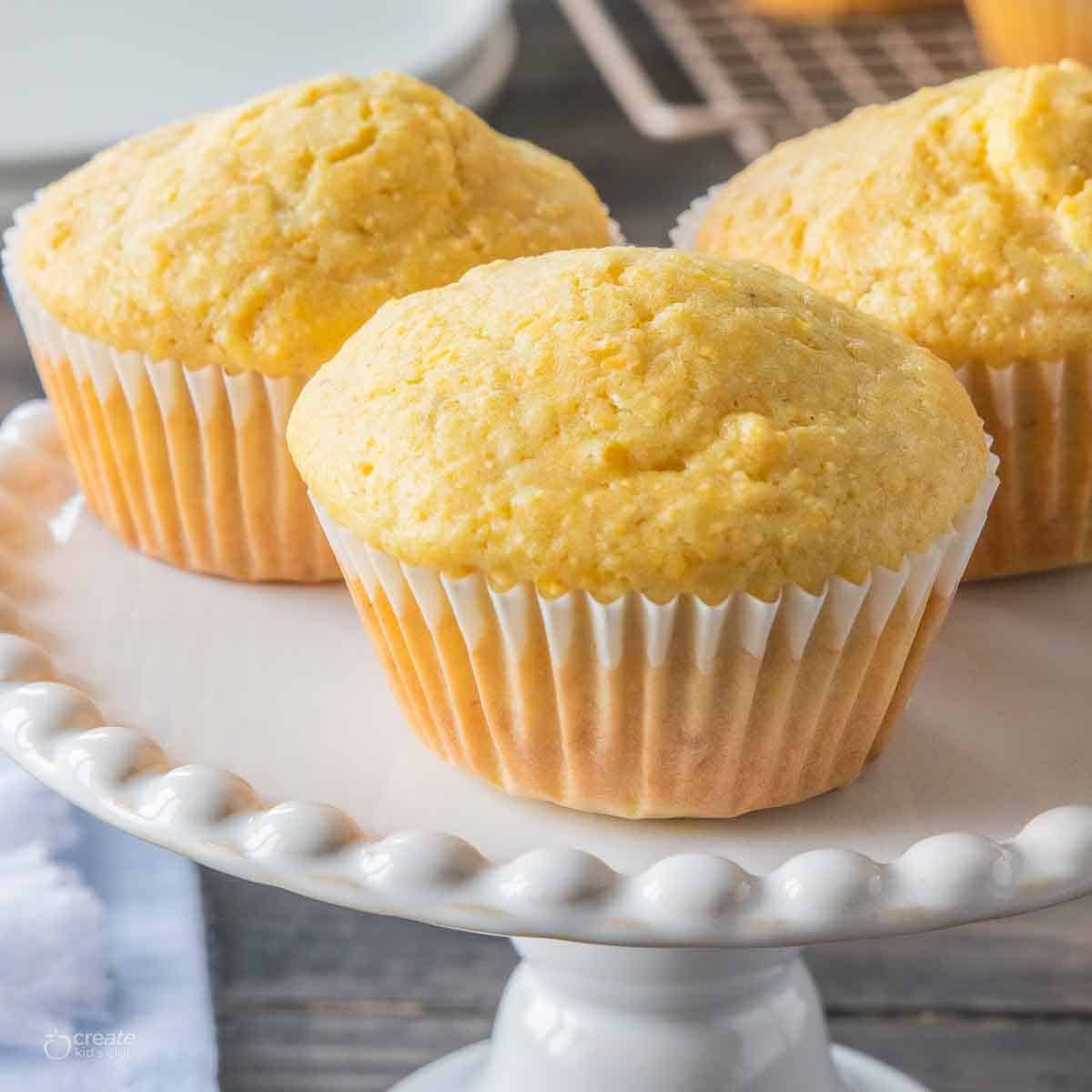
Gluten-free cornbread muffins, while delicious, can sometimes present challenges due to the unique properties of gluten-free flours. Proper techniques are crucial for achieving a tender, airy texture that mimics the classic cornbread experience. Understanding the intricacies of ingredient preparation, mixing methods, and baking conditions is key to mastering this delightful treat.Baking gluten-free cornbread requires a nuanced approach to traditional methods.
These gluten-free cornbread muffins are a delicious treat, perfect for a quick breakfast or snack. However, it’s important to remember that, while enjoying these tasty muffins, consider that excessive drinking can cause cells to age, impacting your overall health. drinking can cause cells to age. Luckily, these healthy muffins are a great way to maintain a balanced diet, and can easily be incorporated into a nutritious lifestyle.
The absence of gluten means that the structure of the final product relies heavily on the interaction of other ingredients, particularly the starches in the gluten-free flour blend. This understanding allows for careful adjustments to achieve the desired outcome.
Preparing Gluten-Free Flours
Gluten-free flours, unlike their wheat counterparts, vary significantly in their composition and absorption rates. This necessitates precise measurement and handling techniques. Over-measuring or mishandling can result in a dense, crumbly, or tough final product. Using a kitchen scale for precise measurements is highly recommended for gluten-free baking. A digital scale ensures accurate weight, eliminating potential inconsistencies that can arise from volume-based measurements.
Measuring Gluten-Free Flours
Accurate measurement of gluten-free flours is paramount for consistent results. Simply spooning flour into a measuring cup can lead to inaccurate quantities and result in a tough or dense muffin. Instead, gently fluff the flour with a fork, then spoon it into the measuring cup. Level off the top with a straight edge. This method ensures consistent volume and prevents overfilling.
Sifting gluten-free flours can also be helpful, but is not always necessary. It is more important to be accurate than to sift.
Adding Wet Ingredients to Dry Ingredients
The way wet ingredients are incorporated into dry ingredients significantly affects the texture of the final product. Overmixing gluten-free batters can lead to a tough or dense outcome. The goal is to combine ingredients just until they are evenly distributed, avoiding excessive mixing.
Mixing Techniques
A gentle folding technique is ideal for gluten-free cornbread. Using a whisk or spatula, gently fold the wet ingredients into the dry ingredients until just combined. Avoid vigorous stirring or overmixing. This delicate approach prevents the development of gluten, which is not present in gluten-free flours, and ensures a tender texture.
These gluten-free cornbread muffins are seriously amazing, and honestly, making them is a little act of self-care. It’s often tough to prioritize those little things, especially when self care feels like a monumental task, as I’ve learned recently from this great article on self care is hard. But the satisfying aroma and the warm, fluffy texture of these muffins are definitely worth the effort.
Perfect with a side of butter, these muffins are a little slice of heaven.
Oven Temperature and Baking Time
Oven temperatures can vary, and this is a critical factor in baking gluten-free cornbread muffins. Precise temperature control is crucial for consistent results. Use an oven thermometer to verify your oven’s actual temperature. This is essential to ensure accurate baking time.
Baking Time and Oven Types
Baking time varies depending on the type of oven and its temperature accuracy. Conventional ovens require slightly longer baking times compared to convection ovens. Convection ovens circulate hot air, potentially resulting in faster baking times. Always monitor the muffins closely, checking for doneness around the specified time.
Achieving a Golden Brown Crust
A golden brown crust adds visual appeal and a desirable texture to cornbread muffins. Baking at the correct temperature and monitoring the baking time closely are key. Use a spatula to gently lift and inspect the tops of the muffins to gauge doneness.
Adjust baking times based on the specific gluten-free flour blend and your oven’s characteristics. Always use a baking thermometer to ensure accuracy.
Recipe Ideas: Gluten Free Cornbread Muffins
Gluten-free cornbread muffins offer a fantastic canvas for creativity! Beyond the classic, these versatile little cakes can be transformed into sweet treats, savory sides, or even meals. This section explores different flavor profiles, dietary needs, and creative uses for leftover muffins.These recipes are designed to be adaptable to your preferences. Feel free to adjust ingredient quantities and substitutions based on your liking and available ingredients.
Blueberry Bliss Gluten-Free Cornbread Muffins
These muffins combine the sweetness of blueberries with the comforting texture of cornbread, creating a delightful breakfast or brunch treat.Ingredients:
- 1 ½ cups gluten-free all-purpose flour blend
- 1 ½ teaspoons baking powder
- ½ teaspoon baking soda
- ¼ teaspoon salt
- ½ cup granulated sugar
- ½ cup milk
- 2 tablespoons melted butter
- 1 large egg
- 1 teaspoon vanilla extract
- 1 ½ cups fresh or frozen blueberries
Instructions:Preheat oven to 400°F (200°C). Combine dry ingredients in a bowl. In a separate bowl, whisk together wet ingredients. Add wet ingredients to dry ingredients and mix until just combined. Gently fold in blueberries.
Fill muffin tins about ¾ full. Bake for 18-20 minutes, or until a toothpick inserted into the center comes out clean.
Gluten-free cornbread muffins are a delicious treat, perfect for a quick breakfast or snack. But sometimes, when trying new recipes, the math behind them can be tricky. Have you ever wondered about the process of “ask dmine divide three carry one then increase what”? Understanding these concepts, like those in ask dmine divide three carry one then increase what , can help you nail the perfect gluten-free cornbread muffins every time.
It’s all about getting the right proportions for the best texture and flavor!
Savory Roasted Vegetable Gluten-Free Cornbread Muffins
These savory muffins are a delicious alternative to traditional sides. They are packed with flavor and perfect for vegetarian or meat-free meals.Ingredients:
- 1 ½ cups gluten-free all-purpose flour blend
- 1 ½ teaspoons baking powder
- ½ teaspoon baking soda
- ¼ teaspoon salt
- ½ cup grated Parmesan cheese
- ½ cup milk
- 2 tablespoons melted butter
- 1 large egg
- 1 cup chopped roasted vegetables (e.g., bell peppers, zucchini, onions)
- 1 tablespoon chopped fresh herbs (e.g., parsley, oregano)
Instructions:Preheat oven to 400°F (200°C). Combine dry ingredients in a bowl. In a separate bowl, whisk together wet ingredients. Add wet ingredients to dry ingredients and mix until just combined. Gently fold in roasted vegetables and herbs.
Fill muffin tins about ¾ full. Bake for 18-20 minutes, or until a toothpick inserted into the center comes out clean.
Vegan and Low-Sugar Gluten-Free Cornbread Muffins
These muffins are a fantastic option for those following a vegan diet or looking to reduce their sugar intake.Ingredients:
- 1 ½ cups gluten-free all-purpose flour blend
- 1 ½ teaspoons baking powder
- ½ teaspoon baking soda
- ¼ teaspoon salt
- ¼ cup maple syrup
- ½ cup unsweetened applesauce
- 2 tablespoons melted coconut oil
- 1 teaspoon vanilla extract
- 1 ½ cups chopped apples
Instructions:Preheat oven to 400°F (200°C). Combine dry ingredients in a bowl. In a separate bowl, whisk together wet ingredients. Add wet ingredients to dry ingredients and mix until just combined. Gently fold in apples.
Fill muffin tins about ¾ full. Bake for 18-20 minutes, or until a toothpick inserted into the center comes out clean.
Creative Uses for Leftover Muffins
Leftover gluten-free cornbread muffins can be repurposed in various ways. They make a delightful addition to breakfast casseroles or can be enjoyed as a hearty side dish. Try topping them with a simple butter and herb sauce or a drizzle of honey.
Gluten-Free Cornbread Muffin Flavors
| Flavor | Ingredients | Description |
|---|---|---|
| Blueberry | Blueberries, sugar, vanilla | Sweet and fruity, perfect for breakfast or brunch. |
| Savory Vegetable | Roasted vegetables, herbs, Parmesan | Hearty and flavorful, suitable for a vegetarian meal. |
| Vegan Chocolate Chip | Vegan chocolate chips, applesauce, maple syrup | Deliciously decadent, suitable for vegans and those looking for a lower sugar option. |
| Cranberry Orange | Cranberries, orange zest, sugar | A festive and zesty flavor, perfect for autumn or holiday meals. |
Troubleshooting Gluten-Free Cornbread Muffins
Baking gluten-free cornbread can sometimes present unique challenges. Understanding the potential issues and their solutions is key to achieving consistently delicious results. This section will delve into common problems, from dense textures to uneven browning, and offer practical troubleshooting steps.Gluten-free cornbread often requires a little extra attention during baking, as the absence of gluten can impact the final texture and structure.
Factors like the type of gluten-free flour blend used, liquid measurements, and even the baking temperature can influence the outcome. By addressing these factors, you can successfully navigate any issues and create perfect gluten-free cornbread muffins every time.
Dense Texture
A dense texture in gluten-free cornbread muffins often stems from insufficient moisture or an inadequate leavening agent reaction. Properly measuring ingredients and using the right type of gluten-free flour blend is crucial. Overmixing the batter can also lead to a dense final product. The gluten-free flour absorbs more liquid than traditional flour.
- Adjust liquid measurements: If the batter seems too dry, add a tablespoon of milk or water at a time, mixing gently after each addition, until the desired consistency is achieved. Too much liquid will result in a soggy muffin. Start with a small amount and adjust as needed.
- Ensure proper leavening: Use a good quality baking powder or baking soda. Follow the recipe’s instructions carefully, and avoid over-mixing, which can collapse the air bubbles created by the leavening agents. Baking soda can react with acidic ingredients, affecting the leavening process.
- Check the flour blend: Some gluten-free flour blends may absorb more liquid than others. Adjust the liquid accordingly based on the specific flour blend you’re using. Always check the instructions on the package for guidance.
Uneven Browning
Uneven browning can be caused by inconsistent heat distribution in the oven or an improperly preheated oven. Ensure the oven is properly preheated and that the muffins are not overcrowded in the pan.
- Preheating the oven: Ensure your oven is preheated to the exact temperature specified in the recipe. A precise temperature is crucial for consistent baking.
- Baking time: Monitor the muffins closely during baking. Adjust baking time if necessary. If the tops are browning too quickly while the interior isn’t cooked through, cover the pan loosely with foil.
- Oven placement: Place the muffin tin in the center rack of the oven for even heat distribution.
- Overcrowding: Ensure that the muffin tin is not overcrowded. Give the muffins space to bake evenly.
Dry or Moist Muffins
The moisture content of gluten-free cornbread muffins can vary based on the ingredients and baking techniques used. Using the correct ratio of wet to dry ingredients is essential.
- Dry muffins: If the muffins are too dry, increase the amount of liquid slightly. Try adding a tablespoon of milk or water at a time, mixing gently after each addition.
- Moist muffins: If the muffins are too moist, reduce the amount of liquid. If the recipe calls for buttermilk, consider substituting with a mixture of milk and lemon juice. The acidity will reduce the moisture content.
Gluten-Free Flour Variations
Different gluten-free flours have varying absorption rates and properties. Some may result in a denser or more crumbly texture.
| Flour Type | Potential Effects | Adjustments |
|---|---|---|
| Rice flour | Can lead to a drier, crumbly texture | Increase liquid content slightly |
| Potato starch | Can contribute to a dense texture | Adjust liquid and leavening amounts |
| Oat flour | May result in a slightly more dense, but flavorful texture | Increase liquid slightly, adjust baking time |
Preventing Collapsing, Gluten free cornbread muffins
Gluten-free cornbread muffins can sometimes collapse during baking due to improper handling of the batter or insufficient leavening.
- Avoid overmixing: Mix the batter only until just combined. Overmixing can deflate the air bubbles, leading to a collapsed muffin.
- Appropriate leavening agents: Use a quality baking powder or baking soda. Ensure the ingredients are fresh.
- Even baking: Avoid overcrowding the muffin tin. This ensures proper heat distribution.
Serving Suggestions
Gluten-free cornbread muffins offer a versatile and delicious addition to any meal. Their slightly sweet and subtly savory flavor profile pairs well with a variety of accompaniments, making them adaptable to breakfasts, brunches, or even satisfying snacks. This section explores various serving suggestions, including pairings, toppings, and storage tips to help you get the most out of your gluten-free cornbread creations.A key aspect of enjoying gluten-free cornbread is understanding how different flavors and textures complement its unique character.
From sweet and savory pairings to simple toppings, the possibilities are numerous and depend on the desired experience. Whether you’re looking for a hearty breakfast, a delightful brunch side, or a satisfying snack, this guide will provide you with numerous options to enhance your gluten-free cornbread muffin experience.
Breakfast and Brunch Pairings
Gluten-free cornbread muffins are a delightful addition to a variety of breakfast and brunch dishes. Their moist texture and subtle sweetness complement savory ingredients and enhance the overall meal experience.
- Breakfast Burritos: The warm, savory flavors of a breakfast burrito are beautifully complemented by the slightly sweet and moist cornbread muffins. Adding a smear of your favorite salsa or guacamole enhances the savory experience.
- Breakfast Skillets: Gluten-free cornbread muffins are a great side to a breakfast skillet featuring scrambled eggs, bacon, and sausage. The slight sweetness balances the savory flavors of the breakfast skillet.
- Yogurt Parfaits: A combination of yogurt, granola, and a few slices of cornbread muffin creates a healthy and satisfying breakfast or brunch option. The sweetness of the yogurt and cornbread contrasts beautifully with the crunch of the granola.
Pairing Suggestions
Pairing gluten-free cornbread muffins with various condiments and spreads creates diverse flavor profiles.
- Jams and Jellies: Classic fruit jams and jellies, such as strawberry, blueberry, or peach, provide a sweet and fruity counterpoint to the cornbread’s mild flavor. The sweetness of the jam complements the subtle sweetness of the cornbread, creating a harmonious balance.
- Syrups: Maple syrup, honey, or a rich fruit syrup add a touch of sweetness and depth to the cornbread muffins. The syrups enhance the naturally sweet notes of the cornbread, creating a decadent and flavorful experience.
- Dips: Savory dips like hummus, guacamole, or a spicy salsa offer a contrasting flavor profile that elevates the cornbread muffins to a more substantial meal. The combination of the savory dip and the slightly sweet cornbread creates a unique and satisfying experience.
Popular Toppings
A variety of toppings can elevate the flavor and texture of gluten-free cornbread muffins.
- Fresh Fruit: Sliced bananas, blueberries, or raspberries add a touch of freshness and sweetness to the cornbread muffins. The natural sweetness of the fruit complements the subtle sweetness of the cornbread, enhancing the overall flavor profile.
- Cinnamon Sugar: A sprinkle of cinnamon sugar provides a warm and comforting touch. The combination of cinnamon and sugar creates a delightful sweetness that pairs well with the cornbread’s slightly savory undertones.
- Powdered Sugar: A light dusting of powdered sugar adds a touch of elegance to the cornbread muffins. The powdered sugar enhances the sweetness and provides a delicate texture contrast to the moist cornbread.
Storage and Reheating
Proper storage and reheating techniques are essential to maintain the quality and freshness of gluten-free cornbread muffins.
- Storage: Store leftover gluten-free cornbread muffins in an airtight container at room temperature for up to 2 days or in the refrigerator for up to 5 days. Freezing is another option, allowing for longer storage. Wrap each muffin individually in plastic wrap and place them in a freezer-safe bag for up to 3 months.
- Reheating: To reheat gluten-free cornbread muffins without drying them out, place them in a preheated oven at 350°F (175°C) for 5-7 minutes, or until warmed through. Alternatively, microwave on low power in 30-second intervals until heated to desired temperature.
Final Conclusion
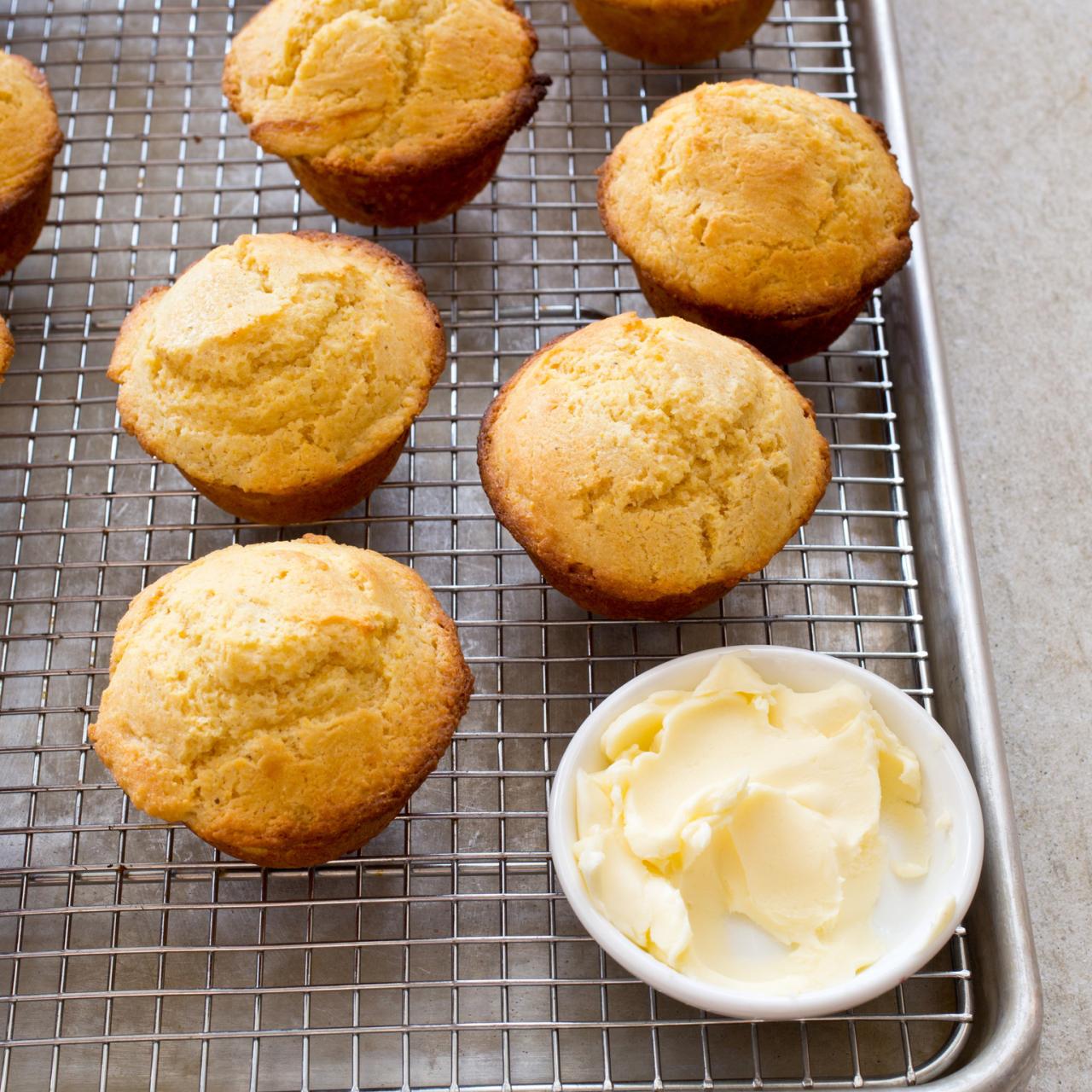
In conclusion, baking gluten-free cornbread muffins is achievable and enjoyable with the right knowledge and techniques. This guide offers a comprehensive resource, covering everything from ingredient variations to baking methods, troubleshooting, and creative recipe ideas. Whether you’re a seasoned baker or a beginner, you’ll find valuable insights to create delightful gluten-free cornbread muffins that are both delicious and satisfying. Enjoy the process and the final product!
