Happy hanukkah minimal diabetes damage – Happy Hanukkah, minimal diabetes damage! This guide explores how to enjoy the vibrant traditions of Hanukkah while carefully managing blood sugar levels. We’ll delve into the cultural significance of the holiday, discuss potential dietary challenges for those with diabetes, and provide practical strategies for maintaining a healthy and happy Hanukkah season. From understanding traditional foods and their impact on blood sugar to crafting a delicious and diabetes-friendly meal plan, we’ll cover everything you need to know.
This resource provides a comprehensive approach to navigating Hanukkah celebrations while keeping diabetes management top of mind. We’ll examine the importance of mindful eating, consistent blood sugar monitoring, and incorporating healthy lifestyle choices into your holiday routine. We’ll explore how to adapt recipes, plan meals, and manage potential complications. Furthermore, we’ll discuss the emotional well-being aspect of the holiday, acknowledging the potential challenges and opportunities for those with diabetes.
Understanding the Concept of Happy Hanukkah
Hanukkah, the Festival of Lights, is a significant Jewish celebration commemorating the victory of the Maccabees over the Seleucid Empire and the rededication of the Second Temple in Jerusalem. This eight-day festival, observed in the winter months, holds deep cultural and religious meaning for Jewish people worldwide. The holiday is a time for family, friends, and community.Hanukkah is not just a historical event; it’s a vibrant expression of resilience, faith, and the enduring spirit of Jewish tradition.
It offers a unique opportunity for reflection on the past, connection to one’s heritage, and celebration with loved ones.
Cultural and Religious Significance
Hanukkah commemorates the victory of the Maccabees, Jewish rebels, over the Seleucid Empire in the 2nd century BCE. This victory was a turning point in Jewish history, marking a crucial moment of reclaiming religious freedom and the right to practice their faith. The rededication of the Second Temple in Jerusalem was a central event, symbolized by the miraculous burning of the menorah’s oil for eight days, despite only enough oil for one day.
Celebratory Traditions
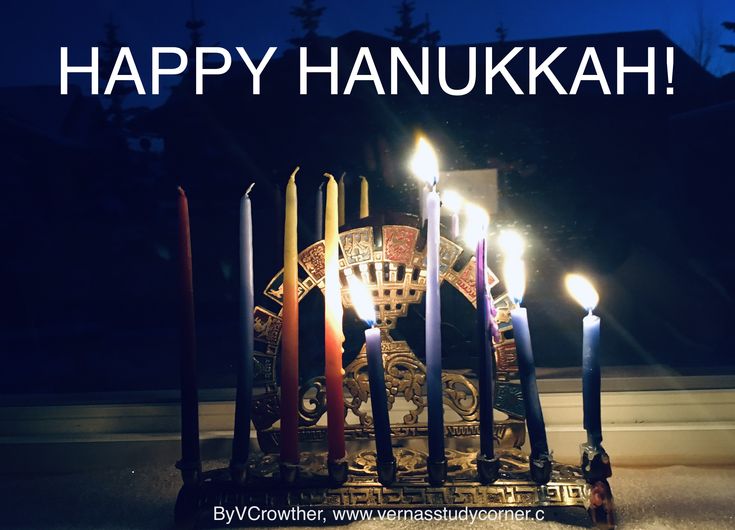
The joyous celebration of Hanukkah revolves around several key traditions. The lighting of the menorah, a nine-branched candelabra, is the central ritual. Each night, a new candle is lit, symbolizing the enduring flame of faith and the miracle of the oil. Giving gifts, playing dreidels, and enjoying delicious foods are also significant aspects of Hanukkah festivities. These customs, deeply ingrained in Jewish culture, offer a unique opportunity to connect with family, friends, and community.
Ways to Celebrate Hanukkah Joyfully
Celebrating Hanukkah in a joyful manner involves embracing the rich traditions while also personalizing the celebration. One can light the menorah with family and friends, sharing stories and songs related to the holiday. Giving meaningful gifts that reflect the spirit of Hanukkah is another way to participate in the celebration. Preparing and enjoying traditional foods, such as latkes (potato pancakes) and sufganiyot (jelly doughnuts), can be a delicious way to celebrate the holiday with loved ones.
Playing dreidels, a game involving spinning tops, adds an element of playful fun to the festivities.
Historical Context and Jewish Heritage
Hanukkah’s historical context is deeply intertwined with Jewish heritage. The Maccabean revolt against the Seleucid Empire highlights the resilience of the Jewish people in maintaining their faith and cultural identity in the face of oppression. The story of the miracle of the oil, the enduring flame of the menorah, and the triumph of the Maccabees, serve as powerful reminders of the strength and determination of Jewish people.
Wishing everyone a Happy Hanukkah with minimal diabetes damage! While focusing on healthy eating and exercise during the holiday season is key, it’s important to be aware of potential health risks beyond blood sugar management. For example, did you know that certain viruses, like the hantavirus, can impact overall health? Learning more about what is the hantavirus can help you understand potential exposures and maintain a healthy lifestyle this holiday season.
Ultimately, a focus on overall well-being, including proper nutrition and recognizing potential health concerns, will help you enjoy a happy and healthy Hanukkah.
This historical context provides a powerful connection to Jewish heritage and traditions.
Emotional and Spiritual Aspects
Hanukkah evokes a range of emotions and spiritual reflections. The story of the Maccabees, and the miracle of the oil, can inspire feelings of hope, resilience, and the enduring power of faith. The act of lighting the menorah each night provides a time for personal reflection and connection to Jewish history and heritage. The communal celebration fosters a sense of belonging and connection with the broader Jewish community.
Hanukkah offers a powerful opportunity for individuals to connect with their heritage and strengthen their spiritual beliefs.
Dietary Considerations during Hanukkah
Hanukkah, a joyous celebration of light and freedom, often involves delicious traditional foods. However, for individuals managing diabetes, navigating these treats can be a delicate balancing act. This section will delve into dietary considerations, providing practical strategies for enjoying the holiday while maintaining healthy blood sugar levels.
Traditional Hanukkah Foods and Potential Impact
Understanding the carbohydrate, sugar, and fat content of Hanukkah foods is crucial for those with diabetes. This table compares popular dishes to their potential impact on blood sugar.
| Food Item | Description | Potential Impact on Blood Sugar |
|---|---|---|
| Latkes | Potato pancakes, often fried | High in carbohydrates, especially if fried in excess oil. Can lead to a rapid increase in blood sugar. |
| Sufganiyot | Jelly donuts | High in sugar and fat, leading to a significant rise in blood sugar and potentially increased triglycerides. |
| Rugelach | Savory or sweet pastries filled with various ingredients | Variable; depends heavily on the filling and ingredients. High sugar fillings can raise blood sugar. |
| Dairy products | Milk, cheese, yogurt | Generally low in carbohydrates and can help balance meals; moderate consumption is usually well-tolerated. |
| Other fried foods | Example: deep-fried doughnuts, or various fried appetizers | High in fat and carbohydrates; frying in excess oil can increase blood sugar and fat levels. |
Healthier Alternatives
Many delicious alternatives exist that can minimize the impact on blood sugar without sacrificing taste.
- Substituting ingredients: Using whole wheat flour instead of white flour in latkes can increase fiber, which helps to slow down the absorption of sugar. Using applesauce or mashed sweet potatoes instead of potatoes can help reduce the overall carbohydrate content.
- Baking instead of frying: Baking latkes or other treats can significantly reduce the amount of fat consumed. This method can still deliver delicious flavors while reducing the impact on blood sugar.
- Portion control: Even healthy options should be enjoyed in moderation. Planning portions in advance is a key aspect of maintaining blood sugar levels.
- Fruit-based options: Opting for fruit-based desserts or side dishes can provide natural sweetness and fiber. Remember to be mindful of portion sizes.
Portion Control Strategies
Planning ahead and portioning food effectively can help maintain healthy blood sugar levels.
- Meal planning: Creating a meal plan in advance allows for mindful choices and helps to anticipate potential challenges.
- Using smaller plates: This visual cue can help manage portions and prevent overeating.
- Sharing treats: Dividing treats among family members can help control portions and reduce the temptation to eat large quantities.
- Mindful eating techniques: Paying attention to hunger and fullness cues can help avoid overeating and promote mindful choices.
Mindful Eating and Awareness
Mindful eating involves paying attention to hunger and fullness cues and making conscious food choices. This approach is especially valuable during the holidays.
- Prioritize whole foods: Choose options rich in fiber, such as vegetables, whole grains, and lean proteins. These foods help regulate blood sugar and promote satiety.
- Avoid distractions: Put away electronic devices and focus on the food and the experience of eating.
- Savor each bite: Taking time to chew food thoroughly can help with digestion and satisfaction.
Enjoying Traditional Foods While Managing Diabetes
It’s possible to enjoy traditional Hanukkah foods while managing diabetes.
- Moderation is key: Portion control and mindful choices are essential to minimize the impact on blood sugar levels.
- Balance your meals: Combine traditional treats with healthy options to maintain a balanced meal. For example, pairing latkes with a side salad or steamed vegetables can help regulate blood sugar.
- Check your blood sugar: Monitor blood sugar levels before, during, and after meals to adjust your approach as needed.
Minimal Diabetes Damage during Hanukkah Celebrations
Hanukkah, a joyous time for celebration, presents unique challenges for individuals with diabetes. Maintaining healthy blood sugar levels during festive meals and activities is crucial for minimizing potential complications. This guide provides practical strategies to navigate the holiday safely and enjoy the festivities without compromising your health.
Maintaining Consistent Blood Sugar Levels
A consistent blood sugar level is paramount for managing diabetes effectively. Fluctuations in blood glucose can lead to various complications, including hyperglycemia (high blood sugar) and hypoglycemia (low blood sugar). Careful planning and proactive monitoring are key to maintaining stability.
Strategies for Blood Sugar Monitoring
Regular blood sugar monitoring is essential before, during, and after Hanukkah celebrations. This allows for timely adjustments to your meal plan and medication, preventing unwanted spikes or dips in blood glucose. Before celebrations, check your blood sugar level and take note of your baseline. During the festivities, monitor your blood sugar more frequently, especially after meals. Post-celebration, continue to monitor your blood sugar levels to ensure your blood glucose levels remain stable.
Adapting Recipes for Diabetes-Friendly Hanukkah Meals
Many traditional Hanukkah foods are high in sugar and carbohydrates. Adapting recipes to reduce these components is vital for managing diabetes effectively. Consider substituting ingredients like white flour with whole-wheat flour, reducing added sugar, and incorporating more non-starchy vegetables into dishes. Look for recipes that incorporate healthy fats and protein to help regulate blood sugar levels.
Sample Daily Meal Plan for Hanukkah Celebrations
This sample meal plan provides a framework for managing blood sugar during Hanukkah. Remember to adjust portions and carbohydrate counts based on your individual needs and blood sugar levels. Adjusting portion sizes is key to maintaining blood sugar levels. Remember to include fiber-rich foods in your meal plan, as they can help slow down the absorption of sugars.
Wishing everyone a happy Hanukkah with minimal diabetes damage is top of mind. Finding healthy ways to manage blood sugar is crucial, and incorporating natural remedies can be helpful. For example, some people find that using coconut oil for cellulite reduction can also have benefits for blood sugar control, but more research is needed. Check out this article on coconut oil for cellulite to see what others have experienced.
Ultimately, a balanced diet and regular exercise are key to a healthy Hanukkah and managing diabetes effectively.
Consulting with a registered dietitian or diabetes educator is highly recommended for a personalized meal plan tailored to your specific needs.
- Breakfast: Oatmeal with berries and nuts (1/2 cup cooked oatmeal, 1/4 cup berries, 1/4 cup nuts), a small serving of Greek yogurt. Note that portions need to be monitored.
- Lunch: A salad with grilled chicken or fish, a small portion of whole-wheat pita bread, and a side of steamed vegetables. Portion control is crucial.
- Dinner: A lean protein source (chicken breast or fish), a large portion of non-starchy vegetables, and a small portion of whole-wheat pasta or quinoa. Choose healthy fats.
- Snacks: Fruits, vegetables with hummus, or a small handful of almonds or walnuts. Keep portion sizes controlled.
Common Diabetes-Related Complications and Prevention
Understanding potential complications and implementing preventative measures is crucial for a safe and enjoyable Hanukkah. Careful planning and monitoring are essential.
| Complication | Prevention Strategies |
|---|---|
| High Blood Sugar (Hyperglycemia) | Consistent carbohydrate counting, appropriate medication adjustments, increased physical activity, and regular blood sugar monitoring. |
| Low Blood Sugar (Hypoglycemia) | Maintaining a balanced meal plan, adjusting insulin doses as needed, and carrying fast-acting carbohydrates for emergencies. |
| Diabetic Ketoacidosis (DKA) | Adhering to the prescribed treatment plan, regular blood sugar monitoring, and seeking immediate medical attention if symptoms arise. |
| Diabetic Neuropathy | Maintaining a healthy lifestyle, including regular exercise, a balanced diet, and blood sugar control. Also, managing blood pressure and cholesterol levels. |
Healthy Lifestyle Choices for Diabetes Management
Hanukkah, a joyous celebration of light and freedom, can present unique challenges for individuals managing diabetes. Maintaining a healthy lifestyle is crucial during this time to minimize the impact on blood sugar levels. This involves mindful choices in food, physical activity, stress management, and adequate rest. By understanding and incorporating these strategies, individuals can navigate the holiday season while effectively managing their diabetes.Managing diabetes during Hanukkah requires a proactive approach to maintaining blood sugar control.
By integrating healthy lifestyle choices, individuals can mitigate the potential for negative impacts on their health. This section explores various ways to maintain a balanced lifestyle while celebrating the holiday.
Incorporating Physical Activity into Hanukkah Celebrations
Hanukkah often involves gatherings and festivities, which can sometimes lead to a sedentary lifestyle. Actively engaging in physical activity during the holiday can help maintain a healthy weight and improve blood sugar control.
- Finding Opportunities for Movement: Look for ways to incorporate movement into your daily schedule. Take the stairs instead of the elevator, walk during breaks in social gatherings, or participate in a family game of charades that encourages physical activity. Even short bursts of activity throughout the day can contribute significantly.
- Active Holiday Traditions: Consider modifying traditional Hanukkah activities to include physical activity. Instead of solely watching a movie marathon, go for a family walk after dinner, or engage in a playful dance party to the music during the celebration.
- Scheduling Exercise: Schedule specific times for physical activity in your daily Hanukkah schedule, similar to how you would schedule meals or other important activities. This approach ensures consistency and makes physical activity a priority.
Suggestions for Incorporating Movement into the Holiday Schedule
The key is to make physical activity a natural part of the holiday routine. Incorporating it into existing activities makes it less of a chore and more of a celebration.
- Family Walks During Lighting Ceremonies: Combine the traditional lighting of the menorah with a short family walk in the evening. This is a beautiful way to enjoy the holiday spirit while getting some exercise.
- Active Games and Play: Organize active games and play sessions with family and friends. This could include games like hide-and-seek, tag, or even a friendly game of basketball. This not only gets you moving but also fosters bonding and joy.
- Hanukkah-Themed Physical Activities: Explore activities that are both fun and active. For example, a Hanukkah-themed scavenger hunt that involves walking around a neighborhood or park could be an engaging way to incorporate movement into the holiday celebration.
Strategies for Stress Management during Hanukkah
Stress can negatively affect blood sugar levels, so proactive stress management is vital.
- Mindfulness and Relaxation Techniques: Practicing mindfulness, deep breathing exercises, or meditation can help reduce stress levels. These techniques can be incorporated into daily routines, even during busy holiday periods.
- Prioritizing Self-Care: Schedule dedicated time for activities that promote relaxation and well-being. This might include reading, listening to music, taking a warm bath, or engaging in a hobby. Self-care is crucial for maintaining emotional balance during stressful times.
- Healthy Coping Mechanisms: Develop healthy coping mechanisms for dealing with stressful situations, such as talking to a trusted friend or family member, or engaging in a calming activity.
The Significance of Adequate Sleep during the Holiday Season
Sleep deprivation can lead to elevated blood sugar levels. Prioritizing sleep is critical for overall health and diabetes management.
- Maintaining a Regular Sleep Schedule: Stick to a regular sleep schedule as much as possible, even during the holiday season. This helps regulate the body’s natural sleep-wake cycle, improving sleep quality.
- Creating a Relaxing Bedtime Routine: Establish a relaxing bedtime routine to signal to the body that it’s time to wind down. This might include taking a warm bath, reading, or listening to calming music.
- Prioritizing Sleep Duration: Aim for 7-9 hours of quality sleep each night. Adequate sleep is essential for blood sugar regulation and overall health.
Elaboration on the Role of Hydration in Maintaining Blood Sugar Control
Proper hydration plays a significant role in blood sugar regulation.
- Importance of Water Consumption: Drinking plenty of water throughout the day helps maintain optimal blood sugar levels. Water helps to flush out toxins and support overall bodily functions.
- Hydration Strategies during Celebrations: Carry a water bottle with you to gatherings and festivities, and make a conscious effort to sip water regularly, especially during meals and between courses.
- Alternatives to Sugary Drinks: Limit sugary drinks and opt for water, unsweetened tea, or other sugar-free beverages. This helps avoid added sugar and its impact on blood sugar.
Hanukkah Celebrations and Emotional Well-being
Hanukkah, a joyous celebration of light and resilience, offers a unique opportunity for connection and reflection. However, for individuals managing diabetes, the holiday can also present potential emotional challenges. Understanding how Hanukkah celebrations can positively impact mental health, while acknowledging the potential difficulties, is crucial for navigating this time of year successfully.Hanukkah, with its emphasis on community, family, and tradition, can foster a strong sense of belonging and shared experience.
This sense of community can be particularly valuable for those with diabetes, providing a support network and shared understanding. However, the holiday can also introduce anxieties related to dietary restrictions and health management, requiring proactive strategies for emotional well-being. This discussion explores ways to leverage the positive aspects of Hanukkah while mitigating potential stressors.
Wishing everyone a Happy Hanukkah filled with delicious treats and minimal diabetes damage! While we celebrate, it’s important to remember that health disparities persist, like the high rate of cancer deaths among Black Americans. Learning more about the factors contributing to this and what solutions are being explored is crucial. For example, check out this insightful article on the subject: black americans still have a high rate of cancer deaths what can be done.
Ultimately, taking proactive steps to manage health risks during Hanukkah and throughout the year is key to a happy and healthy life.
Positive Impacts on Mental Health, Happy hanukkah minimal diabetes damage
Hanukkah’s focus on light and hope can significantly uplift spirits and foster a positive outlook. The warmth of family gatherings, the joy of exchanging gifts, and the shared tradition of lighting the menorah can contribute to feelings of connection and happiness. These positive experiences can counteract potential anxieties and promote overall emotional well-being.
Potential Challenges and Opportunities
Dietary restrictions and health concerns can introduce emotional challenges during Hanukkah. The temptation to indulge in traditional foods or the pressure to participate fully in social gatherings can create stress and anxiety. However, these challenges also present opportunities to proactively manage these concerns and reinforce healthy habits.
Managing Stress and Anxiety
Effective stress management techniques are essential for navigating potential anxieties during Hanukkah. These include mindfulness practices, such as meditation and deep breathing exercises. Open communication with loved ones about dietary needs and health concerns is also crucial. Creating realistic expectations and prioritizing self-care are also important steps.
Strategies for Maintaining a Positive Outlook
Maintaining a positive outlook during Hanukkah requires conscious effort. Focusing on gratitude for the blessings in one’s life, setting achievable goals, and engaging in enjoyable activities can help counteract negative feelings. Remember that managing diabetes is a journey, not a destination. Celebrating small victories and acknowledging personal progress are vital steps in fostering a positive attitude. It’s important to celebrate the joy of the holiday while recognizing that dietary adjustments and self-care are integral to one’s well-being.
Resources for Support and Coping Mechanisms
A strong support network is crucial for managing stress and anxiety. Family and friends can offer understanding and encouragement. Diabetes support groups and online communities can provide valuable resources and coping mechanisms. Professional counseling can offer additional support and guidance for navigating emotional challenges related to diabetes management.
- Diabetes Support Groups: Connecting with others who understand the unique challenges of living with diabetes can offer emotional support and practical advice.
- Online Communities: Online forums and social media groups dedicated to diabetes management provide opportunities for peer-to-peer support and information sharing.
- Mental Health Professionals: Therapists or counselors can provide personalized support and strategies for managing stress and anxiety related to diabetes.
- Family and Friends: Open communication with loved ones about dietary needs and health concerns can foster understanding and support.
Practical Tips for Hanukkah Observance with Diabetes
Hanukkah, a joyous celebration of light and freedom, can present unique challenges for individuals managing diabetes. This period often involves delicious foods and social gatherings, potentially impacting blood sugar levels. This section provides practical strategies for incorporating diabetes management into your Hanukkah celebrations, ensuring a safe and enjoyable experience.
Incorporating Diabetes Management into the Hanukkah Schedule
A well-structured schedule is crucial for managing diabetes during Hanukkah. This includes pre-planning meals, anticipating potential blood sugar fluctuations, and incorporating regular exercise. Planning ahead allows for flexibility and helps to avoid surprises, ensuring you can fully participate in the festivities.
Practical Strategies for Managing Diabetes-Related Needs
Managing diabetes-related needs during Hanukkah requires proactive measures. This includes monitoring blood glucose levels more frequently than usual, especially before and after meals, and during periods of increased activity. Carrying glucose tablets or other fast-acting carbohydrates is also important for dealing with unexpected drops in blood sugar.
Creating a Supportive and Inclusive Environment
Creating a supportive environment is key to successful Hanukkah celebrations for individuals with diabetes. Open communication with family and friends about your needs and limitations is crucial. Involving them in understanding your diabetes management routine can help them offer support and encouragement.
Checklist for Preparation Before, During, and After Hanukkah Celebrations
Planning is essential for successful Hanukkah celebrations with diabetes. This checklist can guide you through each stage.
- Before Hanukkah: Review your diabetes management plan, discuss your needs with family members, and ensure you have a sufficient supply of diabetes medication and testing supplies.
- During Hanukkah: Maintain a consistent meal schedule, monitor your blood sugar frequently, and have easily accessible snacks for managing hypoglycemia. Carry glucose tablets or other fast-acting carbohydrates for immediate use.
- After Hanukkah: Review your blood sugar levels and adjust your eating and exercise habits as needed to return to your normal routine.
Manageable Steps for Diabetes Management During the Hanukkah Period
This section Artikels manageable steps for managing diabetes during Hanukkah, ensuring a healthy and enjoyable experience.
- Consistent Blood Glucose Monitoring: Regular monitoring throughout the holiday period helps you anticipate and address potential fluctuations in your blood sugar levels.
- Meal Planning: Pre-planning meals, especially those involving traditional Hanukkah foods, helps to control portion sizes and carbohydrate intake. Focus on nutrient-dense options. For example, substituting some fried foods with baked alternatives.
- Physical Activity: Incorporate physical activity into your daily routine. Short walks or other forms of light exercise can help manage blood sugar levels.
- Stress Management: Hanukkah can be a stressful time for some. Practicing relaxation techniques can help manage stress and blood sugar.
- Communication: Communicate openly with family and friends about your diabetes management needs. This fosters a supportive environment.
Final Review: Happy Hanukkah Minimal Diabetes Damage
In conclusion, celebrating Hanukkah with minimal diabetes damage is achievable with careful planning and mindful choices. By understanding the cultural and historical significance of the holiday, adapting traditional recipes, and prioritizing healthy lifestyle habits, you can fully embrace the joy of Hanukkah while effectively managing your diabetes. This guide provides practical tools and strategies to help you enjoy a meaningful and healthy Hanukkah experience.
Remember, it’s about balance, not deprivation! Enjoy the festivities!