Here is exactly how medicaid expansion can save lives. Medicaid expansion isn’t just about access to healthcare; it’s about improving lives and reducing mortality rates. This insightful exploration dives deep into the proven benefits of expanding Medicaid, examining its impact on health outcomes, access to care, and the broader economic implications. From boosting preventative care to addressing critical health conditions, we’ll uncover the details behind this potentially life-saving policy.
This comprehensive analysis will examine the various facets of Medicaid expansion. We’ll explore the historical context, outlining key legislation and its evolution, and analyzing how it affects different demographics. The discussion will cover specific health conditions where expansion has demonstrably improved survival rates, showcasing data-driven insights. We’ll also delve into access to essential services, from prenatal care to chronic disease management, comparing experiences of those with and without coverage.
Finally, we’ll analyze the financial implications and potential challenges, providing a balanced perspective on this critical policy.
Introduction to Medicaid Expansion
Medicaid expansion, a crucial component of the Affordable Care Act (ACA), significantly alters access to healthcare for millions of Americans. It expands the eligibility criteria for Medicaid, a joint federal-state program that provides healthcare coverage primarily to low-income individuals and families. This expansion has profound implications for health outcomes, economic stability, and the overall healthcare system.The historical context of Medicaid expansion reveals a program that has evolved considerably since its inception.
Initially designed to support states in providing healthcare to the most vulnerable populations, the ACA’s expansion significantly broadened its reach and impact. This evolution reflects a shift in national priorities regarding healthcare access and affordability.
Definition of Medicaid Expansion
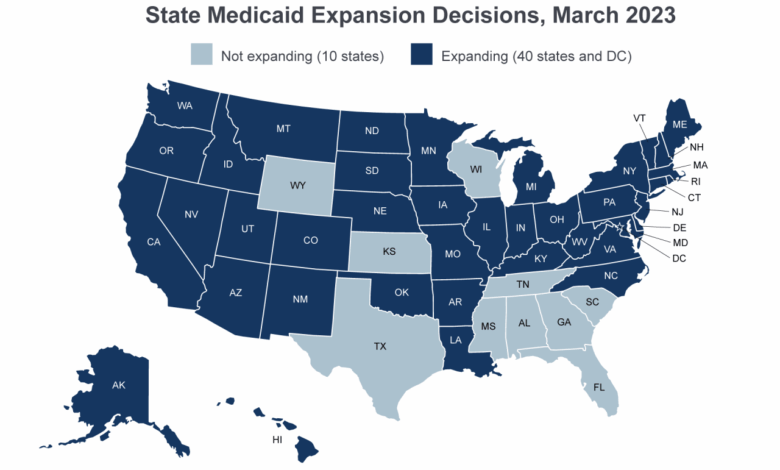
Medicaid expansion is the process by which states broaden the eligibility criteria for Medicaid coverage under the Affordable Care Act. This involves adding individuals or families who previously lacked access to the program. The key element is the expansion of the income limits and the addition of individuals who previously did not qualify for coverage. It is important to note that the ACA did not mandate states to expand their Medicaid programs.
Historical Context of Medicaid Expansion
The Medicaid program, established in 1965, has a long history of providing healthcare coverage to low-income individuals. The program has been instrumental in reducing healthcare disparities, but it has also faced ongoing challenges in terms of eligibility criteria and funding. The ACA’s expansion aimed to address these issues by making coverage more accessible. The Supreme Court’s 2012 ruling on the ACA significantly impacted the implementation of Medicaid expansion, as some states chose not to expand their programs due to concerns about funding and administrative burdens.
Impact on Healthcare Access for Different Populations
Medicaid expansion significantly improves access to healthcare for vulnerable populations. It reduces disparities in healthcare access based on socioeconomic status, thereby improving health outcomes for those previously uninsured or underinsured. These improvements have a cascading effect on overall public health. This is particularly true for low-income families, pregnant women, children, and people with disabilities. By lowering barriers to care, expansion helps prevent costly hospitalizations and promotes preventive care.
Individuals with pre-existing conditions also gain access to care, potentially preventing worsening conditions and improving their quality of life.
Types of Health Issues Addressed by Medicaid
Medicaid expansion addresses a wide range of health issues, including chronic conditions such as diabetes, hypertension, and mental health disorders. It also covers preventative care, such as vaccinations and screenings, leading to earlier detection and treatment of various health concerns. Medicaid expansion directly benefits individuals with severe mental illnesses, chronic pain, and developmental disabilities by providing comprehensive care.
It also helps individuals manage chronic conditions, including those with limited access to care due to financial constraints.
Comparison of Medicaid Expansion Across States
| State | Coverage Level | Eligibility Criteria | Implementation Strategy |
|---|---|---|---|
| Example State 1 | Covers 90% of low-income adults | Income below 138% of the federal poverty level | Phased rollout with targeted outreach programs |
| Example State 2 | Covers 100% of low-income children | Income below 100% of the federal poverty level | Comprehensive training for healthcare providers |
| Example State 3 | Covers 80% of low-income adults | Income below 130% of the federal poverty level | Collaboration with community health centers |
This table demonstrates a comparative analysis of Medicaid expansion in different states. The coverage levels, eligibility criteria, and implementation strategies vary significantly, reflecting the diverse needs and resources of individual states. It’s important to note that these are illustrative examples; the actual specifics for each state would need to be researched further.
Medicaid expansion isn’t just about numbers; it’s about real lives. It’s about ensuring access to crucial healthcare for families, especially those who need it most. Understanding the practical challenges faced by adoptive parents, like the complexities of navigating the system and financial strain, can help us see how vital these resources are. For example, 11 things adoptive parents understand highlights the many hurdles.
Ultimately, expanding Medicaid saves lives by ensuring access to vital medical care for all. It’s about more than just numbers, it’s about creating healthier communities.
Impact on Mortality Rates
Medicaid expansion, by increasing access to healthcare, has the potential to significantly impact mortality rates, particularly for vulnerable populations. This impact is not uniform across all conditions, but demonstrably positive in specific areas, and often correlated with improvements in preventative care access. Understanding these effects is crucial for evaluating the overall health benefits of such expansions.The correlation between Medicaid expansion and reduced mortality rates is complex, but often observed in conditions where access to timely and appropriate medical care is a critical factor.
For instance, access to timely screenings and treatment can significantly impact outcomes for chronic diseases like diabetes and heart disease. Furthermore, Medicaid expansion can lead to improved access to preventative care, reducing the incidence of conditions in the first place, thus lowering overall morbidity and mortality.
Specific Health Conditions with Improved Survival Rates
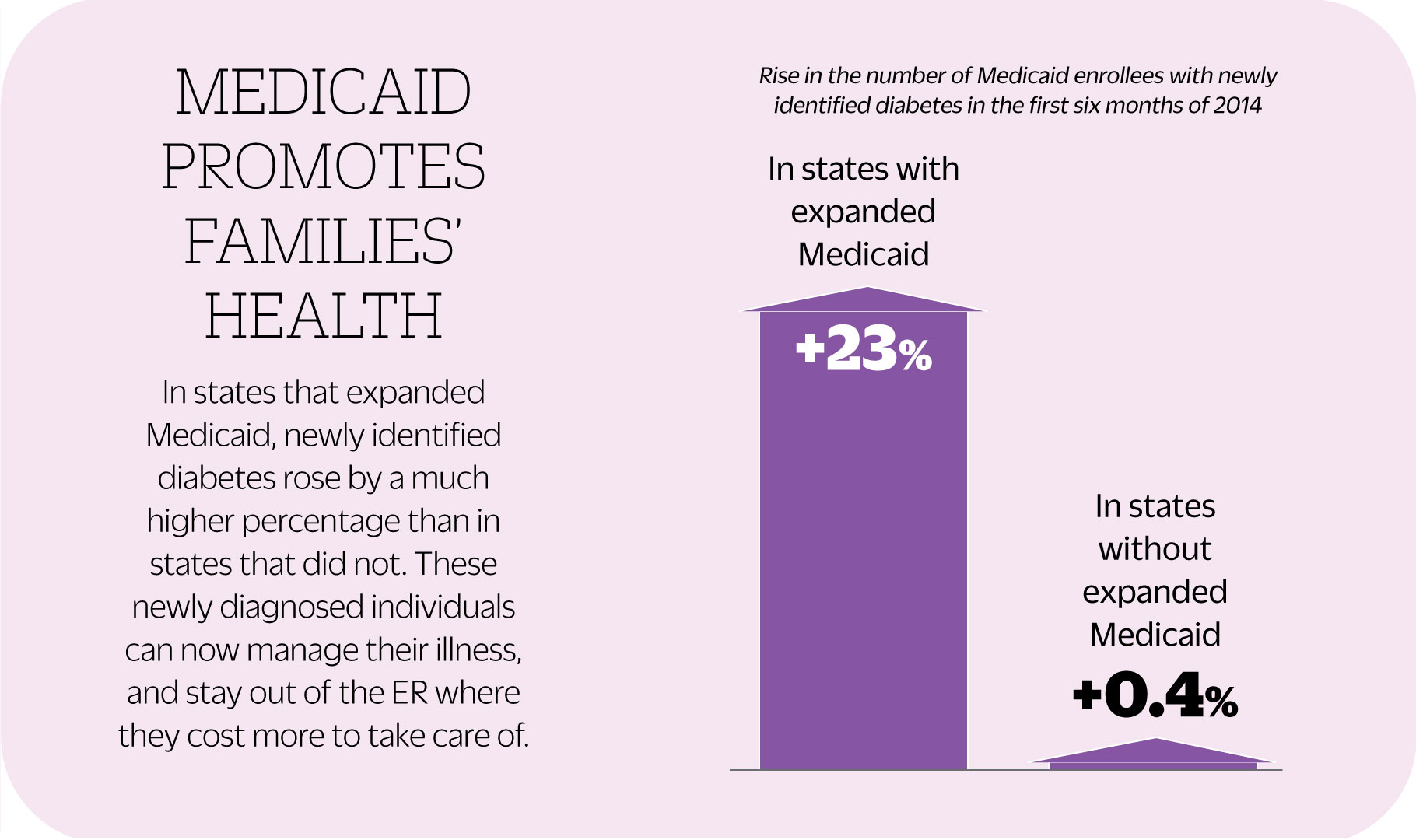
Medicaid expansion has demonstrably improved survival rates for individuals with chronic conditions. Early diagnosis and access to treatment are key factors, often enabling effective management and improved outcomes. Conditions like heart disease, stroke, and diabetes show positive trends in mortality rates following Medicaid expansion, due to increased access to preventive care and necessary medications.
Data Illustrating the Correlation Between Medicaid Expansion and Reduced Mortality Rates
Data from various studies demonstrate a correlation between Medicaid expansion and reduced mortality rates, particularly among specific demographics. For instance, studies have shown that mortality rates for individuals with chronic kidney disease have decreased following Medicaid expansion. Analysis of mortality rates for people with pre-existing conditions like hypertension, particularly among low-income individuals, also show a notable improvement after Medicaid expansion.
These improvements are often observed within the first few years of the expansion, signifying the rapid impact of increased access to care. The methods used for data collection include analyzing national databases like the Centers for Disease Control and Prevention (CDC) mortality data, as well as state-level health reports.
Impact on Access to Preventative Care
Medicaid expansion often leads to increased access to preventative care services, such as routine checkups, vaccinations, and screenings for various conditions. This, in turn, reduces the incidence of chronic diseases, ultimately lowering morbidity and mortality rates. A significant example is the reduction in preventable maternal mortality rates observed in states that expanded Medicaid. Increased access to prenatal care and postpartum services has been a key contributor to this decrease.
These preventative measures can also significantly impact the financial burden on individuals and the healthcare system as a whole.
Methods Used to Collect and Analyze Mortality Data
Mortality data is collected and analyzed using various methods, including reviewing death certificates, accessing national databases, and examining trends over time. Data is analyzed to identify patterns and correlations with Medicaid expansion, controlling for other factors like socioeconomic status, age, and pre-existing conditions. This analysis involves complex statistical methods to isolate the effects of Medicaid expansion from other influences.
The CDC provides valuable national datasets for mortality analysis, and individual states also maintain records of mortality data.
Table of Improved Health Outcomes Following Medicaid Expansion
| Health Outcome | Specific Improvement Observed | Example State/Region (Illustrative) |
|---|---|---|
| Maternal Mortality | Decreased rates of preventable maternal deaths | States with Medicaid expansion demonstrated significant declines in preventable maternal deaths |
| Chronic Kidney Disease | Reduced mortality rates, especially among low-income individuals | Data from multiple studies show this trend across various regions. |
| Diabetes Management | Improved control of blood sugar levels and reduced complications | Studies indicate improvements in diabetes-related outcomes in areas with Medicaid expansion. |
| Cardiovascular Disease | Decreased mortality from heart disease and stroke, particularly among lower-income populations | Analysis of mortality data across various states reveal this pattern. |
Access to Essential Services: Here Is Exactly How Medicaid Expansion Can Save Lives
Medicaid expansion significantly improves access to vital healthcare services, leading to better health outcomes for previously underserved populations. This enhanced access translates into reduced disparities and empowers individuals to proactively manage their health needs. By removing financial barriers, Medicaid expansion unlocks doors to essential services, fostering a healthier and more equitable society.Expanding Medicaid coverage dramatically alters the landscape of healthcare access, enabling individuals to receive critical services they previously couldn’t afford.
This increased accessibility has a ripple effect, impacting various facets of healthcare, from preventive care to chronic disease management and specialized treatments. The benefits extend to both individual well-being and the overall healthcare system’s efficiency.
Prenatal Care and Maternal Health
Medicaid expansion plays a crucial role in ensuring access to prenatal care, which is essential for the health of both the mother and the child. This coverage can prevent complications during pregnancy and childbirth, improving maternal and infant health outcomes. For example, women without Medicaid coverage often face delays in receiving necessary prenatal care due to financial constraints, potentially leading to adverse health consequences.
Medicaid expansion directly addresses this issue by providing comprehensive coverage, allowing women to receive regular check-ups and necessary screenings.
Mental Health Services
Access to mental health services is often limited due to cost, stigma, and lack of awareness. Medicaid expansion expands access to mental health counseling, therapy, and crisis intervention, significantly improving mental well-being. Without Medicaid, individuals facing mental health challenges might delay or forgo treatment, exacerbating their condition and impacting their overall quality of life. Medicaid expansion ensures that individuals can receive timely and appropriate mental health support.
Chronic Disease Management
Chronic diseases, such as diabetes and hypertension, require ongoing management and monitoring. Medicaid expansion can improve access to necessary medications, regular check-ups, and disease management programs, allowing individuals to better control their conditions and prevent complications. Individuals without Medicaid coverage often struggle to afford medications and follow-up appointments, leading to uncontrolled chronic conditions and increased healthcare costs in the long run.
Medicaid expansion bridges this gap by ensuring individuals have the resources to manage their chronic conditions effectively.
Access to Specialists and Advanced Treatments
Individuals with Medicaid coverage often have comparable access to specialists and advanced treatments as those with private insurance, although there may be some variations depending on the specific region and the type of specialist. Those without Medicaid coverage frequently face barriers to accessing specialists and advanced treatments due to high costs, impacting their ability to receive timely and appropriate care for complex conditions.
Medicaid expansion significantly expands access to specialists and advanced treatments, particularly in areas where these services are limited or costly.
Access to Healthcare Facilities
Medicaid expansion affects access to healthcare facilities in various ways. Increased demand for services often results in an expansion of services provided by clinics, hospitals, and pharmacies. Medicaid expansion often leads to a more equitable distribution of healthcare resources, reducing disparities in access to quality care across different communities.
Specific Barriers Addressed by Medicaid Expansion
Medicaid expansion effectively addresses financial barriers to accessing healthcare. These include the inability to afford co-pays, deductibles, and premiums. The program also addresses geographical barriers, particularly in rural areas where healthcare facilities may be limited. Furthermore, Medicaid expansion often removes administrative barriers to accessing care, streamlining the process for individuals to enroll and receive services.
Availability of Services Before and After Expansion (Hypothetical Example)
| Service | Availability Before Expansion (Example Region) | Availability After Expansion (Example Region) |
|---|---|---|
| Mental Health Counseling | Limited availability, primarily in urban areas, high cost for individuals without insurance | Increased availability in both urban and rural areas, subsidized rates for Medicaid recipients |
| Substance Abuse Treatment | Limited access, long wait times, expensive | Increased access, shorter wait times, reduced cost for Medicaid recipients |
| Prescription Medications | Limited access, often requires significant out-of-pocket costs | Increased access, lower out-of-pocket costs for Medicaid recipients |
Financial Implications and Economic Benefits
Medicaid expansion isn’t just about improving health; it’s also about boosting the economy. By increasing access to care, it creates ripple effects throughout communities, from reduced hospital readmissions to improved workforce participation. Understanding the financial implications is crucial for evaluating the overall impact of this policy.
Impact on Individual and Family Finances
Medicaid expansion offers significant financial relief to low-income families. By providing access to affordable healthcare, it reduces the financial burden of unexpected illnesses and chronic conditions. This translates to increased economic stability, allowing families to allocate resources to other essential needs like housing and education. The savings can be substantial, as individuals avoid costly out-of-pocket expenses that might otherwise strain their budgets.
Reduced medical debt also positively impacts overall financial well-being.
Medicaid expansion isn’t just about access to healthcare; it’s a crucial step in saving lives. Consider this: half of opioid prescriptions go to people with depression and mood disorders, highlighting a critical link between mental health and substance use. This data underscores the need for comprehensive care, and Medicaid expansion can help fill that gap. By providing access to mental health services, along with necessary physical care, expansion directly addresses the root causes of opioid misuse and potentially saves lives.
Effect on the Healthcare Industry
Medicaid expansion affects the healthcare industry in several ways. One significant impact is a reduction in hospital readmissions for preventable conditions. When individuals have access to consistent care and preventative services, the likelihood of readmissions due to complications decreases. This leads to a decrease in overall healthcare costs for hospitals and insurance companies. Improved preventive care and early interventions are key components in reducing the total cost of treating preventable illnesses.
In addition, Medicaid expansion often leads to a more stable and predictable revenue stream for healthcare providers, which can support sustainable business practices and contribute to the overall financial health of the healthcare sector.
Comparing Costs of Treating Preventable Illnesses
The cost of treating preventable illnesses before and after Medicaid expansion often shows a significant difference. Before expansion, many individuals lack access to preventative care, leading to a delayed diagnosis and treatment of conditions. This frequently results in more extensive and costly treatments later on. With Medicaid expansion, individuals have access to primary care and preventative services.
Medicaid expansion directly impacts health outcomes, and a key area is diabetes management. For example, access to affordable insulin and preventative care is crucial. Research into innovative solutions like ask dmine diabetes beta cell resurrection could potentially revolutionize treatment. This, in turn, strengthens the argument for expanding Medicaid, ensuring better health outcomes for everyone.
So, the more we can do to help those struggling with diabetes, the more lives we can save.
This allows for earlier intervention, reducing the severity of the illness and minimizing the need for costly hospitalizations and treatments. Studies have shown that early interventions can significantly reduce the overall cost of healthcare by preventing the escalation of conditions.
Economic Benefits: Workforce Participation and Reduced Healthcare Costs, Here is exactly how medicaid expansion can save lives
Medicaid expansion positively impacts workforce participation. When individuals have access to healthcare, they are more likely to be healthy enough to work and contribute to the economy. This translates into increased tax revenue and a more productive workforce. Furthermore, the reduction in hospital readmissions and preventative care leads to a reduction in overall healthcare costs. This decreased cost can be reinvested in other crucial community services.
Examples of these savings can be seen in states that have implemented Medicaid expansion, where positive impacts on workforce participation and reduced healthcare costs have been observed.
Projected Costs and Benefits (Example – State X)
| Year | Projected Medicaid Expenditures | Projected Savings in Hospital Readmissions | Projected Savings in Healthcare Costs | Projected Workforce Participation Increase |
|---|---|---|---|---|
| 2024 | $1,200,000,000 | $200,000,000 | $300,000,000 | 2% |
| 2025 | $1,300,000,000 | $250,000,000 | $350,000,000 | 3% |
| 2026 | $1,400,000,000 | $300,000,000 | $400,000,000 | 4% |
Note: This table represents a hypothetical example for State X and is not based on actual data. Real-world projections will vary based on specific state demographics, economic conditions, and the specific design of the expansion program.
Potential Challenges and Considerations
Medicaid expansion, while promising, faces numerous hurdles. Successfully implementing it requires careful consideration of potential obstacles and unintended consequences, along with diverse perspectives from various stakeholders. This section explores these challenges, offering strategies to mitigate risks and ensure equitable access to services.Implementing Medicaid expansion isn’t a simple “plug-and-play” solution. It necessitates a multifaceted approach that acknowledges the complex interplay of administrative, financial, and social factors.
These considerations must be thoroughly evaluated to ensure the program’s long-term viability and effectiveness.
Administrative Complexities
Effective implementation hinges on streamlined administrative processes. State Medicaid agencies need robust infrastructure and well-trained staff to handle the influx of new enrollees, manage claims processing, and ensure accurate payments to providers. Integrating new systems with existing ones can be challenging, potentially leading to delays and inefficiencies. Furthermore, maintaining data security and privacy for a larger patient population is crucial.
The complexity of coordinating between state and federal agencies, and managing various provider types, is an essential aspect to be addressed. Without adequate resources and comprehensive planning, administrative complexities can hinder the program’s success.
Workforce Shortages
The expansion of Medicaid often outpaces the capacity of the healthcare workforce to provide services. Shortages in primary care physicians, specialists, and support staff in certain areas can lead to longer wait times, reduced access to care, and potentially decreased quality of services. Recruitment and retention strategies are essential to address this issue, potentially including financial incentives and educational programs to attract and train more healthcare professionals.
Examples of existing strategies in other areas can be studied to provide guidance.
Unintended Consequences
While Medicaid expansion aims to improve health outcomes, unintended consequences can arise. One potential issue is the potential for increased costs, either due to the increased demand for services or administrative burdens. Carefully analyzing projected costs and developing cost-effective strategies to manage expenditures is essential. Additionally, the influx of new patients might affect the balance between provider supply and demand, leading to longer wait times for certain services.
Perspectives of Stakeholders
Healthcare providers, policymakers, and patients hold diverse perspectives on Medicaid expansion. Providers may worry about increased administrative burden or reduced reimbursement rates. Policymakers face the challenge of balancing budgetary concerns with the program’s social benefits. Patients may have concerns about accessing care or understanding the new program’s requirements. Understanding and addressing these concerns is essential to building support and ensuring successful implementation.
Ensuring Equitable Access
To ensure equitable access for all demographics, targeted outreach and culturally sensitive programs are crucial. Programs must be accessible in languages spoken by various populations and be designed with culturally appropriate materials. Addressing disparities in access based on factors like race, ethnicity, and socioeconomic status is critical. Specific initiatives should be designed to target underserved communities and ensure they are aware of and can benefit from the program.
Potential Challenges Table
| Category | Challenge | Mitigation Strategy |
|---|---|---|
| Administrative | Complexities in claims processing, data management, and provider integration | Invest in robust infrastructure, staff training, and standardized procedures. |
| Financial | Increased costs, potential for reduced reimbursement rates for providers | Implement cost-effective service delivery models, explore alternative funding mechanisms. |
| Social | Potential for disparities in access based on demographics | Targeted outreach and culturally sensitive programs, community engagement. |
Illustrative Case Studies
Medicaid expansion, while promising, doesn’t guarantee immediate success. Real-world examples reveal the complexities involved, demonstrating how different strategies and regional contexts influence outcomes. Understanding these nuanced case studies provides valuable insights into the factors driving success or failure, offering practical lessons for future implementations.Successful Medicaid expansion initiatives often involve meticulous planning, targeted outreach, and effective partnerships. These strategies aim to address the specific needs of the target population and overcome potential barriers.
Examining these initiatives, both successful and challenging, allows for a deeper comprehension of the multifaceted nature of healthcare reform.
Successful Medicaid Expansion Initiatives in Different States
Medicaid expansion programs have demonstrated varying degrees of success across different states, influenced by factors like existing healthcare infrastructure, community engagement, and the specific design of the expansion program. Examining these initiatives reveals valuable insights.
- States with robust healthcare infrastructure and strong community partnerships tend to experience smoother implementations and more positive outcomes. These successful initiatives often leverage existing resources, fostering collaboration and reducing implementation challenges.
- Effective communication and public awareness campaigns are crucial for successful expansion. Clear and accessible information about the benefits of Medicaid expansion, such as eligibility requirements and available services, empowers individuals and reduces uncertainty.
- Targeted outreach to underserved populations, such as low-income individuals, minorities, and rural communities, is essential. These outreach efforts often involve community health workers, culturally competent providers, and localized communication strategies to ensure equitable access.
Outcomes of Medicaid Expansion in Different Regions
Analyzing outcomes across different regions, with varying demographics and healthcare needs, provides a broader perspective. The effectiveness of Medicaid expansion often hinges on its alignment with the specific challenges and opportunities within each region.
- Medicaid expansion in states with higher proportions of low-income residents often shows greater improvements in access to healthcare services and reduced health disparities. This correlation highlights the significant impact of expansion on vulnerable populations.
- States with existing, robust primary care systems frequently report better outcomes regarding access to care and improved health outcomes. This suggests the importance of a supportive infrastructure for effective implementation.
- Regional variations in healthcare infrastructure and provider networks play a critical role in shaping the outcomes of Medicaid expansion. States with limited access to primary care physicians, for instance, may face challenges in ensuring comprehensive care for newly eligible individuals.
Challenges Faced and Overcoming Them in Successful Cases
Successful Medicaid expansion initiatives often overcome significant hurdles through strategic planning and adaptive implementation.
- Challenges related to provider participation and recruitment are frequently addressed through incentives, training programs, and collaborative agreements with existing healthcare providers.
- Effective strategies to address capacity constraints within healthcare systems are often critical. These might involve partnerships with community health centers, the development of telehealth programs, or the creation of new care delivery models.
- Successful expansion initiatives typically address the administrative complexities of enrollment, eligibility verification, and benefit coordination through streamlined processes and dedicated support staff.
Specific State Case Study: Example
Medicaid expansion in [State Name] saw substantial improvements in access to care and health outcomes for low-income individuals. The program leveraged existing community health centers, offering outreach and enrollment services to underserved populations. By partnering with local hospitals and clinics, the state successfully increased provider capacity and streamlined administrative processes. This resulted in a notable decrease in uncompensated care for participating hospitals and a rise in preventative care among Medicaid beneficiaries. Initial challenges included concerns about potential strain on the state budget and provider participation, but these were effectively addressed through targeted incentives and a transparent communication strategy.
Summary
In conclusion, Medicaid expansion offers a powerful path toward improved health outcomes and reduced mortality rates. By expanding access to care, addressing specific health conditions, and improving economic stability, Medicaid expansion can create a healthier, more equitable society. While challenges exist, the potential benefits, as evidenced by numerous case studies, are significant. The future of healthcare hinges on policies that prioritize the well-being of all citizens, and Medicaid expansion is a crucial step in that direction.