Hospitals create drug company to fight drug prices, a bold strategy aiming to curb the escalating costs of medication. This initiative promises to reshape the pharmaceutical industry, potentially offering more affordable drugs to patients. The motivations behind this move are multifaceted, ranging from the desire to improve patient access to medications to the financial pressures facing hospitals themselves.
Historical precedents, if any, will be examined, along with a deep dive into potential impacts on the existing pharmaceutical market. This model will be analyzed through the lens of various stakeholders: patients, hospitals, pharmaceutical companies, and the government, with an assessment of potential reactions.
The proposed model’s advantages, such as increased affordability and potentially improved drug access, will be contrasted with potential drawbacks, including regulatory hurdles and challenges in navigating the complex pharmaceutical landscape. A comparison with existing methods of controlling drug costs will be undertaken, and a thorough examination of the financial implications for both hospitals and patients will be detailed. Cost savings and potential increases for various patient groups, contrasted with current costs, will be clearly illustrated.
Introduction to the Concept
Hospitals creating their own drug companies to negotiate drug prices is a novel approach to address escalating pharmaceutical costs. This initiative aims to shift the power dynamic in the healthcare supply chain, allowing hospitals to potentially control drug procurement and reduce the financial burden on patients and the healthcare system. The motivations behind this strategy are multifaceted, ranging from a desire for cost savings to improved patient access.This strategy represents a significant departure from the traditional model where hospitals primarily act as distributors of drugs purchased from pharmaceutical companies.
The potential for this approach to reshape the pharmaceutical industry and impact patient care is substantial. The long-term consequences of such a paradigm shift are yet to be fully realized, but the potential for increased transparency and fairer pricing models is a driving force behind this exploration.
Potential Motivations
Hospitals are often faced with substantial pressures to control costs while maintaining quality care. Negotiating drug prices directly with manufacturers, or even creating their own pharmaceutical arms, is a potential solution to these issues. A key motivation for this strategy lies in the potential for substantial cost savings. By manufacturing or acquiring drugs, hospitals could potentially leverage bulk purchasing power to achieve lower prices.
Another motivation is the potential for greater control over drug availability, ensuring that essential medications are readily accessible to patients. Hospitals could prioritize research and development of medications needed within their community, focusing on areas of high demand and potential local health needs.
Potential Impact on the Pharmaceutical Industry
The creation of hospital-based pharmaceutical companies could significantly impact the existing pharmaceutical industry. Increased competition from hospitals would potentially pressure pharmaceutical companies to offer more favorable pricing and negotiation terms. This could lead to a shift in market dynamics, where companies may be forced to adopt more competitive strategies. The impact could also extend to research and development.
Hospitals might allocate more resources to research and development in specific areas based on local needs.
Stakeholder Reactions
| Stakeholder | Potential Reactions | Potential Benefits | Potential Challenges |
|---|---|---|---|
| Patients | Potentially lower drug costs, increased access to essential medications, potentially improved drug quality (if hospitals focus on quality control). | Lower out-of-pocket costs, increased access to necessary medications. | Potential for reduced choice if hospitals focus on specific drug needs, uncertainty about quality if standards are not rigorously maintained. |
| Hospitals | Reduced drug costs, improved control over drug supply, potentially enhanced reputation for community health initiatives. | Increased profitability, enhanced control over their healthcare supply chain, ability to meet local needs. | Significant investment in infrastructure, potentially complex regulatory hurdles, possible challenges in managing drug production and distribution. |
| Pharmaceutical Companies | Potential loss of market share, pressure to lower prices, need to adapt to increased competition. | May stimulate innovation if facing cost-conscious competitors, potential for new partnerships. | Loss of revenue, need to adjust business models, potential for litigation. |
| Government | Potential reduction in drug costs, increased pressure on price regulation, possible need for policy adjustments to address the new market dynamics. | Potential for lower healthcare expenditures, increased access to affordable medications, potential for greater control over drug costs. | Need for new regulatory frameworks, potential for conflicts of interest, complexity in monitoring and oversight. |
Potential Benefits and Drawbacks: Hospitals Create Drug Company To Fight Drug Prices
Hospitals venturing into pharmaceutical production offer a compelling approach to mitigating rising drug costs. However, this strategy, like any significant change, comes with a complex interplay of potential advantages and disadvantages that must be carefully weighed. A critical assessment of these factors is essential for understanding the viability and long-term impact of such an initiative.
Hospitals creating their own drug companies to combat inflated drug prices is a fascinating strategy. It’s a direct response to the current system, but it also raises questions about long-term effects. Ultimately, this approach aims to improve access and affordability, but it’s crucial to consider how it might impact the broader healthcare landscape. Think about how volunteering, like other aspects of community involvement, can benefit different age groups.
Reading volunteering has benefits not for all ages helps us understand the varied impacts of such initiatives. This new approach to drug pricing requires careful consideration, but could ultimately lead to more affordable and accessible healthcare for everyone.
Potential Advantages
Hospitals possess a unique understanding of patient needs and treatment protocols, allowing them to tailor drug development to specific clinical requirements. This focus on patient-centric drug design can lead to medications better suited to particular conditions, improving treatment outcomes. Furthermore, by controlling the entire supply chain, from research and development to manufacturing and distribution, hospitals can potentially eliminate or significantly reduce intermediary costs, thus driving down prices for patients.
This direct control can foster innovation and the creation of drugs addressing unmet medical needs.
Potential Drawbacks
Creating and maintaining a pharmaceutical division is a substantial undertaking. The initial investment required for research, development, manufacturing facilities, and regulatory compliance is significant. Hospitals may face challenges in securing the necessary expertise and talent in pharmaceutical science and industry management, potentially requiring costly recruitment and training initiatives. The regulatory environment surrounding drug production is complex and demanding, requiring strict adherence to safety and efficacy standards.
Failure to meet these standards could lead to significant legal and reputational risks. Furthermore, the long development cycle of new drugs and the uncertainties of market reception could lead to financial strain.
Comparison with Existing Cost-Control Methods
Existing methods for controlling drug costs, such as negotiating bulk discounts with pharmaceutical companies and implementing formularies, are often limited in their impact. These approaches frequently rely on market forces and can be less effective in addressing the fundamental drivers of high drug prices. Hospitals creating their own drug companies offers a more proactive approach, enabling direct control over the entire process.
While negotiation and formularies can reduce costs, the potential for substantial cost reductions through internal production is arguably more significant.
Financial Implications for Hospitals and Patients
The financial implications of a hospital-owned drug company are multifaceted. For hospitals, the initial investment and ongoing operational costs must be carefully assessed. However, potential cost savings from reduced drug prices, potentially significant, could offset these expenses and generate new revenue streams. Patients may experience lower drug costs, but the exact impact on individual patients will depend on factors like drug usage patterns, specific medications, and the overall market dynamics.
Hospitals creating their own drug companies to combat inflated drug prices is a fascinating strategy. It’s a direct response to the rising costs of medication, but it also raises questions about the future of healthcare accessibility. This kind of initiative could potentially lower costs for patients, but it might also lead to a shift in how medications are developed and distributed.
Finding ways to manage healthcare costs is crucial, especially when considering the link to effective treatments like those for diabetes. A recent study on crash diet diabetes remission highlights the importance of lifestyle changes in managing diabetes. Ultimately, the long-term effects of hospitals creating their own pharmaceutical companies will be interesting to see, especially when it comes to keeping healthcare affordable.
Financial Implications Table
| Patient Group | Current Drug Cost (Estimated) | Potential Drug Cost (Hospital-Owned Company) | Cost Savings/Increase |
|---|---|---|---|
| Chronic Disease Patients | $1,500 per year | $1,000 per year | $500 per year savings |
| Acute Care Patients | $200 per treatment | $150 per treatment | $50 per treatment savings |
| Elderly Patients | $3,000 per year | $2,000 per year | $1,000 per year savings |
| All Patients (Average) | $1,200 per year | $900 per year | $300 per year savings |
Note: Estimated costs are for illustrative purposes only and may vary significantly depending on the specific drug, patient group, and market conditions. The table reflects potential savings, not guaranteed results.
Operational and Regulatory Aspects
Creating a hospital-owned pharmaceutical company to combat rising drug prices presents a complex web of operational and regulatory challenges. It’s not simply about producing a cheaper drug; it’s about navigating the intricacies of the pharmaceutical industry, securing necessary approvals, and potentially reshaping the competitive landscape. A well-structured approach is crucial to ensure success.Hospitals, already operating with complex structures and priorities, must carefully consider the logistical and legal implications of venturing into the pharmaceutical market.
This involves understanding the different stages of drug development, manufacturing, and distribution, and how these integrate with the hospital’s existing infrastructure.
Model for Hospital-Owned Drug Company Functioning
A successful hospital-owned drug company needs a clear structure. It should function as a distinct entity within the hospital system, with dedicated personnel and resources. The company’s primary focus would be on producing drugs needed by the hospital network, potentially with opportunities to develop drugs for wider markets based on established need. This could involve strategic partnerships with other institutions for research and development, and potentially licensing agreements for production and distribution.
Regulatory Hurdles and Approvals
The regulatory landscape for pharmaceuticals is extensive and stringent. The process of developing and launching a new drug involves multiple phases, each requiring specific approvals and compliance with stringent guidelines from regulatory bodies such as the FDA (in the US) or equivalent agencies in other countries. These approvals cover pre-clinical trials, clinical trials (phases I-III), manufacturing standards, and post-market surveillance.
Potential Legal and Ethical Concerns
Potential legal concerns could arise from intellectual property rights, liability for drug safety, and potential conflicts of interest between the hospital and the pharmaceutical company. Ethical concerns include the potential for prioritizing the needs of the hospital network over broader public health needs, as well as issues of transparency and pricing. A robust ethical framework is critical to guide the company’s operations and ensure patient safety.
Impact on Competition within the Pharmaceutical Market
The entry of a hospital-owned drug company into the pharmaceutical market could significantly impact the existing competitive landscape. It could lead to greater competition, potentially driving down prices and fostering innovation. However, it also could face challenges in competing with established pharmaceutical giants, especially in areas where they have substantial market share and brand recognition.
Potential Steps in Creation Process
| Step | Description |
|---|---|
| 1. Initial Concept and Feasibility Study | Defining the specific drugs to be produced, assessing market demand, and evaluating the feasibility of the project considering existing infrastructure and resources. |
| 2. Regulatory Review and Planning | Determining the necessary regulatory approvals and compliance requirements, and creating a detailed plan for navigating the regulatory process. |
| 3. Development and Testing | Conducting pre-clinical and clinical trials, and obtaining approvals for manufacturing and distribution. |
| 4. Manufacturing and Distribution Setup | Establishing manufacturing facilities and distribution channels, ensuring compliance with all applicable standards. |
| 5. Marketing and Sales Strategy | Developing a strategy for reaching the target market, considering pricing and potential market share. |
| 6. Final Product Approval and Launch | Securing all necessary approvals for the final product and launching the drug into the market. |
Market Analysis and Strategic Considerations
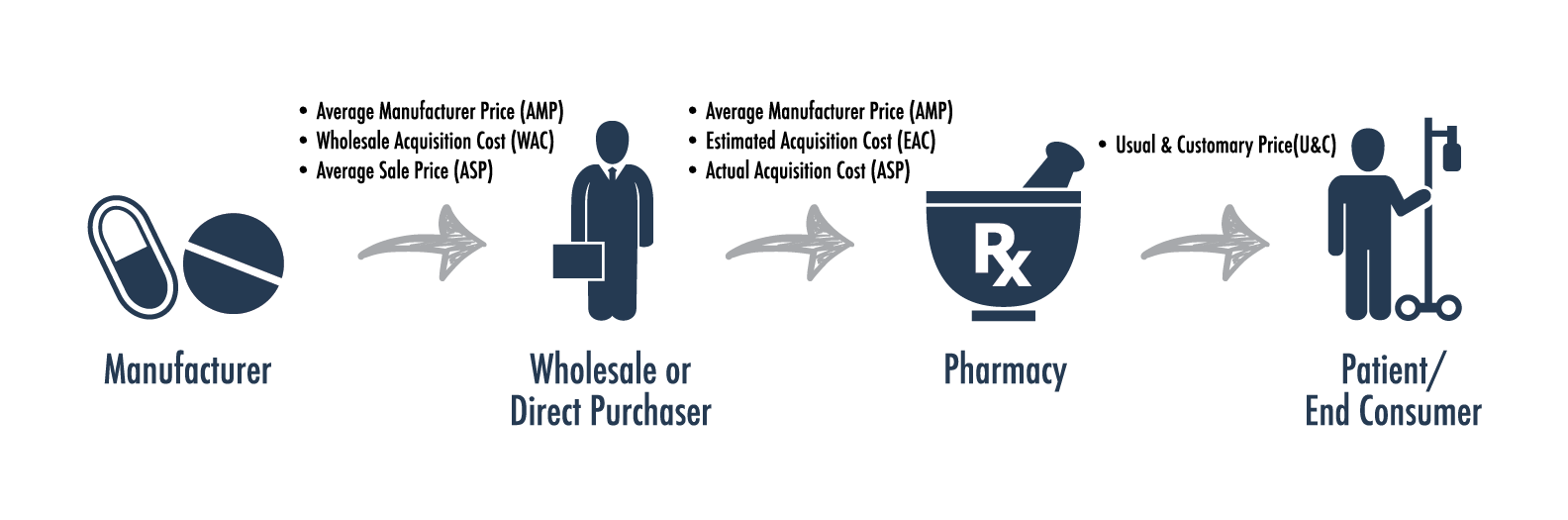
The pharmaceutical industry is a complex landscape, shaped by intense competition, fluctuating pricing trends, and evolving patient needs. Understanding this dynamic environment is crucial for a hospital-created drug company, especially in developing a sustainable and effective pricing strategy. A deep dive into the market landscape, along with a clear understanding of target markets and competitive strategies, is paramount to success.
Pharmaceutical Sector Pricing Trends
The pharmaceutical sector is characterized by significant price volatility. Several factors contribute to this dynamic pricing environment. Patent expirations, generic competition, and regulatory changes frequently lead to price drops for existing drugs. Conversely, new and innovative drugs, often targeting complex diseases, can command extremely high prices, generating significant controversy. This complex interplay of factors underscores the need for a nuanced understanding of pricing trends when developing a hospital-owned model.
For instance, the recent price reductions for blockbuster drugs after patent expiration highlight the impact of market forces on drug costs.
Target Markets for Hospital-Created Drugs
Identifying potential target markets is vital for the success of a hospital-created drug company. Hospitals often have a deep understanding of the specific health needs within their communities, making them ideal for identifying unmet medical needs. A key consideration involves focusing on diseases where current treatments are inadequate, expensive, or have significant side effects. For example, targeting rare diseases or conditions prevalent in a particular region can yield a more focused approach.
Another critical consideration is identifying underserved populations who might not have access to current treatments.
Comparison of Pricing Strategies
Existing pharmaceutical companies employ various pricing strategies, often reflecting factors like research and development costs, market competition, and perceived value. Many companies use tiered pricing models, offering different prices to various customer groups. A hospital-owned model, on the other hand, could prioritize affordability and accessibility, potentially focusing on lower prices for certain patient segments or even offering drugs at cost.
The key is to find a pricing structure that balances affordability, profitability, and the sustainability of the hospital’s role in drug development. This includes evaluating the potential for government reimbursements and negotiating favorable contracts with insurance providers.
Marketing and Distribution Strategies
The marketing and distribution strategies for a hospital-owned drug company will likely differ significantly from those of traditional pharmaceutical firms. Hospitals often have established relationships with healthcare providers within their communities. Leveraging these networks to educate doctors and other healthcare professionals about the new drugs will be a crucial component. Direct-to-consumer advertising might also be considered, but likely with a focus on providing accurate and accessible information rather than sensational marketing campaigns.
The distribution model should align with the pricing strategy and ensure timely delivery to patients who need the drugs.
Impact on Innovation and Research and Development, Hospitals create drug company to fight drug prices
The creation of a hospital-owned drug company could stimulate innovation and research and development in the pharmaceutical sector. Hospitals are often at the forefront of clinical trials and research, meaning they have access to valuable data and expertise. This could lead to the development of drugs that address specific local health needs or diseases prevalent in a particular region, potentially leading to cost-effective and patient-centric solutions.
Hospitals creating their own drug companies to combat inflated drug prices is a fascinating strategy. It’s a direct approach to controlling costs, and potentially improving patient access to medication. Finding the right balance between affordability and quality of care is key. Understanding what good carbs are for managing diabetes is also essential for patient well-being, which ties into the overall goal of affordable and effective healthcare.
Good carb for diabetes choices can significantly impact blood sugar levels, impacting the success of treatment strategies. This innovative approach could revolutionize the pharmaceutical industry and bring down costs for patients, while ensuring continued access to quality medical care.
This aligns with the broader trend of personalized medicine and targeted therapies.
Pricing Model Comparison Table
| Company Type | Pricing Model | Key Considerations |
|---|---|---|
| Traditional Pharmaceutical Company | Tiered pricing, value-based pricing, patent-protected pricing | High R&D costs, market competition, patent protection |
| Hospital-Owned Drug Company | Cost-plus pricing, tiered pricing focused on affordability, potential for cost-sharing programs | Community health needs, affordability, access to patients |
Impact on Healthcare System and Patients
This initiative, where hospitals create their own drug companies, promises a profound impact on the healthcare system and patient access to medication. It presents a unique opportunity to address rising drug costs, but also introduces complexities that require careful consideration. The potential benefits and drawbacks, both for the system and individual patients, must be thoroughly assessed.
Effects on the Overall Healthcare System
The establishment of hospital-owned pharmaceutical companies will likely reshape the dynamics of the pharmaceutical industry. Increased competition could potentially drive down prices for certain drugs, making them more accessible to patients. However, it might also lead to consolidation in the pharmaceutical market, with some companies potentially being acquired by larger hospital systems, altering the landscape of the healthcare industry.
The long-term implications on research and development (R&D) and the innovation pipeline remain uncertain.
Impact on Patient Access to Medication
The primary goal of this initiative is to increase patient access to medications. By controlling the supply chain and pricing, hospitals could potentially offer lower-cost drugs to patients. However, the success of this model depends on the ability to maintain consistent drug quality and availability, and ensuring that patients who don’t utilize hospital services still have access to the medications.
Implications for Insurance Coverage and Reimbursement
Insurance coverage and reimbursement models are crucial factors in this initiative. Hospitals might negotiate favorable reimbursement rates with insurance companies for drugs produced in-house. This could potentially lead to lower out-of-pocket costs for patients. However, there may be concerns about how this impacts insurance premiums and the potential for disparities in access to these lower-cost medications across different insurance plans.
Impact on Drug Availability and Affordability for Patients
Increased competition and control over pricing could lead to more affordable drugs for patients. Lowering the cost of medications could lead to improved adherence to treatment plans and better health outcomes. This initiative could address the significant financial burden that high drug costs place on patients, especially those with chronic conditions or limited incomes. However, it remains uncertain how the availability of drugs will be affected, particularly those that are not commonly prescribed or produced by the hospital-owned companies.
Impact on Different Demographics or Socioeconomic Groups
The impact of this initiative on various demographics and socioeconomic groups warrants careful consideration. Lower-income patients may benefit most from lower drug prices, improving their access to essential medications. However, patients without insurance or those utilizing non-affiliated healthcare providers may face challenges in accessing these lower-cost drugs. This initiative may lead to greater equity in drug access, but also may require proactive measures to ensure equal access for all patients.
Analysis of Potential Impacts (Table)
| Patient Demographics | Current Drug Cost | Potential New Cost (Hospital-Owned Model) | Impact on Insurance Coverage |
|---|---|---|---|
| Low-income individuals with chronic conditions | High | Lower | Potentially lower out-of-pocket costs, potentially altered insurance reimbursement rates |
| Individuals with employer-sponsored insurance | Variable | Variable, potentially lower | Potential for negotiated lower costs, impact on insurance premiums uncertain |
| Patients utilizing non-affiliated healthcare providers | Variable | Potentially higher or inaccessible | Limited access to hospital-produced drugs, potentially impacting affordability |
| Patients without insurance | High, often inaccessible | Potentially lower, but dependent on hospital partnerships or programs | Access may be limited or require financial assistance programs |
Future Implications and Considerations
This initiative to create a hospital-based drug company to combat high drug prices opens a fascinating, yet complex, chapter in healthcare. The potential ripple effects on the pharmaceutical industry and the wider healthcare system are significant and warrant careful consideration. Understanding these implications, both positive and negative, is crucial for navigating the challenges and maximizing the benefits of this novel approach.
Potential Long-Term Implications on the Pharmaceutical Industry
The introduction of a hospital-based drug company could fundamentally alter the pharmaceutical landscape. Pharmaceutical companies, accustomed to a market driven by profit margins and patent protection, might face intense competition from this new model. This could potentially lead to a shift in research and development priorities, encouraging companies to focus on therapies with higher clinical value and lower production costs.
Alternatively, established pharmaceutical giants might react defensively, investing heavily in mergers and acquisitions or exploring innovative partnerships to counter the competitive threat. The current model, often criticized for prioritizing profit over patient need, could be challenged by a more patient-centric approach.
Potential Trends in the Pharmaceutical Industry
Several trends could emerge as a direct result of this initiative. Hospitals, driven by cost containment, might increasingly focus on generic drug procurement and the development of biosimilars. There could be an increased push towards innovative drug delivery systems that are more cost-effective. This could also drive innovation in personalized medicine, with hospitals developing and tailoring treatments to specific patient needs and genetic profiles.
Potential Future Challenges and Opportunities
The transition won’t be without its challenges. Regulatory hurdles, intellectual property concerns, and potential conflicts of interest between hospitals and pharmaceutical companies are all possibilities that need careful consideration. However, opportunities abound. Hospitals, with their direct patient interaction and extensive clinical data, can leverage this information to develop targeted therapies, leading to potentially more effective and cost-effective treatments.
This could also lead to increased collaboration between hospitals and research institutions, fostering a more holistic and integrated approach to healthcare.
Areas for Further Research and Investigation
Further research is necessary to evaluate the long-term financial viability of this model, assess the impact on drug pricing, and explore the potential ethical implications of this approach. Studies should examine the impact on patient access to medications, potential price disparities between different hospital networks, and the overall effect on research and development in the pharmaceutical sector.
Potential Scenarios for Long-Term Success or Failure
The success of this initiative depends on several factors. If hospitals are able to negotiate favorable drug prices and effectively manage costs, it could lead to substantial savings for patients and the healthcare system. Conversely, if regulatory barriers are too high, if conflicts of interest arise, or if the initiative struggles to maintain profitability, the model could face significant challenges.
Furthermore, the success of this model depends on the ability to maintain a balance between cost reduction and ensuring a consistent supply of essential medications.
“The long-term success of this hospital-based drug company initiative hinges on its ability to successfully navigate the complex regulatory landscape, manage costs effectively, and ensure a consistent supply of essential medications while maintaining ethical practices. Failure to address these critical factors could lead to the model’s demise, while a successful implementation could transform the pharmaceutical industry and the healthcare system as a whole.”
Conclusion
In conclusion, the concept of hospitals creating their own drug companies to combat escalating drug prices presents a complex and potentially transformative approach to healthcare. This initiative promises both significant opportunities and substantial challenges, affecting stakeholders across the pharmaceutical and healthcare industries. While the model’s long-term success remains to be seen, the potential impact on drug affordability and patient access to medication warrants further investigation and careful consideration.