How climate change could be affecting your health is a critical issue demanding our attention. From respiratory problems to mental health concerns, the impacts are far-reaching and affect diverse populations. This exploration delves into the various ways climate change is impacting human well-being, considering everything from extreme weather events to the subtle changes in our food supply.
This overview will detail how changing weather patterns, air quality, and the spread of infectious diseases are directly linked to our health. We’ll explore how vulnerable populations are disproportionately affected and discuss potential mitigation strategies. The information presented is crucial for understanding the complex relationship between our environment and our health.
Introduction to Climate Change Health Impacts
Climate change is no longer a distant threat; its effects are being felt acutely around the globe, significantly impacting human health. From rising temperatures and extreme weather events to altered disease patterns, the consequences are multifaceted and require urgent attention. This essay delves into the intricate connections between climate change and human health, examining the diverse ways in which our environment is influencing our well-being.The escalating global temperatures, intensified extreme weather, and shifts in ecological patterns are not just environmental concerns; they are directly linked to a worsening health crisis.
Understanding these linkages is crucial for developing effective strategies to protect vulnerable populations and build resilience to future impacts. The impacts extend across various demographic groups and geographical regions, highlighting the pervasive nature of this challenge.
Key Impacts of Climate Change on Human Health
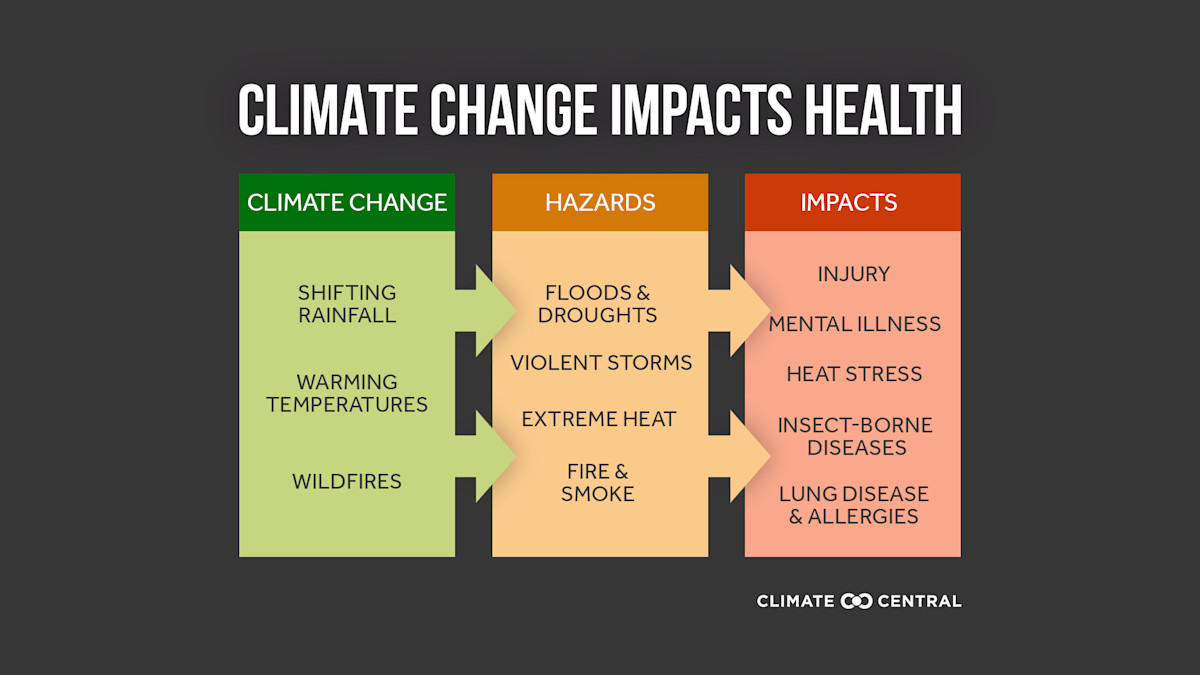
Climate change exerts its influence on human health through various pathways, creating a complex web of consequences. Understanding these pathways is critical for developing targeted interventions and mitigation strategies. These pathways range from direct exposure to extreme weather events to indirect effects like changes in air quality and the spread of infectious diseases.
Impacts of Climate Change on Human Health: A Summary
| Impact type | Description | Affected populations | Mitigation strategies |
|---|---|---|---|
| Extreme Weather Events | Floods, droughts, wildfires, and storms cause injuries, displacement, and mental health issues. These events disproportionately affect vulnerable communities, often lacking the resources to cope with the immediate and long-term consequences. | Low-income communities, marginalized groups, and those living in disaster-prone areas are particularly vulnerable. | Strengthening early warning systems, improving infrastructure resilience, and implementing disaster preparedness programs are crucial. |
| Heat Waves | Increased frequency and intensity of heat waves pose a significant threat, especially to the elderly, children, and people with pre-existing health conditions. Heat-related illnesses, such as heat stroke and exhaustion, are a direct result of prolonged exposure to high temperatures. | Elderly individuals, children, and those with pre-existing health conditions are at higher risk. Urban populations are often more vulnerable due to the urban heat island effect. | Promoting heat-health action plans, improving urban green spaces, and providing cooling centers in vulnerable communities are key strategies. |
| Air Quality Changes | Increased air pollution from wildfires and other climate-related events can exacerbate respiratory illnesses, cardiovascular diseases, and other health problems. Air quality deterioration has significant implications for vulnerable populations, including children and the elderly. | Children, the elderly, and people with respiratory or cardiovascular conditions are disproportionately affected. | Implementing stricter air quality regulations, promoting sustainable transportation, and reducing reliance on fossil fuels are essential. |
| Spread of Infectious Diseases | Climate change can alter the geographic range and transmission patterns of infectious diseases, such as malaria and dengue fever. Warmer temperatures and altered precipitation patterns create more favorable conditions for disease vectors to thrive and spread. | Populations in tropical and subtropical regions are particularly at risk, as well as those with limited access to healthcare. | Controlling vectors, improving sanitation and hygiene, and strengthening public health infrastructure are important. |
Respiratory Health Issues
Climate change isn’t just about melting glaciers and rising sea levels; it’s profoundly impacting our health, and respiratory illnesses are a significant concern. Warming temperatures and altered weather patterns are creating conditions that exacerbate existing respiratory problems and even trigger new ones. Understanding this connection is crucial for proactive health strategies.Changes in temperature and precipitation patterns, combined with increased greenhouse gas emissions, are leading to more frequent and intense heatwaves, droughts, and wildfires.
Climate change is impacting our health in countless ways, from increased respiratory illnesses to heat-related illnesses. It’s a complex issue, and recent changes in guidelines for dealing with children’s high blood pressure, like the ones detailed in guidelines changed for dealing with childrens high blood pressure , highlight how environmental factors are now being recognized as crucial. This underscores the critical need to understand how our changing environment affects us all, especially our most vulnerable.
These events release harmful pollutants into the air, leading to heightened risks for respiratory conditions. Furthermore, the altered timing and intensity of pollen seasons can cause allergic reactions in vulnerable populations.
Air Pollution Exacerbation
Air pollution is a major contributor to respiratory illnesses, and climate change is making it worse. Increased frequency and intensity of wildfires release vast quantities of particulate matter, smoke, and other harmful pollutants into the atmosphere. These pollutants can travel long distances, affecting communities far from the source. Urban areas, already prone to pollution from vehicles and industrial emissions, are further burdened by these climate-driven events.
Heat waves can also trap pollutants closer to the ground, increasing their concentration and respiratory health risks.
Specific Pollutant Effects
Different pollutants have varying impacts on respiratory health. Particulate matter, for example, can penetrate deep into the lungs, causing inflammation and damage. Fine particulate matter (PM2.5) is particularly dangerous as it can reach the alveoli, the tiny air sacs in the lungs responsible for gas exchange. Exposure to high levels of PM2.5 can lead to aggravated asthma, bronchitis, and other respiratory problems.
Ozone, a secondary pollutant formed from reactions involving sunlight and other pollutants, irritates the airways and can cause shortness of breath and coughing, especially in children and the elderly. Exposure to these pollutants can range from mild discomfort to severe respiratory distress, depending on the concentration and duration of exposure.
Respiratory Illnesses and Climate Change Impacts
| Respiratory Illness | Triggers | Climate Change Impacts |
|---|---|---|
| Asthma | Allergens (pollen, dust mites), irritants (smoke, strong odors), respiratory infections | Increased pollen counts due to warmer temperatures and longer pollen seasons, higher concentrations of air pollutants from wildfires and heat waves. |
| Allergies | Pollen, mold spores, dust mites, pet dander | Warmer temperatures and altered precipitation patterns lead to longer and more intense pollen seasons, increased mold growth, and changes in the distribution of allergens. |
| Bronchitis | Respiratory infections, irritants, and allergens | Increased exposure to air pollutants from wildfires, and heat waves, exacerbating inflammation and irritation in the airways. |
| Chronic Obstructive Pulmonary Disease (COPD) | Smoking, air pollution, genetics | Higher air pollution levels due to wildfires, heat waves, and droughts worsen existing COPD symptoms and increase the risk of exacerbations. |
| Pneumonia | Viral or bacterial infections | Climate change-related weather patterns can influence the spread of respiratory infections. |
Infectious Diseases and Climate Change
Climate change is significantly altering the global landscape, impacting not only ecosystems but also human health. One crucial area of concern is the increased risk of infectious disease outbreaks. Changes in temperature, precipitation patterns, and the frequency of extreme weather events are creating ideal conditions for the proliferation and spread of pathogens. Understanding these complex interactions is critical to developing effective prevention and mitigation strategies.
The Role of Climate Change in Infectious Disease Transmission
Climate change influences the spread of infectious diseases by altering the environmental factors that support pathogen survival and transmission. Warmer temperatures can expand the geographical range of disease vectors, such as mosquitoes and ticks, allowing them to thrive in areas previously unsuitable. Changes in precipitation patterns can lead to flooding and stagnant water, creating breeding grounds for disease-carrying insects.
Furthermore, extreme weather events, like droughts and floods, can disrupt sanitation systems and displace populations, increasing exposure to pathogens.
Examples of Diseases Affected by Climate Change
Numerous infectious diseases are susceptible to the impacts of climate change. Malaria, a mosquito-borne illness, is a prime example. Rising temperatures and changing rainfall patterns are expanding the geographic range of the Anopheles mosquito, the primary vector for malaria transmission. Similarly, Lyme disease, transmitted by ticks, is experiencing an expansion of its geographic range as warmer temperatures enable tick populations to thrive in previously cooler regions.
Climate change is impacting our well-being in surprising ways. From increased respiratory issues due to air pollution to heat-related illnesses, it’s clear that our health is intertwined with the environment. Interestingly, while lots of germs on subway cars are often a concern, the vast majority are actually harmless (as explained in this article lots of germs on subway most harmless ).
However, the broader picture of a changing climate does introduce new health risks, and we need to be aware of how it’s affecting us.
Dengue fever, another mosquito-borne disease, is also showing increased incidence in areas with altered climatic conditions. Moreover, the spread of waterborne diseases, like cholera, can be exacerbated by flooding events and contamination of water sources.
Environmental Factors Driving Disease Spread
The environmental factors driving the spread of infectious diseases are multifaceted. Increasing global temperatures are key. As temperatures rise, the geographic range of disease vectors expands, potentially exposing new populations to pathogens. Altered rainfall patterns influence the availability of breeding grounds for disease vectors, like mosquitoes. Droughts can lead to water scarcity, while floods can contaminate water sources, increasing the risk of waterborne diseases.
Extreme weather events can overwhelm sanitation systems and disrupt public health infrastructure, further facilitating the spread of pathogens.
Impact on Geographic Distribution
| Disease | Geographical Region | Impact of Climate Change |
|---|---|---|
| Malaria | Sub-Saharan Africa, South America | Expansion of mosquito range into previously cooler regions, increasing incidence in areas with altered rainfall patterns. |
| Lyme Disease | North America, Europe | Expansion of tick populations into higher altitudes and latitudes due to rising temperatures, increasing the risk of human exposure. |
| Dengue Fever | Tropical and subtropical regions | Increased incidence in areas with altered rainfall patterns, expanding mosquito populations in previously less favorable environments. |
| Cholera | Areas with poor sanitation and vulnerable water sources | Flooding and contamination of water sources lead to outbreaks in affected regions. |
This table illustrates how climate change is impacting the distribution of various infectious diseases across different geographical regions. The expansion of disease vectors and altered environmental conditions are creating new areas of vulnerability to these pathogens.
Mental Health Impacts

The escalating frequency and intensity of climate-related disasters are leaving an undeniable mark on the mental well-being of communities worldwide. The trauma associated with these events, ranging from the immediate shock of a flood to the lingering fear of future disasters, can lead to a complex web of mental health challenges. Understanding these impacts is crucial for developing effective strategies to support affected populations and build resilience.Climate change is not just an environmental crisis; it’s a public health crisis with profound mental health implications.
The loss of homes, livelihoods, and cherished ways of life can trigger severe psychological distress, including anxiety, depression, post-traumatic stress disorder (PTSD), and even suicidal ideation. These mental health consequences often linger long after the immediate crisis has passed, creating a persistent burden on individuals and communities.
The Link Between Disasters and Mental Health
Climate-related disasters, such as floods, wildfires, and extreme heat waves, can inflict profound psychological distress on individuals and communities. The sudden loss of possessions, displacement, and the disruption of established routines can create a cascade of negative emotional responses. The constant threat of future disasters, compounded by the loss of trust in the stability of their environment, can lead to long-term mental health issues.
Impact of Displacement and Loss
Displacement, a common consequence of climate change-related disasters, significantly impacts mental health. Forced migration often separates families, disrupts social networks, and creates feelings of isolation and powerlessness. Loss of homes and livelihoods, including the destruction of farms or businesses, can lead to economic hardship and a sense of hopelessness. The fear of future events, especially when safety nets are inadequate, amplifies these feelings, making long-term recovery challenging.
Case Studies of Affected Communities
The devastating floods in Pakistan in 2022 resulted in widespread displacement and loss of life and property. The emotional toll on affected communities was significant, with reports of increased anxiety, depression, and PTSD. Similar stories emerge from communities grappling with prolonged droughts, wildfires, and rising sea levels, highlighting the crucial need for mental health support in disaster-affected areas.
Correlation Between Climate Events and Mental Health Outcomes
| Climate Change Event | Potential Mental Health Outcomes |
|---|---|
| Floods | Acute stress reactions, anxiety, depression, PTSD, complicated grief, substance abuse |
| Wildfires | Acute stress reactions, anxiety, depression, PTSD, loss of community, trauma from witnessing destruction |
| Heat Waves | Increased rates of anxiety, depression, heat stroke, stress-related illnesses, difficulty sleeping, and other emotional distress |
| Droughts | Anxiety, depression, loss of livelihood, displacement, hopelessness, and feelings of despair. |
| Rising Sea Levels | Loss of homes, displacement, anxiety, depression, PTSD, fear of the future |
These correlations demonstrate the need for mental health services to be integrated into disaster response plans. Providing support to affected communities is crucial to mitigating long-term psychological consequences.
Vulnerable Populations and Climate Change Health Impacts
Climate change isn’t just affecting the planet; it’s significantly impacting human health, and certain populations are disproportionately at risk. These vulnerable groups face unique challenges that amplify their susceptibility to the health consequences of a changing climate. Understanding these disparities is crucial for developing targeted interventions and mitigating the escalating health burden.
Children’s Increased Vulnerability
Children are particularly vulnerable due to their developing bodies and immune systems. They are more susceptible to respiratory illnesses exacerbated by air pollution from wildfires and heat waves. Exposure to extreme weather events, like floods and droughts, can lead to malnutrition and waterborne diseases. The long-term effects of early-life exposure to environmental toxins and pollutants from climate change can have profound and lasting consequences on their health and development.
For example, studies have shown a correlation between increased exposure to air pollution during childhood and the development of respiratory conditions later in life.
Elderly Population’s Unique Challenges
The elderly are also highly vulnerable. Their physiological systems are often less able to cope with extreme temperatures. They may have pre-existing health conditions that are worsened by heat waves or cold snaps. Access to healthcare and social support systems can be limited in vulnerable communities, further compounding their risk. Furthermore, the elderly are often more reliant on outdoor activities for social interaction, placing them at greater risk during extreme weather events.
For instance, elderly individuals living in coastal areas are particularly vulnerable to rising sea levels and associated flooding.
Low-Income Communities and Disparities, How climate change could be affecting your health
Low-income communities often lack access to resources like clean water, nutritious food, and adequate housing. These factors place them at a higher risk for a variety of health problems, which are often exacerbated by climate change. They may also live in areas more susceptible to flooding, droughts, or extreme heat. For example, neighborhoods with limited access to green spaces may experience greater temperature increases, posing significant health risks to residents, particularly during heat waves.
Unique Challenges Faced by Specific Vulnerable Groups
The interplay of factors makes each vulnerable group uniquely susceptible. Children’s developing immune systems and limited ability to regulate body temperature increase their susceptibility to heat-related illnesses. Elderly individuals often have pre-existing conditions that are aggravated by climate change-related stressors. Low-income communities may lack resources and infrastructure, increasing their vulnerability to various climate-related health threats.
Comparison of Impacts on Different Vulnerable Groups
The impacts on different vulnerable groups vary based on specific health outcomes. Children may experience more respiratory illnesses, while the elderly face greater risk of heat stroke and cardiovascular problems. Low-income communities may experience higher rates of infectious diseases and malnutrition due to limited access to resources. These health outcomes can lead to increased healthcare costs and decreased productivity, further burdening already vulnerable populations.
Summary Table of Vulnerable Populations and Climate Change Health Risks
| Vulnerable Population | Specific Health Risks |
|---|---|
| Children | Respiratory illnesses, malnutrition, waterborne diseases, long-term health consequences from environmental toxins. |
| Elderly | Heat stroke, cardiovascular problems, exacerbation of pre-existing conditions, limited access to healthcare. |
| Low-income communities | Infectious diseases, malnutrition, limited access to clean water, inadequate housing, and increased exposure to extreme weather events. |
Climate Change and Nutrition: How Climate Change Could Be Affecting Your Health
Our food systems are inextricably linked to the climate. Changing weather patterns are already disrupting agricultural practices, impacting crop yields, and altering the nutritional composition of our food. This has profound implications for global food security and human health, particularly in vulnerable populations. The consequences of these shifts are more than just empty grocery store shelves; they represent a serious threat to our nutritional well-being.
Impacts of Changing Weather Patterns on Agricultural Yields
Weather patterns are becoming increasingly unpredictable, leading to more frequent and intense droughts, floods, and heat waves. These extreme events damage crops, reduce yields, and disrupt the entire agricultural cycle. For example, prolonged droughts in regions like the American Midwest can severely diminish corn and soybean harvests, impacting food availability and prices worldwide. Conversely, heavy rainfall and flooding can also devastate crops, destroying fields and rendering land unsuitable for cultivation for a period.
These disruptions not only affect the quantity of food produced but also its quality.
Climate change isn’t just about melting glaciers; it’s impacting our health in surprising ways. Think about how air quality is worsening, leading to respiratory issues. And the increased frequency of extreme weather events, like floods or heat waves, can also directly affect our well-being. It’s all connected, and even the food we eat is involved. For instance, the link between diet and cholesterol levels is well-documented, how eating red meat or white meat affects your cholesterol is a factor.
Ultimately, the impact of climate change on our health is multifaceted and significant.
Impact on Food Security and Malnutrition
Reduced crop yields directly translate to decreased food availability, increasing the risk of food insecurity and malnutrition. Malnutrition encompasses a range of deficiencies, from a lack of essential vitamins and minerals to insufficient calorie intake. This is especially concerning for vulnerable populations, including children, pregnant women, and the elderly, who are more susceptible to health problems associated with inadequate nutrition.
For instance, a decline in rice production due to rising sea levels and saltwater intrusion in coastal areas can lead to widespread malnutrition in affected communities.
Changes in Nutritional Value of Crops
Climate change is not only affecting the quantity of food produced but also its quality. Rising temperatures and altered precipitation patterns can alter the nutritional content of crops. For example, studies suggest that increased CO2 levels in the atmosphere can lead to a decrease in the protein and mineral content of some grains. This can have significant health consequences, particularly for populations relying heavily on these crops for their daily nutrition.
Furthermore, changes in growing conditions can also affect the concentration of vitamins and antioxidants in fruits and vegetables, impacting their nutritional value.
Relationship Between Climate Change, Crop Yields, and Nutritional Deficiencies
| Climate Change Impact | Crop Yield Impact | Nutritional Deficiency Risk |
|---|---|---|
| Increased temperatures | Reduced yields, altered ripening | Decreased vitamin content in fruits and vegetables, lower protein content in grains |
| Droughts and water scarcity | Significant yield reduction, crop failure | Reduced intake of essential nutrients from fruits and vegetables, increased risk of anemia |
| Flooding and heavy rainfall | Crop damage, soil erosion, reduced yield | Potential contamination of crops, hindering nutritional value |
| Extreme weather events (storms, heatwaves) | Crop damage, yield loss, reduced quality | Reduced access to food, higher risk of malnutrition, disruption of food supply chains |
This table illustrates the interconnected nature of climate change, crop yields, and nutritional deficiencies. Each impact on crop production directly influences the nutritional intake of populations, potentially leading to a cascade of health issues.
Heat-Related Illnesses and Climate Change
Rising global temperatures are dramatically increasing the risk of heat-related illnesses and deaths worldwide. As climate change intensifies, heatwaves are becoming more frequent, intense, and prolonged, putting unprecedented strain on human health systems and communities. This heightened risk necessitates a deeper understanding of the mechanisms behind these impacts and the vulnerability factors that exacerbate the problem.Heatwaves, characterized by prolonged periods of excessively high temperatures, significantly increase the incidence of heat exhaustion, heat stroke, and other heat-related illnesses.
This impact is not evenly distributed; vulnerable populations, including the elderly, young children, and those with pre-existing health conditions, are disproportionately affected. Understanding the contributing factors and the specific impacts across different demographics is crucial for developing effective preventative measures and mitigation strategies.
Heatwave Impacts on Human Health
Extreme heat events have profound effects on human health. In recent years, numerous heatwaves have caused substantial morbidity and mortality. For instance, the 2003 European heatwave resulted in thousands of excess deaths, primarily among the elderly and those with pre-existing health conditions. Similarly, heatwaves in India and other parts of Asia have shown a correlation with increased respiratory illnesses and cardiovascular complications.
These events highlight the urgent need for proactive measures to protect populations from the escalating health risks associated with climate change.
Factors Contributing to Vulnerability During Heatwaves
Several factors increase vulnerability to heat-related illnesses during heatwaves. Age is a significant contributor; the elderly and very young are often less able to regulate their body temperature effectively. Pre-existing medical conditions, such as cardiovascular disease, respiratory illnesses, and diabetes, further compromise an individual’s ability to withstand extreme heat. Individuals with limited access to cooling resources or adequate hydration are also at higher risk.
The combination of these factors creates a complex vulnerability profile, making certain populations more susceptible to heat-related illnesses and fatalities.
Effects of Heatwaves on Different Age Groups and Health Conditions
| Age Group/Health Condition | Potential Effects of Heatwaves |
|---|---|
| Elderly (65+) | Increased risk of heat stroke, dehydration, cardiovascular complications, and cognitive impairment. Reduced thermoregulation capacity makes them more vulnerable to overheating. |
| Young Children (0-4) | Increased risk of heatstroke, dehydration, and hyperthermia. Their smaller body size and underdeveloped thermoregulation mechanisms make them especially vulnerable. |
| Pregnant Women | Increased risk of heat exhaustion, dehydration, and complications during pregnancy. The increased metabolic demands of pregnancy can exacerbate the effects of heat. |
| Individuals with Cardiovascular Disease | Increased risk of heart attack, stroke, and other cardiovascular events. Heat can exacerbate pre-existing cardiovascular conditions. |
| Individuals with Respiratory Illnesses | Increased risk of respiratory distress, exacerbating existing conditions like asthma and COPD. High temperatures can reduce air quality, leading to further complications. |
| Individuals with Diabetes | Increased risk of dehydration and heat-related complications. Diabetes can impair the body’s ability to regulate blood sugar levels, increasing the risk of heatstroke. |
| Individuals with Limited Access to Cooling | Increased risk of heat exhaustion, heat stroke, and other heat-related illnesses. Lack of access to air conditioning or other cooling measures can be a significant vulnerability factor. |
Water-Related Health Impacts
Climate change is dramatically altering water resources worldwide, leading to significant health consequences. Changes in precipitation patterns, glacial melt, and rising temperatures are impacting both the availability and quality of water, creating new vulnerabilities for human populations. This shift in the water cycle directly affects human health, increasing the risk of waterborne diseases and exacerbating existing health disparities.The quality and quantity of water are essential for human well-being.
Safe, clean water is fundamental for drinking, sanitation, and agriculture. However, alterations in water availability and quality due to climate change pose substantial health risks. The interconnectedness of water resources and human health necessitates a comprehensive understanding of these impacts to develop effective mitigation strategies.
Impacts of Changing Water Availability
Changes in rainfall patterns and glacial melt are altering water availability in various regions. Prolonged droughts can deplete water supplies, leading to water scarcity and the contamination of remaining resources. Conversely, intense rainfall events can cause floods, contaminating water sources with pollutants and debris. These disruptions can have devastating consequences for human health, leading to the spread of waterborne diseases and malnutrition.
The uneven distribution of water resources across the globe further exacerbates the problem, with vulnerable populations in arid and semi-arid regions facing the greatest risks.
Waterborne Diseases and Climate Change
Climate change exacerbates the risk of waterborne diseases by altering the conditions that favor pathogen growth and transmission. Increased temperatures can accelerate the growth rate of harmful bacteria and viruses, increasing the risk of contamination in water sources. Floods, in particular, can mix contaminated water with drinking sources, leading to outbreaks of waterborne illnesses. Examples include cholera, typhoid fever, and diarrhea, which can have devastating effects, especially in regions with poor sanitation and limited access to clean water.
Contamination of Water Sources
Droughts and floods are major contributors to water contamination. Droughts can lead to increased salinity in water sources, rendering them unsuitable for consumption and increasing the risk of waterborne illnesses. Floods can contaminate water sources with sewage, agricultural runoff, and industrial waste. These contaminants can introduce harmful pathogens into the water supply, posing significant health risks to populations who rely on these sources for drinking water.
For example, a 2022 study in the journal “Environmental Health Perspectives” highlighted the correlation between increased flood frequency and the rise in waterborne disease outbreaks in various regions.
Table of Water-Related Health Impacts
| Impact type | Description | Affected regions | Mitigation strategies |
|---|---|---|---|
| Water scarcity | Reduced access to clean water for drinking, sanitation, and agriculture. | Arid and semi-arid regions, particularly developing countries. | Improving water conservation techniques, developing drought-resistant crops, and implementing water-sharing agreements. |
| Water contamination | Introduction of harmful pathogens and pollutants into water sources. | Regions prone to floods and droughts. | Improving sanitation infrastructure, promoting safe water storage practices, and regulating industrial discharge. |
| Increased waterborne diseases | Higher rates of infections like cholera, typhoid, and diarrhea due to contaminated water. | Areas with limited access to clean water and sanitation. | Improved access to safe drinking water, hygiene education, and early disease detection and treatment programs. |
| Floods | Contamination of water sources with sewage and other pollutants. | Low-lying areas and coastal regions. | Flood preparedness measures, improved drainage systems, and early warning systems. |
| Droughts | Increased salinity in water sources, making them unsuitable for consumption. | Arid and semi-arid regions. | Water conservation measures, desalination plants, and water management policies. |
Last Word
In conclusion, the impacts of climate change on human health are profound and multifaceted. From the immediate threat of heatwaves to the long-term effects on food security and mental well-being, understanding these risks is crucial. By recognizing the interconnectedness of climate and health, we can work towards solutions that protect our communities and build a healthier future.