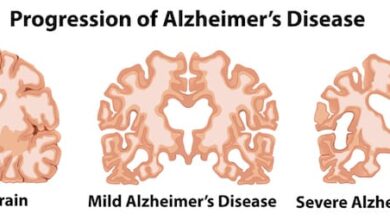
How daily exercise can help lower your risk of alzheimers and cancer is a topic worth exploring. Daily movement isn’t just about feeling good; it’s a powerful tool for safeguarding your brain and body from potential threats. This discussion dives deep into the science behind how exercise combats Alzheimer’s and cancer, outlining specific benefits and practical strategies for incorporating physical activity into your daily routine.
This exploration covers the biological mechanisms through which exercise can impact these diseases, from its effect on brain health and cognitive function to its role in boosting the immune system and managing weight. We’ll delve into various exercise types suitable for different age groups and health conditions, providing tailored recommendations and practical examples. Furthermore, the discussion acknowledges the importance of lifestyle factors like nutrition and consistency for long-term benefits and sustainable healthy habits.
Introduction to Exercise and Disease Prevention
Regular physical activity is a cornerstone of a healthy lifestyle, offering significant protection against chronic diseases like Alzheimer’s and cancer. The link between exercise and disease prevention is well-established, supported by decades of research. Moving our bodies not only strengthens our muscles and bones but also positively impacts our overall physiological processes, reducing the risk of various health issues.
This discussion delves into the intricate relationship between exercise and disease prevention, exploring the biological mechanisms involved and highlighting the importance of tailored exercise programs for different age groups and health conditions.The link between physical activity and reduced risk of Alzheimer’s and cancer is robust. Studies have shown that individuals who engage in regular exercise often exhibit a lower incidence of both diseases.
Staying active daily is a great way to reduce your risk of Alzheimer’s and cancer. Knowing how to prepare for a meeting with a clinical trials research coordinator or doctor, like reviewing your medical history and questions beforehand, is key for participating in any research. This kind of preparation can ensure you’re making informed decisions about your health and future, just as daily exercise can be a preventative measure.
Understanding your options and asking questions, like those you’d ask when discussing a healthy lifestyle, is vital. A great resource for this preparation is this guide on getting ready for such meetings. Ultimately, both exercise and informed decisions can work together to lower your risk for these conditions.
This protective effect likely stems from a complex interplay of biological mechanisms, including improved insulin sensitivity, reduced inflammation, and enhanced blood flow to vital organs.
Biological Mechanisms of Exercise and Disease Prevention
Exercise’s impact on disease prevention is multi-faceted, influencing several biological processes that contribute to disease development. Improved cardiovascular health is one crucial benefit. Increased blood flow delivers oxygen and nutrients more efficiently, potentially reducing oxidative stress, a factor implicated in the development of both Alzheimer’s and certain cancers. Regular exercise can also lead to a reduction in chronic inflammation, a condition that is strongly associated with many diseases.
Furthermore, exercise can help regulate blood sugar levels, thereby reducing insulin resistance, a risk factor for various diseases.
Importance of Regular Exercise in Overall Health
Maintaining a consistent exercise routine is vital for overall health and well-being. Physical activity not only strengthens muscles and bones but also improves cardiovascular health, cognitive function, and mood. Regular exercise helps manage weight, reducing the risk of obesity-related conditions. It also plays a significant role in maintaining healthy blood pressure and cholesterol levels. Beyond these benefits, exercise fosters mental well-being, potentially reducing symptoms of anxiety and depression.
Scope of Discussion Across Age Groups
The benefits of exercise extend across the lifespan, with tailored approaches crucial for different age groups. Children and adolescents benefit from increased bone density and muscle strength, contributing to overall physical development and reducing the risk of future health problems. Adults can maintain or improve their cardiovascular health, preventing chronic diseases, and enhancing cognitive function. Older adults can maintain independence and quality of life through exercise programs that focus on balance, strength, and flexibility.
Types of Exercises for Different Age Groups and Health Conditions
The type of exercise best suited for a given individual depends on their age, health status, and personal preferences. Aerobic exercises like brisk walking, jogging, swimming, or cycling are beneficial for most age groups, promoting cardiovascular health and reducing the risk of chronic diseases. Strength training exercises, such as weightlifting or resistance band exercises, are important for building and maintaining muscle mass, which is vital for bone health and overall strength, especially as we age.
Flexibility and balance exercises, like yoga or tai chi, are beneficial for maintaining mobility and reducing the risk of falls, particularly in older adults. For individuals with specific health conditions, consulting with a healthcare professional or certified fitness trainer is essential to determine the most suitable exercises and intensity levels. A qualified professional can help design a safe and effective program.
This program should be tailored to the individual’s abilities and health conditions. For example, a person with arthritis may need a low-impact exercise routine. A person with heart conditions may need a gradual increase in exercise intensity. Consistency and proper form are essential for any exercise routine to yield maximum benefit.
Exercise and Alzheimer’s Risk Reduction
Regular physical activity isn’t just good for your body; it’s incredibly beneficial for your brain, too. Studies show a strong link between exercise and a reduced risk of developing Alzheimer’s disease, a progressive neurodegenerative disorder. This connection underscores the importance of incorporating movement into your daily routine for overall well-being, including cognitive health.Exercise’s impact on the brain extends far beyond just physical benefits.
It fosters a healthier environment for brain cells to function and grow, contributing to better cognitive function and potentially preventing cognitive decline. This is especially relevant for those at risk of Alzheimer’s or experiencing mild cognitive impairment.
Impact of Exercise on Brain Health and Cognitive Function
Exercise promotes the growth of new neurons and strengthens existing neural connections, a process known as neurogenesis. This enhanced neural plasticity is crucial for maintaining cognitive function, learning, and memory. Furthermore, exercise increases blood flow to the brain, providing essential nutrients and oxygen to brain cells. This improved blood supply supports healthy brain function and reduces the risk of damage from oxidative stress and inflammation.
The result is improved memory, attention, and executive function.
How Exercise May Protect Against Alzheimer’s Disease
Exercise can directly combat some of the key processes that lead to Alzheimer’s. It helps reduce inflammation, a significant factor in brain damage. By improving blood flow and oxygen delivery, exercise helps maintain the health of brain cells, reducing the risk of neuronal loss. Furthermore, exercise has been linked to increased levels of brain-derived neurotrophic factor (BDNF), a protein crucial for neuronal survival and growth.
The interplay of these factors contributes to a lower risk of developing Alzheimer’s disease.
Evidence-Based Information on Exercise and Alzheimer’s Risk Factors
Numerous studies have explored the correlation between exercise and Alzheimer’s risk factors. These studies often highlight a strong association between regular physical activity and lower levels of amyloid plaques and neurofibrillary tangles—hallmarks of Alzheimer’s disease. Regular exercise also seems to positively influence cardiovascular health, a crucial aspect in preventing Alzheimer’s, as cardiovascular risk factors are often linked to cognitive decline.
Comparison of Different Types of Exercise in Preventing Cognitive Decline
While the specific type of exercise might not be as crucial as the overall amount of physical activity, different types can contribute to different aspects of brain health. Aerobic exercise, such as running or cycling, is particularly effective at improving cardiovascular health and enhancing blood flow to the brain. Strength training, on the other hand, can help maintain muscle mass, which is important for overall health and may indirectly support brain health.
Incorporating a combination of these types can maximize the benefits for cognitive function.
Impact of Various Exercise Intensities on Brain Health
| Exercise Intensity | Impact on Brain Health |
|---|---|
| Light Exercise (e.g., walking) | Improves mood, reduces stress, and promotes general well-being. |
| Moderate Exercise (e.g., brisk walking, swimming) | Increases blood flow, strengthens neural connections, and improves cognitive function. |
| Vigorous Exercise (e.g., running, HIIT) | Promotes significant improvements in cardiovascular health and may enhance neurogenesis to a greater extent. |
This table illustrates that different intensities of exercise offer varied benefits for brain health. Moderate and vigorous exercise are often associated with more significant improvements in cognitive function and may help stave off cognitive decline more effectively. However, even light exercise contributes to overall well-being and can be an excellent starting point.
Exercise and Cancer Risk Reduction
Staying active isn’t just about looking good; it plays a crucial role in warding off various diseases, including cancer. Regular exercise can significantly influence your body’s defenses and mechanisms, impacting the development and progression of cancerous cells. This section delves into the intricate ways exercise can lower your cancer risk.Exercise acts as a powerful ally in the fight against cancer, boosting the body’s natural defenses and interfering with the processes that allow cancer cells to grow and spread.
This effect is multifaceted, impacting hormones, immune responses, and body weight, all of which are interconnected in cancer prevention.
Exercise’s Impact on the Immune System
Exercise strengthens the immune system, making the body more capable of recognizing and combating abnormal cells. This heightened vigilance is vital in preventing the unchecked growth that characterizes cancer. Physical activity improves the circulation of immune cells, allowing them to patrol the body more effectively. Increased blood flow also brings essential nutrients to tissues, which supports the immune system’s function.
Exercise’s Role in Preventing Cancer Cell Growth and Spread
Regular exercise can potentially disrupt the signaling pathways that promote cancer cell proliferation and metastasis. This disruption is thought to involve various cellular processes, such as inhibiting the growth factors that stimulate uncontrolled cell division. Physical activity also encourages the removal of damaged cells, further hindering cancer progression. A healthy lifestyle that incorporates exercise can thus be a key component in preventing the initiation and progression of cancerous tumors.
Exercise’s Influence on Hormones and Cancer Prevention
Exercise influences hormone levels, which can impact cancer risk. For example, regular physical activity can help maintain a healthy balance of estrogen, a hormone implicated in some types of cancer. By regulating hormone levels, exercise can reduce the risk of cancer development. Maintaining a healthy weight, through exercise, is particularly crucial for regulating hormone levels and thus reducing cancer risk.
Hormonal changes in response to exercise can have a positive effect on the body’s overall health, making it less susceptible to cancer.
Exercise and Specific Cancer Types, How daily exercise can help lower your risk of alzheimers and cancer
The mechanisms through which exercise reduces the risk of specific cancers are not fully understood, but several studies suggest potential links. For instance, increased physical activity may help reduce the risk of certain types of breast and colon cancer by altering hormone levels and improving cellular function. Exercise’s influence on the immune system is believed to play a role in cancer prevention across various types.
Exercise and Body Weight Management
Maintaining a healthy weight is strongly linked to a lower cancer risk. Exercise plays a pivotal role in weight management, burning calories and improving metabolism. Individuals who maintain a healthy weight through regular exercise often have a reduced risk of several types of cancer, including those associated with obesity. Weight loss achieved through exercise is particularly effective in mitigating the risk factors related to obesity-associated cancers.
Impact of Exercise on Cancer Risk: A Summary
| Cancer Type | Potential Reduction in Risk (Estimated) |
|---|---|
| Breast Cancer (post-menopausal) | Potentially 20-30% reduction |
| Colon Cancer | Potentially 30-40% reduction |
| Endometrial Cancer | Potentially 20-30% reduction |
| Prostate Cancer | Potentially 10-20% reduction |
| Lung Cancer | Potentially 20-30% reduction (in combination with smoking cessation) |
Note: These are estimated reductions in risk and may vary depending on individual factors. Consult with a healthcare professional for personalized advice.
Exercise Recommendations and Considerations

Embarking on a journey to a healthier lifestyle often involves integrating exercise into daily routines. This crucial aspect, when coupled with a balanced diet and mindful choices, can significantly reduce the risk of chronic diseases like Alzheimer’s and cancer. This section delves into specific exercise recommendations, integration strategies, and the vital role of consistency, progression, and lifestyle factors.Understanding that personalized approaches are key, this discussion emphasizes the importance of consulting with healthcare professionals before initiating any new exercise regimen.
Proper guidance ensures safety and effectiveness tailored to individual needs and health conditions.
Specific Exercise Recommendations for Alzheimer’s and Cancer Risk Reduction
Various types of exercise contribute to overall health and disease prevention. Aerobic activities, strength training, and balance exercises all play a role in reducing the risk of Alzheimer’s and cancer. Aerobic exercise, such as brisk walking, jogging, swimming, or cycling, enhances cardiovascular health and improves cognitive function. Strength training, involving resistance exercises like lifting weights or using resistance bands, builds muscle mass and boosts metabolism.
Balance exercises, including tai chi or yoga, improve stability and coordination, reducing the risk of falls. Combining these activities provides a comprehensive approach to disease prevention.
Integrating Exercise into Daily Routines
Successfully integrating exercise into daily life requires careful planning and realistic expectations. Start with small, achievable goals and gradually increase the duration and intensity of workouts. Scheduling exercise like any other important appointment can help maintain consistency. Incorporating physical activity into daily routines, such as taking the stairs instead of the elevator or parking farther away from destinations, can subtly but significantly increase daily movement.
Find activities you genuinely enjoy, making exercise a sustainable part of your lifestyle, not a chore.
Consistency and Gradual Progression in Exercise Programs
Consistent effort is paramount for reaping the benefits of exercise. Establishing a regular routine, even if it’s just 30 minutes most days of the week, is more beneficial than sporadic intense workouts. Gradual progression is equally important. Increasing the duration, intensity, or frequency of workouts gradually prevents injuries and allows the body to adapt. Listening to your body’s signals is crucial, allowing for rest days and adjusting the program as needed.
Nutrition and Lifestyle Factors in Conjunction with Exercise
A balanced diet and healthy lifestyle choices complement exercise for optimal health outcomes. Maintaining a healthy weight, limiting processed foods, and increasing intake of fruits, vegetables, and whole grains provide the necessary nutrients for sustained energy and bodily function. Adequate hydration is equally vital. Stress management techniques, like meditation or deep breathing, are also important in mitigating the negative impact of stress on overall health.
Importance of Consulting with Healthcare Professionals
Before initiating any new exercise program, consulting with a healthcare professional is essential. They can assess your current health status, identify any potential limitations, and provide personalized recommendations. This consultation ensures that the exercise program is safe and effective for your specific needs. Factors like pre-existing medical conditions or injuries need to be addressed by a healthcare professional to tailor the exercise program.
Exercise Schedules for Various Age Groups
| Age Group | Exercise Type | Frequency | Duration | Intensity |
|---|---|---|---|---|
| 18-30 | Cardiovascular (running, swimming), strength training (weights), flexibility (yoga) | 4-5 days/week | 30-60 minutes | Moderate to vigorous |
| 31-50 | Cardiovascular (brisk walking, cycling), strength training (bodyweight exercises), balance (tai chi) | 3-4 days/week | 30-45 minutes | Moderate |
| 51-65 | Cardiovascular (walking, water aerobics), strength training (light weights), balance (yoga) | 2-3 days/week | 20-30 minutes | Low to moderate |
| 65+ | Low-impact cardio (walking, chair exercises), strength training (resistance bands), balance (chair exercises) | 2-3 days/week | 15-20 minutes | Low |
This table provides a general guideline. Individual needs may vary, and adjustments should be made in consultation with a healthcare professional.
Staying active daily really helps protect you from serious illnesses like Alzheimer’s and cancer. It’s a fantastic way to boost your overall health. While the President’s new Medicare plan explained in the presidents new medicare plan explained is important for access to healthcare, it’s also crucial to remember that daily exercise remains a powerful tool in preventing these diseases.
So, keep moving for a healthier, happier you!
Illustrative Examples of Exercise Programs: How Daily Exercise Can Help Lower Your Risk Of Alzheimers And Cancer
Staying active isn’t just about feeling good; it’s a powerful strategy for lowering your risk of Alzheimer’s and cancer. Effective exercise programs, tailored to individual needs, can significantly contribute to improved health outcomes. This section provides examples of such programs and discusses their potential benefits.Tailoring exercise programs to individual needs and preferences is crucial for long-term adherence. This personalized approach maximizes the benefits and minimizes the risk of injury.
Effective programs consider factors like age, fitness level, existing health conditions, and personal preferences, ensuring a safe and enjoyable experience.
Examples of Effective Exercise Programs
A variety of exercise programs can be effective for reducing the risk of Alzheimer’s and cancer. The key is consistency and choosing activities you enjoy.
- Aerobic exercise, such as brisk walking, jogging, swimming, or cycling, improves cardiovascular health and boosts cognitive function. Studies have shown a correlation between regular aerobic exercise and reduced risk of Alzheimer’s disease.
- Strength training, involving resistance exercises using weights or resistance bands, builds muscle mass and strengthens bones. This type of exercise is crucial for maintaining overall health and preventing age-related decline, contributing to a lower risk of both Alzheimer’s and cancer.
- Balance and flexibility exercises, such as yoga or tai chi, enhance stability and reduce the risk of falls, crucial for preventing injuries associated with both diseases.
Tailoring Exercise Programs to Individual Needs
Individual needs and preferences should be the foundation for creating an effective exercise program.
- Beginners should start with shorter, less intense workouts and gradually increase duration and intensity as fitness improves. This approach prevents injuries and encourages consistency.
- Individuals with existing health conditions should consult their physician before starting any new exercise program. Medical guidance ensures the program is safe and suitable for their specific needs.
- Personal preferences should be factored in. If someone enjoys dancing, for instance, incorporating dance into the exercise routine can make it more enjoyable and sustainable.
Group Exercise Classes and Support Systems
Group exercise classes and support systems provide a sense of community and motivation, increasing adherence to exercise routines.
- Group classes offer accountability and encouragement, motivating individuals to stay committed to their exercise goals. A supportive environment fosters a sense of belonging and shared experience, leading to improved adherence.
- Support systems, including friends, family, or online communities, can provide encouragement and guidance, creating a network of individuals who share similar goals.
- Group activities can be a source of social interaction and camaraderie, further enhancing motivation and long-term adherence to the program.
30-Minute Exercise Routine for Preventing Both Diseases
This routine combines aerobic, strength, and flexibility elements, tailored for a moderate fitness level.
Regular exercise is a powerful weapon against diseases like Alzheimer’s and cancer. It boosts your overall health, and a study showed a link between consistent physical activity and a reduced risk of these illnesses. For those looking for a holistic approach to managing health conditions, exploring options like the viacyte diabetes functional cure could be beneficial.
Ultimately, incorporating daily movement into your routine is a fantastic step towards a healthier future.
Warm-up (5 minutes): Light cardio, such as brisk walking or jumping jacks, followed by dynamic stretches like arm circles and leg swings. This prepares the body for more strenuous activity.
Cardio (15 minutes): Choose an activity you enjoy, such as running, swimming, or cycling. Maintain a moderate intensity that elevates your heart rate without causing excessive strain.
Strength Training (10 minutes): Perform exercises targeting major muscle groups, like squats, lunges, push-ups (modified if needed), and rows. Use weights or resistance bands for added resistance.
Flexibility and Balance (5 minutes): Incorporate stretches that target major muscle groups, holding each stretch for 15-30 seconds. Include balance exercises like heel-to-toe walks or standing on one leg.
Cool-down (5 minutes): Slow down the activity and gently stretch the muscles to aid recovery. This helps the body return to its resting state.
Addressing Potential Challenges and Considerations
Embarking on a journey toward a healthier lifestyle, including regular exercise, can be challenging. Understanding the potential obstacles and developing strategies to overcome them is crucial for long-term success. This section delves into common barriers, effective solutions, and the importance of tailoring exercise routines to individual needs and circumstances.Successfully integrating exercise into daily life requires more than just willpower; it necessitates understanding and addressing potential roadblocks.
Finding enjoyable activities and adjusting routines as circumstances change are key components of sustained exercise habits.
Barriers to Adopting Regular Exercise
Many individuals face obstacles that hinder their ability to consistently engage in physical activity. These barriers can range from a lack of time to concerns about physical limitations.
- Lack of Time: Juggling work, family commitments, and other responsibilities can often leave little time for exercise. This is a common challenge, but with careful planning and prioritization, it’s often surmountable.
- Lack of Motivation and Discipline: Maintaining consistent exercise habits requires a strong commitment. Motivation can wane, and discipline can falter, but building routines and finding supportive strategies can mitigate these challenges.
- Physical Limitations and Injuries: Pre-existing health conditions or injuries can limit the types of exercise an individual can perform. It’s essential to consult with a healthcare professional to determine appropriate activities and safety precautions.
- Financial Constraints: The cost of gym memberships, equipment, or specialized classes can be a barrier for some. Many free or low-cost options exist, including utilizing local parks, community centers, and free online resources.
- Social Factors: Social support can significantly influence exercise habits. Lack of a supportive environment or lack of access to exercise partners can hinder progress.
Strategies for Overcoming Challenges
Overcoming barriers to exercise involves proactive planning and adaptable strategies.
- Time Management: Scheduling exercise into the daily routine, even if it’s just 15-20 minutes, can help make it a priority. Finding shorter, more frequent workouts can be beneficial for those with busy schedules.
- Building Motivation: Setting realistic goals, tracking progress, and rewarding achievements are effective motivational strategies. Finding an exercise buddy or joining a group class can enhance motivation and accountability.
- Modifying Exercise for Limitations: Individuals with physical limitations should consult healthcare professionals to tailor exercise plans that accommodate their specific needs. Low-impact exercises or modified versions of common activities can still offer significant benefits.
- Exploring Budget-Friendly Options: Free or low-cost options like walking, jogging, using online workout videos, or utilizing community centers and parks are readily available.
- Building a Supportive Network: Connecting with friends, family, or joining online groups can foster a sense of community and encourage consistent participation.
Importance of Enjoyable Activities
Choosing activities that are genuinely enjoyable is paramount for long-term adherence. This crucial aspect fosters a positive association with exercise, making it a sustainable part of daily life.
Finding activities that bring pleasure and excitement can transform exercise from a chore into a rewarding experience. This positive reinforcement is critical for sustaining motivation and achieving long-term results.
Successful Strategies for Busy Schedules
Incorporating exercise into a hectic schedule requires strategic planning.
- Prioritization and Scheduling: Treating exercise as an important appointment can help maintain consistency. Short, frequent workouts throughout the day can be beneficial for busy individuals.
- Utilizing Breaks and Downtime: Integrating short bursts of activity into daily routines, like taking the stairs instead of the elevator or walking during lunch breaks, can significantly increase activity levels.
- Incorporating Exercise into Existing Activities: Walking or biking to work or incorporating activity into leisure time can make exercise more integrated into daily life.
Adjusting Exercise Routines
As needs and abilities change, exercise routines must be adaptable.
Regular assessments of fitness levels and adjustments to routines are essential for sustaining progress and preventing plateaus.
Adapting Exercise Programs for Chronic Conditions
Exercise programs must be tailored to accommodate individuals with chronic conditions.
Healthcare professionals can provide guidance on safe and effective exercise routines for individuals with chronic conditions.
Long-Term Health Benefits and Sustainability
Embarking on a journey of daily exercise is not just about achieving short-term goals; it’s about cultivating a healthier, more fulfilling life in the long run. Sustaining an exercise routine is a testament to commitment and a powerful investment in your overall well-being. This long-term approach not only reduces your risk of chronic diseases but also enhances your quality of life significantly.Consistent physical activity lays the foundation for a healthier, more vibrant future.
The benefits extend far beyond the initial weeks, impacting every aspect of your well-being from physical health to mental clarity. This article will explore the multifaceted long-term advantages of incorporating exercise into your lifestyle, along with strategies for maintaining motivation and adherence.
Long-Term Physical Benefits
Regular exercise fosters significant improvements in physical health over time. These improvements manifest in enhanced cardiovascular function, improved bone density, and reduced risk of various age-related conditions. Maintaining a consistent exercise routine helps to manage weight, improve balance and coordination, and increase energy levels, allowing you to engage in daily activities with greater ease. Studies have consistently shown that regular exercise contributes to a slower decline in physical function as we age, thereby maintaining independence and mobility.
Mental Well-being and Exercise
Exercise is not just a physical activity; it’s a powerful tool for mental well-being. Regular physical activity has a demonstrable impact on stress reduction, mood regulation, and cognitive function. Exercise releases endorphins, natural mood boosters that combat stress and anxiety. It also improves sleep quality, leading to better cognitive performance and reduced risk of mood disorders.
Sustaining an Exercise Lifestyle
Creating a sustainable exercise routine is crucial for reaping its long-term benefits. This involves finding activities you genuinely enjoy, tailoring your exercise plan to fit your lifestyle, and setting realistic goals. The key to long-term success lies in making exercise a seamless part of your daily life, rather than a chore.
Strategies for Long-Term Motivation
Maintaining motivation and adherence to an exercise plan requires consistent effort and self-care. Regular self-reflection on progress and setbacks, and adjustments to the plan as needed, can keep the momentum going. Building a supportive network of friends or family who share similar goals can provide encouragement and accountability.
Illustrative Exercise Strategies for Long-Term Adherence
Several strategies can help maintain motivation and adherence to an exercise plan.
- Varying Exercise Routine: Regularly incorporating different types of exercise, such as cardio, strength training, and flexibility exercises, prevents boredom and keeps the body challenged. This variation not only helps maintain motivation but also contributes to a more comprehensive fitness program.
- Setting Realistic Goals: Begin with achievable goals and gradually increase intensity and duration as fitness improves. This gradual approach prevents frustration and ensures sustained motivation.
- Rewarding Progress: Celebrate milestones, no matter how small. Rewarding progress helps reinforce positive behavior and encourages continued participation.
- Finding an Exercise Buddy: Working out with a friend or joining a fitness group can enhance motivation and accountability. Sharing the experience and supporting each other can contribute to long-term adherence.
Building Exercise into Daily Life
Integrating exercise into your daily life seamlessly is key to long-term adherence. Instead of viewing exercise as a separate activity, consider incorporating movement into your everyday routines. Take the stairs instead of the elevator, walk or cycle to work or errands, or stand up and stretch every hour during the workday. These small changes can accumulate into significant physical activity over time.
Long-Term Well-being and Exercise
The long-term benefits of consistent exercise extend far beyond physical health. It contributes significantly to mental well-being, reducing stress and improving mood. Regular exercise also enhances cognitive function, improving memory and concentration. In essence, incorporating exercise into your daily life is a proactive step toward a healthier, more fulfilling, and sustainable lifestyle.
Wrap-Up

In conclusion, embracing daily exercise isn’t just about physical well-being; it’s a crucial preventative measure against Alzheimer’s and cancer. The scientific evidence overwhelmingly supports the transformative power of movement. By understanding the specific ways exercise impacts both brain health and the immune system, and by incorporating practical strategies for integration into daily life, we can all actively contribute to a healthier future.
This exploration has highlighted the crucial role of exercise in preventative health, encouraging readers to make informed choices and actively participate in a healthier lifestyle.