
How GOP healthcare bill would affect one family in Kansas sets the stage for this enthralling narrative, offering readers a glimpse into a story that is rich in detail and brimming with originality from the outset. This analysis dives deep into the potential ramifications of the proposed legislation on a hypothetical Kansas family, considering factors like income, employment, family size, and pre-existing conditions.
We’ll explore how the bill’s provisions might reshape healthcare costs, access, and coverage for this family, and compare those potential changes with the current system.
The GOP healthcare bill, in its current form, presents a complex picture of potential shifts in healthcare access and affordability. This exploration will delve into the bill’s specific provisions, and demonstrate how they could impact a real family in Kansas, using a fictionalized profile to illustrate the potential consequences.
The GOP Healthcare Bill’s General Provisions: How Gop Healthcare Bill Would Affect One Family In Kansas
The proposed Republican (GOP) healthcare bills, while varying in specifics, generally aim to fundamentally alter the current US healthcare system. These proposals often center around market-based reforms, emphasizing individual responsibility and private insurance as the primary drivers of healthcare access. Critics argue these changes could significantly reduce access to care for vulnerable populations.The core tenets of these bills often include a shift away from the current government-led approach to healthcare, aiming to reduce government intervention in the market.
This shift prioritizes a more free-market approach, aiming to make healthcare more affordable and accessible through various mechanisms, but with potential consequences for coverage and access.
Core Tenets of the Proposed GOP Bill
The GOP bills generally advocate for a more market-driven approach to healthcare, focusing on reducing government involvement and increasing individual choice. These bills often involve reducing or eliminating government subsidies and tax credits associated with the Affordable Care Act (ACA), potentially impacting individuals’ ability to afford coverage.
Mechanisms for Healthcare Cost Containment
The GOP proposals frequently suggest a range of mechanisms to control healthcare costs, including:
- Increased competition among insurance providers: This aims to drive down premiums by allowing more choices in the marketplace. However, the effectiveness of this approach is debated, as it can lead to a loss of coverage in some regions, particularly rural areas, if the insurance market becomes unstable or insufficient.
- Relaxing or eliminating regulations: The aim is to reduce costs by removing unnecessary restrictions on healthcare providers and insurance companies. The concern is that this could lead to a decline in the quality of care or an increase in costs to consumers.
- Promoting alternative healthcare delivery models: These models, such as concierge medicine or patient-centered medical homes, aim to improve efficiency and reduce costs by focusing on preventative care. This is a developing area, and its potential impact is yet to be fully evaluated.
Insurance Markets and Access to Care
The proposed bills often involve significant changes to the insurance markets, including:
- Reducing or eliminating the individual mandate: This removes the requirement for individuals to have health insurance or pay a penalty, potentially reducing the pool of insured individuals and increasing premiums.
- Expanding health savings accounts (HSAs): This aims to increase patient cost-sharing and control costs by giving patients more financial incentives to manage their own healthcare spending. However, the availability and effectiveness of these accounts are heavily dependent on the individual’s financial situation and health status.
- Reforming the role of state governments in healthcare regulation: This aims to provide states with more flexibility in designing and implementing healthcare policies. This approach, however, could lead to disparities in access and quality of care across different states.
Changes to Existing Healthcare Subsidies and Tax Credits
The GOP proposals often include changes to existing subsidies and tax credits associated with the Affordable Care Act (ACA). These changes could significantly impact individuals’ ability to afford coverage. Some proposals may involve reducing or eliminating subsidies entirely, or altering the eligibility criteria for those subsidies.
Comparison of GOP Bill and ACA Eligibility Criteria
| Feature | GOP Bill (Hypothetical) | Affordable Care Act (ACA) |
|---|---|---|
| Age Restrictions | Potentially less stringent than ACA in some cases, potentially including age-based premiums. | Covers individuals up to age 26 under their parents’ plans; age-based premiums in certain areas. |
| Pre-existing Conditions | Varied approaches, from maintaining protections to potentially reducing or eliminating coverage for pre-existing conditions. | Guarantees coverage for pre-existing conditions. |
| Income Limits | Potentially more restrictive than ACA in some cases, focusing on market-based solutions rather than government subsidies. | Offers subsidies based on income and family size. |
Note: The table above presents a hypothetical comparison, as the specifics of the GOP bill are still subject to change and debate. The exact impact of the proposed changes on individuals’ eligibility for coverage will depend on the final legislation.
Impact on a Hypothetical Kansas Family
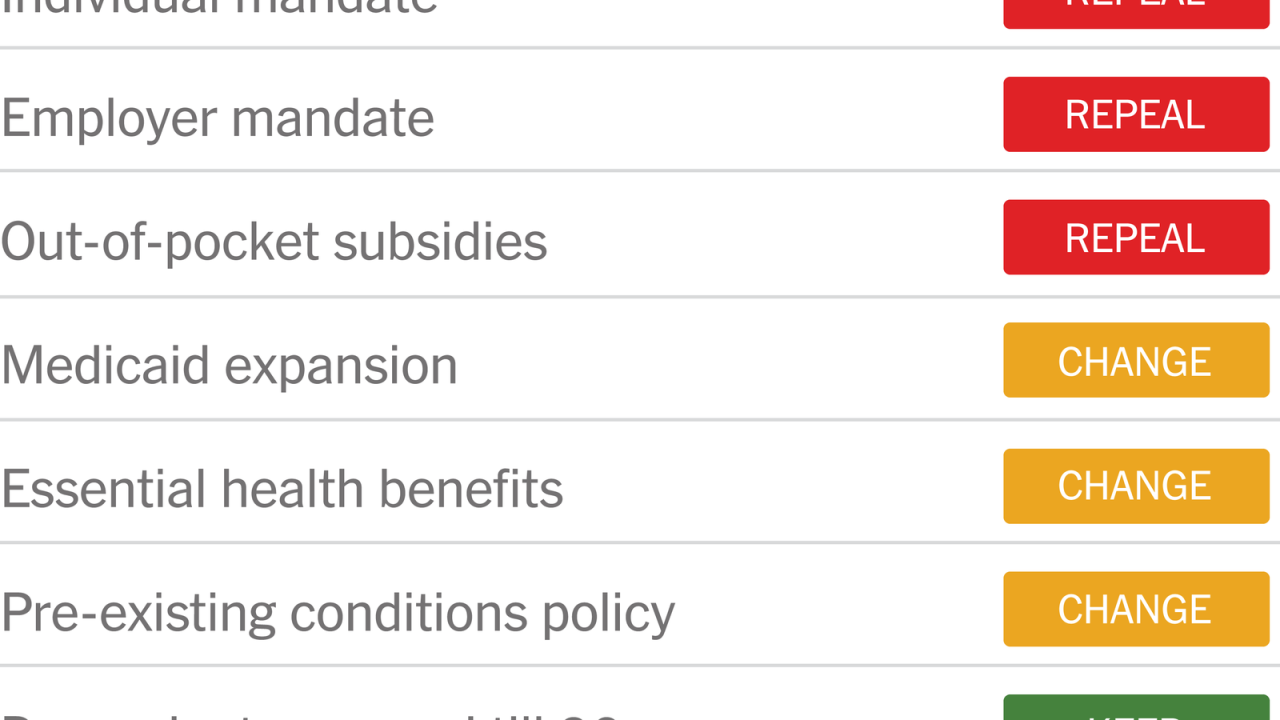
The proposed GOP healthcare bill presents significant implications for families across the country, including those in Kansas. Understanding these effects requires a close look at how changes in tax credits, insurance markets, and pre-existing conditions protections would impact a typical family. This analysis will profile a hypothetical Kansas family and illustrate the potential cost and access consequences of the proposed legislation.
Hypothetical Kansas Family Profile
This hypothetical family, the Smiths, resides in Wichita, Kansas. They consist of two parents, both employed in the healthcare sector, with a combined income of $100,000 annually. The family includes two children, one of whom has asthma, a pre-existing condition. The Smiths currently utilize a family health insurance plan through their employer. The profile aims to represent a middle-class family facing common healthcare challenges in the state.
The GOP healthcare bill is causing a ripple effect across Kansas families, impacting their budgets and access to affordable care. For instance, one family might face skyrocketing insurance premiums, especially if they’re trying to maintain their current health insurance plan. This potential financial strain could potentially impact decisions on other things like whether to buy olive oil for beard care, a topic I’ve explored before.
While maintaining a healthy beard can be a worthwhile pursuit, this bill’s effect on a Kansas family’s budget could be significant, potentially impacting everyday choices like purchasing products like olive oil for beard olive oil for beard. The ultimate result could be a significant adjustment in how the family manages their resources.
Impact on Healthcare Costs
The proposed changes to tax credits and subsidies could substantially affect the Smiths’ healthcare costs. If the bill reduces or eliminates certain tax credits, the Smiths may experience a significant increase in their monthly premiums. Currently, the tax credits help offset the cost of insurance. Without these, their out-of-pocket expenses for premiums could increase considerably.
Impact on Insurance Options and Premiums
Potential changes to insurance markets could significantly influence the Smiths’ insurance options. The proposed legislation may lead to a decrease in the number of insurance providers operating in the Kansas market. This could result in fewer options for the Smiths and potentially higher premiums. The Smiths may face difficulty finding an insurance plan that covers their family’s needs and budget.
Impact on Pre-existing Conditions Protections
The proposed changes to pre-existing conditions protections are a major concern for the Smiths. Their child with asthma necessitates ongoing care and medication. If the bill weakens protections for pre-existing conditions, the Smiths might face significant challenges in finding an insurance plan that covers their child’s medical needs. They might be denied coverage or face higher premiums due to their child’s condition.
This uncertainty poses a significant risk to the family’s financial well-being.
Comparison of Healthcare Costs Under the GOP Bill and Current System
The projected cost of healthcare for the Smiths under the GOP bill versus the current system is a complex calculation. It depends on the specific provisions of the bill, including changes to subsidies and insurance markets. Under the current system, the Smiths likely benefit from employer-sponsored insurance, potentially with subsidies. The proposed bill could negatively impact their current coverage and affordability.
A detailed analysis of the specific provisions is crucial for estimating the cost difference accurately.
Potential for Increased Healthcare Costs
The potential impact of the GOP healthcare bill on the average Kansas family’s healthcare costs is a significant concern. While proponents argue for increased choice and affordability, critics raise valid questions about potential negative consequences. The bill’s provisions could lead to substantial increases in healthcare costs for families, especially those with pre-existing conditions or those relying on preventative care.The GOP healthcare bill’s proposed changes to the existing healthcare system could create a complex and unpredictable landscape for families.
The potential for increased out-of-pocket expenses and limitations on coverage are significant concerns. The bill’s impact on access to essential healthcare services for this family, and many others like them, needs careful consideration.
Potential Scenarios for Increased Costs
The GOP bill’s emphasis on market-based solutions could potentially lead to higher premiums and deductibles for families. Insurance companies might adjust rates based on predicted utilization and risk profiles. If the family relies on preventive care or chronic disease management, these services might become less accessible or affordable under the proposed changes. Families with pre-existing conditions might face higher premiums or even be denied coverage entirely.
Impact on Coverage Requirements
Changes to coverage requirements could significantly affect the family’s access to essential healthcare services. For instance, the bill might reduce the minimum level of coverage required by insurers. This could lead to situations where necessary preventive services or chronic disease management are excluded. The family’s ability to access essential care could be diminished, particularly for conditions like diabetes or high blood pressure, requiring ongoing monitoring and treatment.
Limitations on Care and Increased Out-of-Pocket Costs
Restrictions on care could manifest in various ways, impacting the family’s access to specialists, therapies, or certain medications. Limitations on the number of visits to specialists or the types of treatments covered could necessitate costly out-of-pocket expenses. For instance, if the family requires specialized care for a child with a chronic condition, the limited coverage options might necessitate significant financial burdens.
Out-of-pocket costs for prescription drugs could escalate substantially.
Mitigating Increased Costs
Families facing potential increases in healthcare costs could adopt several strategies to mitigate these impacts. Careful comparison shopping for insurance plans and actively seeking cost-effective healthcare providers are crucial steps. Understanding the coverage details of various plans and evaluating the potential long-term costs of certain treatments or procedures are essential steps. Families should consider negotiating costs with providers and exploring options for lower-cost alternatives.
Utilizing telehealth services whenever possible might reduce travel and associated costs.
Potential Costs of Healthcare Services
| Healthcare Service | Current Estimated Cost | Potential GOP Bill Cost | Difference |
|---|---|---|---|
| Annual Physical Exam | $150 | $200 | $50 |
| Specialist Visit (cardiology) | $300 | $450 | $150 |
| Prescription Medication (chronic condition) | $500/month | $700/month | $200/month |
| Hospitalization (minor surgery) | $10,000 | $15,000 | $5,000 |
Note
* These costs are estimates and may vary depending on specific circumstances and the chosen healthcare plan.
Impact on Access to Care
The proposed GOP healthcare bill presents significant concerns regarding access to care for families like the hypothetical Kansas family. Potential changes to coverage levels and restrictions on providers could dramatically impact their ability to receive necessary medical services. This section will delve into the potential consequences of these provisions on the family’s access to care.
Potential Limitations on Healthcare Providers
The GOP bill may restrict the types of providers the Kansas family can see. This could be through limiting the network of in-network providers or by introducing stricter requirements for provider certification. A smaller provider network would potentially lead to longer wait times for appointments, increased difficulty in finding specialists, and possibly, a lack of coverage for care that is only offered by out-of-network providers.
For example, if the family’s primary care physician is not part of the new network, they might face difficulties securing continued care or transferring their care to a different doctor.
Impact on Coverage Levels for Different Medical Services
The family’s access to various medical services could be significantly altered under the GOP bill. Coverage levels for preventive care, mental health services, and specialty care could be reduced. Reduced coverage for preventive care could lead to delayed diagnosis of conditions or treatment of conditions in their early stages, resulting in more expensive and severe health problems down the road.
Mental health services may be capped or restricted, potentially increasing the family’s burden if a member faces mental health challenges. Specialty care, like oncology or cardiology, might be limited, impacting timely access to crucial treatments for serious illnesses.
Changes to Coverage Levels for Medical Services
This table Artikels potential changes to coverage levels for various medical services under the GOP bill, focusing on the hypothetical Kansas family’s situation. Note that these are hypothetical examples and not specific details of any actual legislation. The exact impact would depend on the specifics of the bill.
| Medical Service | Current Coverage Level (Hypothetical) | Potential GOP Bill Coverage Level (Hypothetical) | Impact on Family |
|---|---|---|---|
| Preventive Care (e.g., check-ups, screenings) | Comprehensive | Limited | Could delay diagnosis of potential issues, potentially leading to more expensive and severe conditions. |
| Mental Health Services | Partial | Reduced | Increased difficulty accessing crucial support for mental health challenges, potentially leading to a deterioration of well-being. |
| Specialty Care (e.g., cardiology, oncology) | Partial | Limited/restricted network | Increased difficulty accessing specialist care in a timely manner, potentially affecting the timely diagnosis and treatment of serious illnesses. |
| Prescription Drugs | Extensive | Reduced/limited formulary | Could increase the cost of necessary medications, potentially impacting the family’s ability to manage chronic conditions. |
Potential Solutions to Ensure Access to Care
Addressing the potential impacts on access to care requires proactive measures. One potential solution is advocating for legislation that ensures a robust network of providers and maintains comprehensive coverage for essential medical services. Families should be able to choose their providers and should not be penalized for making decisions about their health. Additionally, transparent communication about the proposed changes to the healthcare system is critical.
The GOP healthcare bill’s impact on a Kansas family is a serious concern. Imagine the added financial strain on a family already struggling to make ends meet, especially with rising food costs. Concerns about the potential cuts to coverage, particularly regarding special dietary needs, like the increasing number of children on gluten-free diets concerne about gluten free diets for children , are significant.
This will inevitably affect their access to crucial medical care and potentially impact the family’s long-term well-being. The ripple effect on the family’s ability to maintain their current lifestyle and health is definitely something to consider.
Consumers need to understand how these changes could affect their ability to access care. Government and healthcare providers should proactively educate the public on the implications of these changes.
The GOP healthcare bill could significantly impact a Kansas family by potentially limiting their health insurance options, impacting their ability to afford crucial treatments like bariatric surgery, which can reduce the risk of heart attacks for people with diabetes. Bariatric surgery can reduce the risk of heart attack for people with diabetes , and this bill’s potential cuts to coverage could make these procedures unattainable for families like theirs.
This would ultimately leave them with fewer choices and greater financial strain, highlighting the potential downsides of such legislation.
Illustrative Scenarios
The potential impact of the GOP healthcare bill on a hypothetical Kansas family is multifaceted and complex. The bill’s provisions could lead to significant changes in insurance coverage, out-of-pocket costs, and access to care, impacting families across the state. This section explores several illustrative scenarios to highlight these potential impacts.The scenarios below depict possible outcomes based on the general provisions of the GOP healthcare bill.
It is crucial to understand that these are illustrative examples and do not represent every possible outcome. Actual results will depend on specific details of the bill and how it is implemented.
Reduced Insurance Coverage
The GOP bill’s proposed changes to the Affordable Care Act (ACA) could result in significant reductions in insurance coverage for a family like the Smiths, a Kansas family of four. Currently, their insurance plan, purchased through the ACA marketplace, provides comprehensive coverage, including preventative care and mental health services. Under the GOP bill, this coverage might be substantially reduced.
The plan could exclude pre-existing conditions or limit coverage for certain medical procedures, significantly increasing the family’s financial burden if a health crisis arises. This reduction in coverage could have far-reaching consequences for the family’s well-being and financial stability.
Increased Out-of-Pocket Expenses
The Smiths’ out-of-pocket expenses could increase substantially under the GOP bill. With reduced coverage, the family might face higher deductibles, co-pays, and co-insurance amounts for necessary medical services. For instance, if a child requires a routine checkup or if a family member experiences a sudden illness, these increased costs could quickly strain their budget. The possibility of catastrophic medical expenses could leave the family in a vulnerable financial position.
Affordable Care Options
Despite the potential challenges, some affordable care options might still exist under the GOP bill. The bill could encourage private sector competition and the development of new insurance plans. Families might find lower-cost options through employer-sponsored plans, but these options might not offer the same comprehensive coverage as the ACA plans. Navigating the complexities of the marketplace and understanding the nuances of different plans would be crucial for the Smiths to make informed decisions.
Impact on Healthcare Access for Kansas Families
The GOP bill’s potential impact on healthcare access for families in Kansas is a significant concern. Reduced coverage and increased out-of-pocket expenses could deter individuals from seeking necessary medical care, leading to delayed diagnoses and treatment of illnesses. This could result in poorer health outcomes, particularly for vulnerable populations. The bill’s impact on rural communities, which often face limited access to healthcare providers, could be especially severe.
Potential for Increased Administrative Burdens
The GOP bill might increase administrative burdens for families navigating the healthcare system. Families could face increased complexity in understanding new insurance plans, filing claims, and managing their coverage. The complexity of the new system could lead to higher administrative costs for individuals and insurance companies, further impacting affordability and access to care. The potential for increased paperwork and red tape would undoubtedly add to the administrative burden on families seeking medical care.
Alternative Healthcare Options
The proposed GOP healthcare bill presents significant challenges for the hypothetical Kansas family, potentially impacting their access to affordable care. Exploring alternative options is crucial to understanding the full spectrum of healthcare choices available and the trade-offs involved. This section will examine various options outside the proposed bill, highlighting their advantages and disadvantages compared to the GOP plan.Alternative healthcare options are available to the Kansas family, providing varying levels of coverage and cost.
These alternatives, alongside the potential impacts of the GOP bill, will be evaluated, enabling a more comprehensive understanding of healthcare choices in Kansas.
Health Insurance Exchanges
The Affordable Care Act (ACA) established health insurance exchanges, marketplaces where individuals and families can compare and purchase health insurance plans. These exchanges often offer a range of plans with varying premiums, deductibles, and coverage levels. A key advantage is the potential for subsidies, helping lower-income families afford coverage. However, plan choices may be limited in some areas, and premiums might be higher than expected, especially for those with pre-existing conditions.
Medicaid Expansion
Medicaid, a government-funded health insurance program for low-income individuals and families, may be another viable option. Expanding Medicaid eligibility can provide comprehensive coverage, significantly reducing out-of-pocket costs. However, eligibility criteria vary by state, and coverage may not extend to all family members depending on income levels and specific needs.
Private Insurance Plans
Private insurance companies offer a wide array of plans, tailored to different budgets and healthcare needs. These plans may provide comprehensive coverage, but premiums can be substantial, especially for those with pre-existing conditions. Negotiating with insurance providers for better coverage and cost-effectiveness is a crucial factor to consider.
Direct Primary Care (DPC), How gop healthcare bill would affect one family in kansas
Direct Primary Care (DPC) practices are gaining popularity. In this model, patients pay a monthly fee for direct access to their primary care physician, often with discounted or free services, such as check-ups and preventative care. Advantages include cost-effectiveness and enhanced access to care, but the coverage of specialized care and emergency situations may be limited.
Table: Summary of Alternative Healthcare Options
| Healthcare Option | Advantages | Disadvantages | Cost Comparison to GOP Bill | Impact on Access to Care |
|---|---|---|---|---|
| Health Insurance Exchanges | Potential subsidies, variety of plans | Limited plan choices in some areas, higher premiums possible | Potentially more affordable than GOP bill for some, more expensive for others | Access to care varies based on plan chosen |
| Medicaid Expansion | Comprehensive coverage, reduced out-of-pocket costs | Eligibility criteria, limited coverage for some | Significantly lower costs than GOP bill for eligible families | Potentially improved access, subject to eligibility |
| Private Insurance Plans | Comprehensive coverage, tailored plans | High premiums, limited access for some conditions | Varied costs, may be more expensive than other options | Access to care depends on the plan chosen |
| Direct Primary Care | Cost-effectiveness, enhanced access to primary care | Limited coverage for specialized care, emergencies | Potentially lower costs than other options | Improved access to primary care, potentially limited access to specialists |
Comparison of Costs and Coverage
Comparing costs and coverage across these options is crucial. While the GOP bill may appear cost-effective for some families initially, the potential long-term impacts on healthcare access and affordability are uncertain. Alternative options, such as Medicaid expansion or health insurance exchanges, could offer more comprehensive and affordable coverage, depending on individual circumstances and eligibility. Private insurance plans and DPC practices provide more control over costs but may not always be suitable for everyone.
End of Discussion

In conclusion, the potential impact of the GOP healthcare bill on a Kansas family is significant and multifaceted. This analysis highlighted the potential for increased costs, reduced access, and altered coverage levels. The bill’s proposed changes to tax credits and subsidies, insurance markets, and pre-existing conditions protections will dramatically alter healthcare affordability and availability for many. We’ve also considered alternative options, allowing for a broader perspective on the family’s choices.
This analysis serves as a crucial tool for understanding the bill’s implications and encourages a thoughtful discussion on the future of healthcare in Kansas.
