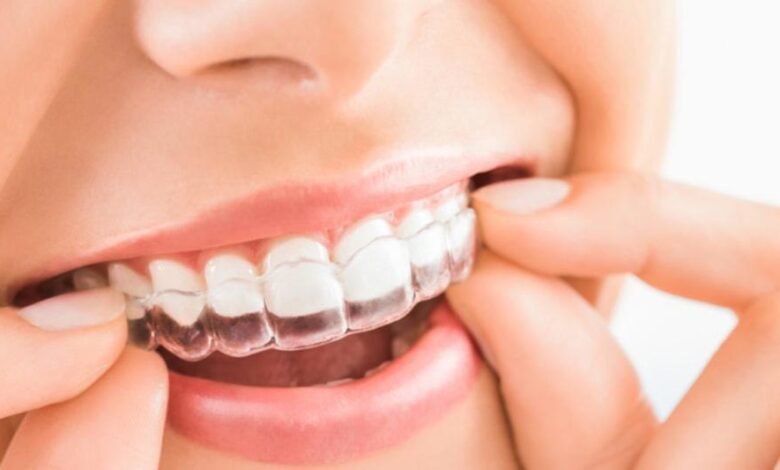
How long does Invisalign take to work? This comprehensive guide dives into the fascinating world of Invisalign treatment, exploring the factors that influence its duration. From initial consultations to final smiles, we’ll unpack the entire process, offering insights into typical timelines, potential delays, and strategies for a smoother journey.
Invisalign is a popular orthodontic treatment that uses clear, removable aligners to gradually straighten teeth. Understanding the timeframe involved is crucial for patients to manage expectations and stay motivated throughout the treatment.
Defining Invisalign Treatment Time
Invisalign is a popular orthodontic treatment method that uses clear, removable aligners to gradually shift teeth into their desired positions. This approach offers a discreet and comfortable alternative to traditional braces, but the duration of treatment varies significantly depending on the complexity of the case. Understanding the factors influencing treatment time is crucial for patients seeking this type of care.Invisalign treatment involves a series of precisely crafted aligners, each designed to gently reposition teeth.
The core principle is gradual tooth movement, achieved through a series of small, incremental shifts over time. The process begins with a thorough assessment, progresses through creating a personalized treatment plan, and culminates in the gradual, controlled movement of teeth until the desired outcome is reached.
Invisalign Treatment Phases
Invisalign treatment follows a structured series of phases. The initial consultation involves a comprehensive examination by an orthodontist, including a detailed review of dental history, X-rays, and photographs. This phase establishes the need for treatment and determines the overall complexity. Next, impressions are taken to create a precise model of the patient’s teeth. This model serves as a blueprint for the creation of the aligners.
Finally, a customized treatment plan is developed, outlining the specific sequence of aligners needed to achieve the desired outcome. This plan considers the patient’s specific needs and desired outcome, and often involves multiple virtual simulations of the movement.
Treatment Scenarios
The duration of Invisalign treatment is influenced by various factors, such as the severity of the misalignment. Mild crowding, where teeth are slightly overlapping, might require a shorter treatment time compared to significant malocclusion, where there are substantial discrepancies in the bite and alignment. For instance, a patient with mild crowding might require 6 to 18 months of treatment, while a patient with a complex bite problem, including significant jaw discrepancies, could require 18 months to 3 years.
Average Treatment Time Comparison
The table below provides a general comparison of average treatment time for different types of malocclusion. It’s crucial to remember these are averages, and individual treatment times can vary significantly based on factors like patient compliance, oral hygiene, and the orthodontist’s approach.
| Type of Malocclusion | Average Treatment Time (Months) |
|---|---|
| Mild crowding | 6-18 |
| Moderate crowding | 12-24 |
| Significant crowding with bite issues | 18-36 |
| Class II malocclusion (underbite) | 18-36 |
| Class III malocclusion (overbite) | 24-48 |
| Complex cases involving jaw discrepancies | 24-48+ |
Factors Affecting Invisalign Treatment Duration: How Long Does Invisalign Take To Work
Invisalign, a popular orthodontic treatment, offers a clear and discreet way to straighten teeth. However, the length of time it takes to achieve a desired outcome varies from patient to patient. Understanding the factors that influence this timeframe can help patients and their orthodontists anticipate the treatment journey and manage expectations effectively.Beyond the initial consultation and design of the aligners, several crucial elements contribute to the overall treatment duration.
Patient compliance, the severity of the malocclusion, and even the patient’s age all play significant roles in determining how long the process will take. Let’s delve into these key influences.
Patient Compliance
Patient compliance, or adherence to the treatment plan, is a critical factor in determining the Invisalign treatment timeline. Consistent wear of aligners as prescribed by the orthodontist is essential for proper tooth movement. Irregular or infrequent aligner wear can significantly prolong the treatment period.
- Positive Compliance: Patients who diligently wear their aligners for the prescribed amount of time each day usually experience faster treatment progress. They may change their aligners every one to two weeks as directed, adhering to the set schedule.
- Negative Compliance: Conversely, patients who don’t consistently wear their aligners or wear them for shorter durations than recommended may experience slower or even stalled tooth movement. This could involve skipping aligners, wearing them for a few hours instead of the full day, or simply forgetting to change them. In such cases, the treatment might take longer to achieve the desired results.
Severity of the Dental Issue
The complexity of the malocclusion (misalignment of teeth) directly impacts the duration of Invisalign treatment. More significant dental issues, such as severe crowding, significant bite discrepancies, or rotations, often require a more extended treatment period.
Invisalign treatment timelines vary, but generally, it takes around 6-18 months to see results. While achieving a straighter smile is definitely a worthwhile goal, it’s important to consider that drinking sugary beverages, like fruit juice flavored coffee, can hinder your overall health. For example, checking out this article on how any sugary drink increases diabetes risk can help you make informed choices about your diet fruit juice flavored coffee doesnt matter drinking any sugary beverage increases diabetes risk.
Ultimately, a balanced approach to both your dental and overall health is key to a successful invisalign journey.
- Mild Cases: For patients with minor alignment issues, the treatment duration might be relatively short, possibly spanning a few months. These cases typically involve minor rotations or slight crowding, allowing for a smoother and quicker progression through the aligners.
- Severe Cases: Conversely, patients with complex malocclusions requiring substantial movement and adjustments may need treatment for several months or even over a year. Such cases, with significant crowding or significant bite discrepancies, may necessitate more aligners and a longer period for the teeth to realign properly.
Patient Age
Patient age can influence the Invisalign treatment duration, though it’s not always a decisive factor. The rate of bone remodeling and the overall growth patterns of the jaw can sometimes affect the treatment time.
- Adolescents: In adolescents, growth spurts and the dynamic nature of jaw development can potentially affect the treatment plan, potentially leading to the need for adjustments along the way. This could impact the duration of the treatment period.
- Adults: In adults, the treatment duration may be slightly different due to the stability of the jaw structure. However, adults may not always experience the same level of treatment duration variation as adolescents.
Summary Table
| Factor | Positive Impact (Shorter Treatment) | Negative Impact (Longer Treatment) |
|---|---|---|
| Patient Compliance | Consistent aligner wear | Irregular or infrequent aligner wear |
| Severity of Dental Issue | Mild malocclusion | Severe malocclusion |
| Patient Age | Stable jaw structure (adults) | Growth spurts and jaw development (adolescents) |
Average Treatment Timeframes

Invisalign treatment, while a convenient and effective option for straightening teeth, can vary significantly in duration. Understanding the average timeframe for different cases helps patients and dentists anticipate the journey. This section delves into the typical treatment times, considering factors like age and individual dental needs.
Typical Invisalign Treatment Durations
The length of time needed to complete Invisalign treatment is influenced by several factors, including the severity of the misalignment and the patient’s compliance with the treatment plan. While no two cases are identical, a general range provides a helpful guideline.
| Age Group | Typical Treatment Range (Months) | Average Number of Aligners |
|---|---|---|
| Teenagers (13-18) | 12-18 months | 20-30 |
| Young Adults (19-29) | 12-24 months | 25-40 |
| Adults (30+) | 12-36 months | 25-50 |
These are just general estimations, and the actual time may vary depending on the individual’s unique situation. For example, patients with more complex orthodontic needs, like significant crowding or bite issues, might require a longer treatment period.
Variations in Treatment Times
While the table provides a general guideline, several factors can influence the length of Invisalign treatment. The complexity of the orthodontic issue is a significant factor. For instance, patients with mild crowding may see results in 12 months, while those with severe bite issues might require 24-36 months.
Patient compliance plays a crucial role. Consistent wear of aligners according to the prescribed schedule significantly impacts treatment efficiency. Regular check-ups and communication with the orthodontist are vital to ensuring the treatment progresses as planned. Poor compliance can lead to extended treatment times.
Lastly, the individual’s oral hygiene practices can also affect the overall duration. Maintaining good oral hygiene helps to prevent complications and ensures that the teeth respond positively to the aligners. Poor hygiene could result in issues that prolong treatment.
Invisalign treatment timelines vary, but generally, it takes anywhere from 6 to 18 months to complete. Of course, factors like the severity of your orthodontic needs will impact the length of treatment. It’s also important to consider the rising issue of digital self-harm among teens; if you’re noticing concerning behavior in your children, resources like this article can offer guidance.
Ultimately, the right approach to straightening your teeth will depend on individual needs and circumstances.
Average Aligners Used
The number of aligners used in an Invisalign treatment is closely linked to the severity of the malocclusion. A more complex case requires more aligners to achieve the desired results. The average number of aligners used, as shown in the table, is a general indicator of the treatment length. Remember that this is an average, and the actual number can vary greatly depending on individual needs.
For example, a patient with minor spacing issues might only need 20 aligners, while someone with significant crowding or a complex bite problem could require 40 or more. The orthodontist will carefully determine the necessary number of aligners for each unique case.
Treatment Progression and Timeline Visualization
Invisalign’s success hinges on a meticulous process of gradual tooth movement. Understanding how this process unfolds can help patients visualize their journey and better anticipate the treatment timeline. This section delves into the mechanics of tooth shifting, showcasing the progression through various stages of treatment.The Invisalign system employs a series of clear aligners, custom-made to fit each patient’s unique dental needs.
These aligners gently apply constant, controlled pressure to shift teeth into their desired positions. This process is not instantaneous; rather, it’s a gradual and predictable movement.
The Mechanics of Tooth Movement
The aligners exert a steady pressure on the teeth, causing them to move along a specific path. This movement occurs through a process called bone remodeling. As the teeth shift, the surrounding bone gradually adapts to the new position, ensuring the teeth are firmly anchored in their new alignment. This delicate process is carefully managed and monitored by the orthodontist.
Invisalign Aligner Creation
Invisalign aligners are crafted using a sophisticated 3D imaging and manufacturing process. First, a detailed 3D scan of the patient’s teeth is taken. This scan serves as the blueprint for creating a series of custom aligners. Software then designs the aligners, meticulously mapping out the precise movement needed for each tooth. The aligners are manufactured from a smooth, virtually invisible plastic material.
This allows for comfortable wear and minimal disruption to the patient’s daily routine.
Stages of Tooth Movement
Imagine a series of photographs showcasing a single tooth’s journey through the treatment. In the initial stages, the aligner would gently apply pressure, causing a subtle shift. Subsequent aligners would build upon this movement, gradually shifting the tooth further towards its final position. The movement is incremental, with each aligner incrementally moving the teeth to their desired position.
Each subsequent aligner further refines the tooth position, leading to the final desired result. This progressive shift is consistent and predictable.
Aligning the Teeth with Invisalign
The Invisalign process involves a series of aligners, each meticulously designed to gently shift the teeth into their desired position. These aligners are worn for approximately 20-22 hours a day, allowing for consistent pressure on the teeth. The patient will switch to a new aligner every 1-2 weeks, as determined by the orthodontist. This gradual, controlled pressure, combined with the customized design, allows for precise and efficient tooth movement.
Visual Representation of Treatment Progression
Imagine a series of images showing a set of teeth in various stages of movement. The first image could depict the initial state of the teeth, followed by images illustrating the gradual shifts with each new aligner. The final image would showcase the teeth in their corrected alignment. Each image would illustrate the subtle changes and progression of movement through the Invisalign treatment.
Invisalign Treatment Timeline Flowchart
    Start
    |
    v
     Initial Consultation & Scan
    |
    v
     Treatment Plan & Aligner Creation
    |
    v
     Aligner Set 1
    |
    v
     Aligner Set 2
    |
    v
     ...
    |
    v
     Final Aligner Set
    |
    v
     Retained Alignment (Optional)
    |
    v
     End
Potential Delays and Considerations
Invisalign treatment, while generally predictable, can experience unforeseen delays.
These delays are often due to factors beyond the initial treatment plan, and understanding these potential roadblocks can help patients anticipate and manage expectations. Knowing what might cause a delay can empower you to make informed decisions about your oral health journey.
A critical aspect of successful Invisalign treatment is proactive communication with your orthodontist. Open dialogue about any concerns, lifestyle changes, or potential complications will allow for prompt adjustments to the treatment plan, minimizing any negative impact on the timeline.
Common Situations Causing Delays
Unforeseen issues can sometimes arise during Invisalign treatment, affecting the overall timeline. These issues can be categorized into several common scenarios. Understanding these scenarios is crucial for effective management and anticipation.
- Patient Non-Compliance: A patient’s failure to wear aligners as prescribed, or neglecting scheduled appointments, can significantly impact the treatment progress. For instance, missing aligners for a few days can cause the teeth to shift back to their original position, requiring adjustments to the treatment plan and extending the treatment duration. Consistent adherence to the prescribed treatment protocol is crucial for achieving optimal results.
- Dental Issues Arising During Treatment: Sometimes, unexpected dental problems, such as cavities or gum inflammation, can occur during the Invisalign treatment. These issues necessitate additional procedures, such as fillings or scaling, that must be completed before continuing with the Invisalign process. This additional time needed for these procedures will directly impact the treatment duration.
- Changes in Oral Habits: A patient’s lifestyle habits can impact their treatment. For example, habits like teeth grinding (bruxism) or clenching can cause unwanted wear and tear on the aligners or the teeth, requiring modifications to the treatment plan and increasing the overall time. Such adjustments may involve the use of nightguards or changes to the aligner sequence.
- Treatment Plan Modifications: Occasionally, the orthodontist might need to modify the treatment plan. This could be due to unexpected issues or to ensure the most effective and efficient treatment outcome. These modifications, such as a need to extract teeth or a change in the prescribed aligner sequence, will naturally add time to the overall duration of the treatment.
Complications and Their Impact
Certain complications can also prolong Invisalign treatment. Addressing these potential challenges proactively is essential for managing treatment expectations.
- Difficulty with Aligner Fit: In some cases, aligners might not fit perfectly, causing discomfort or requiring adjustments. This difficulty may necessitate adjustments to the aligner design or the use of additional materials. If significant issues arise, the orthodontist might need to adjust the treatment plan, potentially extending the treatment duration.
- Oral Tissue Irritation: Some patients may experience irritation or sores in their mouth due to the aligners. If this occurs, the orthodontist may need to adjust the aligner pressure or change the treatment plan to address the irritation. This adjustment may add to the treatment duration.
- Tooth Movement Resistance: Certain teeth might exhibit resistance to movement. This could necessitate additional steps or adjustments to the treatment plan, including the use of different aligner types or longer treatment durations. The orthodontist will evaluate the resistance and determine the best course of action to ensure successful tooth movement.
Additional Appointments and Procedures
Understanding that additional appointments and procedures may be required is essential for managing treatment expectations.
Invisalign treatment timelines vary, but most people see noticeable results within a few months. It’s a journey of gradual improvement, and the process can be quite emotional, especially when you consider the challenges families face when a loved one is struggling with something like Alzheimer’s. Reading about what it’s like to see a parent struggle with Alzheimer’s really highlights the toll it takes.
Ultimately, the time it takes for Invisalign to work depends on individual factors, but you’ll likely see your smile transformation over several months, depending on your specific needs.
- Bite Adjustments: In some cases, the bite might require adjustment during the treatment process. Additional appointments may be necessary to ensure the bite is correct and stable, thus potentially increasing the overall treatment duration.
- Relapse: After treatment completion, patients might experience a relapse. This is when the teeth return to their previous positions. This often necessitates further treatment, adding time and potentially costs.
Unforeseen Issues and Treatment Duration
Recognizing that unforeseen circumstances can lead to delays is crucial. These unforeseen circumstances can range from personal emergencies to unexpected dental issues. Maintaining open communication with your orthodontist is essential for managing expectations.
Factors Leading to Treatment Delays
| Category | Factor | Impact |
|---|---|---|
| Patient-Related | Non-compliance with treatment plan | Significant delay in treatment completion |
| Patient-Related | Emergencies or unforeseen circumstances | Possible interruption or delay in treatment |
| Treatment-Related | Unexpected dental issues | Requires additional procedures and delays |
| Treatment-Related | Modifications to treatment plan | Direct impact on overall treatment duration |
Tips for Optimizing Treatment Time
Invisalign treatment, while generally effective, can vary in duration depending on several factors. Understanding how to optimize your treatment journey can significantly influence the time it takes to achieve your desired results. Proactive steps, combined with a collaborative approach with your orthodontist, can often lead to a more streamlined and efficient treatment process.
Effective communication and adherence to your orthodontist’s recommendations are crucial for a positive and timely outcome. Maintaining excellent oral hygiene and adhering to treatment protocols are vital for the success and speed of your Invisalign journey.
Patient Habits and Lifestyle Choices
Adopting healthy habits can significantly influence the treatment timeline. A balanced diet, rich in fruits, vegetables, and whole grains, supports overall well-being and can contribute to a faster healing process. Regular exercise promotes a healthy immune system, which may aid in tissue recovery during orthodontic treatment. Prioritizing sufficient sleep allows your body to repair and rejuvenate, potentially accelerating the treatment progress.
Maintaining Excellent Oral Hygiene, How long does invisalign take to work
Maintaining impeccable oral hygiene is paramount during Invisalign treatment. Regular brushing and flossing are essential to prevent plaque buildup and gum irritation. Invisalign aligners can trap food particles if not meticulously cleaned, leading to potential complications and extended treatment time. Using specialized Invisalign cleaning tools, such as a cleaning brush and mouthwash, can enhance your oral hygiene routine and maintain the aligners’ cleanliness.
Effective Communication with Your Orthodontist
Open communication with your orthodontist is vital for a successful treatment outcome. Actively participating in appointments, asking questions, and promptly addressing any concerns can streamline the treatment process. Honest feedback about any discomfort or difficulties you encounter can help your orthodontist make necessary adjustments and prevent potential delays.
Importance of Attending All Scheduled Appointments
Attending all scheduled appointments is crucial for monitoring treatment progress and ensuring optimal results. Missing appointments can disrupt the carefully planned treatment timeline and potentially lead to delays. Regular check-ups allow your orthodontist to assess your progress, make necessary adjustments to the treatment plan, and address any emerging issues promptly.
Patient Compliance and Optimal Results
Patient compliance plays a pivotal role in achieving optimal results and shortening treatment time. This includes diligently wearing your aligners for the prescribed amount of time each day, following the recommended cleaning procedures, and reporting any discomfort or complications promptly. A high level of patient compliance fosters a strong partnership with your orthodontist, ensuring the most efficient and effective treatment path.
Adherence to your orthodontist’s instructions is key to avoiding delays and maximizing the effectiveness of your Invisalign treatment. Consistent effort contributes significantly to a shorter treatment time. A dedicated patient is more likely to achieve their desired outcome within the estimated timeframe.
Wrap-Up

Ultimately, the time Invisalign takes to work depends on individual factors, including the severity of the dental issue, patient compliance, and age. While a general timeframe can be provided, it’s essential to consult with an orthodontist for personalized expectations. Remember, consistency and communication are key to achieving optimal results within the estimated timeframe.
