How to drink more water is a crucial aspect of maintaining overall health and well-being. This comprehensive guide delves into the science of hydration, offering practical strategies and personalized plans to help you increase your water intake effortlessly. We’ll explore individual hydration needs, delicious ways to flavor water, and how to incorporate hydration into your daily routines. From understanding your body’s specific requirements to addressing common challenges, this guide provides a holistic approach to optimizing your hydration.
We’ll cover everything from calculating your daily water needs based on factors like weight and activity level to understanding the importance of hydration for various bodily functions. We’ll also provide practical strategies for incorporating water into your daily routine, such as setting reminders, carrying a reusable water bottle, and using hydration apps. Learn about different types of water and their benefits, along with healthy ways to flavor your water.
We’ll explore incorporating water into your meals and snacks, providing examples of hydrating foods and drinks. Plus, we’ll address common concerns and myths about water consumption, offering evidence-based explanations.
Understanding Hydration Needs
Staying hydrated is crucial for optimal bodily function and overall well-being. Proper hydration isn’t just about quenching thirst; it’s a fundamental aspect of maintaining health. From supporting organ function to regulating temperature, water plays a vital role in countless processes within the body. Understanding your individual hydration needs is key to achieving and maintaining this crucial balance.Knowing how much water you need daily isn’t a one-size-fits-all answer.
Factors like your weight, activity level, and climate all play a significant role. This section delves into the intricacies of calculating your personalized water intake and identifying signs of dehydration. We’ll explore the essential role of hydration in various bodily functions and provide a clear comparison of hydration needs across different demographics.
Calculating Daily Water Needs
Understanding your daily water needs is important for maintaining good health. It’s not just about drinking enough to quench your thirst; it’s about providing your body with the necessary fluid to perform its vital functions. Various factors influence individual water requirements.
A general guideline for calculating daily water intake is 8 glasses (approximately 2 liters) per day. However, this is a broad estimate and individual needs vary.
To calculate a more precise daily water intake, consider these factors:
- Weight: Your body weight directly impacts your water needs. A heavier person generally requires more water than a lighter one.
- Activity Level: Physical activity increases fluid loss through sweat. Active individuals need to drink more water than those with sedentary lifestyles. For instance, an athlete during a strenuous workout will require more water than a person simply walking.
- Climate: Hot and humid climates lead to increased perspiration, demanding a higher water intake. Living in arid regions or experiencing prolonged exposure to heat requires adjusting your water intake.
Estimating Hydration Levels
Monitoring your hydration levels is essential for maintaining optimal health. Recognizing signs of dehydration can help you take proactive steps to stay hydrated.
Staying hydrated is key, especially for maintaining overall health. Plus size bloggers often discuss the importance of mindful hydration, as part of a holistic wellness routine. They frequently highlight how incorporating water into their daily schedules, like carrying a reusable water bottle and setting reminders, can be incredibly helpful. Checking out resources on plus size bloggers health can give you some practical tips on how to drink more water, and how to make it a sustainable habit.
Ultimately, finding what works best for you is the goal!
- Urine Color: A clear or pale yellow urine color generally indicates good hydration. Darker yellow or amber urine may suggest dehydration.
- Thirst: Thirst is a clear signal that your body needs water. Responding to thirst promptly helps prevent dehydration.
- Dry Mouth: A dry mouth is another indicator of dehydration. Frequent dryness may be a sign of insufficient fluid intake.
- Headache: Dehydration can sometimes lead to headaches. If you experience persistent headaches, assess your fluid intake.
Importance of Hydration for Bodily Functions
Water is vital for numerous bodily functions. From nutrient transport to temperature regulation, hydration is a cornerstone of health.
- Nutrient Absorption: Water facilitates the absorption of nutrients from food.
- Waste Removal: Water helps eliminate waste products from the body, promoting healthy detoxification.
- Temperature Regulation: Sweating is a critical process for regulating body temperature, and sufficient water intake supports this process.
- Joint Lubrication: Water lubricates joints, reducing friction and pain.
Hydration Needs Across Different Demographics
Different age groups and activity levels have varying hydration needs. The table below provides a general comparison.
| Age Group | Activity Level | Approximate Daily Water Intake (Liters) |
|---|---|---|
| Children (6-12) | Sedentary | 1.5-2 |
| Children (6-12) | Active | 2-2.5 |
| Adults (18-64) | Sedentary | 2-2.5 |
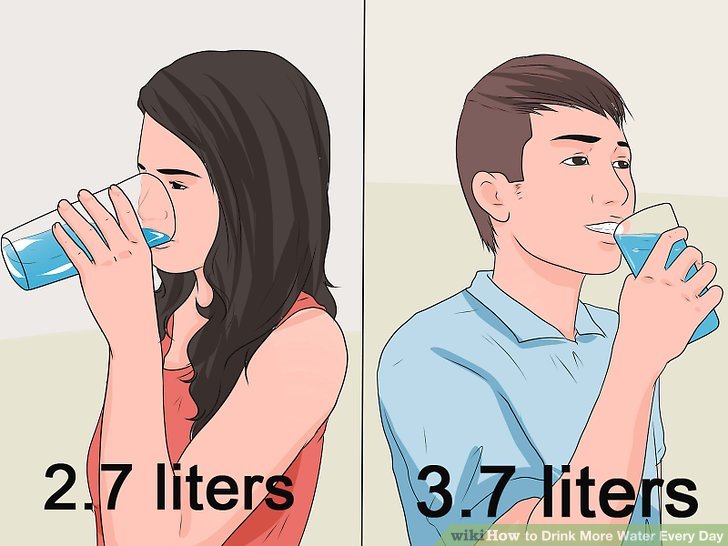
| Adults (18-64) | Active | 2.5-3.5 |
| Elderly (65+) | Sedentary | 1.5-2 |
| Elderly (65+) | Active | 2-2.5 |
Practical Strategies for Increased Water Intake

Staying hydrated is crucial for overall well-being. Beyond understanding your individual needs, practical strategies are essential for consistently meeting those needs. Implementing simple changes in your daily routine can significantly improve your water intake and promote optimal health.Successfully increasing your water intake requires more than just knowing how much you should drink. It demands proactive strategies that seamlessly integrate hydration into your lifestyle.
This section Artikels practical methods for making hydration a non-negotiable part of your daily routine.
Setting Reminders and Using Technology
Establishing consistent hydration habits often requires conscious effort. Setting reminders on your phone or using dedicated hydration apps can significantly help. These tools serve as gentle prompts, reminding you to sip water throughout the day, especially when you might otherwise forget. Scheduling regular water intake times can also be beneficial.
Carrying a Reusable Water Bottle
A reusable water bottle is a simple yet powerful tool for increasing water intake. Having a readily available water bottle at your desk, in your bag, or by your side at all times makes it easier to sip on water throughout the day. The act of carrying a water bottle serves as a constant visual reminder of your hydration goals.
Consider selecting a bottle with a measurement scale to visually track your intake.
Flavoring Your Water
Plain water can sometimes become monotonous. Flavoring your water with natural additions can make it more appealing and encourage you to drink more. Adding slices of lemon, cucumber, or berries to your water can create refreshing and flavorful variations. Experiment with different fruits and herbs to find your favorite combinations.
Utilizing Hydration Apps
Hydration apps provide a convenient way to track your water intake. These apps can remind you to drink water, track your daily progress, and even set goals. Many apps offer customizable reminders, allowing you to tailor them to your specific schedule and preferences. Some apps even integrate with wearable devices for a more comprehensive approach to hydration monitoring.
Different Types of Water and Their Potential Benefits
Different types of water can offer unique characteristics and potential benefits. Filtered water removes impurities, potentially improving taste and reducing exposure to contaminants. Sparkling water can add a refreshing fizz and potentially help with digestion. Infused water, incorporating fruits or herbs, adds flavor and vitamins to your daily hydration.
| Type of Water | Potential Benefits |
|---|---|
| Filtered Water | Improved taste, reduced exposure to contaminants |
| Sparkling Water | Refreshing, potential digestive aid |
| Infused Water | Flavorful, addition of vitamins and minerals |
Incorporating Water into Meals and Snacks
Boosting your daily water intake doesn’t have to feel like a chore. Smartly incorporating water-rich foods and drinks into your meals and snacks can make hydration a seamless part of your lifestyle. This approach not only increases your fluid intake but also provides essential nutrients and fiber, contributing to overall health and well-being.Strategic hydration involves understanding that water isn’t just consumed as a standalone beverage.
A variety of foods and beverages contribute to your daily hydration needs. Incorporating these into your diet makes staying hydrated easier and more enjoyable.
Naturally Hydrating Foods and Drinks
Many foods and drinks are naturally high in water content. These options can help you meet your hydration goals while adding flavor and nutrients to your meals and snacks. Including them in your diet can make a significant difference in your overall hydration levels.
- Fruits like watermelon, strawberries, cucumbers, and oranges are excellent sources of hydration. Their high water content contributes to your daily fluid intake, along with essential vitamins and minerals.
- Vegetables like celery, lettuce, spinach, and zucchini are hydrating and contribute to a balanced diet. Their high water content adds bulk to your meals and supports healthy digestion.
- Soups, particularly broth-based soups, are a great way to increase your water intake. The broth itself is primarily water, and the vegetables and proteins add essential nutrients.
- Yogurt and milk are also good sources of hydration, containing a significant amount of water alongside protein and calcium.
Incorporating Water into Meals
Water-rich foods can easily be integrated into various meals, enhancing flavor and texture while promoting hydration.
- Soups can be a satisfying and hydrating meal. Choose broths made with vegetables and lean protein to boost nutritional value. Vegetable-packed soups like tomato soup or lentil soup provide both hydration and nutrients.
- Smoothies are a convenient way to combine fruits, vegetables, and liquids. Blend fruits high in water content, such as berries and melon, with leafy greens for a refreshing and hydrating smoothie.
- Salads are a versatile platform for incorporating hydrating vegetables. Add cucumbers, tomatoes, and leafy greens to your salads to boost their water content and overall nutritional value. Combine these ingredients with a light vinaigrette dressing.
Hydrating Snacks for Sustained Hydration
Choosing the right snacks can help you maintain hydration throughout the day.
- Fruits like grapes, oranges, and berries are refreshing and hydrating options. Their natural sweetness and high water content make them a satisfying snack.
- Vegetables like carrots, celery, and bell peppers are crunchy and hydrating snacks. They provide fiber and vitamins, and the high water content helps keep you feeling full.
- Yogurt or a small bowl of fruit salad are also good hydrating snack options.
Hydrating Food Examples
The table below provides examples of hydrating foods and their approximate water content.
| Food | Approximate Water Content (%) |
|---|---|
| Watermelon | 92 |
| Spinach | 92 |
| Celery | 95 |
| Cucumber | 96 |
| Lettuce | 95 |
| Tomatoes | 94 |
Addressing Common Challenges and Concerns
Staying hydrated is crucial for overall well-being, but many people struggle to meet their daily water intake goals. This section delves into common obstacles and offers practical strategies to overcome them, along with addressing potential myths and concerns surrounding water consumption. Understanding these challenges can empower individuals to create personalized hydration plans and achieve consistent, healthy hydration.Overcoming the hurdles to adequate water intake requires a multifaceted approach.
By acknowledging the reasons behind the challenges, and implementing effective solutions, individuals can improve their hydration habits and reap the numerous benefits of proper water consumption.
Common Reasons for Difficulty Drinking Enough Water
Many factors contribute to difficulties in meeting daily hydration needs. Understanding these reasons is the first step in creating a personalized plan to overcome them.
- Taste Preferences: Plain water can sometimes lack appeal. The taste of tap water, for instance, can be influenced by local water treatment processes. This can lead individuals to favor sugary drinks or other beverages, often lacking the hydrating benefits of plain water.
- Busy Schedules: In today’s fast-paced world, it’s easy to neglect hydration. The demands of work, family, and social commitments can make remembering to drink water seem like a low priority.
- Lack of Awareness: Many individuals aren’t fully aware of their body’s hydration needs or the long-term effects of inadequate water intake. This lack of awareness can lead to inconsistent and insufficient hydration practices.
Strategies for Overcoming Challenges
A personalized hydration plan can address individual preferences and lifestyle factors to make consistent water intake a more manageable goal.
- Creating a Personalized Hydration Plan: This plan should consider individual preferences, daily activities, and the environment. For instance, someone with a physically demanding job will require a higher intake than someone with a sedentary lifestyle. A personalized plan can include setting reminders, using water bottles with markers, or finding water sources at different locations throughout the day.
- Adding Flavor to Water: Making water more appealing can be achieved through the addition of natural flavors. Freshly squeezed citrus fruits, cucumbers, or berries can add a refreshing twist. Infusing water with herbs like mint or lemon can also enhance its taste and encourage consumption.
- Utilizing Reminders and Tracking Tools: Setting reminders on phones or using hydration apps can help ensure consistent water intake throughout the day. Tracking water intake can also provide valuable insights into individual hydration patterns and identify areas for improvement.
Myths Surrounding Water Consumption
Several misconceptions surround water intake. Understanding the facts is essential for forming healthy hydration habits.
- Myth: Drinking too much water is harmful. While excessive water intake can lead to hyponatremia, a condition characterized by dangerously low sodium levels in the blood, it’s rare for this to occur from everyday drinking. This is particularly true for healthy individuals with normal kidney function. The body has natural mechanisms to regulate water balance.
- Myth: Water intake needs vary greatly based on factors such as age, gender, or activity level. The reality is that hydration requirements are influenced by these factors. However, the variation in needs is usually fairly well-defined by factors such as weight and activity level. Therefore, a generalized understanding of hydration requirements, while useful, should not substitute a personalized approach.
- Myth: It is possible to drink too much water at once. Drinking too much water quickly can cause discomfort, but not necessarily harm. The body has mechanisms to process fluids over time. However, consuming large quantities of water too quickly can cause a mild headache and a feeling of bloating.
Addressing Potential Side Effects or Concerns
While the benefits of drinking enough water are numerous, understanding potential side effects is also important.
- Addressing potential side effects of drinking too much water. While rare, excessive water intake can lead to hyponatremia. Symptoms include nausea, headache, and confusion. If these symptoms occur, seeking medical attention is crucial.
Creating a Personalized Hydration Plan: How To Drink More Water
Staying hydrated is crucial for overall well-being, but a one-size-fits-all approach to water intake rarely works. Individual needs vary based on activity level, climate, health conditions, and even diet. A personalized plan helps tailor water intake to your unique circumstances, making hydration a sustainable and effective part of your routine.Creating a personalized plan involves understanding your baseline hydration needs and building strategies that fit your lifestyle.
This approach ensures you’re consistently meeting your hydration goals without feeling overwhelmed or restricted. It also allows you to adapt to changes in your daily schedule or activity level.
Creating Your Hydration Baseline
To start, determine your daily fluid needs. Consider factors like your activity level, climate, and any underlying health conditions. Consult with a healthcare professional if you have concerns about your hydration needs. This baseline is a crucial starting point for building a personalized plan.
Personalized Water Intake Template
This template can be adapted to fit your individual needs:
- Current Water Intake: Track your current water intake for a few days. Use a water bottle with markings or a hydration tracking app to monitor your intake accurately. This helps you establish a realistic starting point.
- Daily Activity Level: Assess your daily activity level. Are you mostly sedentary, moderately active, or highly active? More physical activity typically necessitates more water intake.
- Climate and Environment: Consider the climate and environment. Hot and humid weather requires more water to compensate for increased perspiration.
- Health Conditions: If you have any health conditions that affect your hydration needs, consult with a healthcare professional for personalized guidance.
- Targeted Intake: Based on your current intake, activity level, climate, and health conditions, determine your target daily water intake. Use online calculators or consult a healthcare professional for guidance.
Incorporating the Plan into Daily Routines, How to drink more water
Implementing your personalized plan into your daily routines is key to making it a sustainable habit. Consistency is crucial for optimal hydration.
- Scheduled Reminders: Set reminders on your phone or use a water bottle with a built-in timer to ensure regular water intake throughout the day.
- Water Bottle as a Companion: Keep a reusable water bottle with you at all times. This makes it easy to sip water throughout the day, rather than waiting until you feel thirsty.
- Hydration Breaks: Schedule specific times for water breaks, particularly before, during, and after physical activity.
- Water with Meals and Snacks: Include water with meals and snacks to help with digestion and maintain hydration levels.
Adjusting and Refining the Plan
Your needs may change over time, so it’s essential to adjust your plan as necessary.
- Monitor Your Progress: Track your water intake regularly to assess if you’re meeting your targets. Adjust as needed to maintain your progress.
- Listen to Your Body: Pay attention to your body’s signals. If you’re feeling thirsty, drink water. If you’re experiencing any adverse effects, adjust your intake.
- Seek Professional Guidance: If you have concerns about your hydration levels, consult a healthcare professional for personalized advice.
Sample Personalized Water Intake Schedule for a Busy Professional
| Time | Activity | Water Intake (in cups) |
|---|---|---|
| 7:00 AM | Breakfast | 1 cup |
| 8:00 AM – 12:00 PM | Work | 2 cups |
| 12:00 PM | Lunch | 1 cup |
| 1:00 PM – 5:00 PM | Work | 2 cups |
| 5:00 PM | Dinner | 1 cup |
| 6:00 PM – 8:00 PM | Evening Activities | 1.5 cups |
| 8:00 PM – 10:00 PM | Relaxation | 1 cup |
This is a sample schedule; adjust the amounts based on your individual needs.
Making Hydration a Sustainable Habit
Consistency is key to making hydration a sustainable habit.
- Make it a Routine: Integrate water intake into your daily routine, such as drinking a glass of water with each meal or snack.
- Positive Reinforcement: Reward yourself for meeting your hydration goals. This can help create positive associations with staying hydrated.
- Find What Works: Experiment with different methods until you find strategies that work best for you. A personalized approach is essential for creating sustainable habits.
Visual Representation of Hydration
Understanding hydration is more than just knowing how much water to drink. A powerful visual representation can make the importance of staying hydrated more tangible and engaging, fostering a deeper understanding and commitment to this essential aspect of well-being. Visual aids can transform abstract concepts into relatable experiences, motivating individuals to prioritize hydration in their daily lives.Visual representations are key to internalizing the profound impact of hydration on various bodily functions.
Staying hydrated is key, but sometimes we underestimate how much water we actually need. It’s easy to just grab a glass and sip, but are you truly getting enough? Rinsing that apple off with water might not be good enough, as the article rinsing that apple off with water might not be good enough points out, highlighting the importance of mindful hydration.
Instead, try setting reminders, carrying a reusable water bottle, or adding flavour to your water to make it more appealing. These simple changes can help you reach your daily water intake goals!
By visually connecting hydration to specific systems and their performance, we can foster a stronger personal commitment to maintaining optimal hydration levels.
Infographic Depiction of Hydration’s Importance
A visually compelling infographic would depict the interconnectedness of hydration with different body systems. The infographic could feature a central image of a stylized human body, with vibrant color-coded sections representing different systems (e.g., circulatory, digestive, nervous, musculoskeletal). Each section could be highlighted with different shades of blue, representing the volume of water within those systems. Arrows connecting these sections would show how water impacts each area, using various icons or diagrams to illustrate these effects.
For instance, a healthy circulatory system could be depicted with smooth, flowing lines, while a struggling one might display congested or blocked vessels. The infographic could also include a timeline highlighting the consequences of dehydration, such as decreased cognitive function or impaired physical performance, presented in a clear and concise manner.
Illustration of the Human Body and Hydration
A detailed illustration of the human body would highlight the various areas directly affected by hydration levels. The illustration should depict the body in a balanced, healthy state. Different areas of the body (such as the brain, muscles, joints, skin, and organs) would be shaded differently to represent the concentration of water within them. A key would provide clear distinctions in the shading, allowing viewers to understand the water distribution within the body.
Areas impacted by dehydration, such as dry skin, sunken eyes, or a decrease in muscle mass, would be clearly highlighted in the illustration, emphasizing the negative effects of dehydration. This visual representation should create a strong connection between the body’s structure and its reliance on water.
Water Cycle and Human Hydration
A diagram illustrating the water cycle would effectively demonstrate the continuous process of water distribution on Earth and its vital role in human hydration. The diagram would start with water evaporating from bodies of water, clouds forming, and precipitation occurring. A section of the diagram should illustrate how this precipitation is consumed by plants and animals, including humans.
Staying hydrated is crucial, especially during these times. Carrying a reusable water bottle and setting reminders on your phone can help you sip throughout the day. Just like local groups, like groups supporting their communities during covid , are stepping up to help each other, we can also support our own well-being by prioritizing water intake. Remembering to drink water consistently is a small but powerful act of self-care.
This cycle could be visually linked to the human body, showing how water intake, through various sources, replenishes the body’s water reserves. The diagram would visually connect the global water cycle to individual hydration needs, making the concept more relatable and memorable. The diagram could use different colors to distinguish the different stages of the water cycle, and icons to represent the different sources of water consumption.
Visual Aids for Tracking Daily Water Intake
Visual aids can help individuals track their daily water intake more effectively. A simple visual aid would be a large, clear glass or bottle marked with increments, clearly showing how much water has been consumed. Other visual aids could include daily trackers, color-coded charts, or water bottle trackers, providing a visual representation of daily intake and progress. These tools would allow individuals to track their progress and stay motivated, making hydration more manageable and rewarding.
For instance, a simple graph plotting daily water intake over a week could provide valuable insights into consistent hydration habits. A chart showing the recommended daily water intake based on factors like activity level and body weight could also be incorporated.
Water and Specific Health Conditions
Staying hydrated is crucial for overall health, but its role becomes even more significant when managing specific health conditions. Understanding how water interacts with various ailments allows for more effective management and improved quality of life. Proper hydration strategies can positively impact symptoms and help individuals better navigate their health journeys.Proper hydration plays a pivotal role in managing conditions ranging from kidney stones to diabetes and heart health.
The right amount of water, combined with other healthy lifestyle choices, can significantly improve outcomes. Tailoring hydration strategies to individual needs and conditions is paramount for optimal results.
Kidney Stones
Kidney stones are hard deposits that form inside the kidneys. Dehydration is a major risk factor for developing kidney stones, as insufficient fluid intake allows minerals to concentrate and form stones. Maintaining adequate hydration helps dilute these minerals, preventing their crystallization and subsequent stone formation.
- Increased Fluid Intake: A crucial strategy for preventing kidney stones is increasing daily fluid intake, especially water. Aim for a higher intake than usual, while still considering individual tolerance and potential side effects. For instance, increasing water intake gradually can help prevent digestive issues.
- Specific Dietary Recommendations: While water is essential, dietary changes may be necessary depending on the type of kidney stones. A doctor can recommend specific dietary restrictions to minimize the risk of further stone formation.
- Monitoring Symptoms: Close monitoring of symptoms is important. If pain or discomfort arises, seek immediate medical attention. Maintaining a consistent hydration routine can help to manage pain, along with other treatments.
Diabetes
Diabetes management often includes careful attention to hydration. Proper hydration is essential for blood sugar regulation and overall health for people with diabetes. It aids in the excretion of glucose and toxins.
- Blood Sugar Control: Water plays a role in blood sugar regulation, as it helps the body flush out excess glucose. Consistent hydration can help in maintaining stable blood sugar levels.
- Reduced Risk of Complications: Dehydration can increase the risk of complications, such as kidney damage, in individuals with diabetes. Adequate hydration can mitigate this risk.
- Managing Thirst: Individuals with diabetes may experience increased thirst. Understanding this symptom and responding with adequate hydration can prevent further complications.
Heart Health
Maintaining optimal cardiovascular health is directly linked to hydration. Adequate hydration can help regulate blood pressure and improve circulation. This can be beneficial for individuals at risk of or experiencing heart-related issues.
- Blood Pressure Regulation: Water helps regulate blood pressure by maintaining proper blood volume. A balanced hydration routine can aid in managing blood pressure levels.
- Improved Circulation: Hydration contributes to improved circulation, ensuring oxygen and nutrients reach all parts of the body, including the heart. This is important for heart health.
- Reduced Risk of Heart Attacks: Studies suggest that adequate hydration may help reduce the risk of heart attacks. A consistent hydration regimen can be a part of a broader cardiovascular health strategy.
Hydration and Exercise
Staying hydrated is crucial for everyone, but especially important for those who exercise regularly. Exercise increases your body’s need for water, as it leads to fluid loss through sweat. Failing to replenish these lost fluids can negatively impact performance and overall health. Understanding how to adjust your hydration strategies based on exercise intensity and duration is key to optimal performance and recovery.
Impact of Exercise on Hydration Needs
Exercise significantly increases fluid loss through sweat. The amount of sweat produced depends on factors such as the intensity and duration of the activity, environmental conditions (temperature and humidity), and individual characteristics (fitness level, body size). Higher intensity workouts and prolonged durations result in greater fluid loss. This increased need for water replacement is essential to maintain bodily functions and prevent dehydration.
Pre-Exercise Hydration Strategies
Adequate hydration before exercise is crucial for optimal performance. Aim to consume a sufficient amount of water or electrolyte drinks in the hours leading up to your workout. This pre-hydration strategy helps to ensure your body has sufficient fluids to support the activity. Consider drinking 2-3 cups of water 2-3 hours before exercise.
During-Exercise Hydration Strategies
During exercise, it’s vital to replenish lost fluids. The frequency and amount of water intake should be adjusted according to the intensity and duration of the activity. Sip water or electrolyte drinks at regular intervals to maintain hydration levels. For moderate-intensity exercise lasting less than an hour, water is often sufficient. For intense or prolonged exercise, electrolyte drinks can help replenish essential minerals lost through sweat.
Post-Exercise Hydration Strategies
Replenishing fluids after exercise is just as important as pre- and during-exercise hydration. After your workout, aim to drink water or electrolyte drinks to replace the fluids lost through sweat. Pay attention to thirst cues, and continue drinking until you feel adequately hydrated. It’s crucial to rehydrate to aid muscle recovery and replenish lost electrolytes.
Hydration and Athletic Performance
Adequate hydration is directly linked to athletic performance. Dehydration can lead to decreased endurance, reduced strength, impaired cognitive function, and increased risk of injury. By maintaining proper hydration levels, athletes can enhance their performance and optimize their recovery. Maintaining hydration throughout exercise helps maintain cardiovascular function and regulate body temperature.
Table: Hydration Needs for Different Sports
| Sport | Hydration Needs (General Guidelines) |
|---|---|
| Marathon Running | Significant fluid intake throughout the race, possibly with electrolyte drinks to replace lost minerals. |
| Basketball | Regular water intake during breaks and between quarters, especially in hot weather. |
| Swimming | High fluid intake due to water loss through evaporation. |
| Weightlifting | Hydration is crucial for muscle function and recovery. |
| Soccer | Frequent water intake throughout the game, particularly in warm environments. |
Summary
In conclusion, maintaining proper hydration is essential for optimal health. This guide provides a roadmap to understand your hydration needs, develop personalized strategies, and make sustainable changes to your daily routine. By incorporating the tips and techniques discussed, you can increase your water intake, improve your overall health, and enjoy the numerous benefits of staying hydrated. Remember, consistent effort and a personalized approach are key to successfully implementing these strategies into your lifestyle.