Low gluten wheat for celiac disease offers a potential solution for those needing a gluten-free diet. This exploration delves into the specifics of these wheat varieties, examining their potential benefits, challenges, and nutritional aspects. Understanding the different types, nutritional value, and culinary applications is crucial for navigating this dietary choice.
We’ll discuss the science behind low gluten wheat, exploring the genetic modifications (if any) and growing methods used to create these varieties. A detailed comparison to traditional wheat and other gluten-free options will be provided. We’ll also cover safety considerations, availability, and cost, ultimately empowering readers to make informed decisions about their diet.
Introduction to Low Gluten Wheat for Celiac Disease
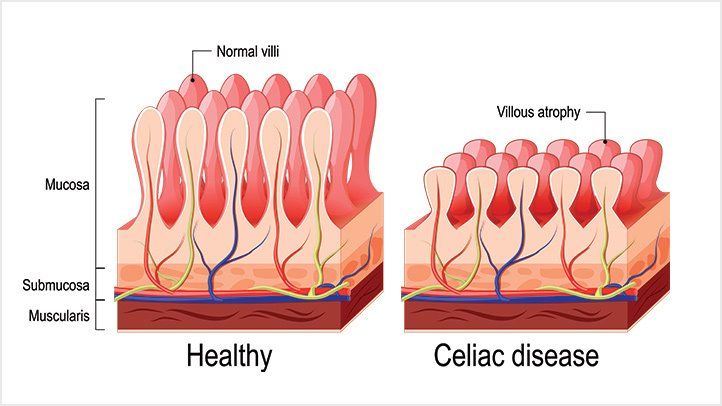
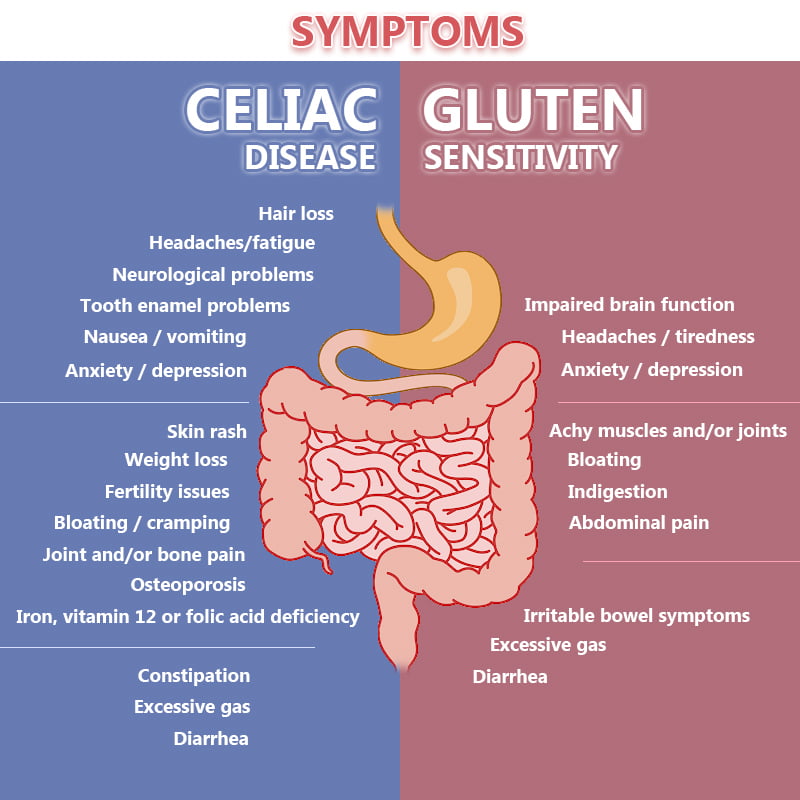
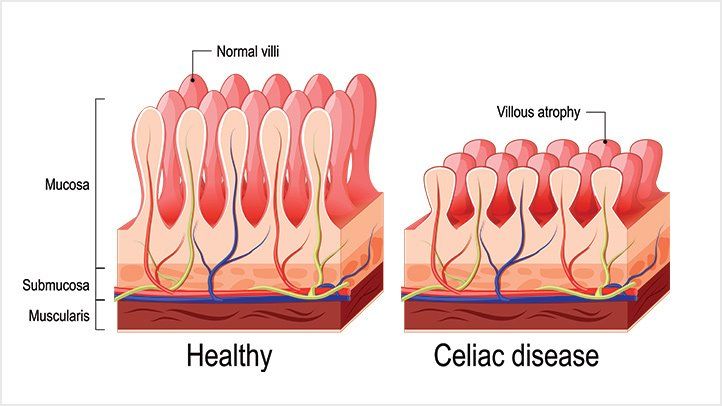
Celiac disease is an autoimmune disorder triggered by gluten, a protein found in wheat, barley, and rye. When individuals with celiac disease consume gluten, their immune system attacks the lining of the small intestine, causing damage and hindering nutrient absorption. This damage necessitates a strict gluten-free diet to prevent further complications and maintain overall health. While a complete elimination of gluten is crucial for managing celiac disease, the concept of low gluten wheat varieties presents a potential alternative for some individuals.Low gluten wheat varieties represent a possible compromise for those seeking a more flexible approach to managing their celiac disease.
These varieties have a significantly lower gluten content compared to conventional wheat, potentially allowing individuals with celiac disease to consume them with a lower risk of adverse reactions. However, the impact of low gluten wheat on each individual varies, and careful monitoring is essential. Understanding the challenges and limitations of these varieties is crucial for making informed dietary choices.
Overview of Celiac Disease and Gluten-Free Diets
Celiac disease significantly impacts the digestive system, leading to inflammation and damage in the small intestine. This damage hinders the absorption of essential nutrients from food. A gluten-free diet is the cornerstone of celiac disease management, preventing further damage and allowing the intestines to heal. This diet eliminates all sources of gluten, including wheat, barley, and rye.
Strict adherence to this diet is crucial for preventing symptoms and maintaining long-term health.
Low Gluten Wheat Varieties and Their Potential Benefits
Low gluten wheat varieties are specifically bred to have a lower gluten content than conventional wheat. These varieties are often developed through genetic modification or traditional breeding techniques. Potential benefits for individuals with celiac disease include the possibility of reduced or minimized symptoms, a wider range of dietary options, and potentially a more flexible approach to meal planning.
However, the impact of low gluten wheat on each individual varies, and further research is needed to establish definitive guidelines.
Challenges and Limitations of Low Gluten Wheat
The challenge in utilizing low gluten wheat lies in the variability of gluten content. Different varieties may have varying levels of gluten, and even within the same variety, gluten content can fluctuate depending on growing conditions and processing methods. Moreover, cross-contamination during food preparation remains a significant concern. Even trace amounts of gluten can trigger symptoms in individuals with celiac disease.
Importance of Consulting with a Healthcare Professional
Individuals with celiac disease should always consult with a healthcare professional or registered dietitian before making any dietary changes, including incorporating low gluten wheat into their diet. A healthcare professional can assess individual needs, evaluate potential risks, and provide personalized guidance based on the individual’s specific condition and response to gluten. This personalized approach is crucial for ensuring the safety and effectiveness of any dietary modifications.
Table of Low Gluten Wheat Varieties
| Wheat Type | Gluten Content (low, medium, high) | Suitability for Celiac Disease | Potential Health Benefits |
|---|---|---|---|
| Low Gluten Wheat | Low | Potentially suitable for some individuals, but individual tolerance varies | May offer a more flexible approach to a gluten-free diet, potentially minimizing symptoms. |
| Medium Gluten Wheat | Medium | Not suitable for celiac disease | Not applicable. |
| High Gluten Wheat | High | Not suitable for celiac disease | Not applicable. |
Types of Low Gluten Wheat
Low gluten wheat varieties are a crucial development in the dietary landscape for individuals with celiac disease and gluten sensitivities. These specialized wheats offer a viable alternative to traditional wheat, enabling a wider range of culinary options while adhering to strict dietary requirements. Understanding the different types and their characteristics is vital for informed choices.These varieties are not simply wheat with less gluten; they represent a diverse range of genetic traits and cultivation methods that result in significantly reduced gluten content.
This reduction can vary greatly between different varieties, influencing their nutritional profile, yield, and suitability for specific applications.
Different Varieties of Low Gluten Wheat
Various wheat varieties have been developed to minimize gluten content. These include specific cultivars, bred for reduced gluten production, or naturally occurring types with inherently lower gluten levels. Detailed examination of these varieties is important to understand their characteristics and potential applications.
Gluten Content Comparison
Low gluten wheat varieties exhibit significantly lower gluten content compared to traditional wheat. This reduction in gluten is achieved through genetic modifications or natural selection. Quantifiable measurements of gluten content are crucial for accurate comparison. For example, a low gluten wheat cultivar might have 50% less gluten than conventional wheat.
Nutritional Profile Comparison, Low gluten wheat for celiac disease
While low gluten wheat aims to reduce gluten, the nutritional profile can differ depending on the specific variety. Some varieties may have slightly altered levels of essential nutrients like protein, fiber, and vitamins. Comparing nutritional values of low gluten wheat with traditional wheat helps to understand the potential trade-offs in terms of overall nutritional benefit.
Yield Comparison
Yields of low gluten wheat varieties can vary based on factors like growing conditions, specific cultivar, and agricultural practices. Comparing yield data between low gluten wheat and traditional wheat varieties is essential to evaluate the practical implications of adopting these newer cultivars.
Table: Nutritional Content Comparison
| Nutrient | Traditional Wheat | Low Gluten Wheat (Example Variety) |
|---|---|---|
| Protein (g/100g) | 12 | 11 |
| Fiber (g/100g) | 2 | 2.5 |
| Gluten (g/100g) | 10 | 5 |
| Vitamin B (mg/100g) | 0.5 | 0.4 |
Note
Nutritional values can vary based on specific growing conditions and cultivars.
Finding safe and suitable alternatives for gluten-free diets is crucial for those with celiac disease. Low gluten wheat varieties are gaining popularity as a potential solution. However, recent outbreaks like the ones linked to Jimmy John’s sprouts, causing E. coli and salmonella illnesses jimmy johns sprouts ecoli salmonella illnesses , highlight the importance of careful food handling and ingredient sourcing, even for seemingly healthy options.
This emphasizes the need for further research and consumer vigilance regarding low gluten wheat as a celiac disease solution.
Genetic Modifications
Genetic modifications play a role in developing low gluten wheat varieties. Scientists use various techniques to alter the genes responsible for gluten production, potentially lowering the overall gluten content. This process may involve marker-assisted selection (MAS) or other advanced genetic engineering techniques. For example, specific genes involved in gluten synthesis might be modified to reduce their expression.
Growing Methods
Growing low gluten wheat varieties often involves similar practices as traditional wheat cultivation. However, specific agricultural methods, such as fertilization, irrigation, and pest control, might need adjustments based on the specific needs of the low gluten variety. Careful monitoring and adjustment are necessary to ensure optimal yield and quality. Environmental factors also play a critical role.
Nutritional Value and Health Benefits
Low gluten wheat, a promising alternative for those following a gluten-free diet, offers a unique nutritional profile. While it’s crucial to understand that no food is a perfect substitute for another, low gluten wheat can provide a valuable source of nutrients and potentially contribute to overall health. This exploration delves into the nutritional value, potential health benefits, and considerations associated with its consumption.Low gluten wheat, unlike its high-gluten counterpart, contains a reduced amount of gluten proteins, making it suitable for individuals with celiac disease or gluten sensitivity.
This reduced gluten content doesn’t necessarily diminish its nutritional value, as it still holds the potential to offer essential nutrients found in whole grains. However, individual nutritional needs should always be considered, and proper dietary planning is essential.
Nutritional Value Comparison
Low gluten wheat, when compared to other gluten-free grains like rice, corn, or quinoa, showcases a slightly different nutritional profile. The exact composition varies depending on the specific variety of low gluten wheat and processing methods. A crucial aspect is its potential to provide essential nutrients, such as fiber, vitamins, and minerals, while mitigating the risk of gluten-related issues.
Nutrient Composition
Low gluten wheat contains a range of essential nutrients. A notable aspect is its fiber content, which is vital for digestive health. It also provides various vitamins and minerals, including B vitamins, iron, and magnesium. The presence of these nutrients varies depending on the specific variety of wheat and the method of preparation.
Potential Health Benefits
Consuming low gluten wheat might offer several health advantages, especially for individuals following a gluten-free diet. Its fiber content can contribute to improved digestive health, promoting regular bowel movements and preventing constipation. The presence of various vitamins and minerals can contribute to overall well-being and support various bodily functions. Potential benefits are contingent upon an individual’s overall diet and lifestyle.
Digestibility and Tolerance
The digestibility of low gluten wheat can differ among individuals. Some individuals may experience better tolerance than others. Factors influencing digestibility include the specific type of low gluten wheat, the method of preparation, and individual dietary habits. This is a critical factor to consider when incorporating low gluten wheat into a diet. The digestibility of low gluten wheat, like any other food, is a complex issue.
It varies based on individual digestive systems and preparation methods.
Potential Risks and Side Effects
While generally considered safe for individuals with celiac disease or gluten sensitivity, low gluten wheat may still trigger adverse reactions in some individuals. Cross-contamination with high-gluten products during preparation or handling can pose a risk. It is crucial to exercise caution and follow appropriate handling procedures to avoid such incidents. Potential side effects may include digestive discomfort, such as bloating or gas, in some individuals.
Individual responses vary, so monitoring for any unusual reactions is recommended.
Culinary Applications and Recipes
Low gluten wheat flour opens up exciting possibilities in the kitchen, allowing celiac individuals to enjoy a wide array of delicious and satisfying meals. This flour, though different from traditional wheat, can be effectively incorporated into various dishes, offering a similar texture and flavor experience. Understanding its characteristics and appropriate substitutions is key to mastering its culinary potential.Low gluten wheat flour, while generally well-suited for baked goods, also finds application in savory dishes.
Its texture and nutritional profile often lend themselves to recipes that might traditionally use other gluten-free flours. The key to success lies in understanding how to utilize this unique ingredient and adjusting recipes to account for its properties.
Examples of Recipes Using Low Gluten Wheat Flour
This flour can be used in a variety of recipes, from breakfast staples to dinner entrees. Its versatility allows for adaptation in numerous dishes. For example, pancakes, waffles, and even pizza crusts can be crafted with low gluten wheat flour, providing a satisfying and gluten-free alternative. This flour’s adaptability extends to savory applications, like pasta, breading for chicken, and even as a thickening agent in soups and stews.
Finding low gluten wheat options for those with celiac disease can be tricky, but it’s definitely worth the effort. It’s a similar kind of dedication that’s needed for managing other health conditions like binge eating disorder. Learning techniques like meditation for binge eating disorder can be incredibly helpful for developing self-awareness and healthier coping mechanisms. Ultimately, focusing on mindful eating and the right food choices are key for managing both celiac disease and potential triggers, like emotional eating.
Tips for Substituting Low Gluten Wheat Flour in Existing Recipes
Substituting low gluten wheat flour in existing recipes requires careful consideration of the specific recipe. The best approach is to gradually replace traditional wheat flour with low gluten wheat flour, testing the texture and taste at each stage. This method ensures a successful outcome, adapting the recipe to the unique characteristics of the low gluten wheat flour.For instance, in baking recipes, you might need to adjust the liquid content slightly, as low gluten wheat flour can absorb moisture differently than traditional wheat flour.
This adjustment ensures a balanced consistency and prevents the baked goods from becoming too dry or sticky.
Texture and Taste Differences Between Low Gluten Wheat and Traditional Wheat Products
Low gluten wheat flour often exhibits a slightly different texture compared to traditional wheat flour. It might be slightly denser or have a slightly less elastic quality in baked goods. However, this difference is often subtle and can be mitigated with proper adjustments to the recipe. The taste profile is generally similar to traditional wheat, with a mild, neutral flavor.The flavor and texture of the final product can be further customized by incorporating other ingredients like spices, herbs, and sweeteners.
Incorporating Low Gluten Wheat into Different Meal Types
Low gluten wheat flour can be seamlessly integrated into various meal types. Breakfasts, featuring pancakes, waffles, and muffins, are excellent choices for showcasing its versatility. Lunches and dinners benefit from its inclusion in pasta dishes, breading for various protein sources, or as a thickening agent in soups and stews.
Low gluten wheat varieties are a fascinating development for people with celiac disease. While it’s tempting to think that avoiding all potential triggers is the key, it seems that some of the things we fear, like high sodium content, might not be as detrimental as we think. Check out this interesting article on salty food probably isn’t hurting your health to see how seemingly simple dietary changes can be more nuanced.
Ultimately, finding the right low gluten wheat option remains crucial for managing celiac disease effectively.
Table of Dishes Made with Low Gluten Wheat
| Meal Type | Dish | Recipe Notes |
|---|---|---|
| Breakfast | Low Gluten Wheat Pancakes | Adjust liquid content for optimal texture. |
| Breakfast | Low Gluten Wheat Waffles | Use a waffle iron for optimal results. |
| Lunch | Low Gluten Wheat Pasta Salad | Use a light vinaigrette for a flavorful dressing. |
| Dinner | Low Gluten Wheat Chicken Nuggets | Bread the chicken pieces with low gluten wheat flour for a crispy exterior. |
| Dinner | Low Gluten Wheat Flour-based Soup | Use as a thickener in soups and stews. |
Research and Development: Low Gluten Wheat For Celiac Disease
The journey towards accessible and beneficial low-gluten wheat for individuals with celiac disease involves continuous research and development. Scientists are exploring innovative approaches to enhance the nutritional profile and production methods of these varieties. This exploration promises to improve the quality of life for those affected by celiac disease.Current research efforts are focused on understanding the genetic mechanisms underlying low-gluten wheat development and identifying novel strategies for producing these varieties.
This knowledge will be crucial for tailoring production methods to maximize nutritional value and minimize potential health risks.
Current Research on Low Gluten Wheat
Research is actively investigating the impact of low-gluten wheat on human health, focusing on long-term effects and potential interactions with other dietary components. Studies are evaluating the nutritional content, digestibility, and allergenicity of these varieties compared to traditional wheat. These findings provide critical data for informed dietary recommendations and personalized nutrition plans.
Improving Nutritional Value and Production
Ongoing efforts aim to enhance the nutritional value of low-gluten wheat varieties, addressing deficiencies that might be present in comparison to traditional wheat. This includes strategies to increase the content of essential vitamins, minerals, and antioxidants. Researchers are also exploring novel cultivation techniques, such as hydroponics or aeroponics, to optimize nutrient uptake and potentially reduce the environmental impact of wheat production.
Impact of Farming Methods
Different farming methods significantly impact the yield and quality of low-gluten wheat. Conventional methods often utilize synthetic fertilizers and pesticides, which can have potential long-term consequences on soil health and the nutritional content of the wheat. Organic and sustainable farming practices are being explored to enhance soil fertility and produce healthier crops, with a lower environmental footprint.
History of Low Gluten Wheat Development
The development of low-gluten wheat varieties is a relatively recent endeavor, spurred by the growing prevalence of celiac disease and the demand for safe alternatives. Early research focused on identifying and selecting wheat varieties with naturally lower gluten content. More recently, advancements in genetic engineering and breeding techniques have enabled the creation of wheat varieties with significantly reduced gluten levels, meeting the growing needs of the celiac community.
This evolution demonstrates a strong commitment to providing alternative food sources that support dietary requirements and overall well-being.
Areas for Further Research
Further research is needed to fully understand the long-term health effects of consuming low-gluten wheat, particularly concerning potential interactions with other dietary components. Additionally, investigations are needed to explore the impact of various processing methods on the nutritional and sensory properties of low-gluten wheat products. Expanding research into the development of low-gluten wheat varieties that maintain optimal nutritional value and taste is crucial for wider adoption.
Comparative analyses across different varieties and production methods are also necessary to identify the most effective strategies for producing healthy and palatable low-gluten wheat products.
Availability and Cost
Low gluten wheat flour, a promising alternative for those with celiac disease or gluten sensitivity, faces unique challenges in terms of availability and pricing. Its relatively recent emergence on the market compared to other gluten-free options impacts both its widespread accessibility and cost. Understanding these factors is crucial for consumers seeking this specific type of flour.
Availability of Low Gluten Wheat Flour
The availability of low gluten wheat flour varies significantly across different regions. In some areas, it might be readily available in specialized health food stores or online retailers. However, in other regions, it may be harder to find, potentially requiring online ordering or traveling to larger cities. This regional variation stems from the comparatively lower demand for low gluten wheat flour compared to other gluten-free alternatives.
Cost of Low Gluten Wheat Flour
Compared to other gluten-free flours, like rice flour or almond flour, low gluten wheat flour typically falls in a mid-range price bracket. This positioning is influenced by several factors, including production methods, ingredient quality, and demand. The cost can fluctuate based on the specific brand and the quantity purchased.
Factors Influencing the Price of Low Gluten Wheat
Several factors contribute to the price of low gluten wheat flour. The cost of growing and processing the wheat itself is a major factor. The specific farming techniques employed and the quality of the wheat harvest will affect production costs. Furthermore, the demand for low gluten wheat flour plays a role. As the awareness and demand for this product increase, the price might see fluctuations.
Purchasing Low Gluten Wheat Flour
Purchasing low gluten wheat flour can be approached in several ways. Retailers like health food stores and online grocery stores often carry it. The best approach is to check with local retailers or online marketplaces to see if it is available in your area. It’s essential to read reviews and compare prices to find the most suitable option.
Comparison Table: Price and Availability of Different Low Gluten Wheat Flours
| Flour Type | Availability (General Regions) | Typical Price Range (per pound) |
|---|---|---|
| Low Gluten Wheat Flour (Brand A) | Generally available in major cities, limited availability in rural areas. | $6-$9 |
| Low Gluten Wheat Flour (Brand B) | Widely available online, limited in-store availability. | $7-$10 |
| Low Gluten Wheat Flour (Brand C) | Limited availability, often sold in specialty stores or online. | $8-$12 |
| Rice Flour | Very widely available in most grocery stores. | $4-$6 |
| Almond Flour | Widely available in most grocery stores. | $7-$12 |
Note: Prices are approximate and can vary based on location, retailer, and quantity purchased.
Safety and Considerations
Navigating the world of low gluten wheat requires careful attention to safety protocols. While low gluten wheat offers a potential pathway for those with celiac disease, understanding potential risks and precautions is crucial for safe consumption. This section explores the vital aspects of labeling, cross-contamination, handling, individual tolerance, and potential allergic reactions.Low gluten wheat, though designed as a safer alternative, still necessitates awareness of specific safety considerations to ensure it’s consumed responsibly.
The key is to understand the unique challenges associated with its use and implement proper precautions to minimize risks.
Proper Labeling and Identification
Accurate labeling is paramount when selecting low gluten wheat products. Consumers should meticulously examine product labels to verify the gluten content. Look for explicit declarations that the product is specifically designed for individuals with celiac disease or gluten sensitivities. Thorough verification of ingredients and processing methods is essential. Products claiming “low gluten” must meet specific criteria to ensure their suitability for sensitive individuals.
Cross-Contamination Risks
Cross-contamination, the accidental transfer of gluten from contaminated surfaces or equipment, poses a significant risk. This is particularly important during food preparation. Use separate utensils, cutting boards, and cookware when handling low gluten wheat products to prevent cross-contamination with gluten-containing foods. Careful attention to the environment where low gluten wheat products are processed is also important. Cross-contamination can lead to a negative reaction, even if the low gluten wheat itself has a very low gluten level.
Safe Handling and Storage Practices
Proper handling and storage practices are critical to maintaining the quality and safety of low gluten wheat products. Store low gluten wheat products in airtight containers in a cool, dry place to prevent spoilage and maintain freshness. Ensure proper hygiene during food preparation and storage. Frequent cleaning of surfaces and equipment is important to minimize the risk of contamination.
Individual Tolerance Levels
Individual tolerance levels vary significantly. While low gluten wheat is designed to be suitable for many, not everyone will react the same. Some individuals might experience mild discomfort or a slight reaction, while others might experience more severe symptoms. Consult with a healthcare professional to determine the appropriate level of consumption for individual needs and monitor any reactions.
The level of gluten tolerated by individuals can vary considerably, making it crucial to tailor consumption based on personal experience and feedback.
Potential Allergic Reactions
While low gluten wheat is designed to be a safer alternative, allergic reactions are still possible. Symptoms may range from mild discomfort to severe allergic reactions. Always be prepared for potential allergic reactions and have access to emergency medical care. Be mindful of any unusual symptoms after consuming low gluten wheat. If symptoms persist or worsen, seek immediate medical attention.
Conclusion
In conclusion, low gluten wheat presents an intriguing alternative for those with celiac disease, but it’s vital to approach this choice with caution. Thorough research and consultation with a healthcare professional are essential. While promising in some aspects, further research is needed to fully understand the long-term implications of incorporating low gluten wheat into a celiac diet. This comprehensive guide provides a foundation for understanding this emerging option.