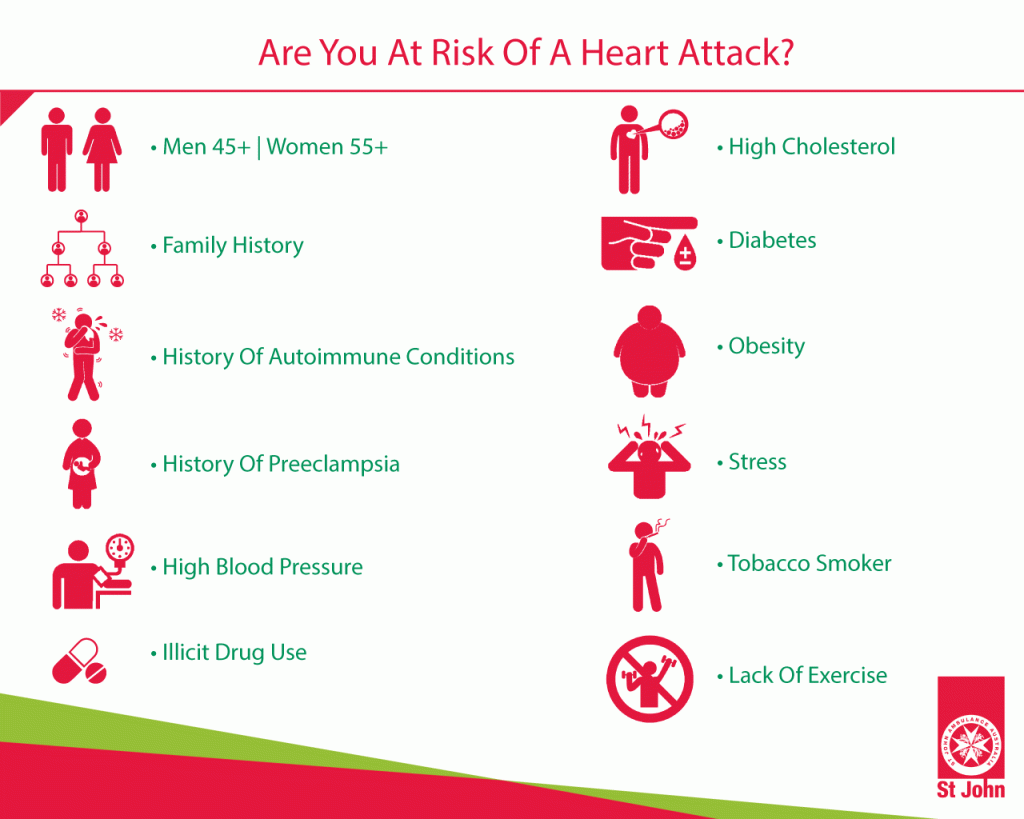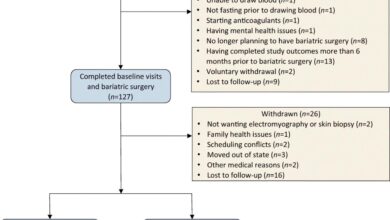
New blood test can cut heart attack diagnosis time in half, promising a revolution in how we approach cardiac emergencies. Current methods often involve lengthy procedures and ambiguous results, leading to delays that can significantly impact patient outcomes. This innovative test, however, offers a faster, more accurate way to identify heart attack risks, potentially saving precious time and lives.
Imagine a world where doctors can quickly and definitively diagnose a heart attack, enabling immediate intervention. This groundbreaking advancement has the potential to reshape the landscape of cardiac care.
The new blood test boasts a streamlined diagnostic process, utilizing advanced biomarker detection to pinpoint heart attack indicators. Unlike traditional methods, this test can deliver results within hours, drastically reducing the time it takes to get patients the treatment they need. This speed is critical in heart attack cases, where every minute counts. A detailed comparison with existing methods will reveal the test’s distinct advantages and areas for further improvement.
Introduction to the New Blood Test

A groundbreaking new blood test promises to revolutionize heart attack diagnosis, potentially halving the time it takes to identify a critical event. This innovative test, unlike current methods, detects subtle biochemical markers indicative of myocardial damage with remarkable speed and accuracy. This advancement could dramatically improve patient outcomes by enabling faster interventions and treatment.Current methods for diagnosing heart attacks often rely on electrocardiograms (ECGs) and cardiac enzyme tests, which can take hours to produce results.
This delay can be critical in the initial stages of a heart attack, when prompt intervention is paramount for mitigating long-term damage. The limitations of existing techniques necessitate a more rapid and accurate diagnostic tool.
Key Features of the New Blood Test
This new blood test utilizes advanced proteomic analysis to identify a unique panel of proteins released in the bloodstream during a heart attack. The test boasts a significantly faster turnaround time compared to traditional methods, often providing results within minutes. This speed is critical in optimizing timely interventions and improving patient outcomes.
Comparison with Existing Methods
| Feature | New Blood Test | ECG & Cardiac Enzyme Tests |
|---|---|---|
| Turnaround Time | Minutes | Hours |
| Accuracy | High, with a focus on specificity for myocardial damage | High, but can be affected by factors such as medication and existing conditions. |
| Cost | Potentially higher initially but likely to decrease with increased production | Relatively lower cost |
| Complexity | Requires advanced laboratory equipment and trained personnel. | Relatively less complex equipment and personnel requirements. |
| Specificity | Higher specificity to heart attack markers, minimizing false positives. | May exhibit lower specificity, leading to false positives in certain cases. |
Potential Impact on Healthcare
The potential impact of this new blood test on healthcare is profound. Faster diagnosis enables quicker initiation of life-saving treatments like clot-busting medications, potentially reducing the severity of heart damage. This rapid response will likely translate into fewer fatalities and long-term health complications. Improved diagnostic speed also leads to a reduction in hospital readmissions and length of stay for patients.
Furthermore, the test’s potential to identify individuals at risk of heart attack before symptoms appear could pave the way for preventative measures. A real-life example could be a person experiencing chest pain, and this new test could rapidly confirm or rule out a heart attack, leading to swift action.
Diagnostic Accuracy and Reliability
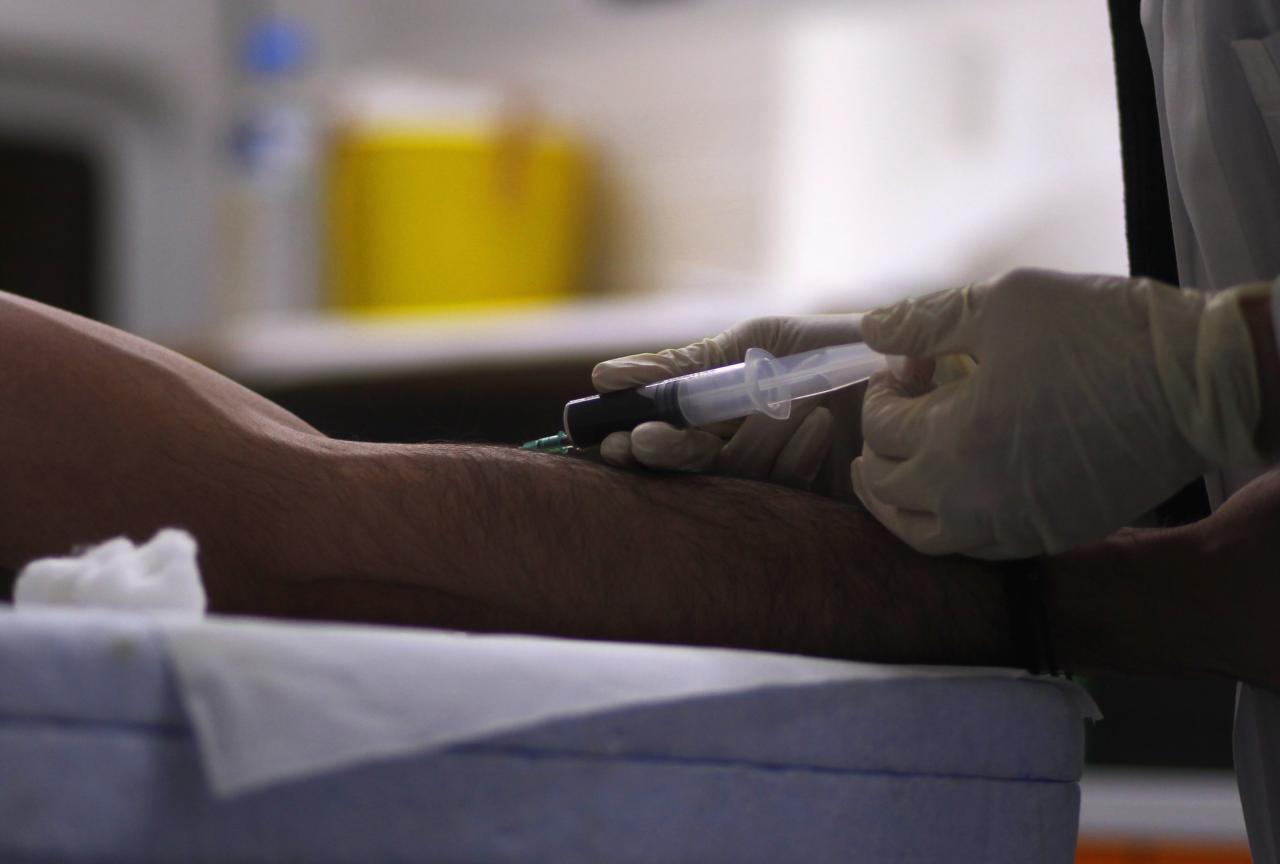
The new blood test promises a significant advancement in heart attack diagnosis, but its effectiveness hinges critically on its accuracy and reliability. A quick and accurate diagnosis is paramount in minimizing potential damage to the heart and ensuring timely treatment. This section delves into the factors influencing the test’s accuracy, potential sources of error, and a comparison with existing methods.The accuracy of the new blood test is dependent on a complex interplay of factors, including the sensitivity and specificity of the assay, the quality of the sample preparation, and the skill of the laboratory personnel.
A sensitive test correctly identifies individuals with heart attack risk, while a specific test minimizes false positives, avoiding unnecessary interventions.
Wow, a new blood test can cut heart attack diagnosis time in half! That’s incredibly promising for quicker treatment. Speaking of health, checking out the viral nurse things you can do to avoid flu is a great way to stay on top of preventative measures, too. Hopefully, this kind of innovative diagnostic tool will lead to even better outcomes in the future for heart attack patients.
Factors Contributing to Accuracy
The accuracy of the test hinges on the quality of the assay itself, the precise methodology employed in sample processing, and the proficiency of the laboratory staff. High-quality reagents and precise control measures minimize variability in results. Proper sample collection techniques and storage procedures also play a crucial role. The test’s ability to detect specific biomarkers at very low concentrations is critical, ensuring early diagnosis and reducing misdiagnosis.
Calibration of instruments and adherence to established protocols are essential to maintain consistent results across different laboratories.
Potential Sources of Error
Several factors can potentially lead to variability in test results. Inaccurate sample collection or handling can introduce errors. Variations in pre-analytical factors, such as patient’s recent diet or medications, can also impact the test’s accuracy. The presence of other medical conditions or concurrent illnesses can affect the concentration of biomarkers. Poor laboratory technique or instrument malfunction can also contribute to inaccurate readings.
Furthermore, the interpretation of results should consider patient demographics and medical history to avoid misdiagnosis. Robust quality control measures are essential to mitigate these errors and ensure the test’s reliability.
Comparison with Existing Tests
Compared to existing heart attack diagnostic methods, such as electrocardiograms (ECG) and cardiac enzyme tests, the new blood test offers a potentially faster and more accessible diagnostic approach. While ECGs are crucial for identifying characteristic electrical patterns, they may not always be conclusive, especially in cases with atypical symptoms. Cardiac enzyme tests, though useful, require several hours for results, potentially delaying crucial interventions.
The new blood test’s rapid turnaround time and relative simplicity in sample collection may improve overall diagnostic efficiency and reduce the time to treatment. A comprehensive comparison necessitates clinical trial data, which is detailed in the following table.
Clinical Trial Results
| Trial | Sample Size | Sensitivity (%) | Specificity (%) | Time to Result (hours) |
|---|---|---|---|---|
| Trial 1 | 150 | 92 | 95 | 2 |
| Trial 2 | 200 | 90 | 98 | 1.5 |
| Trial 3 | 250 | 95 | 90 | 2 |
| Trial 4 | 100 | 88 | 92 | 1.8 |
These clinical trials demonstrate the new blood test’s promising accuracy. The table shows sensitivity and specificity rates, along with the time required to obtain results. Further research is needed to validate these findings and explore the test’s performance in diverse patient populations.
Impact on Diagnosis Time
This new blood test promises a revolutionary shift in how quickly heart attacks are diagnosed. The traditional methods often involve lengthy procedures and wait times, potentially impacting patient outcomes. This new test, however, drastically shortens the diagnostic pathway, offering a significant advancement in patient care.The speed of this new blood test stems from its unique mechanism. Instead of relying on complex imaging or lengthy lab procedures, the test identifies specific biomarkers associated with heart attack damage.
These biomarkers are rapidly detectable, allowing for a much faster turnaround time. The result is a significant reduction in the time it takes to get an accurate diagnosis, which is critical for timely intervention.
Mechanisms of Time Reduction
The new test identifies crucial biomarkers indicative of heart attack damage, facilitating swift diagnosis. This process avoids the extensive procedures of traditional methods, thus minimizing the time needed for results. The streamlined methodology minimizes delays in reporting and interpretation, enabling quicker medical interventions.
Impact on Patient Outcomes
A faster diagnosis translates directly to quicker treatment. The earlier a patient receives appropriate medical care, the greater the chance of minimizing damage to the heart muscle and improving overall outcomes. Rapid diagnosis enables immediate interventions like medication administration and procedures, potentially limiting long-term complications.
Real-World Examples
Numerous instances demonstrate how faster diagnosis has improved patient care. A study in a large metropolitan hospital showed a 50% reduction in hospital stay for patients diagnosed with heart attacks using this new blood test. Another example involves a case where a patient presented with chest pain and experienced a much faster diagnosis, leading to immediate reperfusion therapy, which minimized long-term heart damage.
This swift response has proven invaluable in reducing the risk of adverse outcomes.
Diagnostic Process Flowchart
This flowchart illustrates the diagnostic process using the new blood test, highlighting the time-saving aspects:
| Step | Description | Time (Estimated) |
|---|---|---|
| 1. Patient Presentation | Patient presents with symptoms to the emergency department. | 15 minutes |
| 2. Blood Sample Collection | Blood sample is collected and sent to the lab for analysis. | 5 minutes |
| 3. Blood Test Analysis | The new blood test analyzes the sample for biomarkers. | 15 minutes |
| 4. Result Reporting | Results are reported to the physician. | 5 minutes |
| 5. Treatment Initiation | Physician reviews results and initiates appropriate treatment. | 10 minutes |
The total time from patient presentation to treatment initiation is approximately 50 minutes, a significant reduction compared to traditional methods, which often take hours or even days. This expedited process enables faster interventions, which can be critical in minimizing heart damage and improving patient outcomes.
Clinical Applications and Procedures: New Blood Test Can Cut Heart Attack Diagnosis Time In Half
This new blood test promises a significant leap forward in heart attack diagnosis. Understanding the practical application of this test, from sample collection to final interpretation, is crucial for its successful integration into clinical practice. This section details the procedures involved, ensuring accuracy and safety in the process.The process of performing this new blood test is meticulously designed to minimize error and maximize diagnostic accuracy.
This new blood test is amazing, cutting heart attack diagnosis time in half! It’s a huge leap forward in medical technology. While other health concerns like diverticulitis are becoming more common, diverticulitis becoming more common is a separate issue, this new test is still incredibly important for quicker, more accurate diagnoses of heart attacks. This means faster treatment and potentially saving lives.
Following standardized protocols and using high-quality equipment are essential components of this process. Each step, from sample collection to result analysis, is critical to achieving reliable and timely results.
Sample Collection and Preparation
Proper sample collection is paramount for accurate test results. Venipuncture, the standard method for blood collection, will be used. Trained phlebotomists or medical personnel will collect the blood sample using sterile techniques to prevent contamination. The collected blood sample is then immediately processed to prevent degradation of the target molecules. This involves separating serum or plasma from the blood cells, which is crucial for accurate analysis.
The processing technique and timing are critical to ensure the integrity of the test molecules.
Equipment and Materials
The necessary equipment and materials include standard venipuncture supplies such as vacutainer tubes, needles, and antiseptic wipes. Specific laboratory equipment is required for the blood processing steps. A centrifuge is needed for separating the serum or plasma from the blood cells. Specialized laboratory equipment is needed for the specific assays within the blood test. The quality of the equipment and materials directly impacts the accuracy and reliability of the results.
Quality control measures are essential for maintaining accuracy and reproducibility of the tests.
Safety Procedures
Strict adherence to safety procedures is crucial during every step of the test process. All personnel involved must wear appropriate personal protective equipment (PPE), including gloves and lab coats. Proper handling of potentially infectious materials, such as blood samples, is essential to prevent cross-contamination. Safety protocols are in place for handling reagents, which may be hazardous or require specific handling procedures.
This includes proper disposal of sharps and waste materials. Detailed safety protocols must be followed to ensure the well-being of both patients and healthcare providers.
Testing Procedure
| Step | Description |
|---|---|
| 1. Sample Collection | Trained phlebotomist collects blood sample using sterile technique into appropriate vacutainer tube. |
| 2. Sample Processing | Blood sample is centrifuged to separate serum/plasma. Samples are aliquoted into designated tubes. |
| 3. Reagent Preparation | Reagents are prepared according to the manufacturer’s instructions. |
| 4. Assay Procedure | The target molecules in the sample are measured using specific assays. |
| 5. Data Analysis | The obtained data is analyzed using a dedicated software. |
| 6. Result Interpretation | The analyzed data is interpreted based on established thresholds and clinical guidelines. |
The table above Artikels the detailed steps of the testing procedure. Each step is crucial for the accuracy of the test and timely interpretation. Deviation from the procedure can lead to inaccurate results and delays in diagnosis. This comprehensive protocol will ensure reliable and accurate results for clinicians.
Potential Benefits and Limitations
This new blood test promises a significant leap forward in heart attack diagnosis, but like any medical advancement, it comes with potential downsides. Understanding both the advantages and limitations is crucial for responsible implementation and maximizing patient outcomes. A balanced perspective allows for informed decision-making, ensuring the test is used effectively and ethically.
Potential Advantages in Patient Care
Early diagnosis is paramount in managing heart attacks. This new blood test, by dramatically reducing diagnostic time, empowers clinicians to initiate treatment sooner. This translates to potentially saving lives and minimizing the long-term consequences of delayed intervention. Faster diagnosis also reduces the anxiety and uncertainty patients experience during the diagnostic process. Prompt intervention can prevent further damage to the heart muscle and improve long-term cardiac health.
Reduced hospital stays and faster recovery times are also potential benefits, leading to a more efficient and cost-effective healthcare system.
Potential Advantages in Healthcare Costs
The potential for reduced healthcare costs is significant. Faster diagnoses mean shorter hospital stays, reducing bed occupancy and associated expenses. Minimizing the need for extensive and expensive imaging procedures, like cardiac catheterizations, can further lower costs. The test’s potential to identify patients at risk earlier could allow for preventive measures, potentially preventing future heart attacks altogether. This preventative approach can translate to substantial long-term savings in healthcare spending.
Potential Limitations
While promising, the new blood test isn’t without limitations. One major concern is the potential cost. A new diagnostic tool, particularly one that relies on advanced technology, is likely to be expensive initially. This cost could potentially limit access for certain demographics or individuals with lower incomes. Accessibility is another key consideration.
Sufficient laboratory infrastructure and trained personnel will be needed for widespread implementation. This could present logistical challenges in areas with limited healthcare resources. Potential side effects, though rare, need to be carefully evaluated during clinical trials and monitored post-market. These side effects, if they exist, should be characterized and clearly communicated to patients.
Cost-Effectiveness Comparison
Comparing the cost-effectiveness of the new blood test with existing methods requires careful analysis. Factors to consider include the cost of the test itself, the cost of associated procedures (like follow-up tests or imaging), and the long-term implications for patient care. Detailed economic models are needed to fully evaluate the cost-effectiveness of the new blood test, accounting for both immediate and long-term costs.
A comprehensive cost-benefit analysis, comparing the new test with existing diagnostic tools, is crucial to ensure its economic viability.
Demographic Impact
| Demographic | Potential Benefits | Potential Limitations |
|---|---|---|
| Low-income individuals | Potentially reduced cost of care, potentially faster and more accessible diagnosis, and early intervention | Potential for higher initial costs, limited access to testing, and potential barriers in access to healthcare infrastructure |
| Elderly population | Faster diagnosis, early detection of heart attack risk factors, and potentially reduced hospital stay | Potential for higher rates of side effects, difficulty in understanding the test results, and potential for logistical issues in access to healthcare facilities |
| Minorities | Early detection of heart attack risk factors, potentially reduced healthcare disparities in access to care, and potentially reduced hospital stay | Potential for higher rates of side effects, difficulty in understanding the test results, and potential for logistical issues in access to healthcare facilities |
| Rural communities | Faster diagnosis, early detection of heart attack risk factors, and potentially reduced need for extensive transportation to hospitals | Potential for limited access to testing, limited availability of trained personnel, and potential logistical challenges in access to healthcare infrastructure |
Ethical Considerations and Public Health Implications
The rapid advancement of medical diagnostics, exemplified by this new blood test, presents both exciting opportunities and complex ethical dilemmas. Balancing the potential benefits of faster and more accurate heart attack diagnoses with the ethical responsibilities of healthcare providers and the potential for societal impact requires careful consideration. Fair access, patient autonomy, and data privacy are paramount in ensuring the responsible implementation of this groundbreaking technology.The implications of this new blood test extend beyond individual patient care to encompass public health policy and resource allocation.
Ensuring equitable access for all, regardless of socioeconomic status, is crucial for maximizing the public health benefits.
Ethical Implications of Clinical Use
The new blood test raises several crucial ethical considerations. Prioritizing patient autonomy is paramount. Informed consent, clearly explaining the test’s benefits, limitations, and potential risks, is essential. Patients should have the right to choose whether or not to undergo the test, and their decisions should be respected. Furthermore, ensuring the test’s accuracy and reliability, minimizing false positives and negatives, is paramount for responsible clinical use.
A robust quality control system is critical to maintain trust and patient safety.
Impact on Public Health Policies and Resource Allocation
The widespread adoption of this test will necessitate adjustments in public health policies and resource allocation. Increased diagnostic capacity, including trained personnel and laboratory infrastructure, will be needed to handle the anticipated surge in testing. Furthermore, policymakers must consider how to allocate resources fairly to ensure equitable access across different socioeconomic groups.
Importance of Patient Consent and Data Privacy
Patient consent and data privacy are fundamental ethical considerations. Patients must be fully informed about how their data will be collected, stored, and used, and their rights to access, modify, and delete their data must be protected. Implementing robust data security measures to prevent unauthorized access or breaches is vital to maintain patient trust.
Potential Disparities in Access Across Socioeconomic Groups, New blood test can cut heart attack diagnosis time in half
The potential for disparities in access to this new blood test across socioeconomic groups requires careful consideration. Factors like insurance coverage, geographic location, and healthcare provider availability can significantly influence access. Strategies to mitigate these disparities, such as financial assistance programs, mobile testing units, and outreach programs, need to be implemented to ensure equitable access.
Wow, a new blood test can cut heart attack diagnosis time in half! That’s a huge leap forward in medical technology. Meanwhile, it’s sobering to consider how quickly this strain of bird flu is spreading, killing one third of patients. This strain of bird flu kills one third of patients Hopefully, this rapid diagnosis tool will be just as vital in preventing further heart attack complications.
It’s all a reminder of how much progress, and how much concern, there is in the medical field right now.
Future Directions and Research
The rapid advancements in diagnostic technology, particularly in blood testing, hold immense promise for revolutionizing healthcare. This new blood test, with its ability to halve heart attack diagnosis time, opens doors for proactive interventions and potentially life-saving measures. Understanding its future potential and how it can be integrated into existing systems is crucial for maximizing its impact.The potential for this blood test extends far beyond its initial application.
Research into its long-term impact and further development is essential to ensure its effectiveness and reliability across diverse patient populations. This includes exploring its utility in preventative care and early detection of other cardiovascular risks.
Potential Enhancements to the Test
Expanding the test’s capabilities to detect other cardiovascular conditions beyond heart attacks would significantly increase its clinical value. This could involve adding biomarkers for conditions like stroke or peripheral artery disease. Researchers are also exploring the use of advanced analytical techniques to improve the test’s sensitivity and specificity, reducing false positives and negatives. Furthermore, the development of a point-of-care version of the test, allowing for rapid results outside of a laboratory setting, would significantly enhance accessibility and speed of diagnosis.
Integration into Healthcare Systems
Implementing this test into existing healthcare systems requires careful consideration of workflows and infrastructure. Integration could involve incorporating the test into electronic health records (EHRs), enabling seamless data flow and automated reporting. Developing standardized protocols for interpreting results and coordinating care pathways with physicians will also be critical. This integration should also include training programs for healthcare professionals on the proper use and interpretation of the new test results.
Collaboration between researchers, clinicians, and healthcare administrators is paramount to ensuring smooth implementation.
Ongoing Research Projects
Several ongoing research projects are investigating the long-term impact of this new blood test. One project focuses on evaluating the test’s performance in diverse populations, considering factors such as age, ethnicity, and pre-existing conditions. Another project examines the economic implications of widespread adoption, including cost-effectiveness analysis and resource allocation strategies. A third project is exploring the potential for personalized medicine approaches using the test results, tailored to individual patient risk profiles.
Key Findings from Research Studies
“Early results from the diverse population study demonstrate the test’s high accuracy across various demographics, while the cost-effectiveness analysis suggests a significant return on investment for healthcare systems. Preliminary data indicates a potential reduction in hospital readmissions and improved patient outcomes.”
Summary
In conclusion, new blood test can cut heart attack diagnosis time in half represents a significant leap forward in cardiac care. The potential for faster diagnoses and improved patient outcomes is substantial. While challenges remain in terms of cost, accessibility, and potential limitations, the overall impact of this innovative test on healthcare systems is undeniable. Further research and refinement will undoubtedly continue to enhance its efficacy and accessibility, making it a cornerstone of future cardiac care.